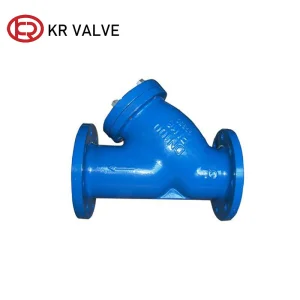
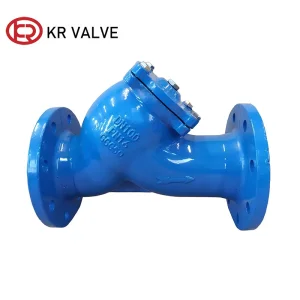
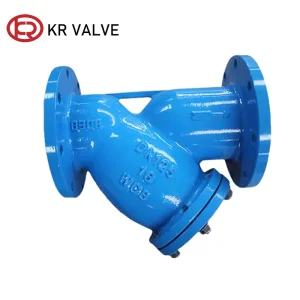
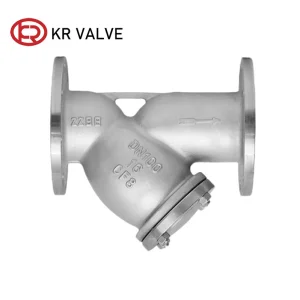
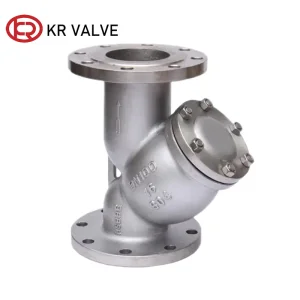
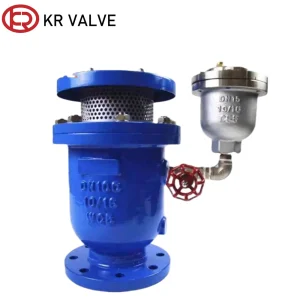
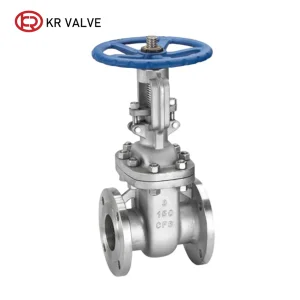
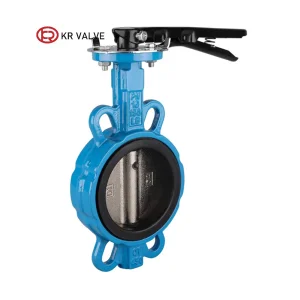
Engineered for low pressure-drop fluid filtration. Featuring precise mechanical screen tolerances, high flow efficiency, and certified materials tailored to meet stringent Norway industrial demands.
The industrial market in Norway represents one of the most demanding operational environments in the world. Characterized by sub-zero North Sea temperatures, highly corrosive marine environments, deep-sea subsea oil and gas extraction pipelines, and advanced land-based RAS (Recirculating Aquaculture Systems), Norwegian systems require fluid control hardware built to the highest parameters of metallurgy and precision. Within these systems, the Y-type strainer is a critical primary defense. It protects downstream piping components—such as control valves, flow meters, heat exchangers, and high-pressure pumps—from particulate damage, sand erosion, welding slag, and mineral scale.
For European procurement managers, subsea project engineers in Stavanger, and municipal water developers in Oslo, selecting a Y-type strainer manufacturer is not merely a matter of comparing unit costs. It is an evaluation of regulatory compliance, chemical compatibility, structural integrity, and flow dynamic profiles. This whitepaper analyzes the mechanical, structural, and supply-chain parameters of high-performance Y-type strainers built for the Norwegian market, contrasting material dynamics, global standard certifications, and local application scenarios.
To successfully integrate valves and piping strainers into Norwegian infrastructure, manufacturers must cross-reference their design baselines with regional and global certifications. The table below represents the core selection matrix for casting and fabricating high-integrity strainers destined for Norway:
| Body Material Designation | Standard Codes | Temperature Range | Recommended Norwegian Application | Key Certification/Standard |
|---|---|---|---|---|
| Ductile Iron GGG40 (EN-GJS-400-15) | DIN 1693 / EN 1563 | -20°C to +300°C | Oslo Municipal Water, Land-based Aquaculture, HVAC | EN 1074-1/5, CE/PED |
| Cast Iron GG25 (EN-GJL-250) | DIN 1691 / EN 1561 | -10°C to +200°C | Indoor Commercial HVAC, Steam Heating Systems | ISO 2531, CE Marking |
| Cast Carbon Steel WCB (A216 WCB) | ASTM A216 | -29°C to +425°C | High-Pressure Steam, Petroleum Transport, Industrial Chemical | ASME B16.34, API 598 |
| Stainless Steel CF8 / CF8M (SS304 / SS316) | ASTM A351 / EN 10213 | -196°C to +600°C | Offshore Marine, Subsea Gas, Salmon Processing Farms | NORSOK M-630, DNV GL Approval |
In offshore gas and deep-sea marine environments, the presence of chloride ions makes raw seawater highly aggressive. In these installations, standard WCB or CF8 strainers may suffer from localized pitting and crevice corrosion. For long-term installations, Norwegian operators often require CF8M (SS316) or Super Duplex Stainless Steel (UNS S32750) compliant with NORSOK M-630. This standard guarantees that the casting microstructure is balanced, free of detrimental intermetallic phases, and possesses a Pitting Resistance Equivalent Number (PREN) above 40.
A poorly engineered Y-type strainer can act as a flow bottleneck, generating significant pressure drops that force pumps to consume more energy. At KR Valve Group, our R&D department leverages Computational Fluid Dynamics (CFD) to optimize the internal geometry of the Y-chamber. By increasing the filtration surface area-to-inlet ratio (the open area ratio of the screen to the pipe cross-sectional area) to at least 4:1, we achieve a high flow capacity coefficient (Cv / Kv) while minimizing turbulence.
This dynamic profile is critical for Norwegian district energy grids, where circulating hot water must travel miles through dense urban networks under tight energy budgets. Implementing an optimized flow channel reduces pump head losses, directly translating to thousands of Euros in saved annual electrical utility costs for plant operators.
Norway's high domestic labor costs make importing ready-to-install, highly certified pressure equipment a logistical necessity. By partnering with advanced production facilities in China, Norwegian system integrators gain key advantages:
Over 20 years of engineering standard and custom high-integrity valves for global infrastructure projects.
Our dedicated R&D department leverages advanced simulation technologies to optimize valve geometry, reduce flow resistance, and customize designs to client-specific flow conditions. We maintain over 20 product series and 500 distinct valve configurations.
Utilizing more than 30 modern machining centers and precision assembly setups, we implement strict monthly inventory cycles and lead-time guarantees to ensure your infrastructure project remains on schedule.
Every valve undergoes meticulous sizing verification, visual inspection, and pressure integrity testing. Our quality control team issues formal certification records matching international quality and material standards.
Step inside our advanced manufacturing facility and witness our casting, machining, and inspection operations.
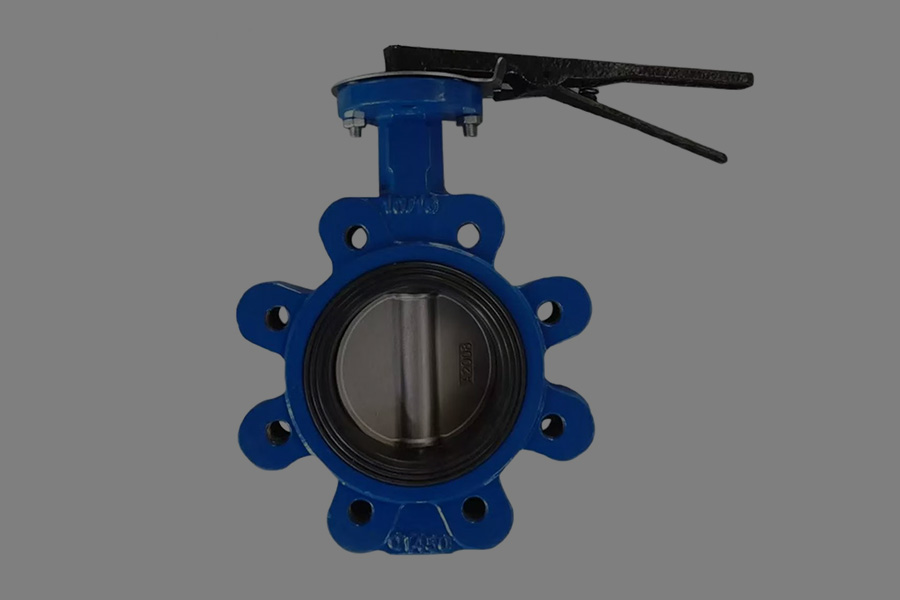
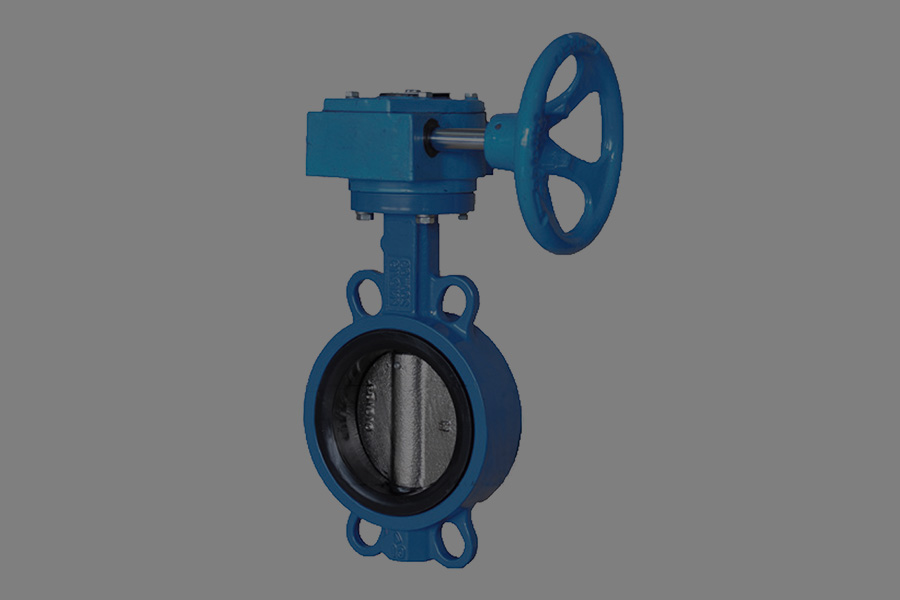
Why engineering companies and piping system integrators rely on KR Valve Group as their manufacturing partner.
We supply products under our global 'KR' brand name and offer comprehensive OEM and custom-label manufacturing for major regional valve brands in Northern Europe.
Equipped with 15 heavy machining centers and automated assembly lines, our facility is run by seasoned technicians trained in high-tolerance fluid machinery.
With 20 core series and over 500 configurations, we readily produce customized dimension extensions, specialized coatings, and bespoke flange drilling.
From metallurgical verification of the incoming scrap to structural pressure tests on final assemblies, we maintain tight control over every stage of manufacturing.
Our direct control over the foundry and tooling processes eliminates middle-agent margins, passing substantial savings down to project developers.
We provide full technical support, consulting on valve sizing, material selection, flow-drop calculations, and shipping logistics.
Proven performance in municipal water treatment, district heating networks, and chemical transport lines.
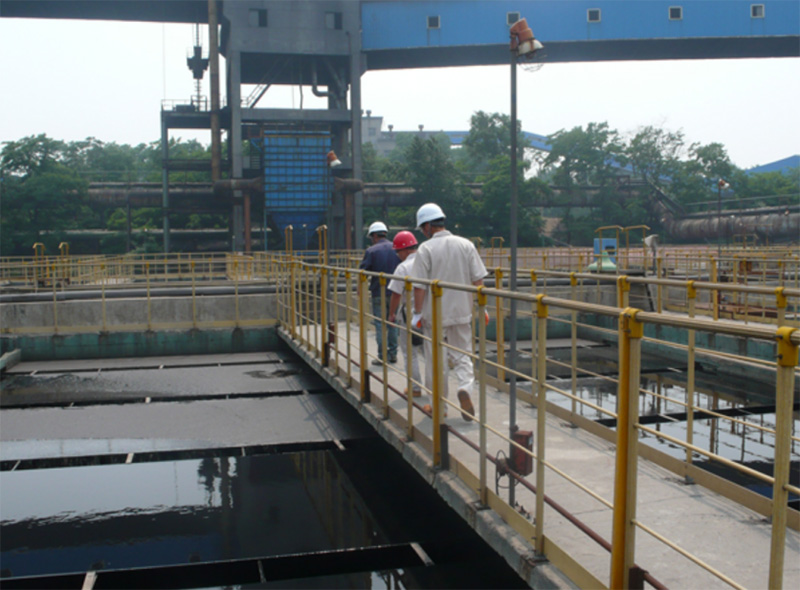
High-performance, automated flow control valves built to survive freezing subsoil temperatures in Oslo municipal upgrades.
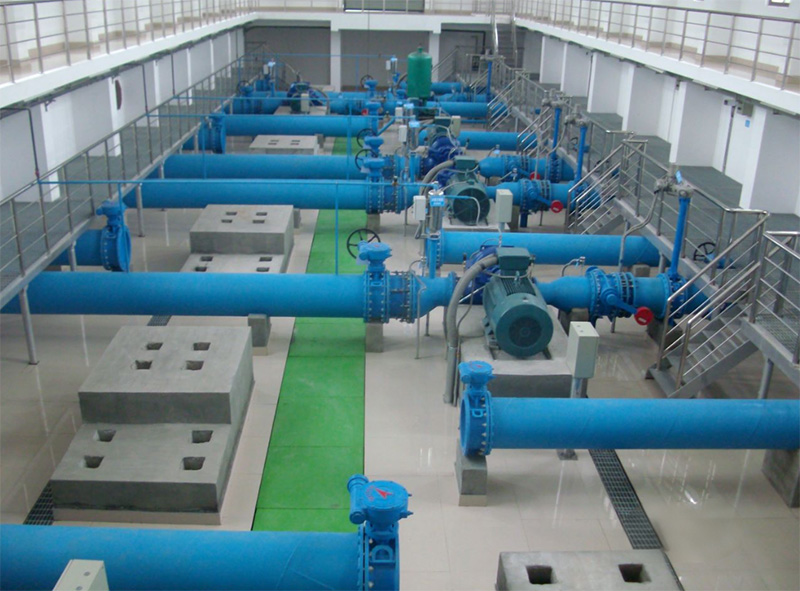
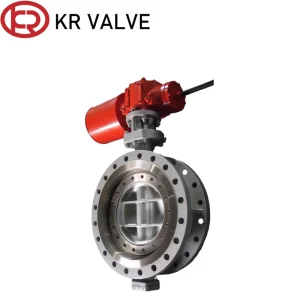
DN800 double-flanged butterfly valves installed in geothermal loop systems, providing long-term reliability.
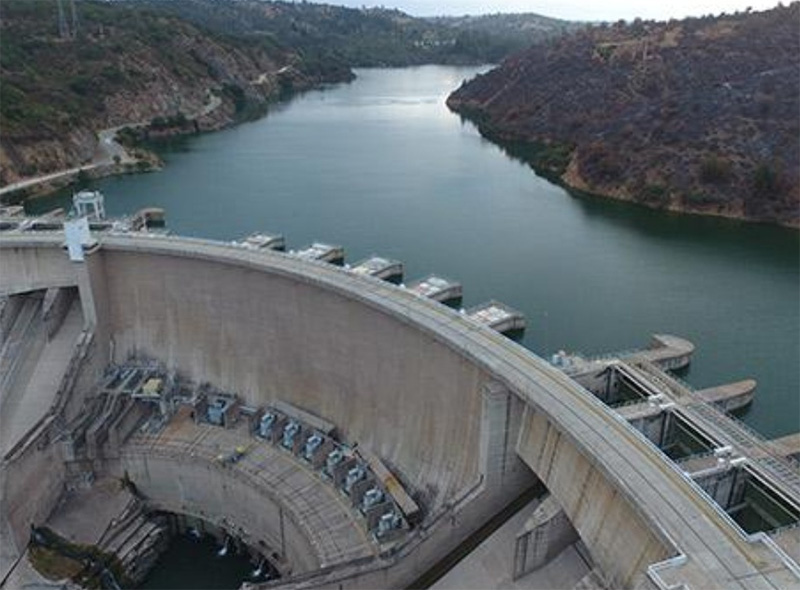
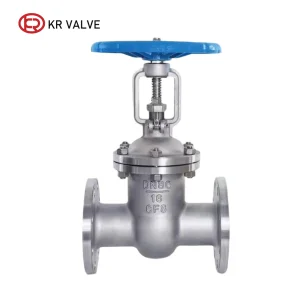
Supplying salt-water resistant EPDM gate valves to support RAS filtration units and deep-ocean fish cages in Bergen.
Explore our comprehensive industrial valve lineup, fully compatible with European piping standards and offshore specifications.
Expert answers addressing material performance, low-temperature operations, and maintenance procedures for the Norwegian market.
Ductile Iron GGG40 possesses a nodular graphite microstructure, yielding superior tensile strength (400 MPa min) and elongation properties. Unlike traditional Grey Iron GG25, GGG40 resists brittle fracturing under low temperatures and withstands water hammer effects in cold-climate municipal water lines. GG25 is generally restricted to low-pressure, indoor climate-controlled pipelines.
For typical seawater intake systems in marine vessels or coastal aquaculture facilities in Norway, a dual-layer screen is recommended: a structural outer mesh of 10-20 mesh (approx. 2.0mm to 0.8mm) to withstand hydrodynamic pressure, paired with a fine inner screen of 40-80 mesh (approx. 400 to 180 microns) to trap fine particulate debris without causing severe pressure drops.
Uncoated carbon steel WCB will rust rapidly in sea water. If WCB is specified, it must feature internal corrosion protection (such as fusion-bonded epoxy or rubber lining) or be fitted with an internal sacrificial anode. For seawater, CF8M (SS316) or duplex stainless steel is the engineering standard for longevity.
Ensure your manufacturer provides: (1) EN 10204 3.1 Material Certificate verifying chemical composition and mechanical properties; (2) CE/PED (Pressure Equipment Directive) declaration; (3) NDT test records (such as Dye Penetrant or Radiographic reports) for steel castings; and (4) Pressure test logs proving zero-leakage performance under API 598 or ISO 5208.
Yes, our machine shop can custom-drill flange dimensions to match old legacy Norwegian installations, including specific DIN standards, non-standard PN configurations, and standard ASME/ANSI drill patterns. Custom face-to-face dimensions are also available to match existing piping layouts.
 KR VAVLE