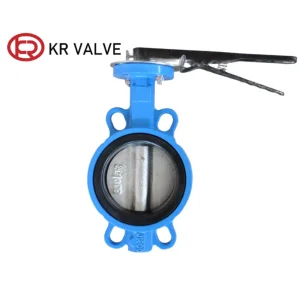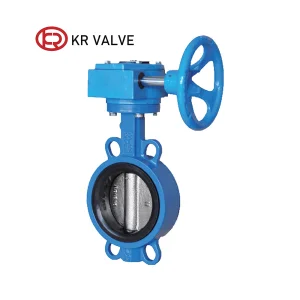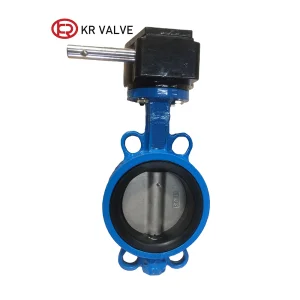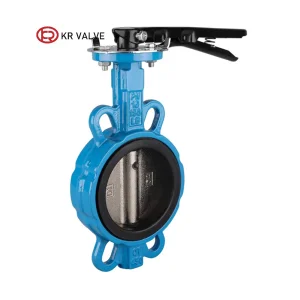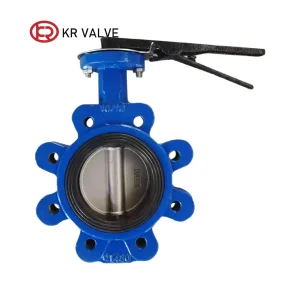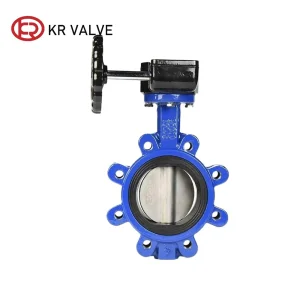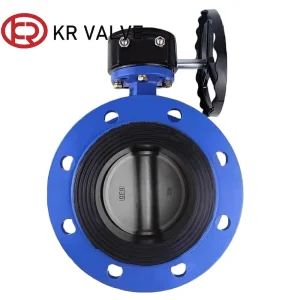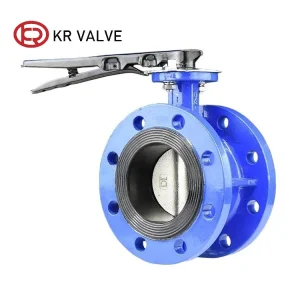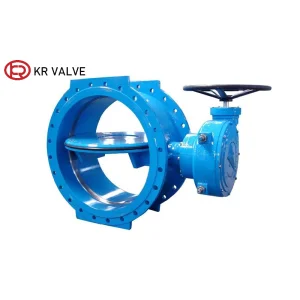
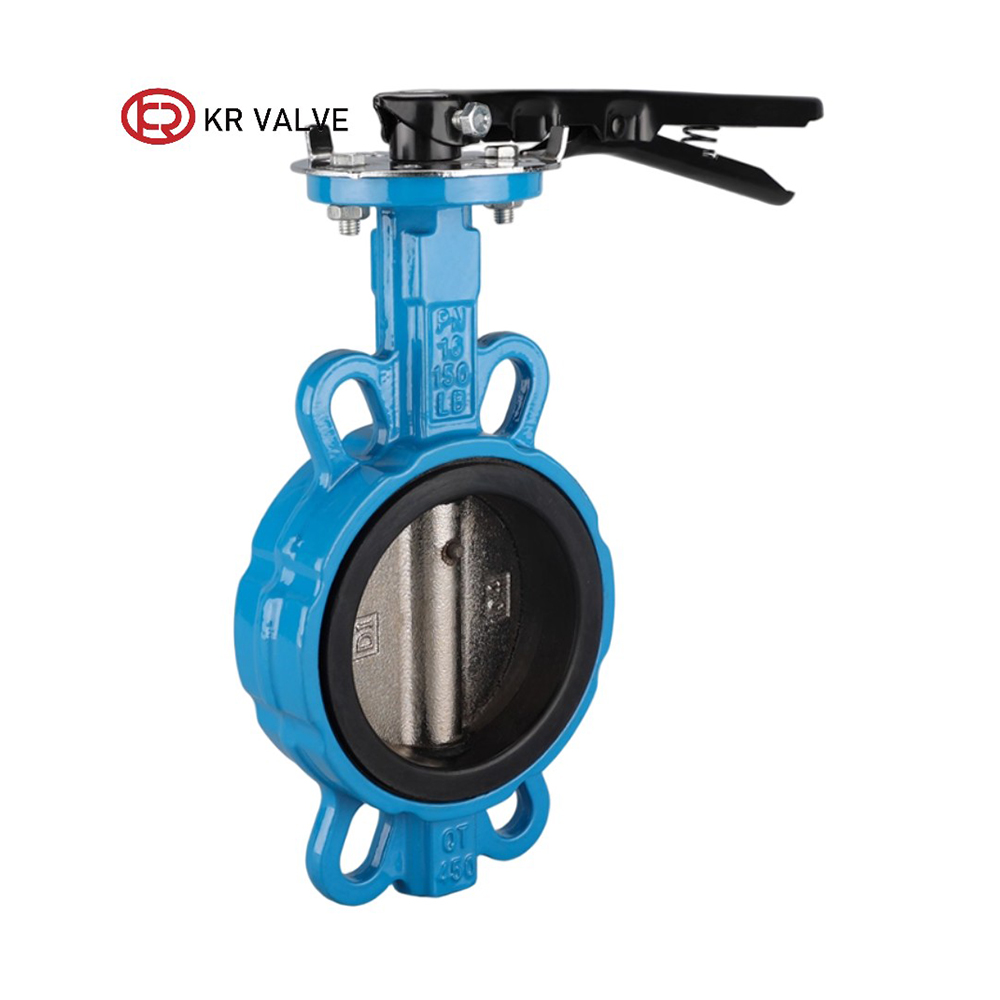
Wholesale Wafer Butterfly Valve Manual Malleable Cast Iron Handle DN100 Suppliers, Factories

Type: Concentric Resilient Seated

Series: D71X

Size: DN40-DN600/2”-24”

Pressure rating: PN6/PN10/PN16/5K/10K/150LB

Design standard: EN 593, API 609

Service: OEM&ODM

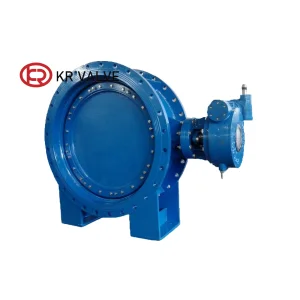
The wafer butterfly valve is suitable for medium and low pressure working conditions and can be flexibly matched with various driving modes such as manual, turbine, pneumatic, and electric, covering the medium control requirements of small to large diameter pipelines.

Product Description

Valve Type: Wafer butterfly valve Structure: Concentric
Standard: EN593 Workmanship: Investment casting
Sealing direction: Bidirectional Sealing grade: Zero leakage
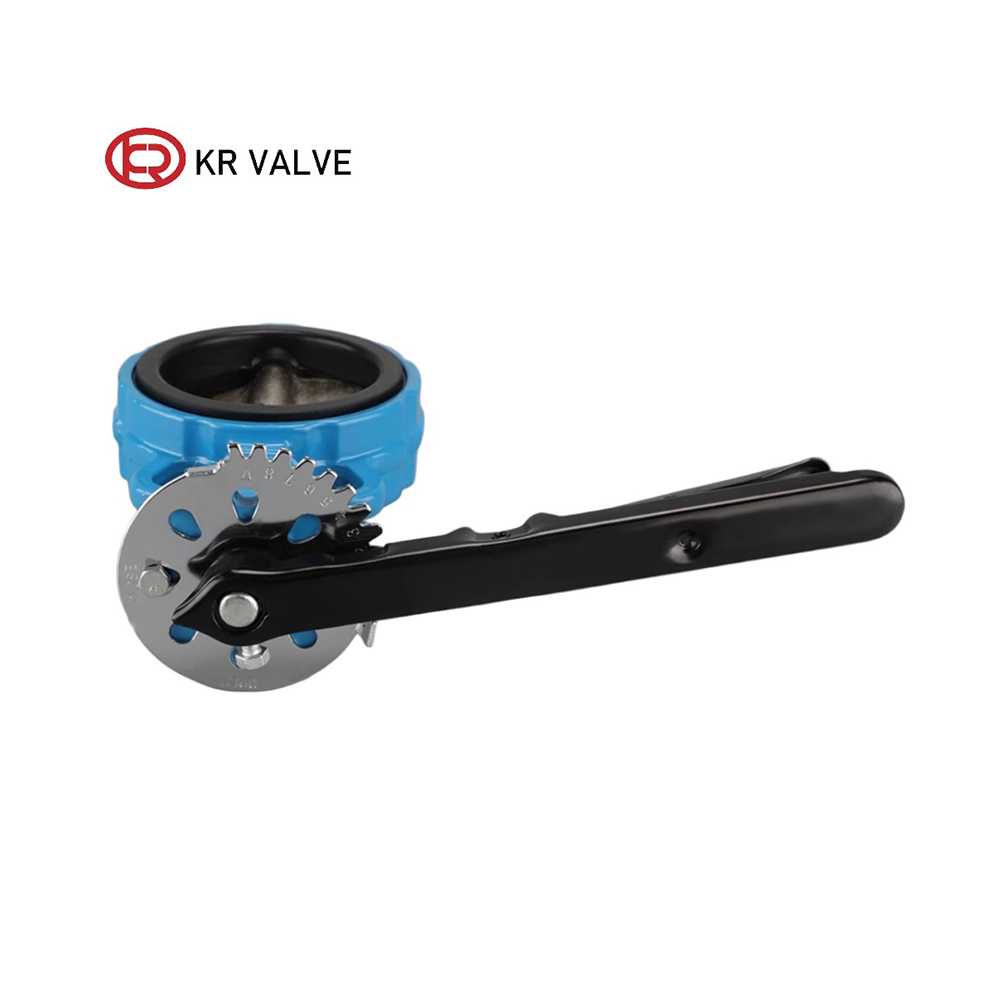
Temperature: -20°C < T < 120°C Operation: Handle/Lever
Characteristics

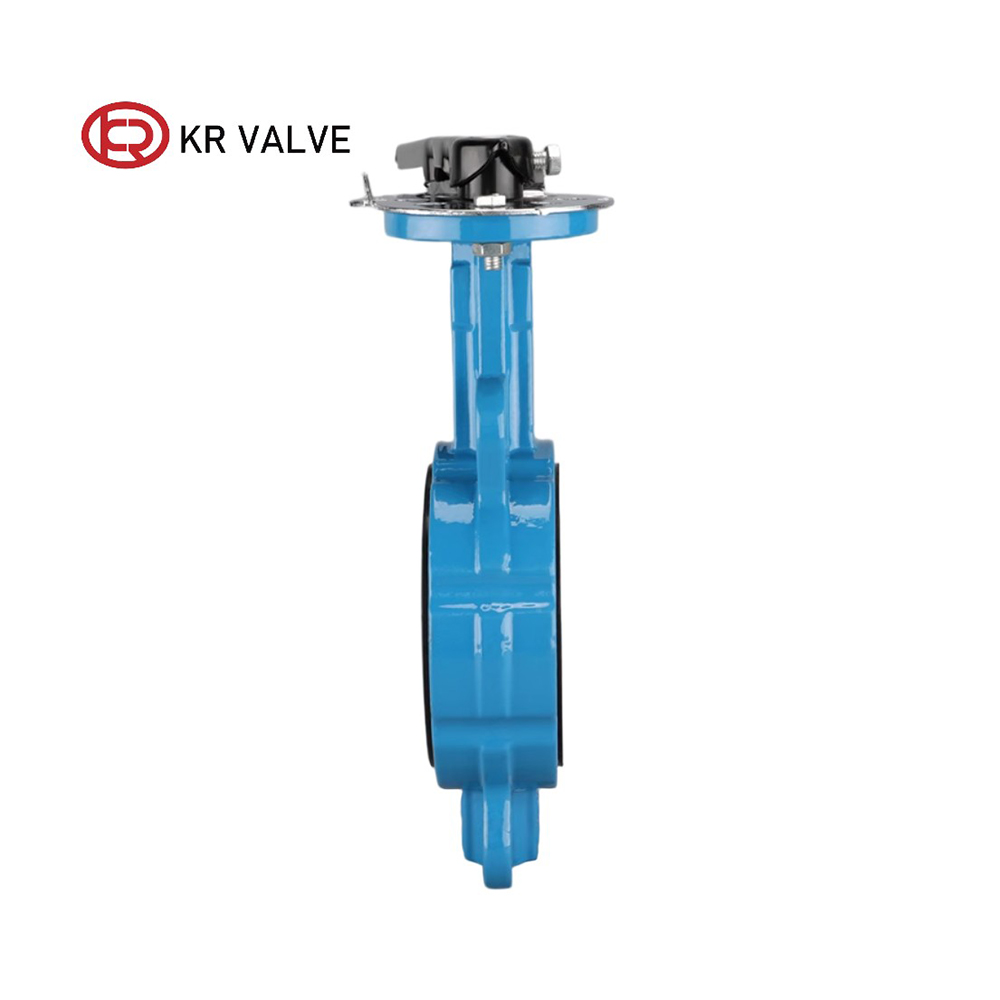
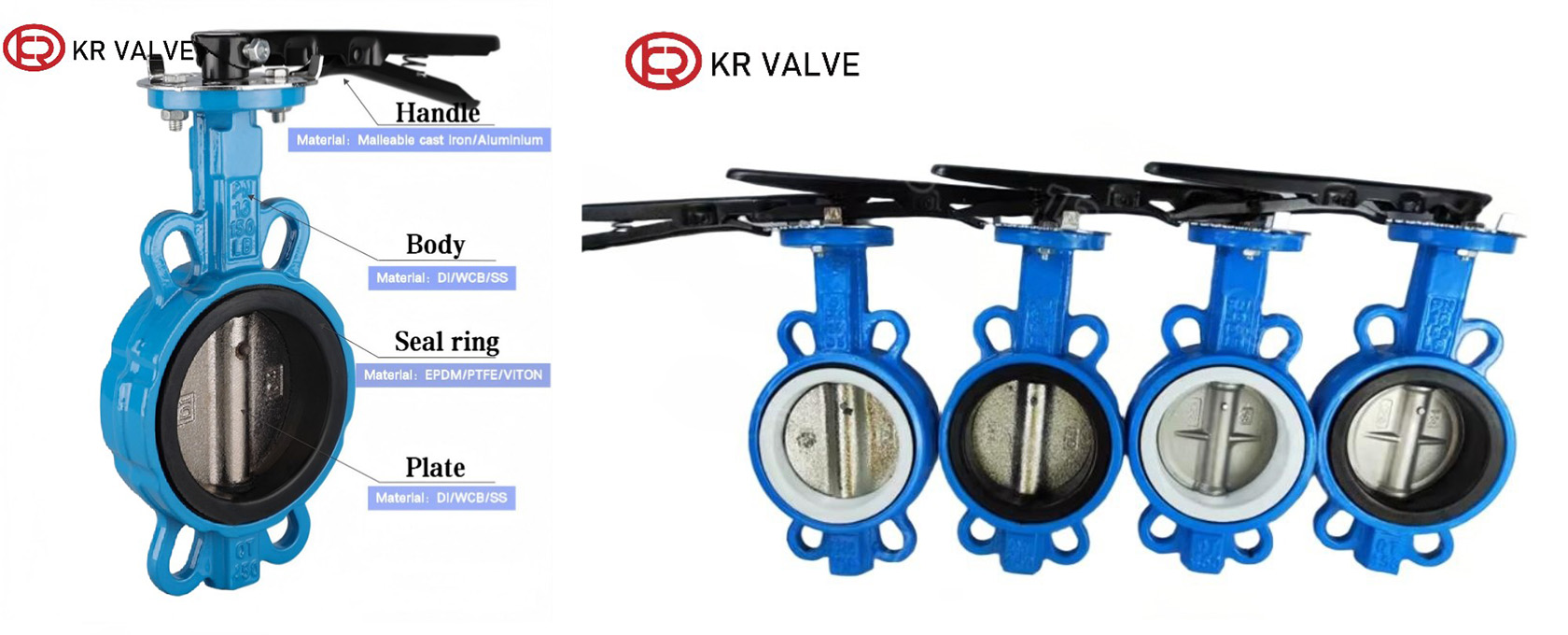
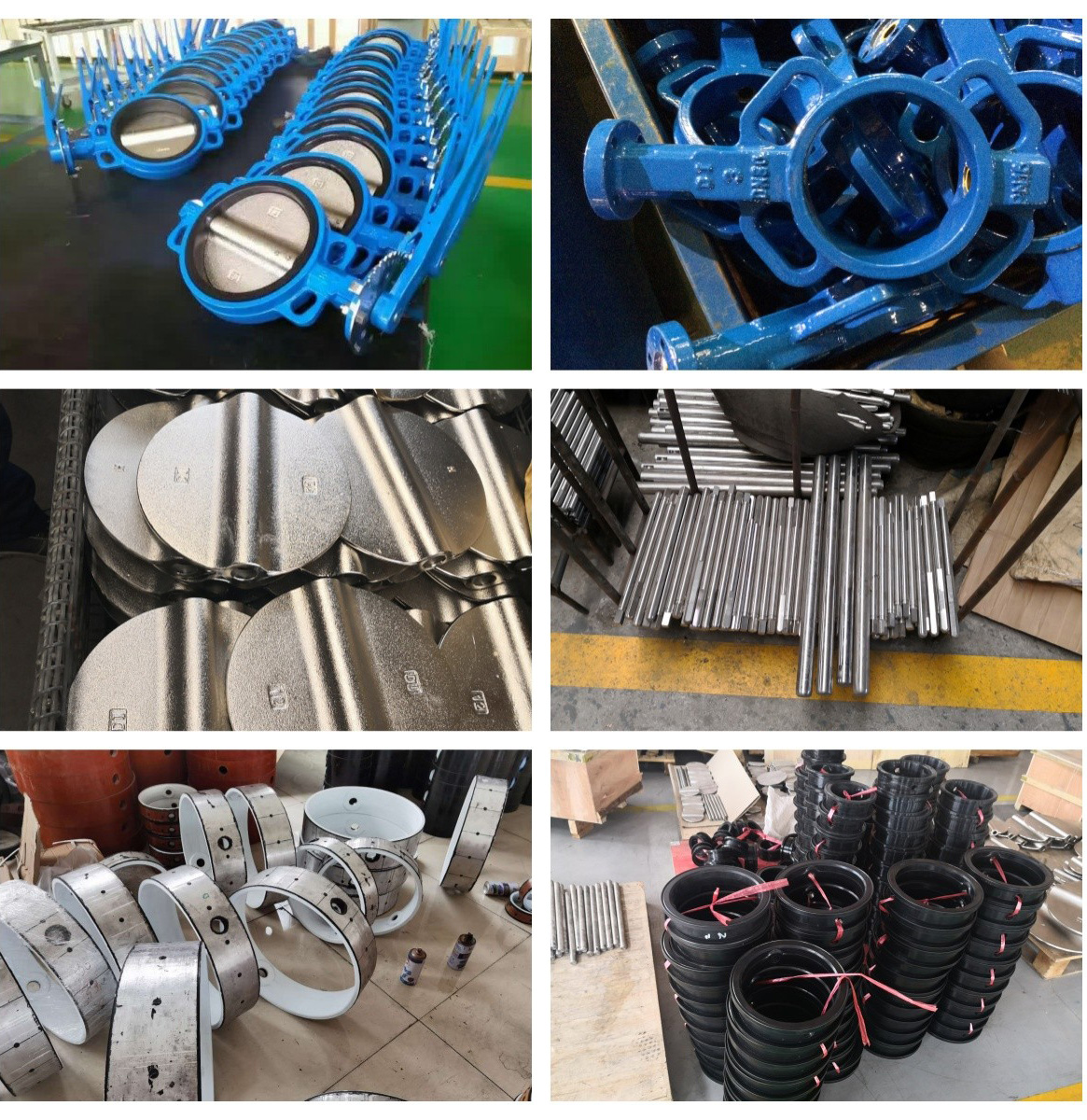
Wafer type connection with minimal space occupation. The valve body does not have an independent flange and is directly clamped between two pipeline flanges using double headed bolts. Its axial length is only 1/2~1/3 of that of a flange butterfly valve, and its radial size is compact, reducing weight by 30%~60%. It is particularly suitable for narrow installation environments such as dense pipelines, equipment rooms, and underground pipelines, while reducing labor/equipment costs for handling and installation.
Characteristics
Advantages
  • Butterfly valves have the characteristics of simple structure, small volume, light weight, low material consumption, fast switch (90° reciprocating rotation), and small driving torque.
  • Ideal for cutting off, connecting, and regulating media in pipelines with excellent fluid control characteristics.
  • Capable of transporting mud and accumulating the least amount of liquid at the pipeline outlet; achieves good sealing and regulation performance under low pressure.
  • Energy-saving streamlined design of the butterfly plate reduces fluid resistance loss.
  • The through-stem structure is quenched and tempered for superior mechanical properties, corrosion resistance, and abrasion resistance.
  • Reliable stem sealing: the packing is not easily damaged as the stem only rotates without vertical movement.
  • Diverse driving forms: manual, worm gear, electric, pneumatic, and hydraulic mechanisms available for remote and automated operation.
Advantages
Packing
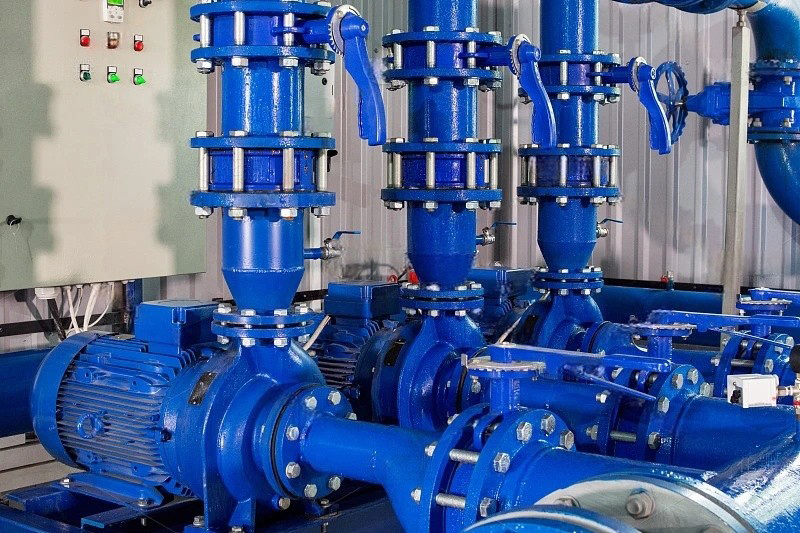
Application Scenarios

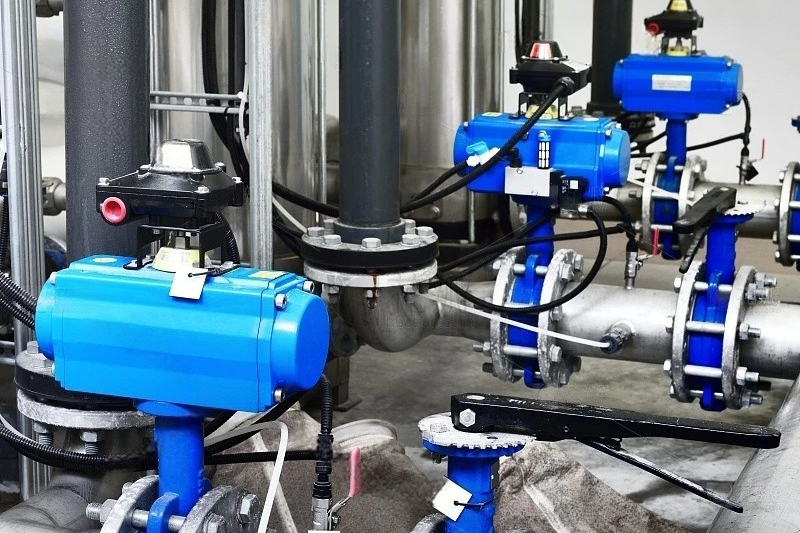
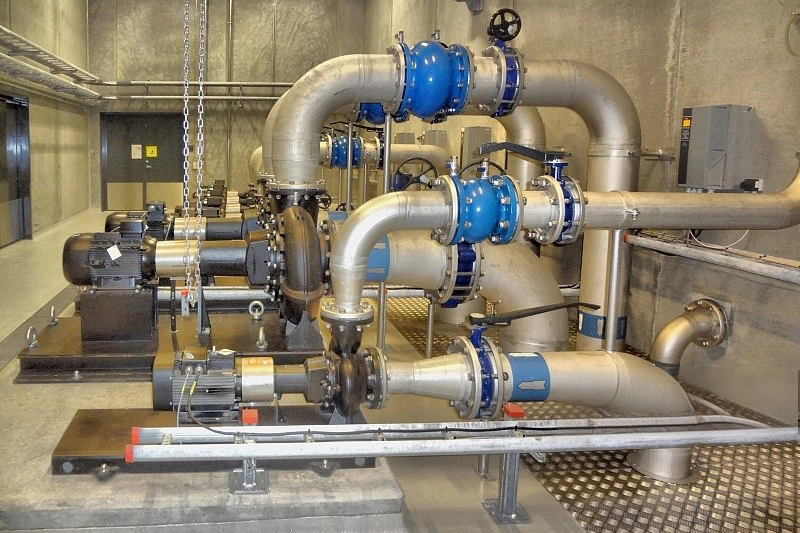
The sealing surface is made of elastic materials such as Nitrile Rubber (NBR), Ethylene Propylene Diene Monomer (EPDM), and Fluororubber (FKM). It is suitable for room temperature and clean media including water, air, natural gas, and weakly corrosive fluids, typically ranging from -20℃ to 120℃. Leakage level reaches ANSI B16.104 Class VI (bubble level seal).
Application 1
Application 2
Application 3
Material Specifications
Body Plate Shaft Bushing Seat Temp Range (℃)
Ductile Iron Ductile Iron Stainless Steel PTFE EPDM -45 ~ +135
Ductile Iron Stainless Steel Carbon Steel PTFE Hypalon -18 ~ +135
Aluminum Bronze Titanium Steel Stainless Steel PTFE EPDM -45 ~ +135
Stainless Steel CF8M Stainless Steel PTFE Neoprene -7 ~ +93
CF8M Carbon Steel Stainless Steel PTFE NBR -12 ~ +82
Carbon Steel CF8M Stainless Steel PTFE Abrasion-Resistant -10 ~ +50
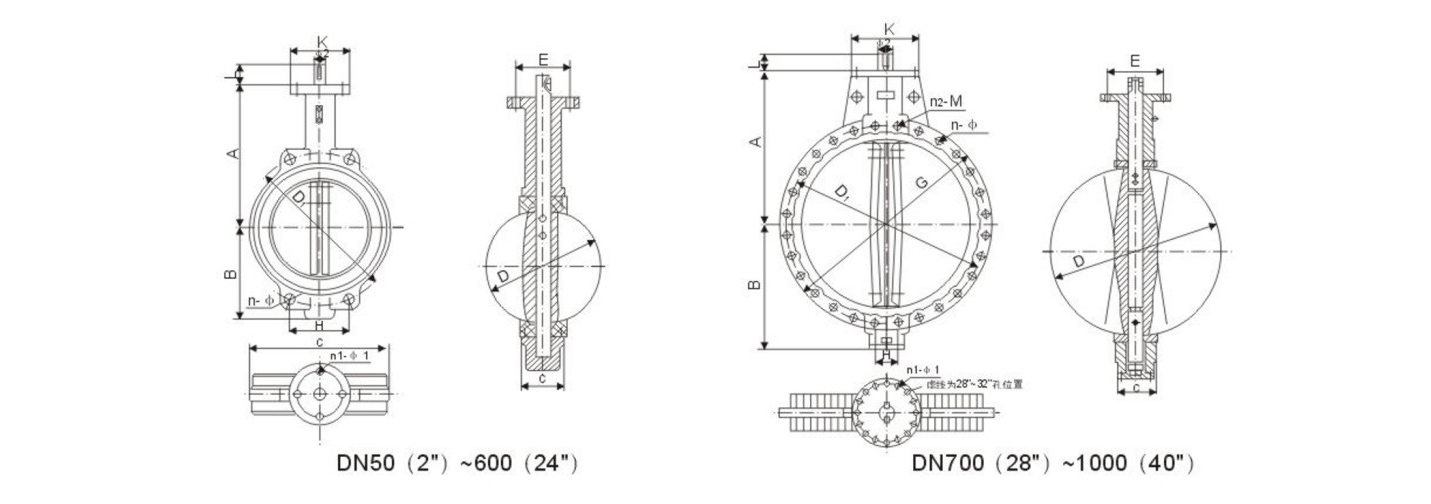
Dimensions (DN50 - DN1000)
Dimension Diagram
DN (mm) DN (inch) A B C D L H D1 n-Φ
502"161804252.93284.841204-Φ23
803"1819545.278.83261.231608-Φ18
1004"20011452.11043270.801854-Φ24.5
1506"22613955.8155.63291.082384-Φ25
2008"26017560.6202.545112.892954-Φ25
30012"33724276.9301.645105.344074-Φ29
Frequently Asked Questions
What are the primary benefits of using a wafer butterfly valve?
The wafer butterfly valve is highly compact and lightweight, occupying only 1/2 to 1/3 of the space required by flange valves. This makes it ideal for narrow installation environments like dense pipelines and equipment rooms.
What media can this valve handle?
It is suitable for water, air, natural gas, and weakly corrosive fluids. Depending on the seat material (NBR, EPDM, FKM, etc.), it can handle various industrial applications within the -20°C to 120°C range.
Does this valve provide a tight seal?
Yes, it features a bidirectional zero-leakage design. The sealing level reaches ANSI B16.104 Class VI, which is considered a bubble-level tight seal.
What operation methods are available for these valves?
They can be operated manually via handle or lever, or through automated mechanisms such as worm gear transmission, electric actuators, pneumatic systems, and hydraulic linkages.
What is the advantage of the through-stem structure?
The through-stem design provides high mechanical strength and corrosion resistance. Since the stem only rotates without moving vertically, the seal remains reliable and is less prone to damage over time.
Which standards does this butterfly valve comply with?
The valve is designed according to the EN593 standard, ensuring high-quality workmanship and international compatibility for industrial systems.

Related Products