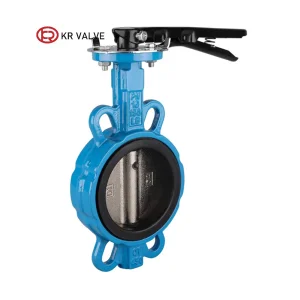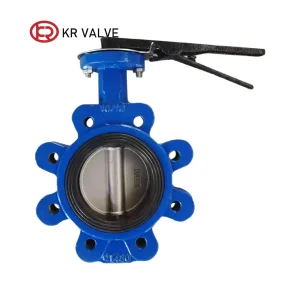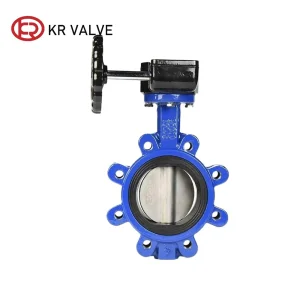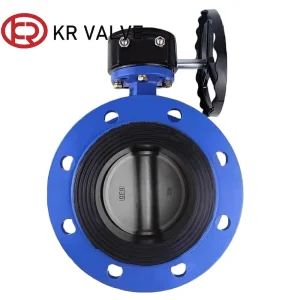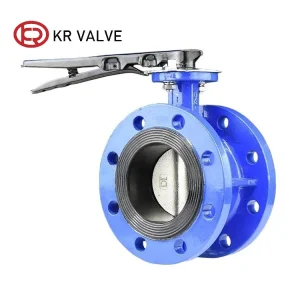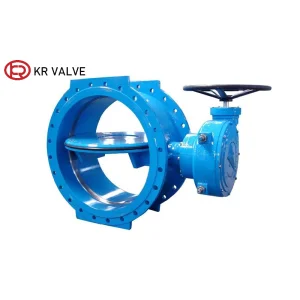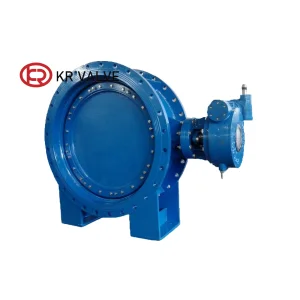
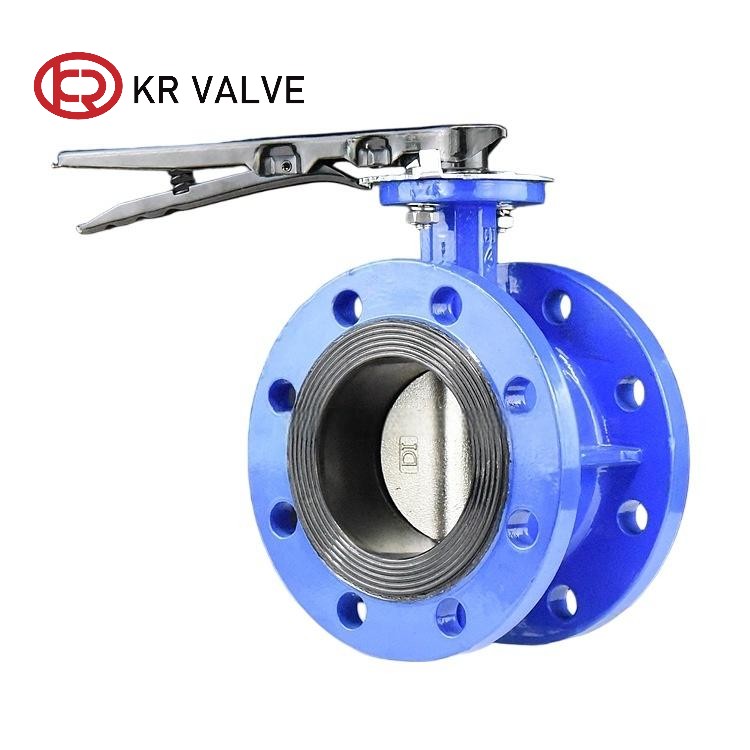
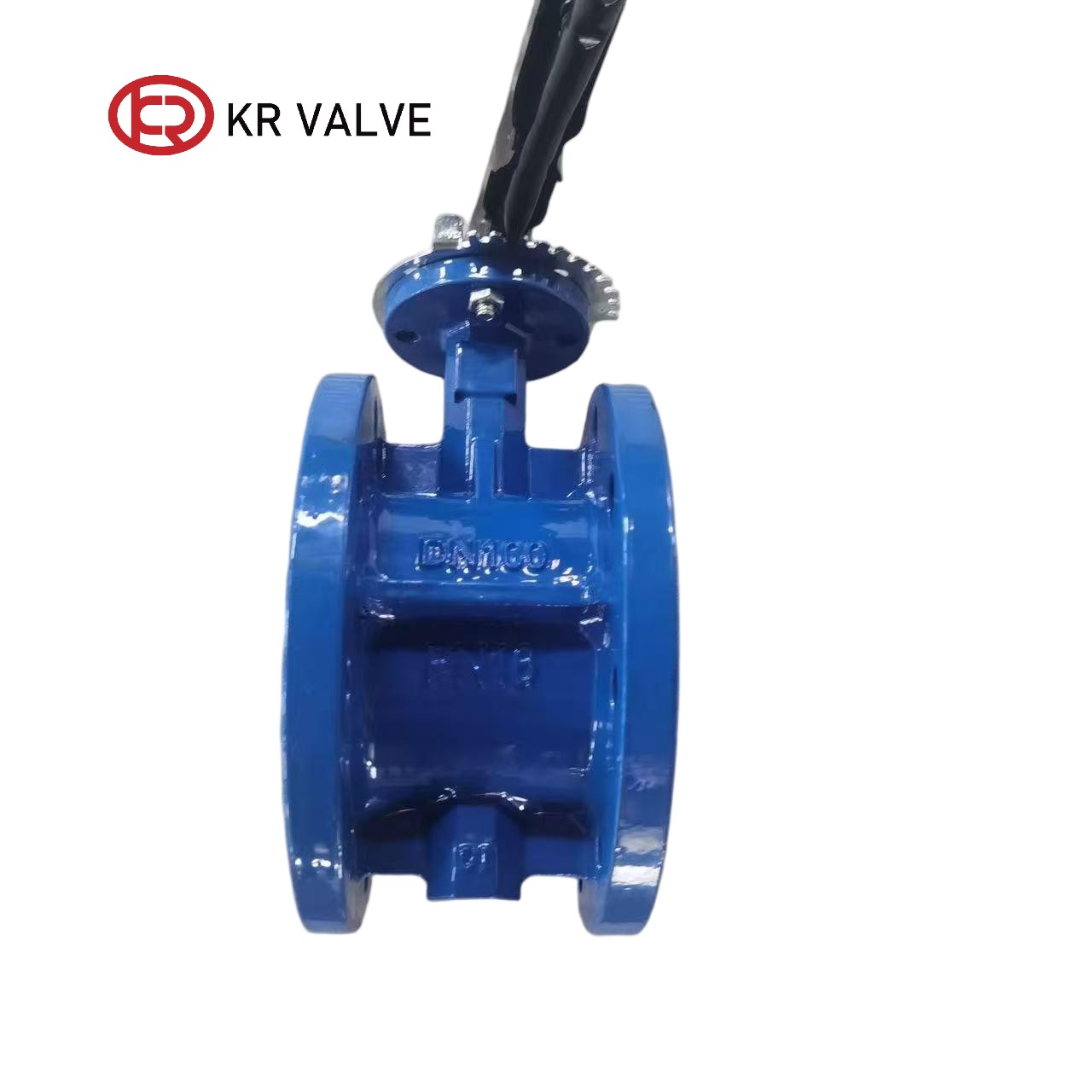
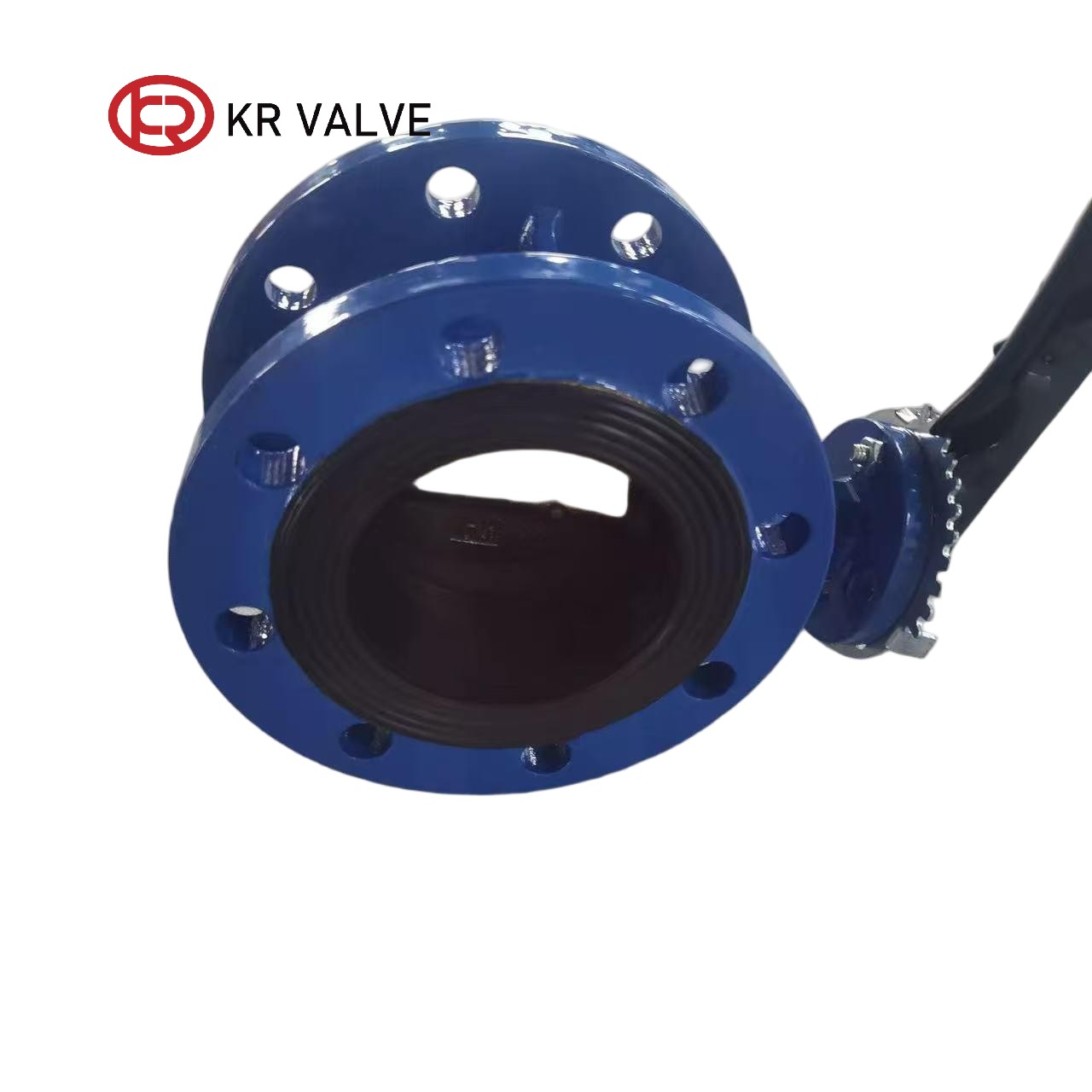
| Valve Type: |
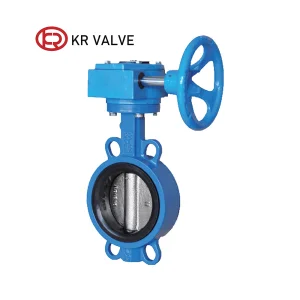
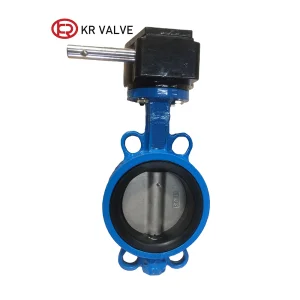
Flange butterfly valve |
Structure: |
Concentric |
| Standard: |
EN593 |
Workmanship: |
Investment casting |
| Sealing direction: |
Bidirectional |
Sealing grade: |
Zero leakage |
| Temperature: |
-20°C < T < 120°C |
Operation: |
Handle/Lever |
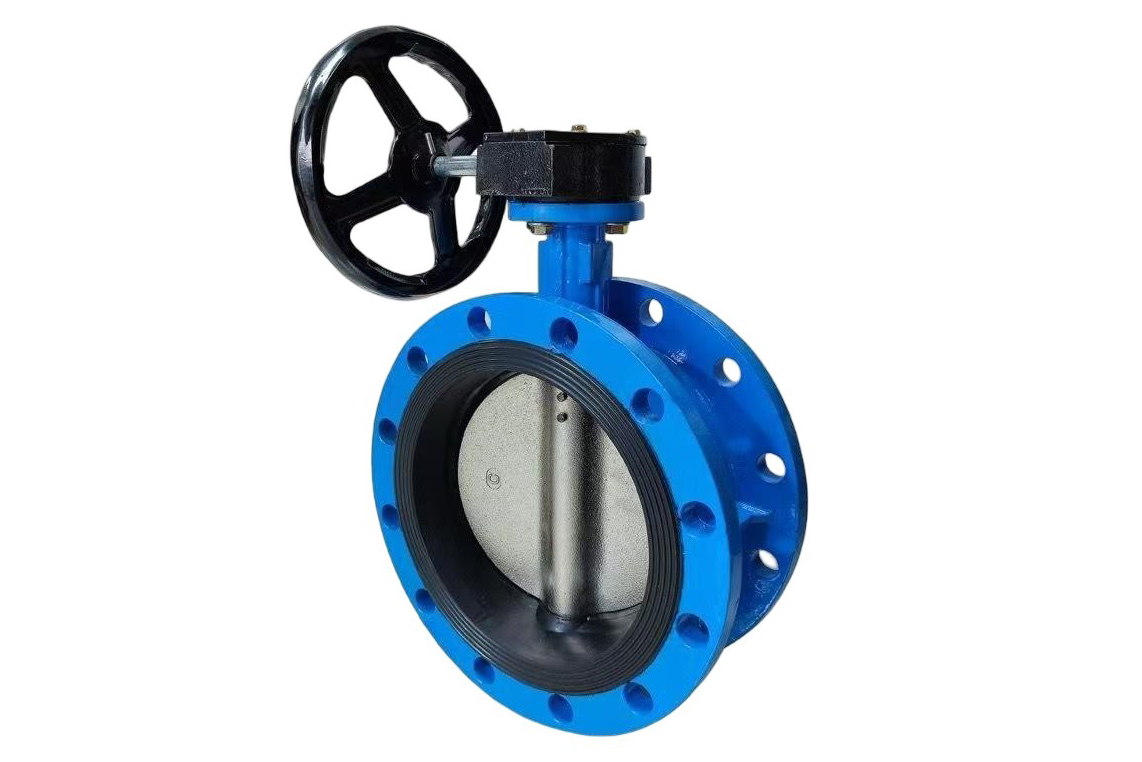
🛡️ Thick shell, heavy-type
⚙️ High purity rubber, wear resistance
💧 Zero leakage standard
📦 Various size in stock
📋 Characteristics
Flanged butterfly valves distinguish themselves as a highly versatile fluid control solution, uniting cutting-edge structural design, exceptional operational efficiency, and uncompromising reliability across countless industrial scenarios. Their unique design fuses the key advantages of flanged end connections robust installation and high-pressure capability with the natural benefits of butterfly valve mechanics, including space-saving compactness and swift quarter-turn operation, making them a top choice for diverse industry needs.
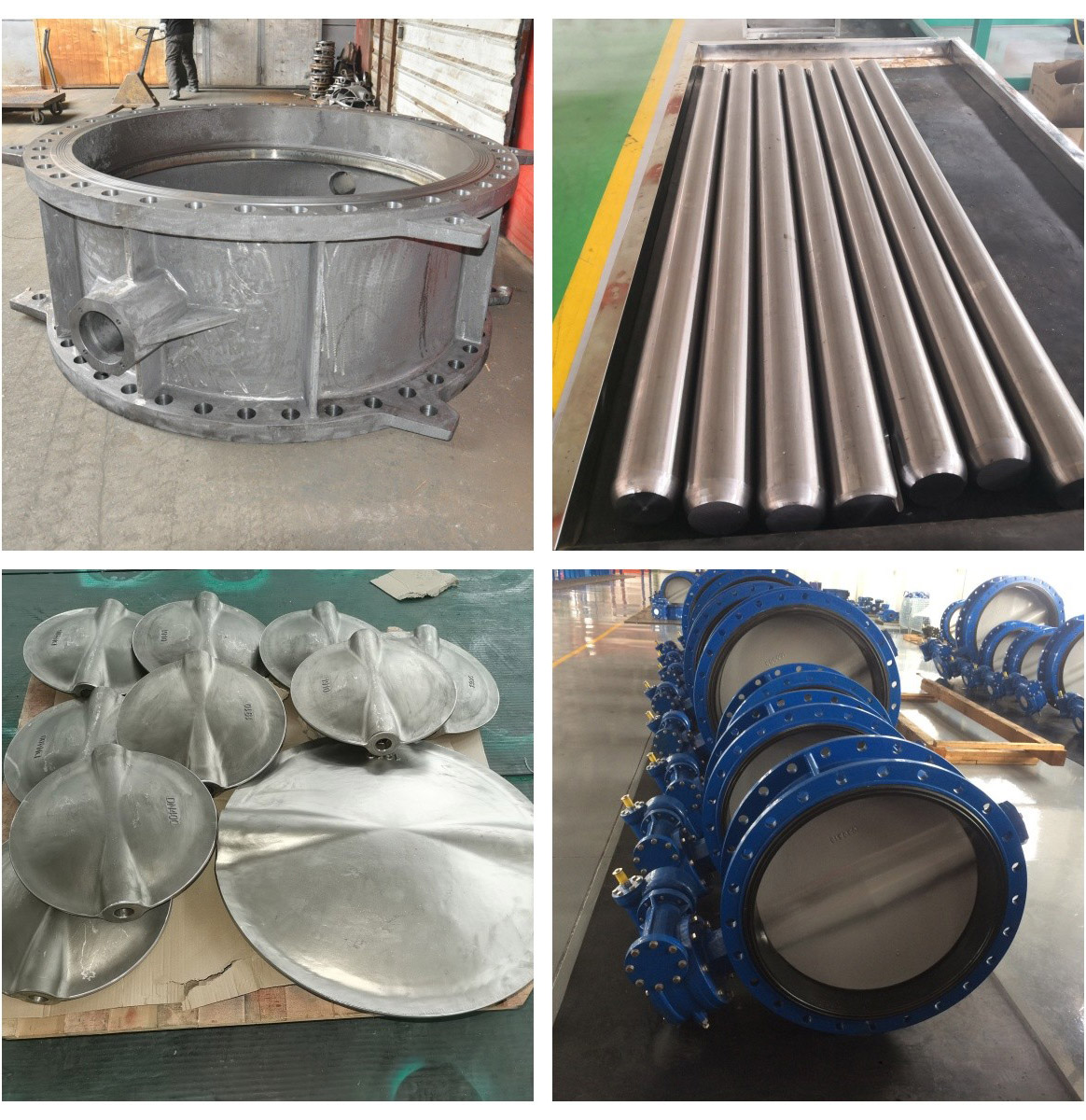
🚀 Advantages
- Simple structure, low cost: Few components, simple processing and assembly technology, and simple structure means easy to understand and maintain.
- Excellent bidirectional sealing performance (soft seal): Under low pressure and normal temperature conditions, soft seals can achieve excellent sealing effects, and the leakage level can usually reach zero leakage (ANSI Class VI).
- Extremely low flow resistance and high flow capacity: The thickness of the butterfly plate is the only obstacle in the medium flow channel when the valve is fully opened, causing minimal pressure drop. Ideal for high flow scenarios like water treatment and air conditioning systems.
- Small size, light weight, easy installation: Compact design with shorter structural length and much lighter weight compared to gate or globe valves.
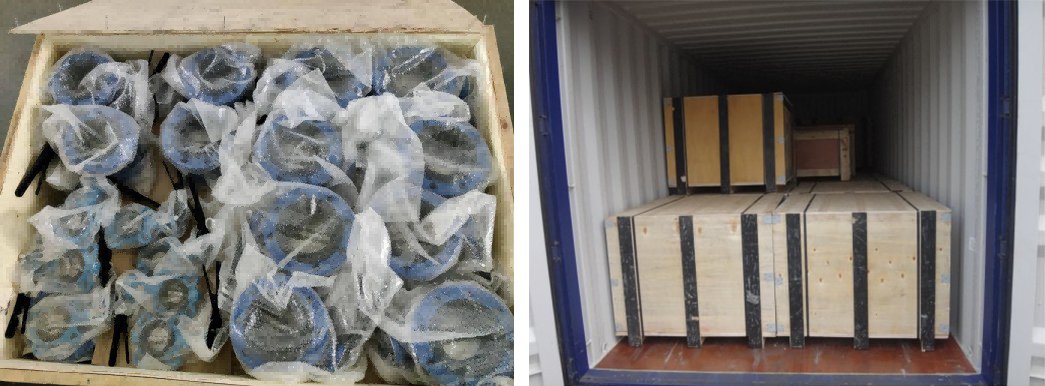
📦 Packing
Standard export wooden case packaging ensures the safety and integrity of the valves during international transit.
🌐 Application Scenarios
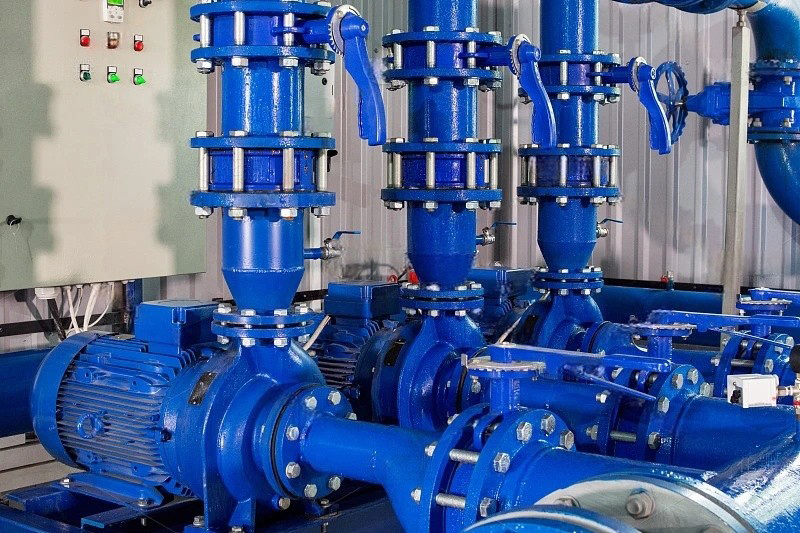
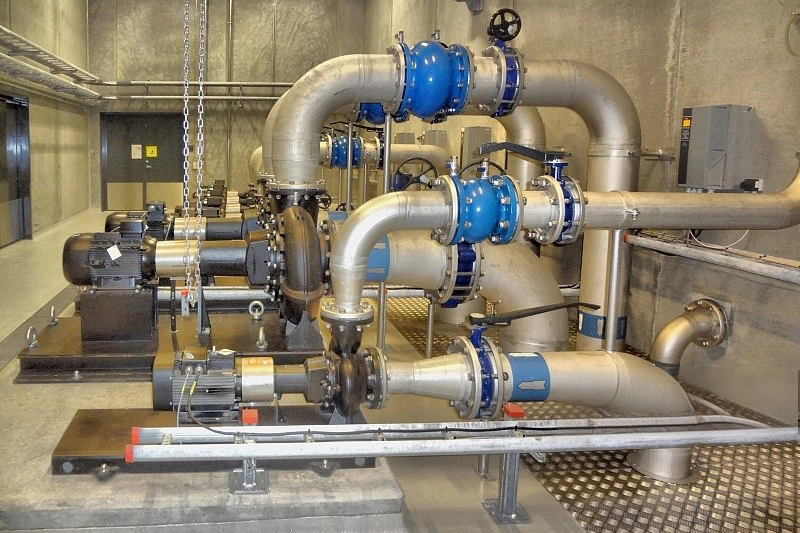
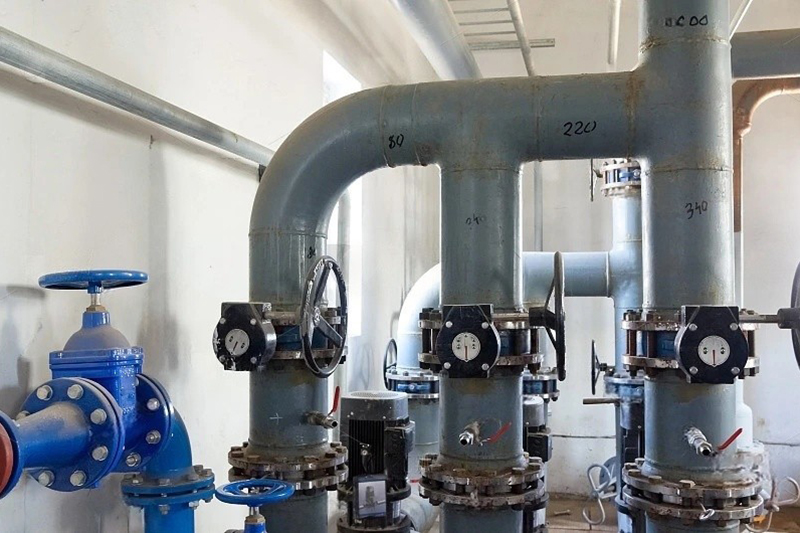
Flanged butterfly valves are universally acclaimed for their compact configuration, lightweight construction, and cost-efficiency. The flanged end connections facilitate secure, leak-free installation through bolted fixation to compatible flanges, ensuring consistent performance across both low and high-pressure operating conditions.
🛠️ Material Specifications
| Body |
Plate |
Shaft |
Bushing |
Seat |
Temp (°C) |
| Ductile Iron |
Ductile Iron |
Stainless Steel |
PTFE |
EPDM |
-45 ~ +135 |
| Ductile Iron |
Stainless Steel |
Carbon Steel |
PTFE |
Hypalon |
-18 ~ +135 |
| Aluminum Bronze |
Titanium Steel |
- |
- |
EPDM |
-45 ~ +135 |
| Stainless Steel |
CF8M |
- |
- |
Neoprene |
-7 ~ +93 |
| Carbon Steel |
CF8M |
- |
- |
Fluororubber |
-23 ~ +150 |
📏 Dimensions
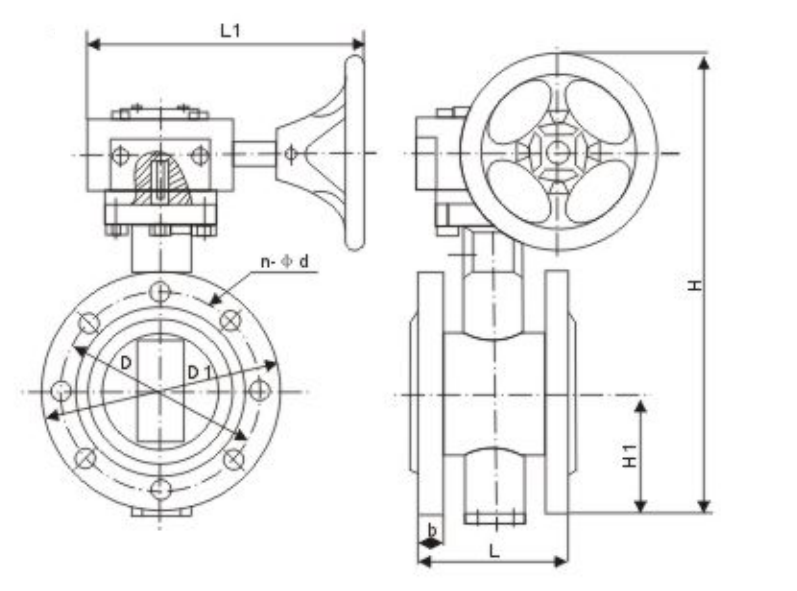
| DN |
L |
D (1.6MPa) |
D1 |
H |
H1 |
n-Φd |
| 50mm |
2" |
108 |
125 |
150 |
326 |
83 |
4-Φ18 |
| 80mm |
3" |
114 |
160 |
200 |
363 |
100 |
8-Φ18 |
| 100mm |
4" |
127 |
180 |
220 |
396 |
114 |
8-Φ18 |
| 150mm |
6" |
140 |
240 |
280 |
453 |
143 |
8-Φ23 |
| 200mm |
8" |
152 |
295 |
335 |
578 |
170 |
12-Φ23 |
❓ Frequently Asked Questions
Q1: What is the main advantage of a flanged butterfly valve?
The flanged design provides a more secure and robust connection suitable for higher pressure applications compared to wafer types, while maintaining the compact and quick-operation benefits of butterfly valves.
Q2: Can these valves handle bidirectional flow?
Yes, our flanged butterfly valves are designed for bidirectional sealing, ensuring zero leakage regardless of the medium's flow direction.
Q3: What is the maximum operating temperature?
Standard configurations with EPDM or PTFE seats typically handle up to 120°C to 150°C. For specific high-temperature requirements, different seat materials like Fluororubber can be utilized.
Q4: Are these valves suitable for water treatment?
Absolutely. Their low flow resistance and high flow capacity make them perfect for water supply, drainage, and industrial water treatment systems.
Q5: What standards do these valves comply with?
Our valves are manufactured according to the EN593 standard, ensuring international compatibility and quality assurance for global projects.
Q6: Is maintenance difficult for flanged butterfly valves?
No, their simple structure with few moving parts makes them very easy to understand, access, and maintain, reducing long-term operational costs.