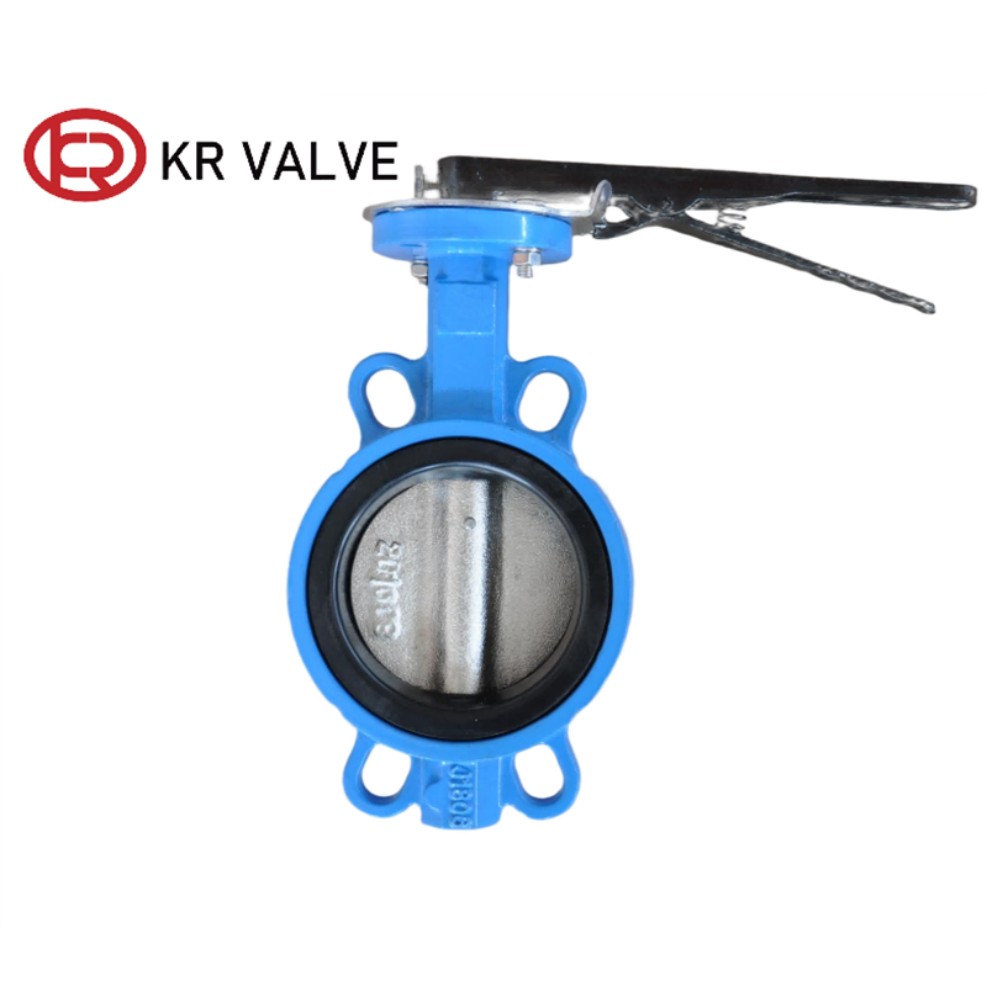
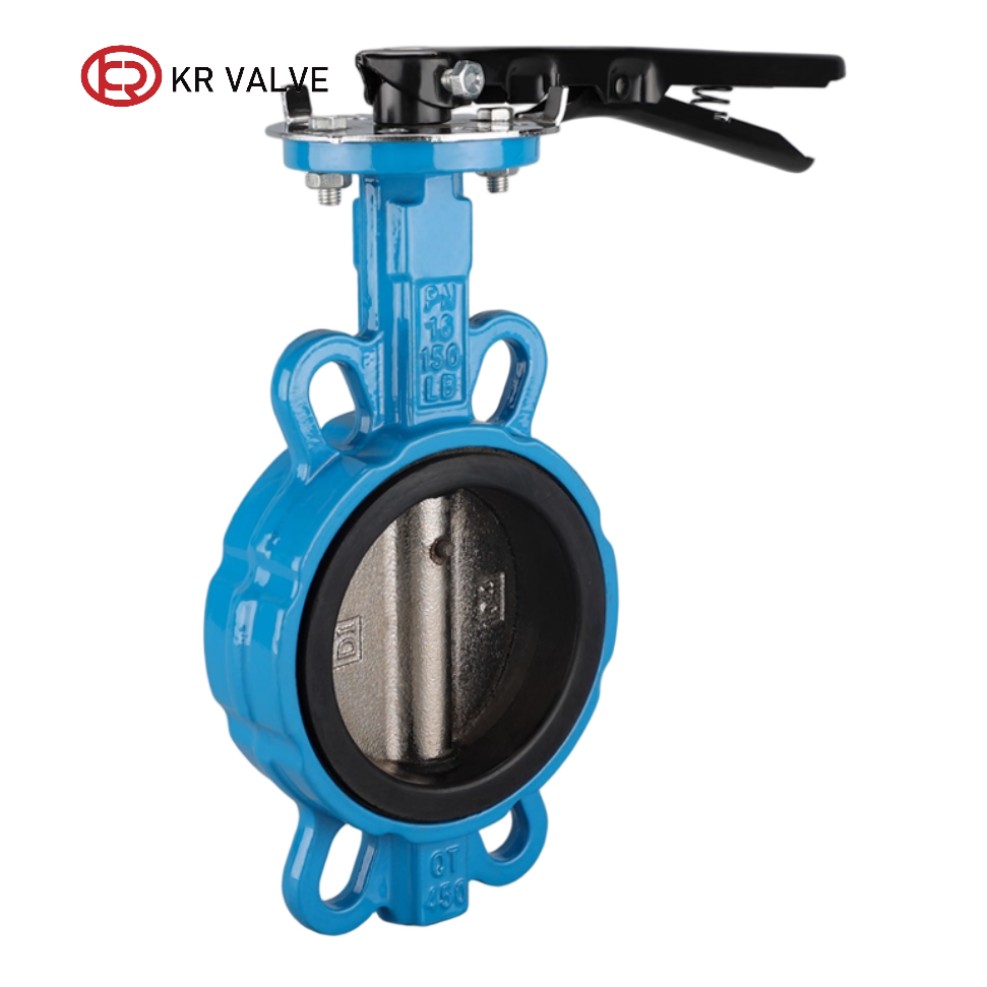
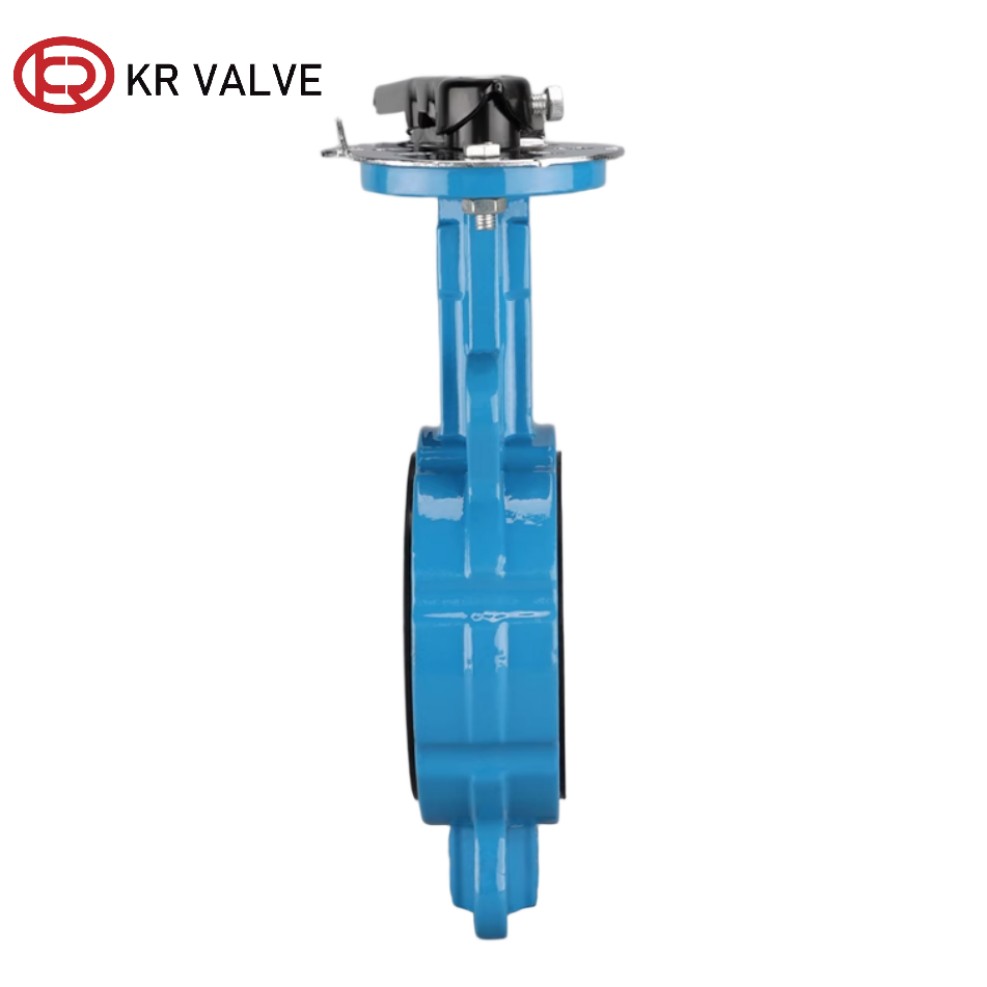
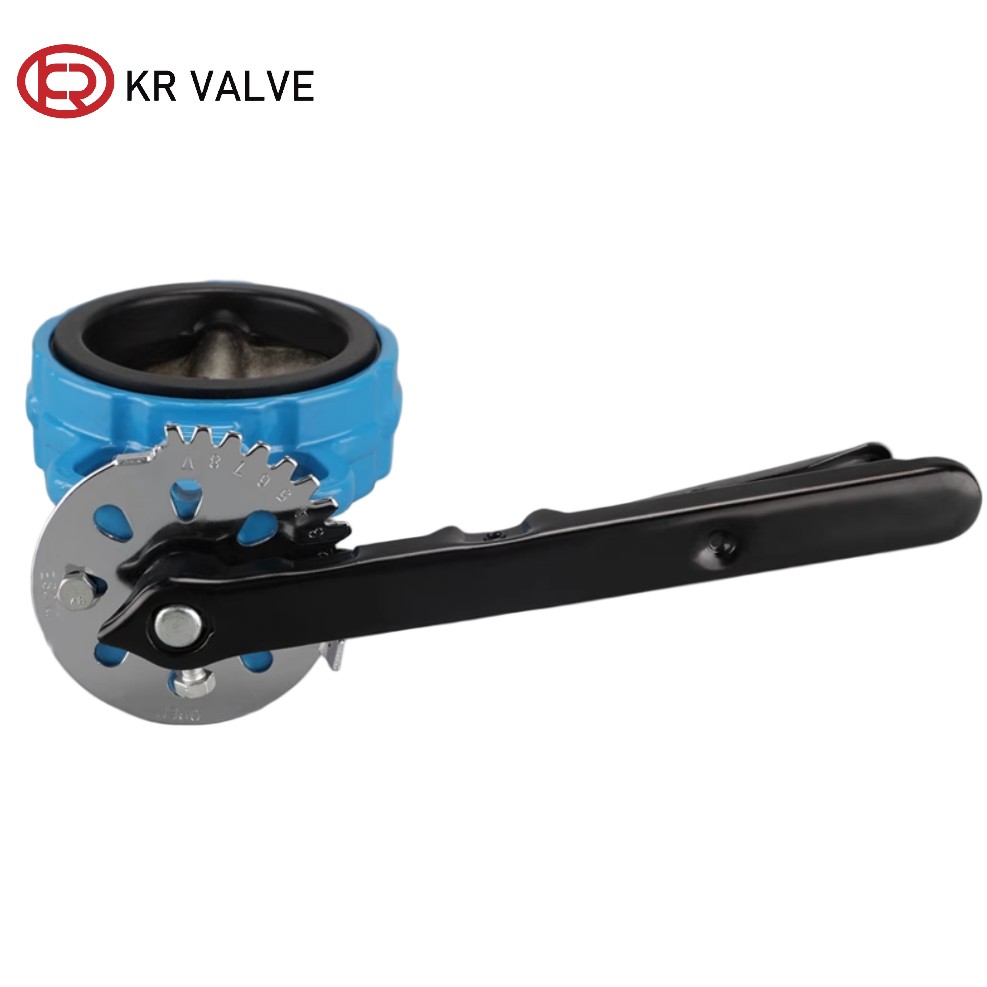
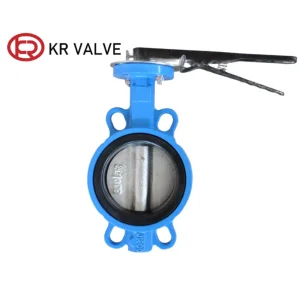
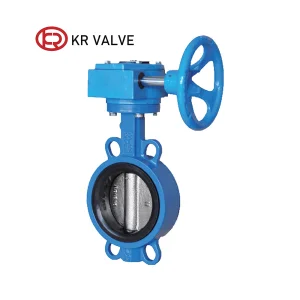
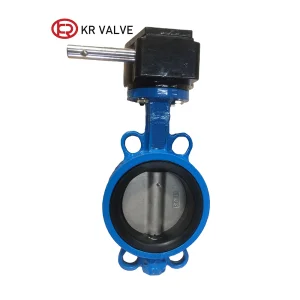
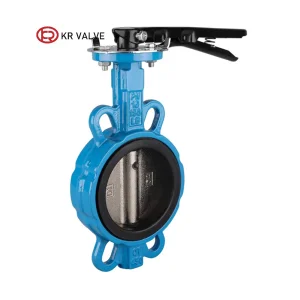
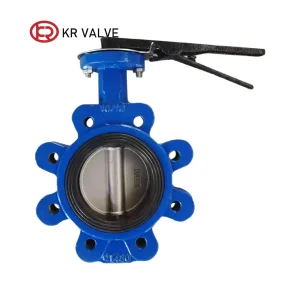
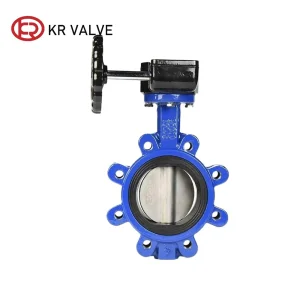
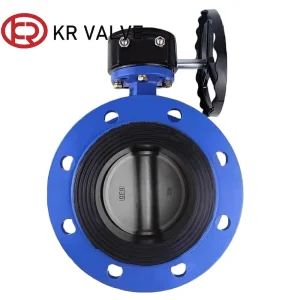
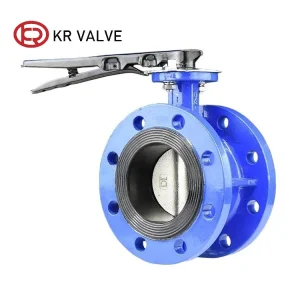
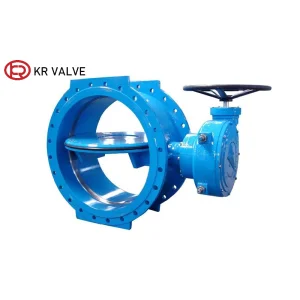
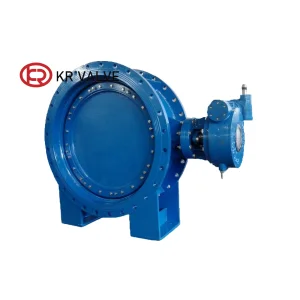
OEM Ductile Iron EPDM Seal Wafer Butterfly Valve Suppliers, Manufacturers

Type: Concentric Resilient Seated

Series: D71X

Size: DN40-DN600/2”-24”

Pressure rating: PN6/PN10/PN16/5K/10K/150LB

Design standard: EN 593, API 609

Service: OEM&ODM

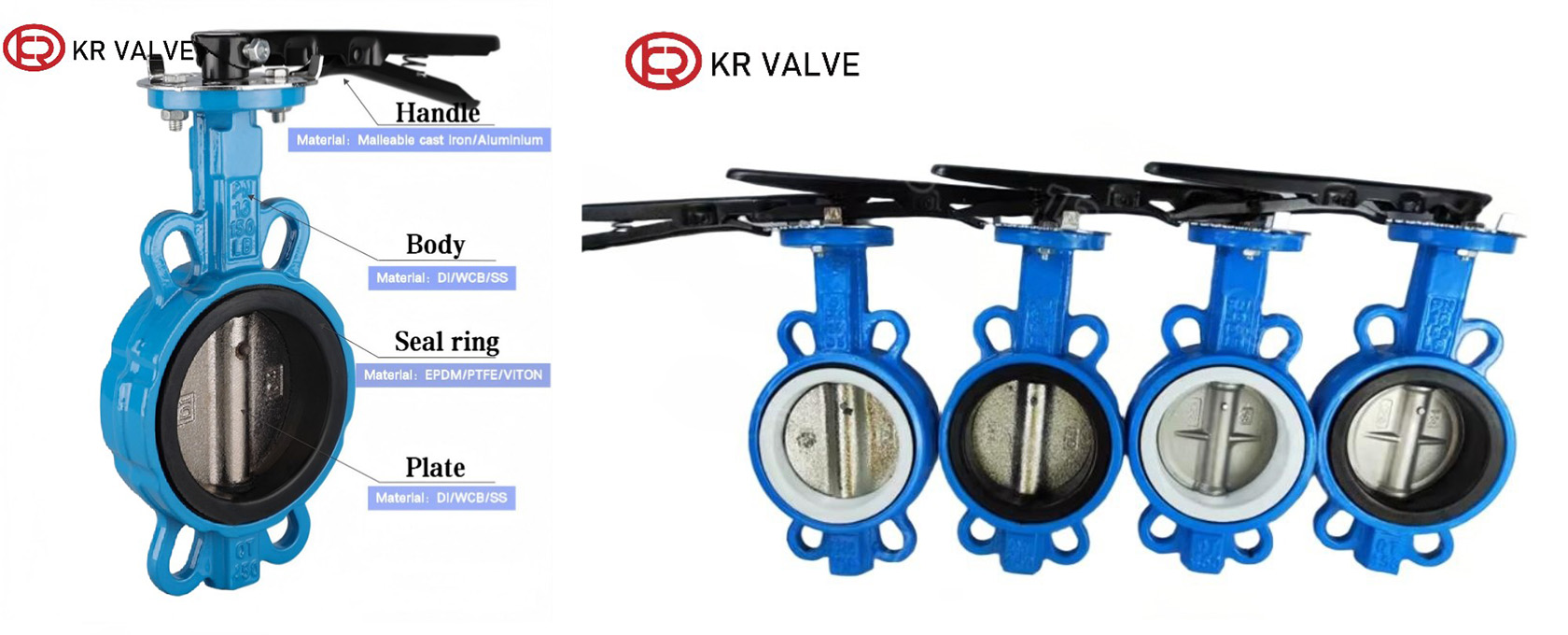
EPDM sealed butterfly valves are mainly used for opening, closing, and regulating pipeline media. They have a compact structure, small volume, light weight, and are easy to install and disassemble.

Product Description

Description
Valve Type: Wafer butterfly valve Structure: Concentric
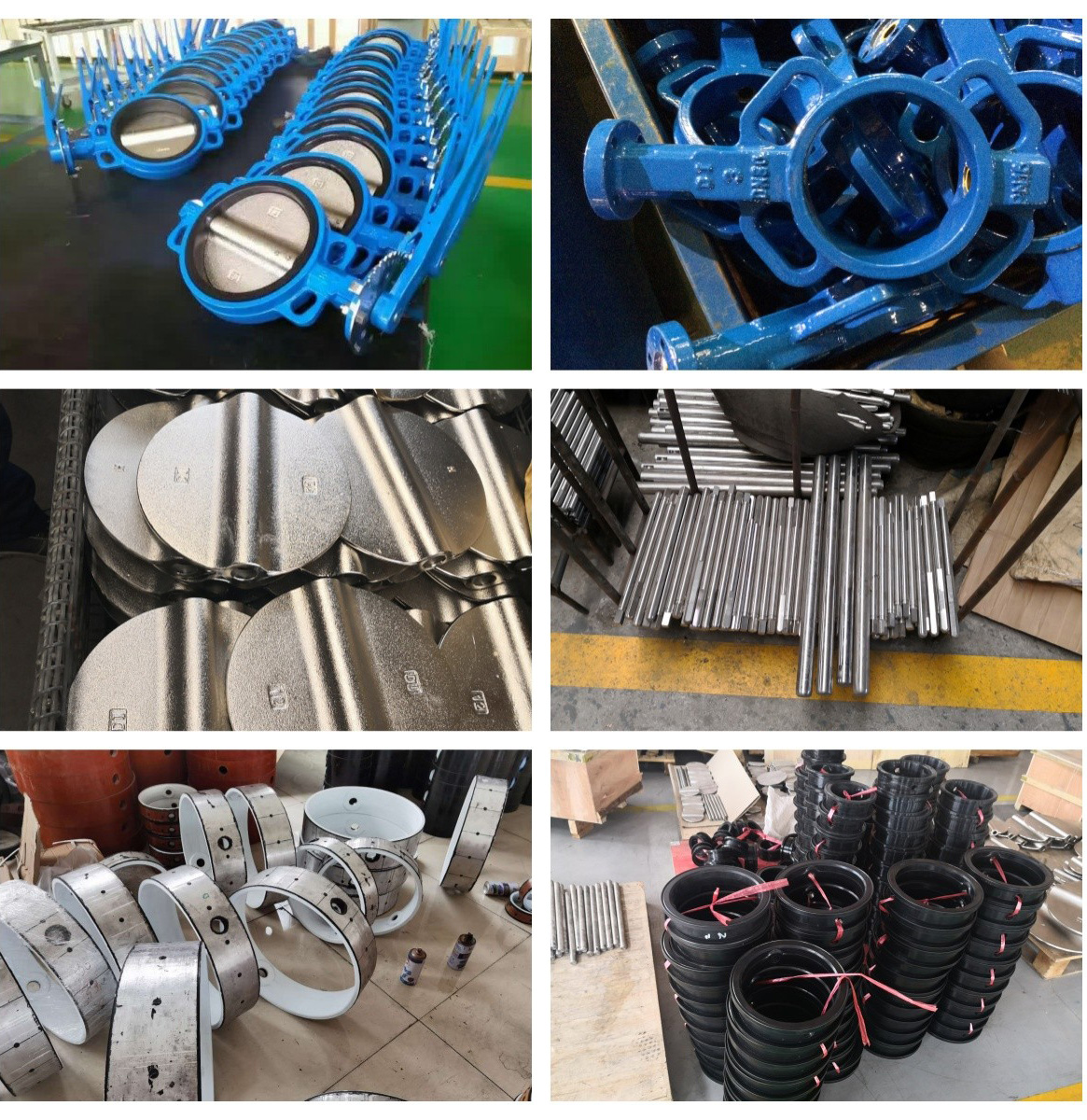
Standard: EN593 Workmanship: Investment casting
Sealing direction: Bidirectional Sealing grade: Zero leakage
Temperature: -20°C < T < 120°C Operation: Handle/Lever
Characteristics
Butterfly valves not only have simple structure, small volume, light weight, low material consumption, small installation size, small driving torque, easy operation, and fast speed, but also have good flow regulation function and closing sealing characteristics.
Characteristics
Advantages
Butterfly valves have the characteristics of simple structure, small volume, light weight, low material consumption, small installation size, fast switch, 90° reciprocating rotation, and small driving torque. They are used to cut off, connect, and regulate media in pipelines, and have good fluid control characteristics.
Butterfly valves can transport mud and accumulate the least amount of liquid at the pipeline outlet. Under low pressure, good sealing can be achieved. Good regulation performance.
The streamlined design of the butterfly plate reduces fluid resistance loss, making it an energy-saving product.
The valve stem is a through stem structure that has undergone quenching and tempering treatment, and has good comprehensive mechanical properties, corrosion resistance, and abrasion resistance. When the butterfly valve is opened and closed, the valve stem only rotates and does not move up or down.
The connection methods include flange connection, clamp connection, butt welding connection, and lug clamp connection.
The driving forms include manual, worm gear transmission, electric, pneumatic, hydraulic, electro-hydraulic linkage and other actuating mechanisms, which can achieve remote control and automated operation.

Advantages
Packing
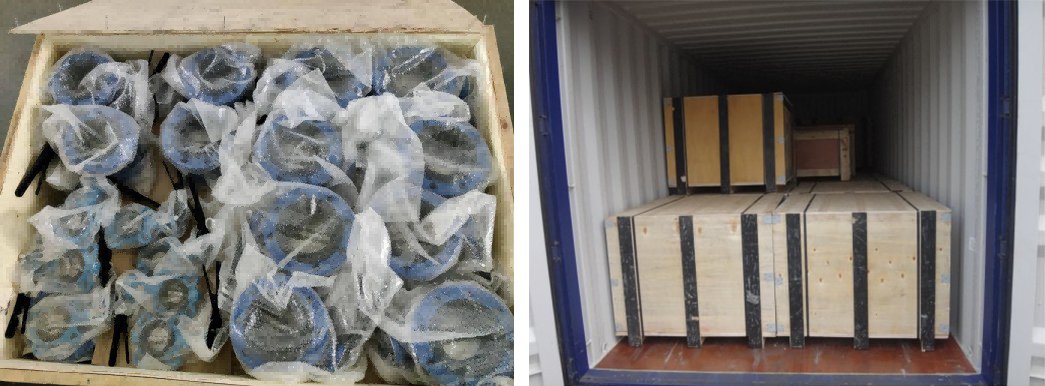
Standard export wooden case packaging
Packing
Application Scenarios
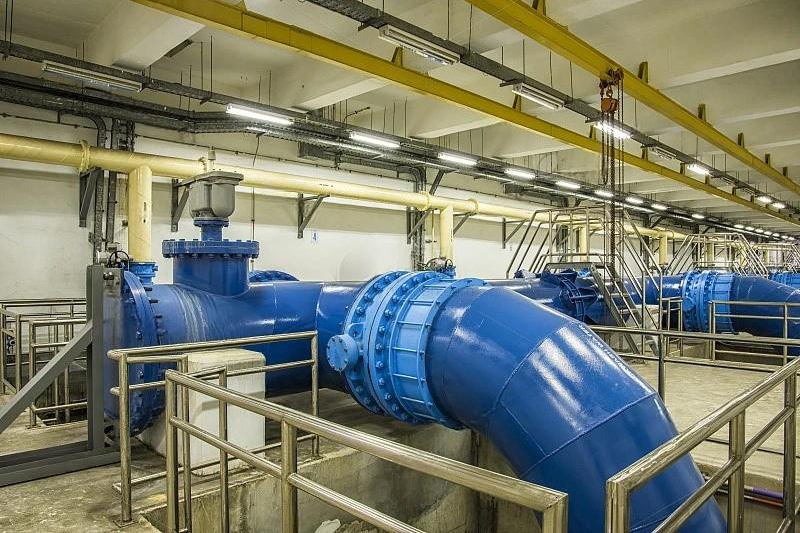
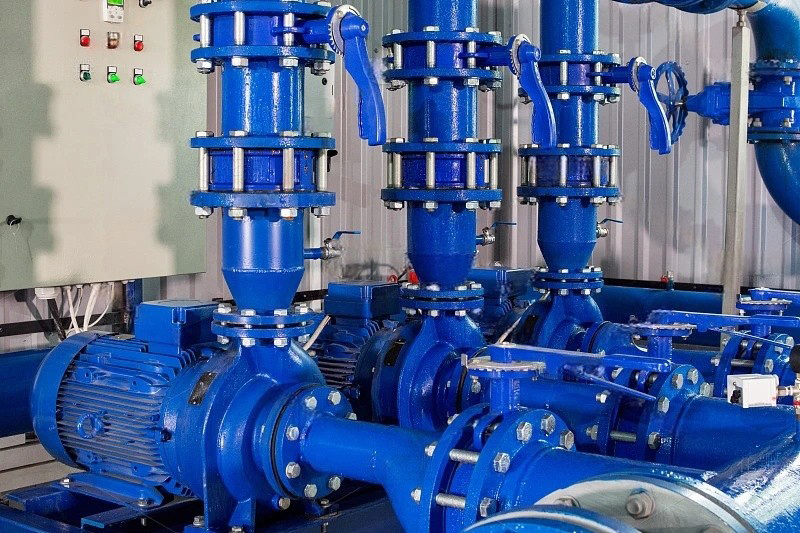
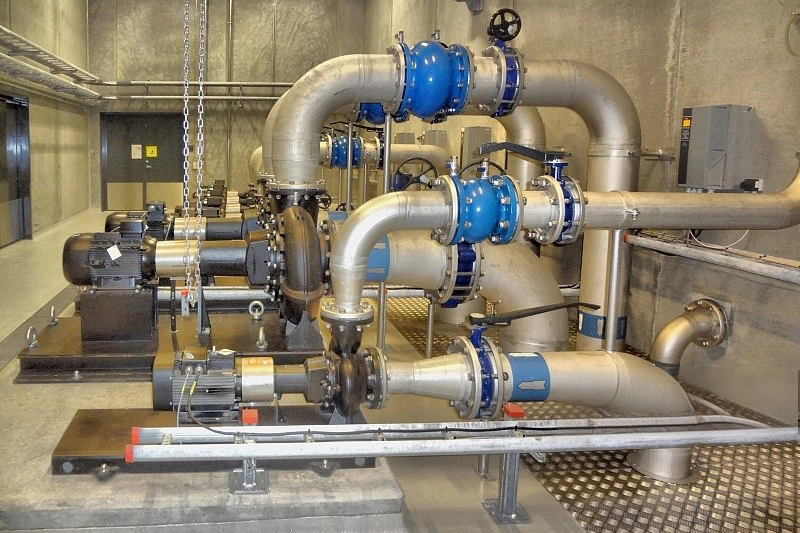
Widely used in pipeline systems of water supply and drainage, heating, ventilation, chemical, food and other industries, especially suitable for scenarios requiring high sealing performance and non-strongly corrosive media.
Application 1
Application 2
Application 3
Material Specifications
Body Plate Rotating Shaft Bushing Seat Operating Temp (°C)
Ductile Iron Ductile Iron Stainless Steel PTFE EPDM Rubber -45 ~ +135
Ductile Iron Stainless Steel Carbon Steel PTFE Hypalon -18 ~ +135
Aluminum Bronze Titanium Steel - - EPDM Rubber -45 ~ +135
Stainless Steel CF8M Stainless Steel - - Neoprene Rubber -7 ~ +93
CF8M Stainless Steel Carbon Steel - - NBR Rubber -12 ~ +82
Carbon Steel CF8M Stainless Steel - - Abrasion-Resistant -10 ~ +50
- - - - Fluororubber -23 ~ +150
- - - - Heat-Resistant EPDM -20 ~ +150
- - - - PTFE +10 ~ +150
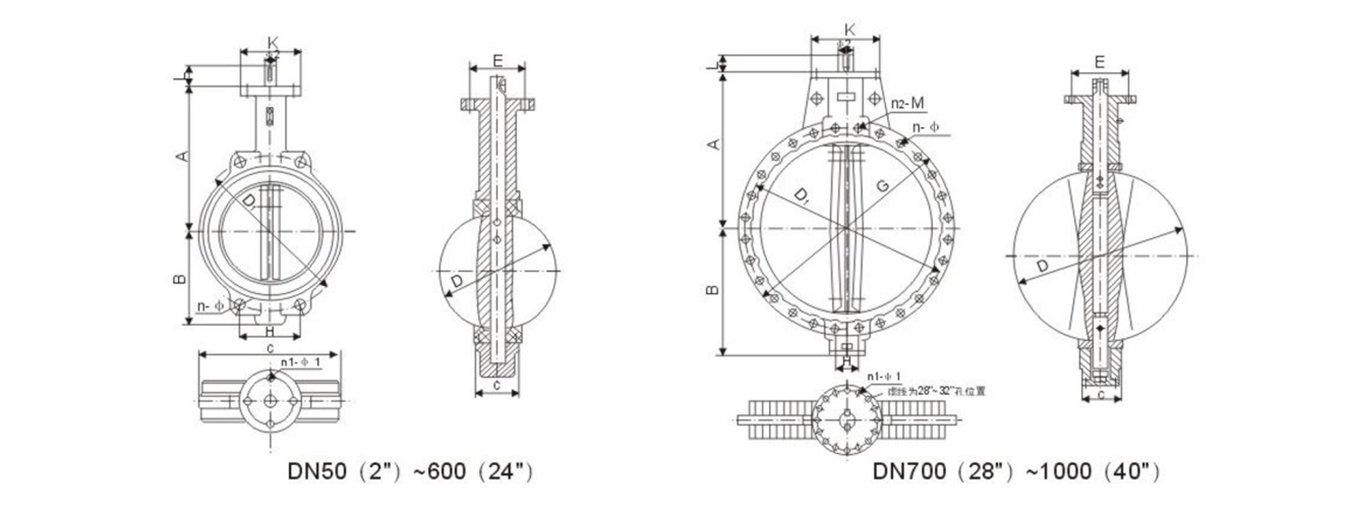
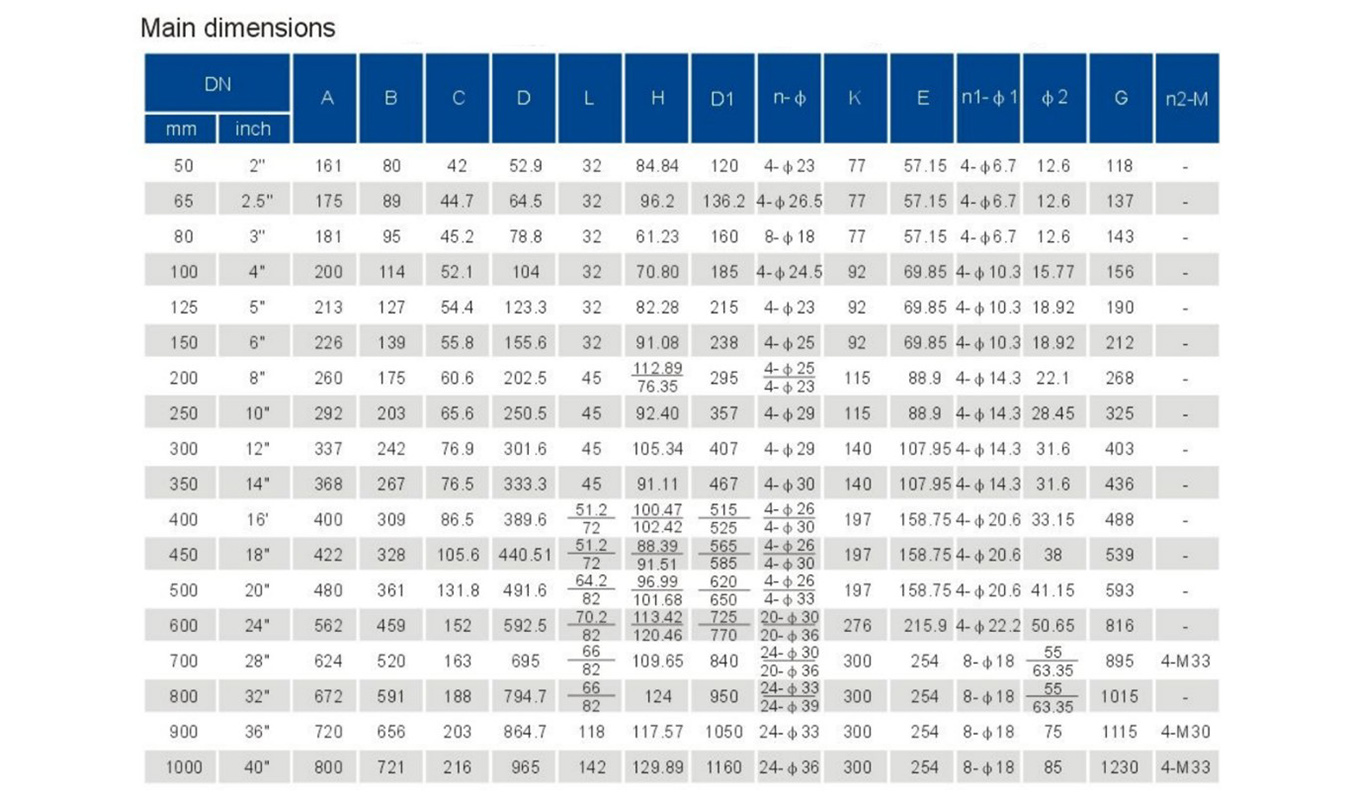
Dimensions
Dimension 1
Dimension 2
Frequently Asked Questions
Q1: What is a wafer butterfly valve used for? Wafer butterfly valves are primarily used to maintain a seal against bi-directional pressure differential in fluid flow. They are ideal for water supply, chemical, and food industries due to their compact design and efficient flow regulation.
Q2: Can this valve achieve zero leakage? Yes, our concentric butterfly valves are designed for high-performance sealing, reaching a "zero leakage" grade under standard operating conditions.
Q3: What are the main materials available for the valve seat? We offer a variety of seat materials including EPDM, NBR, PTFE, Fluororubber, and Neoprene, allowing the valve to handle different temperatures and corrosive media.
Q4: What temperature range can these valves handle? The standard operating temperature is between -20°C and 120°C, but with specialized seat materials like Heat-Resistant EPDM or Fluororubber, it can reach up to 150°C.
Q5: What are the benefits of the investment casting workmanship? Investment casting provides a smoother surface finish and high dimensional accuracy, which reduces fluid resistance and ensures a more reliable fit for internal components.
Q6: Are manual and automated operations supported? Yes, the valves can be operated via handle/lever, or equipped with electric, pneumatic, and hydraulic actuators for remote and automated system control.

Related Products