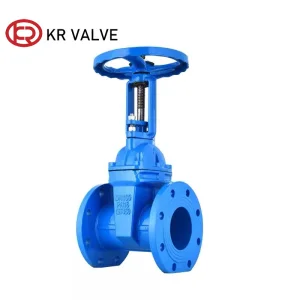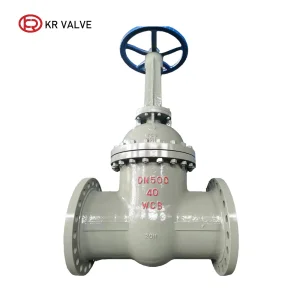
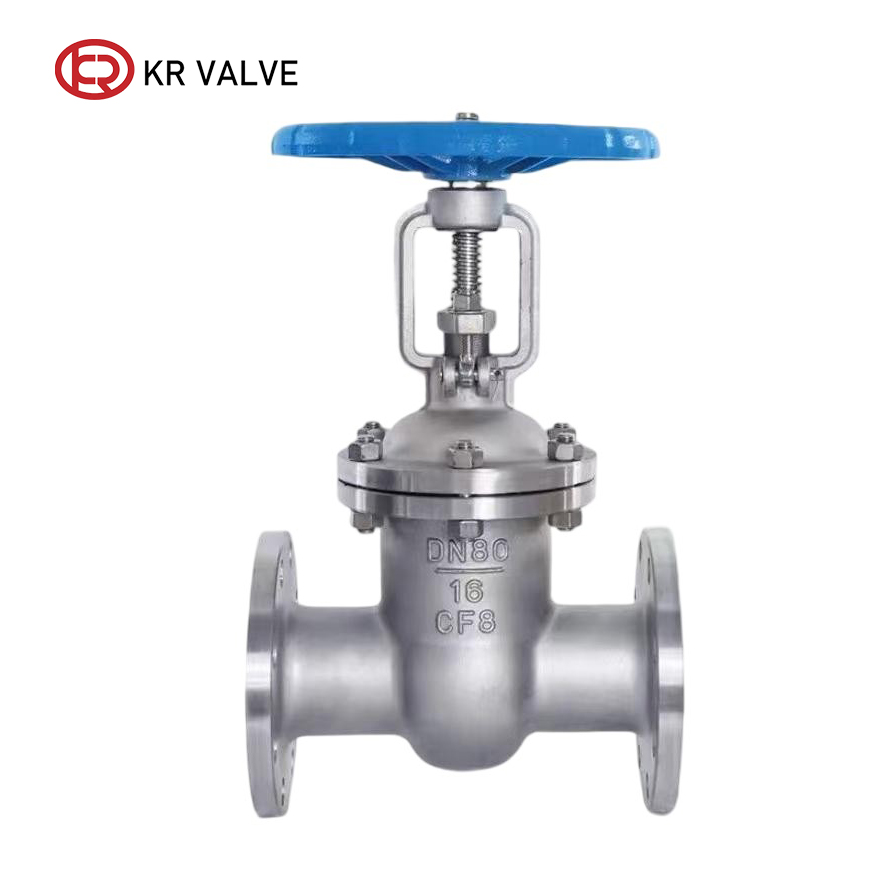
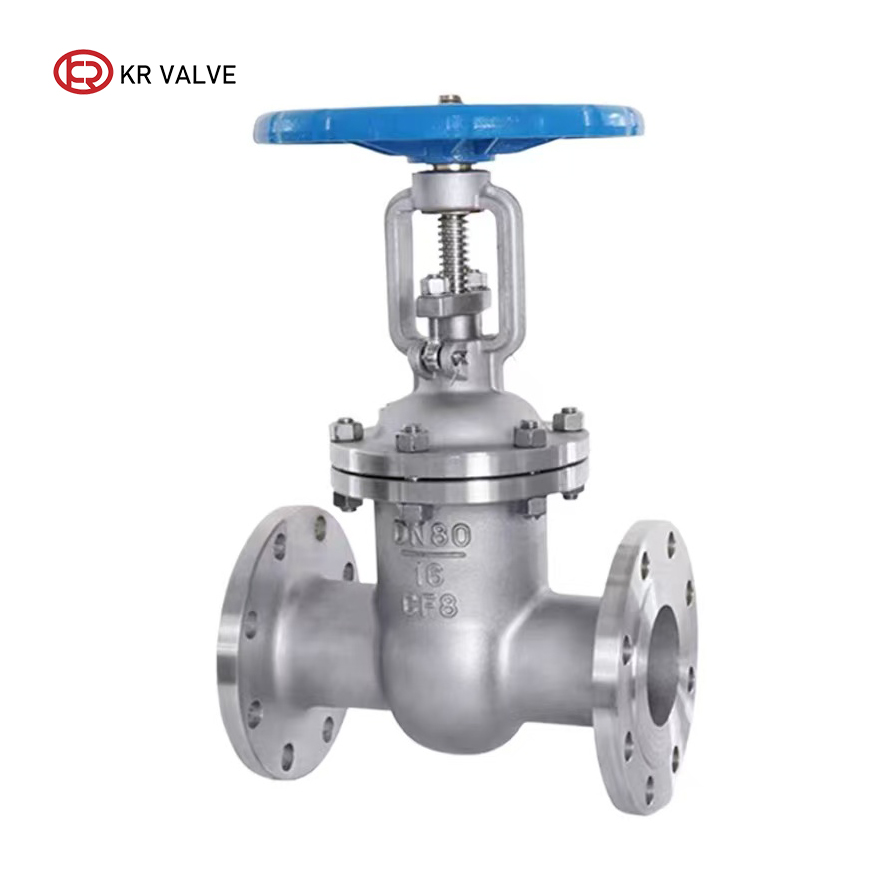
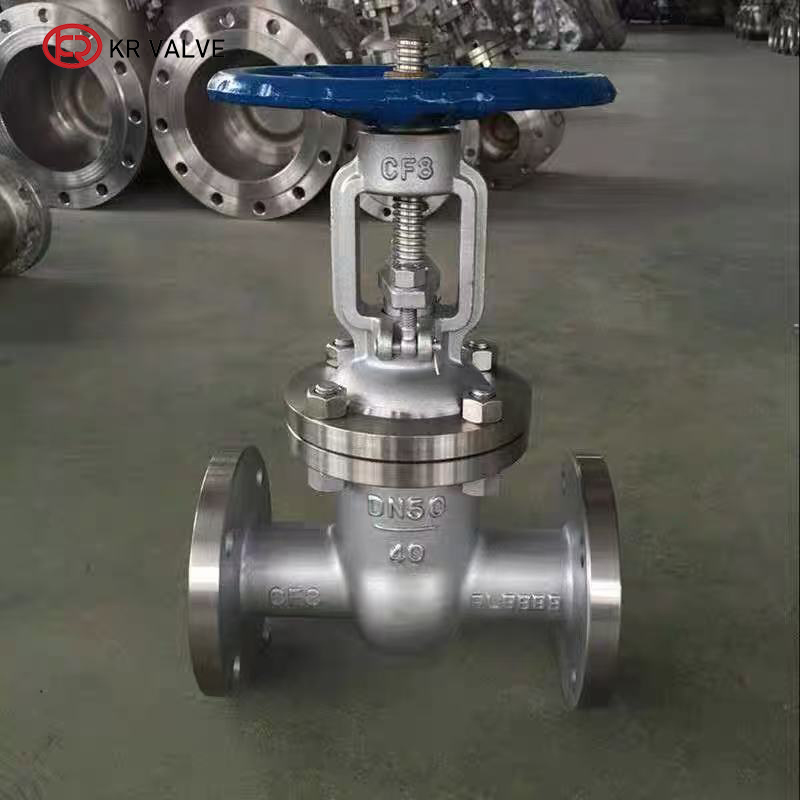
Custom Stainless Steel SS Flange Gate Valve Rising Stem Type - China Suppliers & Factory, Metal to Metal Seated Design Manufacturers, Factories

,

Type: Metal to Metal Seated

,

Series: Z41H-16C

,

Size: DN50-DN1000 / 2 - 40

,

Pressure Rating: PN16 / PN25 / PN64 / 150LB / 300LB / 600LB

,

Design Standard: BS / API / DIN

,

Service: OEM & ODM

,

As a leading supplier and factory in China, our stainless steel slide gate valves offer exceptional corrosion and erosion resistance. These high-quality valves are widely utilized in pipeline systems, catering to both corrosive and clean media applications. Trust our products to deliver reliable performance in various industrial settings.

,

Product Description

Valve Type: Metal seat gate valve Structure: Rising type
Standard: EN/API/DIN/GOST Workmanship: Investment casting
Sealing Direction: Bidirectional Sealing Grade: Zero leakage
Temperature: -30°C < T < 425°C Operation: Handwheel
Characteristics

The sealing surface of stainless steel valves is welded with Stellite or cobalt chromium tungsten alloy, with a hardness of ≥ HRC58, a temperature resistance of up to 600°C, and a leakage level of ANSI Class IV. It is suitable for high-temperature and high-pressure corrosive media (such as high-temperature dilute nitric acid).
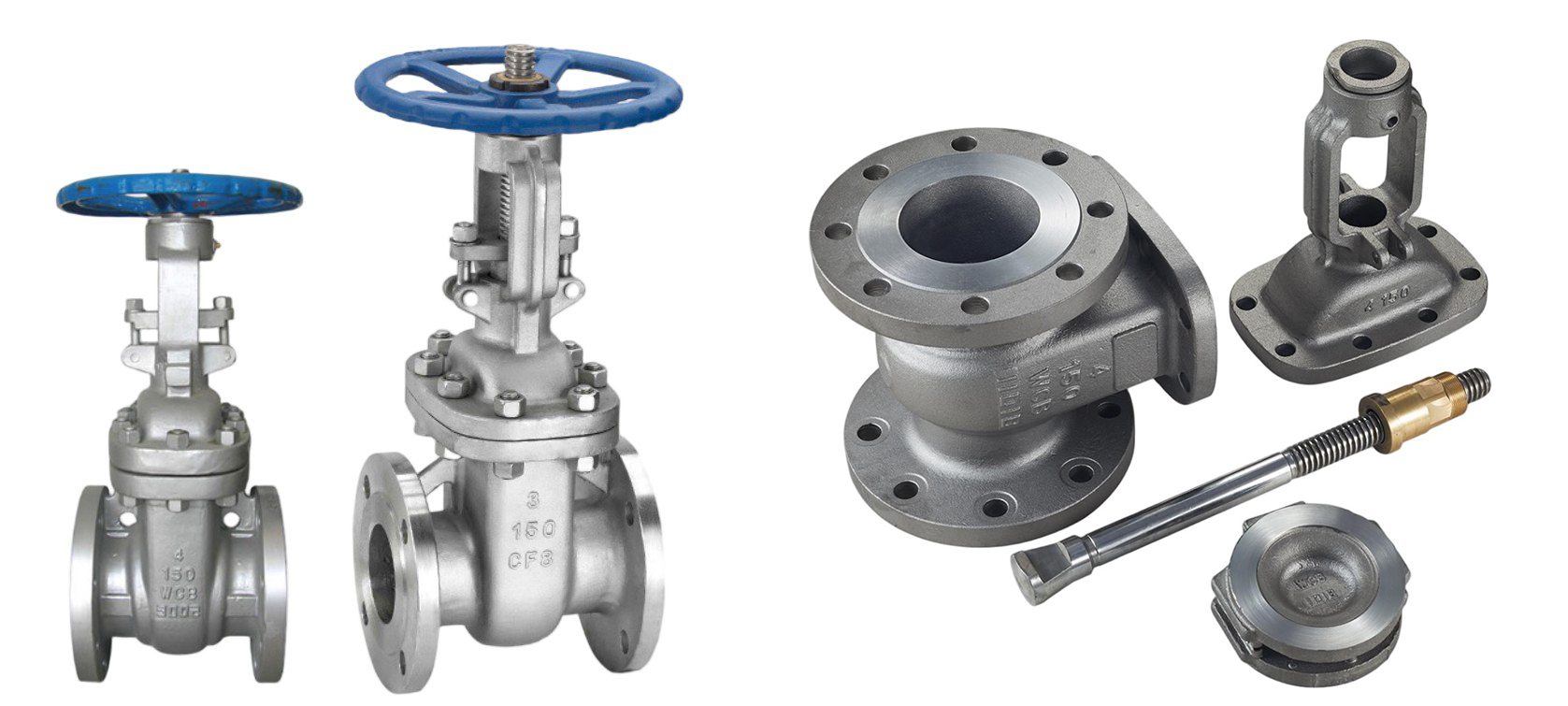
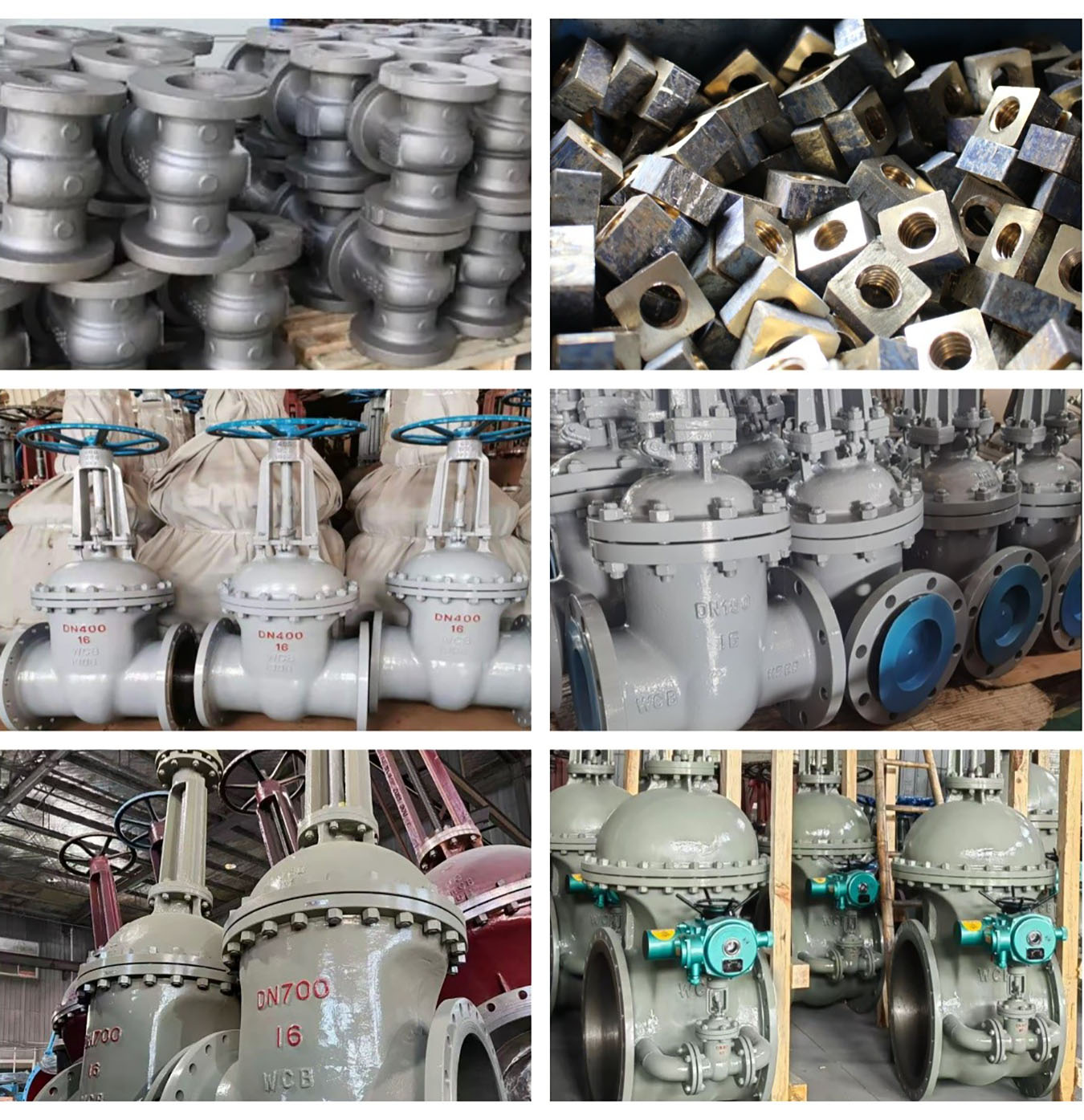
Stainless steel gate valve characteristics
Advantages
1. Wide Temperature Range & Stable Working Ability
The thermal stability of stainless steel material is better than that of carbon steel. Conventional stainless steel gate valves can operate stably within the range of -200°C (ultra-low temperature liquid nitrogen working condition) to 600°C (high temperature steam working condition), and are not easily oxidized or deformed at high temperatures. There is no risk of brittle fracture at low temperatures. Compared to carbon steel gate valves, it has a wider temperature range and is suitable for more extreme working conditions.
2. High Sealing Reliability & Low Maintenance Cost
Metal hard seal type: The sealing surface is welded with hard alloy (such as Stellite alloy), combined with the wear-resistant characteristics of stainless steel substrate. The sealing surface is not easy to scratch or corrode, and the leakage level can reach ANSI Class IV. The service life is 3-5 times that of carbon steel gate valves.
Soft seal type: The valve seat is embedded with PTFE/PFA and other fluorine materials, tightly fitting with the stainless steel gate plate, which can achieve ANSI Class VI zero leakage. The stainless steel material is not easy to rust, avoiding valve stem jamming and reducing maintenance frequency.
Stainless steel gate valve advantages
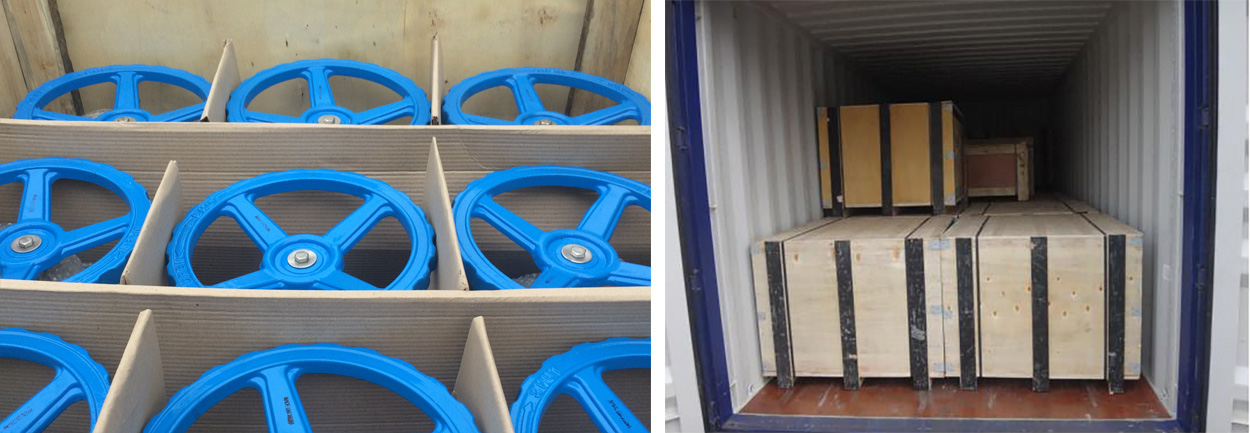
Packing
Standard export wooden case packaging
Application Scenarios

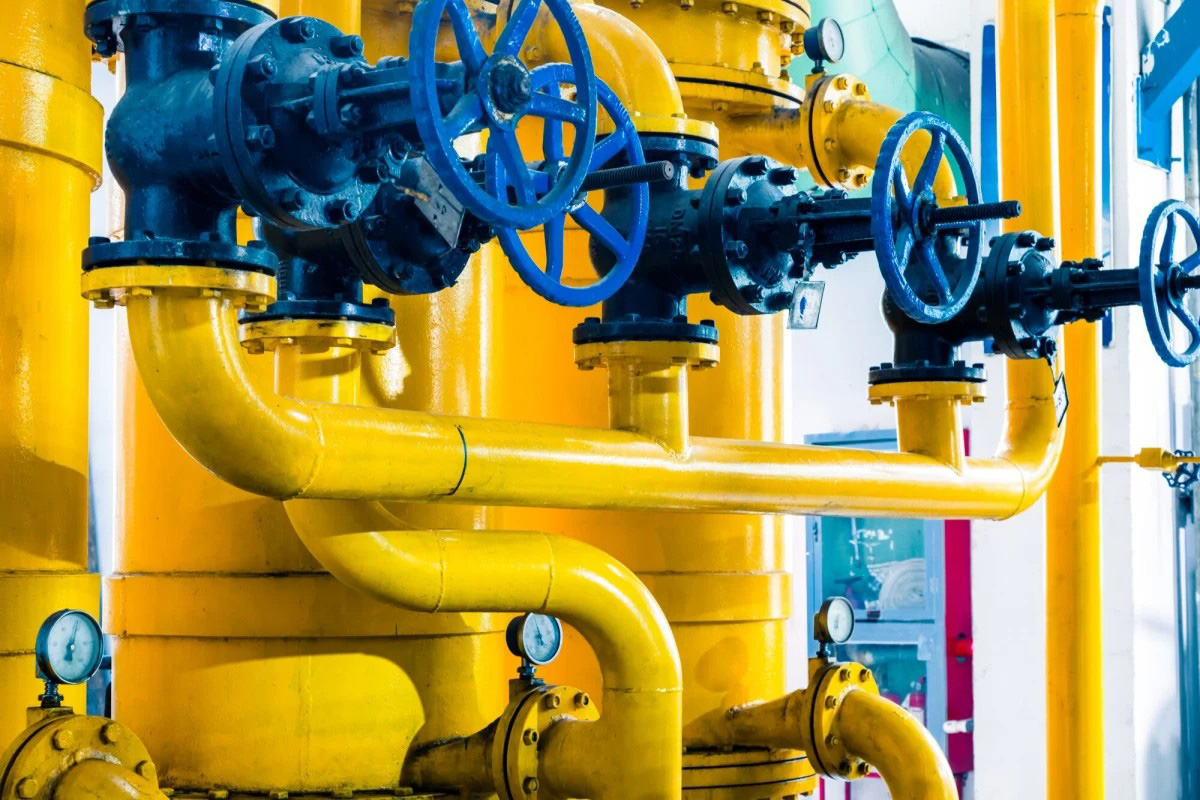
The stainless steel gate sluice valves, with their core advantages of corrosion resistance and adaptability to clean media, are widely used in industrial and residential pipeline systems for corrosive media, clean fluids, and extreme temperature ranges.
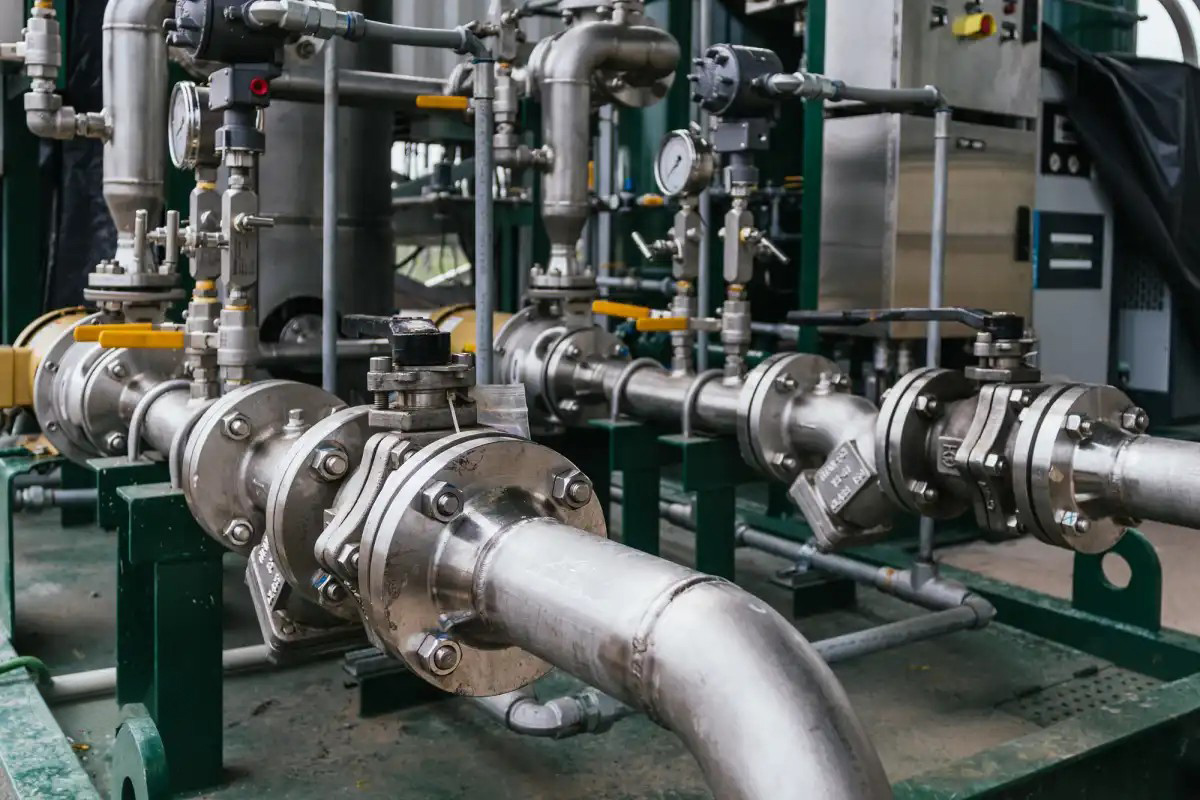
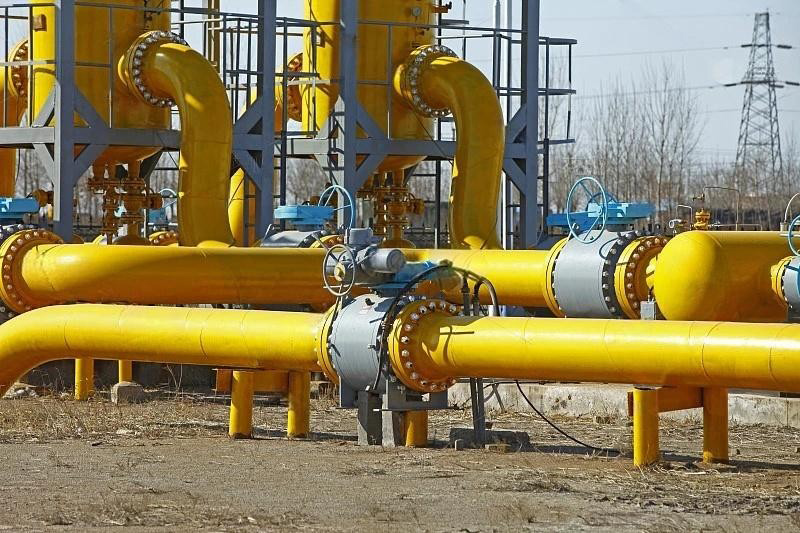
Application Scenarios - Industrial Pipeline
Application Scenarios - Clean Fluids
Application Scenarios - Extreme Temperature
Frequently Asked Questions
What is the operating temperature range of the stainless steel gate valve?
The stainless steel gate valve supports a working temperature range of -200°C to 600°C, covering ultra-low temperature liquid nitrogen conditions and high-temperature steam conditions. For standard product parameters, the operating range is -30°C to 425°C.
What is the sealing grade of this stainless steel gate valve?
The metal hard seal version achieves ANSI Class IV leakage level, while the soft seal version (PTFE/PFA seat) can achieve ANSI Class VI zero leakage, making it suitable for applications with strict leakage requirements.
Which international standards does the stainless steel gate valve comply with?
The valve is manufactured in accordance with EN, API, DIN, and GOST standards, ensuring broad compatibility with international project requirements and global procurement specifications.
What type of media is this valve suitable for?
This valve is ideal for corrosive media (such as high-temperature dilute nitric acid), clean fluids, and extreme-temperature pipeline systems. It is widely applied in chemical, pharmaceutical, food processing, and energy industries.
How does the service life of the stainless steel gate valve compare to carbon steel valves?
Thanks to the Stellite alloy hard-surfaced sealing face and the corrosion resistance of stainless steel, the service life of this valve is 3-5 times longer than that of standard carbon steel gate valves, significantly reducing replacement frequency and overall maintenance costs.
How is the valve packaged for export?
All valves are packed in standard export wooden cases designed to protect the product during long-distance international shipping, ensuring it arrives in perfect condition.

Related Products