Engineered for high-durability service in coastal Hellenic systems, seawater reverse osmosis, and municipal pipelines.
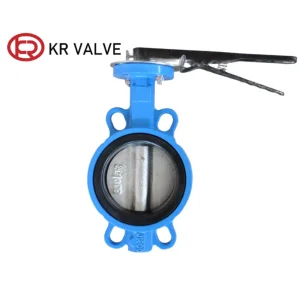
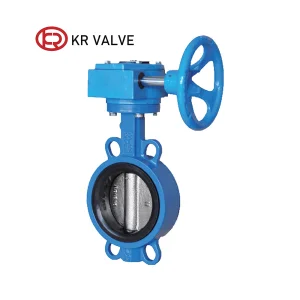
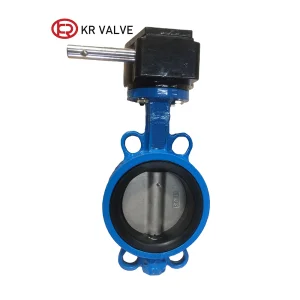
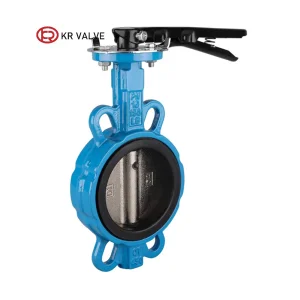
KR Valve has more than 20 years of experience in producing standard and non-standard valves of various types. We supply a wide selection of over 500 valve products, including butterfly valves, gate valves, check valves, water control valves, as well as all their matching and accessory products. These products have applications in various industries such as water treatment, dam construction, commercial buildings, energy and heating, chemical engineering, and modern maritime piping networks.
Beyond product excellence, we are dedicated to creating a mutually beneficial partnership with every customer. We believe that reliable service is as crucial as superior products, and we strive to continuously optimize the customer experience to achieve long-term win-win cooperation.
Today, KR VALVE’s products have been exported to over 50 countries and regions in Europe, Asia, Africa, and Oceania, providing project construction and brand marketing services to thousands of customers. We look forward to collaborating with you, leveraging our expertise, comprehensive product range, and unwavering commitment to quality and service to support your success.
Greece, strategically positioned at the crossroads of Europe, Asia, and Africa, boasts a highly diverse industrial profile where fluid management plays a pivotal role. The primary drivers of the Greek economy—its legendary maritime and shipping sector, tourism-driven municipal infrastructure expansion, agricultural irrigation systems, and energy transition networks—require robust valve engineering solutions that can withstand harsh operating conditions.
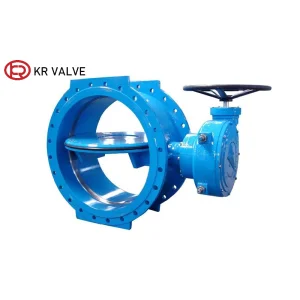
The Greek merchant fleet represents approximately 20% of the world’s carrying capacity. Ballast water management systems (BWMS), cooling water pipelines, scrubbers, and fuel transportation lines on these ships operate continuously under high saline exposure. Standard cast iron valves degrade within months under marine corrosion. Thus, there is a surge in demand for double eccentric and triple eccentric butterfly valves constructed with high-alloy discs, such as Nickel-Aluminum Bronze (NAB) and Super Duplex Stainless Steel, combined with resilient EPDM or pure PTFE seats to prevent chemical and galvanic degradation.
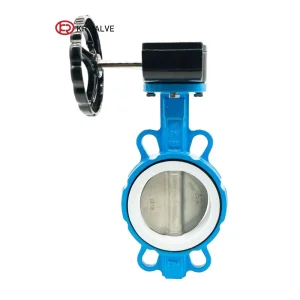
Freshwater management is one of Greece's primary infrastructure challenges, especially on the Aegean islands during peak tourism seasons. The Cyclades and Dodecanese rely heavily on Sea Water Reverse Osmosis (SWRO) plants. These facilities demand zero-leakage isolation valves that prevent chemical contamination and withstand extreme brine pressure. High-purity PTFE lined butterfly valves and concentric valves with EPDM seats (certified by WRAS, ACS, or NSF) are crucial here. These ensure both safety for municipal drinking water systems and total resistance against raw sea brine.
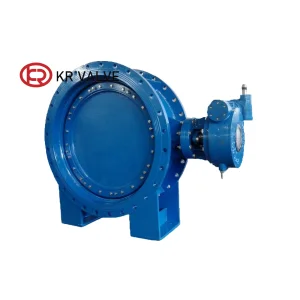
As Greece establishes itself as a regional gas hub with projects like the TAP pipeline, Revithoussa LNG terminal, and domestic refineries (Hellenic Petroleum, Motor Oil Hellas), safety guidelines demand strict fire-safe isolation. Traditional resilient-seated valves fail in high-temperature or hydrocarbon environments. The application of high-performance metal-to-metal triple-offset butterfly valves is crucial. These valves rely on an eccentric shaft geometry that eliminates friction between the disc and the laminated stainless steel seat, maintaining zero leakage under high-pressure fire tests conforming to API 607 standards.
| Application Scenario | Common Valve Type | Material Configuration | Key Standard Compliance |
|---|---|---|---|
| Marine Ballast & Bilge | Wafer / Lug Concentric | Ductile Iron GGG40 / NAB Disc / EPDM Seat | ISO 5752, EN 593, API 609 |
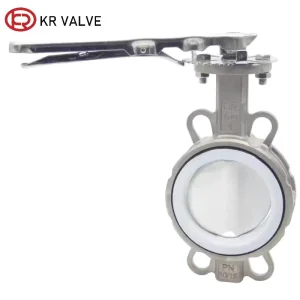
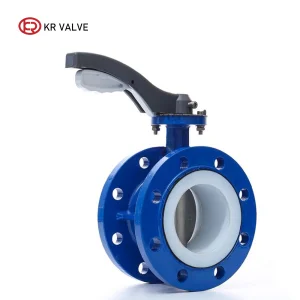
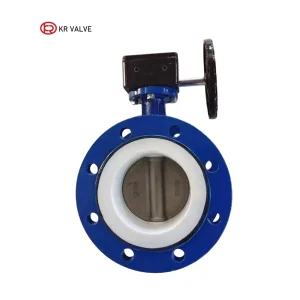
| Desalination Plants (SWRO) | PTFE Lined Wafer / Split Body | SS316 / PTFE Lining & Seat / Duplex Disc | CE PED 2014/68/EU, WRAS |
| Refinery & Gas Terminals | Triple Eccentric Flanged | WCB / LCC Carbon Steel, Metal Seat | API 609, API 607 Fire Safe |
| Municipal Sewage & Sludge | Concentric Butterfly Valve | GGG40 Ductile Iron / Epoxy Coated / NBR | EN 1092-2 PN10/PN16 |
Our dedicated design department ensures continuous innovation. Engineers utilize modern laboratory facilities to simulate extreme pressure surges and fluid dynamics, ensuring all products satisfy regional hydraulic requirements and are optimized for standard actuation (ISO 5211 direct mounting).
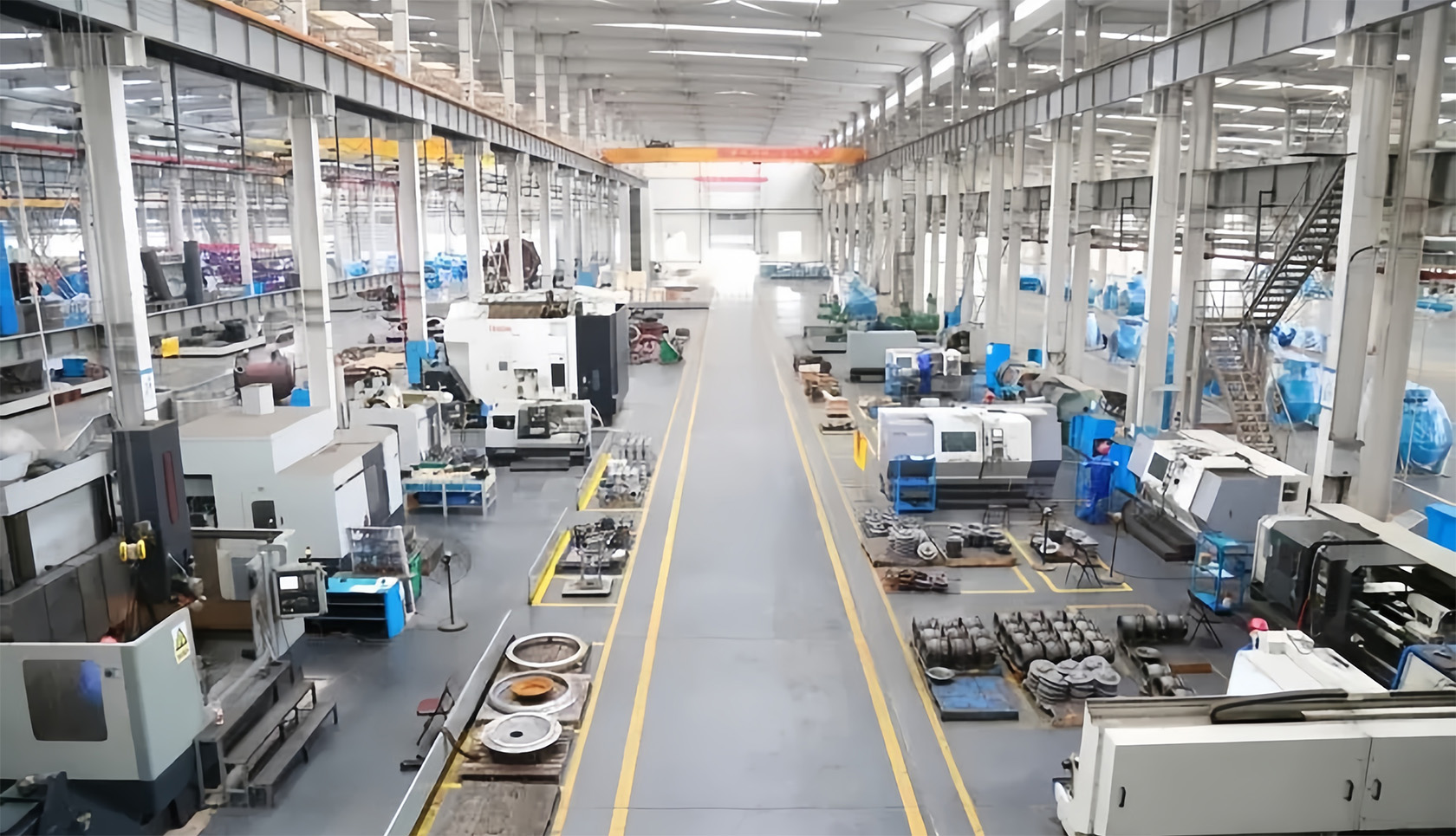
Our facility runs multiple high-precision CNC machining centers and dedicated assembly lines, working under a certified ISO 9001 quality system. Monthly inventory revisions ensure consistent delivery of global standardized butterfly valve stocks.
Strict quality control is our manufacturing core. Every individual valve is subjected to hydrostatic and pneumatic pressure testing according to EN 12266-1 and API 598 standards before leaving our facility, ensuring bubble-tight isolation.
To successfully integrate flow control products into Greek marine or municipal projects, specifying engineers must carefully evaluate the material, mechanical, and sealing performance metrics. The choice of rubber seats, polymer liners, and physical body construction directly impacts the maintenance lifecycle of these components.
Cast iron (GG25) is brittle and prone to structural cracking under sudden pressure surges or water hammer. In contrast, GGG40 (Ductile Iron) contains spheroidal graphite nodules, which impart high tensile strength, ductility, and pressure retention properties. For underground water utilities in Athens or pipeline networks across Thessaloniki, GGG40 is the minimum industry standard. It withstands higher structural loads and seismic activity common in the Mediterranean region.
Concentric butterfly valves feature a shaft centered in the middle of the disc and the bore. While highly cost-effective for low-pressure irrigation and standard water lines, the continuous friction between the disc and the rubber seat causes progressive wear. Double eccentric and triple eccentric valves offset the shaft axis, which causes the disc to swing away from the seat instantly upon opening. This design reduces mechanical friction, increases sealing lifecycle, and supports high-pressure and fire-safe operations.
Our engineered valve configurations are serving various critical infrastructures throughout Greece and neighboring European regions.
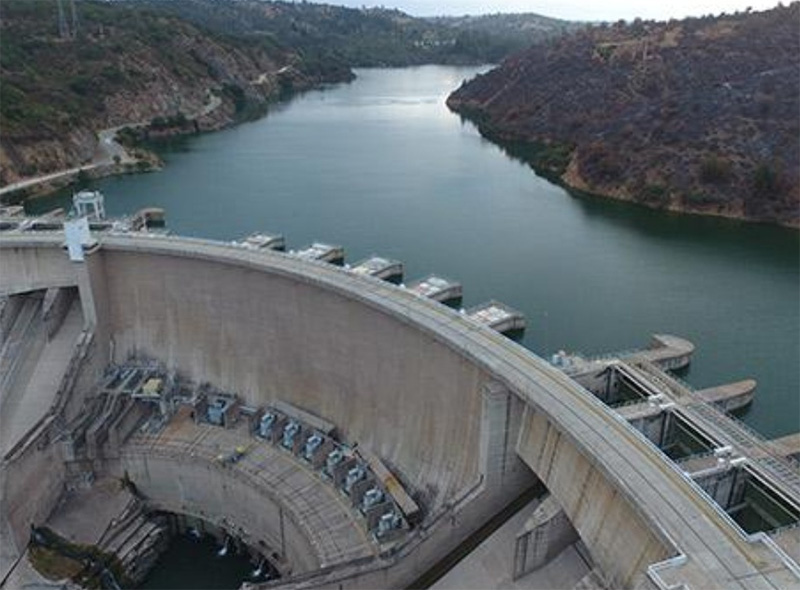
We supplied high-grade PTFE-lined concentric butterfly valves and duplex disc non-return valves to resist corrosive brine in reverse osmosis networks.
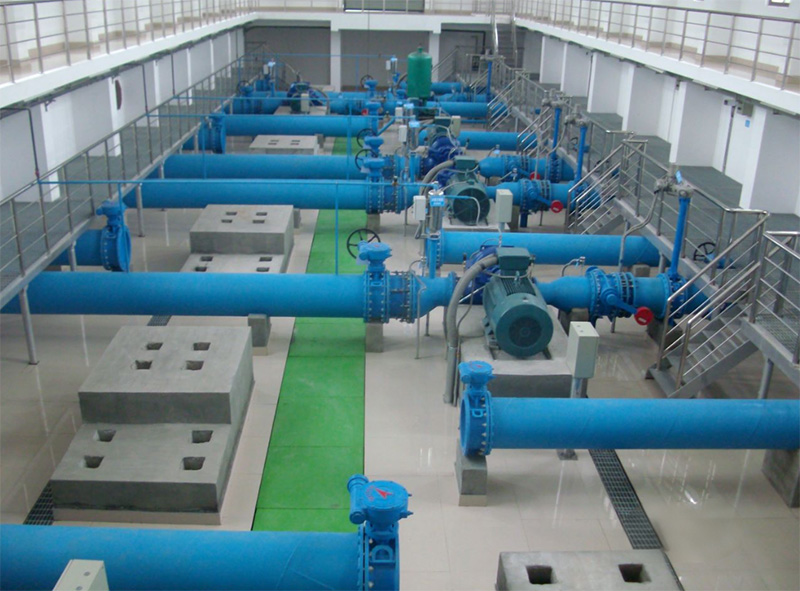
Delivered large-diameter ductile iron wafer butterfly valves fitted with Nickel-Aluminum Bronze (NAB) discs to secure bi-directional sealing on deep-sea merchant vessels.
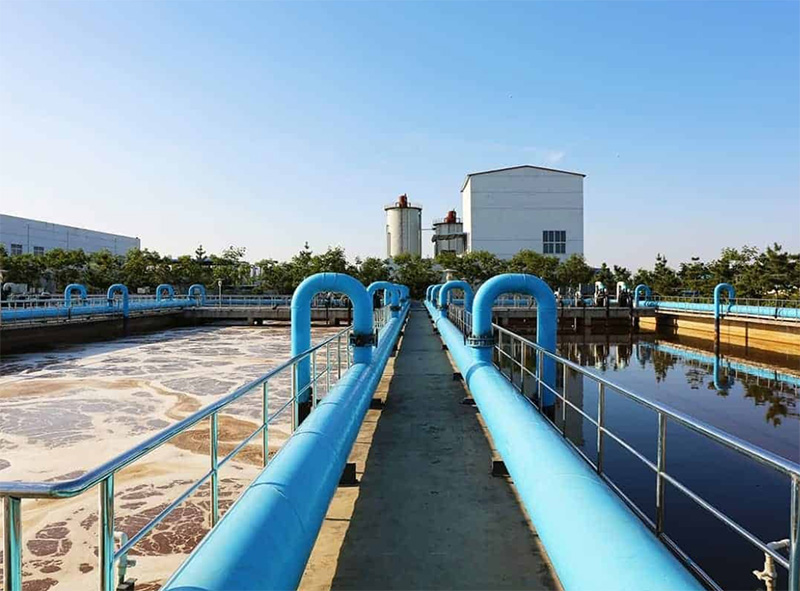
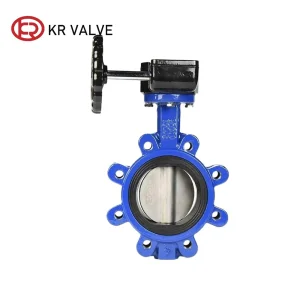
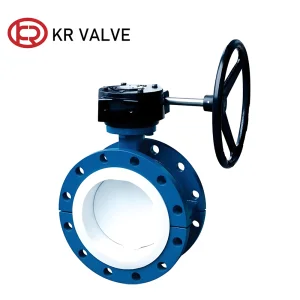
Provided heavy-duty gear-operated lug butterfly valves with abrasive-resistant NBR seals to manage dense municipal sludge transport pipelines.
As part of the global transition to Industry 4.0, the valve manufacturing sector is moving beyond passive flow control. The integration of IoT technology, smart sensors, and advanced diagnostic actuators is reshaping fluid system architecture. Future-proofing Greek industrial utilities means adopting systems capable of predictive maintenance and remote operation.
By pairing butterfly valves with smart electric actuators utilizing Modbus or Profibus protocols, engineers in modern refineries and shipping yards can monitor real-time torque profiles, identifying seal degradation before leakage occurs.
To comply with stringent EU environmental regulations, our R&D is focused on fugitive emission reduction. This involves advanced stem sealing packing designs that prevent VOC emissions in volatile gas and refinery setups.
Developing molecularly modified RPTFE and specialized metallic alloys that permit long-term operation under temperatures exceeding 400°C without compromising tight-shutoff capabilities.
Expert insights on sizing, material selection, and standard certifications for Greek engineers.
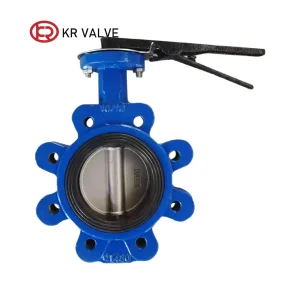
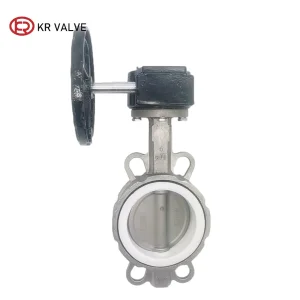
Wafer butterfly valves are clamped between two pipe flanges using long bolts that span the entire body of the valve. They are light, cost-effective, and easy to install. However, they cannot be used for end-of-line service. Lug butterfly valves feature threaded metal inserts (lugs) on the outer casing, allowing them to be bolted directly to each flange. This design allows for downstream piping disassembly while keeping the valve pressurized on the upstream side, making Lug valves ideal for pump outlets and isolation headers where frequent line maintenance is anticipated.
In Europe, key standards include EN 593 (Industrial Butterfly Valves), EN 1092-2 (Flanges and joints for ductile iron pipes), and EN 12266-1 (Pressure testing of metallic valves). For global compatibility, valves are designed to match ASME B16.5 Class 150 and API 609 dimensional standards. Our products carry dual drilling options to satisfy both European EN 1092 PN10/PN16 and American ANSI standards.
Greece is located in a high-seismic region. Cast iron is brittle and has virtually zero elasticity, meaning ground shifts or sudden water hammer can fracture the valve body. Ductile Iron GGG40 has a tensile strength of 400 MPa and elongation properties exceeding 12%. This elasticity allows it to deform under high mechanical stress without structural failure, protecting public water distribution pipelines from catastrophic ruptures.
Double eccentric valves feature an offset stem that reduces friction between the disc and seat during opening and closing cycles. This design minimizes seat wear, lowers operating torque, and allows the valve to handle higher pressure drops and temperatures, making it ideal for marine cooling systems and industrial power plants.
Seawater contains high chloride levels, which rapidly corrodes carbon steel and standard stainless steel (like SS304). Marine systems require corrosion-resistant alloys. Aluminum Bronze (NAB/C95800) and Duplex Stainless Steel (SS2205) form a passive layer that resists crevice corrosion and pitting, making them standard for ballast water systems in Greek shipping vessels.
Standard PTFE liners can collapse or pull away from the valve body when subjected to vacuum pressure. To prevent this, we offer specialized vacuum-grade PTFE lined valves with reinforced, thick-walled liners mechanically locked to the body. This ensures stability in SWRO desalination suction lines.
ISO 5211 specifies standard dimensions for mounting actuators to industrial valves. By incorporating ISO 5211 top flanges into our butterfly valves, clients can easily install pneumatic, electric, or hydraulic actuators from any brand without custom machining, simplifying retrofits in Greek process plants.
Standard EPDM works reliably between -20°C and 110°C. For high-temperature district heating projects in Northern Greece, we supply peroxide-cured EPDM, extending the temperature range to 130°C while maintaining seat elasticity and prevent structural hardening.
Bypass leakage is typically caused by line debris (such as weld slag or pebbles) cutting the soft seat, improper flange alignment, or exceeding the rated differential pressure. Flange alignment must be exact, and lines should be flushed prior to commissioning to protect the sealing surface.
Yes. We offer customization for specialized face-to-face dimensions, unique flange drillings (such as Japanese JIS or old British standards), and custom paint coatings (such as high-build epoxy for coastal environments) to match existing infrastructure requirements across Greece.
Engineered to meet specific mechanical pressures, chemical environments, and flow rates.
Get in touch with our engineering team for detailed CAD drawings, torque calculations, and customized bulk quotes.
Send Inquiry Now KR VAVLE