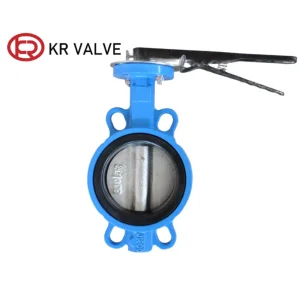
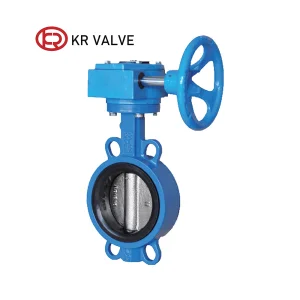
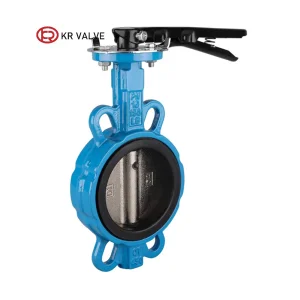
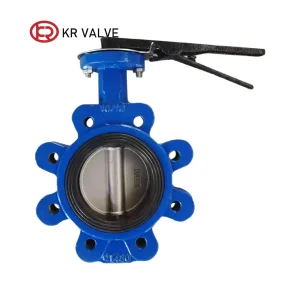
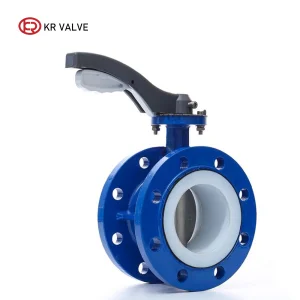
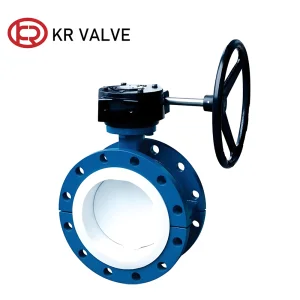
Engineered for High-Stress Desalination, Oil Recovery, and Municipal Distribution Lines Across Muscat, Sohar, and Salalah.
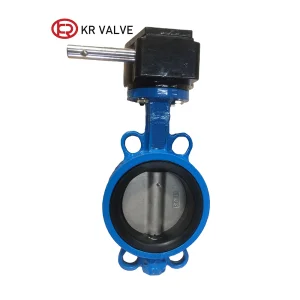
Analyzing local demands, material integrity, and China-Oman supply chain dynamics in flow engineering.
The Sultanate of Oman stands as a critical strategic corridor linking Eastern trade routes with Middle Eastern energy reserves. With ambitious infrastructure programs driven by Oman Vision 2040, sectors such as municipal water networks, seawater desalination, wastewater treatment, and petrochemical processing are expanding rapidly. Key developmental hubs like the Duqm Special Economic Zone (SEZAD), Sohar Port, and Salalah Industrial Free Zone require robust, heavy-duty industrial valves.
In Oman, industrial equipment faces exceptionally severe conditions. System components are subjected to extreme ambient temperatures (often exceeding 50°C), highly saline soils, and aggressive coastal marine atmospheres. Standard materials degrade rapidly under these conditions. Valves deployed in localized desalination networks, water cooling systems for power plants, and oil recovery pipelines must be constructed with advanced corrosion-resistant alloys and resilient elastomeric seals to prevent catastrophic leakage and system downtime.
"Industrial operations in Oman require fluid handling components designed to resist aggressive marine conditions. Standard iron casting will not suffice; the integration of premium ductile iron (GGG40/50), corrosion-resistant linings, and precise EPDM/PTFE seating is mandatory to ensure durability and process safety."
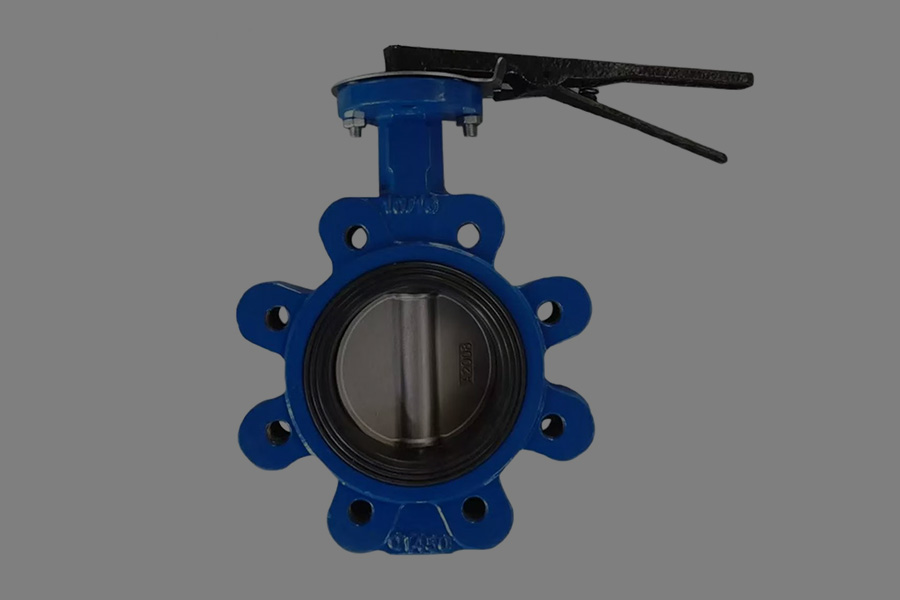
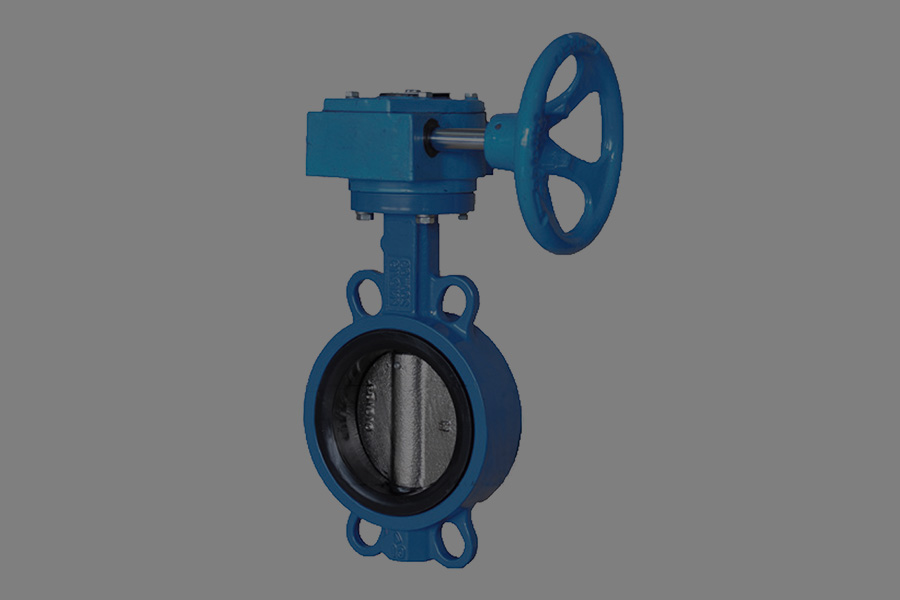
Globally, the demand for industrial valves has shifted toward designs that offer both high efficiency and space-saving characteristics. Traditional gate valves and globe valves, while highly reliable, are heavy, expensive to manufacture, and occupy a large footprint. This is where modern butterfly valves offer a distinct advantage. With their quarter-turn operation, compact face-to-face dimensions, and light weight, butterfly valves significantly reduce structural support costs in large-diameter pipelines.
Today's concentric and eccentric butterfly valves are capable of handling high-pressure ratings (up to PN16 and PN25) and extreme temperatures, making them highly versatile. As a result, they are widely used in modern industries from municipal water treatment networks to large-scale chemical processing plants.
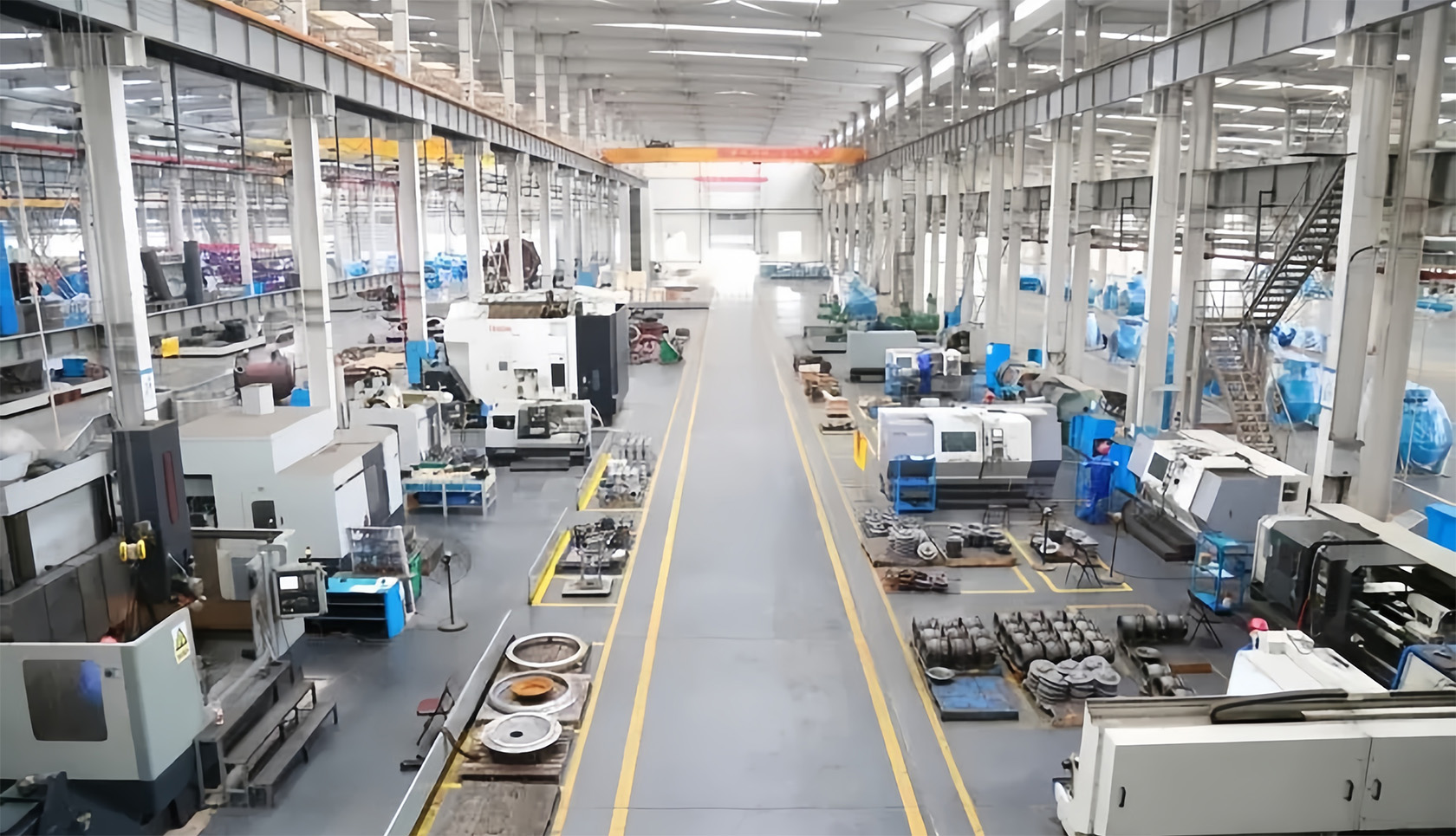
For industrial procurement specialists, sourcing from reliable manufacturers in China provides an ideal balance of quality, speed, and cost efficiency. The Chinese valve manufacturing industry has transitioned from basic manufacturing to high-tech, automated production. Companies like KR Valve have integrated advanced CNC machining centers, automated testing bays, and rigorous quality control protocols to ensure every valve performs reliably under demanding field conditions.
KR Valve’s factory capabilities include over 15 high-precision machining centers and specialized assembly lines operated by experienced technicians. All manufacturing procedures comply with ISO 9001 quality management systems. Every single valve undergoes strict visual, dimensional, and hydrostatic pressure testing before shipment, ensuring a zero-leakage standard for every batch.
Our dedicated R&D team continuously develops custom and standard products tailored to customer requirements. Our laboratory provides advanced testing capabilities to verify and improve valve performance.
Production activities are strictly planned and managed to ensure timely deliveries. We update inventory levels monthly and operate modern production machinery to meet customer expectations.
Every valve is subject to strict inspections covering appearance, dimensions, and pressure. We follow international testing standards to guarantee zero-leakage performance.
For long-term reliability in Oman's industrial environments, proper material selection is critical. Concentric wafer and lug butterfly valves commonly utilize ductile iron bodies (GGG40 or GGG50) which provide superior mechanical strength compared to standard gray cast iron. To prevent galvanic corrosion, these bodies are coated with heavy electrostatic epoxy powder paint (typically minimum 250 microns thick).
Additionally, seat selection is essential for maintaining a tight seal. EPDM seats offer excellent resistance to heat and ozone in water applications, while PTFE seats provide high chemical resistance, making them ideal for aggressive chemical process lines. For highly corrosive sea water or high-temperature water applications, double eccentric and triple eccentric butterfly valves featuring stainless steel (CF8/CF8M) discs and surfacing alloy seats are recommended to prevent premature wear.
| Valve Parameter | Common Materials | Standards Conformity | Optimal Oman Scenarios |
|---|---|---|---|
| Body Material | Ductile Iron GGG40 / GGG50, WCB Cast Steel, Stainless Steel CF8/CF8M | EN 1563, ASTM A536, ASTM A216 | General pipelines, chemical process lines, industrial cooling grids |
| Seating Material | EPDM, NBR, PTFE, RPTFE, Metal-to-Metal | ISO 1629, FDA Compliant Elastomers | Water supply networks, desalination pipelines, gas processing |
| Disc Material | Al bronze, DI Nylon Coated, CF8 (SS304), CF8M (SS316) | ASTM A351, EN 10213 | Corrosive seawater channels, municipal water infrastructure |
| Pressure Rating | PN10, PN16, PN25, ANSI Class 150/300 | EN 12266-1, API 598, ISO 5208 | High-pressure desalination, oil & gas auxiliary lines |
Procurement managers are increasingly seeking manufacturers that can offer complete, end-to-end solutions. This includes not only manufacturing the valves, but also providing supporting actuation systems, custom flanged connections, and comprehensive documentation such as material test reports (MTRs) and pressure test certifications. Working with an OEM supplier that provides pre-configured assemblies helps streamline installation and minimize compatibility issues on site.
Additionally, maintaining a stable supply chain is critical. Sourcing from manufacturers with structured logistics pathways and strong export capabilities helps ensure that equipment arrives on site on schedule, reducing the risk of project delays.
Explore our wide range of concentric, eccentric, resilient, and metal-seated butterfly valves engineered for diverse operating pressures.
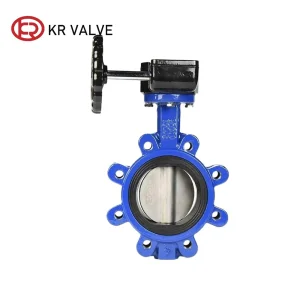
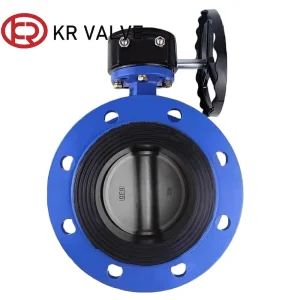
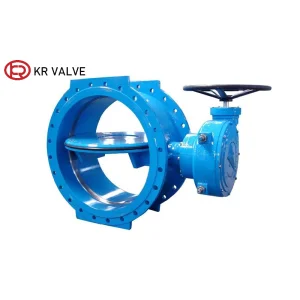
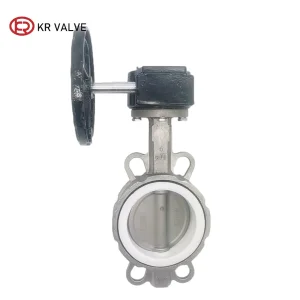
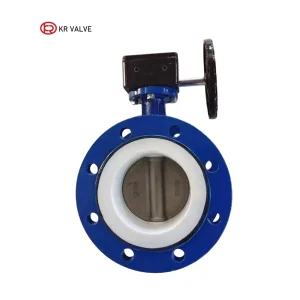
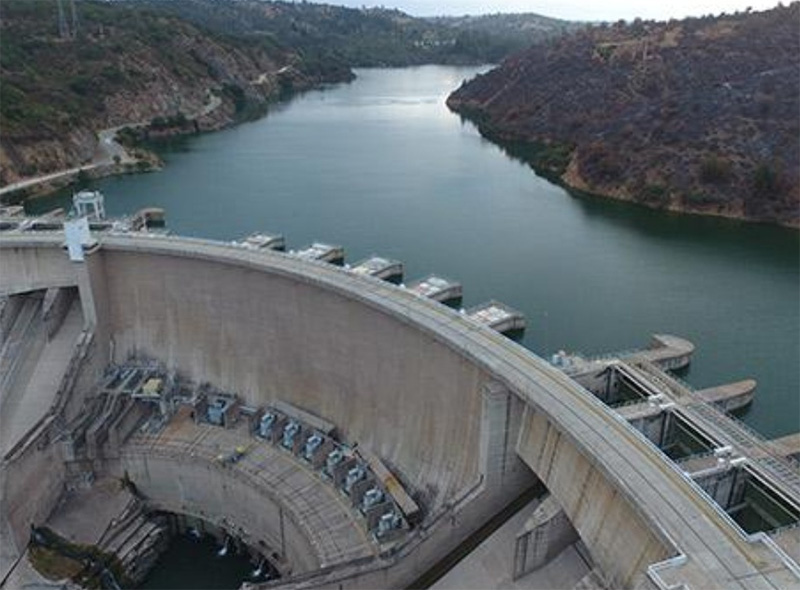
Demonstrating flow control reliability across complex municipal and industrial networks in the Gulf.
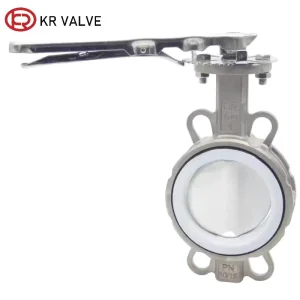
Seawater reverse osmosis (SWRO) systems require high chemical and corrosion resistance. Lined wafer and lug butterfly valves equipped with SS316 discs and PTFE linings help prevent degradation from concentrated brine.
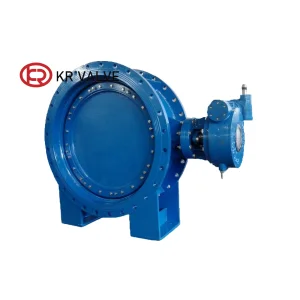
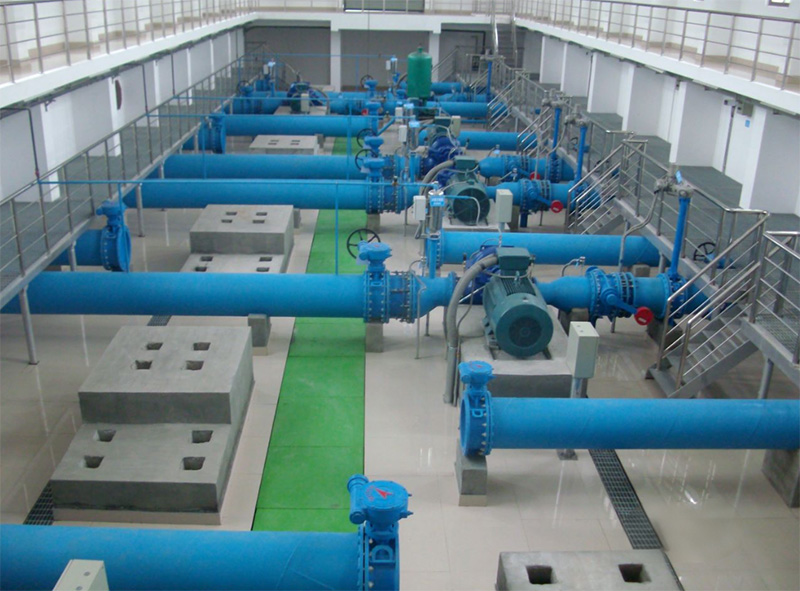
Refineries require precise regulation of large-volume water flows. High-capacity double eccentric butterfly valves with heavy gear-box operators help manage high thermal loads and operational pressures.
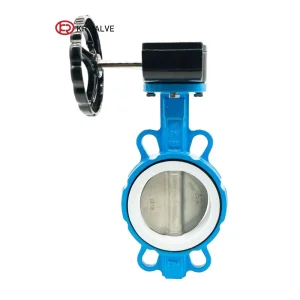
Domestic distribution and municipal wastewater management rely on durable, low-maintenance valves. Cast iron and ductile iron EPDM soft seal wafer butterfly valves provide cost-effective, zero-leakage service.
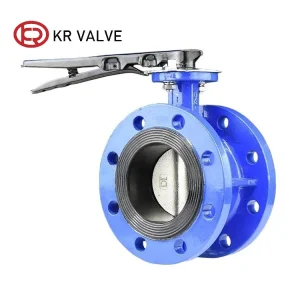
KR supplied over 150 units of double-flanged ductile iron butterfly valves for industrial cooling water lines in the Sohar Freezone, ensuring reliable performance in high saline coastal environments.
Delivery of corrosion-resistant, PTFE-lined butterfly valves and resilient check valves to support municipal saltwater intake channels, resisting biofouling and galvanic corrosion.
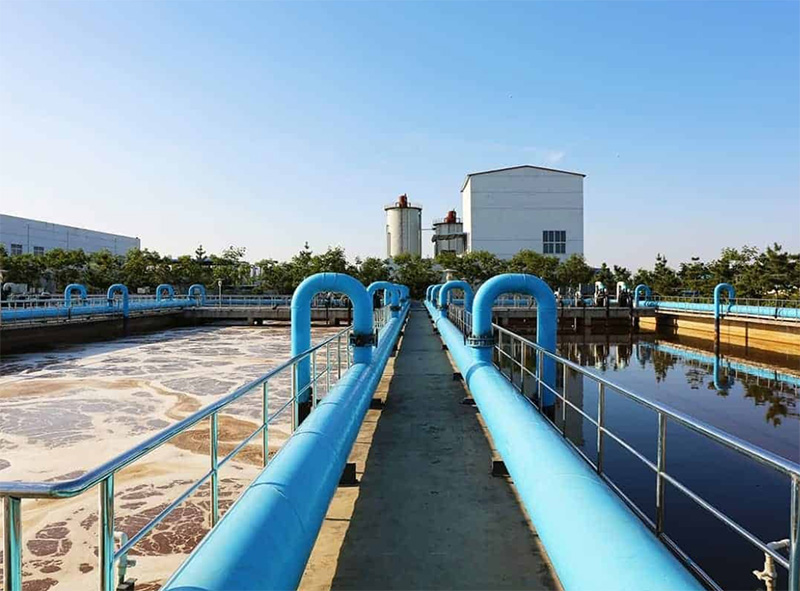
Supplied resilient seat butterfly valves, gate valves, and strainers to a newly constructed biological sludge treatment facility, meeting national environmental discharge parameters.
Take a virtual tour of our factory and witness our hydrostatic pressure testing, dynamic torque measurement, and final product inspections.
Direct professional answers regarding fluid handling specifications, materials, certifications, and delivery timelines.
 KR VAVLE