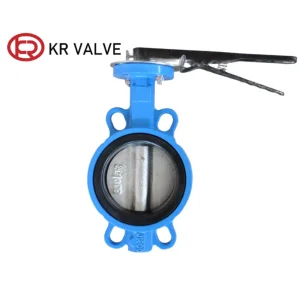
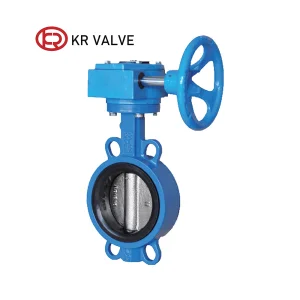
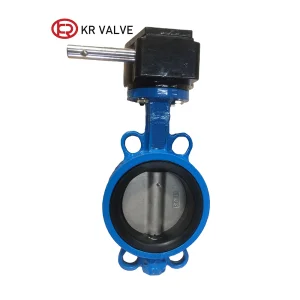
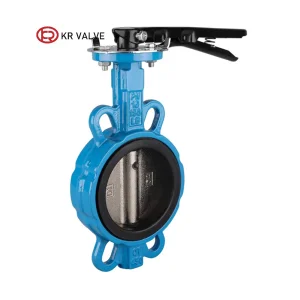
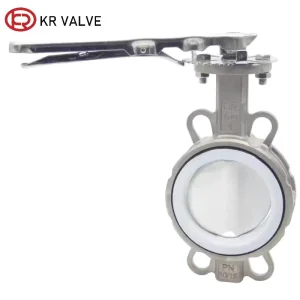
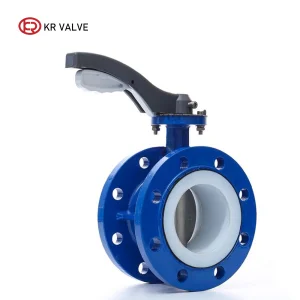
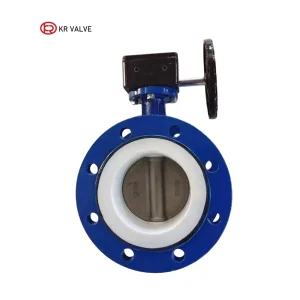
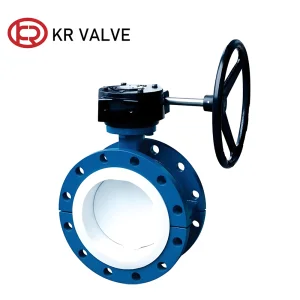
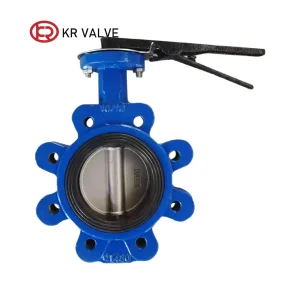
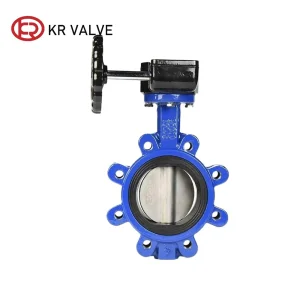
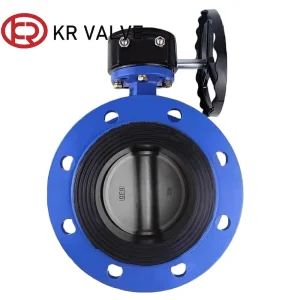
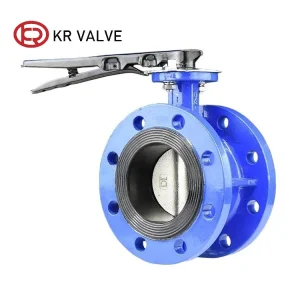
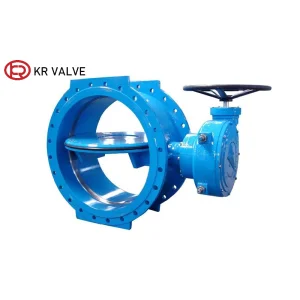
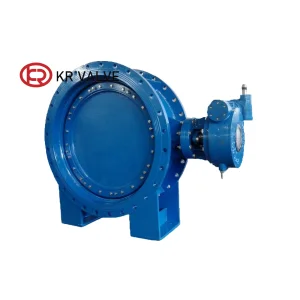
Engineered for high load capacities and conforming to both JIS and international standards. These direct-from-factory models supply the backbone of Japan's Kansai industrial infrastructure.
The Kansai region, anchored by the metropolitan industrial core of Osaka, has long stood as a historic center for heavy metallurgy, precision machinery, and process engineering. As a major maritime gate and home to extensive chemical processing hubs, municipal wastewater plants, and cooling water infrastructure, the demand for highly reliable butterfly valves in Osaka is driven by strict quality requirements and tight tolerance expectations. Valves deployed in these environments must conform to Japanese Industrial Standards (JIS B2032 and B2003) alongside international standards like API, ANSI, and ISO.
Manufacturers catering to the Osaka market must navigate a complex supply landscape. Local engineering firms require materials that resist galvanic corrosion from the marine environments of Osaka Bay, demanding advanced ductile iron formulations (such as GGG40) and specialized polymer seats (like EPDM and PTFE). As decarbonization and resource conservation goals accelerate across Japan, local operations seek butterfly valves with lower hydrodynamic resistance, reducing the energy needed for large-scale pumps and municipal water transport systems.
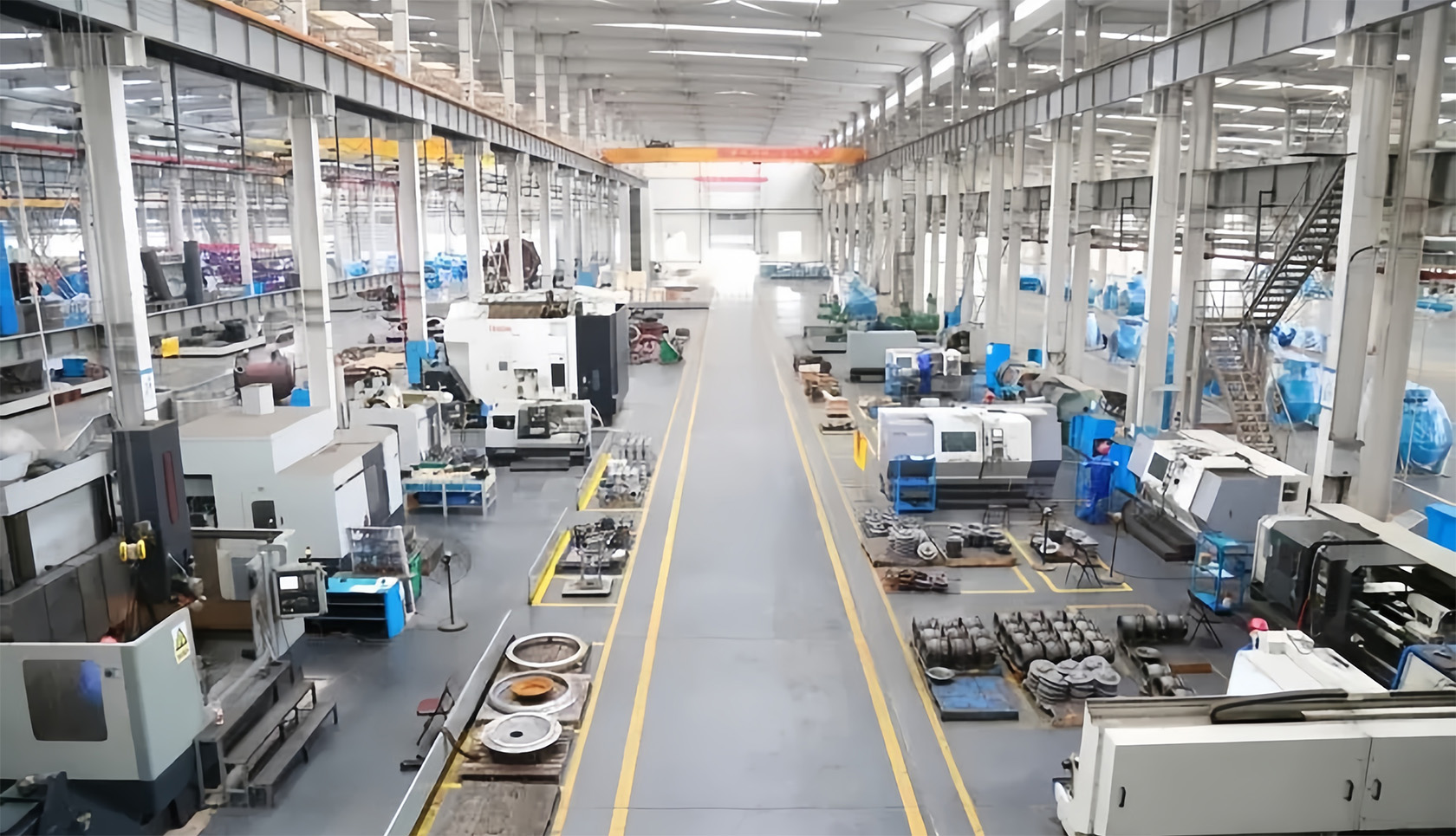
Valves are no longer simple mechanical shut-off tools. Modern engineering demands optimal material compatibility, low torque signatures, and long service lives.
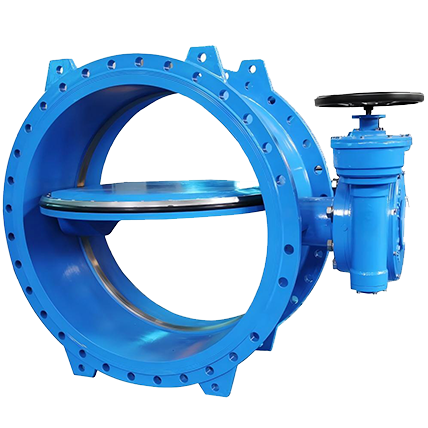
Standard concentric butterfly valves are cost-effective, but the constant friction between the disc and the seat leads to wear. Double eccentric designs shift the shaft axis away from the seal center. This setup ensures that the disc contacts the seat only in the final moments of closure, reducing wear, minimizing operating torque, and extending the life of the seat.
EPDM remains the standard choice for general water systems, providing elasticity up to 120°C. For aggressive chemicals, clean rooms, and high temperatures, PTFE (polytetrafluoroethylene) or RPTFE (reinforced PTFE) seats are essential. The addition of reinforcement elements like glass fiber improves structural stability, prevents polymer cold flow, and ensures bubble-tight shutoff.
Modern plant layouts demand remote oversight. Actuator mounts must comply with ISO 5211 to support pneumatic, electric, or hydraulic components. Smart actuators communicate via industrial protocols (Modbus, Profibus) to provide real-time torque profiles, helping to identify wear early and avoid unplanned maintenance.
Technical Analysis (Information Gain): When selecting ductile iron body valves (such as GGG40) over traditional gray cast iron (GG25), mechanical durability increases dramatically. GGG40 offers a tensile strength of 400 MPa and elongation rates up to 15%. This structural integrity makes it far more resilient to water hammer and rapid temperature changes common in high-capacity pipelines.
| Valve Type | Body Material | Seat Polymer | Suitable Applications | Temperature Range |
|---|---|---|---|---|
| Concentric Wafer | Ductile Iron (GGG40) | EPDM | Municipal Water, HVAC, Fire Protection | -20°C to +120°C |
| High Performance Lug | Cast Iron (GG25) | PTFE / RPTFE | Corrosive Media, Waste Acids, Alkaline Liquids | -40°C to +180°C |
| Double Eccentric | Stainless Steel / Ductile Iron | SS304 / Metal Seat | High-Pressure Steam, High-Temperature Power Lines | -50°C to +425°C |
KR brings over 20 years of experience in producing standard and non-standard valves of various types. We supply a wide selection of over 500 valve products, including butterfly valves, gate valves, check valves, and water control valves, along with their matching and accessory products.
These products are widely used in water treatment, dam construction, commercial buildings, energy and heating, and chemical engineering. By maintaining a strong focus on product variety and quality, we have built high repeat purchase rates with our customers.
We are dedicated to creating mutually beneficial partnerships with every customer. We believe that reliable service is as crucial as superior products, and we continuously optimize the customer experience to build long-term, win-win cooperation. Today, KR VALVE's products are exported to over 50 countries and regions in Europe, Asia, Africa, and Oceania, providing project construction and brand marketing support to thousands of customers.
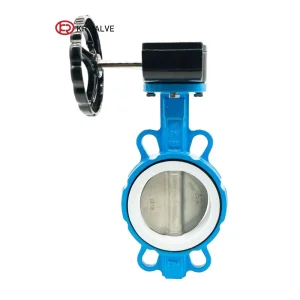
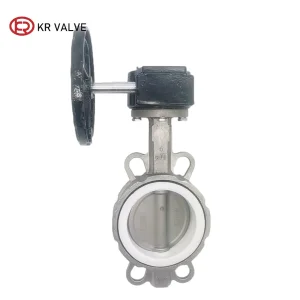
Specifically designed for processes involving corrosive media, acids, and ultra-pure water. These high-performance designs use pure or reinforced PTFE linings to prevent body corrosion.
Our commitment to reliability is demonstrated through standardized design, precise manufacturing, and rigorous testing protocols.
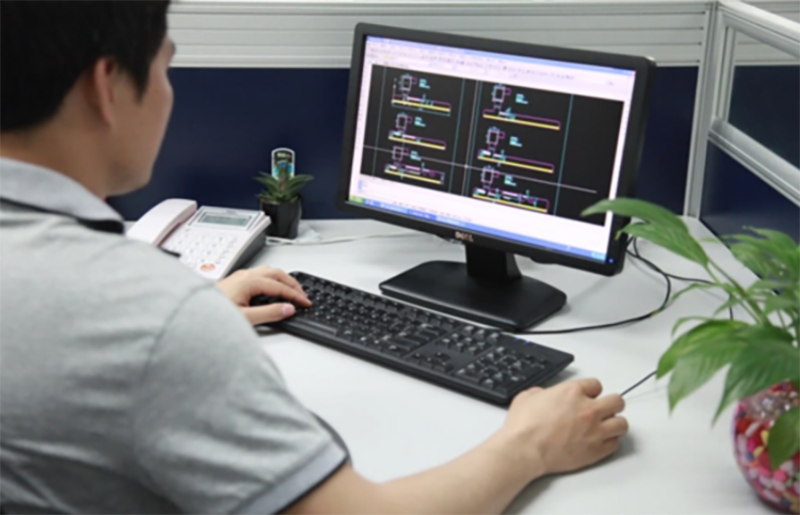
Our dedicated R&D department drives product design and continuous innovation. Our technicians develop valve designs tailored to specific customer and market demands, using a testing lab to evaluate and refine product performance. Currently, we offer 20 distinct series and over 500 valve varieties.
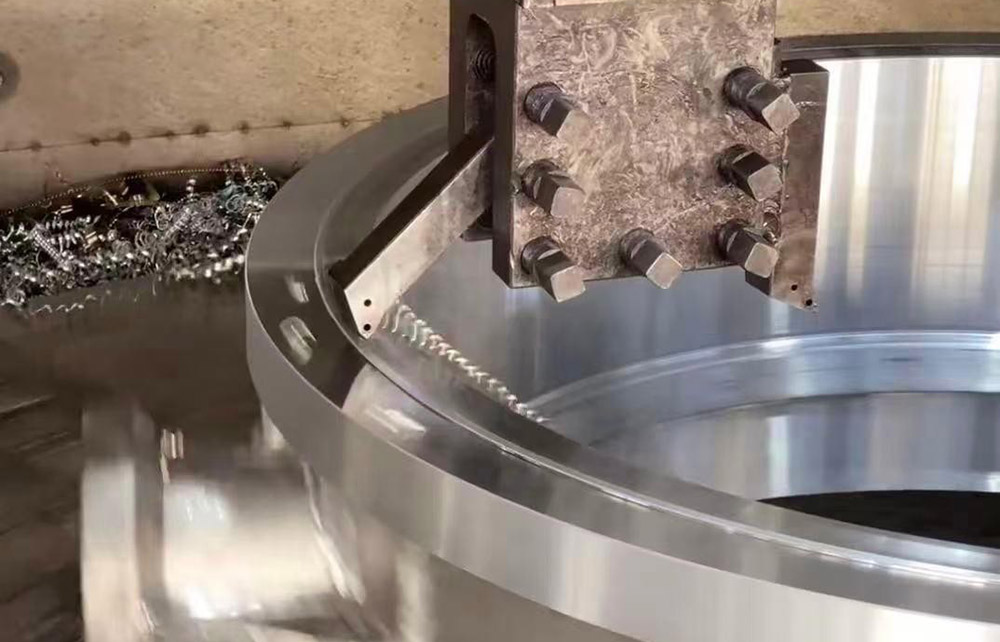
Our production team coordinates manufacturing plans to ensure timely delivery. Products are manufactured under strict supervision in compliance with ISO-9001 quality management guidelines. We operate more than 30 advanced production machines and update our inventory monthly to meet customer delivery timelines.
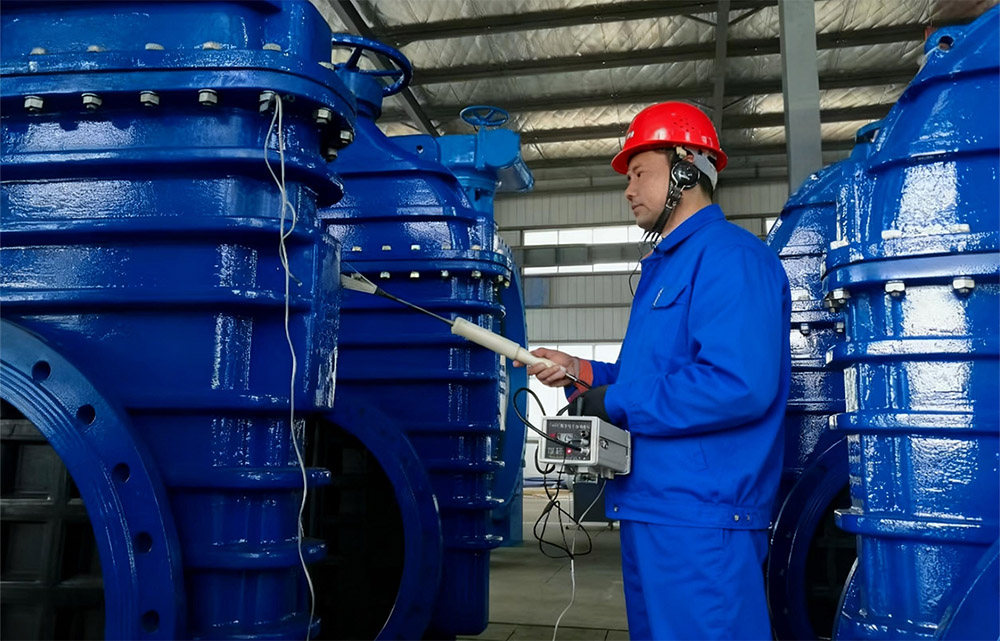
Our quality control team performs 100% inspections on all valves to support our zero-leakage principle. Adhering to international test protocols, we carry out comprehensive checks on valve dimensions, pressure ratings, and seals, issuing detailed compliance reports for each batch.
Beyond our manufacturing capacity, we provide comprehensive technical and logistics support to optimize value across your operations.
We supply products under our own independent brand, "KR", while also offering comprehensive OEM services for global engineering providers, maintaining long-term partnerships with recognized industry brands.
Our workshop features 15 specialized machining centers and structured assembly lines. Our production personnel are highly experienced in handling demanding industrial configurations.
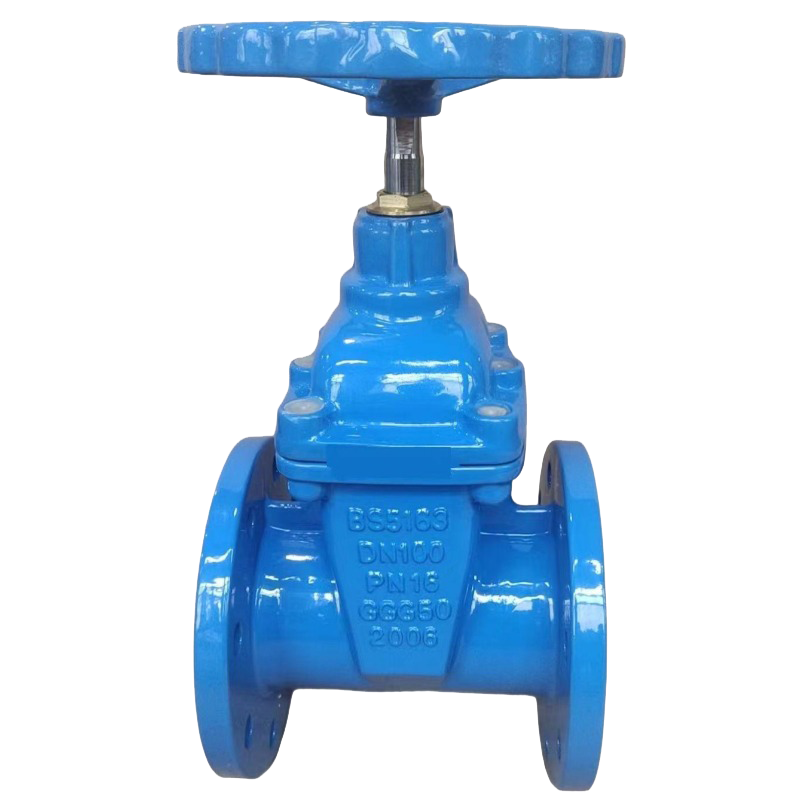
We offer 20 distinct series and over 500 standard and customized valve varieties, matching ASME, EN, BS, and JIS dimensional specifications.
We strictly monitor the casting chemistry, dimensional tolerances, and seal assembly of every single component, ensuring each valve performs reliably in the field.
By managing our core foundry, machining, and testing operations internally, we maintain competitive pricing without compromising on quality.

We provide full pre-sales support, helping you select the right materials and valve sizes, along with responsive after-sales maintenance advice.
Take a virtual look inside our factory to see our automated production lines and quality inspection stages.
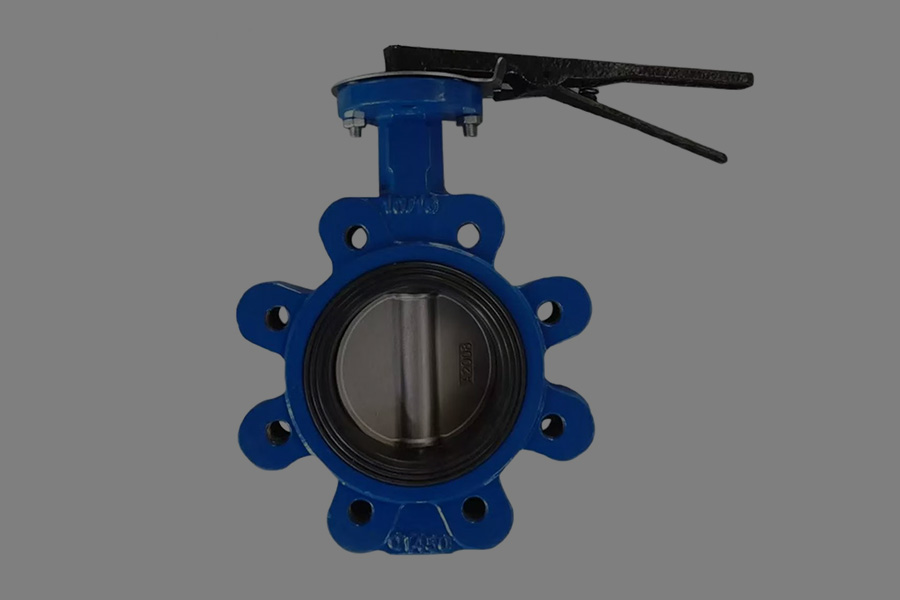
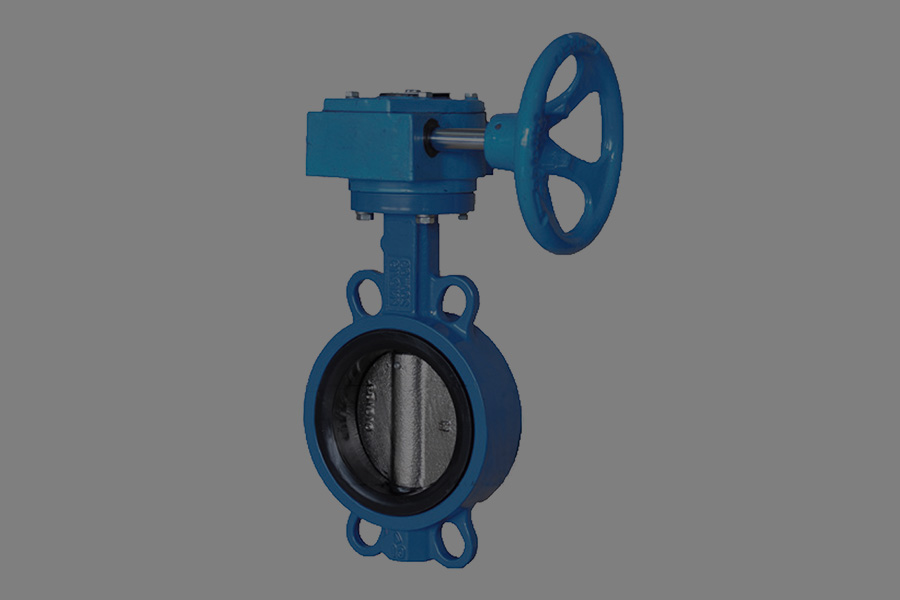
Our valves are utilized in major water conservation, energy infrastructure, and chemical processing projects worldwide.
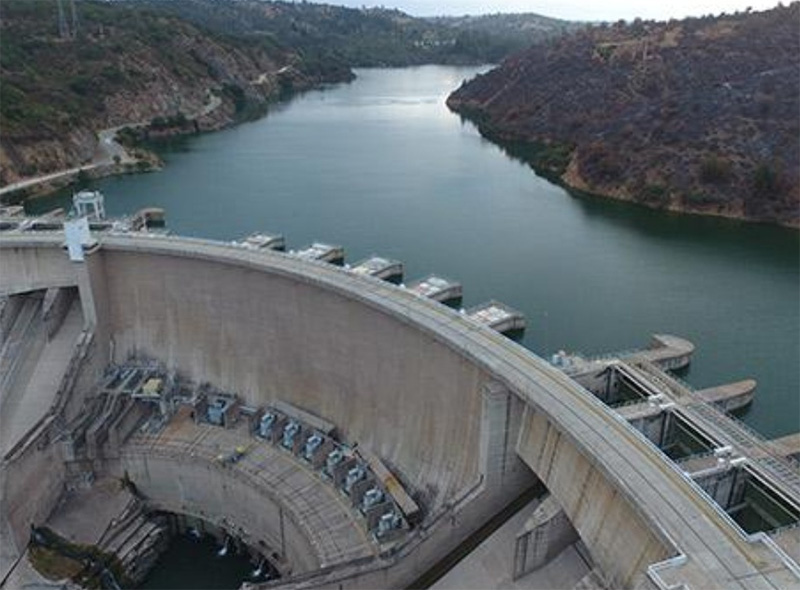
Delivered custom water control and hydraulic valves designed to handle high pressures in regional irrigation reservoirs.
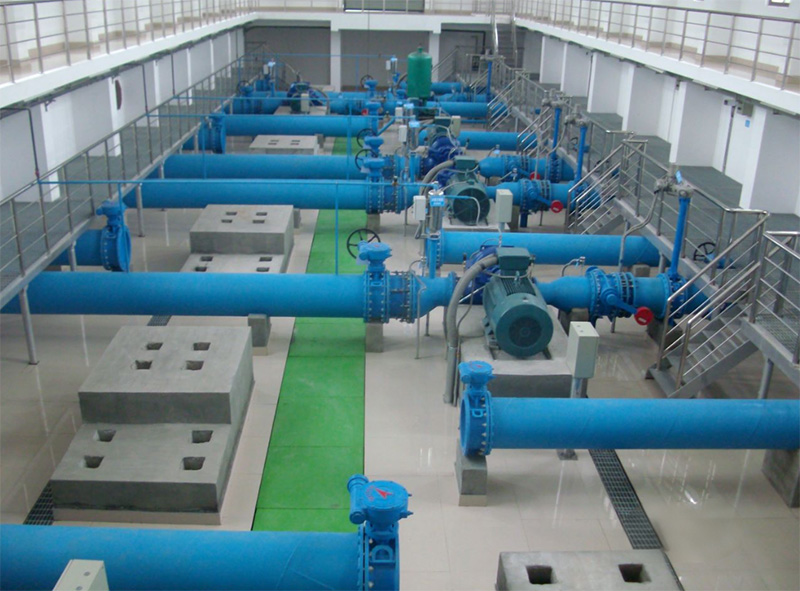
Supplied large-diameter butterfly valves and non-return check valves for clean water distribution networks in northern Italy.
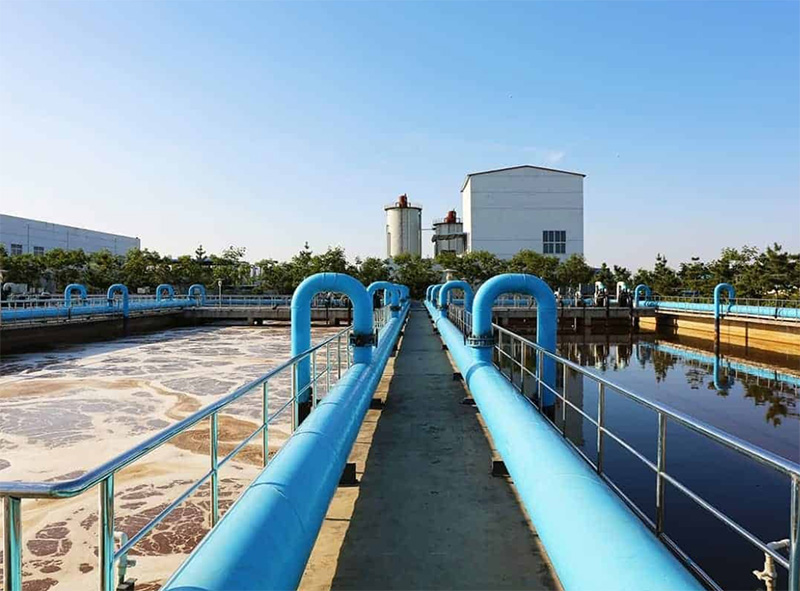
Provided corrosion-resistant butterfly valves and gate valves to handle municipal sludge and wastewater treatment systems.
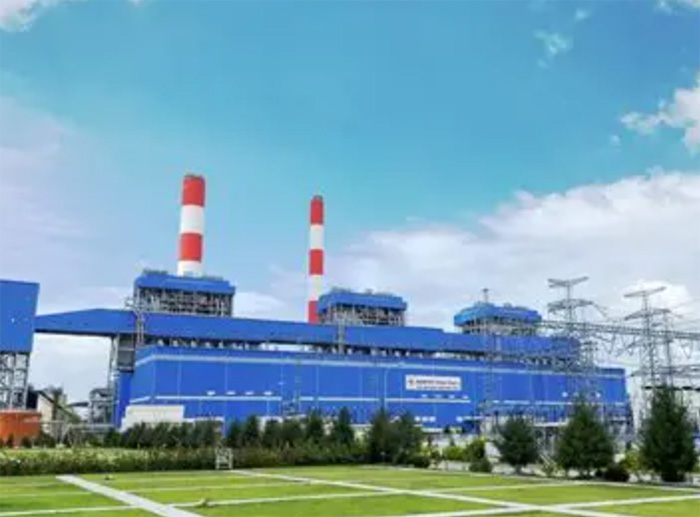
Delivered a full suite of chemical-resistant, PTFE-lined valves for handling aggressive acids and organic chemicals.
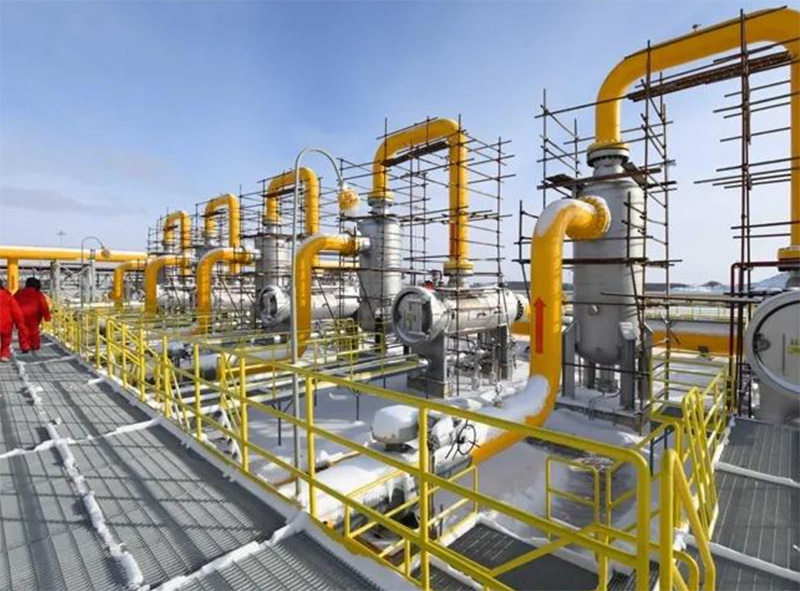
Supplied high-durability ball valves and gate valves rated for high pressures in northern natural gas pipelines.
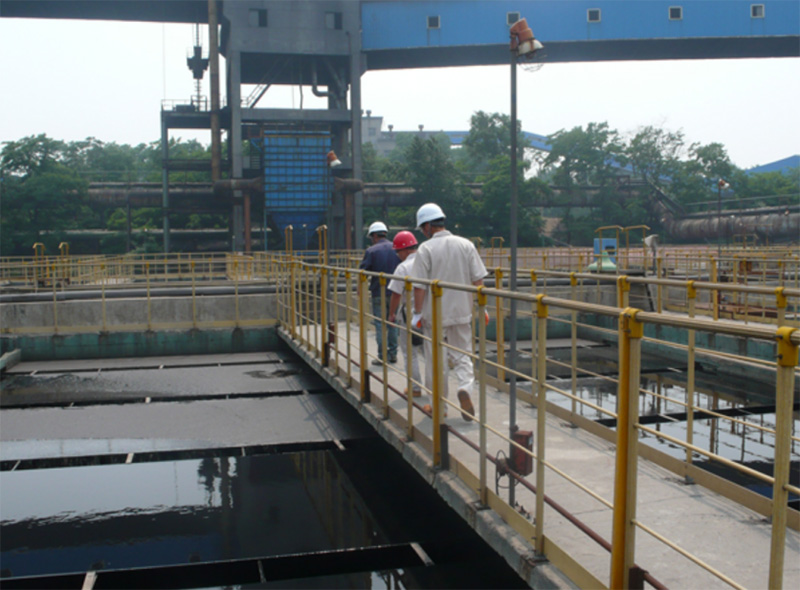
Provided reliable water control and check valves to help modernize municipal wastewater networks in São Paulo.
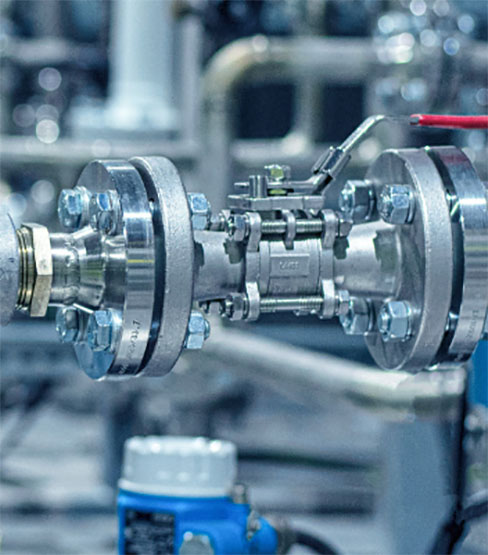
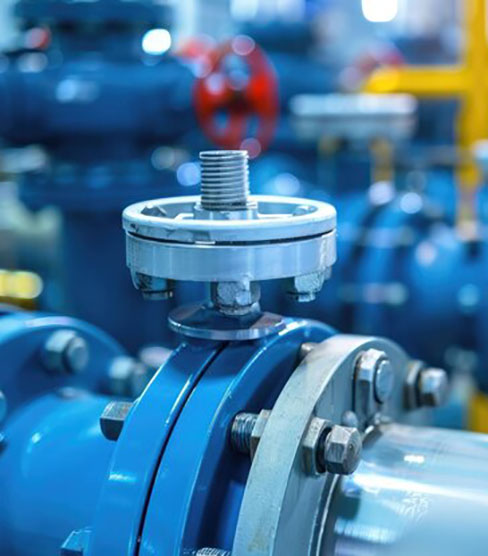
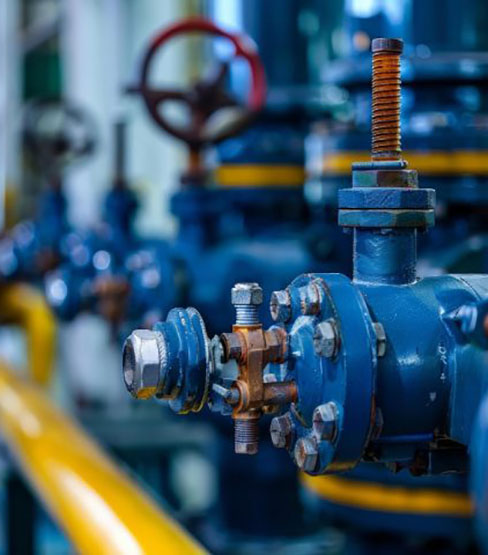
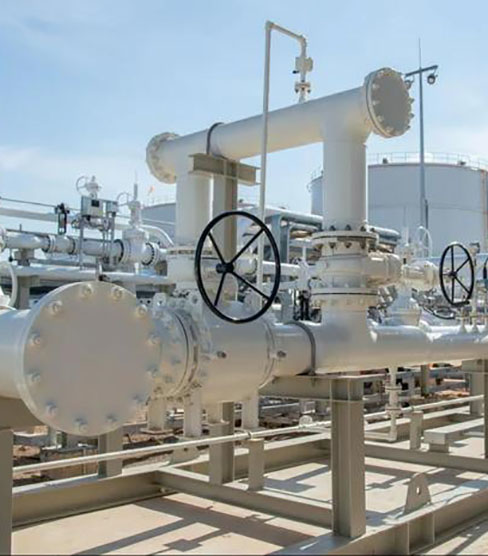
For engineering departments, design compliance is key to system safety and performance. Our manufacturing processes conform to international standards to ensure reliability under heavy operational demands.
We provide the following documentation to simplify integration with your project specifications:
Explore our standard range of lug, wafer, eccentric, and lined butterfly valves, designed for municipal, chemical, and industrial service.
Answers to common questions regarding valve configuration, material selection, and installation best practices.
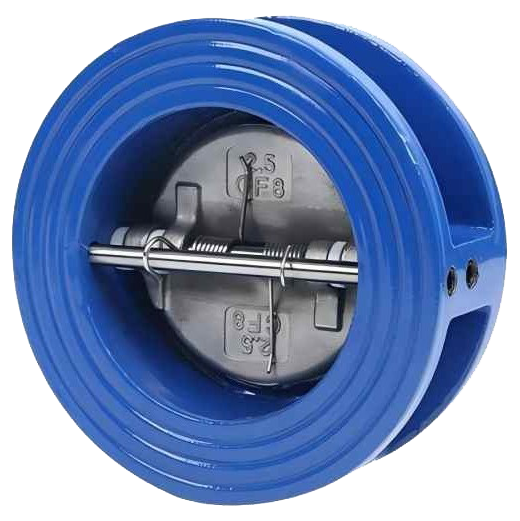
Wafer valves are positioned between pipe flanges and secured by long bolts running through the entire assembly. This configuration is compact and cost-effective, but the pipeline cannot be disconnected on one side while under pressure. Lug valves feature threaded inserts, allowing them to be bolted to each flange individually. This design supports dead-end service, allowing downstream piping to be disassembled for maintenance while upstream pressure is maintained.
GG25 is a standard gray cast iron with flake graphite, which makes it somewhat brittle and vulnerable to mechanical shock. GGG40 is a ductile iron featuring spheroidal graphite, which provides higher tensile strength, better pressure ratings, and improved elongation. This makes GGG40 much more resilient against water hammer and thermal stress in municipal pipelines.
In a standard concentric valve, the disc constantly rubs against the elastomer seat during opening and closing, leading to gradual seal wear. A double eccentric valve features a shaft that is offset from the center of the seat and pipe. This arrangement allows the disc to disengage from the seat almost immediately when opened, minimizing friction, reducing operating torque, and extending the life of the sealing elements.
EPDM is ideal for general water, HVAC, and low-pressure steam, with an operating range of -20°C to +120°C. However, it exhibits poor resistance to oils and hydrocarbons. PTFE is chemically inert, providing resistance to acids, bases, and organic solvents across a broader temperature range of -40°C to +180°C. For abrasive media, reinforced options like RPTFE help prevent polymer deformation under load.
Reach out to our engineering and sales teams today. We provide detailed pricing, material test reports, CAD models, and customized manufacturing services for the Osaka market and global projects.
 KR Valve Group - Flow Control Engineering Excellence
 KR VAVLE