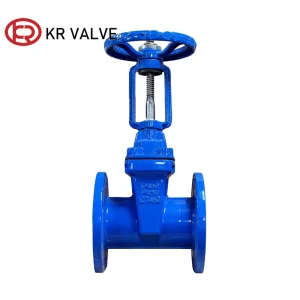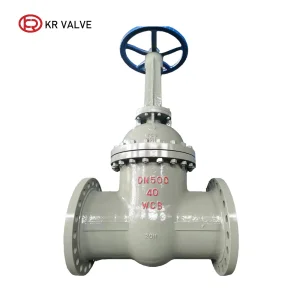
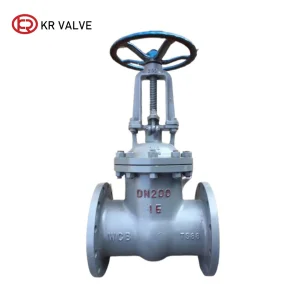
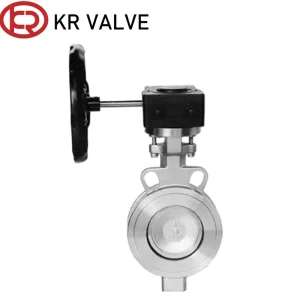
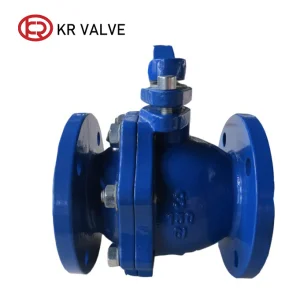
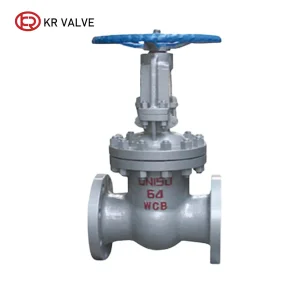
Unlike standard resilient seated gate valves, which rely on elastomer seals like EPDM or NBR to achieve isolation, Metal Seat Gate Valves (metal-to-metal seated) use precision-lapped metal alloys on both the wedge and body seat rings. This engineered design is imperative for system isolation where polymer seals would rapidly fail due to extreme temperature, chemical erosion, high pressures, or abrasive particulates.
Our heavy-duty industrial metal-seated gate valves are engineered primarily for severe service roles. When dealing with superheated steam, crude hydrocarbon transport, mining slurry lines, or corrosive petrochemical processes, standard soft seals will disintegrate, causing catastrophic system downtime. Our manufacturing lines implement advanced surface hardfacing technologies, such as Stellite 6 overlay or Tungsten Carbide thermal spray coating, to achieve Class V and Class VI bubble-tight shutoff classes.
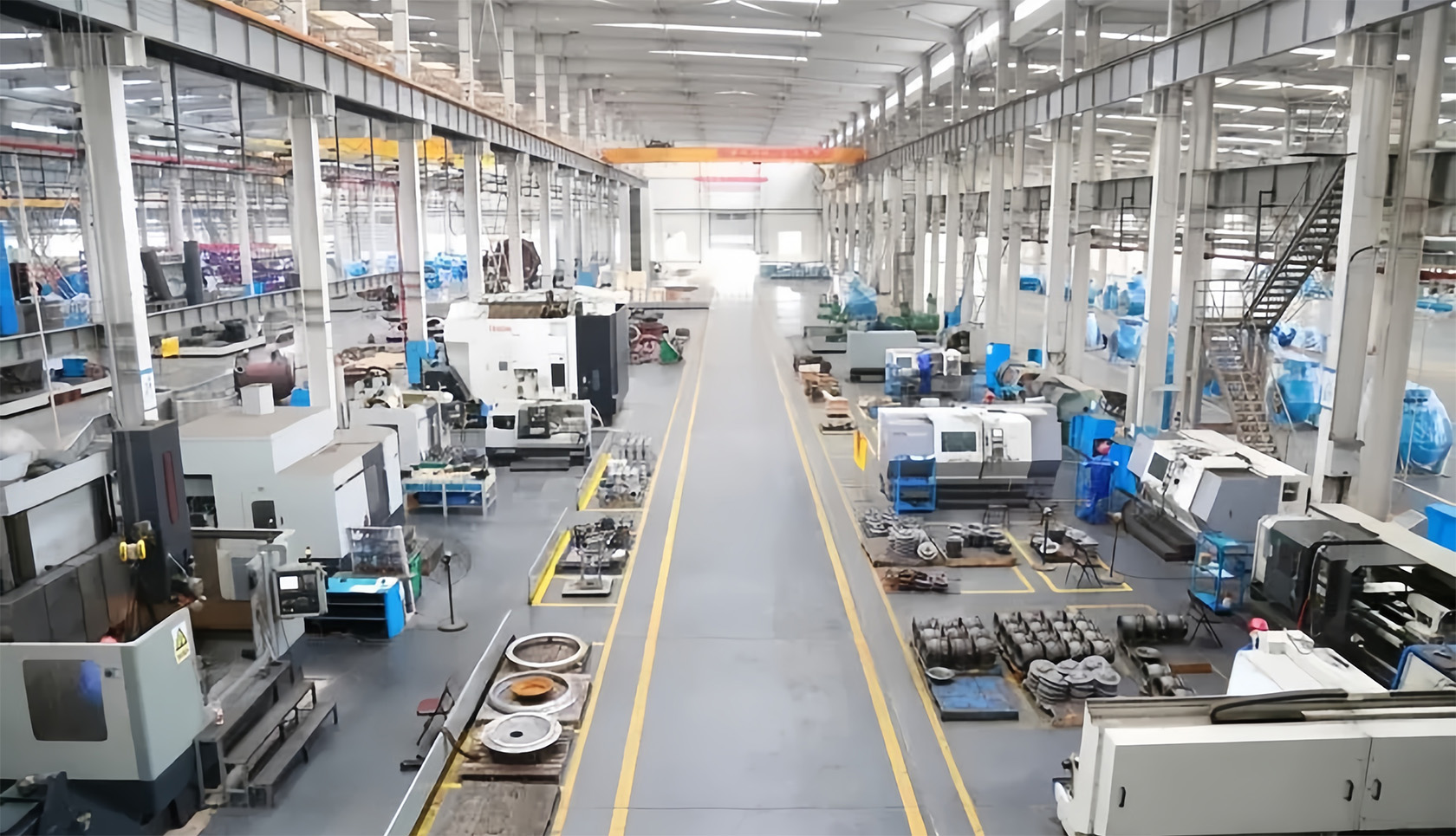
Over the past decade, Chinese valve manufacturers have transitioned from low-cost production to world-class precision casting and CNC engineering hubs, delivering uncompromised value.
From primary sand and investment foundry casting using electric induction furnaces to final CNC machining and pressure testing, our integrated workflow eliminates mid-layer logistics overhead, resulting in 20% to 35% cost reductions compared to Western equivalents.
Achieving structural reliability in metal-to-metal seating requires advanced metallurgical processes. We utilize computerized Plasma Transferred Arc (PTA) welding to overlay wear-resistant cobalt-base alloys, achieving a surface hardness of HRC 40-45 on the sealing faces.
Our design capabilities are aligned with major international directives, including API 600, ASME B16.34, EN 10497 Fire Safe standards, ISO 9001 quality systems, and CE certifications, allowing for direct plug-and-play installation in high-risk global operations.
Determining the correct trim combination is critical to extending the life-cycle of a metal seat gate valve. A mismatch in wedge and body hardness leads directly to seat galling and premature shutoff degradation. Below is our standard trim configuration table for high-performance applications:
| API Trim No. | Nominal Sealing Material | Wedge Surface Coating | Body Seat Ring Surface | Temp Range (°C) | Main Industrial Applications |
|---|---|---|---|---|---|
| Trim 5 | Hardfaced Stellite 6 | Cobalt-Base Alloy Overlay | Cobalt-Base Alloy Overlay | -196 to +600°C | High Pressure Steam, Hydrocarbons, Slurry |
| Trim 8 | Stellite / 13% Cr | 13% Chromium Steel | Cobalt-Base Alloy Overlay | -46 to +450°C | Refinery Crude Oil Feed, Boiler Blowdown |
| Trim 10 | 316 SS / 316 SS | SS 316 Stainless Steel | SS 316 Stainless Steel | -196 to +400°C | Corrosive Chemical Lines, Desalination |
| Trim 12 | SS 316 / Stellite 6 | SS 316 Stainless Steel | Cobalt-Base Alloy Overlay | -196 to +538°C | Severe Chemical Service, High-Temp Gases |
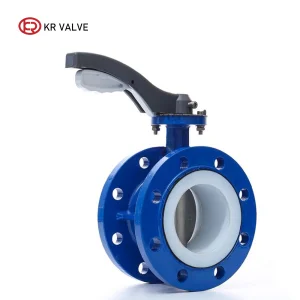
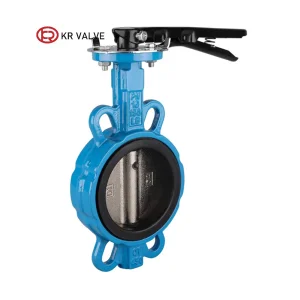
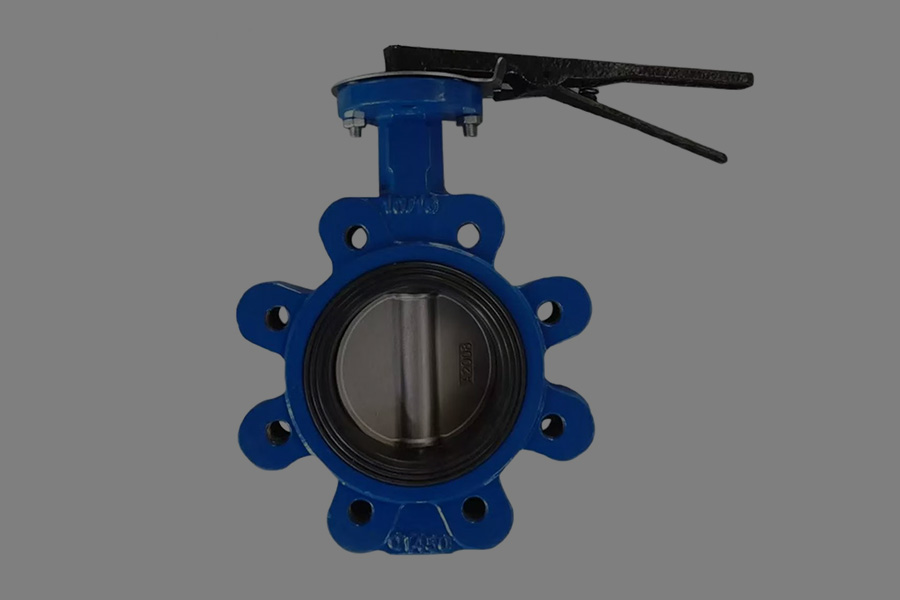
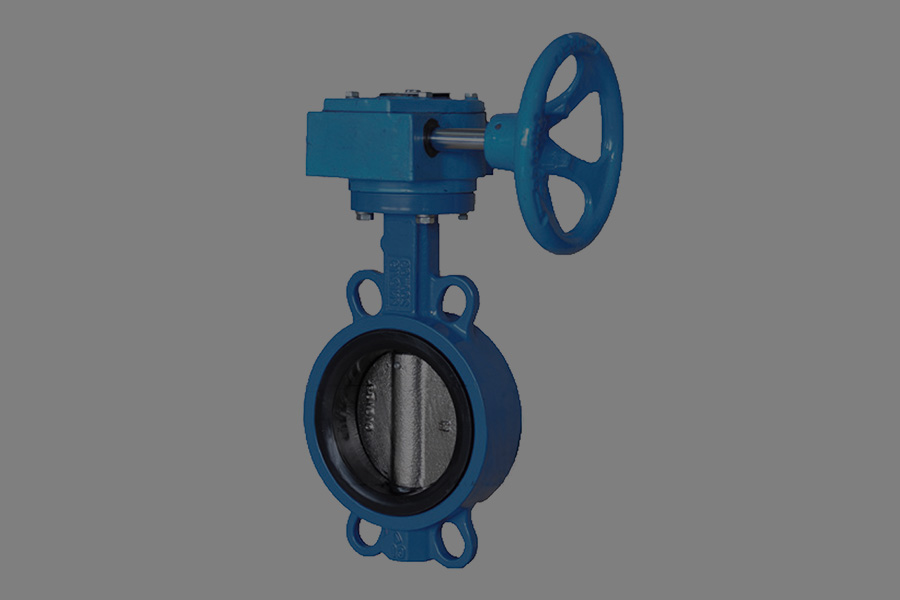
KR (KR Valve Group) possesses more than 20 years of experience in producing standard and non-standard valves of various types. We supply a wide selection of over 500 valve products, including butterfly valves, gate valves, check valves, and water control valves, as well as matching and accessory products.
These products are widely applied in industrial water treatment, dam construction, commercial buildings, energy and heating systems, chemical engineering, and oil & gas installations. Our company has won high repeat purchase rates from customers with excellent product variety and quality control.
Beyond product excellence, we are dedicated to creating a mutually beneficial partnership with every customer. We believe that reliable service is as crucial as superior products, and we strive to continuously optimize the customer experience to achieve long-term win-win cooperation.
Today, KR VALVE’s products have been exported to over 50 countries and regions in Europe, Asia, Africa, and Oceania, providing project construction and brand marketing services to thousands of customers. We look forward to collaborating with you, leveraging our expertise, comprehensive product range, and unwavering commitment to quality and service to support your success.
From drafting custom designs to executing final leakage performance inspections, we operate under rigorous international protocols.
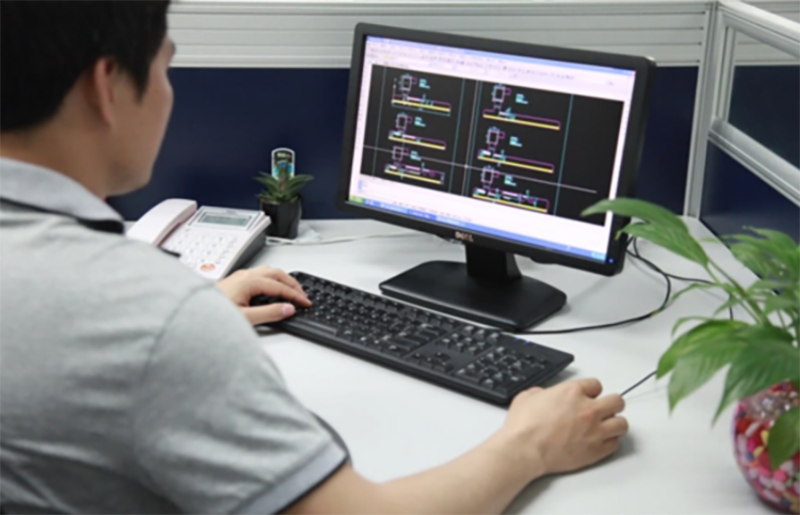
Our dedicated R&D department ensures product design and continuous innovation. Our technicians continuously design and develop products that meet customer and market requirements. Our lab provides extensive testing capabilities to elevate product performance development. We currently maintain 20 series and over 500 varieties of products.
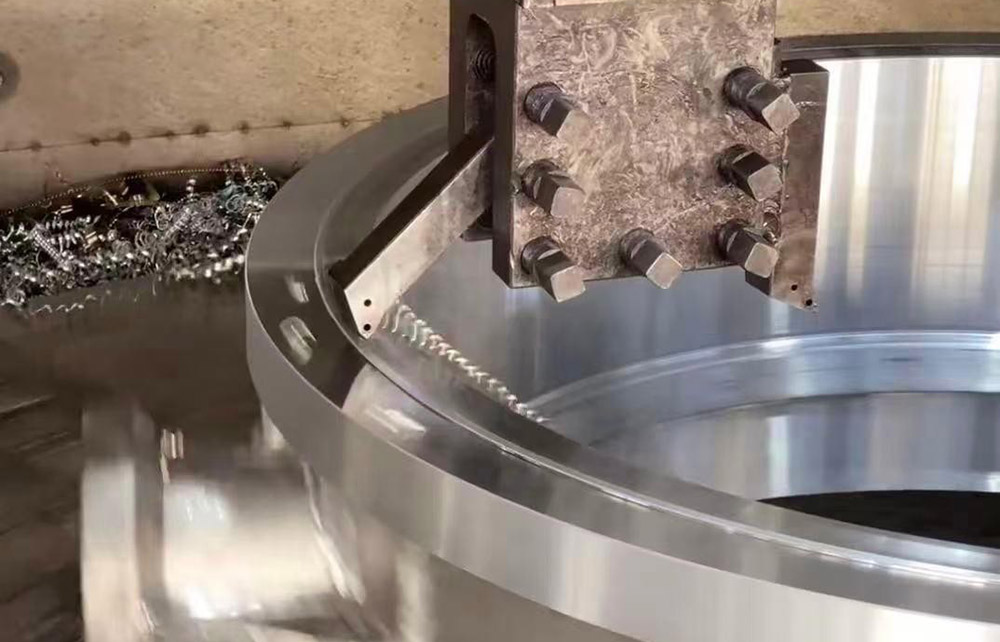
The production department formulates production plans and schedules to ensure timely delivery according to customer requirements. Products are manufactured under strict supervision in accordance with the ISO-9001 quality management system. We have over 30 production equipment units and update our inventory monthly to meet and exceed customer expectations.
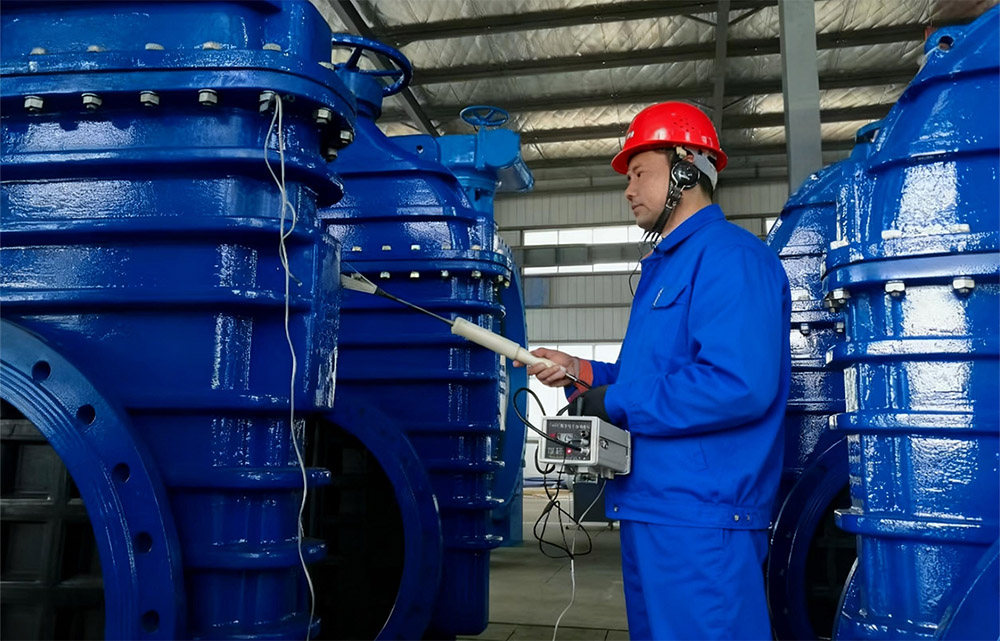
Our inspection department ensures 100% inspection quality of products. Zero leakage is our core operational principle. According to international quality inspection standards, we conduct a series of inspections on appearance, dimensions, and hydrostatic pressure, issuing reports in compliance with international standards.
Why industrial procurement managers choose KR Valve as their long-term supply partner.
We have our own independent brand 'KR' and also provide OEM services to our customers. We have established long-term relationships with many famous valve brands globally.
We operate 15 heavy machining centers and automated assembly lines. Our factory team consists of highly experienced and trained technicians.
We have 20 series and over 500 varieties of products, allowing us to supply international standard and non-standard customized products.
We strictly control the production of each component and assemble them into a perfect finished product, ensuring robust field service performance.
We offer highly competitive pricing based on the fact that we strictly control every process of production internally, eliminating external casting markups.
We provide professional and complete pre-sales and after-sales service consultation to assist engineers during design stages and on-site deployment.
Watch our casting processes, precision CNC machining, and high-pressure hydrostatic testing in action.
Visual walkthrough of our iron and steel casting lines, showcasing molten metal sampling and spectrometer testing.
A detailed view of our CNC grinding machines processing the metal-to-metal sealing faces of gate valve wedges.
Our valves are engineered to perform in severe municipal and industrial infrastructures worldwide.
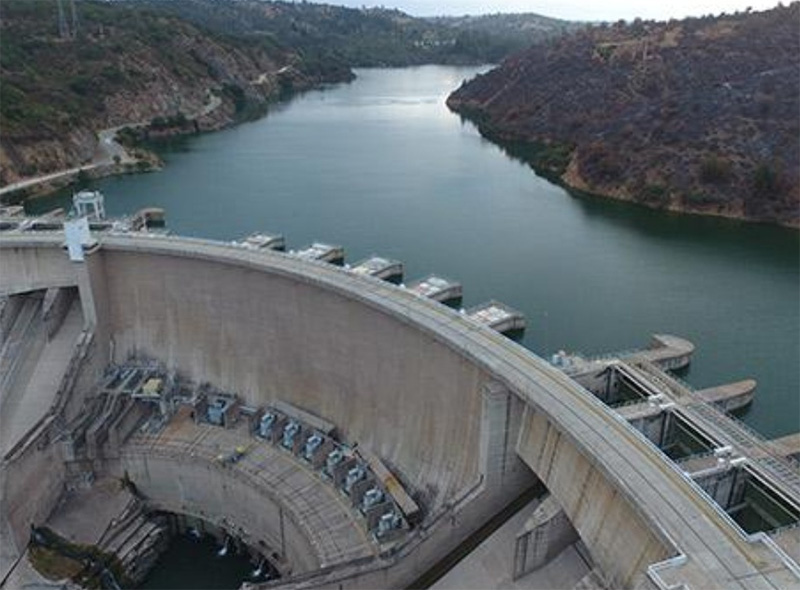
Engineered for heavy hydrostatic pressure and sand containment, ensuring long-term isolation stability.
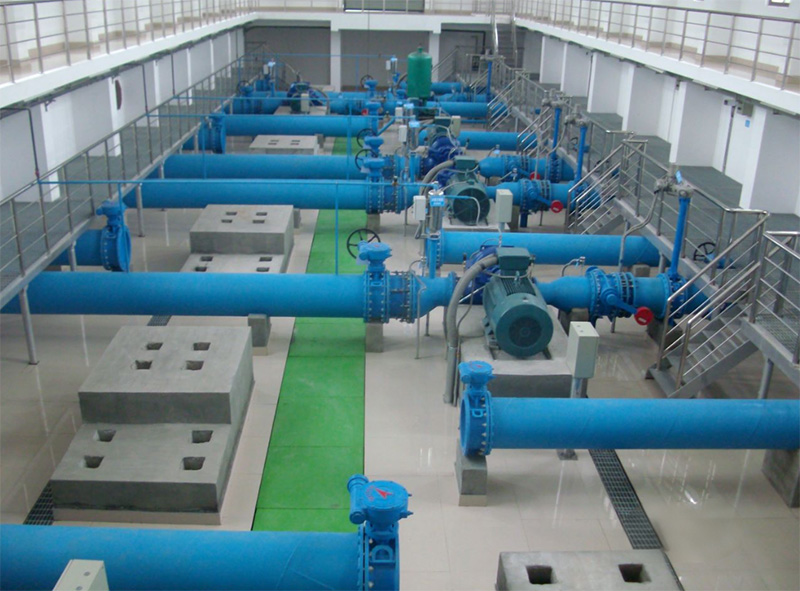
High-flow water supply infrastructure project requiring certified zero-leakage performance under PN16 limits.
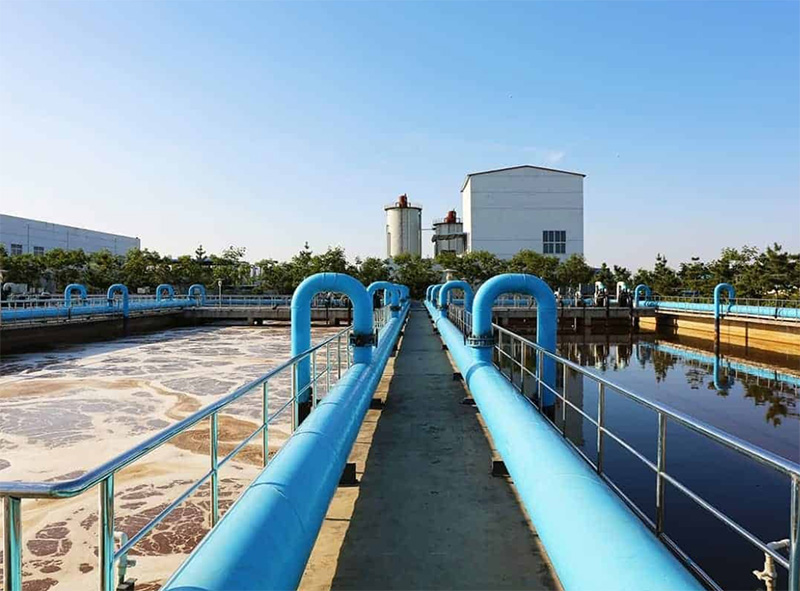
Corrosive wastewater sludge treatment requires abrasive-resistant, high-durability internal components.
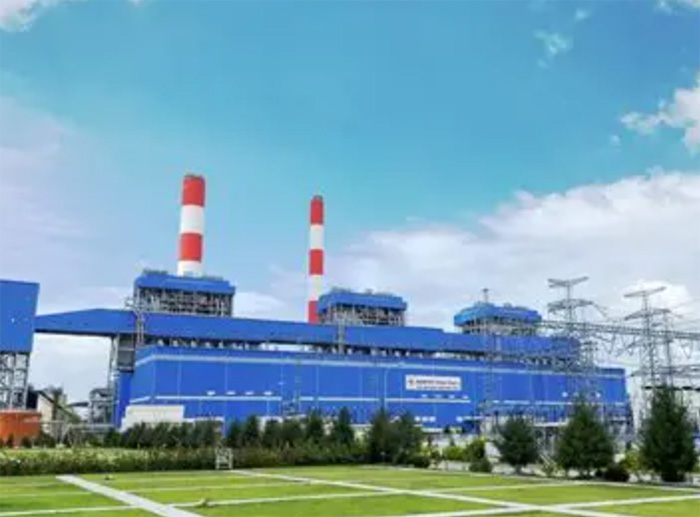
Utilized specialized SS316 (CF8M) alloys to combat severe chemical exposure and acids.
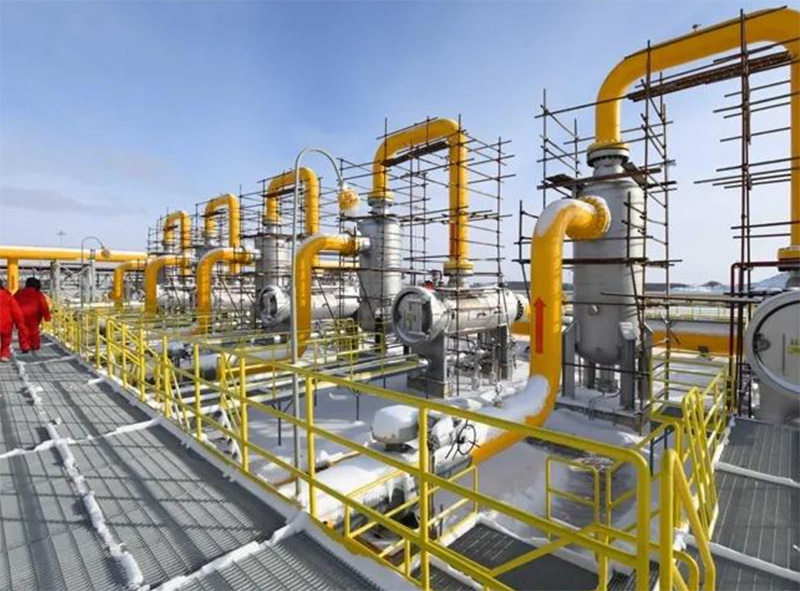
Designed to meet low-temperature requirements (down to -60°C) with standard API 6D specifications.
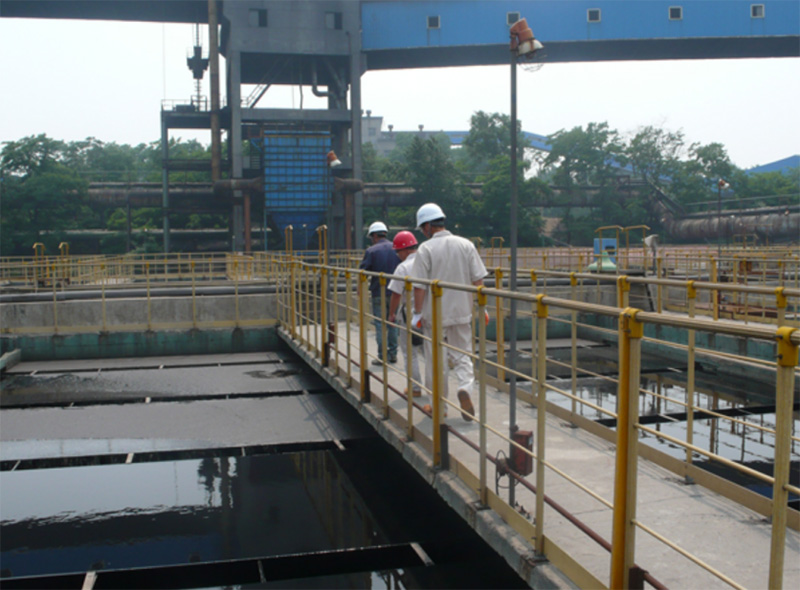
Successfully deployed control systems managing fluctuating hydraulic head pressures.
Explore our specialized valve types designed for distinct system integrations.
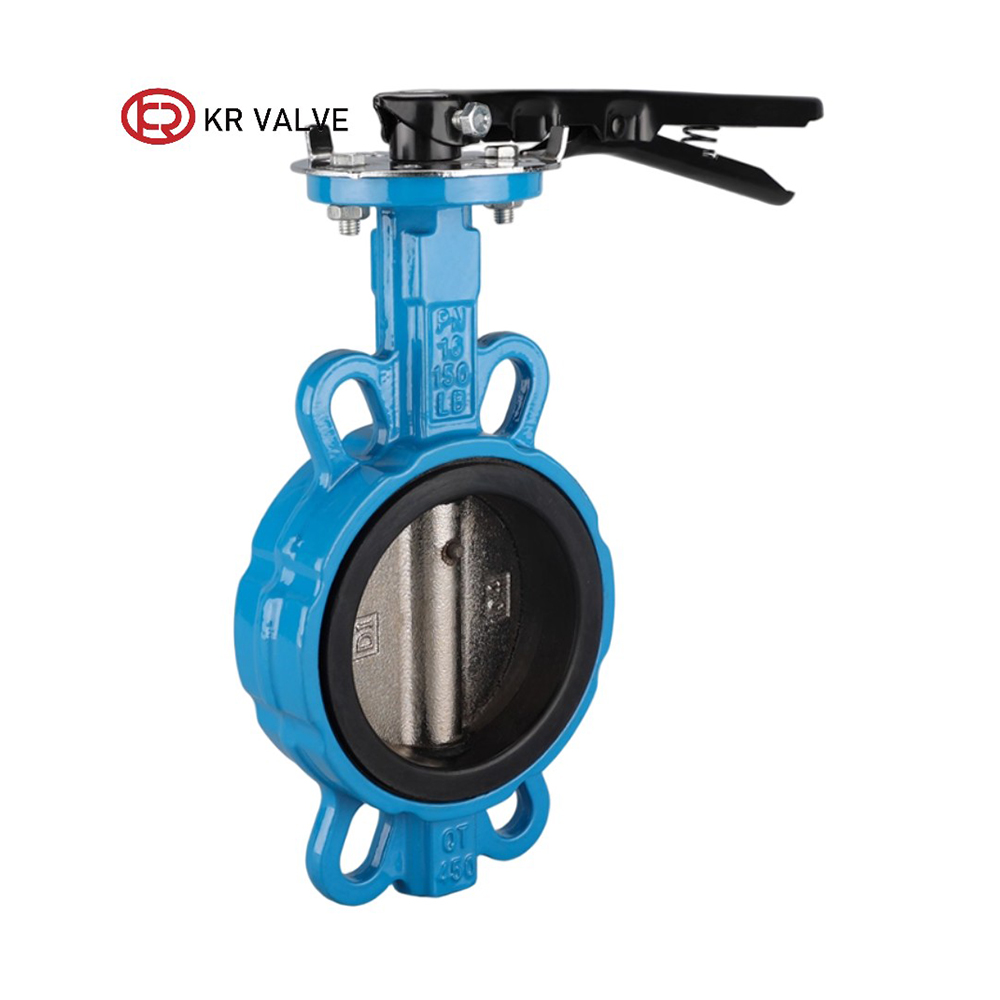
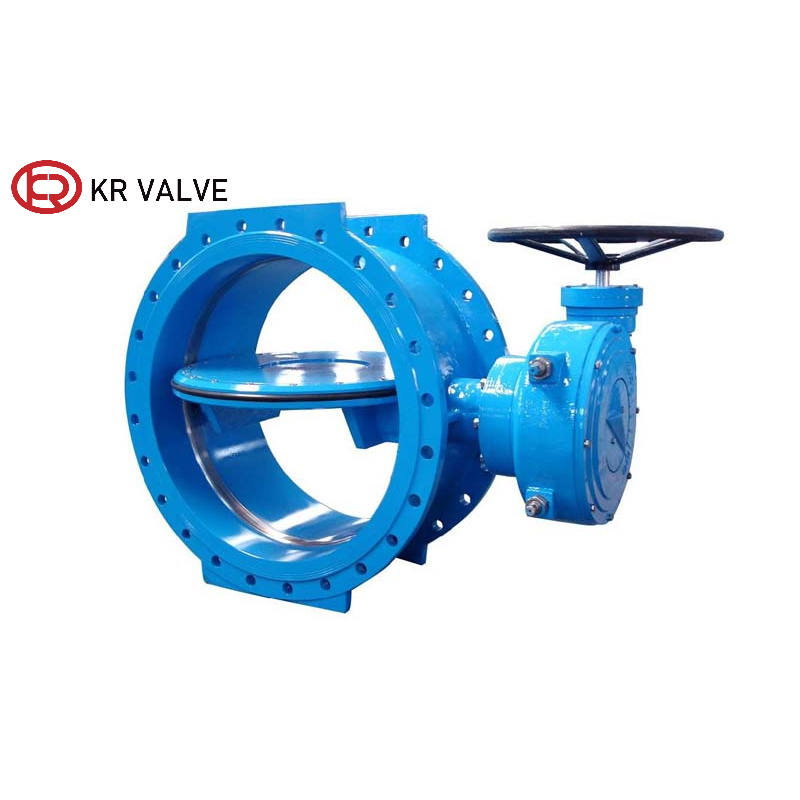
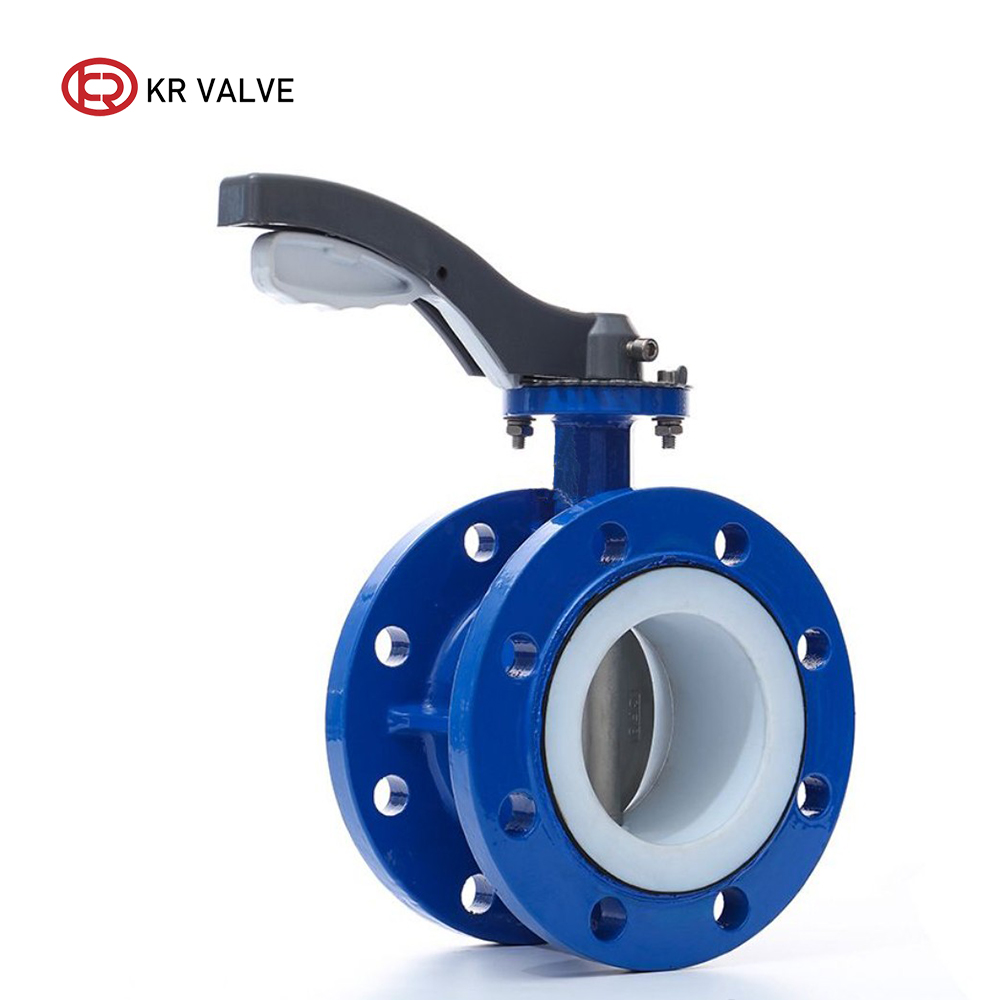
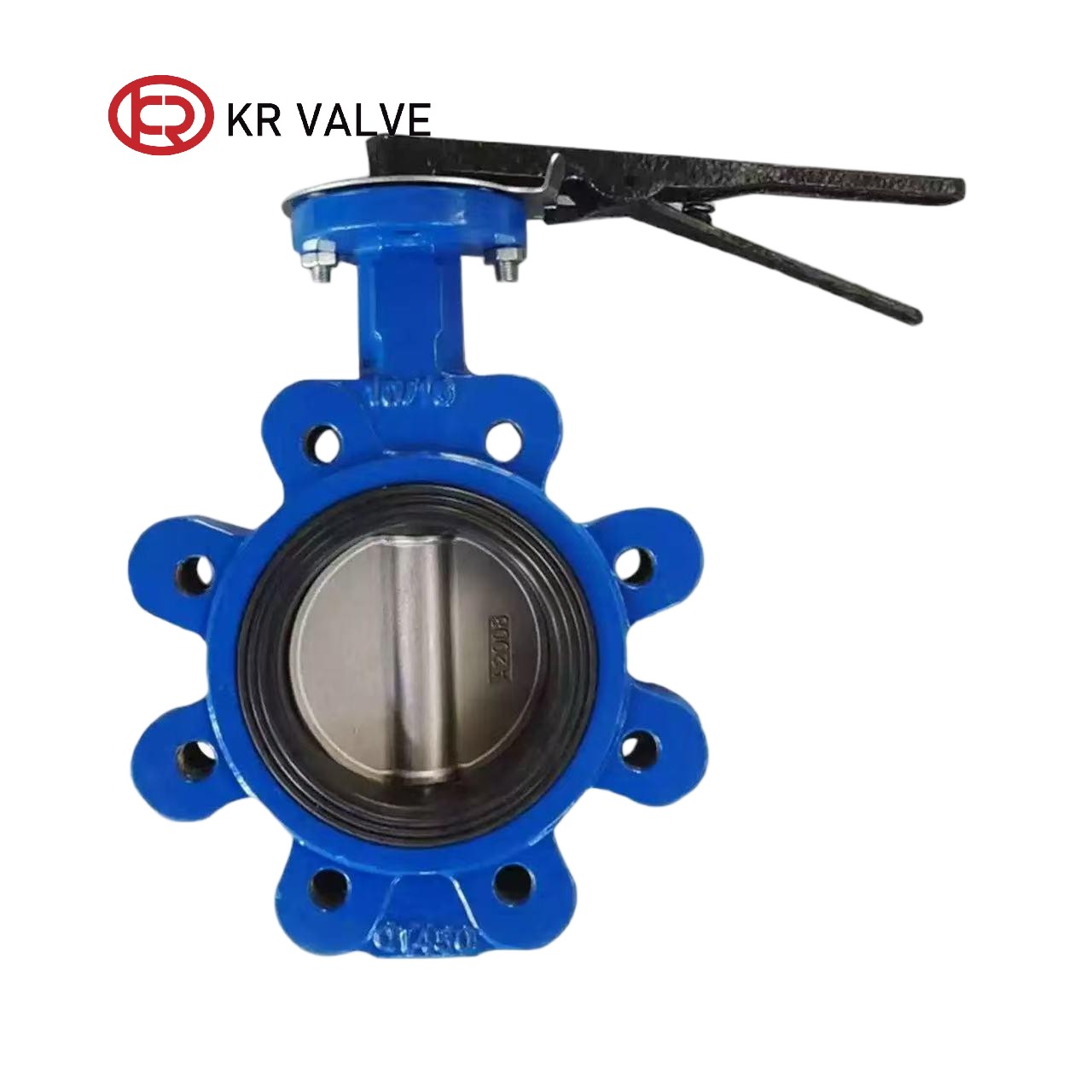
Technical details to assist engineers and procurement managers in selecting the correct configuration.
The core difference lies in the material composition of the sealing surface. Resilient seated valves utilize elastomeric coatings like EPDM or NBR on the wedge, allowing for bubble-tight seal class A at lower temperatures (up to 120°C). Metal-seated gate valves use precision-lapped metal rings on both the wedge and body (often hardfaced with Stellite). Metal-seated designs are required for temperatures exceeding 120°C (up to 600°C), higher pressure ratings, and lines conveying sand, scale, or chemical solvents that erode elastomers.
Stellite 6 is a cobalt-based alloy that provides outstanding resistance to mechanical wear, high temperatures, thermal shock, and cavitation. By welding Stellite on the sealing rings of the gate valve, the seating faces reach a high level of hardness (HRC 40-45). This hard layer prevents seat galling (friction welding between identical metals) when the valve is operated under high differential pressure.
While resilient seated valves routinely target zero-leakage, metal-to-metal seating standards are governed by API 598 or FCI 70-2. Standard metal-seated valves typically achieve API 598 allowable leakage rates (often called Rate A or Rate B, allowing minimal water droplets during testing). For severe isolation services, we can supply valves with specialized lapping configurations that achieve FCI 70-2 Class V or Class VI shutoff.
Yes. Our in-house engineering and R&D departments utilize advanced CAD modeling and Finite Element Analysis (FEA) to design non-standard face-to-face dimensions, custom pressure classes (such as PN64 or PN100), and special alloy trims (Duplex SS, Hastelloy, or Inconel overlays) tailored for customized site dimensions.
We execute standard inspection procedures including chemical analysis of heat numbers, mechanical property tests, radiographic testing (RT) for high-pressure cast parts, magnetic particle testing (MT) for surface fissures, and hydrostatic testing to 1.5 times the pressure rating. This ensures no internal shrinkage cavities exist before the machining stages.
Contact us today to receive an engineering estimation, structural CAD drawings, or a competitive quote on our high-performance metal seat gate valves.
Request a Quote Now KR VAVLE