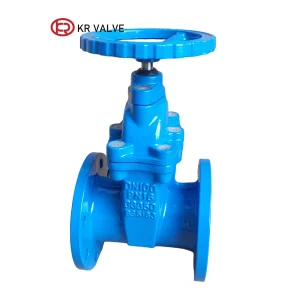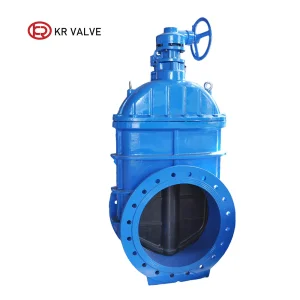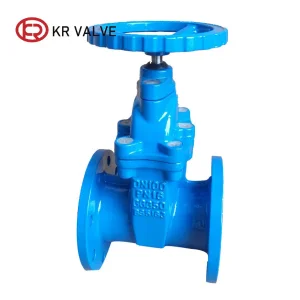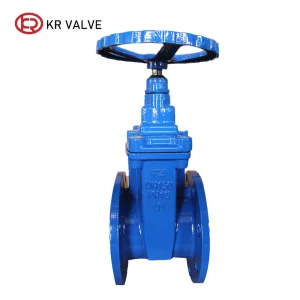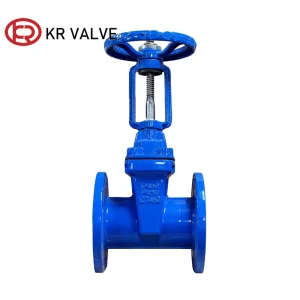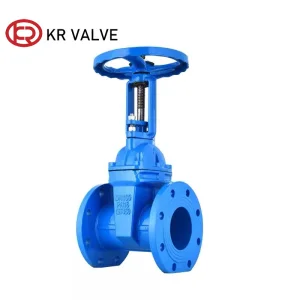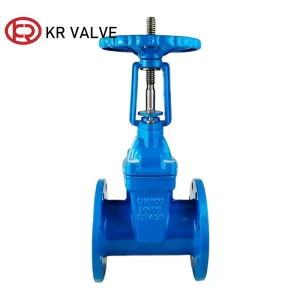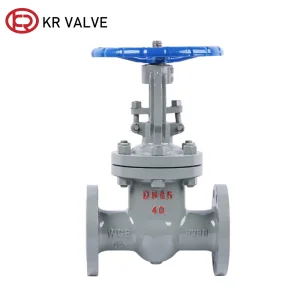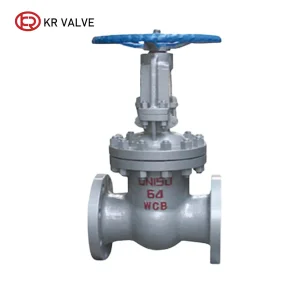
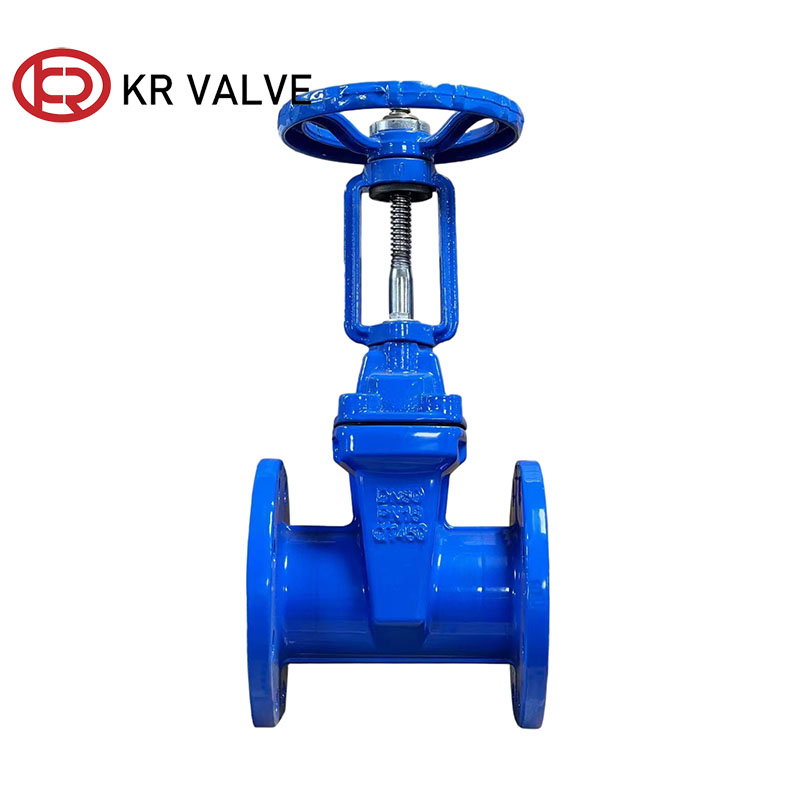
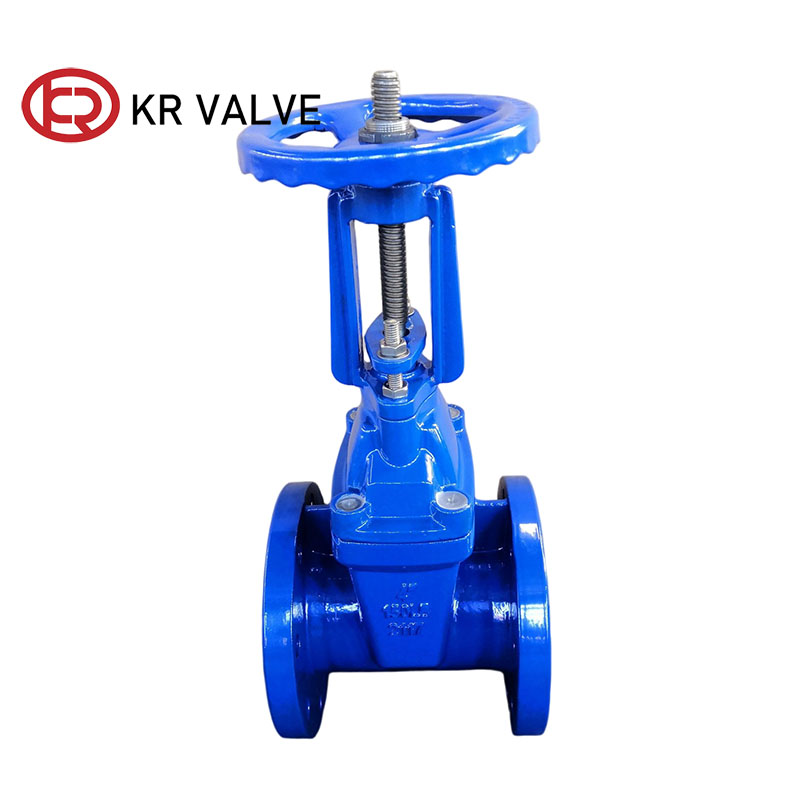
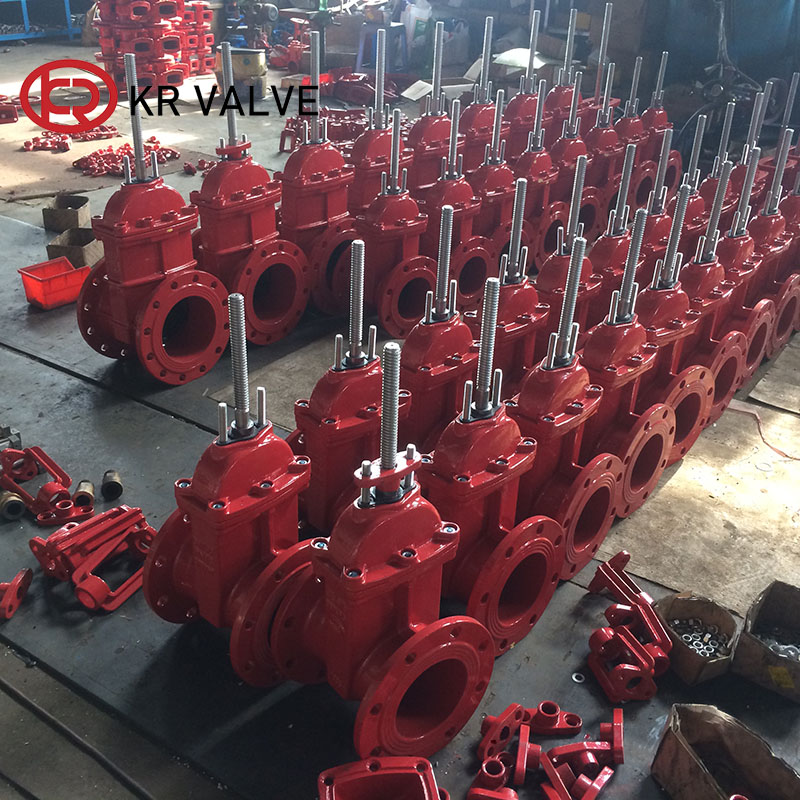
Custom Rising stem gate valve ductile iron body and EPDM Seat Suppliers, Factories

Type: Resilient Seated

Series: Z41X-10/16/25

Size: DN40-DN600/2”-24”

Pressure rating: PN6/PN10/PN16/PN25

Design standard: DIN F5

Service: OEM&ODM

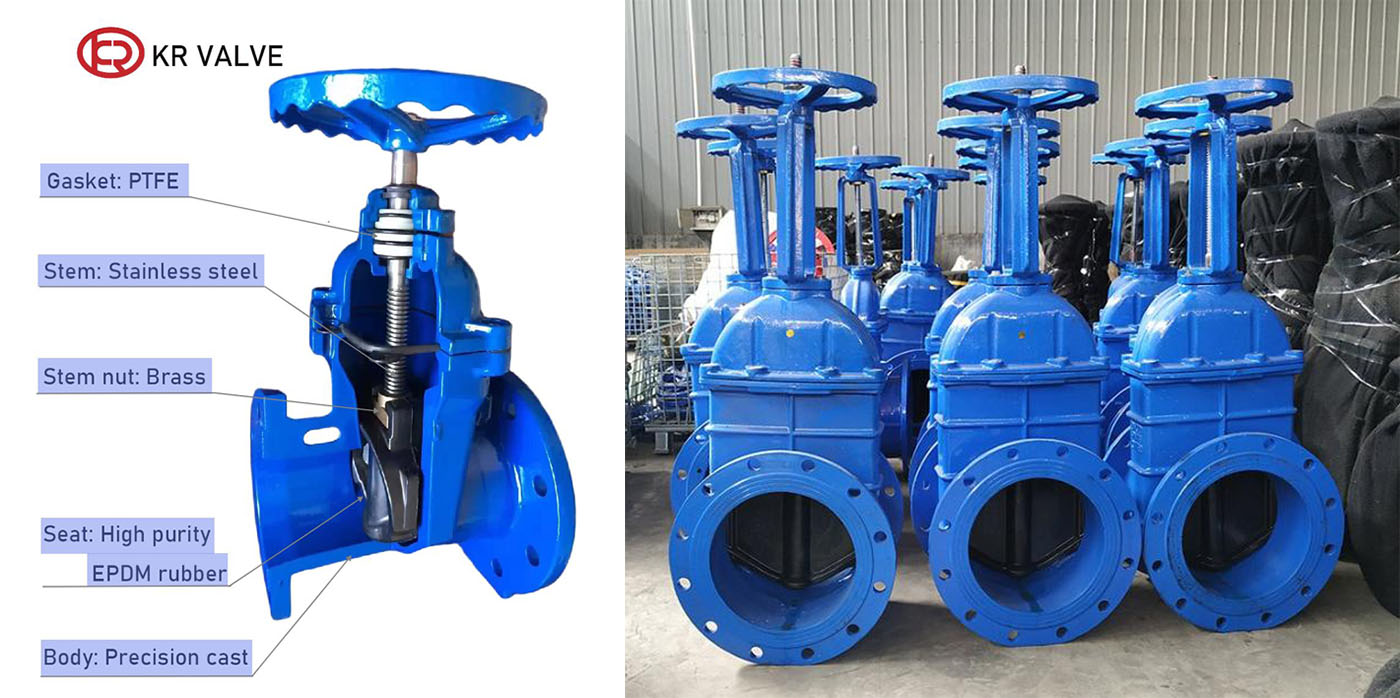
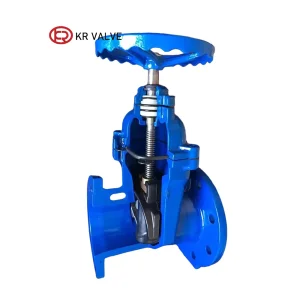
The ductile iron rising stem gate valve adopts a lifting rod design, with the valve stem and gate connected by threads. When the handwheel rotates, the valve stem moves up and down synchronously with the gate, and the length of the exposed part of the valve stem changes with the opening degree.

Product Description

Technical Specifications

Valve Type: Resilient seat gate valve Structure: Non-rising type
Standard: DIN F4 Workmanship: Investment casting
Sealing direction: Bidirectional Sealing grade: Zero leakage
Temperature: -20°C < T < 120°C Operation: Handwheel

Characteristics

This valve has a bidirectional sealing structure, which can be installed horizontally or vertically, and the flow direction of the medium is not restricted. When installed vertically, it is recommended to have the handwheel facing upwards for easy operation.
Rising stem gate valve body

Main Advantages

Intuitive opening and closing status:

On site inspection personnel can quickly determine the valve opening without the need for additional tools, resulting in high efficiency in debugging and troubleshooting.

Convenient maintenance:

The valve stem is exposed, making it easy to inspect for wear and corrosion. It is also easy to replace the packing or repair the valve stem.

Low flow resistance:

When fully opened, the gate completely exits the flow channel, allowing the medium to pass through in a straight line with low energy consumption.
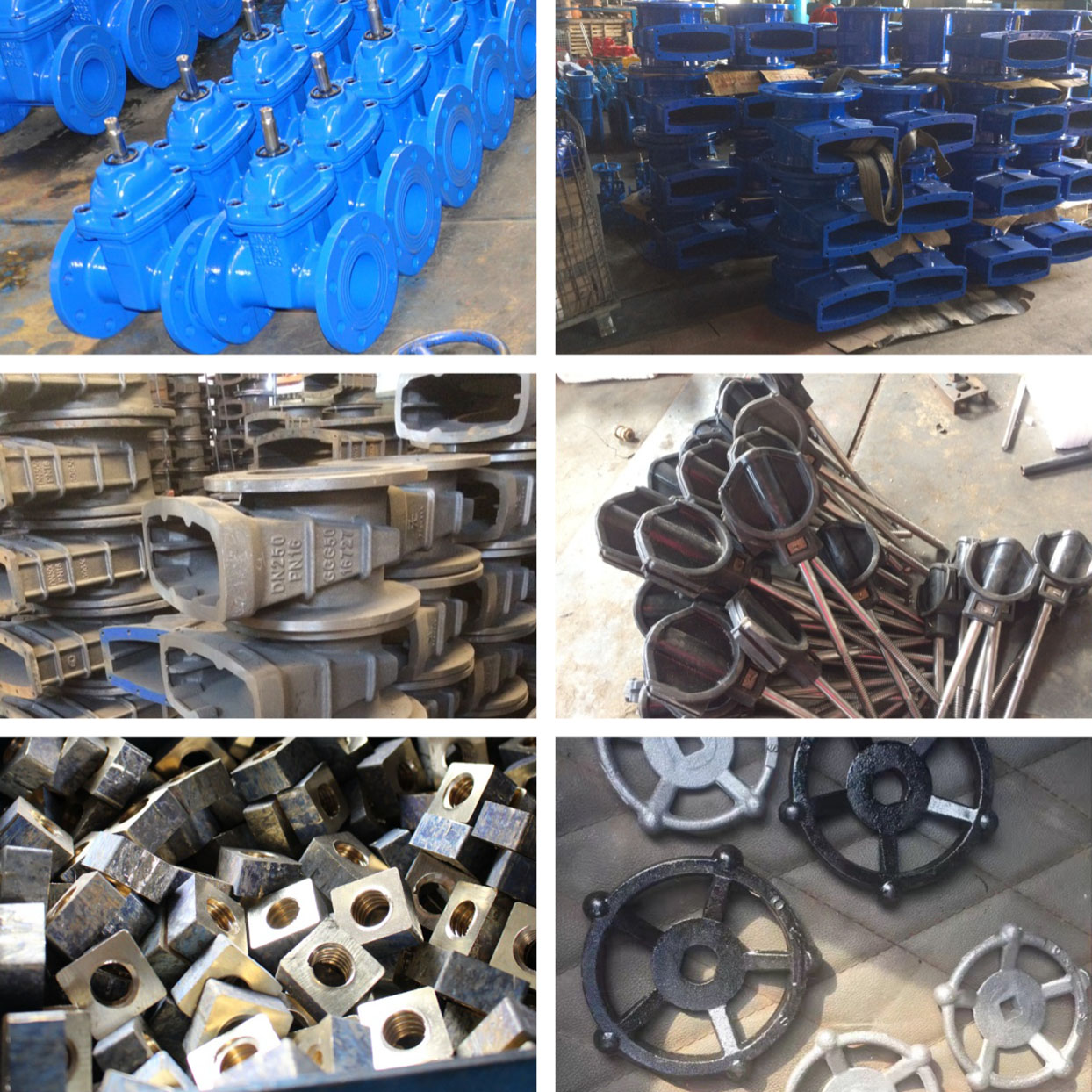
Valve Characteristics Diagram

Packaging

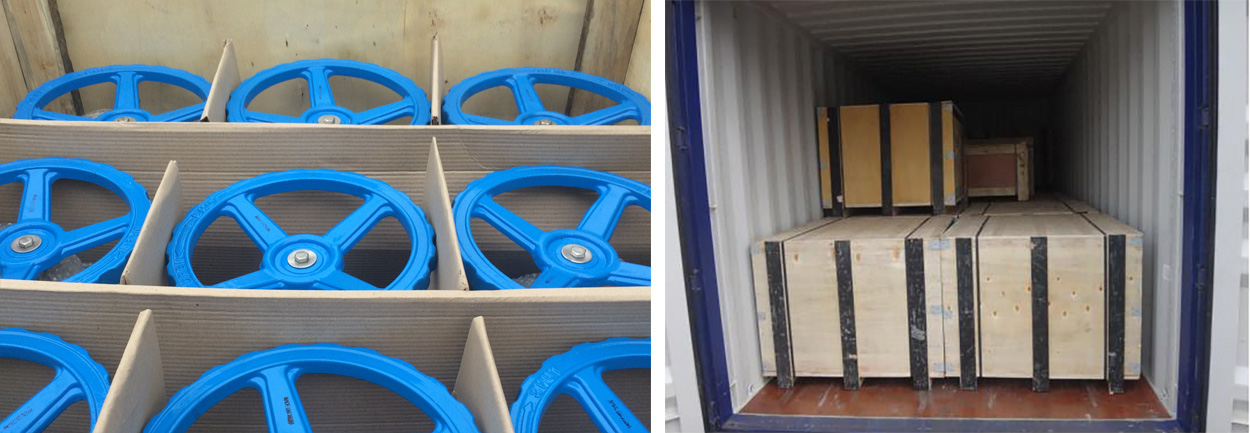
Standard export wooden case packaging ensures the safety of the product during long-distance transportation.
Standard Export Packing

Application Scenarios

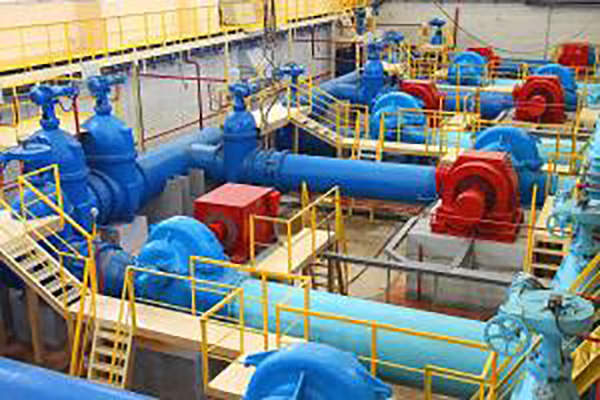
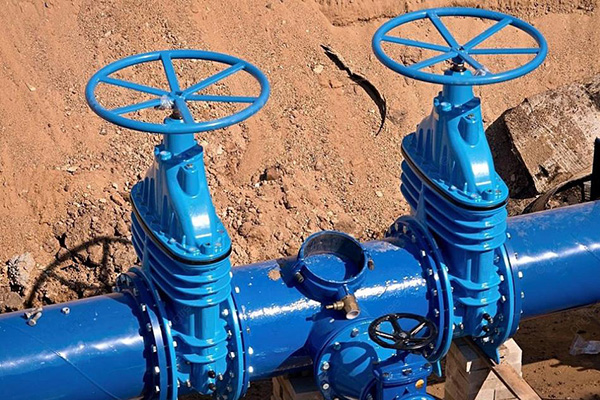
The rising stem gate valve is suitable for scenarios that require frequent inspection and adjustment of opening, making it easy for maintenance personnel to quickly determine the valve's opening and closing status and adjust the flow rate in a timely manner.
Application 1
Application 2
Application 3

Material List

Part Name Material
Valve body, bonnet Cast iron, ductile iron, cast steel
Valve stem Stainless steel
Stem nut Brass alloy
Seal ring NBR, EPDM
Hand wheel Malleable iron

Dimensions

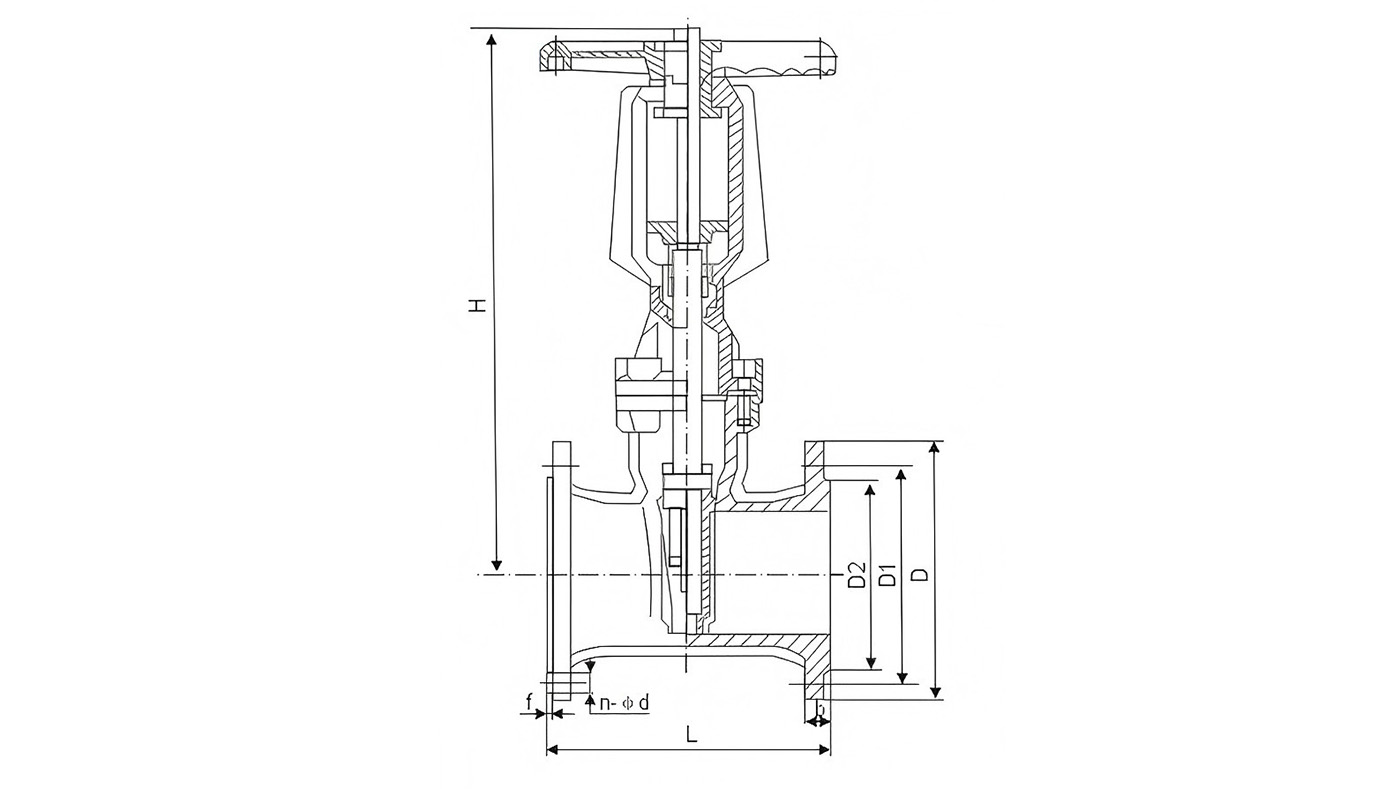
Dimension Drawing
DN (mm) L H D D1 n- φ d b
1.01.6 1.01.6 1.01.6 1.01.6
401653001501501101104-φ184-φ181919
501783401651651251254-φ184-φ182019
802034102002001601608-φ188-φ182219
1002294502202201801808-φ188-φ182419
1502675502852852402408-φ238-φ232619
2002296303403402952958-φ2312-φ232620
30035682044546040041012-φ2312-φ282824.5

Frequently Asked Questions

Q1: Can this gate valve be installed in any orientation? A: Yes, it features a bidirectional sealing structure and can be installed both horizontally and vertically. For vertical installation, we recommend placing the handwheel upwards for easier operation.
Q2: What is the maximum temperature this valve can handle? A: The standard operating temperature range for this resilient seat gate valve is between -20°C and 120°C.
Q3: How do I know if the valve is open or closed? A: This valve provides an intuitive opening and closing status. Maintenance personnel can quickly determine the valve's position by visual inspection of the stem without additional tools.
Q4: What are the main materials used for the internal components? A: The valve stem is made of high-quality stainless steel, the stem nut is brass alloy, and the sealing rings are available in NBR or EPDM.
Q5: Does this valve offer zero leakage? A: Yes, the resilient seat design ensures a zero-leakage sealing grade in both flow directions.
Q6: What type of packaging is used for shipping? A: All valves are packed in standard export wooden cases to prevent damage during international shipping and handling.

Related Products