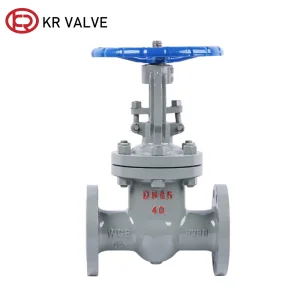
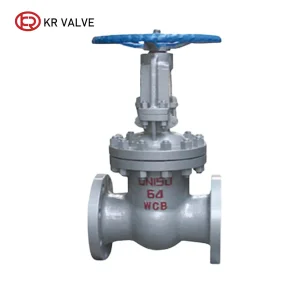
 KR VAVLE
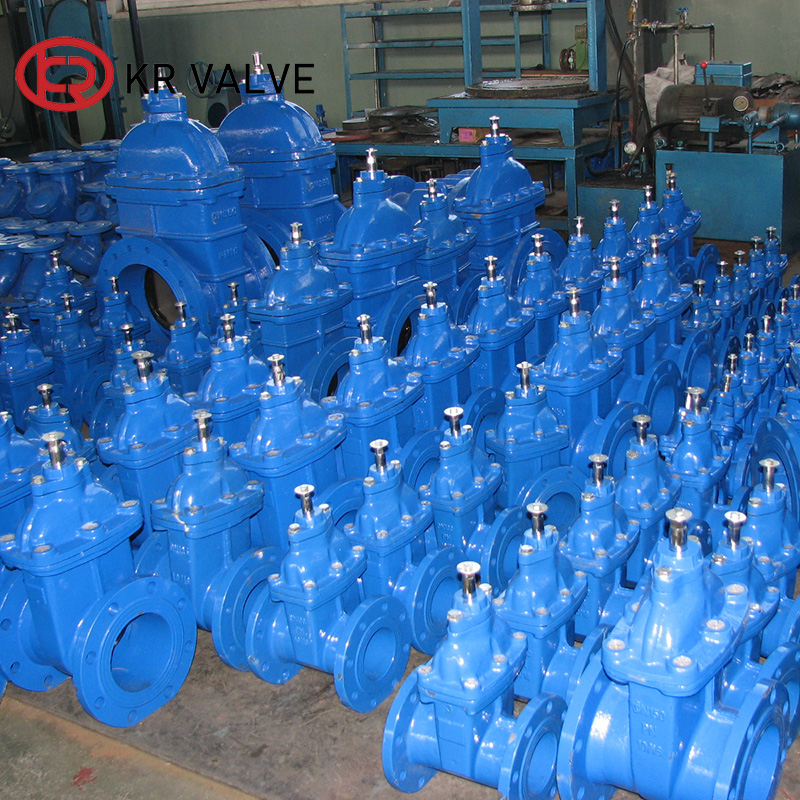
1 / 3
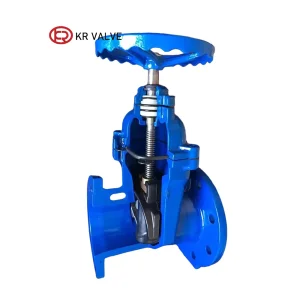
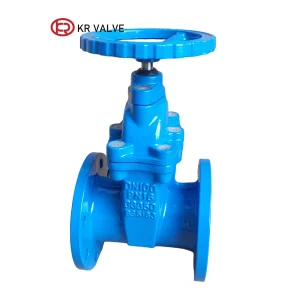
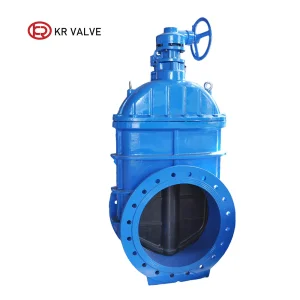
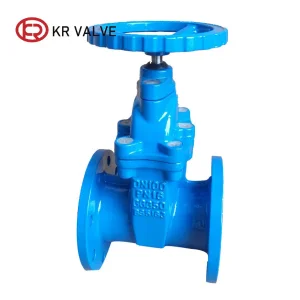
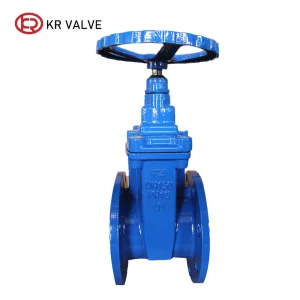
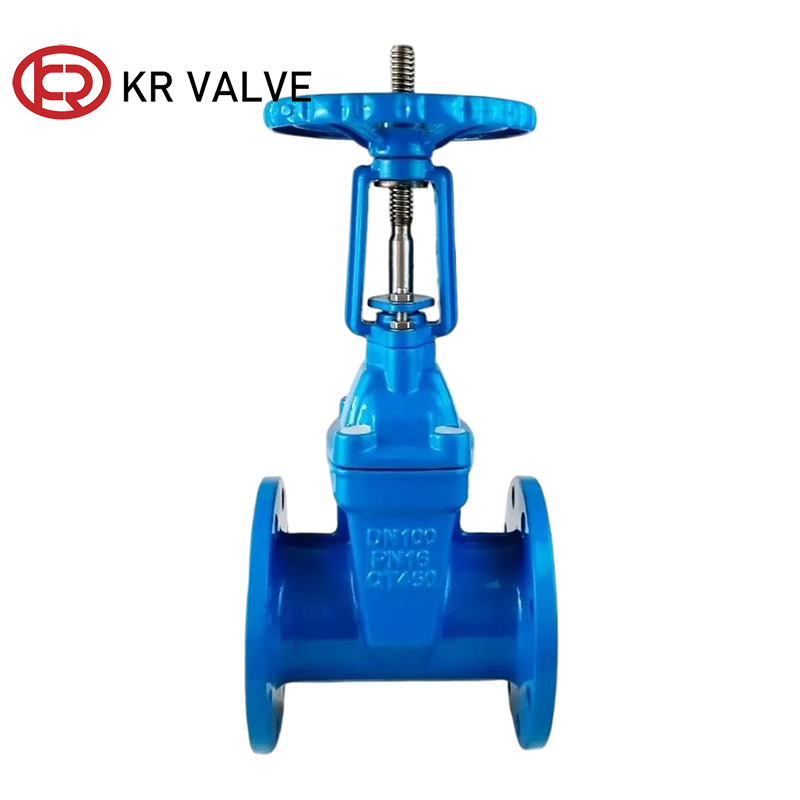
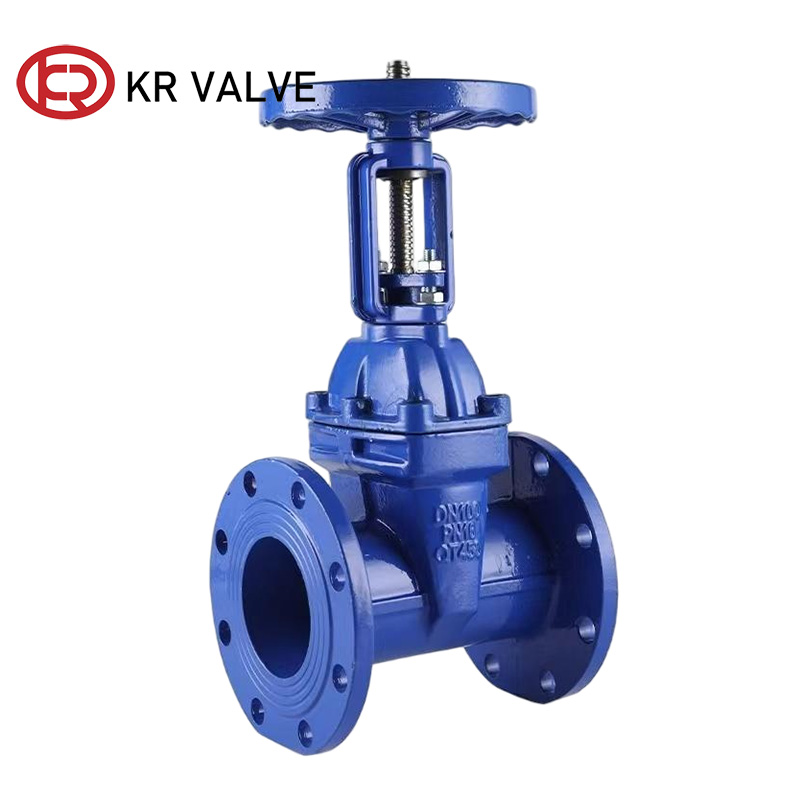
| Valve Type | Resilient seat gate valve | Structure | Rising type |
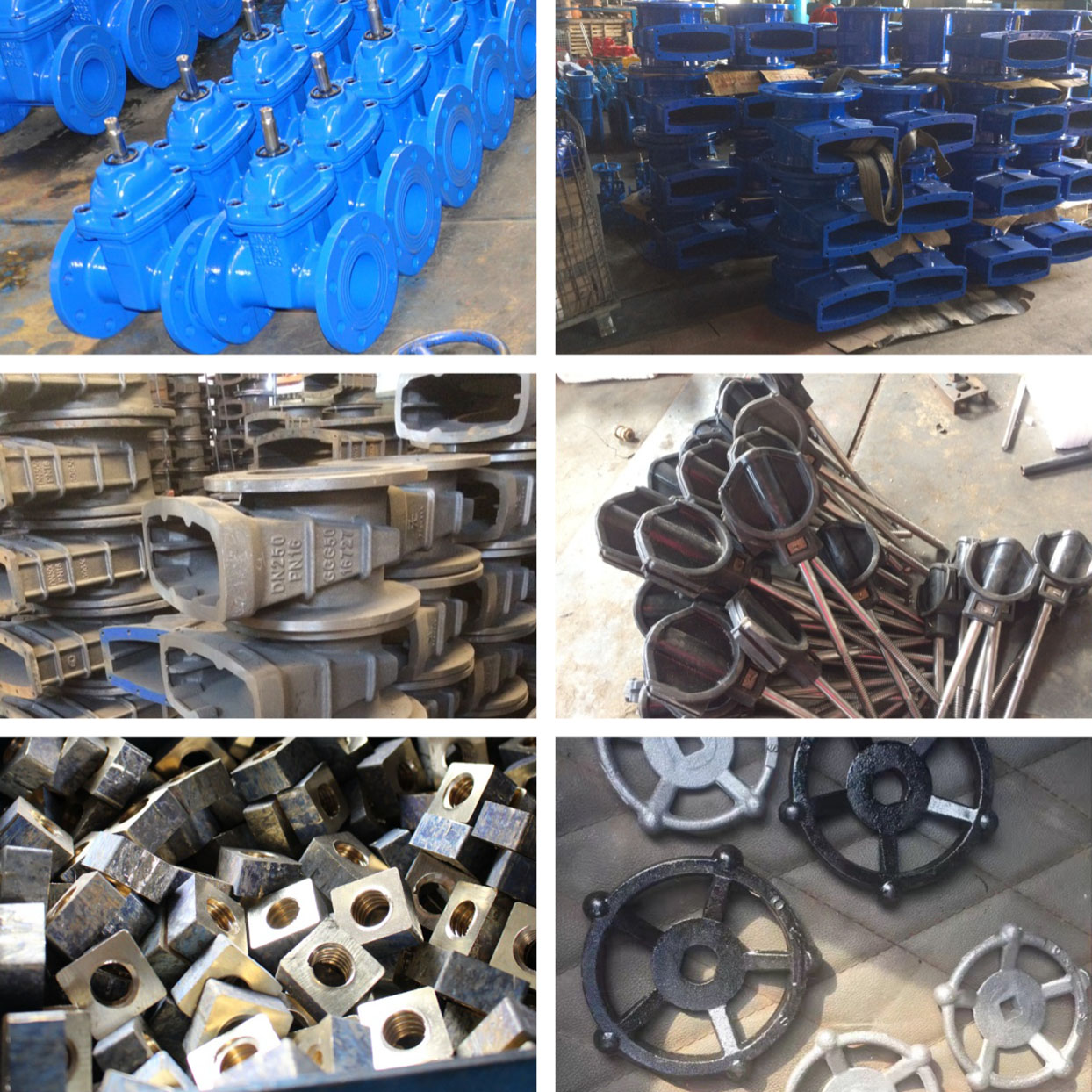
| Standard | DIN F5 | Workmanship | Investment casting |
| Sealing Direction | Bidirectional | Sealing Grade | Zero leakage |
| Temperature | -20°C < T < 120°C | Operation | Handwheel |
After long-term use, it is necessary to regularly check the sealing performance of the packing box. If there is medium leakage, the packing gland bolts can be tightened; When the sealing surface is severely worn, it is necessary to replace the gate seal in a timely manner.
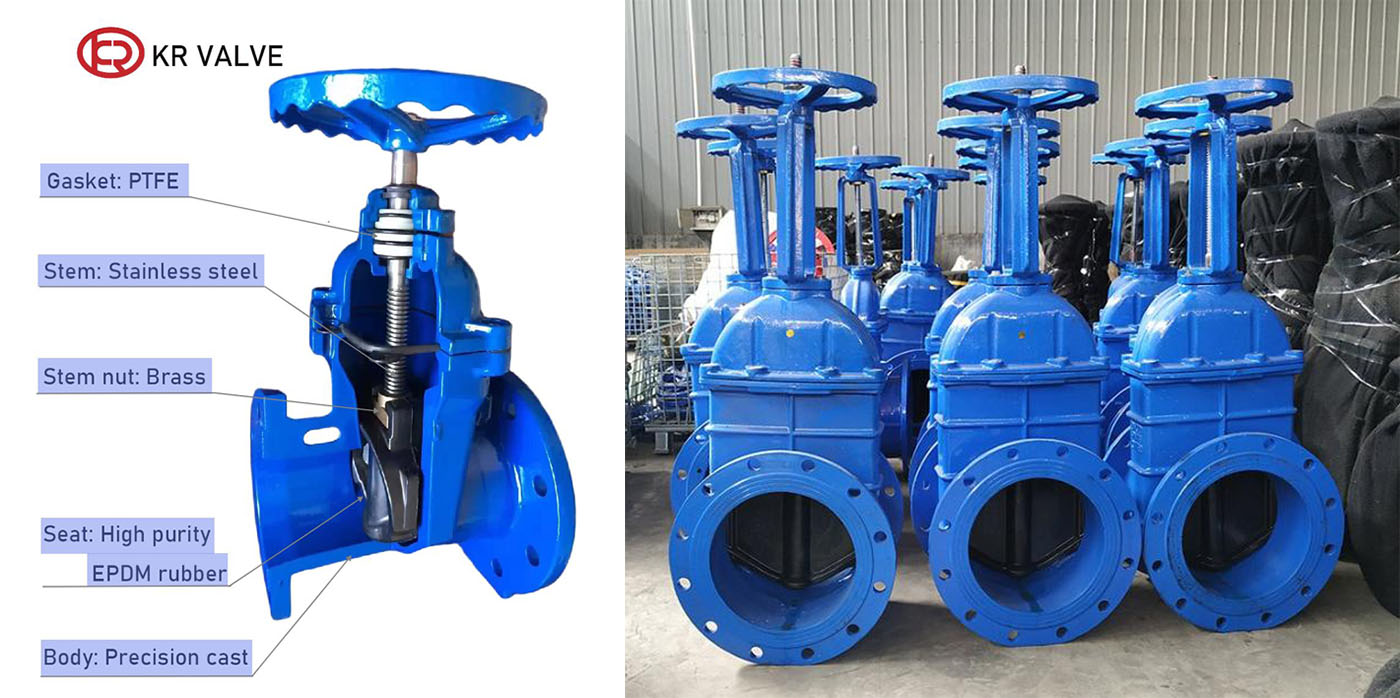
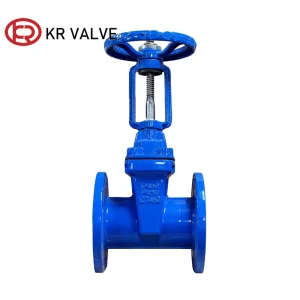
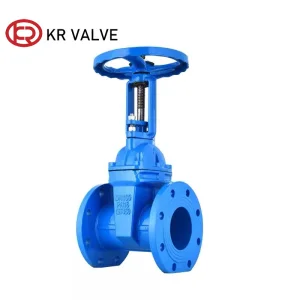
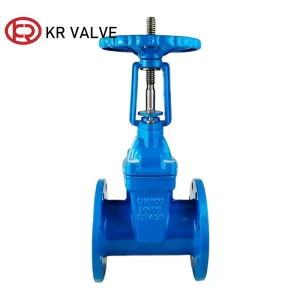
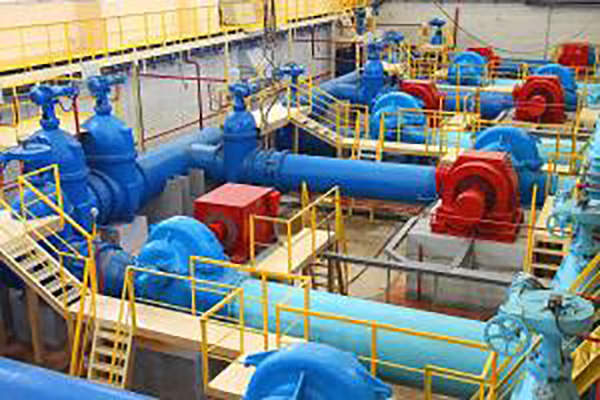
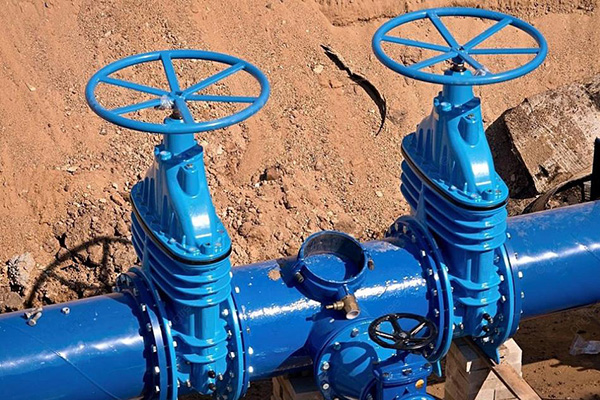
For scenarios with sufficient space such as overhead open installation and pump room equipment rooms, the lifting structure of the rising stem gate valve will not interfere with surrounding pipelines and equipment. During debugging, the valve stem lifting distance can be observed to accurately set the stroke, ensuring the sealing surface is perfectly in place.
The exposed design of the valve stem facilitates real-time monitoring. If the valve stem is bent, corroded, or the packing is leaking, it can be detected immediately, avoiding small faults from evolving into serious accidents. This is critical for fire water systems and emergency pipelines.
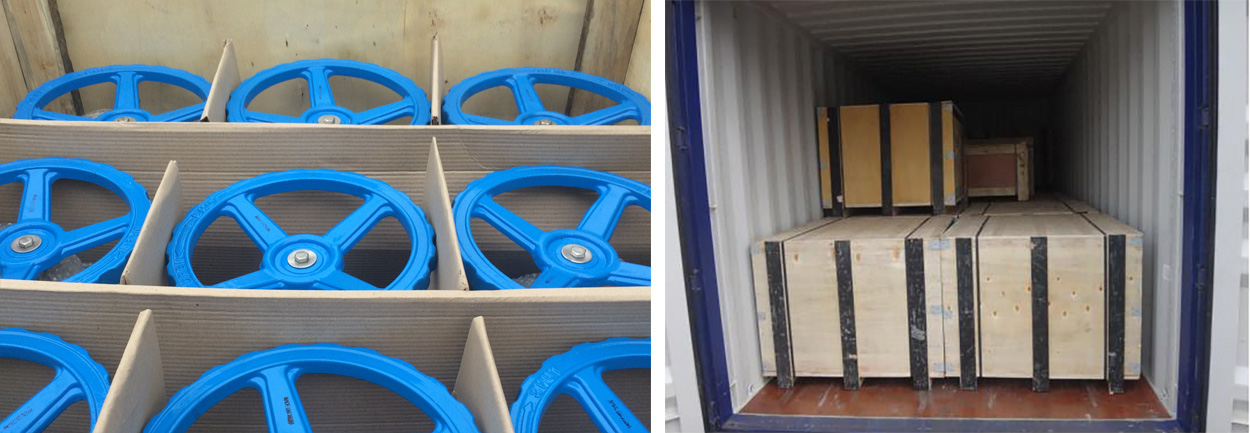
We utilize standard export wooden case packaging to ensure the safety of the valves during international transit.
The rising stem gate valve is suitable for dry and low corrosion environments, indoor piping systems (such as water supply and drainage pipes in shopping malls and hospitals), and neutral fluid conveying pipelines (pure water, cooling water).

| Part Name | Material |
|---|---|
| Valve body, bonnet | Cast iron, ductile iron, cast steel |
| Valve stem | Stainless steel |
| Stem nut | Brass alloy |
| Seal ring | NBR, EPDM |
| Hand wheel | Malleable iron |
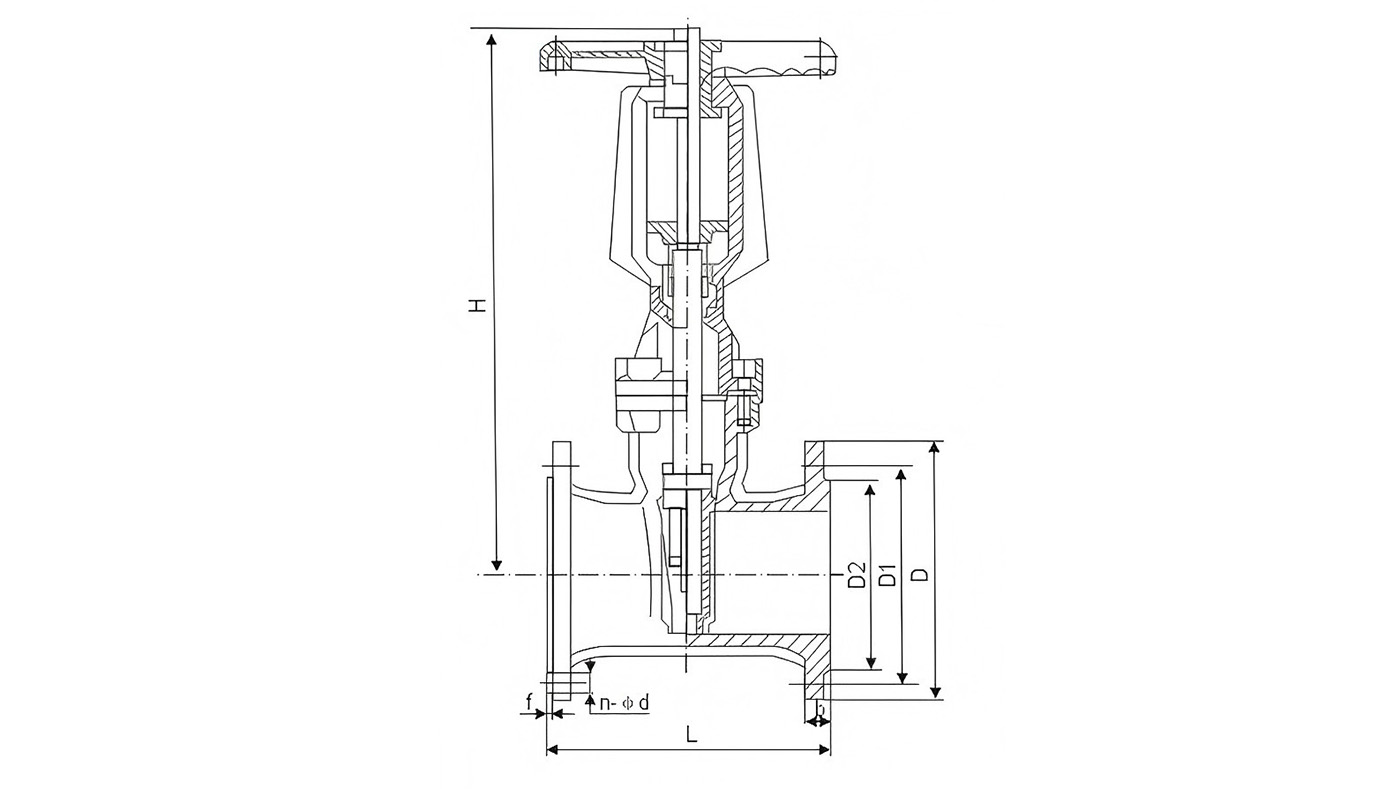
| DN (mm) | L | H | D | D1 | n- Φ d | |||
|---|---|---|---|---|---|---|---|---|
| 1.0 | 1.6 | 1.0 | 1.6 | 1.0 | 1.6 | |||
| 40 | 165 | 300 | 150 | 150 | 110 | 110 | 4-Φ18 | 4-Φ18 |
| 50 | 178 | 340 | 165 | 165 | 125 | 125 | 4-Φ18 | 4-Φ18 |
| 80 | 203 | 410 | 200 | 200 | 160 | 160 | 8-Φ18 | 8-Φ18 |
| 100 | 229 | 450 | 220 | 220 | 180 | 180 | 8-Φ18 | 8-Φ18 |
| 150 | 267 | 550 | 285 | 285 | 240 | 240 | 8-Φ23 | 8-Φ23 |
| 200 | 229 | 630 | 340 | 340 | 295 | 295 | 8-Φ23 | 12-Φ23 |
| 300 | 356 | 820 | 445 | 460 | 400 | 410 | 12-Φ23 | 12-Φ28 |
| 400 | 406 | 1010 | 565 | 580 | 515 | 525 | 16-Φ28 | 16-Φ31 |
| 600 | 508 | 1390 | 780 | 840 | 725 | 770 | 20-Φ31 | 20-Φ37 |