Product Specifications
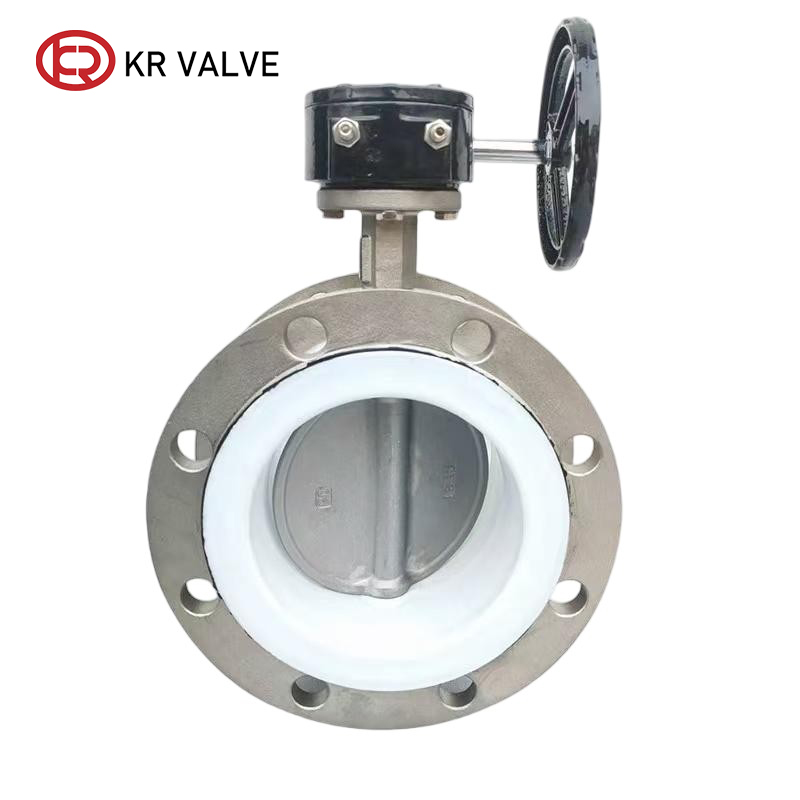
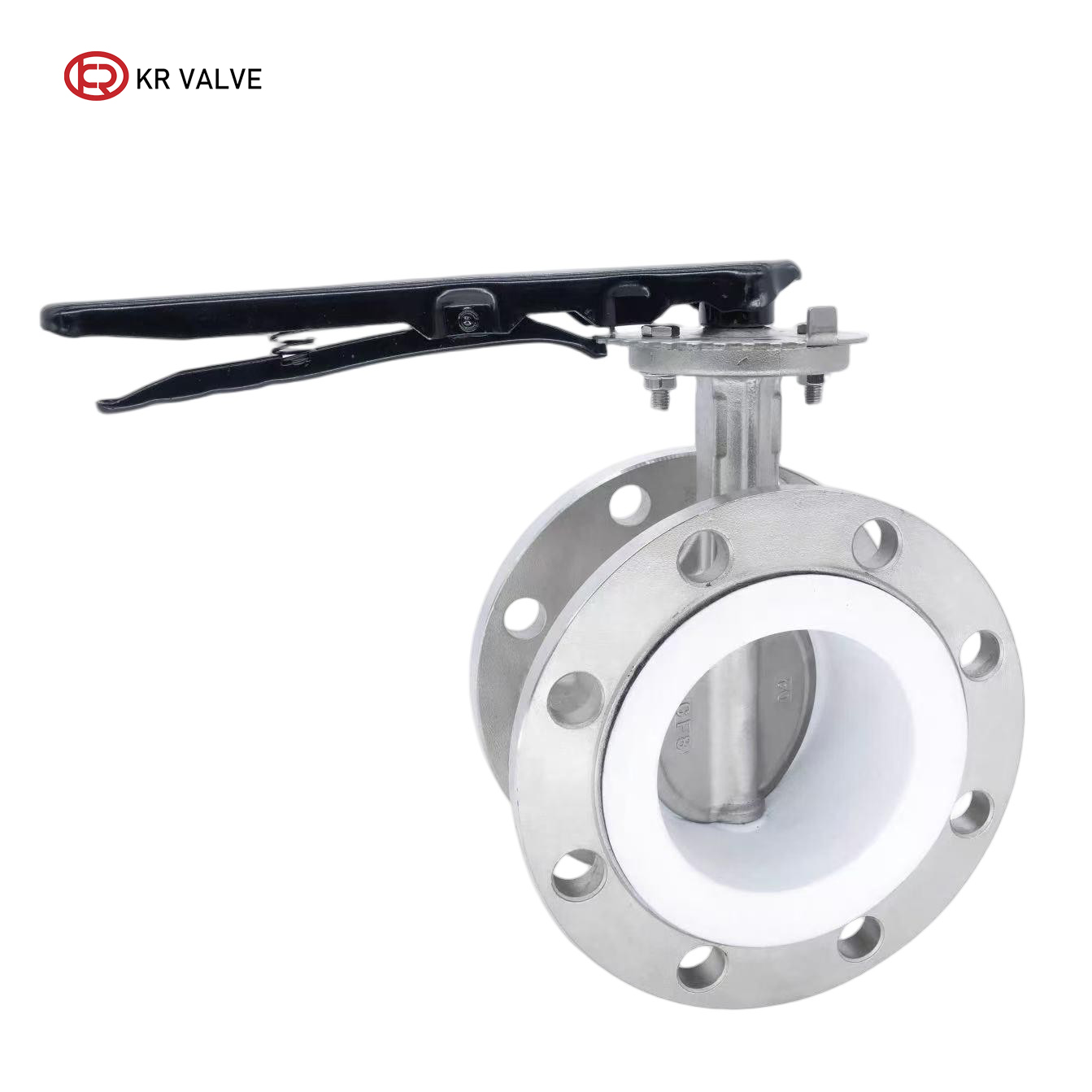
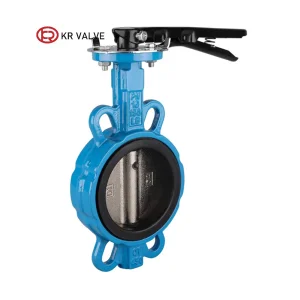
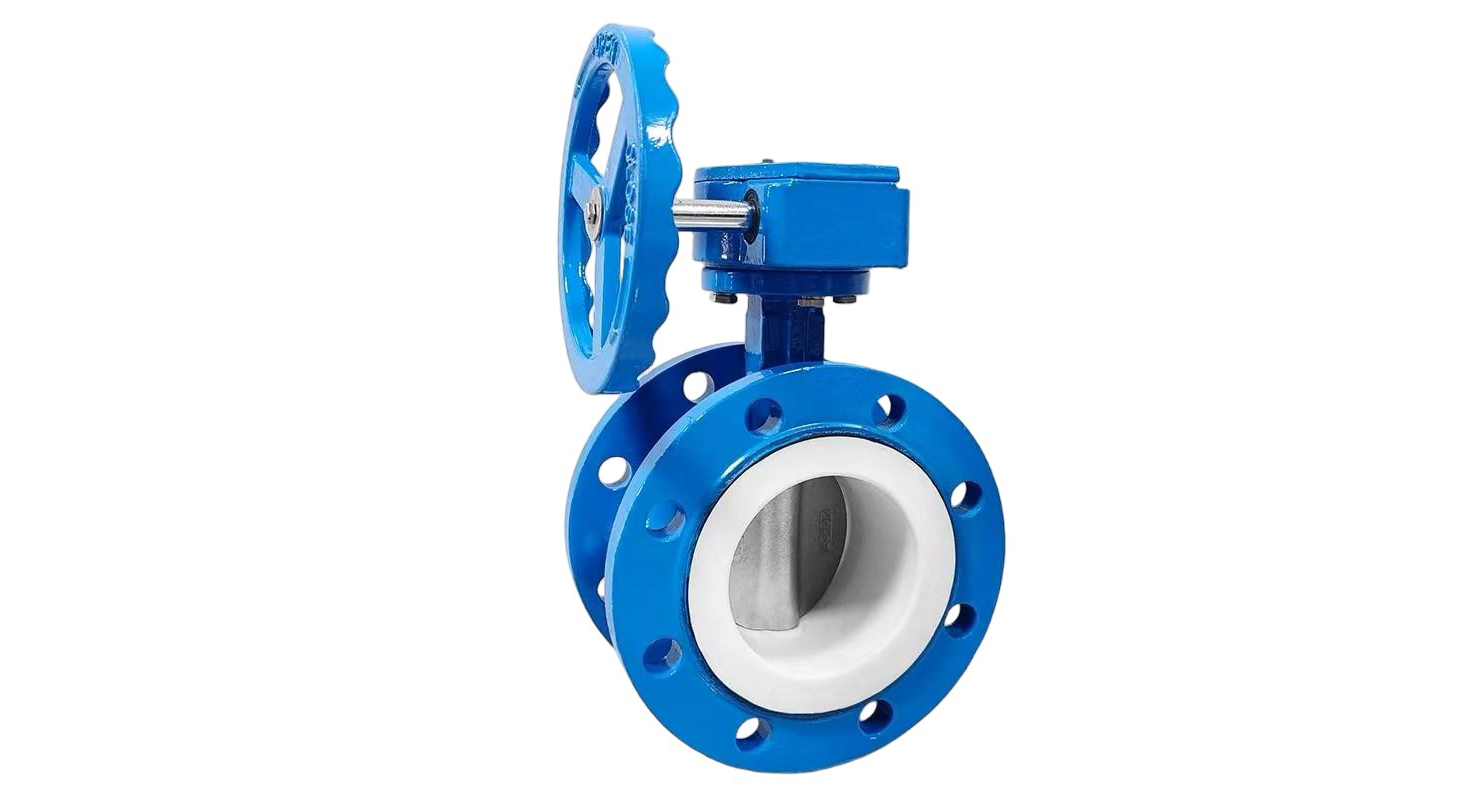
| Valve Type: |
Flange butterfly valve |
Structure: |
Concentric |
| Standard: |
EN593 |
Workmanship: |
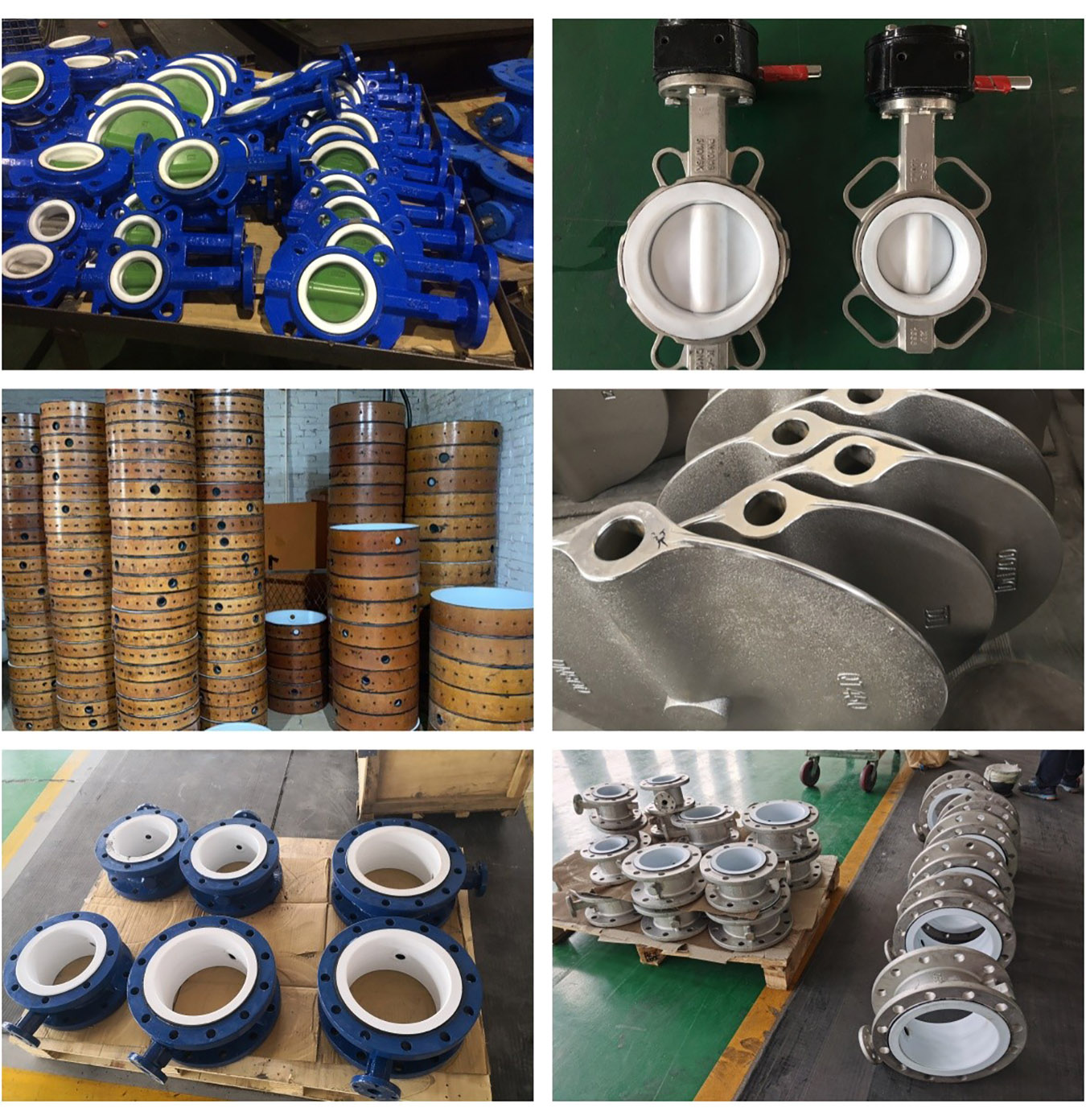
Investment casting |
| Sealing Direction: |
Bidirectional |
Sealing Grade: |
Zero leakage |
| Temperature: |
-20°C < T < 120°C |
Operation: |
Handle / Lever |
- Thick shell, heavy-type construction
- High purity rubber, high wear resistance
- Zero leakage standard performance
- Various sizes available in stock
Characteristics
Made of stainless steel materials such as 304, 316, etc., it has good corrosion resistance, high temperature resistance, and mechanical strength, and can adapt to various harsh working environments. The valve seat is made of PTFE material, which has extremely excellent chemical stability and can resist corrosion from various strong acids, strong alkalis, and organic solvents. At the same time, it has an extremely low friction coefficient and good self-lubricating properties.
Key Advantages
🔒 1. Good Sealing Performance
Due to the use of PTFE valve seats, its sealing performance is excellent, which can effectively prevent fluid leakage and achieve high sealing levels, such as zero leakage standards.
🛡️ 2. Strong Corrosion Resistance
The combination of stainless steel and PTFE enables the valve to withstand the erosion of various highly corrosive media, making it suitable for handling corrosive liquids or gases such as acids, alkalis, salts, etc.
💧 3. Low Fluid Resistance
Butterfly valves have a simple structure, and the valve disc has less obstruction to the fluid when opened, resulting in low fluid resistance and reducing pressure loss in pipeline systems.
Packing & Delivery
📦
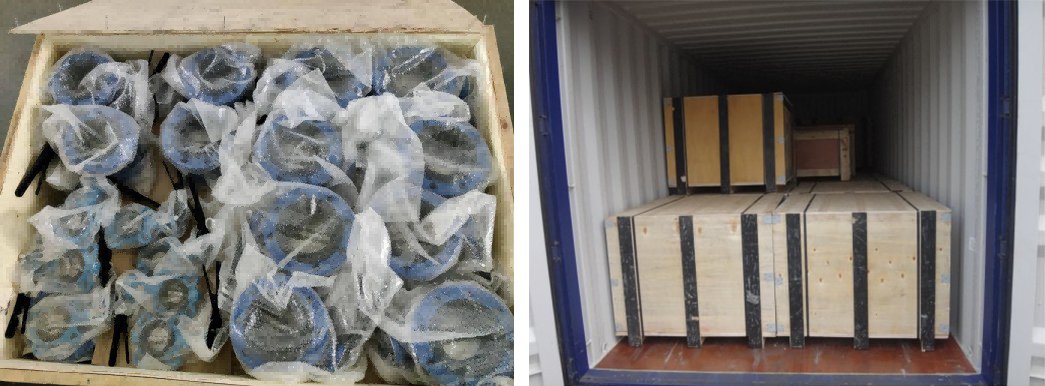
Standard: Export wooden case packaging for maximum protection
Application Scenarios
Widely used in the process flow of industries such as chemical, petroleum, pharmaceutical, food, and environmental protection, it is particularly suitable for handling highly corrosive and high-temperature fluid media, such as various acid-base solutions, organic solvents, corrosive gases, etc.
Q What is a flange butterfly valve and how does it work?
A flange butterfly valve is a quarter-turn rotary valve that uses a disc to regulate or stop fluid flow. The disc rotates 90° to open or close the valve, and flanges on both ends allow it to be bolted directly between pipeline flanges for a secure connection.
Q What materials are used in this butterfly valve?
The valve body and disc are manufactured from high-quality stainless steel (304 or 316), offering excellent corrosion and high-temperature resistance. The valve seat is made from PTFE (polytetrafluoroethylene), providing outstanding chemical stability and a very low friction coefficient.
Q What temperature range is this valve suitable for?
This flange butterfly valve is designed to operate within a temperature range of -20°C to 120°C, making it suitable for a wide variety of industrial applications involving both cold and moderately high-temperature media.
Q Does this valve support bidirectional sealing?
Yes, this valve features bidirectional sealing, meaning it can effectively seal fluid flow from either direction. Combined with the PTFE seat, it meets zero leakage standards, ensuring reliable performance in demanding pipeline systems.
Q Which industries are these butterfly valves commonly used in?
These valves are widely used across chemical processing, petroleum, pharmaceutical, food and beverage, and environmental protection industries. They are especially suited for handling highly corrosive media such as acid-base solutions, organic solvents, and corrosive gases.
Q What standard does this valve comply with, and how is it operated?
This butterfly valve complies with the EN593 standard, ensuring it meets European quality and dimensional requirements. It is operated via a handle or lever mechanism, allowing for quick and easy manual control of fluid flow.
 KR VAVLE