Engineered to comply with local ASME, ANSI, and local commercial building code standards.
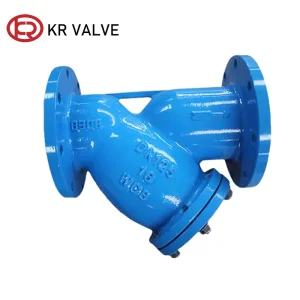
KR holds over two decades of technical expertise in designing, manufacturing, and verifying high-caliber industrial valves and strainers. We supply a selection of over 500 valve designs, including high-performance butterfly valves, gate valves, check valves, and water control systems, configured for critical fluid lines.
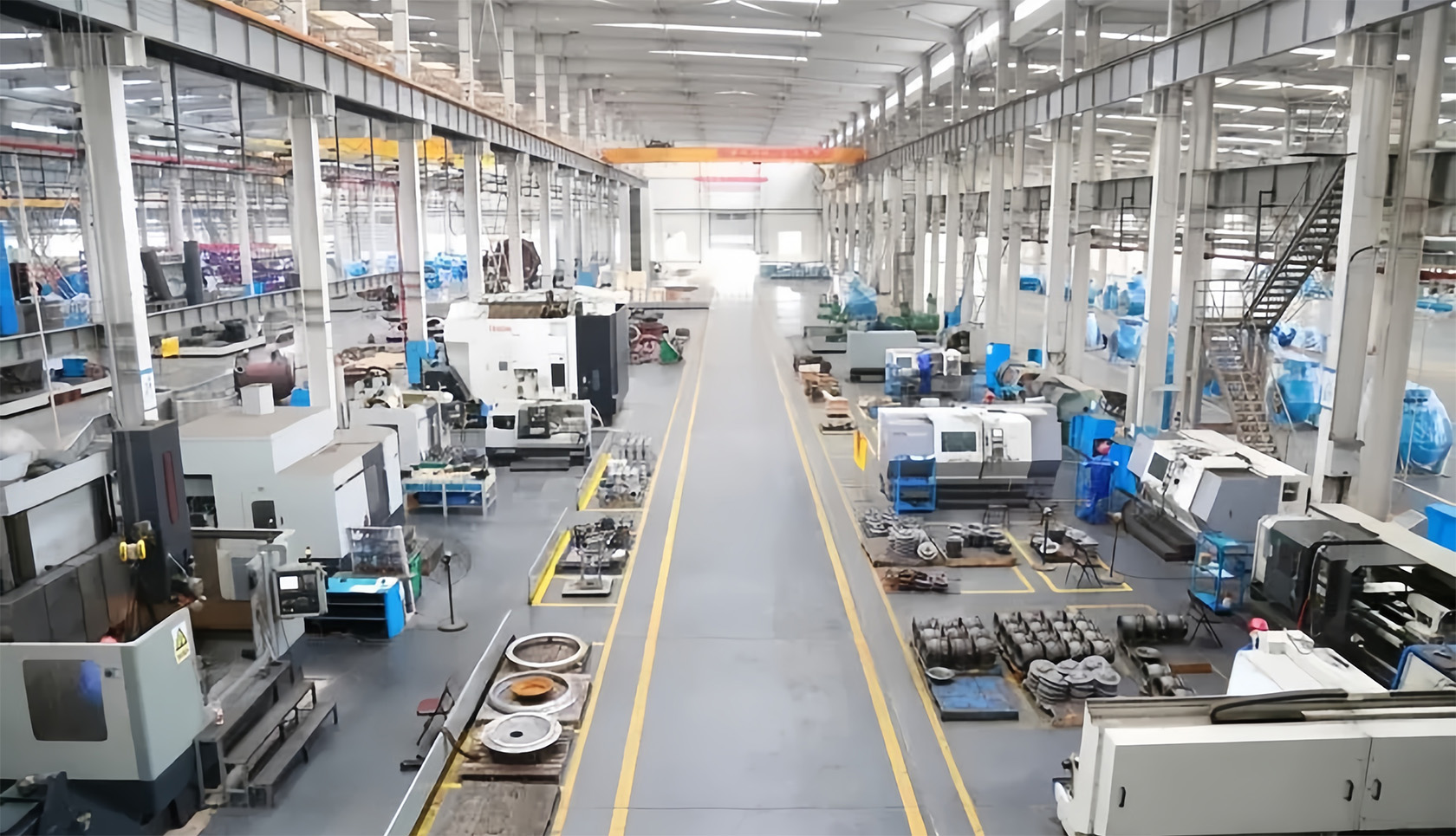
Our manufacturing processes leverage digital production metrics and automated quality checks. With systems operating across 50 countries, we maintain structural reliability across municipal water plants, commercial HVAC, maritime ports, and biochemical applications. We partner with Boston distributors, MEP contractors, and plant engineers to secure standard compliant strainers with fast overseas shipping.
Understanding regional environmental codes, steam-loop architectures, and corrosion variables.
Boston, Massachusetts features some of the oldest active district steam heating loops in the United States. Commercial buildings in the Financial District, Back Bay, and Cambridge rely heavily on sub-surface steam networks and high-pressure hot water systems. The components within these systems are subjected to constant thermal cycles.
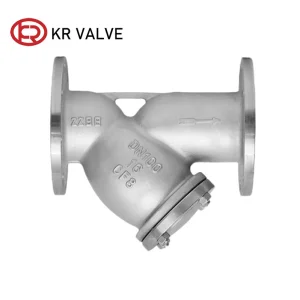
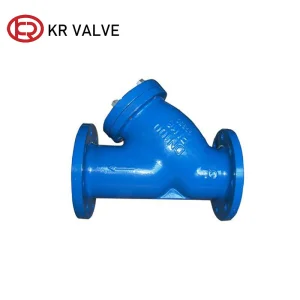
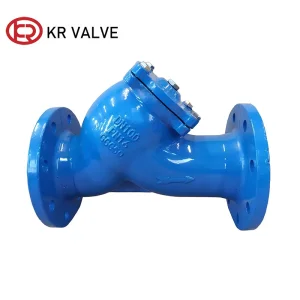
In these environments, Y-type strainers serve as the primary defense line for downstream steam traps, pumps, regulators, and heat exchangers. Debris like weld slag, scale, and particulate rust within ageing piping systems can damage system components if not collected by high-density mesh screens. For these systems, cast WCB carbon steel or ductile iron GGG40 Y-strainers are preferred for their resistance to thermal expansion cracking and physical impact.
The Greater Boston area—extending through Cambridge, Waltham, and Quincy—is a global hub for biotechnology, pharmaceuticals, and life sciences. Process piping in pharmaceutical facilities requires materials that prevent chemical contamination and resist microbial growth.
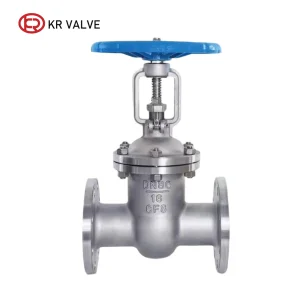
CF8 (SS304) and CF8M (SS316) stainless steel Y-type strainers are essential in these plants. They offer chemical passivity, corrosion resistance under cleaning regimes (such as clean-in-place, or CIP), and structural stability at extreme temperatures.
Choosing the right material prevents galvanic corrosion, erosion, and premature cracking under pressure transients:
| Material Designation | Common Application | Max Temp / Pressure Rating | Advantage |
|---|---|---|---|
| GG25 (Cast Iron) | Commercial HVAC, Cold water loop | Up to 120°C / PN10/16 | Cost-effective, excellent dampening properties |
| GGG40 (Ductile Iron) | Steam pipelines, Municipal water | Up to 300°C / PN16/25 | High tensile strength, impact resistant |
| WCB (Carbon Steel) | Industrial petrochemical, Boiler feed | Up to 425°C / Class 150/300 | Resists high thermal shock, excellent wear resistance |
| CF8 (Stainless Steel 304) | Biomedical, Food processing, Corrosive fluids | Up to 538°C / Class 150/300 | Superior chemical resistance, zero contamination profile |
With major port facilities, naval yards, and seawater cooling loops across the Boston Harbor, coastal corrosion is a major consideration. Salt-laden air and marine water intake lines quickly corrode standard gray cast irons.
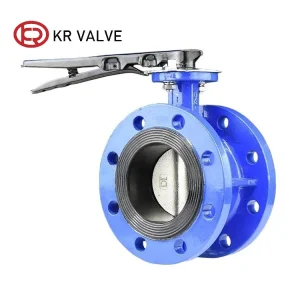
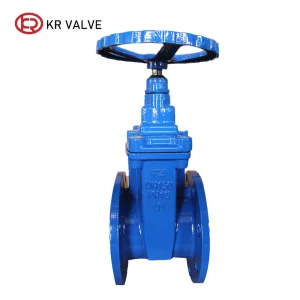
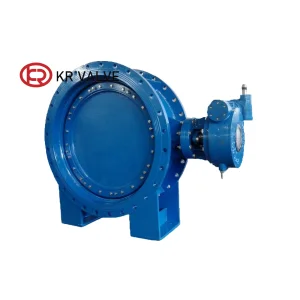
For these challenging applications, double-eccentric butterfly valves, resilient seated gate valves, and stainless steel Y-type strainers are used to maintain high-integrity flow loops while resisting chloride stress corrosion.
How our technical departments guarantee product quality, design custom specs, and ensure zero leakage.
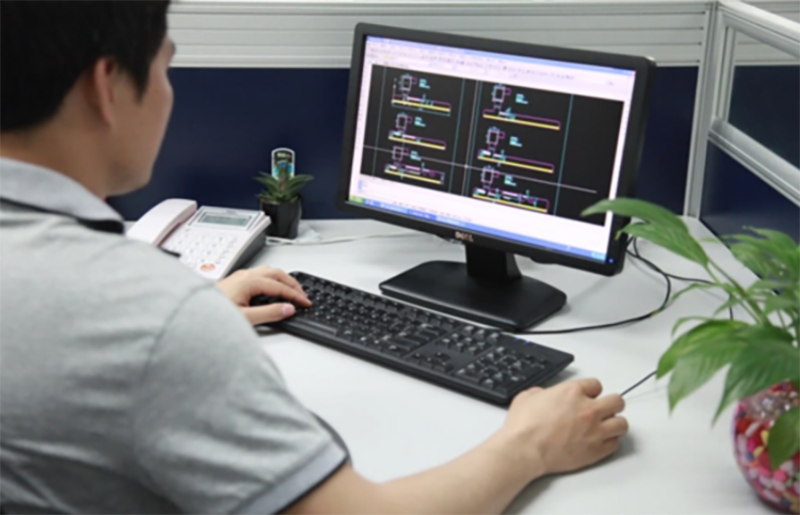
Our engineering division designs product lines that comply with global market requirements. By using modern modeling software, we analyze fluid dynamics to optimize pressure drop curves across Y-type strainers and control valves.
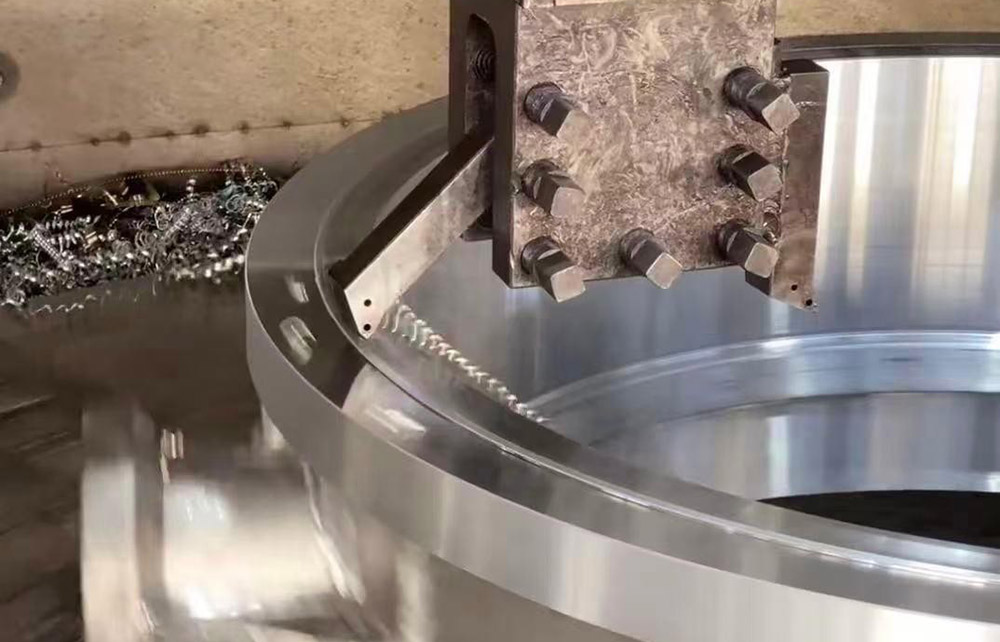
All casting bodies undergo precise machining on our 30+ advanced CNC stations. We run production under ISO-9001 certified protocols, maintaining monthly stock updates for critical parts to support project timelines.
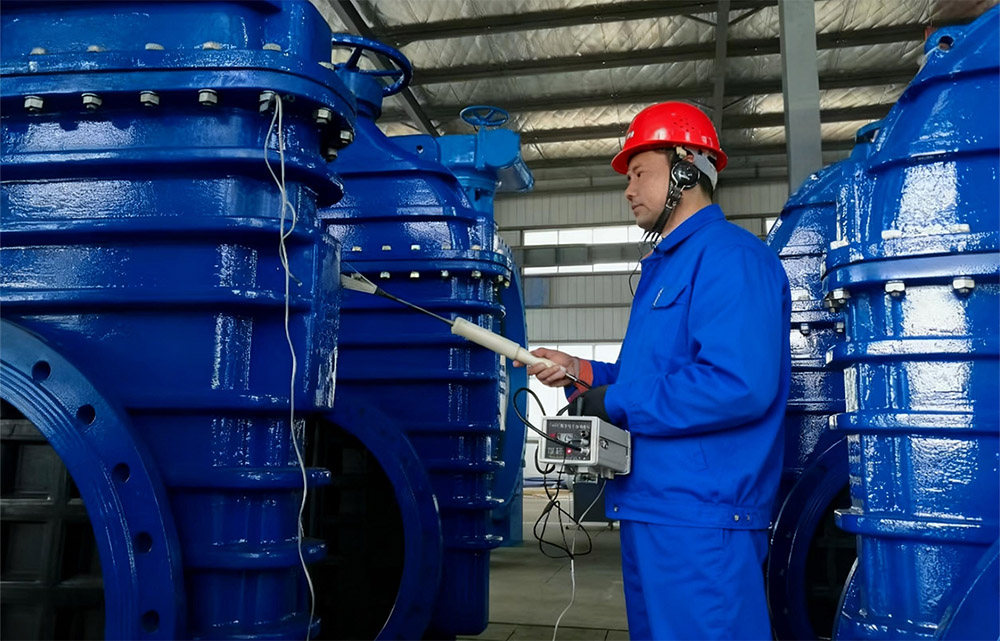
Every valve and strainer is pressure tested before shipment. Our quality control team measures casting wall thicknesses, checks flange alignments, and performs seal integrity tests to guarantee leak-free operation.
Why global contractors and regional Boston procurement teams choose KR.
We offer custom product branding and paint configurations. We design customized screen mesh sizes and supply custom-tailored flange dimensions (such as DIN, ANSI, and JIS) to match legacy systems.
Our machining centers feature advanced equipment operated by experienced technicians. This direct control over casting and machining ensures consistent dimensional tolerances and reliable performance.
Our production facilities operate under ISO 9001 and CE certifications. This systematic approach ensures that every strainer and valve meets standard quality levels.
How we optimize production processes to balance cost and performance for international markets.
By integrating automated sand molding and electric induction furnaces, we reduce casting defects like blowholes and inclusions. This increases the structural reliability of our ductile iron bodies.
Our raw material sourcing is digitally integrated, securing high-grade WCB carbon steel and stainless steel during market fluctuations to ensure steady production times for long-term partners.
All final assemblies undergo strict inspection, including shell thickness validation, coating checks, and high-pressure seat tests. Each shipment includes full testing documentation.
Next-generation designs for modern industrial automation.
Using fluid analysis models, we've adjusted internal body shapes to minimize flow turbulence and reduce pressure drops across our Y-strainer line, helping to optimize system energy efficiency.
We offer specialized internally lined epoxy, PTFE, and elastomer coatings to handle highly corrosive municipal sludge and brackish water, protecting the main casting body.
We design specialized housing ports for differential pressure sensors. This allows maintenance teams to monitor screen clogging levels in real-time, helping to prevent flow issues.
Take an inside look at our foundry, casting processes, and automated testing lines.
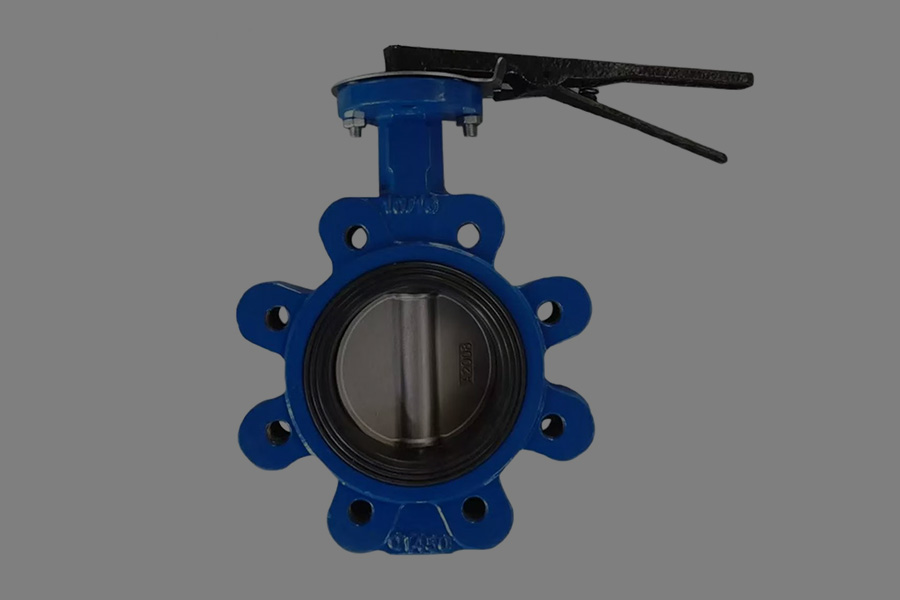
Watch our quality inspectors perform thickness measurements and high-pressure shell tests on our main valve lines.
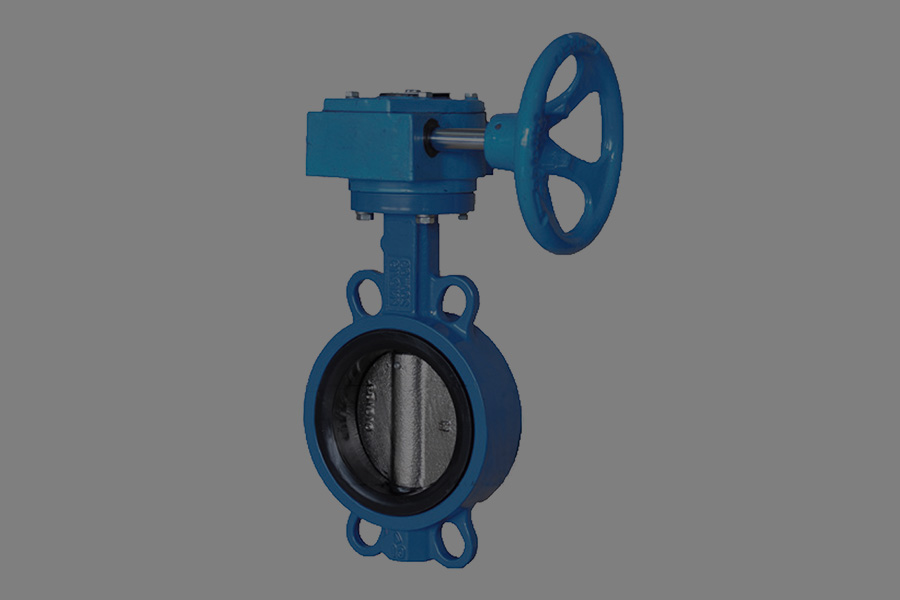
An overview of our sand-molding automation and final assembly lines for large-diameter gate and butterfly valves.
Our systems are deployed in key municipal networks, processing plants, and water loops worldwide.
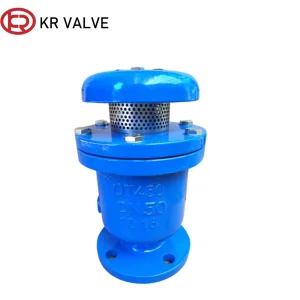
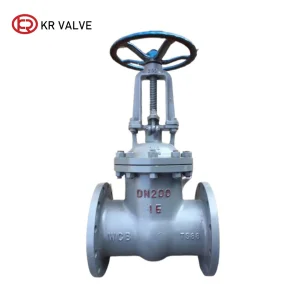
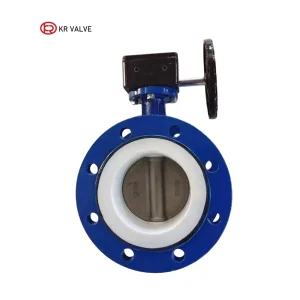
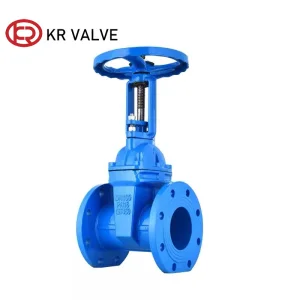
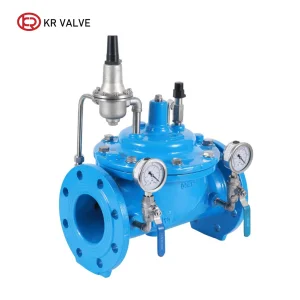
Explore our full line of industrial valves designed for municipal, HVAC, and commercial systems.
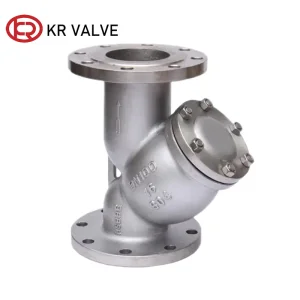
Assisting design engineers in meeting Massachusetts state codes and environmental criteria.
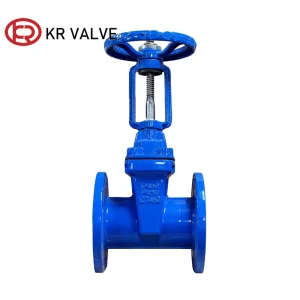
Our municipal water systems, resilient seated gate valves, and EPDM-lined butterfly valves meet AWWA standards. For potable water applications, we offer NSF/ANSI compliant lead-free castings.
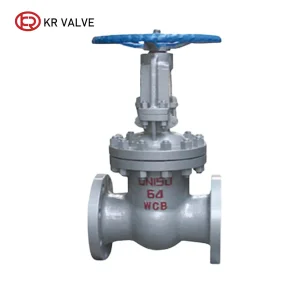
Our high-pressure WCB Y-strainers and metal-seated gate valves conform to ASME B16.34 wall thickness and flange standards, providing structural safety under steam conditions.
We coordinate with local shipping agents to manage customs clearance and terminal handling at the Port of Boston, supporting smooth delivery to regional distribution centers.
Common questions from industrial buyers and plumbing designers in Massachusetts.
Y-type strainers are designed for high-pressure gas, steam, or liquid lines because of their cylindrical body shape, which handles pressure peaks well. They can be installed either horizontally or vertically (with downward flow). Basket strainers have a larger debris holding capacity but are typically limited to horizontal liquid lines with lower velocity profiles.
For saturated steam lines, a coarser mesh (typically 20 to 40 mesh) is used to prevent rapid clogging while catching pipe scale. Condensate return lines and water feed systems typically use a finer mesh (60 to 100 mesh) to protect downstream high-pressure pumps and flow sensors from fine particulates.
Every batch of raw ductile iron (GGG40), gray cast iron (GG25), carbon steel (WCB), and stainless steel (CF8/CF8M) is analyzed using spectrometer testing. We verify chemical composition percentages (such as carbon, chromium, nickel, and manganese content) and issue material test reports (MTR) upon request.
Standard stocked valves can be dispatched immediately. Custom-engineered products, OEM sizing, or custom paint requests typically require a 30 to 45 day production cycle. Sea freight to the Port of Boston typically takes 25 to 35 days, and air freight is available for urgent requirements.
Yes. Our WCB carbon steel and stainless steel castings are designed to maintain structural ductility and impact resistance during low-temperature exposure, which helps prevent cold crack failure in unheated outdoor or sub-surface valve chambers.
Connect with our technical sales division to request detailed technical drawings, performance data, or custom quotes for your project.
 KR VAVLE