 KR VAVLE
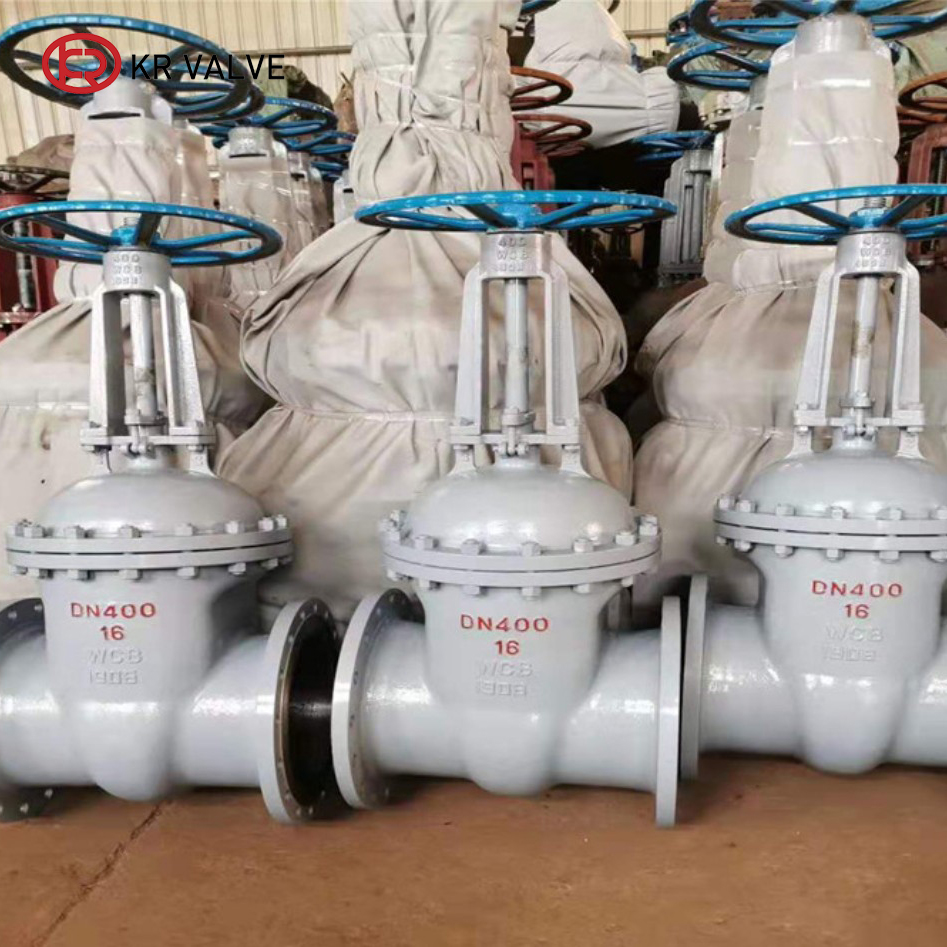
1 / 3
| Valve Type: | Metal seat gate valve | Structure: | Rising type |
| Standard: | EN/API/DIN/GOST | Workmanship: | Investment casting |
| Sealing direction: | Bidirectional | Sealing grade: | Zero leakage |
| Temperature: | -30°C < T < 425°C | Operation: | Handwheel |
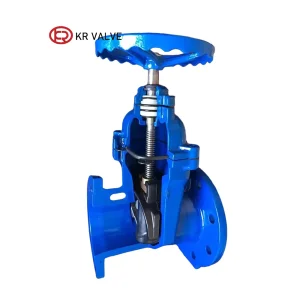
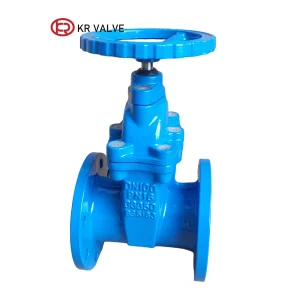
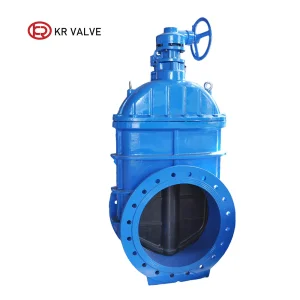
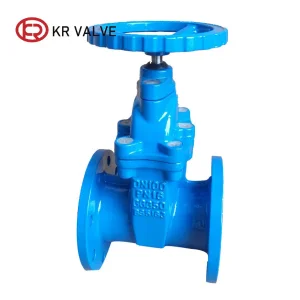
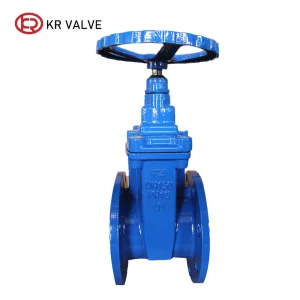
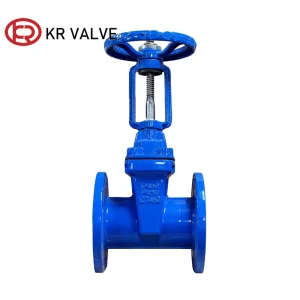
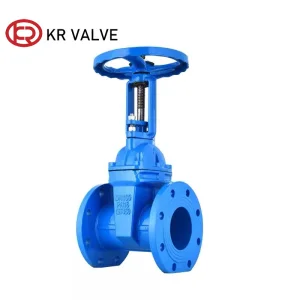
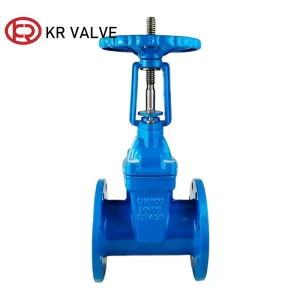
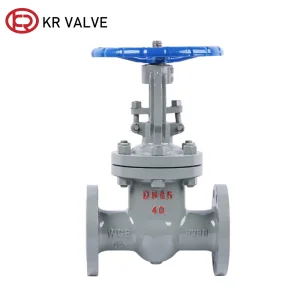
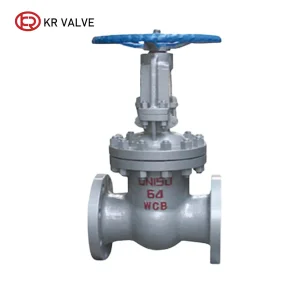
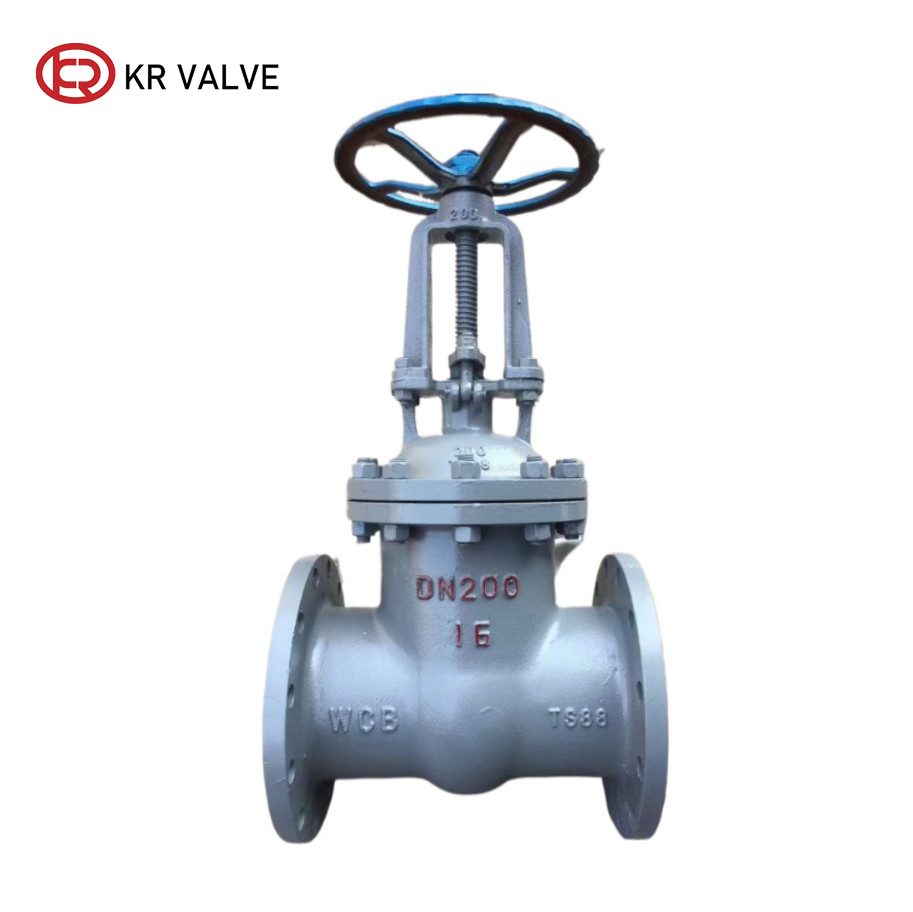
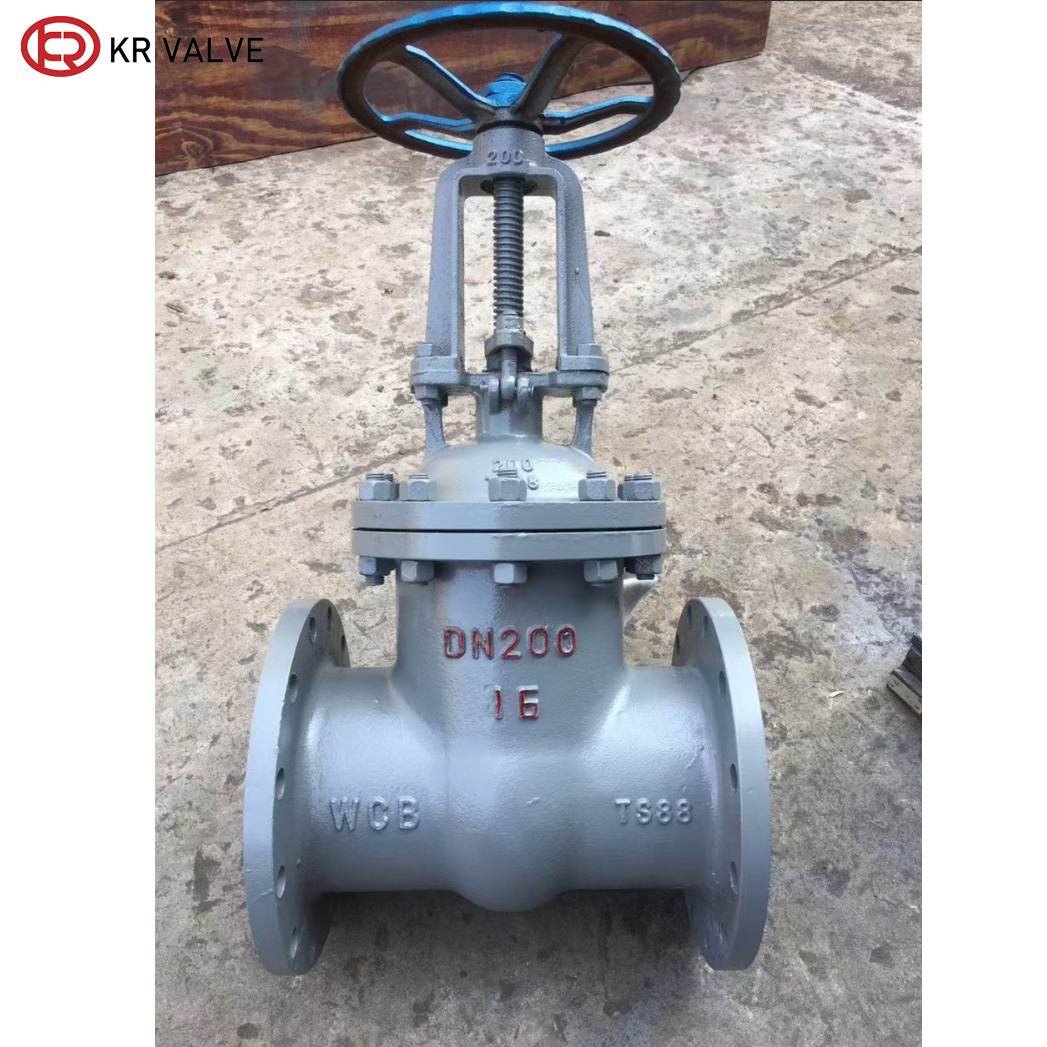
The rising stem carbon steel gate valve is a widely used industrial valve, with its opening and closing components being gate plates perpendicular to the fluid direction. According to the sealing surface configuration, it can be divided into two types: wedge-shaped gate plate and parallel gate plate.
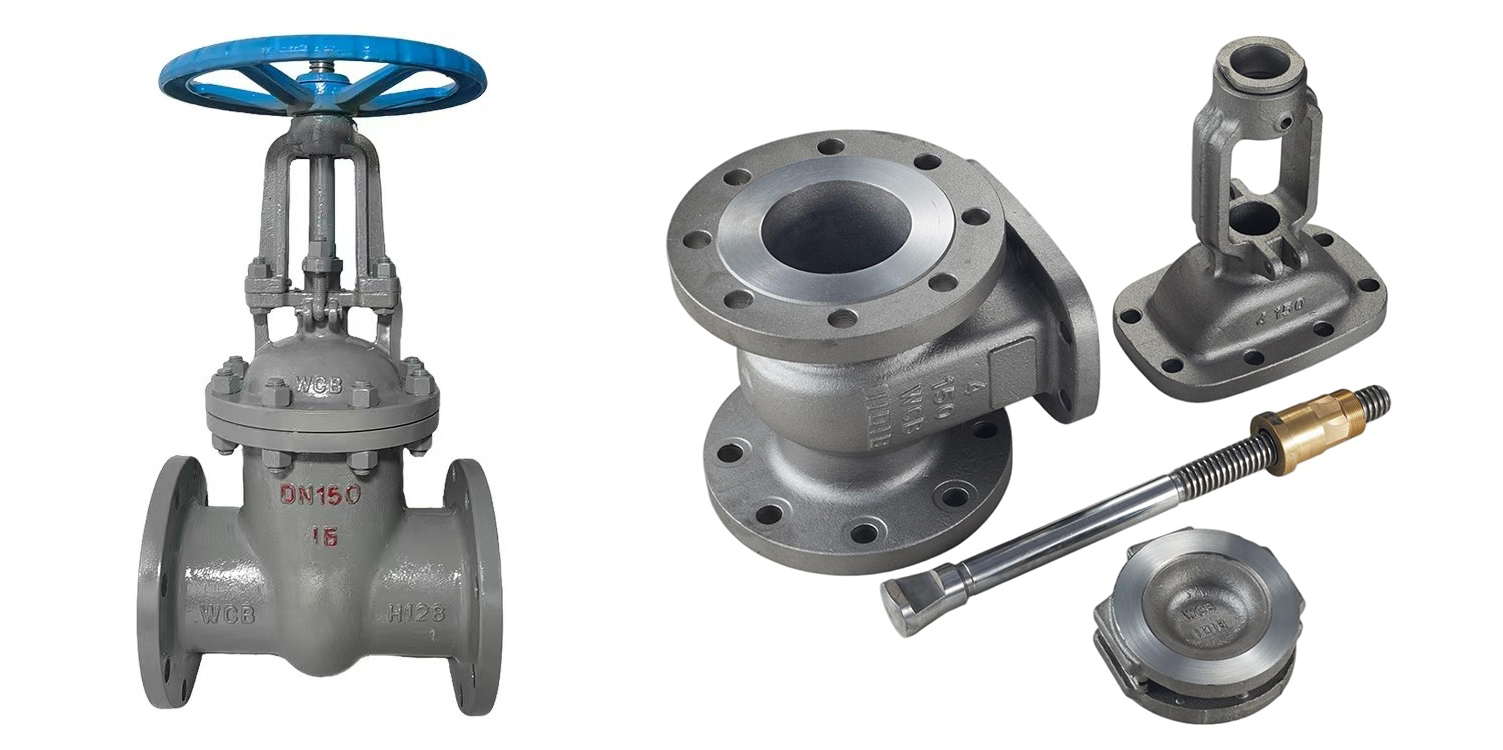
The sealing surface between the disc and valve seat is usually made of materials such as stainless steel or hard alloy, which provides reliable sealing and can effectively prevent fluid leakage.
When fully open, the flow resistance coefficient is extremely small, usually 0.05-0.1. The medium can pass through a straight channel with low pressure loss, making it suitable for high flow transportation.
The valve stem is exposed, and the position of the gate can be visually seen, making it easy to operate and monitor. High-end models may include scales, color codes, or electronic limit switches for remote monitoring.
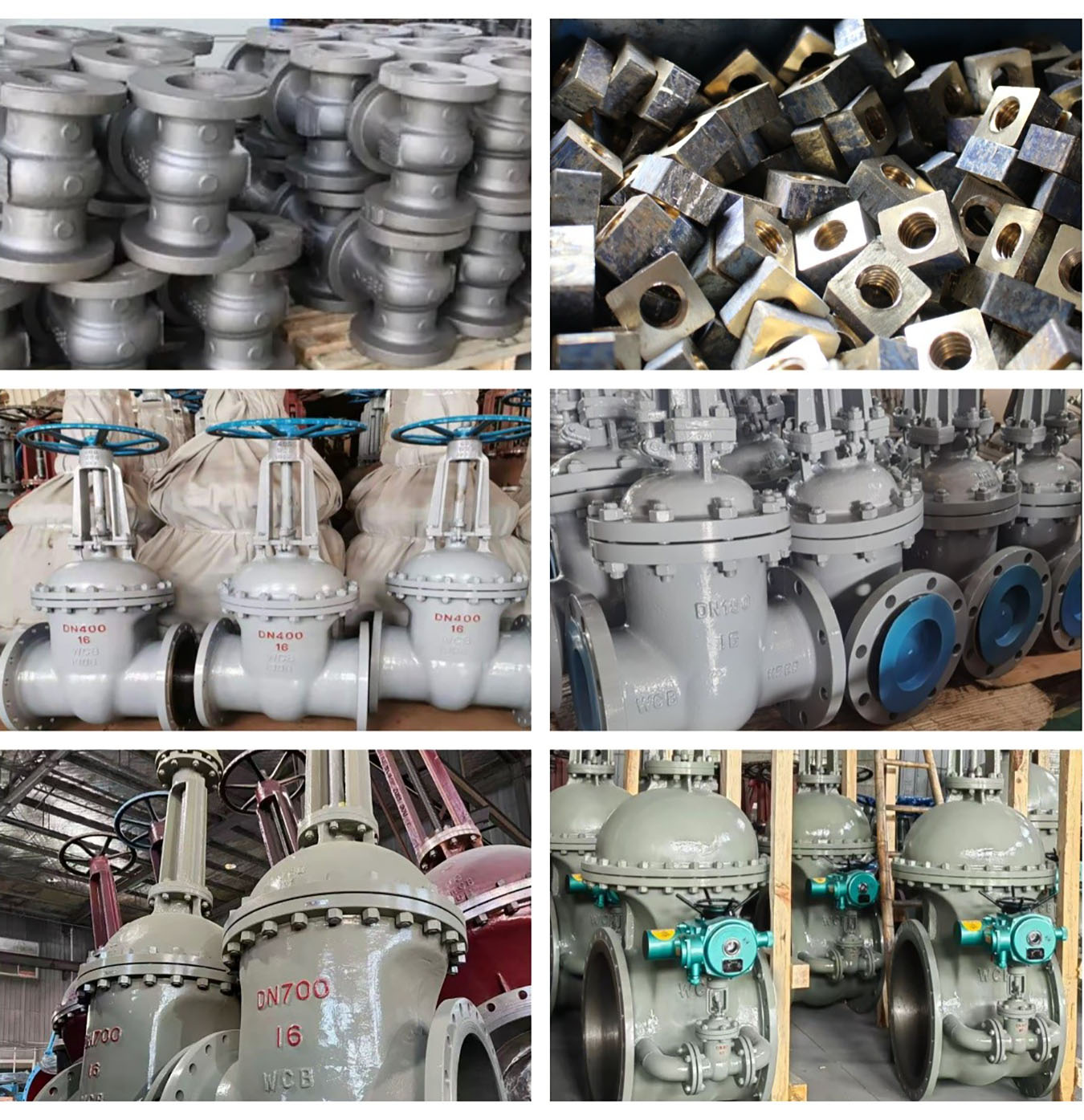
Standard export wooden case packaging ensures the safety of the valves during transit.
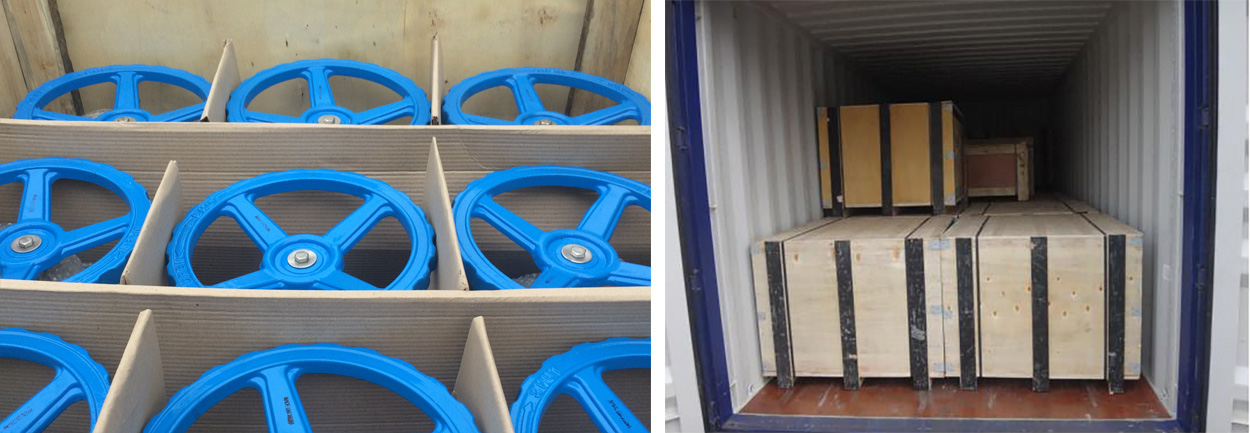
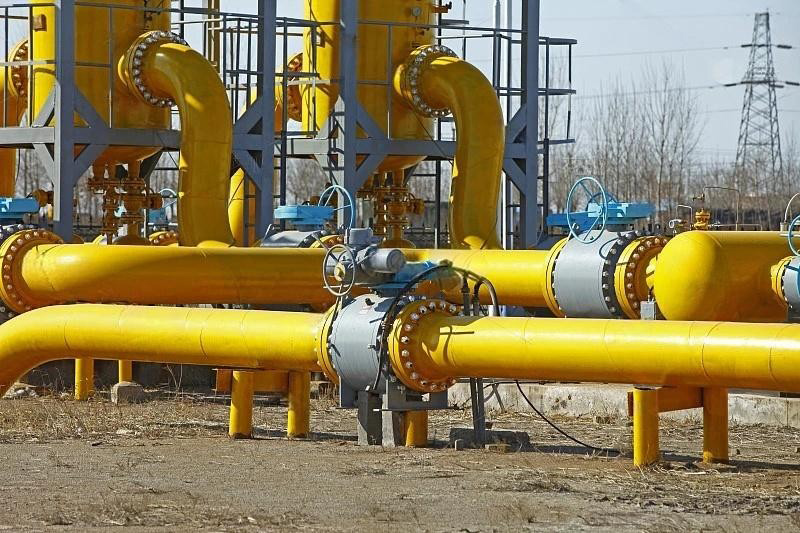
The WCB gate sluice valve widely applicable to pipelines of various systems in petroleum, chemical, hydraulic, and thermal power plants with nominal pressure PN1.6-PN16.0MPa and working temperature -29 ℃ - 550 ℃.


| Valve body/cover | Gate board/seat | Stem | Stem nut | Padding | Handwheel |
|---|---|---|---|---|---|
| Carbon steel | Quality carbon steel+carbide alloy or stainless steel | Chrome stainless steel | Aluminum bronze | Graphite asbestos packing | Malleable iron ductile Iron |
| Ti-Cr-Ni steel | stainless steel or carbide alloy | Ti-Cr-Ni stainless steel | Aluminum bronze | Baptist PTFE | Malleable iron ductile Iron |
| Ti-Cr-Ni-Mo steel | stainless steel or carbide alloy | Ti-Cr-Ni stainless steel | Aluminum bronze | Asbestos packing | Malleable iron ductile Iron |
| Cr-Mo steel | Alloy Steel+carbide alloy | Al-Cr-Mo steel 318 | Aluminum bronze | Flexible Graphite Filled PTFE | Malleable iron ductile Iron |
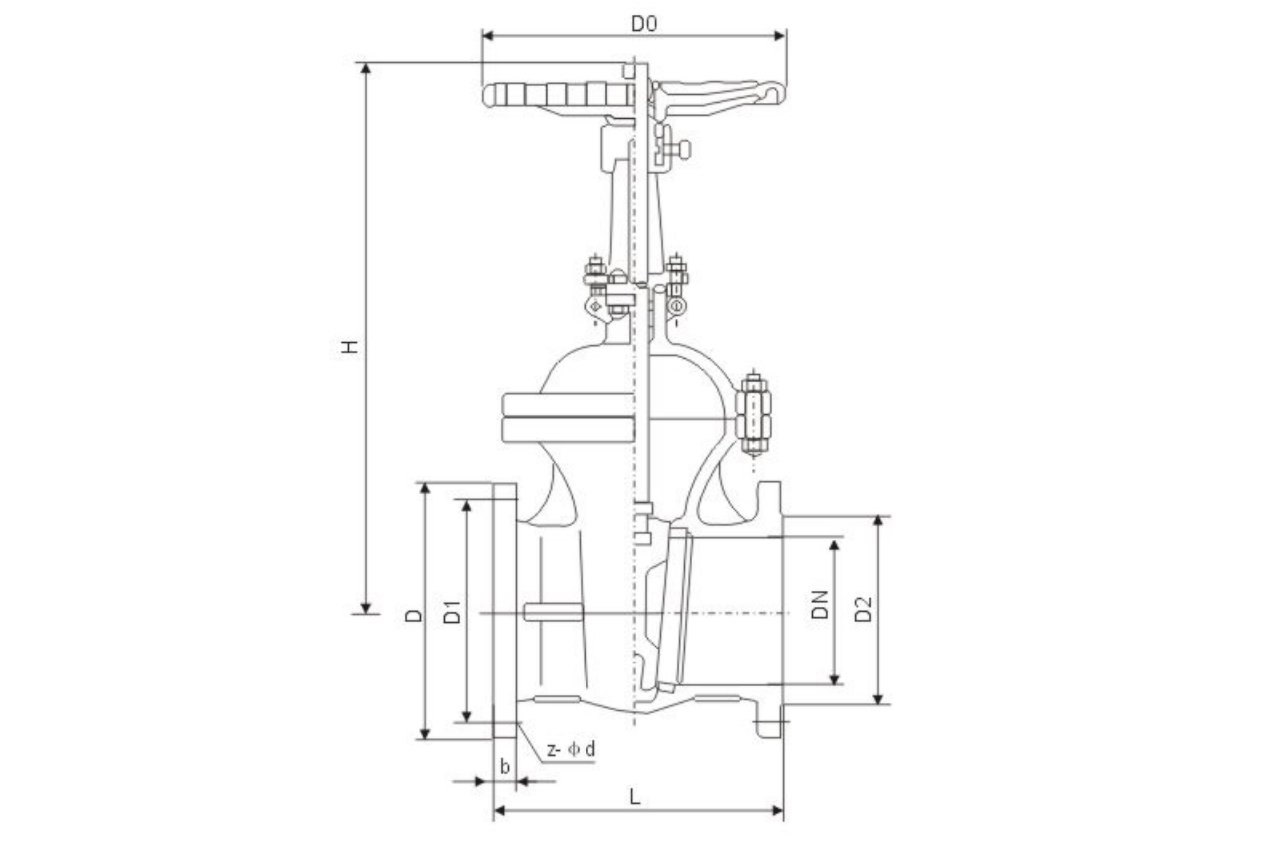
| PN(MPa) | DN(mm) | L | D | D1 | D2 | b | f | N-Φd | H | H1 | D0 |
| 1.6 | 50 | 250 | 160 | 125 | 100 | 16 | 3 | 4-Φ18 | 358 | 438 | 240 |
| 1.6 | 100 | 300 | 215 | 180 | 155 | 20 | 3 | 8-Φ18 | 502 | 620 | 320 |
| 2.5 | 50 | 250 | 160 | 125 | 100 | 20 | 3 | 4-Φ18 | 358 | 438 | 240 |
| 2.5 | 100 | 300 | 230 | 190 | 160 | 24 | 3 | 8-Φ23 | 502 | 620 | 320 |
| 4.0 | 50 | 250 | 160 | 125 | 100 | 20 | 3 | 4-Φ18 | 372 | 440 | 280 |
| 4.0 | 100 | 350 | 230 | 190 | 160 | 24 | 3 | 8-Φ23 | 552 | 671 | 360 |