A Comprehensive Industry Whitepaper on Release Valves and Fluid Control Dynamics
In modern high-pressure piping infrastructure, fluid transmission systems are constantly subjected to dynamic stresses, pressure fluctuations, and entrained air accumulations. Among the most critical components safeguarding these setups are air release valves, vacuum relief valves, and associated gate, check, and control valves. Understanding their selection, installation, and manufacturing standards is critical for process plant managers, utility engineers, and procurement directors globally.
This whitepaper offers deep engineering insight into how modern release valves prevent localized hydraulic shock, prevent cavitation, reduce pumping energy consumption, and guarantee structural integrity under extreme industrial scenarios. As a leading brand in specialized valves with over two decades of production heritage, KR Valve Group provides high-fidelity manufacturing systems designed to meet these exact demanding operational benchmarks.
Air naturally accumulates in pressurized liquid pipelines during initial charging, pump operation, and dynamic temperature shifts. If left unmanaged, these pocket zones of entrained gases travel to system high points, constricting fluid flow profiles. This phenomenon, known as the "air binding" effect, behaves exactly like a mechanical restriction, leading to massive energy loss in pumping stations. Furthermore, during sudden shutdowns or column separation, vacuum conditions can occur, causing thin-walled steel pipelines or plastic conduits to collapse entirely under external atmospheric pressure.
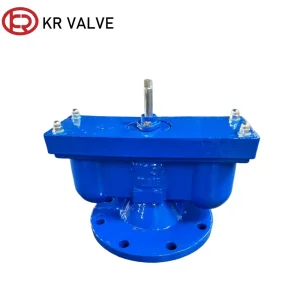
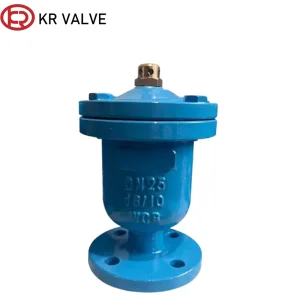
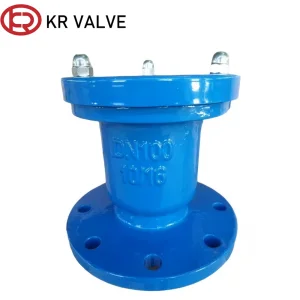
Strategic positioning of automatic air release valves and dual-port venting valves allows the system to continuously vent small bubbles during normal operations, rapidly purge large volumes of air during initial startup, and admit air dynamically during power failures or draining sequences. This ensures stable volumetric flow rates and mitigates destructive surge transients.
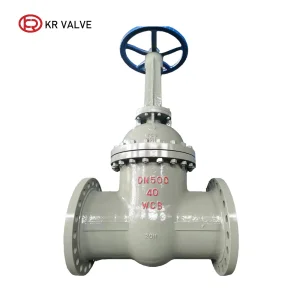
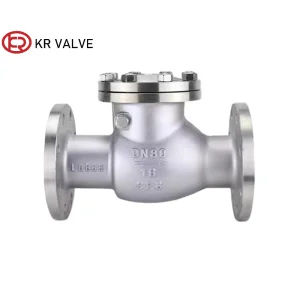
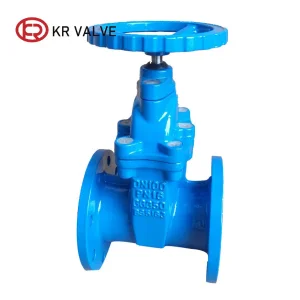
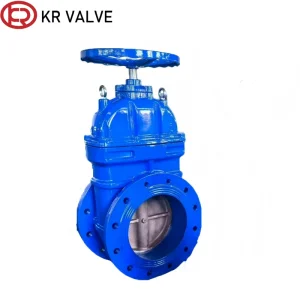
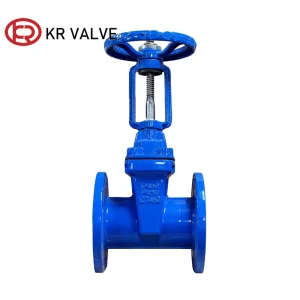
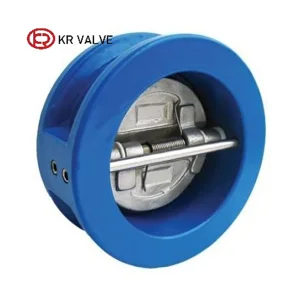
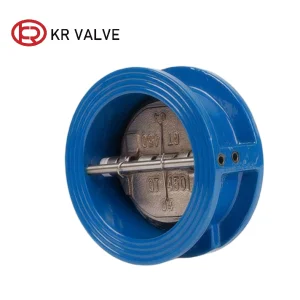
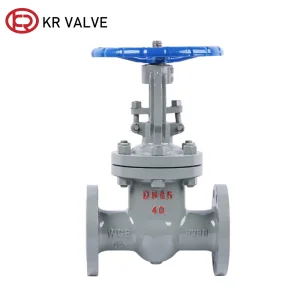
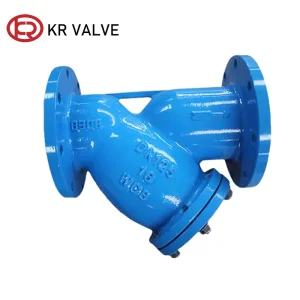
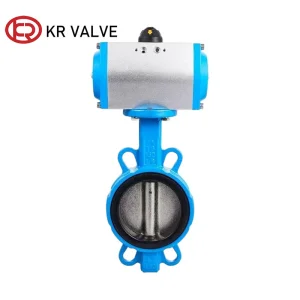
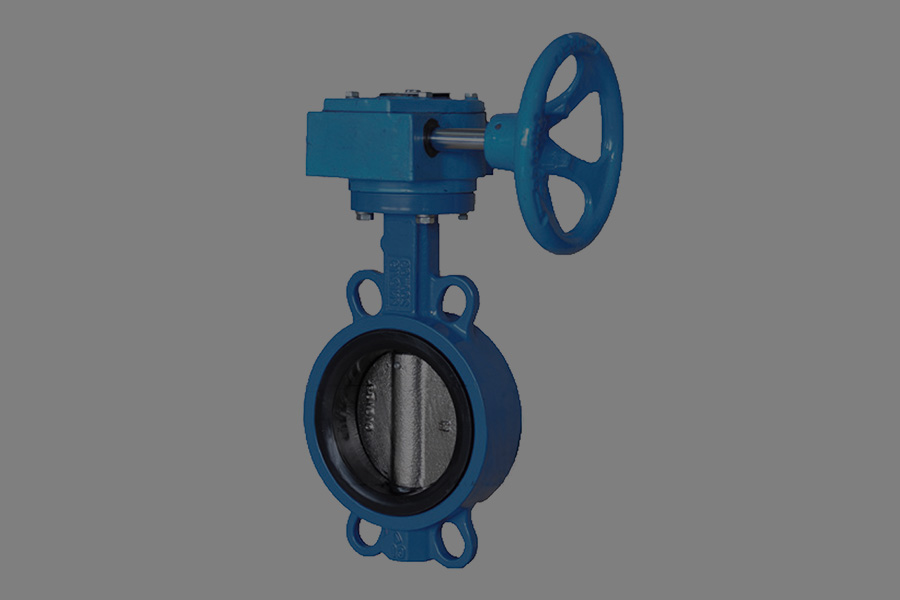
KR has more than 20 years of experience in producing standard and non-standard valves of various types. We supply a wide selection of over 500 valve products, including butterfly valve, gate valve, check valve, water control valve, as well as all their matching and accessory products.
These products have applications in various industries such as water treatment, dam construction, commercial buildings, energy and heating, chemical engineering, etc. We have won high repeat purchase rates from customers with excellent product variety and quality.
Beyond product excellence, we are dedicated to creating a mutually beneficial partnership with every customer. We believe that reliable service is as crucial as superior products, and we strive to continuously optimize the customer experience to achieve long-term win-win cooperation. Today, KR VALVE’s products have been exported to over 50 countries and regions in Europe, Asia, Africa, and Oceania, providing project construction and brand marketing services to thousands of customers.
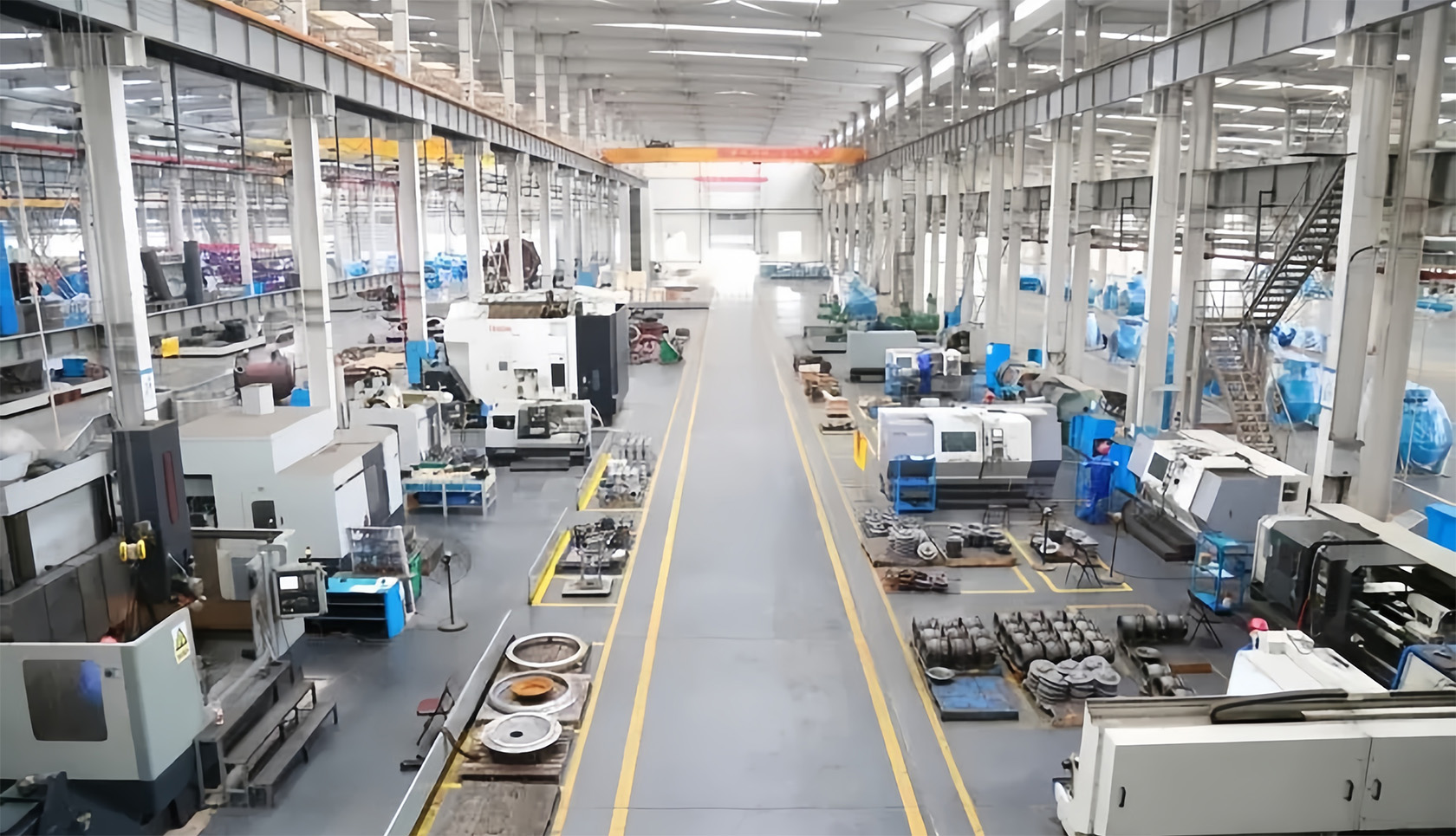
Our manufacturing complex is built on complete quality control and processing capability. With 15 state-of-the-art machining machines and highly optimized assembly lines run by experienced technicians, we are capable of delivering custom valve configurations on strict time schedules.
Products are manufactured under strict supervision in accordance with the ISO-9001 quality management system. We have over 30 advanced production equipment units and update our physical inventory monthly to meet and exceed global delivery benchmarks.
Why Procurement Teams Rely on Advanced Chinese Valve Manufacturing
Our raw casting partners and internal quality team ensure that materials such as ductile iron (GGG40/50), cast steel (WCB), and stainless steel (CF8/CF8M) have absolute metallurgical integrity, free from internal porosity and structural micro-cracks.
All air release, gate, and check valves comply with major international design codes: EN 1074, DIN F5, AWWA C594, API 598, and BS 5163. This simplifies localization, certification checks, and on-site integration in Western countries.
Zero-leakage is our operational philosophy. Through standardized high-pressure hydro-tests and pneumatic testing arrays, we confirm bubble-tight seating. We provide complete material test reports (MTRs) and third-party inspection certifications.
The global fluid engineering industry recognizes China as a pivotal powerhouse for flow control procurement. Our factory capitalizes on localized access to raw metals, advanced industrial molding clusters, and optimized logistics channels. This allows us to provide custom-designed cast steel and stainless steel valves with significantly shorter lead times than Western alternatives, without compromising mechanical thresholds.
By conducting continuous material testing, upgrading our multi-spindle CNC machines, and executing assembly protocols under strict ISO parameters, KR Valve Group bridges the gap between cost efficiency and high-level industrial reliability.
Engineering Quality from Concept Validation to Final Hydrostatic Testing
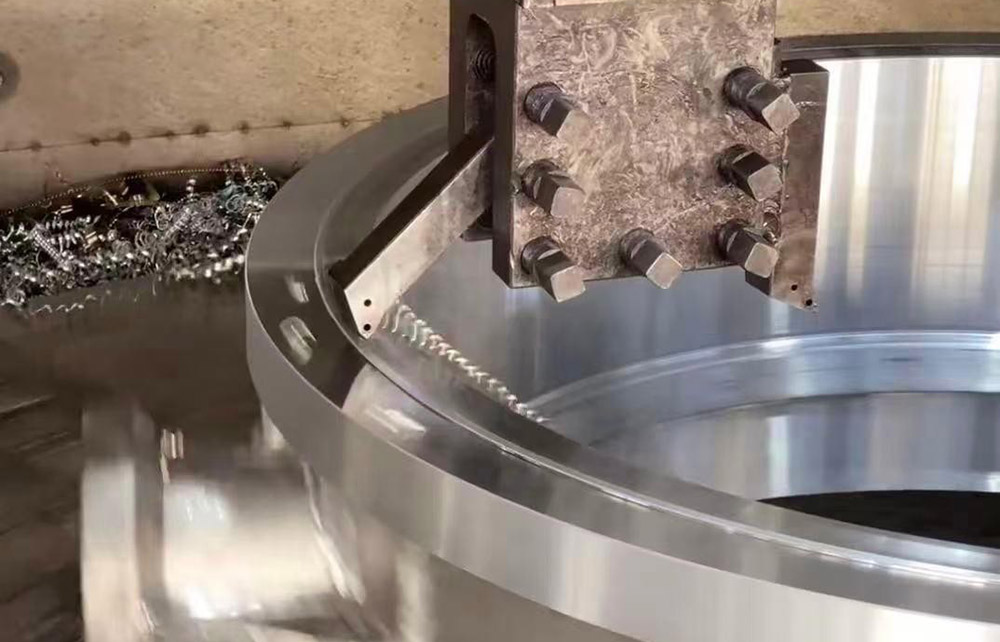
Our specialized R&D department drives continuous product development. Technicians utilize simulation software to predict flow parameters, stress profiles, and potential air binding zones inside the body chamber. Our laboratory provides advanced testing capabilities to scale up mechanical performance across 20 series and over 500 varieties.
The production department defines precise manufacturing schedules based on target deployment times. Utilizing over 30 advanced production assets, including automatic lathes and welding stations, we keep physical inventories updated monthly to support emergency plant operations and bulk distribution.
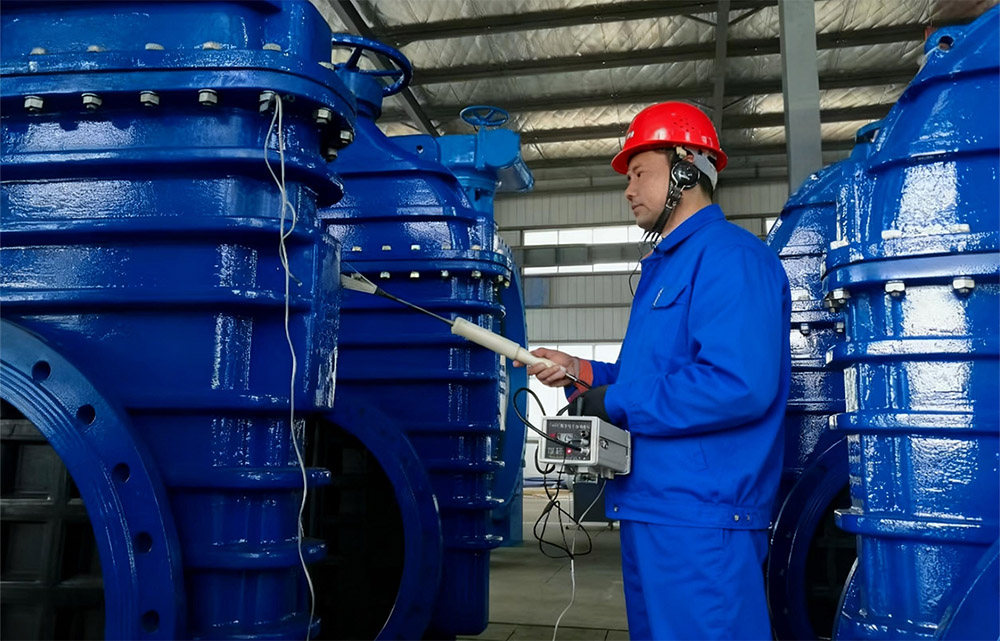
Our quality control unit executes a 100% inspection program on physical dimensions, casting finishes, seal integrity, and pressure tolerance. Every single product undergoes shell pressure and seat leakage testing in strict adherence to ISO and MSS standards before receiving approval for packaging.
How Modern Infrastructure Demands Smart, Corrosion-Resistant Valve Technologies
Depending on the geographic region and project type, air valves must deal with highly specific localized conditions:
The global flow control industry is undergoing rapid technological transitions. To maintain a competitive stance, manufacturers must adapt to three rising trends:
1. Material Advancements & Corrosion Protection: FBE (Fusion Bonded Epoxy) powder coating has become standard for water infrastructure. Internal components are transitioning to composite synthetics, high-grade PTFE, and bronze alloys to prevent galvanic corrosion and ensure decades of reliable service.
2. Smart Pipeline Monitoring: Modern municipal networks are incorporating pressure and air volume sensors directly into the air valve body to transmit diagnostic telemetry to centralized SCADA systems, preventing unexpected system failures.
3. Energy Conservation and Decarbonization: Minimizing drag coefficient and optimized sealing directly reduces energy losses at pumping stations, aligning with global green energy objectives and reducing lifetime operating expenses.
A Showcase of Our Valves Active in Key Infrastructure Worldwide
Supplied large diameter butterfly valves and check valves to optimize municipal drinking water circulation loops, maintaining low head loss and zero leakage.
Delivered high-performance hydraulic water control valves designed to handle high pressure differentials and transient surges during power generation cycles.
Supplied resilient seat water control valves and air exhaust systems engineered for biological sewage treatment systems with high solid levels.
Supplied high-pressure WCB gate valves and heavy-duty steel body ball valves capable of maintaining reliable performance in extremely low temperatures.
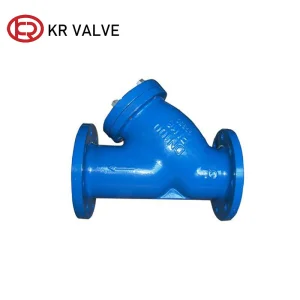
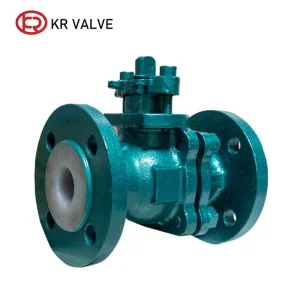
Manufactured a specialized suite of corrosion-resistant, PTFE-lined ball valves and stainless steel strainers to process acidic waste flows.
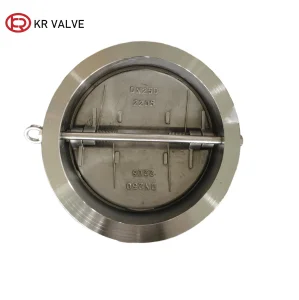
Provided dual-plate wafer check valves and resilient gate valves to control and prevent the backflow of industrial sludge.
In-Depth Answers to Critical Questions Facing Water and Process Engineering Professionals
 KR VAVLE