In high-pressure fluid dynamic pipelines, entrapped air poses a massive silent threat. As leading OEM/ODM manufacturers, KR Valve Group designs advanced double-port and single-orifice air release valves to mitigate surges, prevent water hammer, and guarantee dynamic balance.
Entrained air within pressurized water transmission pipelines inevitably aggregates at local high points, leading to a myriad of structural and operational inefficiencies. These localized air pockets constrict the effective cross-sectional flow area, introducing frictional head losses, reducing pump output efficiency, and significantly accelerating pipeline corrosion. More critically, transient events such as rapid pump start-ups or sudden valve closures can compress these entrapped air pockets, causing severe pressure surges (water hammer) or vacuum-induced structural buckling. To protect critical water treatment, municipal supply, and dam infrastructure, deploying engineered Air Release Valves (ARV) is not an option—it is a fundamental engineering necessity.
At KR Valve Group, we leverage over two decades of design, casting, assembly, and quality validation experience to manufacture standard and non-standard automatic air valves that perform flawlessly under extreme pressure dynamics. Operating with international standards (such as AWWA C512, EN 1074-4, and DIN), our industrial pipeline solutions protect structural integrity across municipal, agricultural, desalination, and petrochemical systems worldwide.
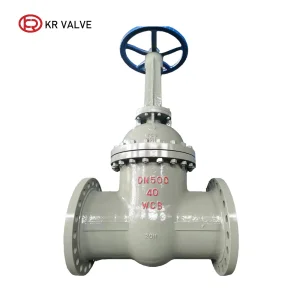
Explore our selection of heavy-duty gate, butterfly, control, and air evacuation valves configured for optimal system protection.
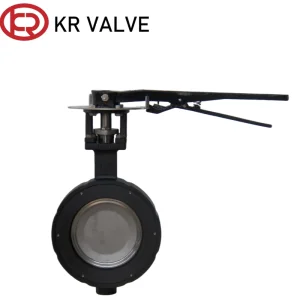
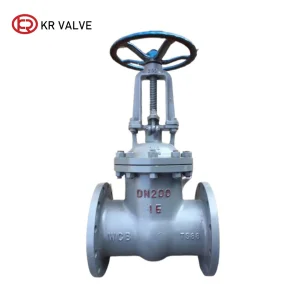
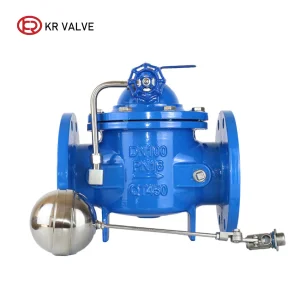
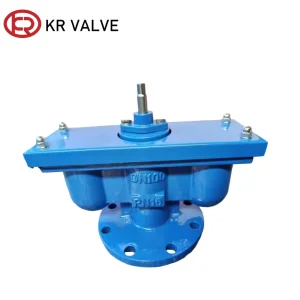
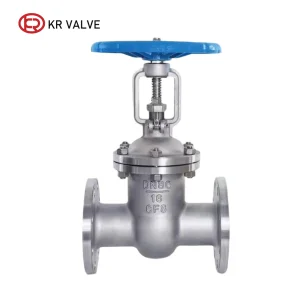
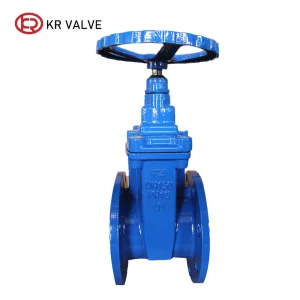
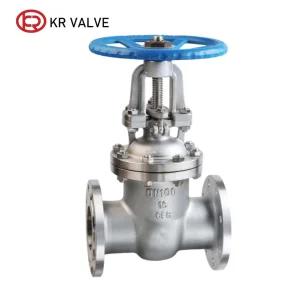
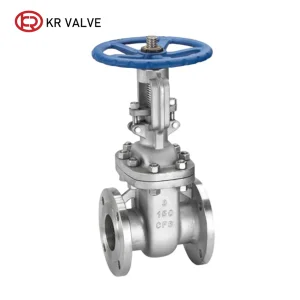
An in-depth look at air behavior inside liquid pipelines and the mechanical science behind dual-orifice, kinetic, and automatic air valves.
To fully understand the critical role of an Air Release Valve (ARV), one must examine the dynamic phase transformations of air in water systems. Air enters pipelines in several ways: it is dissolved in raw water at atmospheric conditions (accounting for roughly 2% of volume), entrained during pump starting or filling sequences, or sucked in during sudden pressure drops via vacuum breakers. As pressurized fluid moves through shifting elevations, Bernoulli's principle governs changes in localized pressure. When the pressure drops or the temperature increases, dissolved air transitions out of solution, forming micro-bubbles that migrate to elevated crests along the pipeline layout.
A well-engineered air release system must perform three distinct operations to counter this phenomena:
KR Valve Group designs and manufactures these complex internal configurations utilizing corrosion-resistant, high-strength internals. Our double-port air evacuation models are engineered to prevent premature closing during high-velocity air venting (a common design failure in cheap air valves), utilizing precise aerodynamic float configurations and calculated fluid dynamics.
Our stainless steel floats (SS304/SS316) are engineered to resist deformation under high pressure and utilize an aerodynamic shape that prevents premature closure during high-velocity air exhaust cycles.
We use premium EPDM and NBR compounds to form a perfect bubble-tight seal at pressures as low as 0.2 bar, minimizing leakage during typical low-head startup sequences.
Optional surge-damping attachments prevent violent closures during column re-association, providing structural damping that protects brittle PVC, GRP, and steel lines.
Why choosing a dedicated Chinese manufacturing partner like KR Valve Group guarantees competitive lead times, superior quality controls, and unmatched custom engineering capabilities.
Global industrial supply chain volatility has highlighted the necessity of partnering with manufacturers that maintain vertical control over production. Located in China’s premier industrial valve manufacturing cluster, KR Valve Group manages a fully integrated supply chain from raw casting sourcing to state-of-the-art precision machining, coating, assembly, and testing. This close proximity to localized steel mills, precision foundry units, and expert shipping infrastructure allows us to mitigate logistics delays and stabilize raw material costs.
Our facility houses 15 advanced CNC machining stations and an optimized assembly line crewed by technicians with over two decades of specialized training. Unlike assembly-only suppliers, we carry out intensive, verified QA programs in-house, checking chemical compositions with spectrometer analyses, performing thickness validation of fusion-bonded epoxy coatings, and executing 100% pressure tests for each batch. This integrated ecosystem ensures that we deliver customized air release solutions to specifications without compromising on quality or production velocity.

Our design team implements modern computational modeling (CFD) to construct internal geometries that maximize flow capacity and prevent cavitation damage.
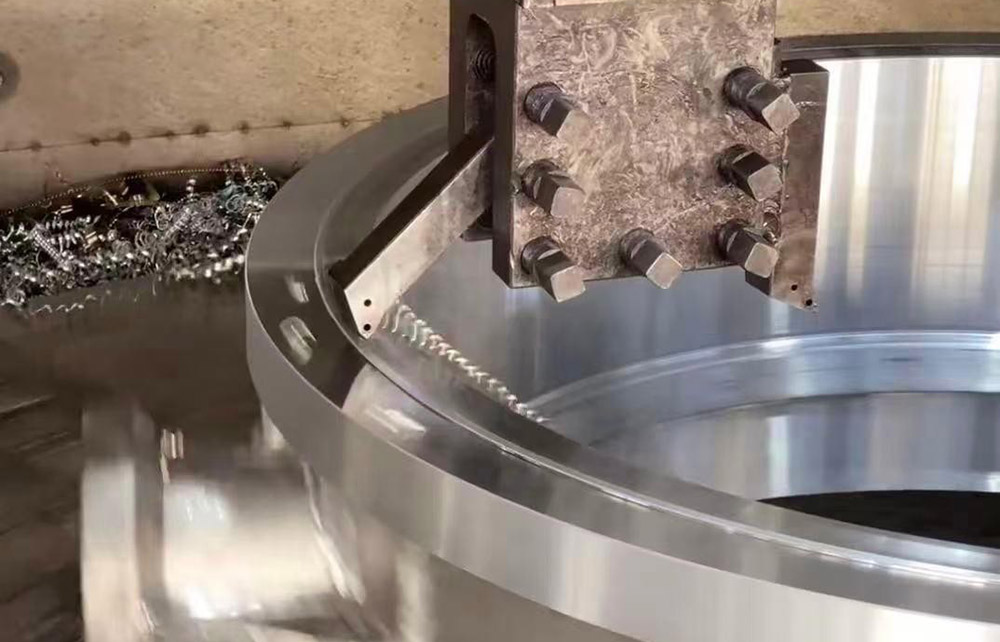
We operate under strict ISO 9001:2015 controls, optimizing workflows to manage an inventory of over 20 series and 500 variants for prompt overseas distribution.
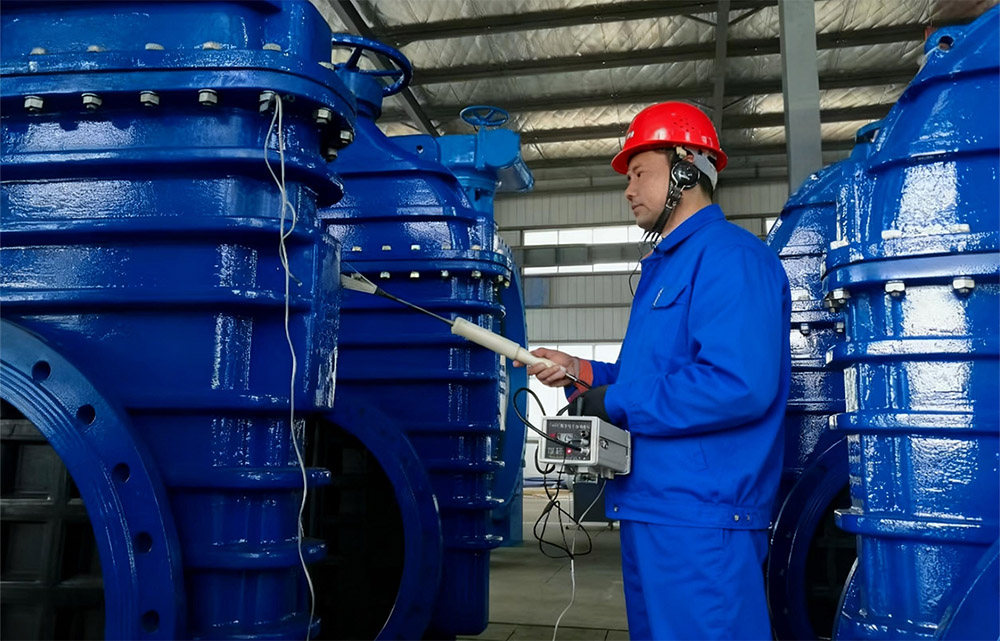
Every air release valve undergo hydrostatic body tests and low-pressure bubble-tight seat verification to ensure performance integrity before dispatch.
From high-elevation lines in Chile to municipal distribution networks in Italy, our products are engineered to function under diverse environments.
Air release valve applications must be carefully calculated based on local environment configurations, water quality, and geographic topographies. For instance, in mountainous region pipelines (such as our supply operations in South America), pipelines navigate extreme changes in elevations, requiring double-port air and vacuum valves with high venting capacity at every peak to prevent line collaspse during fast gravity draining.
In contrast, municipal wastewater systems in tropical urban environments (such as our projects in Southeast Asia) require air release valves designed with extended bodies to isolate sewage sludge from the operating mechanics, preventing solid contamination of the sealing seat. By understanding these localized demands, KR Valve Group matches the material specifications, pressure classes (PN10/PN16/PN25/PN40), and mechanical structures to unique project demands, ensuring reliable operations over long lifespans.
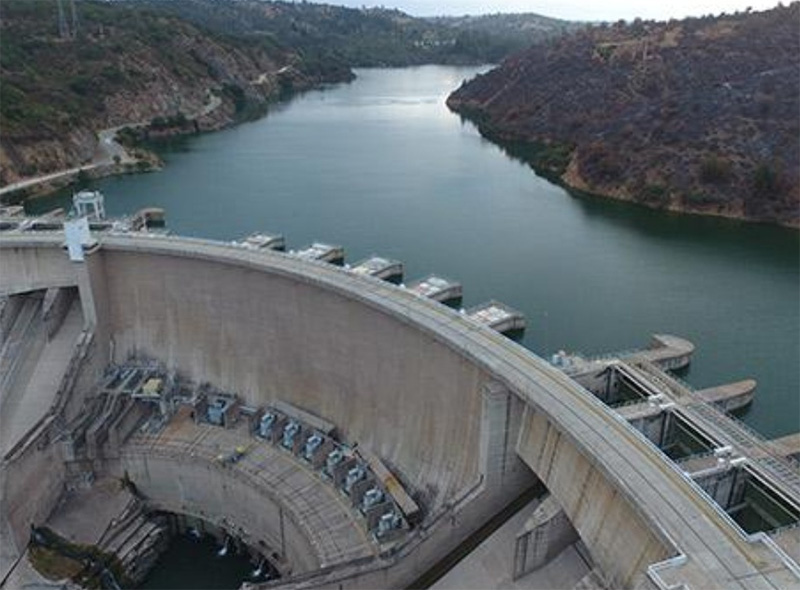
Supplied specialized high-pressure water control valves and kinetic air release systems to manage massive transient flows under steep mountainous elevations.
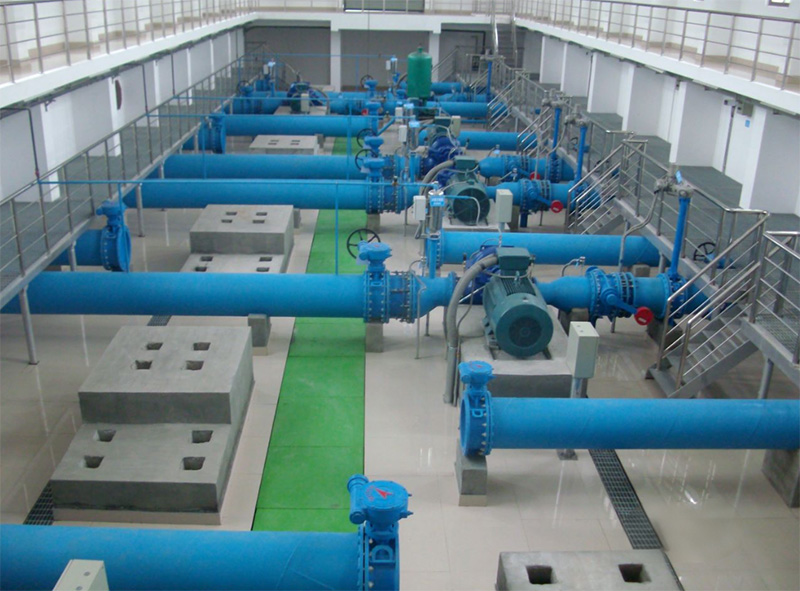
Delivered large-diameter butterfly and resilient seat gate valves configured for urban distribution pipelines, meeting rigorous European compliance standards.
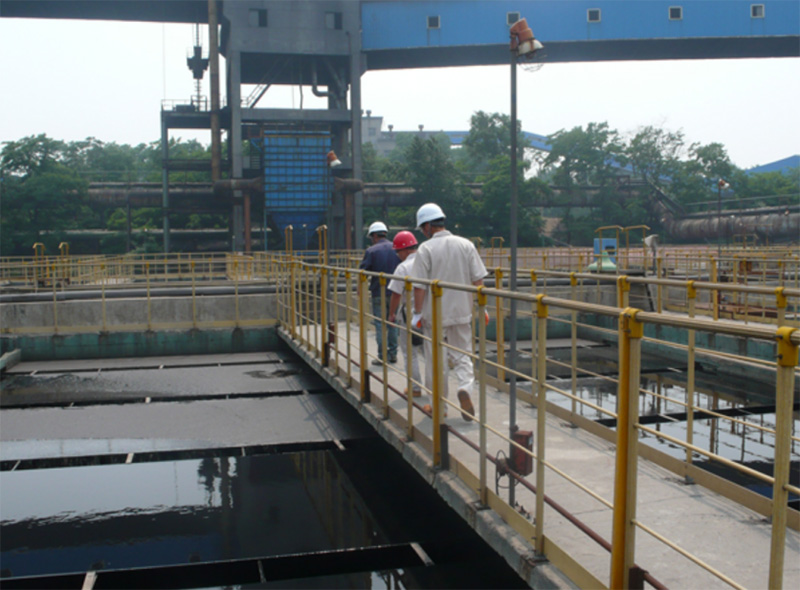
Configured high-durability wastewater control and air release systems engineered to withstand chemical sludge exposure and prevent gas blockages.
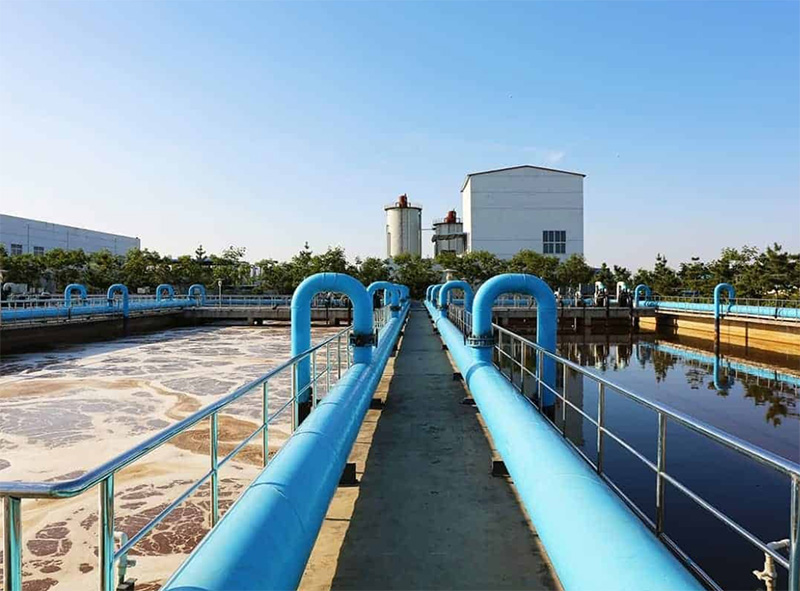
Provided high-performance isolation gate valves and automatic air release solutions to resist media aggregation and optimize pump line outputs.
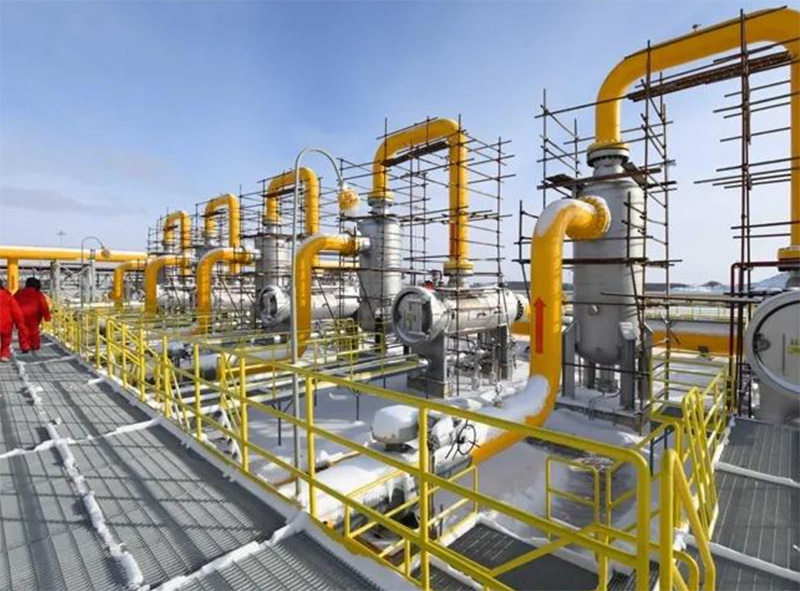
Designed heavy-duty cast steel ball and gate valves engineered to maintain tight sealing under extreme cold-climate pressure drops.
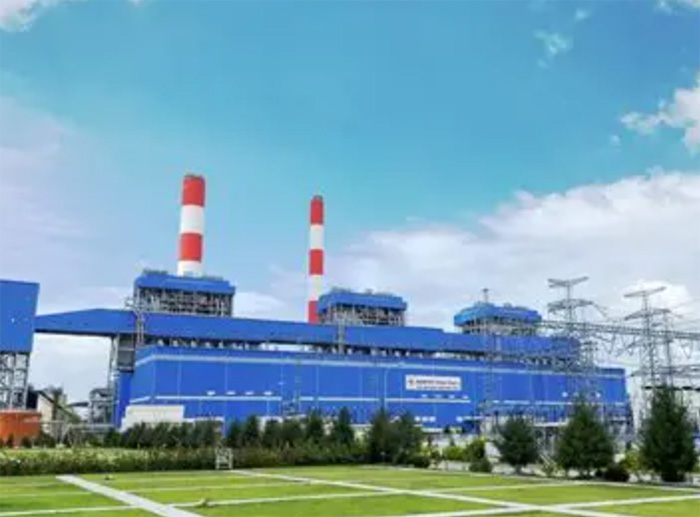
Manufactured and shipped custom polymer-lined and stainless steel gate/ball valves to resist chemical attacks in industrial process lines.
The evolution of pipeline components into smart, data-driven systems optimized for water conservation and low carbon emissions.
As the global water sector prioritizes smart city infrastructures and decarbonization targets, the demands placed on mechanical components have intensified. KR Valve Group is actively investing in next-generation R&D to align our production lines with future-proof standards:
1. Digitalized Transient Monitoring (Smart Air Valves): Traditional air valves function mechanically without transmitting diagnostic data. Our future product roadmap includes integrating high-sensitivity pressure transducers and telemetry modules directly into the valve chamber. This allows municipal operators to capture transient pressure data in real-time, detecting local pocket dynamics before surge events trigger pipeline ruptures.
2. Low-Friction Energy Efficiency: Constricted air zones force booster pumps to draw higher electrical power to sustain velocity targets. By utilizing advanced CFD modeling, we optimize our valve pathways to support clean flow profiles, minimizing localized friction coefficients. This contributes directly to lowered energy footprint requirements for transmission stations.
3. Alternative Alloys & Bio-Safe Polymers: To prevent heavy metal migration into drinking supplies, we are expanding the application of high-durability polymers (such as reinforced glass-fiber polyamides) for valve bodies, and transitioning all internal coatings to drinking water certified, solvent-free epoxy powders (WRAS and NSF/ANSI 61 compliant).
Beyond our air release valves, KR manufactures a wide range of standard-compliant flow control components to secure and regulate pipelines.
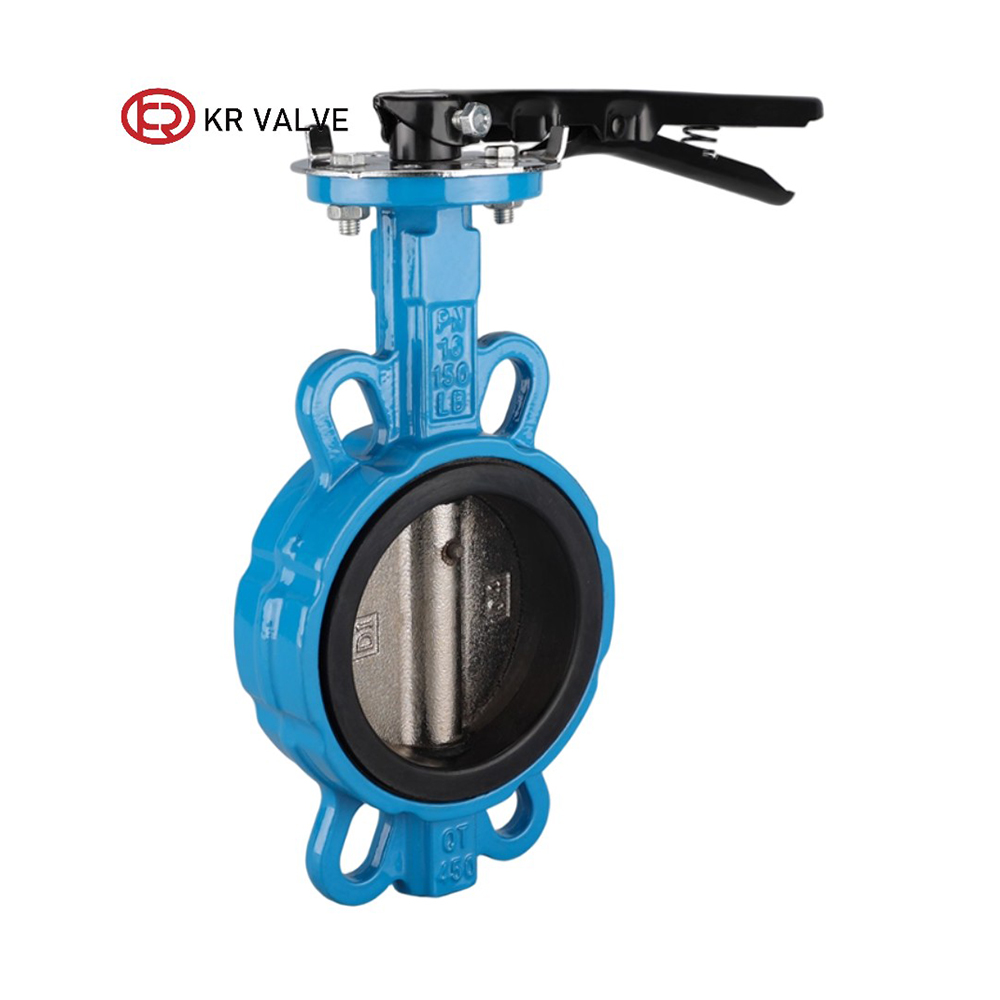
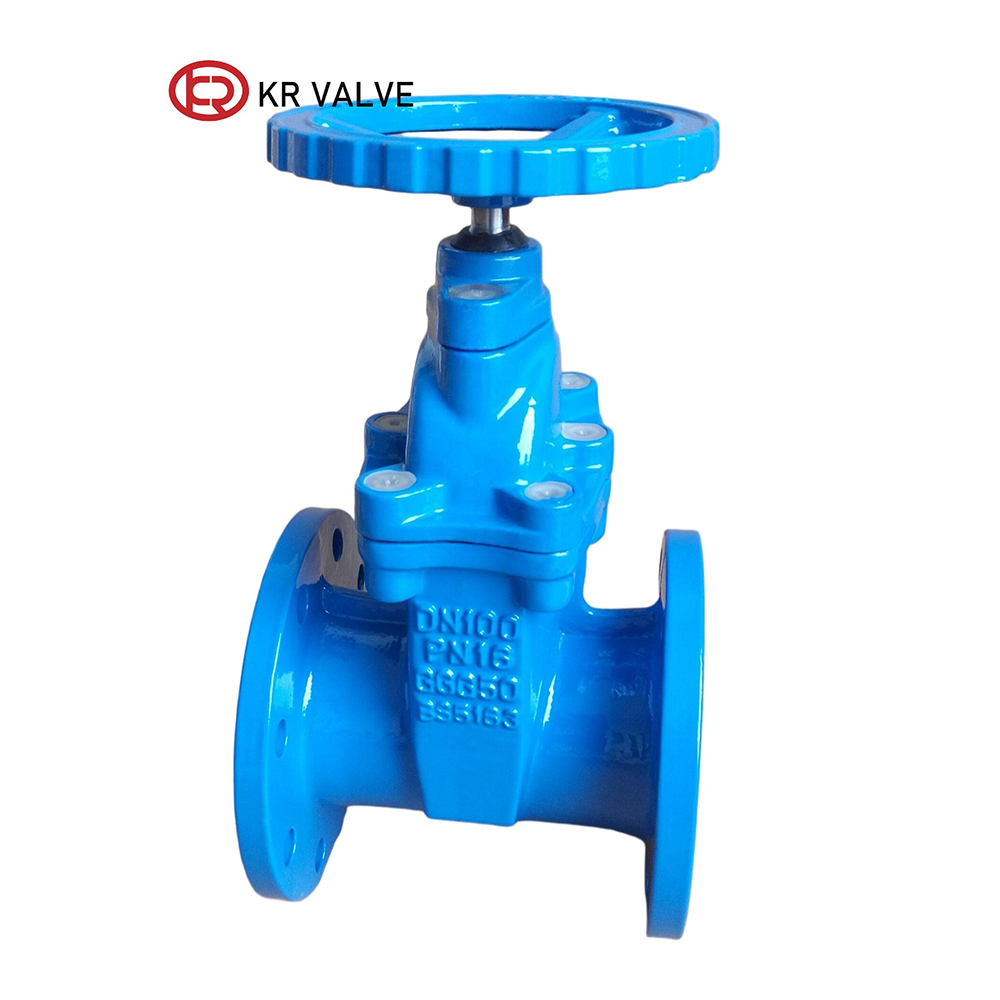
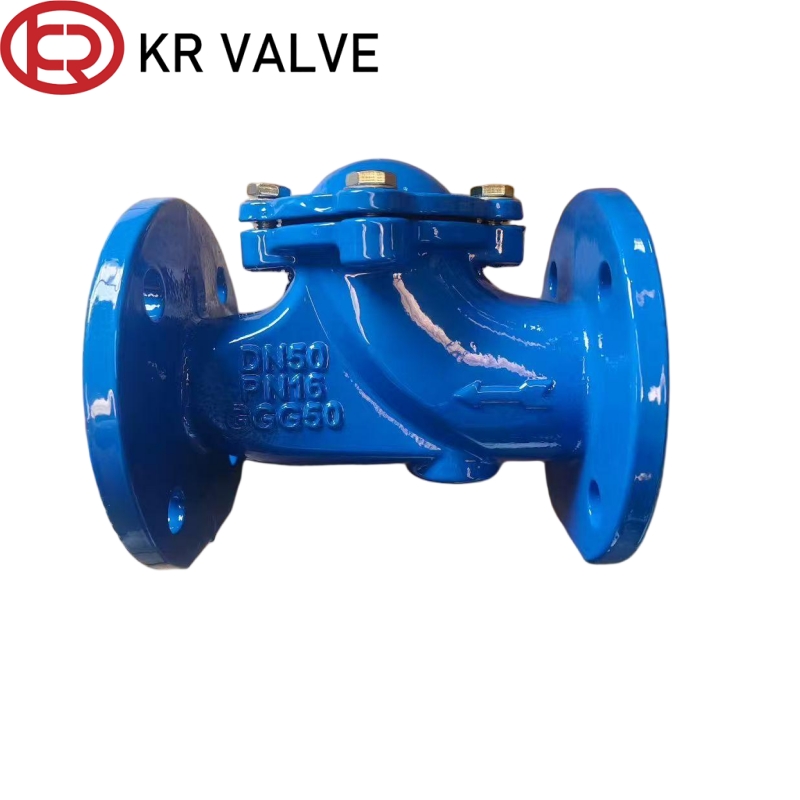
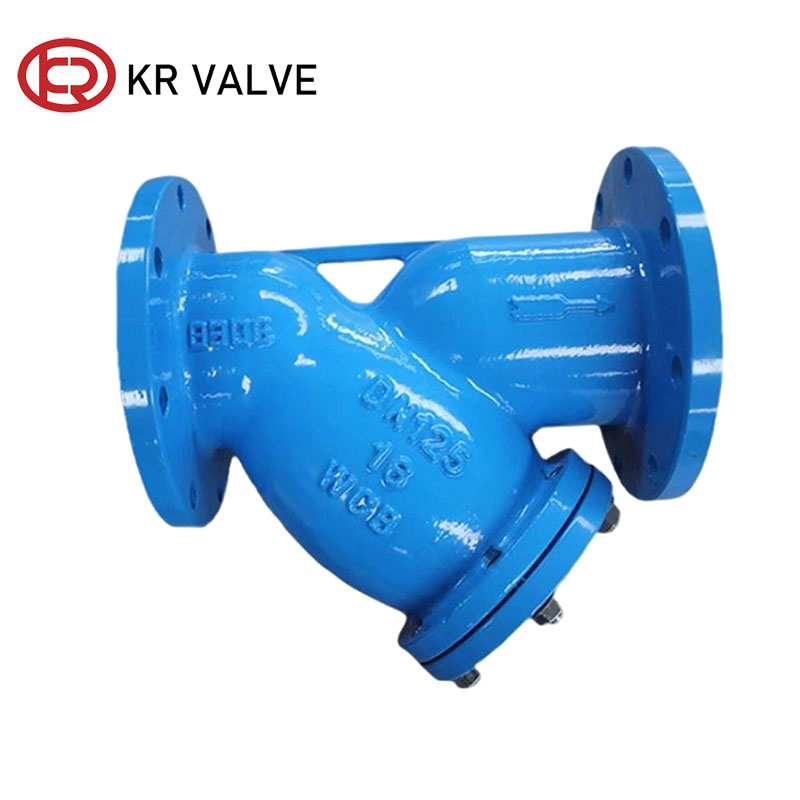
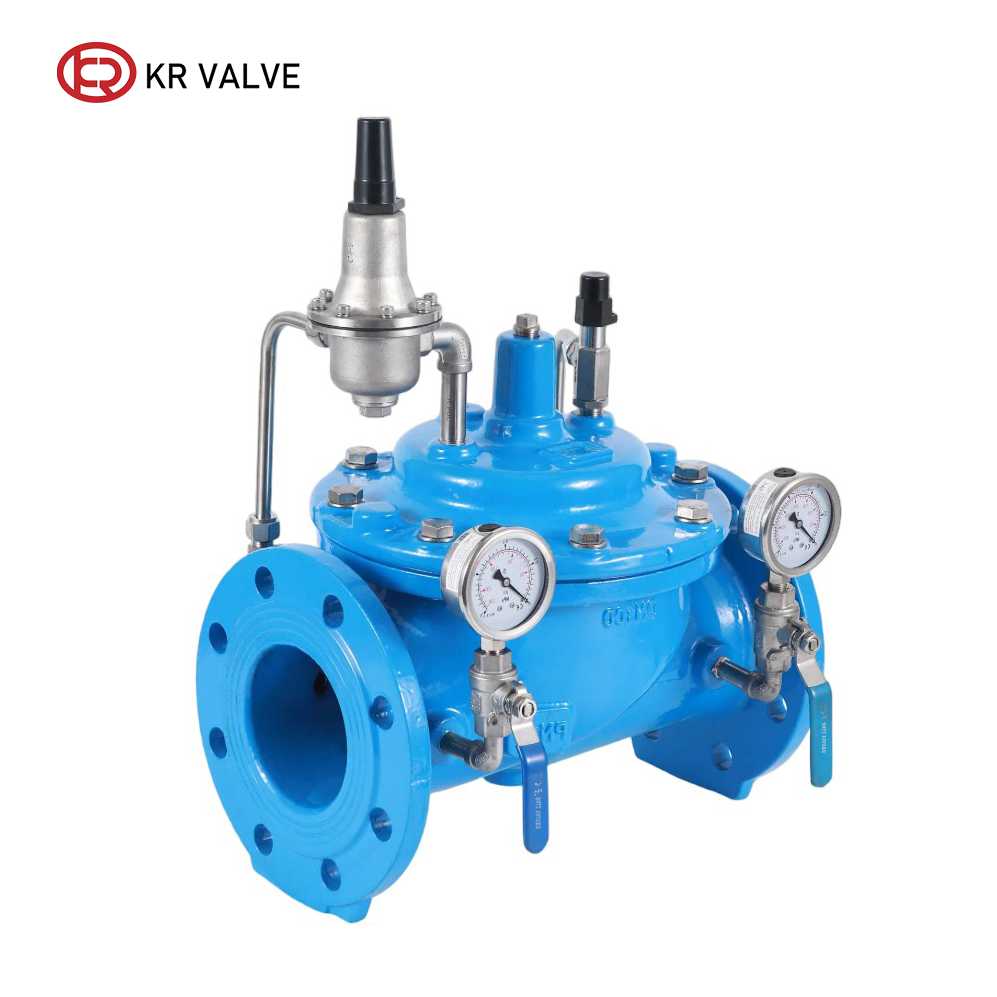
Get professional technical insights regarding sizing, installation locations, material requirements, and compliance standards for air release valves.
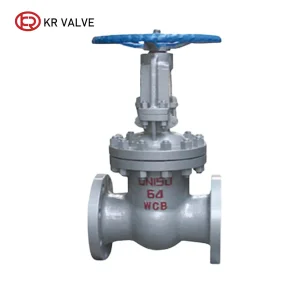
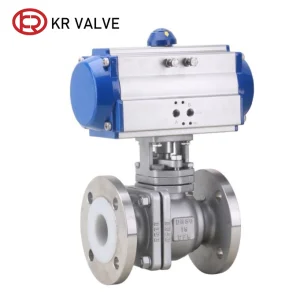
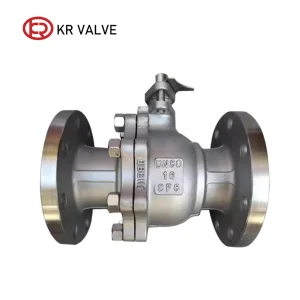
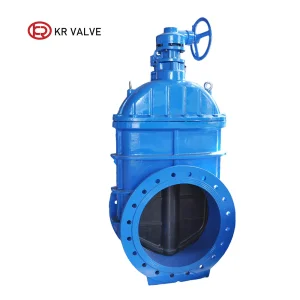
Secure system isolation and fluid regulation with our heavy-duty industrial valves manufactured for high-reliability municipal networks.
 KR VAVLE