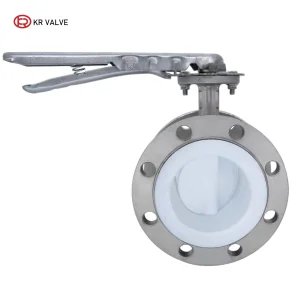
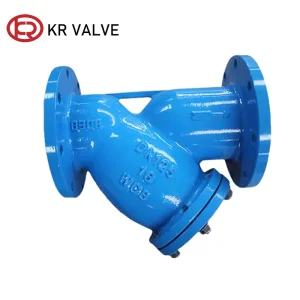
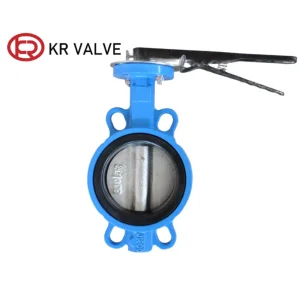
In modern industrial operations, fluid dynamics, and process control systems, the reliability of valve seals determines the performance parameters of entire infrastructures. OEM brass seals, brass seats, and critical components like brass stem nuts play a foundational role in safeguarding systems against leakage, high pressure, and corrosion. Globally, the commercial market for industrial valves and brass sealing assemblies has evolved from standard hardware supply to high-precision, application-engineered components driven by strict international guidelines.
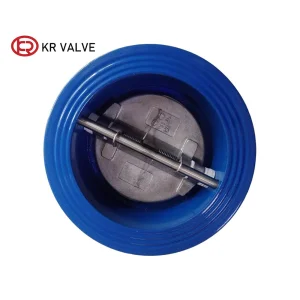
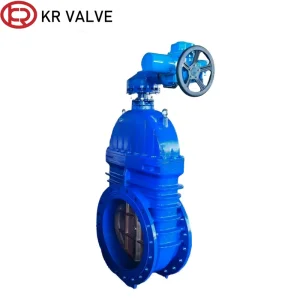
The commercial status of brass seals is inextricably linked to their metallurgical properties. Composed primarily of copper and zinc, brass alloys provide an optimal balance of structural strength, malleability, low friction coefficients, and excellent corrosion resistance. This makes them highly preferred for systems handling potable water, steam, hydrocarbons, and gas lines. According to recent market analysis, global industrial valve manufacturing is shifting toward smarter, safer, and more durable configurations. Within this context, the demand for brass components—such as brass-seated gate valves and wafer check valves with brass trims—is expanding rapidly in municipal water management, HVAC systems, and marine plumbing networks.
On a global scale, procurement specialists require manufacturers to offer comprehensive traceability and quality control documentation. This is where modern Chinese factories, backed by decades of infrastructural expansion, are setting new standards. OEM service providers must now exhibit deep metallurgical expertise, testing the chemical composition of raw materials to ensure they resist dezincification (DZR) and stress corrosion cracking in aggressive fluid environments.
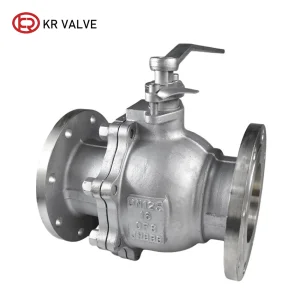
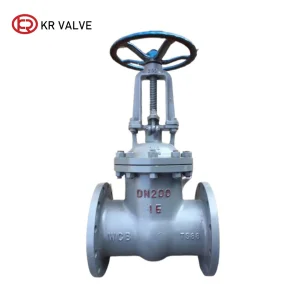
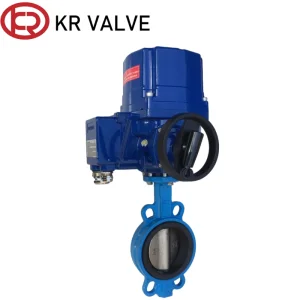
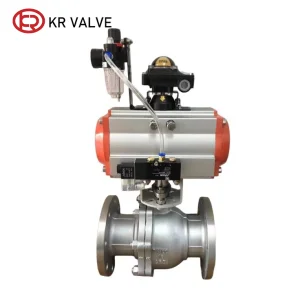
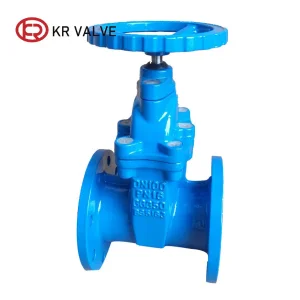
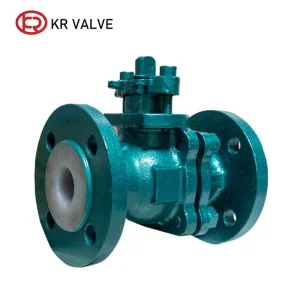
KR Valve Group has more than 20 years of experience in producing standard and non-standard valves of various types. We supply a wide selection of over 500 valve products, including butterfly valves, gate valves, check valves, water control valves, as well as all their matching and accessory products.
These products have applications in various industries such as water treatment, dam construction, commercial buildings, energy and heating, chemical engineering, etc. We have won high repeat purchase rates from customers with excellent product variety and quality. Beyond product excellence, we are dedicated to creating a mutually beneficial partnership with every customer.
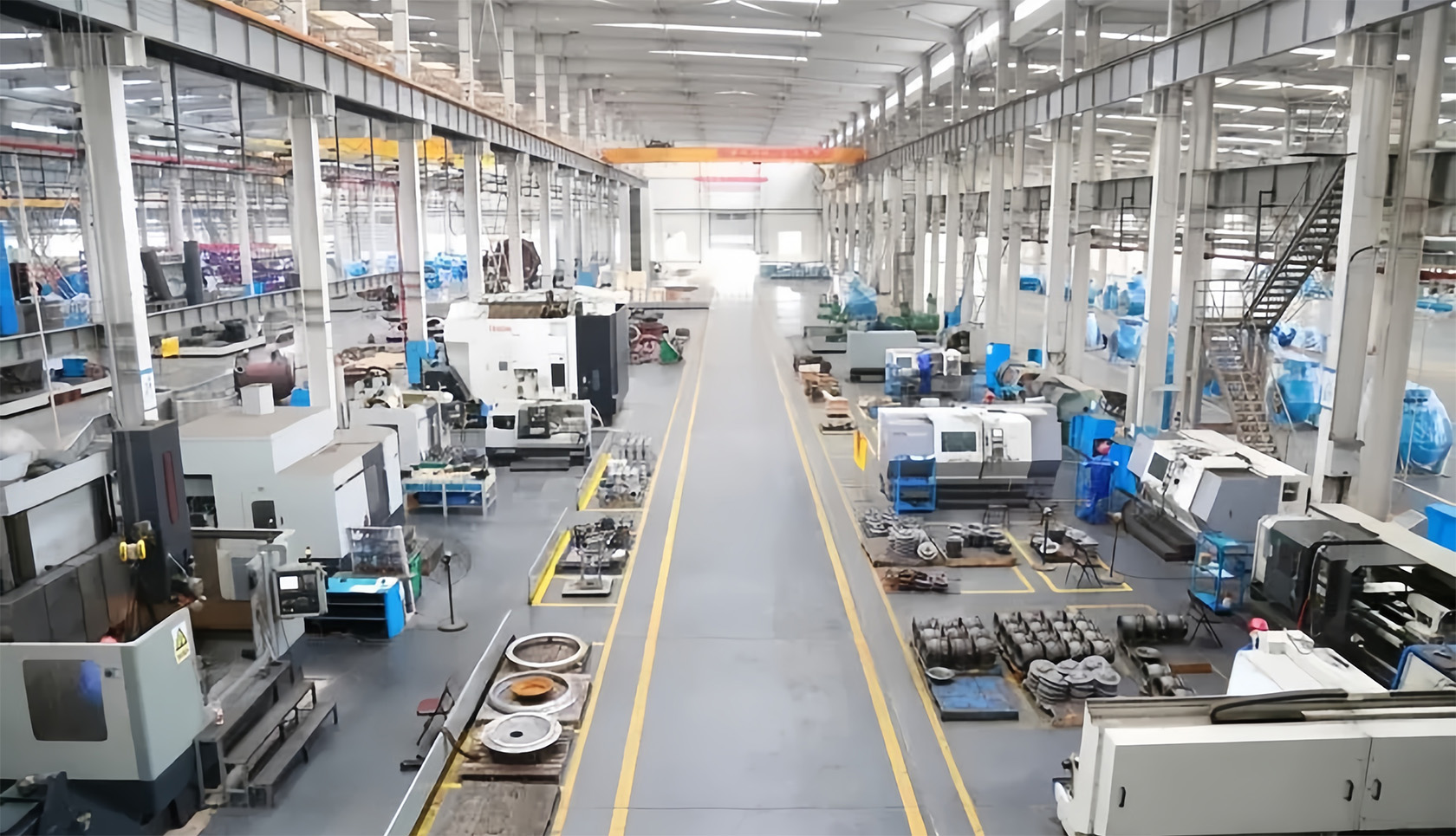
Why are global enterprises increasingly turning to Chinese factories for their OEM brass seal requirements? The answer lies in the combination of scale, supply chain integration, and precision engineering. Modern manufacturing plants in China have transitioned from labor-intensive assembly lines to state-of-the-art CNC machining and smart fabrication hubs.
Firstly, China's domestic supply chain for copper alloys is highly integrated. This ensures immediate access to certified, high-grade brass bars and ingots. Forging shops, heat-treatment facilities, and advanced machining workshops are clustered geographically, minimizing transit times and reducing manufacturing overheads. This vertical integration allows factories to offer exceptionally competitive pricing without compromising raw material specifications.
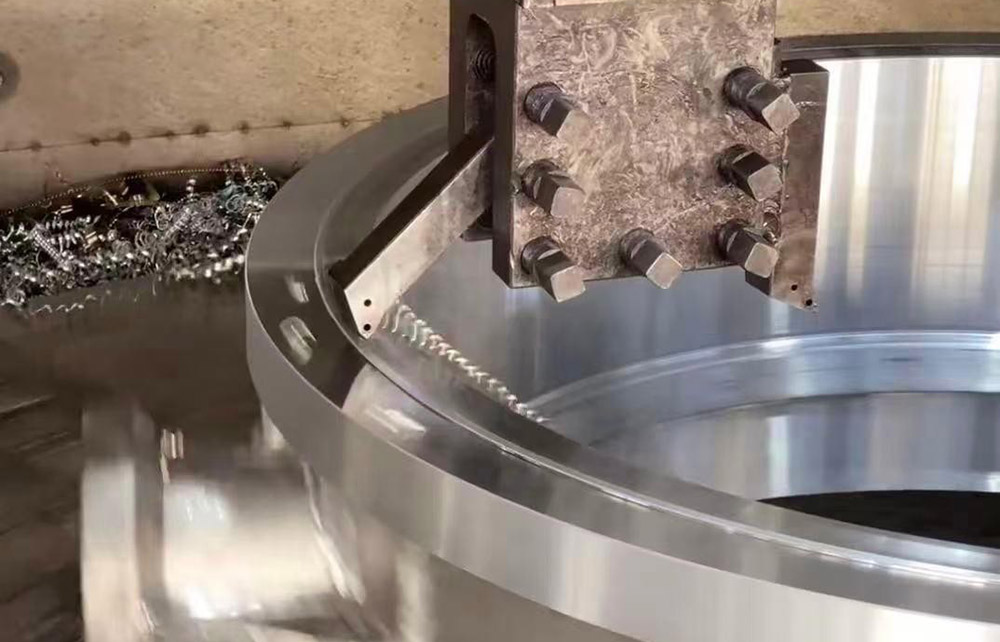
Secondly, the introduction of high-end CNC centers, automated hot-forging machines, and robotic inspection arms allows for high-precision manufacturing at scale. When crafting brass stem nuts for gate valves or soft-seal seats for butterfly valves, tolerances must be kept within microns to prevent leakage under high-pressure scenarios. Through advanced tooling, OEM manufacturers can run high-volume production cycles while ensuring each component conforms precisely to design parameters, satisfying standards such as DIN, BS, ANSI, and JIS.
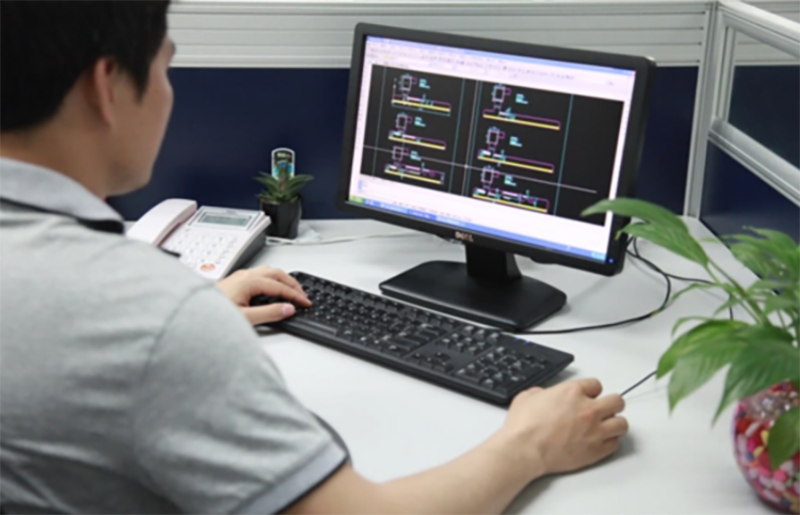
Moreover, the speed of product development is unmatched. Using 3D computer-aided design (CAD) modeling, finite element analysis (FEA), and rapid prototyping, Chinese factories can transform a customer's custom engineering drawing into a production-ready mold within days. This speed is critical for global contractors executing large-scale municipal or energy projects with strict timelines.
Our R&D department ensures continuous product design and innovation. Our technicians develop products that meet customer and market requirements, leveraging modern testing labs to elevate product performance. We currently manage 20 series and over 500 varieties.
Products are manufactured under strict supervision in accordance with the ISO-9001 quality management system. With over 30 production equipment and monthly inventory updates, we ensure timely delivery to meet customer expectations.
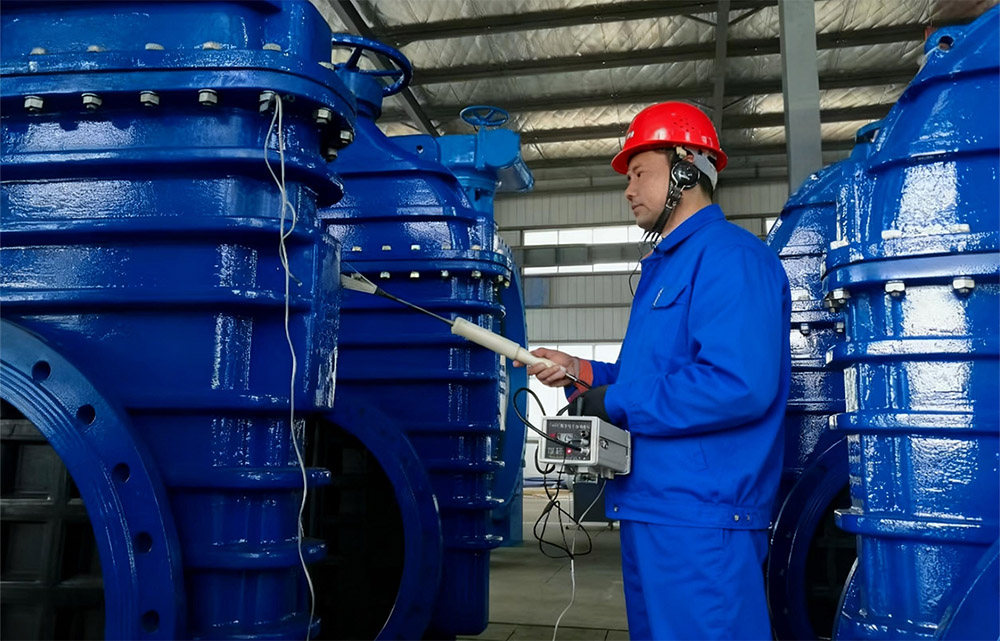
Our inspection department performs comprehensive quality testing. "Zero leakage" is our absolute principle. In compliance with international standards, we execute a series of tests on appearance, dimensions, pressure ratings, and issue official reports.
Industrial valve systems operate in diverse environmental conditions. Standard catalog products often fall short of satisfying regional engineering parameters or specific local municipal criteria. Customized OEM brass seals and accessories resolve these design challenges across several localized applications:
We offer our independent brand "KR" and provide custom OEM services. We have established long-term cooperative partnerships with renowned global brands.
Our facility is equipped with 15 advanced machining machines and multiple assembly lines. Our production crew consists of seasoned, highly skilled operators.
With 20 series and over 500 varieties, we supply standard and non-standard customized products conforming to ANSI, DIN, BS, and JIS.
We monitor the production process of every component, inspecting raw materials, castings, machining tolerances, and assembly alignment.
By managing production in-house, we control costs, minimize waste, and pass savings directly to our buyers.
We offer technical guidance, catalog consulting, material selection analysis, and post-installation support.
The industrial valve and sealing market is undergoing structural shifts driven by environmental legislation, smart infrastructure integration, and materials engineering.
First, the transition to lead-free brass alloys is reshaping global manufacturing. In Europe and North America, strict drinking water regulations (e.g., NSF/ANSI 61 and the European Drinking Water Directive) require copper alloys in contact with potable water to contain virtually no lead. OEM factories are actively adjusting their processes to machine silicon-brass or bismuth-brass alloys. These lead-free materials require optimized tooling and advanced machining speeds to maintain the structural integrity of seals and stems.
Second, the integration of automation requires more durable sealing systems. Electrically and pneumatically actuated butterfly and gate valves operate with higher rotational torques. Consequently, brass stems and seats must withstand higher shear stress. Innovations in heat treatment, dry lubricants, and metal-to-metal seating technologies help reduce friction, prolonging system life cycles.
Third, smart water systems and automated grids rely on sensors that monitor pressure, temperature, and leakage in real time. Future valve assemblies will feature integrated sensor ports embedded in the brass housing, allowing automated monitoring systems to detect early signs of seal wear before system failures occur.
Our valve products are utilized in water treatment systems, dam construction, municipal water pipelines, food processing plants, gas distribution infrastructure, and heavy industrial facilities globally.

Supplied custom hydraulic water control valves designed to withstand high pressure differentials and sediment-heavy water conditions.
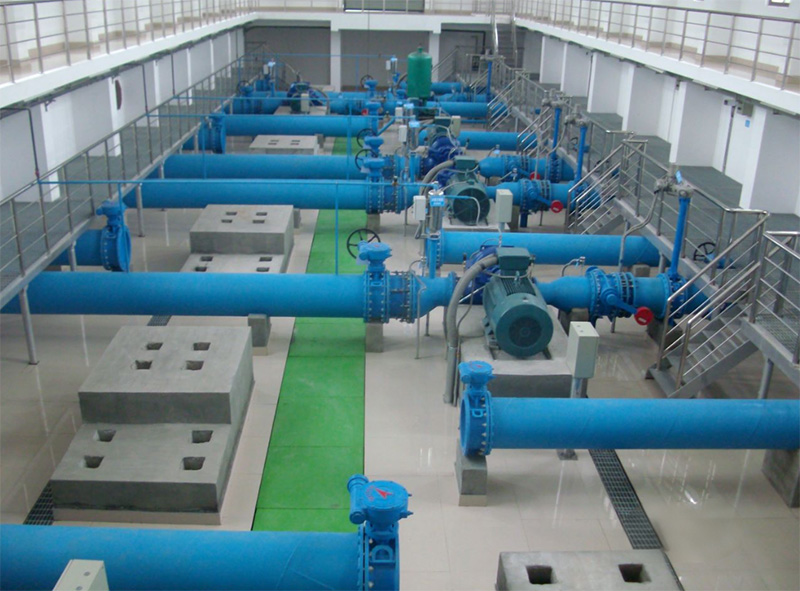
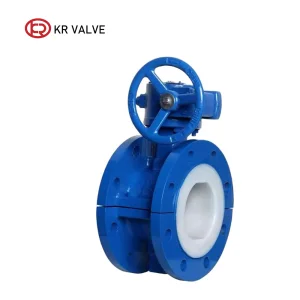
Provided large-diameter double-eccentric butterfly valves and check valves to upgrade Rome's city supply system.
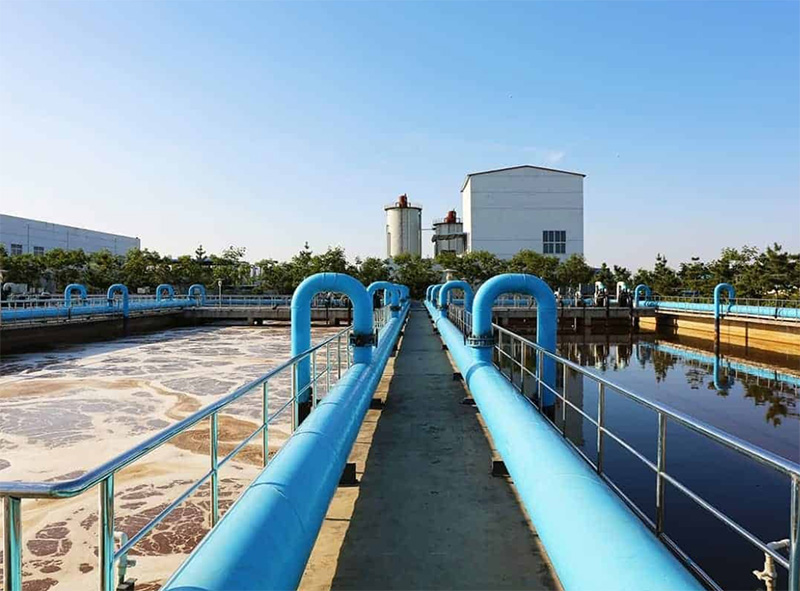
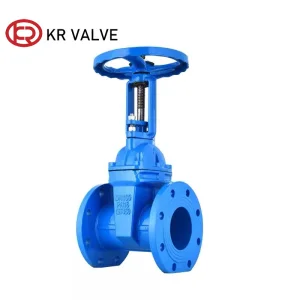
Supplied resilient seated gate valves and butterfly valves equipped with heavy-duty corrosion-resistant rubber coatings.
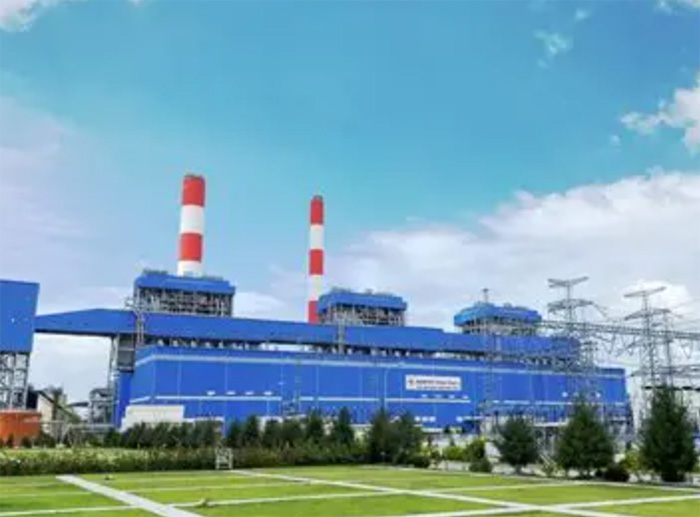
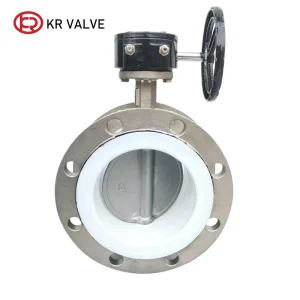
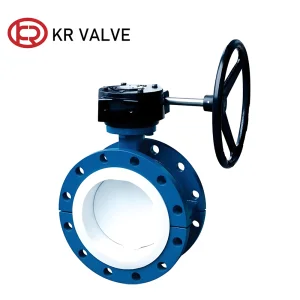
Delivered custom full PTFE-lined split body butterfly valves and ball check valves for handling acidic wastewater.
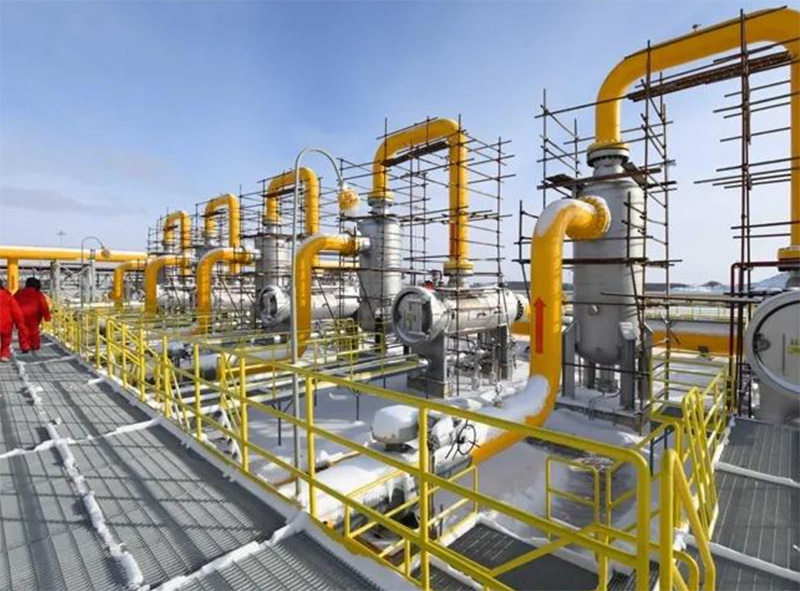
Manufactured low-temperature resistant cast steel ball valves and gate valves matching regional petroleum piping designs.
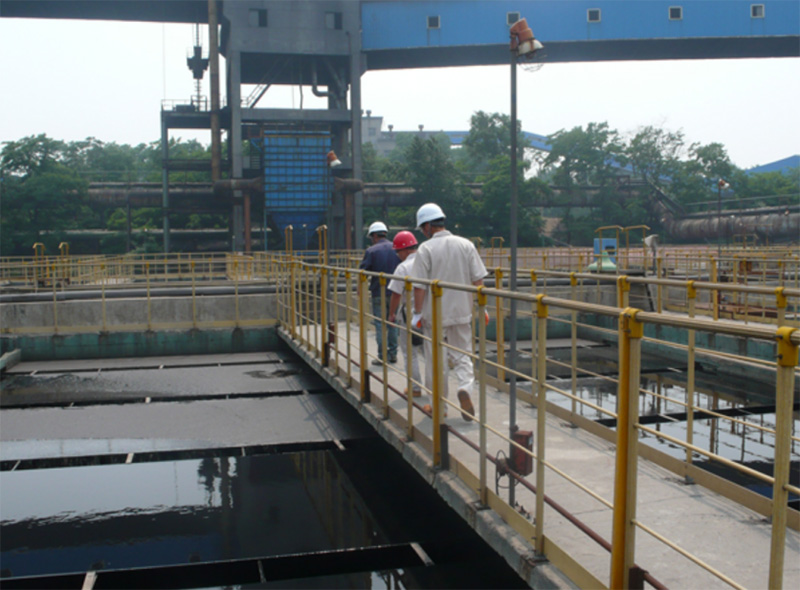
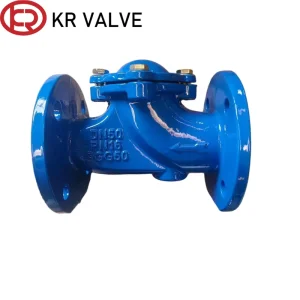
Supplied robust water control valves and non-return ball check valves to guarantee one-way flow with zero structural back-leakage.
Global procurement teams, whether serving EPC contractors in Europe or utility managers in South America, prioritize risk mitigation when sourcing valves and sealing elements. Sourcing brass seals involves evaluating more than just raw piece prices; it requires checking the manufacturer’s technical compliance, delivery consistency, and quality systems.
Technical compliance forms the foundation of modern procurement. Standard certifications like ISO 9001 for quality management, CE/PED for pressure vessels, and regional potable water approvals like WRAS (UK), DVGW (Germany), or NSF (USA) are critical requirements. Sourcing partners must ensure their OEM suppliers provide mill test reports and material analysis sheets that list chemical elements down to the thousandths of a percent. This transparency ensures that components like brass seats, disc rings, and stem nuts will not crack or corrode under stress.
Equally important is a supplier's capacity to manage logistics and lead times. A delay in the delivery of key gate valves can stall a multimillion-dollar municipal water installation, leading to contract penalties. Competent OEM manufacturers establish clear scheduling plans, maintain buffer stocks of key raw metals, and perform automated testing to ensure shipments are dispatched on schedule.
Get in touch with our engineering team today to request a quote, analyze custom material options, or schedule a technical review.
Request a Technical Quote KR VAVLE