 KR VAVLE
1 / 2
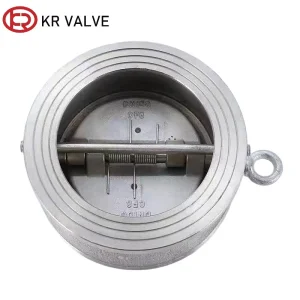
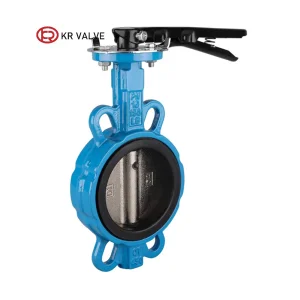
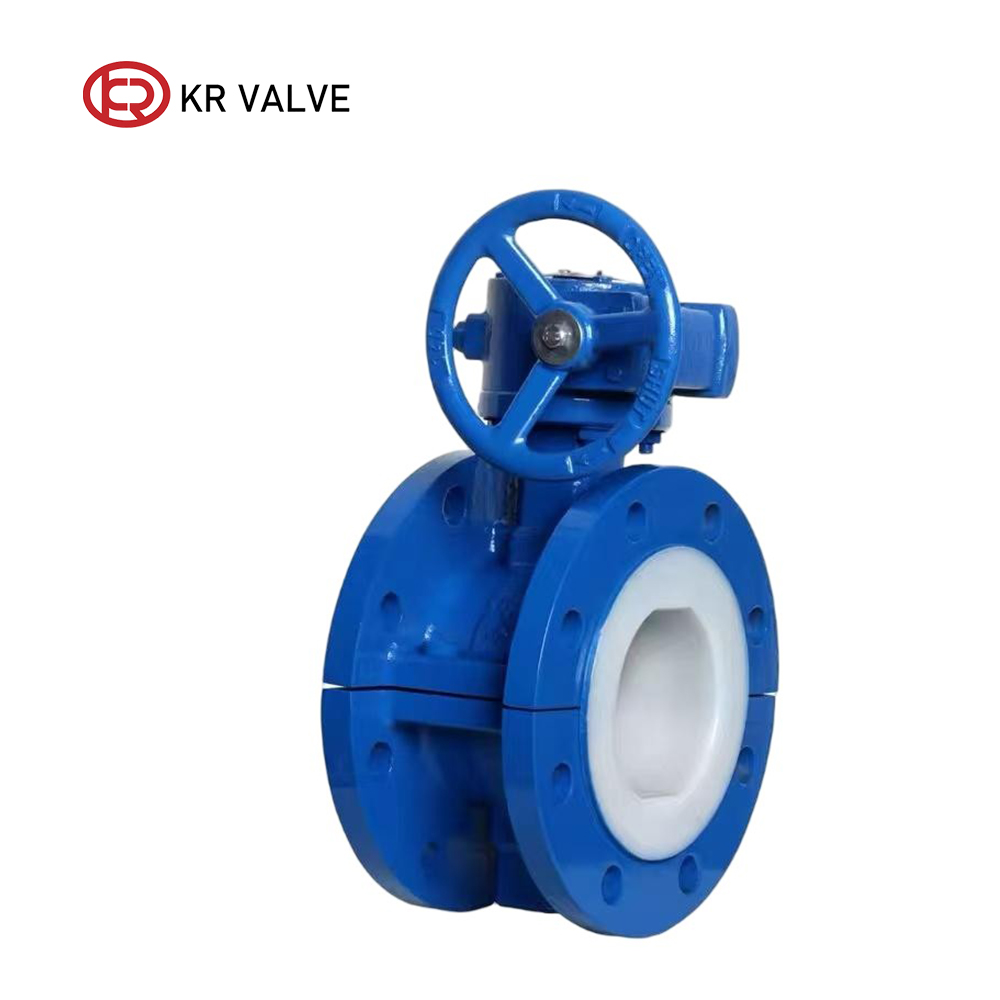
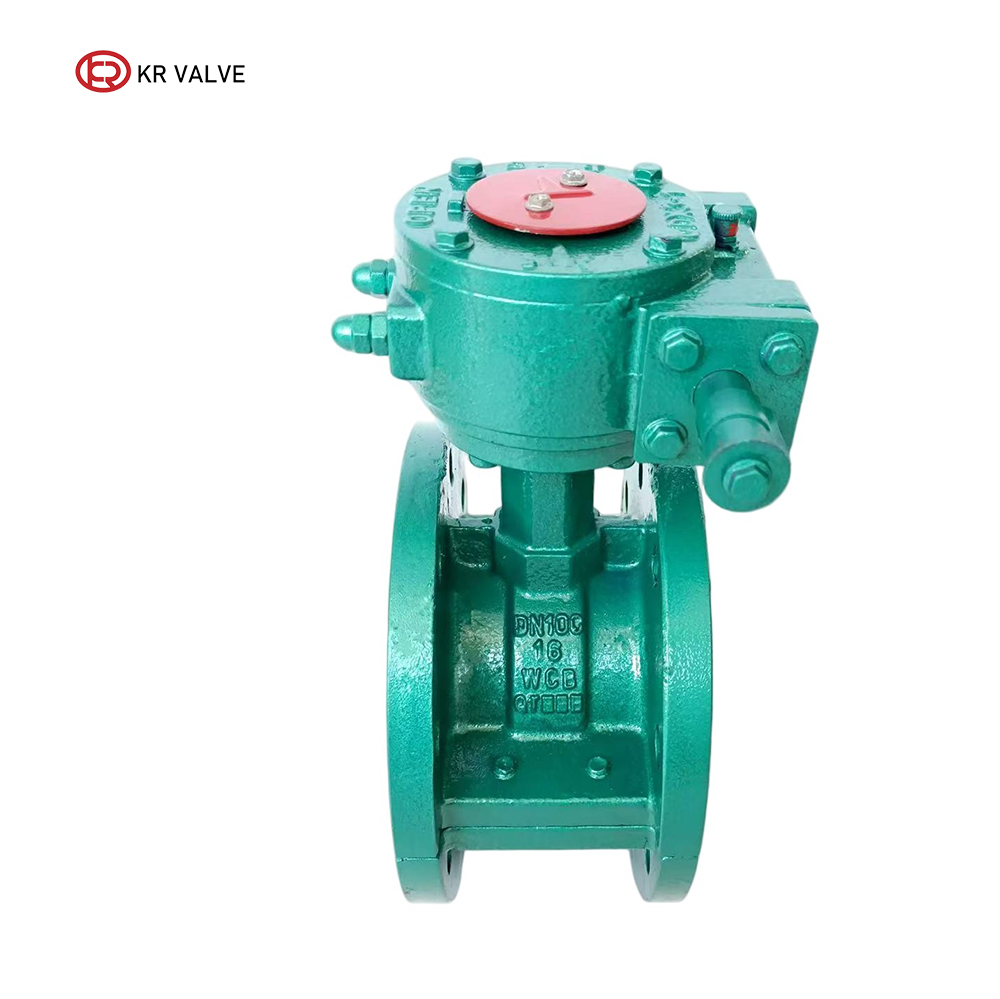
| Valve Type: | Flange butterfly valve | Structure: | Concentric |
| Standard: | EN593 | Workmanship: | Investment casting |
| Sealing Direction: | Bidirectional | Sealing Grade: | Zero leakage |
| Temperature: | -20°C < T < 120°C | Operation: | Handle / Lever |
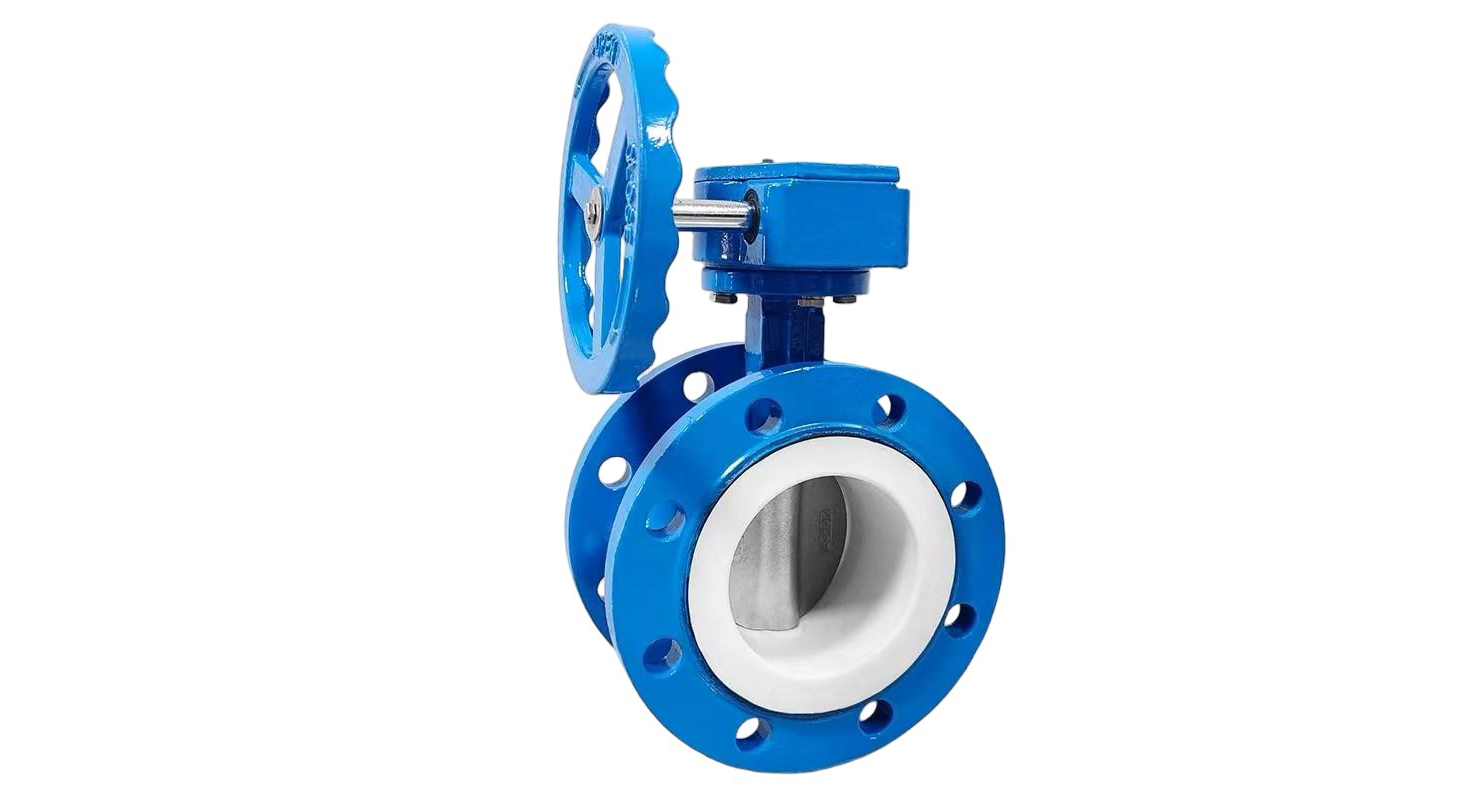
The inner cavity of the valve body, the sealing groove of the disassembly surface, and the flange sealing surface are all coated with PTFE (or reinforced FEP) lining as a whole, with a thickness of 2–3mm. The lining is formed by compression molding and sintering process, and is firmly combined with the metal valve body without bubbles or delamination defects. It can completely isolate corrosive media such as strong acids, strong alkalis, and organic solvents from contact with carbon steel/stainless steel valve bodies, eliminating the risk of corrosion and leakage.
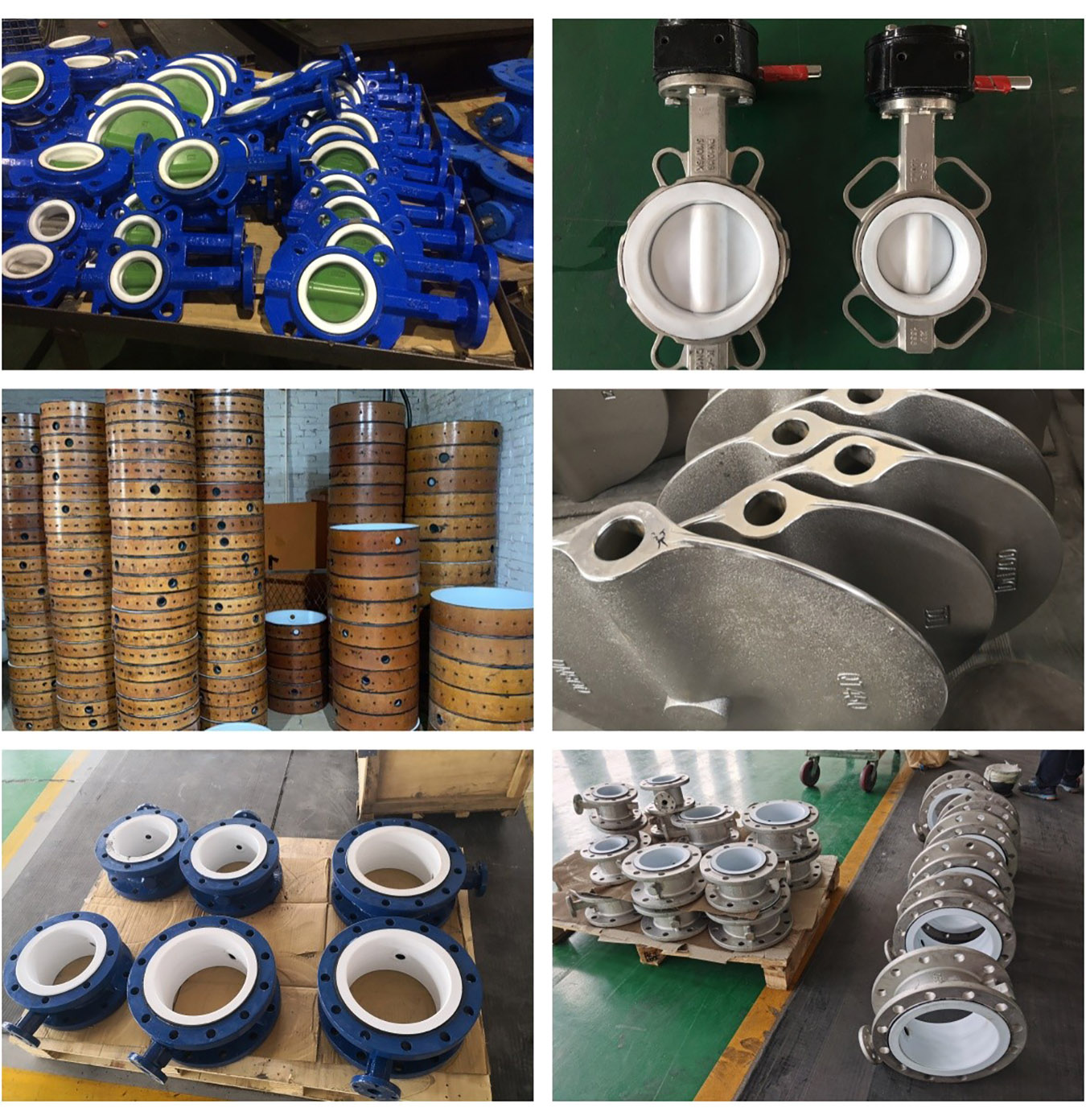
The valve body material can be selected from carbon steel (WCB) and stainless steel (304/316), and the lining can be made of PTFE, FEP, nitrile rubber and other materials according to the characteristics of the medium. The PTFE lining version can withstand most corrosive media, and the wear-resistant modified lining version can cope with slurry media containing solid particles.
The valve stem adopts an integrated forging process and is connected to the valve plate without a pin, avoiding the risk of loosening in traditional pin connections. It can withstand more than 100,000 opening and closing cycles without failure. Low opening and closing torque, labor-saving manual operation, and fast response speed when paired with pneumatic/electric actuators.
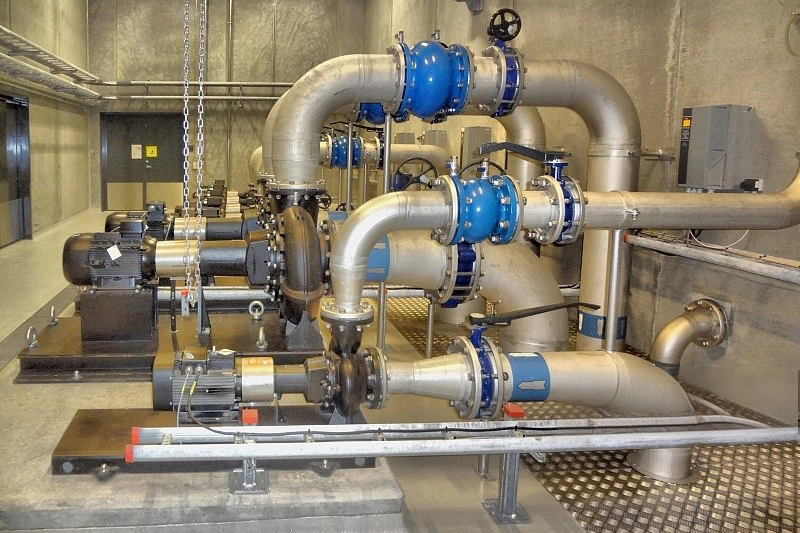
Widely used in the power industry for boiler steam pipelines and circulating water systems in thermal power plants, withstanding high temperature and high pressure conditions, as well as transportation pipelines for crude oil and refined oil in petrochemicals, and non-corrosive medium reaction devices in refineries.