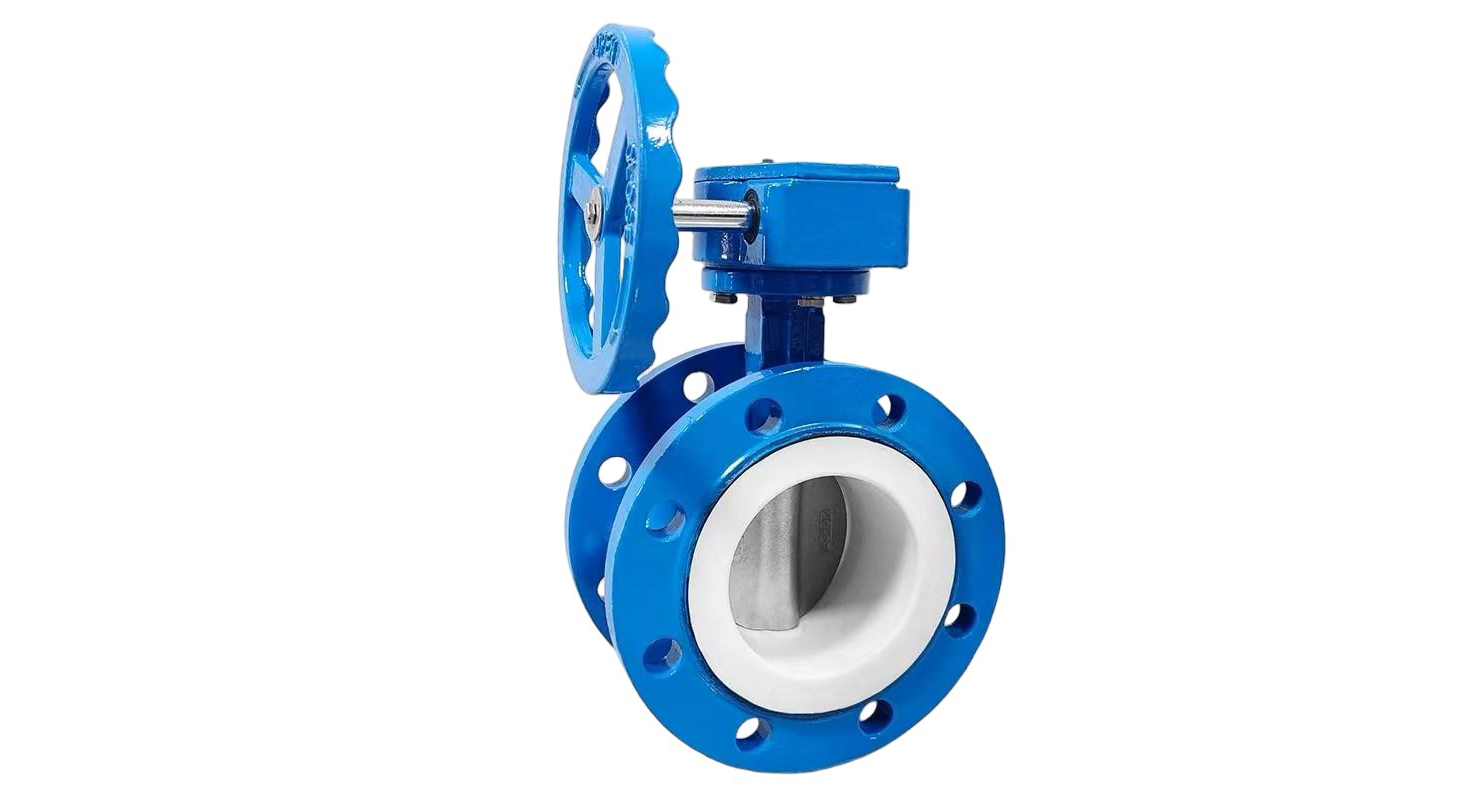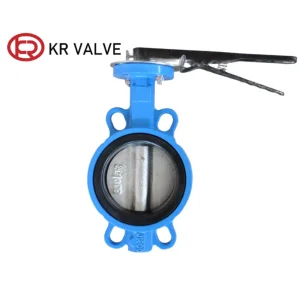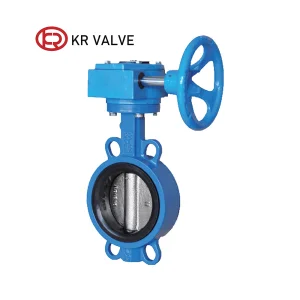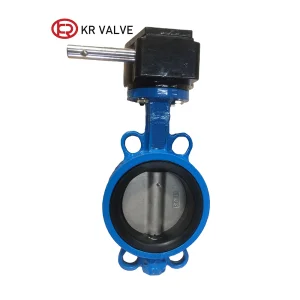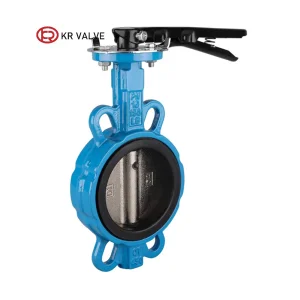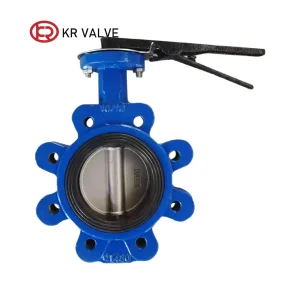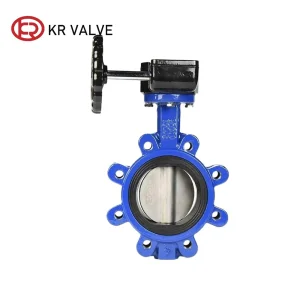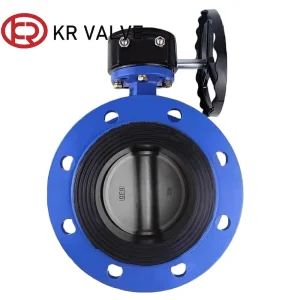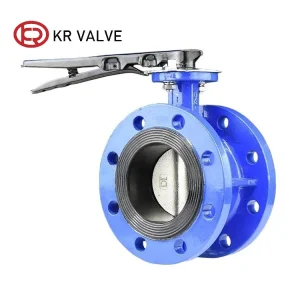
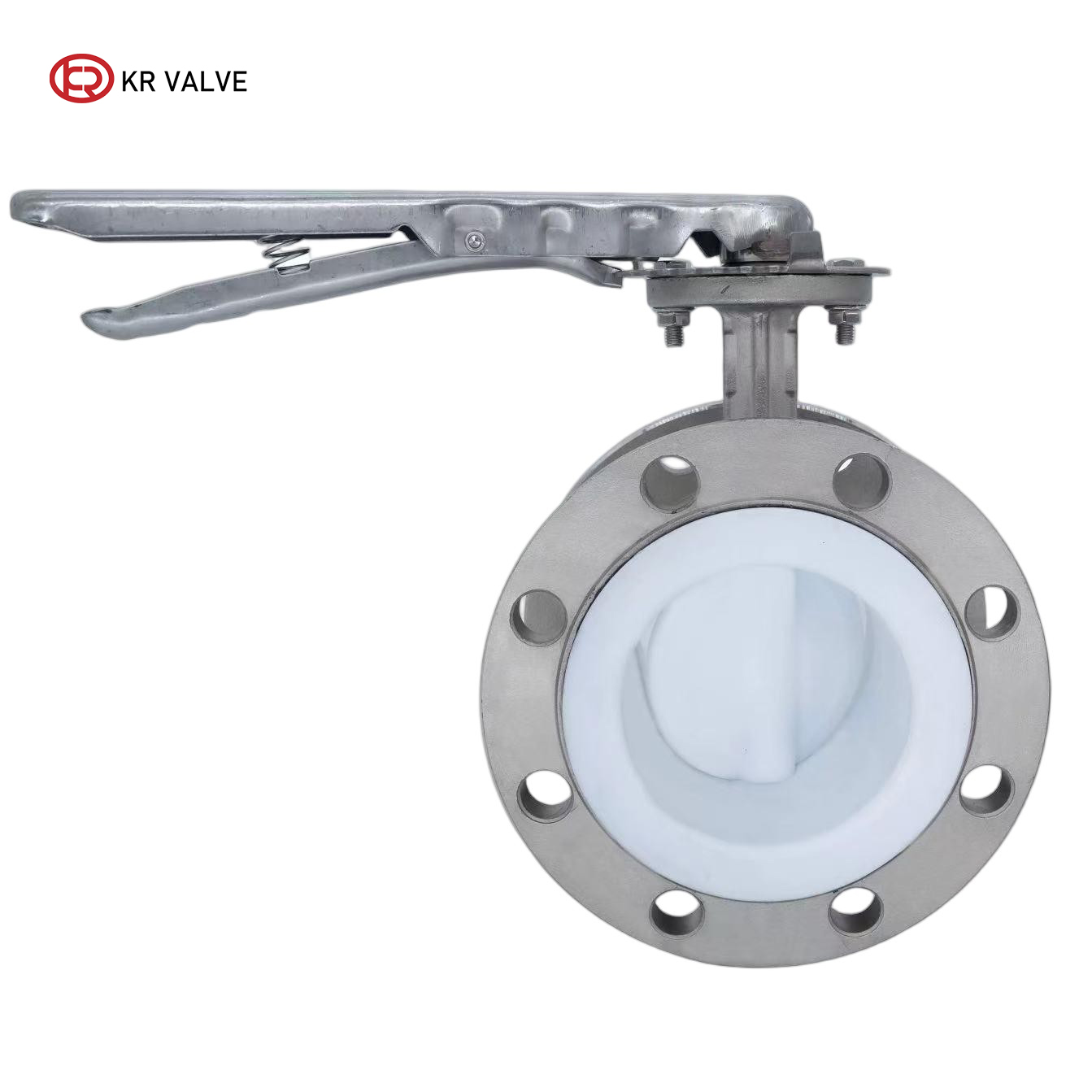
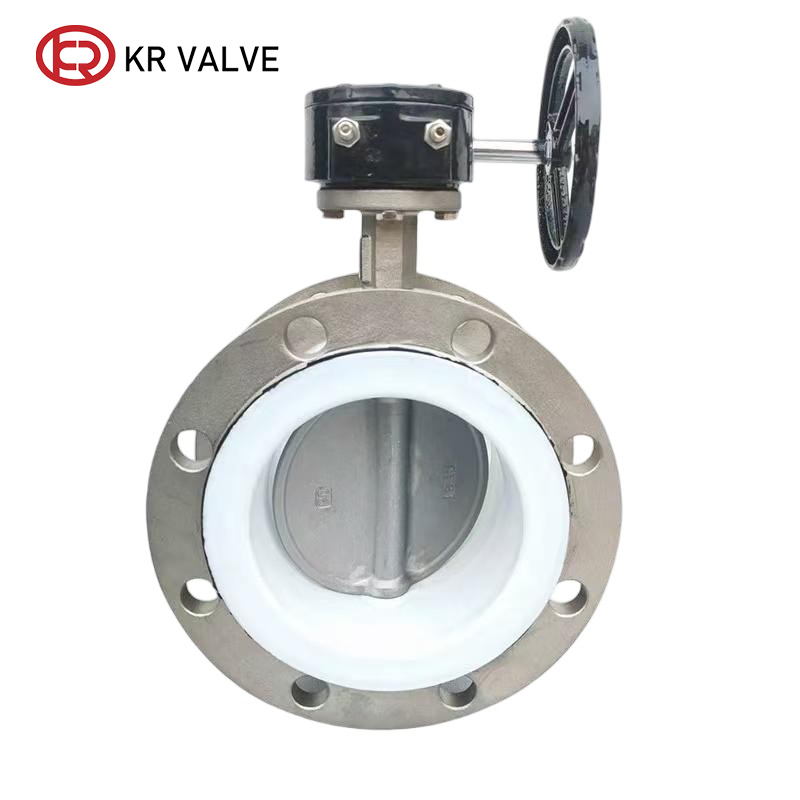
Custom Full PTFE lined flange butterfly valve CF8 body Supplier, Manufacturer

Type: Concentric Resilient Seated

Series: D41F

Size: DN40-DN2000/2”-80”

Pressure rating: PN6/PN10/PN16/5K/10K/150LB

Design standard: EN 593

Service: OEM&ODM

The combination of stainless steel and PTFE enables the valve to withstand the erosion of various highly corrosive media, making it suitable for handling corrosive liquids or gases such as acids, alkalis, salts, etc.

Product Description

📋 Product Specifications
Valve Type Flange butterfly valve Structure Concentric
Standard EN593 Workmanship Investment casting
Sealing Direction Bidirectional Sealing Grade Zero leakage
Temperature -20°C < T < 120°C Operation Handle/Lever
🛡️ Thick Shell

Heavy-type construction for durability.

♻️ High Purity Rubber

Superior wear resistance.

💧 Zero Leakage

Meets strict sealing standards.

📦 In Stock

Various sizes ready for shipment.

Flange Butterfly Valve Detail
Characteristics & Advantages

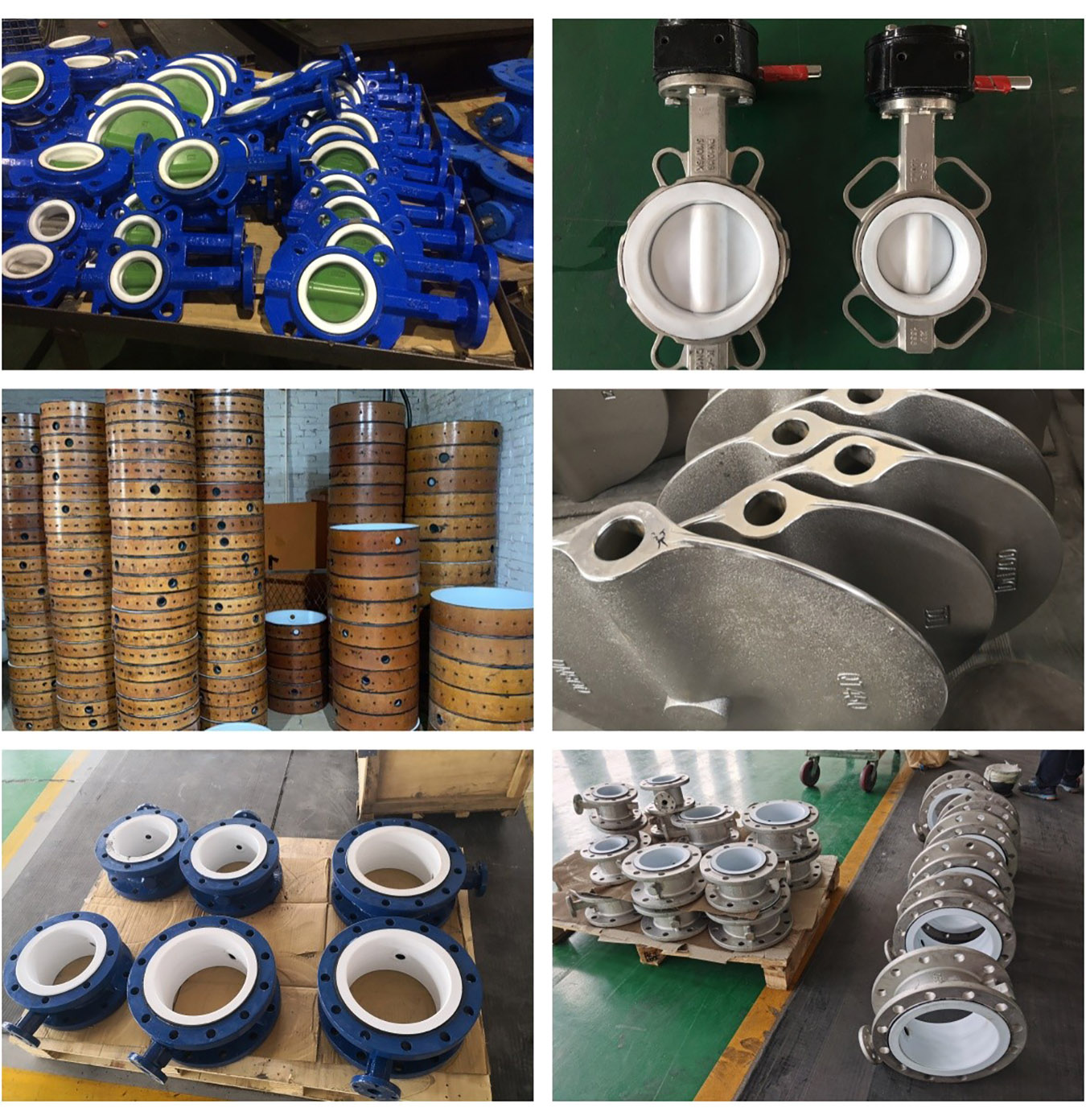
PTFE Seating: The valve seat is made of PTFE material, featuring an extremely low friction coefficient, excellent chemical stability, and self-lubricating properties. It effectively resists corrosion from strong acids, bases, and organic solvents.
Valve Characteristics

1. Bidirectional Sealing: The midline structure allows the butterfly plate to remain concentric with the seat. Coupled with the PTFE seat fit, it achieves bi-directional pressure sealing, making installation flexible and ensuring zero leakage.

2. Superior Corrosion Resistance: Built with 304/316 stainless steel, the valve body and plate are resistant to oxidation. This combination withstands highly corrosive media such as salt spray and organic solvents, outperforming standard carbon steel valves.
🏭 Application Scenarios
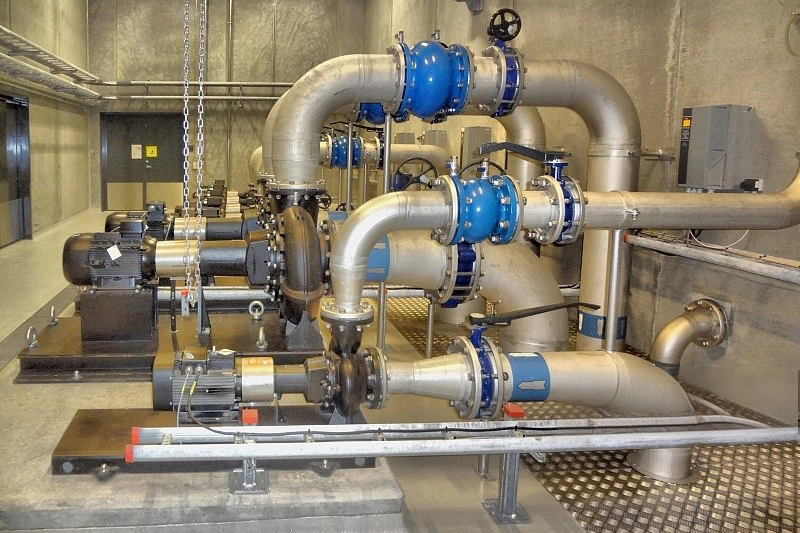
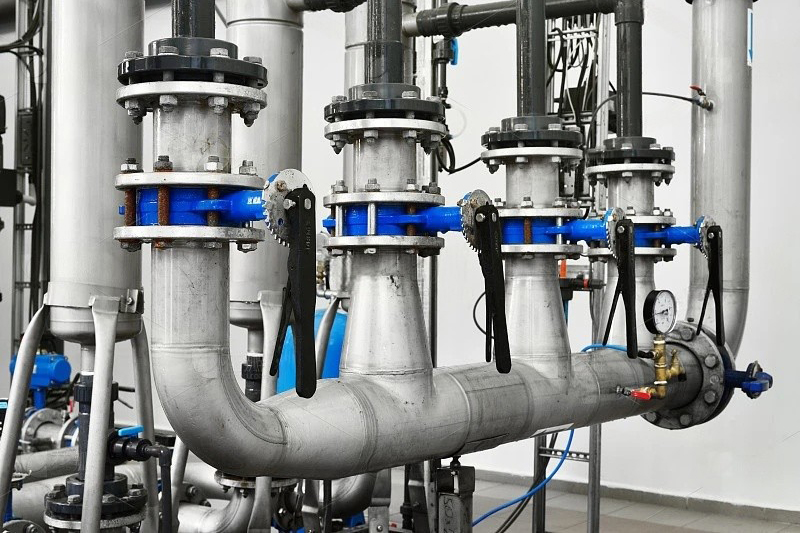
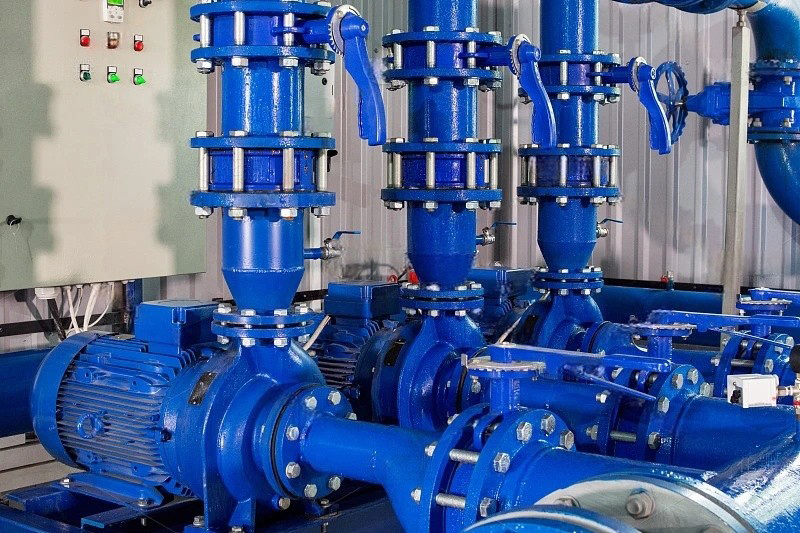
Widely used in chemical, petroleum, pharmaceutical, food, and environmental protection pipeline systems. Ideal for handling highly corrosive and high-purity fluid media.
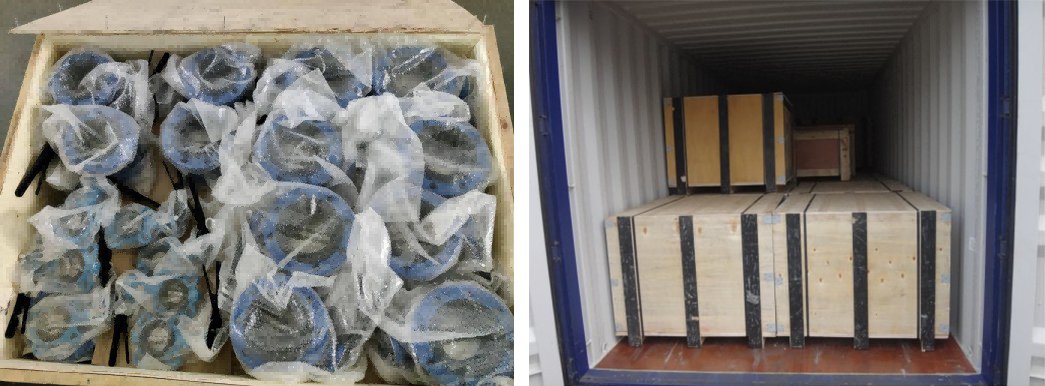
📦 Packing & Delivery
Standard export wooden case packaging ensures safe transit.
Wooden Case Packing
⚙️ Material Components
Part Name Material Options
Valve BodyCast iron, Ductile iron, Stainless steel
Valve DiscDuctile iron, Stainless steel, Aluminium alloy
Valve StemCarbon steel, Stainless steel
Valve SeatRubber / PTFE
SealO Type ring
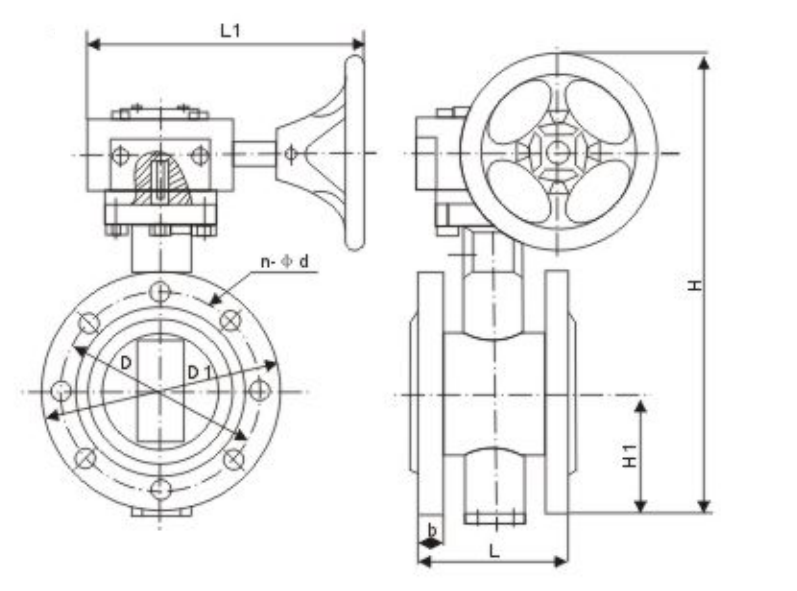
📏 Dimensions
Dimension Diagram
DN (mm/inch) L L1 D (PN1.0/1.6) D1 H H1 n-Φd
502"108180125125150326834-Φ18
803"1141801601602003631008-Φ18
1004"1271801801802203961148-Φ18
1506"1401802402402804531438-Φ23
2008"15227029529533557817012-Φ23
Frequently Asked Questions
What are the primary benefits of using a PTFE valve seat?
PTFE offers excellent chemical stability and an extremely low friction coefficient. It is highly resistant to strong acids, alkalis, and organic solvents, making it ideal for corrosive environments.
Does this valve support bidirectional flow?
Yes, the concentric midline structure and specialized seat design allow for bidirectional sealing with a zero-leakage guarantee, regardless of the medium's flow direction.
In which industries is this flange butterfly valve commonly used?
It is widely utilized in the chemical, pharmaceutical, food and beverage, petroleum, and environmental protection industries, specifically for handling high-purity or corrosive fluids.
What materials are available for the valve body?
Depending on your specific application requirements, the valve body can be manufactured from Cast Iron, Ductile Iron, or Stainless Steel (304/316).
Is the valve suitable for high-temperature applications?
This specific model is designed for a working temperature range between -20°C and 120°C, which covers most standard industrial chemical and food processing needs.
How is the valve operated?
This valve is typically operated manually via a handle or lever, providing simple and efficient control for pipeline systems.

Related Products