Explore our engineering capabilities across an expansive collection of high-standard pressure valves, butterfly valves, and industrial system controls.
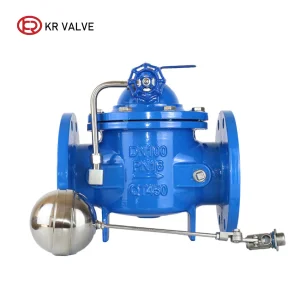
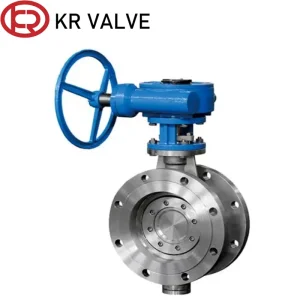
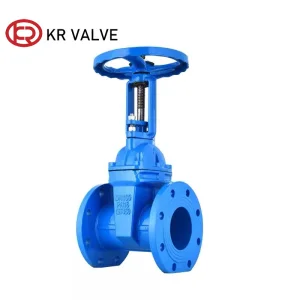
A comprehensive whitepaper analysis exploring mechanics, engineering requirements, and international supply dynamics.
NRS (Non-Rising Stem) design eliminates axial movement during rotation, ensuring minimal overhead clearance required in narrow chambers and underground installations.
The stem threads remain isolated within the inner valve body, protected from ambient dust, weathering agents, and chemical corrosives typical of industrial settings.
Featuring EPDM/NBR encapsulated wedges that conform precisely to the internal valve bore, achieving 100% drop-tight seal under high hydraulic pressure.
In modern civil engineering, fire protection systems, and water treatment utilities, the Non-Rising Stem (NRS) gate valve stands out as a critical fluid-handling mechanism. Unlike Rising Stem configurations where the stem moves upward outside the bonnet to signal open status, the NRS valve's stem rotates on a fixed plane. The wedge is internally threaded, allowing it to move vertically along the stem inside the valve housing.
This internal translation mechanism is highly preferred in underground water systems, municipal pipeline networks, and deep shaft installations where overhead spatial configurations are highly constrained. The stem threads remain inside the valve, well-protected from dust, mud, and environmental corrosion. By utilizing premium Grade 304 or 316 Stainless Steel for stems, and robust Ductile Iron (ASTM A536 GGG50) for the body shell, modern custom NRS gate valve factories produce units that survive decades of continuous service without catastrophic seizing or structural fatigue.
The global demand for NRS gate valves is driven by a massive push toward municipal water rehabilitation, agricultural irrigation, and commercial building services. According to global industrial procurement surveys, reliable fluid infrastructure is crucial for reducing treated water leakage—a phenomenon currently costing water authorities billions of dollars annually.
To combat this, multinational organizations rely heavily on reliable suppliers. High-volume procurement requires factories with strong quality assurance setups. Here is where the specialization of dedicated factories plays a pivotal role. Custom designs allow project managers to source valves matching precise domestic guidelines (such as AWWA C509/C515 in North America, BS5163 in the United Kingdom, or DIN3352 across mainland Europe). Selecting a manufacturing partner with local certifications (like WRAS, NSF61, or UL/FM) is the baseline for ensuring compliance and minimizing supply-chain friction.
KR has more than 20 years of experience in producing standard and non-standard valves of various types. We supply a wide selection of over 500 valve products, including butterfly valves, gate valves, check valves, and water control valves, as well as all matching accessories. Our products are widely deployed in water treatment, dam construction, commercial buildings, energy systems, heating plants, and chemical engineering processes.
Beyond standard engineering, KR is dedicated to establishing mutually beneficial partnerships with global buyers. We believe that professional support is as crucial as top-tier product reliability. By continuously optimizing production pathways and implementing direct material sourcing, we ensure competitive pricing without sacrificing the stringent quality parameters required by international regulatory networks. Today, KR VALVE’s products are exported to over 50 countries and regions in Europe, Asia, Africa, and Oceania, providing project construction and brand marketing services to thousands of customers.
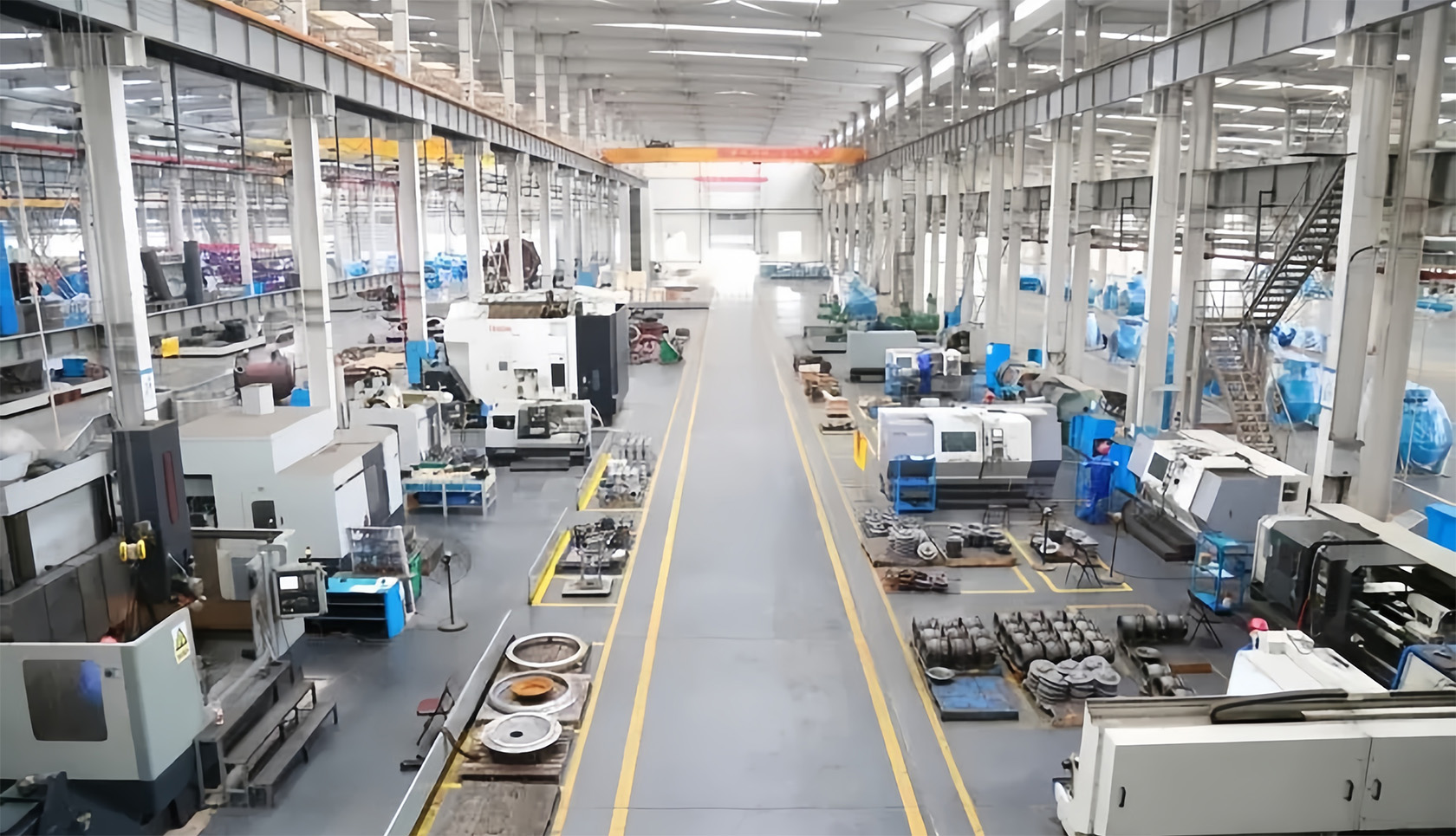
A look at the dedicated research, systematic production methods, and comprehensive testing regimes behind every KR valve.
An objective analysis of why China remains the global center for valve manufacturing and industrial customization.
China’s valve manufacturing sector has evolved from low-cost casting to high-precision engineering. Industrial centers like Wenzhou, Tianjin, and Hebei host integrated ecosystems that handle metallurgy, sand casting, machining, epoxy spraying, and testing within close proximity.
This geographical centralization allows factories to source high-grade ductile iron (like ASTM A536 65-45-12 or GGG50) at stable rates. Modern Chinese facilities leverage automated molding lines and electric induction furnaces, which reduce casting defects (such as porosity and slag inclusions). These advancements are critical for gate valves, where pressure boundaries must endure fluctuating operational stress.
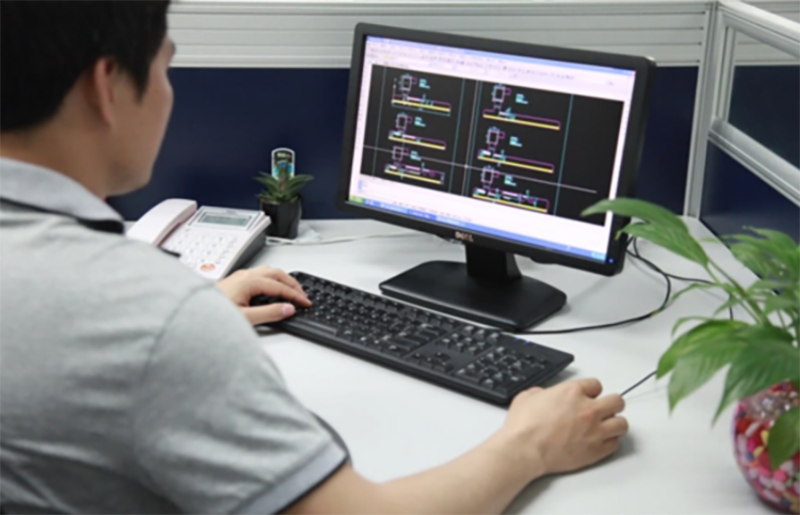
OEM partners globally choose China for custom valve fabrication because of its design agility and speed. Developing a valve with non-standard dimensions, special flange drillings (e.g., ANSI Class 150 alongside PN10/16 configurations), or exotic metallurgy (such as Aluminium Bronze or duplex stainless steel stems) requires custom patterns and tooling. Chinese factories excel at utilizing CAD/CAM integration to transition from customized 3D models to finished sand molds in weeks rather than months.
Sourcing and testing are conducted to ensure traceabilty of critical elements. Casting chemical reports (C, Si, Mn, P, S) and mechanical testing are provided for each melt batch.
Epoxy coatings are applied electrostatically at high temperatures, ensuring coating thicknesses exceed 250 microns. This delivers a corrosion-resistant barrier suitable for drinking water systems.
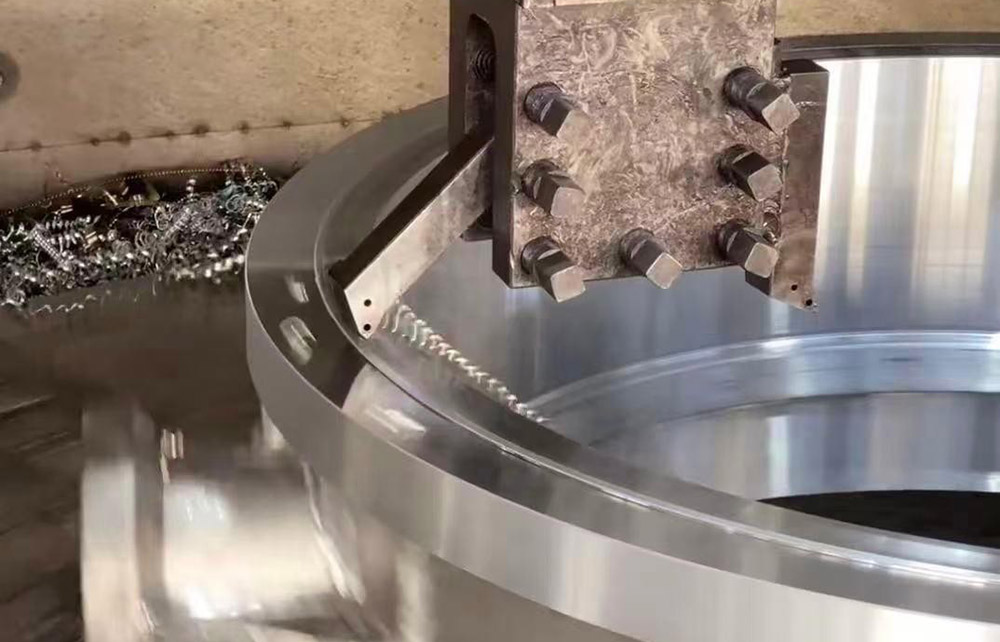
Multi-axis CNC tooling ensures accurate stem thread profiles and wedge guide dimensions. This helps minimize operating torque and prevents premature seal wear.
Comprehensive support across the production lifecycle to ensure reliable outcomes and smooth procurement.
Alongside our independent brand ‘KR’, we provide OEM manufacturing services for globally recognized valve distributors and engineering firms.
Our workshop is equipped with 15 advanced machining units and structured assembly lines, supported by experienced production teams.
Our range includes 20 series and over 500 varieties, covering standard designs and customized configurations for specific projects.
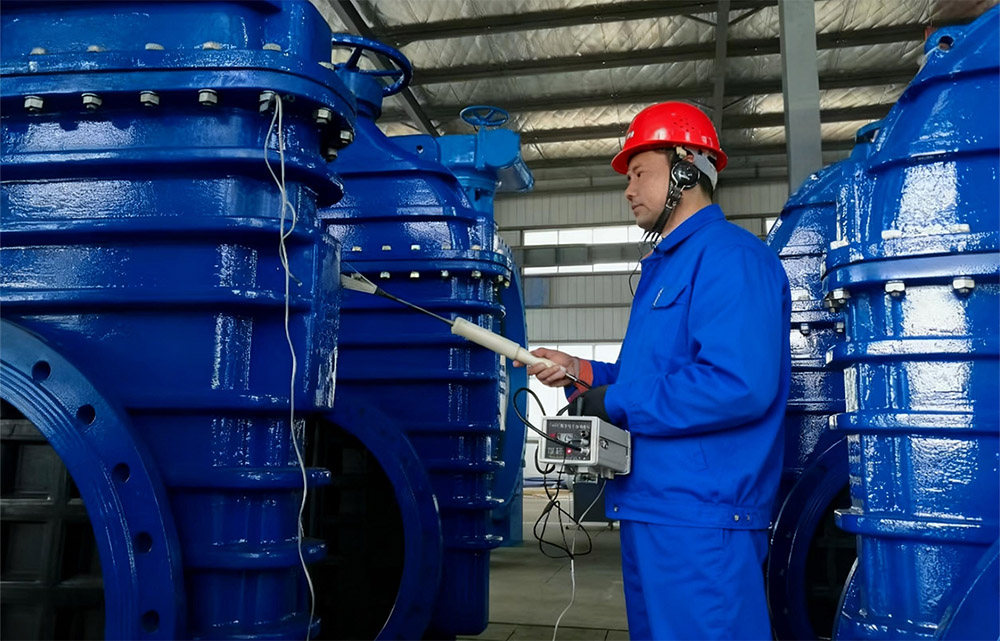
We check the dimensional and material tolerances of all components to verify structural integrity and prevent leakage in the field.
By managing manufacturing stages internally—from machining to testing—we optimize production costs and maintain competitive pricing.
We provide dedicated consultation through both pre-sales and post-delivery phases to address design and installation questions.
Take a virtual look inside our production spaces to see our manufacturing equipment and quality checking procedures.
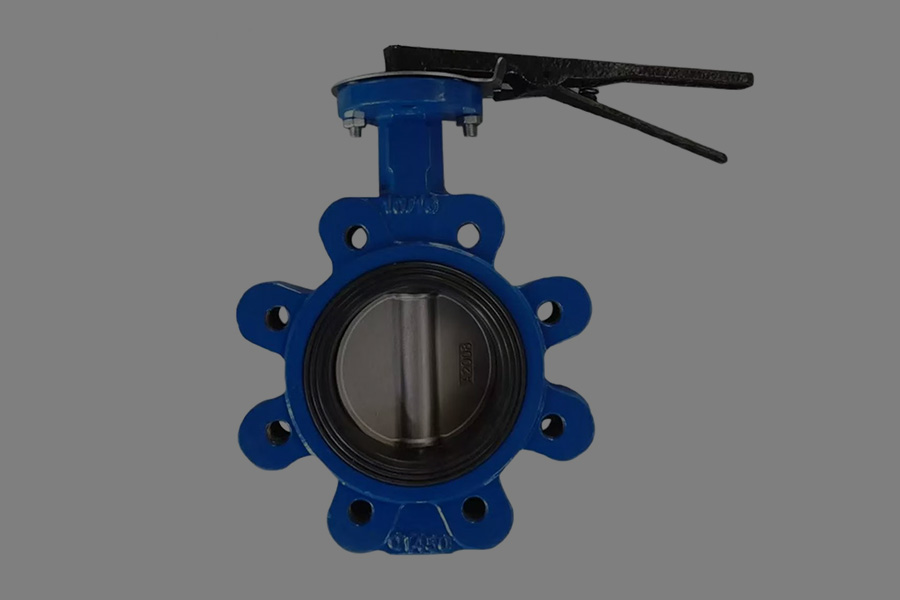
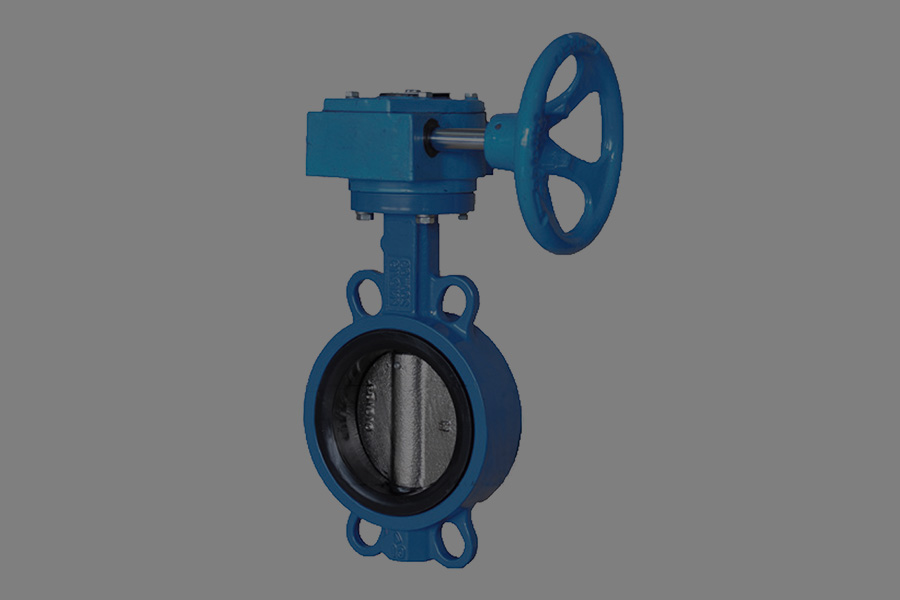
How physical and environmental conditions influence product selection across international infrastructure networks.
Municipal piping networks are major consumers of resilient seated NRS gate valves. These valves are installed underground, inside concrete pits, or directly buried in the soil. Because they control drinking water, the components must prevent rust formation and chemical leaching.
Sourcing requirements dictate NSF/ANSI 61 and NSF/ANSI 372 certifications, ensuring the interior coatings and rubber compounds contain no lead or harmful chemicals. EPDM is typically chosen for water networks due to its strong resistance to chloramines and aging.
In wastewater systems, fluids carry grit, micro-solids, and abrasive materials. Metal-seated gate valves can struggle here, as particles can deposit in the seating groove, preventing tight shut-off. Resilient seated NRS gate valves offer an advantage: the flexible rubber wedge encapsulates small particles when closed, sealing tightly against the smooth, flat bottom of the valve bore.
In these environments, NBR rubber is often used for its resistance to oils, greases, and organic hydrocarbons. Stems are commonly specified in corrosion-resistant duplex stainless steel (ASTM A276 S31803) to withstand high levels of hydrogen sulfide and chlorides.
Fire sprinkler systems require reliable equipment that can remain idle for long periods and actuate without failure when needed. In high-rise buildings and industrial campuses, NRS gate valves serve as section isolators.
These installations typically require UL/FM approval, 200 PSI to 300 PSI working pressure ratings, and integration with electrical monitoring systems (like post indicators or supervisory switches) to confirm whether the valve is open or closed.
Explore some of the infrastructure projects globally where KR Valve Group products have been deployed.
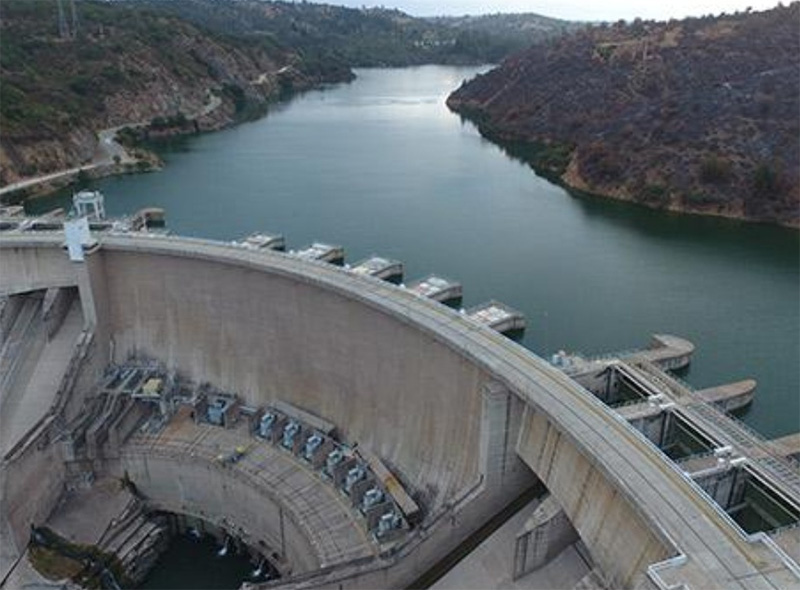
Supplied water control valves for high-pressure reservoirs and dam drainage pipelines in South America.
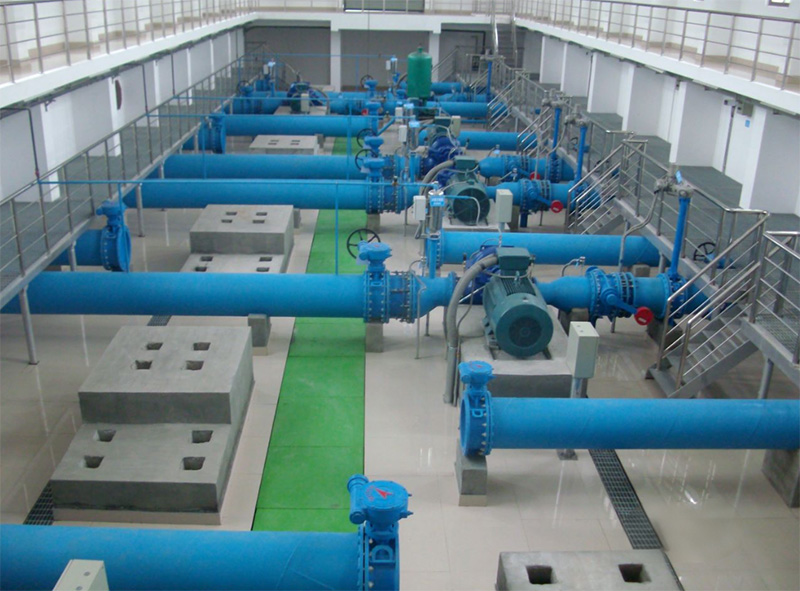
Delivered large-diameter butterfly and check valves for municipal water distribution systems across Italy.
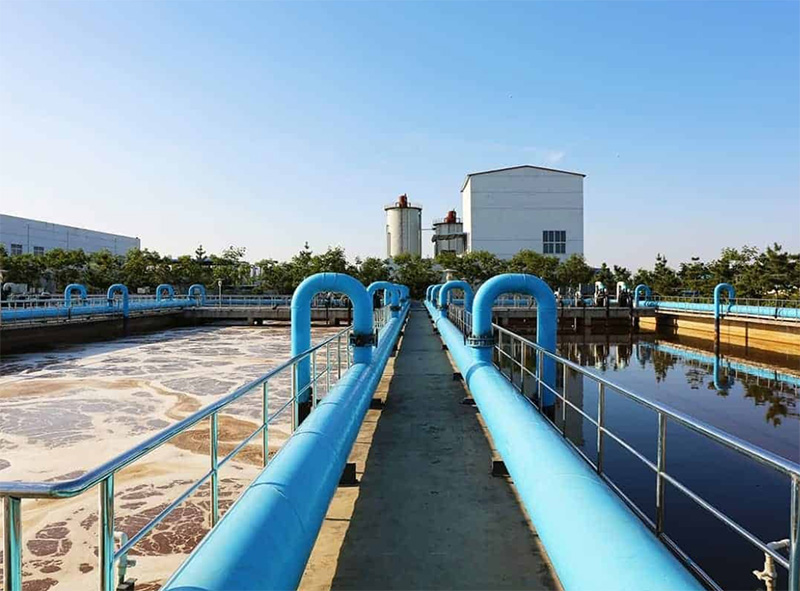
Provided robust butterfly and gate valves to handle media with high suspended solids at a treatment facility.
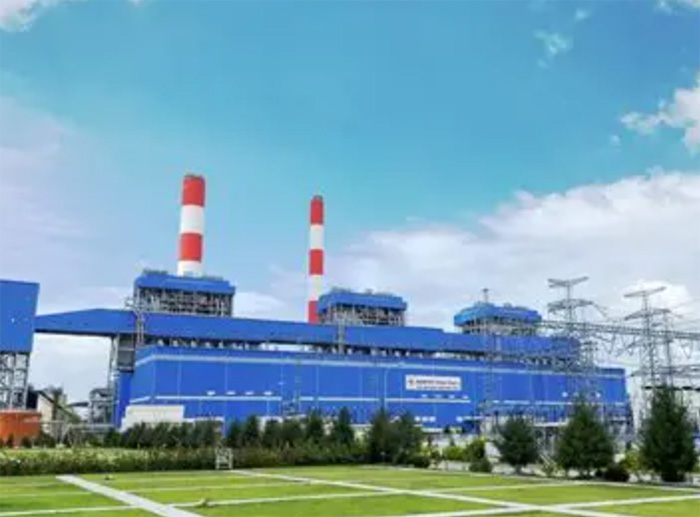
Supplied corrosion-resistant valves engineered to handle chemical solutions and industrial wastewater lines.
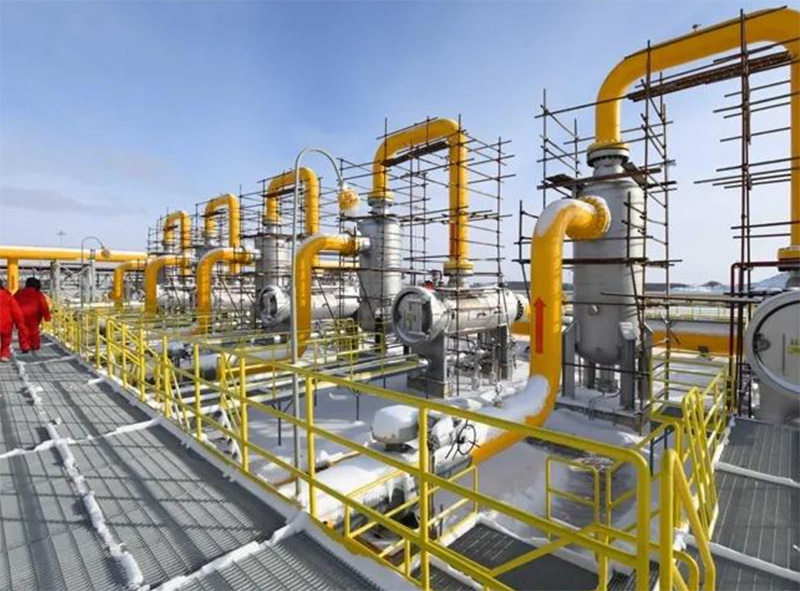
Delivered ball and gate valves designed to operate reliably under extreme ambient cold profiles.
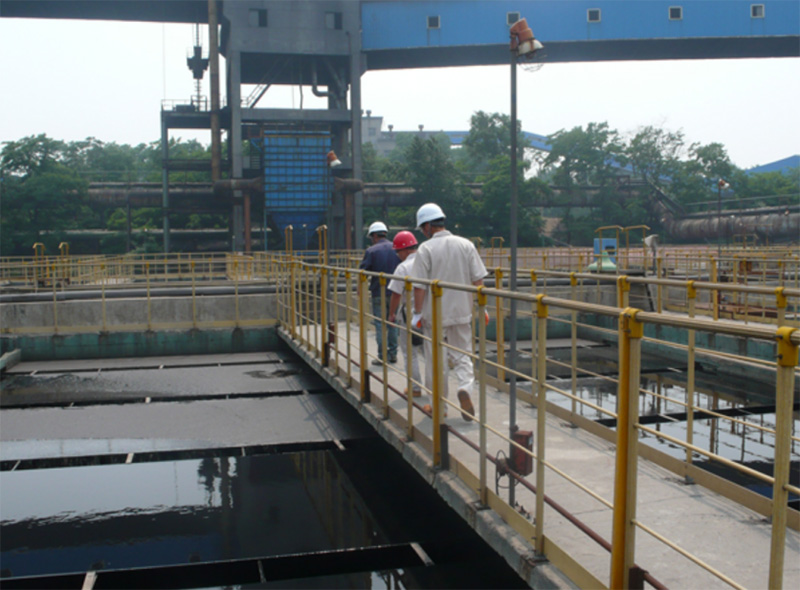
Supplied water control systems and valves to improve treatment and municipal throughput in regional networks.
Key technical parameters and verification steps to consider when sourcing heavy-duty NRS gate valves.
Industrial procurement departments face challenges when navigating international valve quotes. Low pricing can sometimes reflect compromises in metallurgy, wedge vulcanization, or machining tolerances. To build a robust supply chain, procurement teams should prioritize the following verification stages:
Technical answers to common questions regarding the installation, operation, and procurement of NRS gate valves.
The difference lies in the stem's movement mechanism. In a Rising Stem valve, the stem moves upward outside the bonnet as you open it, providing a visual cue of its status, but requiring more physical space. In a Non-Rising Stem (NRS) valve, the stem rotates in place and the wedge travels vertically along the thread inside the valve body. This saves space and keeps the threads shielded from external weather conditions.
Ductile iron (such as ASTM A536 GGG50) contains nodular graphite, which provides higher tensile strength, impact resistance, and elongation compared to grey iron (GG25). This makes ductile iron valves better suited to withstand water hammer, mechanical impacts, and high pressures without cracking.
Industry standards like AWWA C550 and EN 14901 generally require a minimum fusion-bonded epoxy (FBE) thickness of 250 microns (10 mils). This continuous, pinhole-free layer protects the cast iron body from oxidation, chemical wear, and galvanic corrosion.
EPDM is standard for clean water, municipal lines, and HVAC systems due to its ozone resistance and performance in drinking water. NBR is preferred for sewage, wastewater, and oil-carrying lines, as it offers better resistance to hydrocarbons, grease, and chemicals.
Valves are mounted to hydraulic test benches following EN 12266-1 or API 598 standards. The body is subjected to a hydrostatic shell test at 1.5 times the nominal pressure (PN) rating to check for structural leaks. Next, the seat is tested at 1.1 times the PN rating to verify that the resilient wedge provides a complete, drop-tight shut-off.
Yes. By incorporating an ISO 5210 top flange connection, NRS gate valves can be connected to electric multi-turn actuators, pneumatic drives, or gear boxes. This enables remote operation and integration into SCADA-controlled water networks.
Seizing typically occurs due to mineral scaling, sediment buildup on internal threads, or galvanic corrosion between the stem and the wedge nut. Choosing corrosion-resistant stem materials (like SS410 or SS316) combined with bronze wedge nuts, and performing periodic operational cycles, helps prevent seizing.
Fire protection lines require UL (Underwriters Laboratories) listing and FM (Factory Mutual) approval. These certifications ensure the valve design can handle high pressures and is rated for standby operation in fire safety systems.
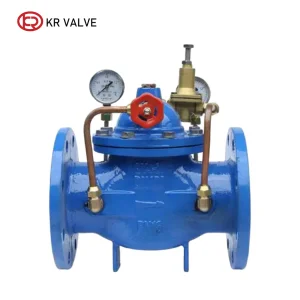
Explore our check valves, strainers, and control valves designed to maintain efficiency and reliability in fluid handling networks.
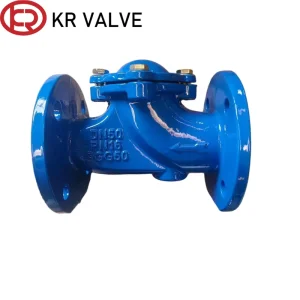
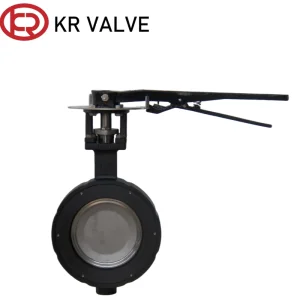
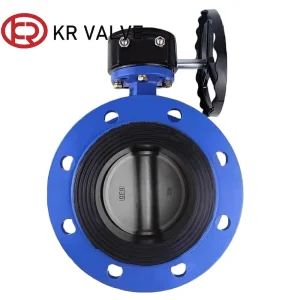
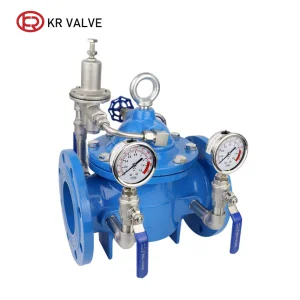
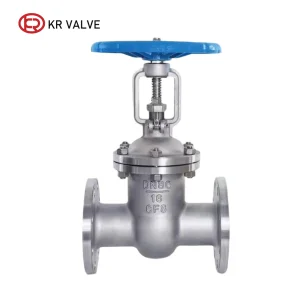
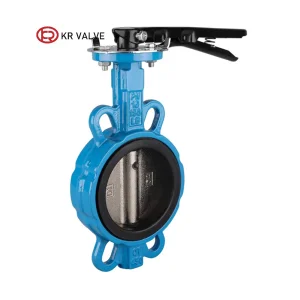
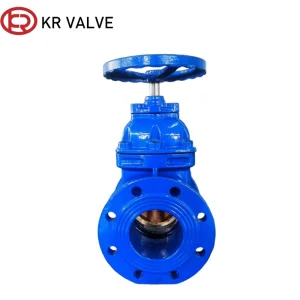
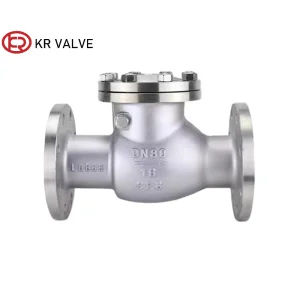
A overview of KR's product categories, designed to meet standard parameters and customized engineering requests.
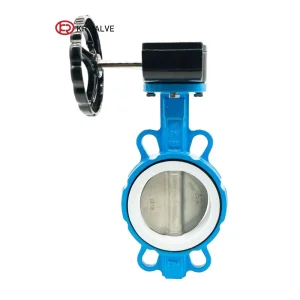
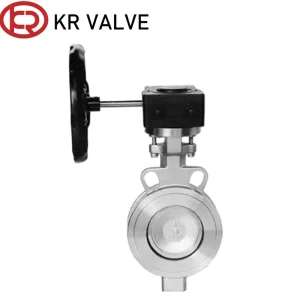
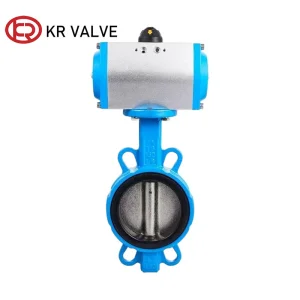
Features rubber, PTFE, and triple metal seats for reliable sealing and throttling control across various system requirements.
Available in non-rising and rising stem styles, utilizing ductile iron and stainless steel to manage pressure lines effectively.
Designed to prevent reverse flow and minimize water hammer impact in waterworks, industrial piping, and municipal grids.
 KR VAVLE