Custom PTFE Seat Butterfly Valve Suppliers in China - D71X Series, Concentric Resilient Seated, Corrosion-Resistant Factory Supplier, Factory

,

Type: Concentric Resilient Seated

,

Series: D71X

,

Size: DN40-DN600/2”-24”

,

Pressure Rating: PN6/PN10/PN16/5K/10K/150LB

,

Design Standard: EN 593, API 609

,

Service: OEM & ODM

,

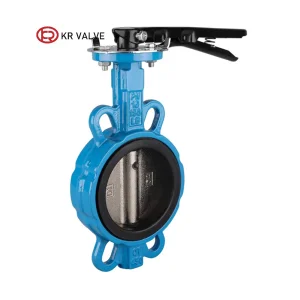
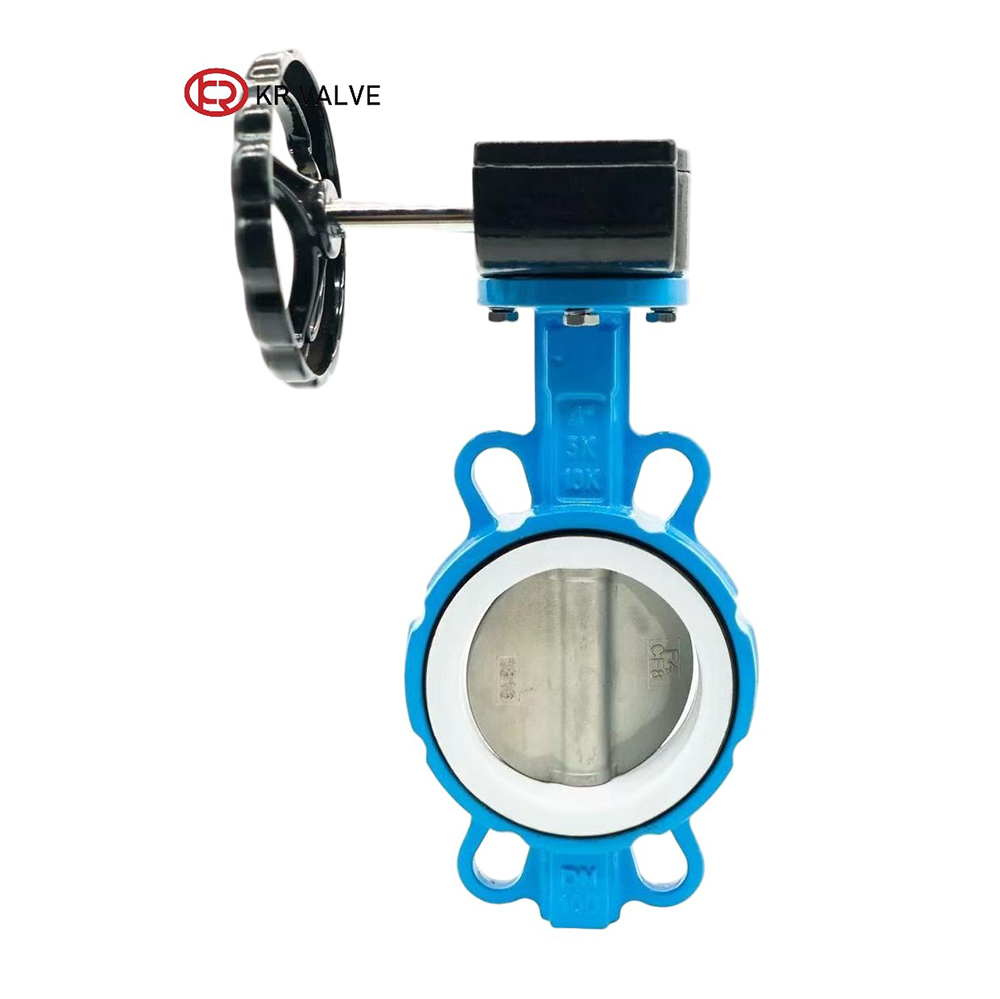
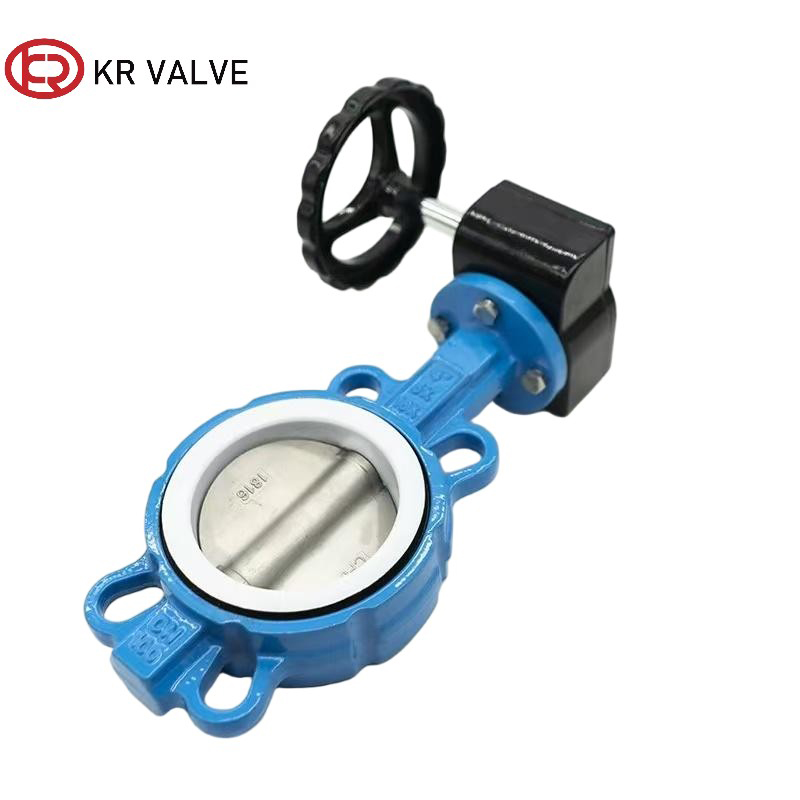
Introducing our PTFE seat butterfly valve, expertly crafted for corrosion-resistant and high-purity applications. As a leading China supplier and factory, we ensure that our valves meet the highest quality standards, making them ideal for various industrial uses. Whether you require durable components for chemical processing or food and beverage applications, our butterfly valves provide superior performance and reliability.

,

Product Description

Valve Type: Wafer butterfly valve Structure: Concentric
Standard: EN593 Workmanship: Investment casting
Sealing Direction: Bidirectional Sealing Grade: Zero leakage
Temperature: -20°C < T < 120°C Operation: Handle / Lever

Characteristics

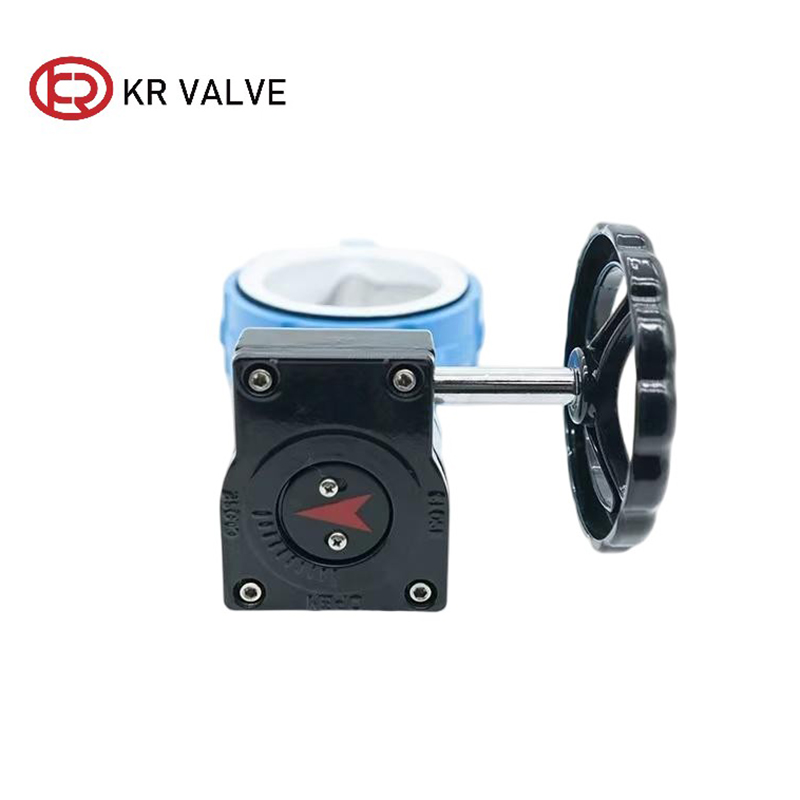
PTFE butterfly valve is a quarter turn valve that controls flow by rotating the valve disc inside the pipeline. Rotate the actuator to rotate the valve stem and disc 90 degrees. When the disc is perpendicular to the flow direction, the valve is completely closed; When the valve disc is parallel to the flow direction, the valve is fully opened, and the position between the two can be used to adjust the flow rate.
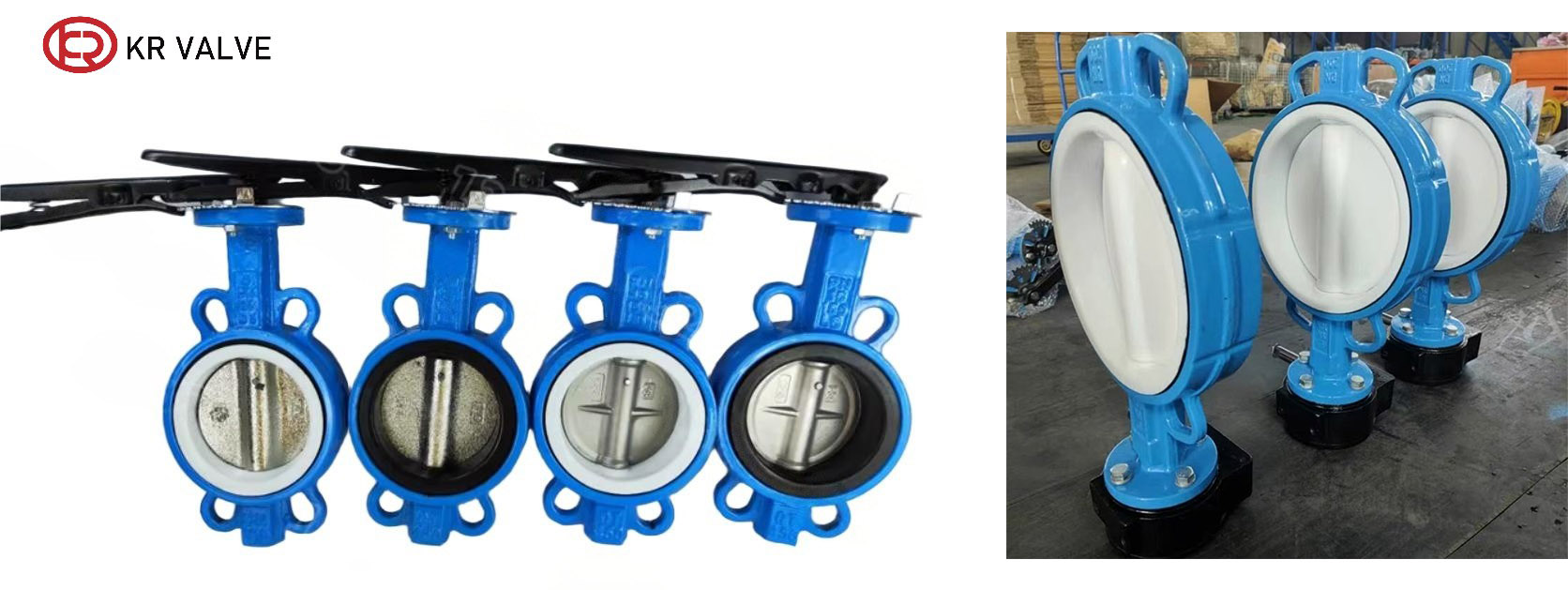
PTFE Butterfly Valve Details

Advantages

1

Super Strong Corrosion Resistance Performance

The PTFE lining on the inner cavity of the valve body and the surface of the butterfly plate has extremely high stability against most corrosive media such as strong acids (such as sulfuric acid, hydrochloric acid), strong bases (such as sodium hydroxide), organic solvents, and salt solutions. It can isolate the metal valve body from contact with the media, avoid corrosion damage, and is suitable for strong corrosion conditions such as chemical, chlor alkali, and pharmaceutical industries.

2

Compact Structure, Easy Installation

The clamping design uses double headed bolts to directly clamp between two pipeline flanges, without the need for additional valve flanges. The valve body thickness is only about one-third of that of traditional flange butterfly valves, occupying a small space, especially suitable for scenarios with dense pipelines and limited installation space; Simultaneously simplifying the installation steps can reduce the overall cost of pipeline layout.

3

Excellent Sealing Performance and Low Leakage Rate

Combined with PTFE valve seat and eccentric structure design (single eccentric/double eccentric/triple eccentric), it can achieve a tight fit between the butterfly plate and the valve seat, and achieve zero leakage sealing effect under most working conditions; The low friction characteristics of PTFE can also reduce the wear of the sealing surface during the opening and closing process, extending the sealing life.
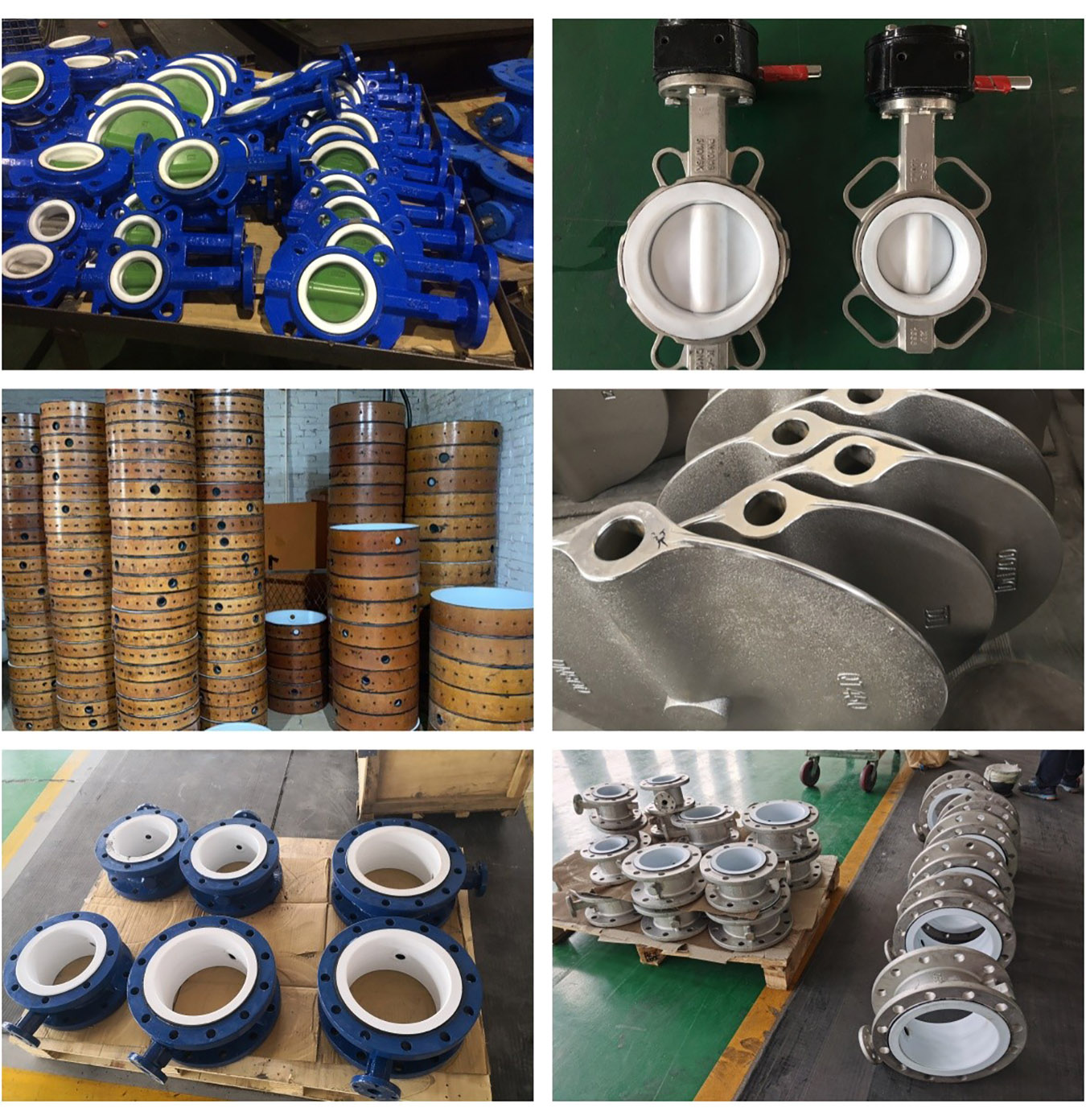
PTFE Wafer Valve Application

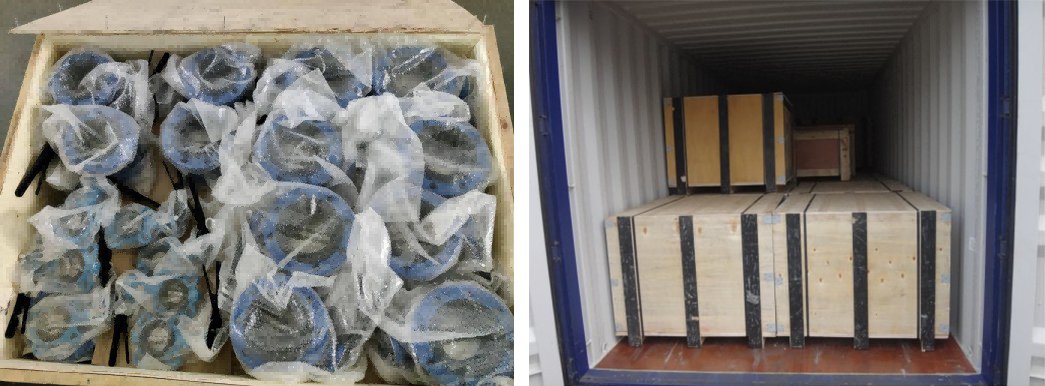
Packing

📦 Standard export wooden case packaging
Valve Packing

Application Scenarios

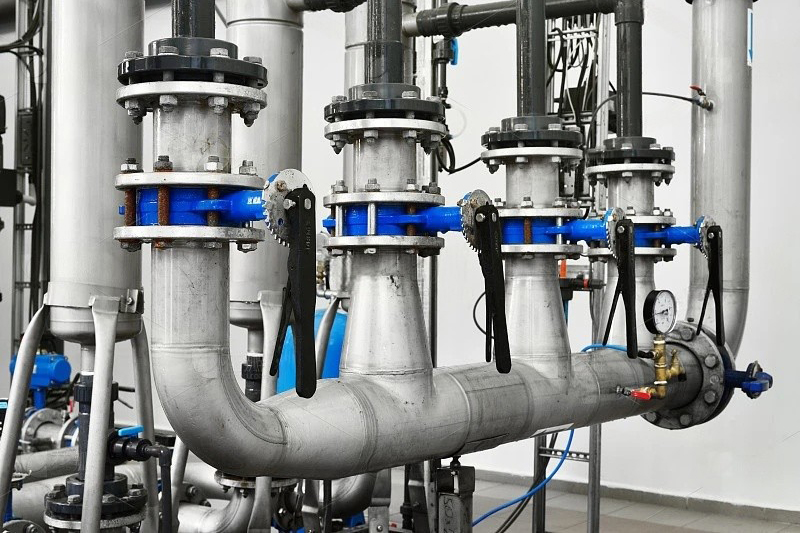
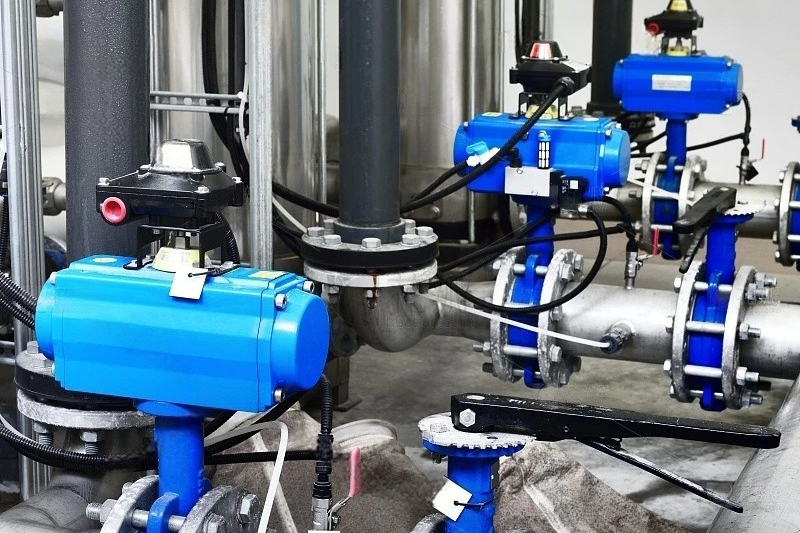
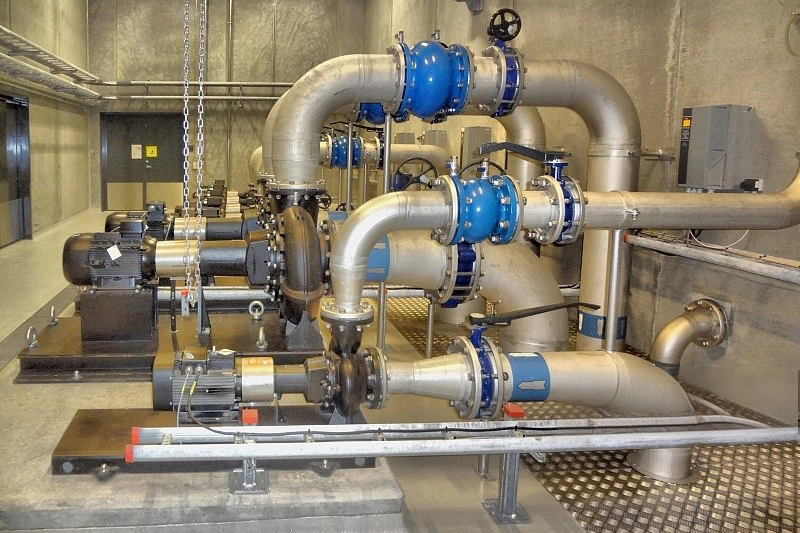
In the chemical industry, it is a standard configuration for production lines such as sulfuric acid and chlor alkali; In the pharmaceutical industry, its clean characteristics that comply with GMP standards make it suitable for sterile medium delivery systems; In the desulfurization system of the power industry, it can also effectively solve the problem of valve flushing caused by limestone slurry.
Application Scenario 1
Application Scenario 2
Application Scenario 3

Frequently Asked Questions

Q: What makes PTFE butterfly valves suitable for corrosive media?
PTFE (Polytetrafluoroethylene) lining covers both the inner cavity of the valve body and the butterfly plate surface, providing exceptional chemical inertness against strong acids (e.g., sulfuric acid), strong bases, organic solvents, and salt solutions.
Q: What is the operating temperature range?
This valve is designed to operate within a temperature range of -20°C to 120°C. For applications outside this range, please consult with technical team to select an appropriate valve material.
Q: How does the wafer-type design differ from a flanged valve?
The wafer-type design uses double-headed bolts to clamp directly between pipeline flanges. The valve body thickness is approximately one-third that of flanged valves, making it more compact and beneficial in tight piping layouts.
Q: Does this butterfly valve achieve zero leakage sealing?
Yes. The combination of a PTFE valve seat and an eccentric structure design ensures a tight fit between the butterfly plate and the valve seat, achieving zero leakage sealing under most working conditions.
Q: What industries commonly use this valve?
This valve is widely used in the chemical industry (sulfuric acid/chlor-alkali), the pharmaceutical industry (GMP sterile systems), and the power industry (desulfurization systems for limestone slurry).
Q: What standard does this valve comply with?
This PTFE wafer butterfly valve complies with the EN593 standard and is manufactured using investment casting. It supports bidirectional sealing and is operated via a simple 90-degree handle or lever.

Related Products