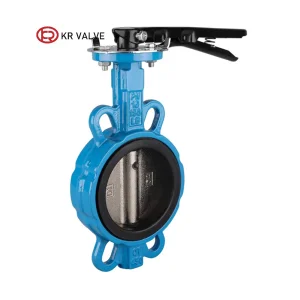
Explore our highly precise, zero-leakage custom valves manufactured under rigorous global standards.
In the era of smart industrial manufacturing and automated process management, fluid control systems have evolved from simple physical handwheels into digitalized, high-precision automated execution units. The global demand for automated gate valves is experiencing exponential growth, driven by rapid urbanization, massive investments in municipal wastewater infrastructures, complex chemical plant expansions, and energy transitions. Historically, manual gate valves required substantial physical labor and presented sluggish response times, which elevated risks during pipeline ruptures or surge pressures.
Modern industries require instant isolation, precise feedback loops, and integration with Distributed Control Systems (DCS) or Supervisory Control and Data Acquisition (SCADA) platforms. Custom automated gate valves solve this necessity. By pairing robust mechanical valve bodies (such as cast steel WCB or CF8M stainless steel) with sophisticated pneumatic, electric, or hydraulic actuators, process engineers achieve reliable, remote, and autonomous safety boundaries. As smart cities expand, the inclusion of smart water networks and digital oilfields positions these valves as safety-critical nodes rather than simple fluid blocks.
| Parameters | Manual Gate Valves | Automated Gate Valves (Pneumatic/Electric) |
|---|---|---|
| Response Time | Minutes to Hours (requires labor) | Seconds to Milliseconds (automated script) |
| SCADA Integration | Not possible without retrofitting | Native support (4-20mA, Modbus, Profibus) |
| High-Pressure Handling | Difficult manual operation (torque constraint) | Optimized high-torque actuator matching |
| Failure Safety Mode | None (stays in last position) | Fail-Safe options (Fail-Open / Fail-Closed) |
China has emerged as the global epicenter for valve manufacturing, offering unparalleled structural efficiencies. By grouping together raw foundry cast shops, precision CNC machining shops, actuator design facilities, and international standard certification labs, Chinese factories drastically reduce the cycle time from material acquisition to finished valve assembly.
At KR, this manufacturing cluster translates directly into economic and technical benefits for global procurers. Rather than sourcing valve components from disparate suppliers, our complete vertical integration allows for precise metallurgical controls, unified quality inspection protocols, and massive economies of scale.
Discover how custom automated gate valves are integrated into specialized conditions worldwide.
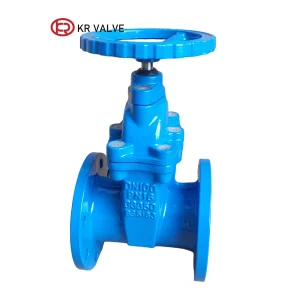
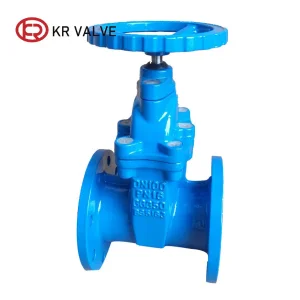
Used in municipal sewage filtration networks and water distribution mains. The resilient-seated DIN F5 gate valve uses EPDM encapsulation to offer zero-leakage isolation of raw, untreated, and potable water.
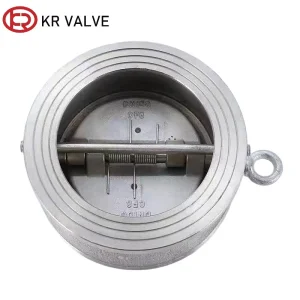
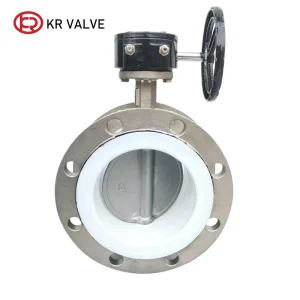
In highly corrosive industrial chemical flows, PTFE-lined and stainless steel CF8M dual-plate valves withstand severe acids, bases, and salts, providing longevity and minimizing mechanical fatigue.
Automated high-temperature gate valves isolation systems control steam circulation and cooling water, crucial for maintaining thermal balance and safety margins in modern power plants.
KR has more than 20 years of experience in producing standard and non-standard valves of various types. We supply a wide selection of over 500 valve products, including butterfly valves, gate valves, check valves, water control valves, as well as all their matching and accessory products. These products have applications in various industries such as water treatment, dam construction, commercial buildings, energy and heating, chemical engineering, etc. We have won high repeat purchase rates from customers with excellent product variety and quality.
Beyond product excellence, we are dedicated to creating a mutually beneficial partnership with every customer. We believe that reliable service is as crucial as superior products, and we strive to continuously optimize the customer experience to achieve long-term win-win cooperation. Today, KR VALVE’s products have been exported to over 50 countries and regions in Europe, Asia, Africa, and Oceania, providing project construction and brand marketing services to thousands of customers. We look forward to collaborating with you, leveraging our expertise, comprehensive product range, and unwavering commitment to quality and service to support your success.
Underpinned by the ISO-9001 quality system, our workflow focuses on engineering precision.
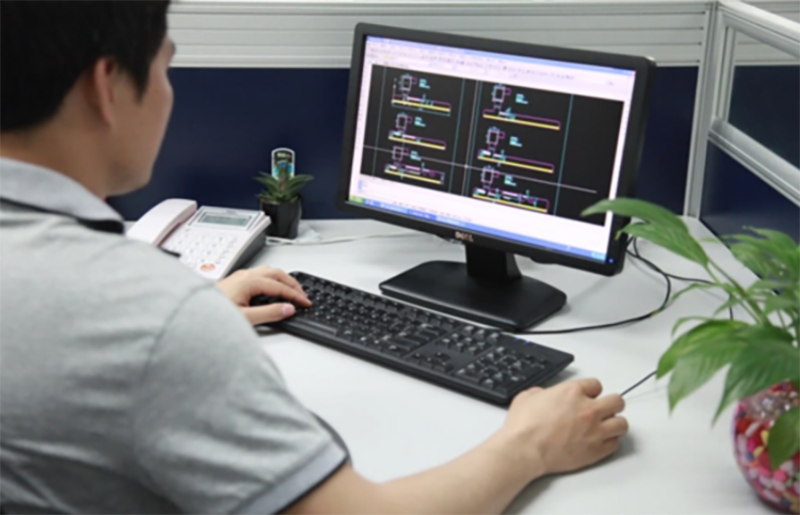
Our dedicated R&D department ensures product design and continuous innovation. Our technicians design and develop products meeting specific client and market requirements. Our laboratory provides advanced testing capabilities to elevate valve performance, cataloging over 20 series and 500 varieties.
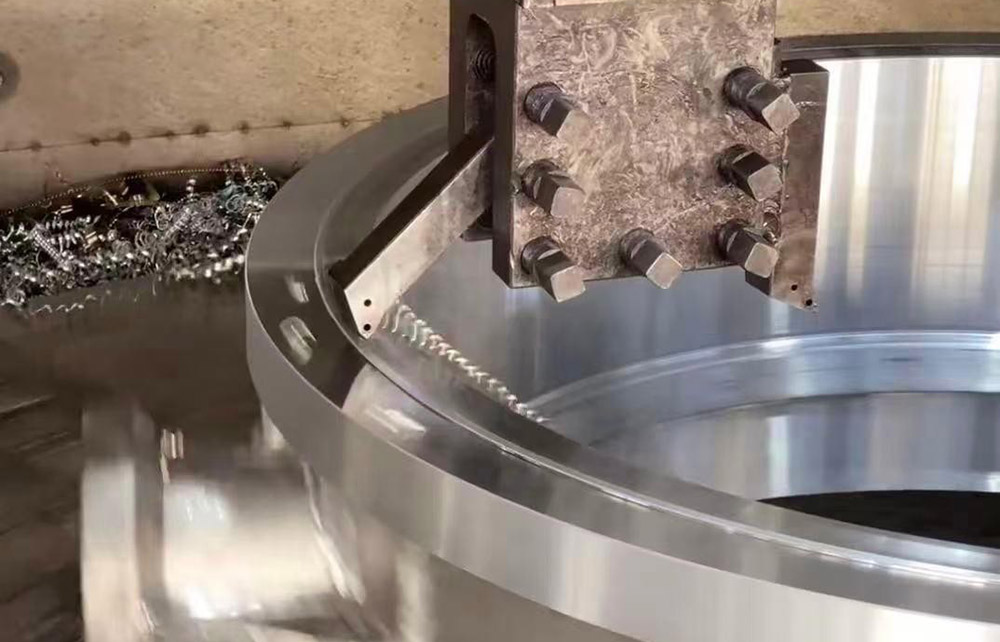
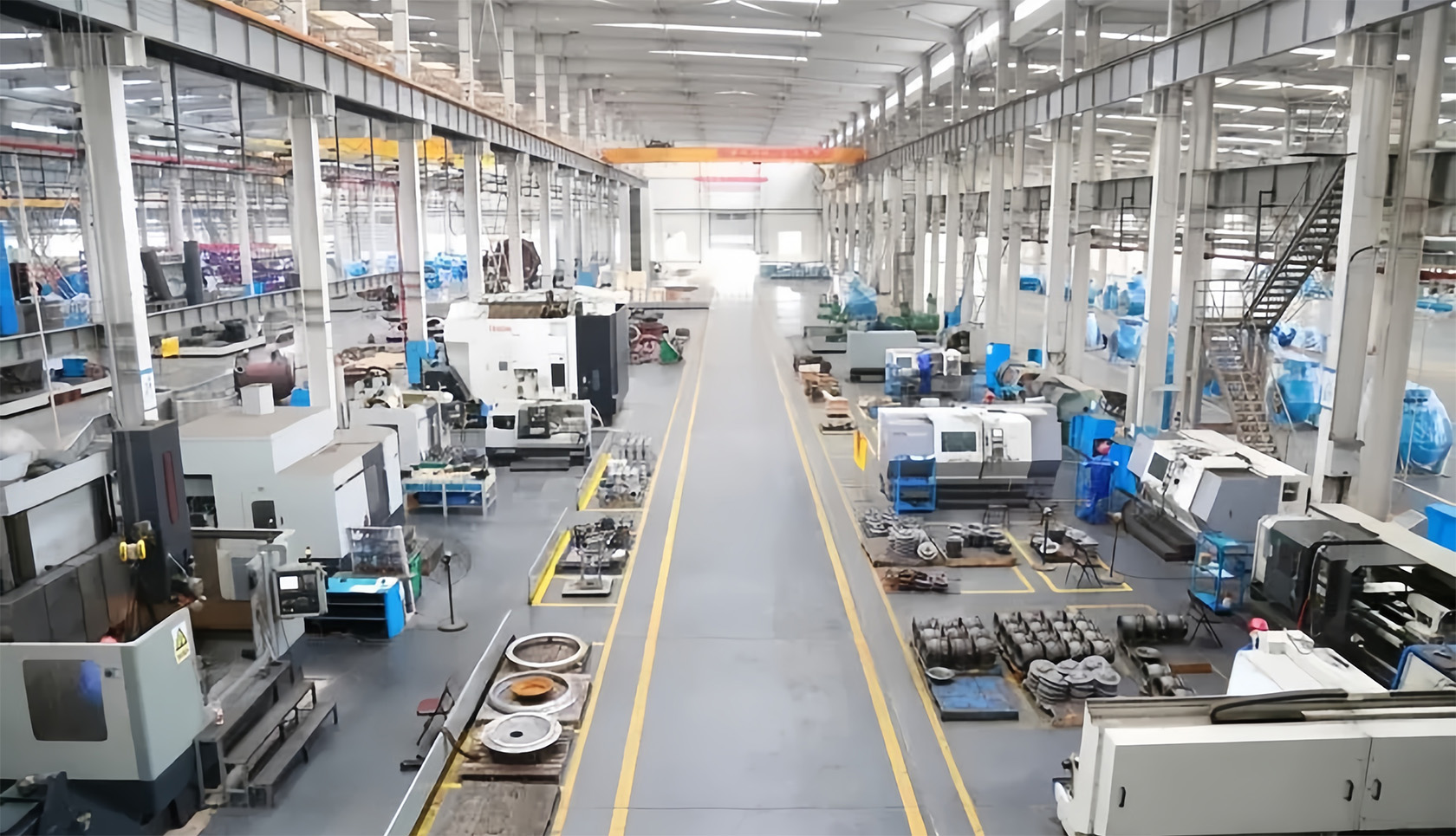
The production department formulates specific schedules and executes processes under strict supervision of ISO-9001 guidelines to ensure timely delivery. Equipped with over 30 machining centers, we manage and optimize stock configurations monthly to meet dynamic logistics schedules.
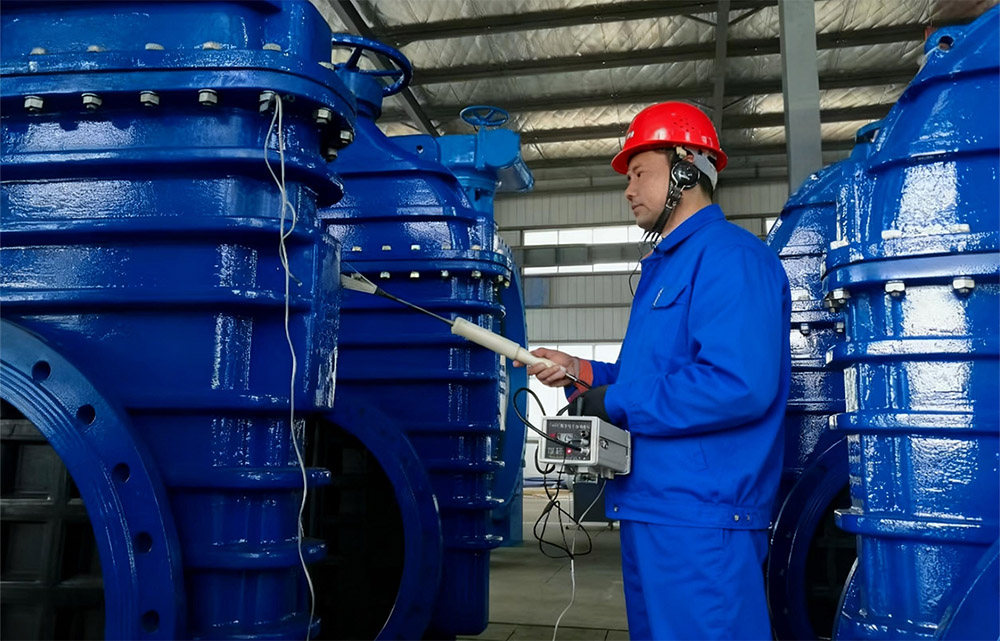
Zero leakage is our core operational principle. Our quality department performs multi-stage pressure, dimension, mechanical, and visual checks on every batch. Testing certificates and structural reports are generated in compliance with global standards before export.
Aligning advanced engineering practices with customer-focused commercial value.
We feature our independent 'KR' brand, while supporting custom OEM services and specifications for many global valve leaders.
Our facility features 15 major machining centers, heavy assembly stations, and long-term, highly experienced assembly technicians.
With 20 core series and over 500 catalog items, we configure custom dimensions, pressure ratings, and connection designs.
We trace each cast component and seal ring from chemical composition analysis through to final testing of the finished valve assemblies.
Our complete in-house manufacturing pipeline allows us to structure highly competitive price sheets without sacrificing quality.
We offer technical engineering advice from sizing and actuator selection through to post-installation operational troubleshooting.

Showcasing our project portfolio across major municipal water networks, dams, and chemical systems.
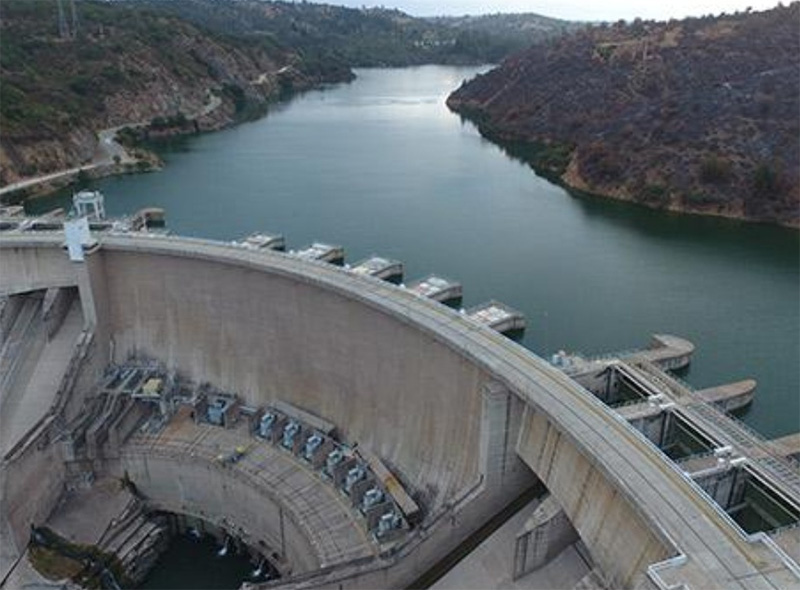
KR Supplied Various Water Control Valves To Dam Project at Chile, managing high hydro-static pressure channels.
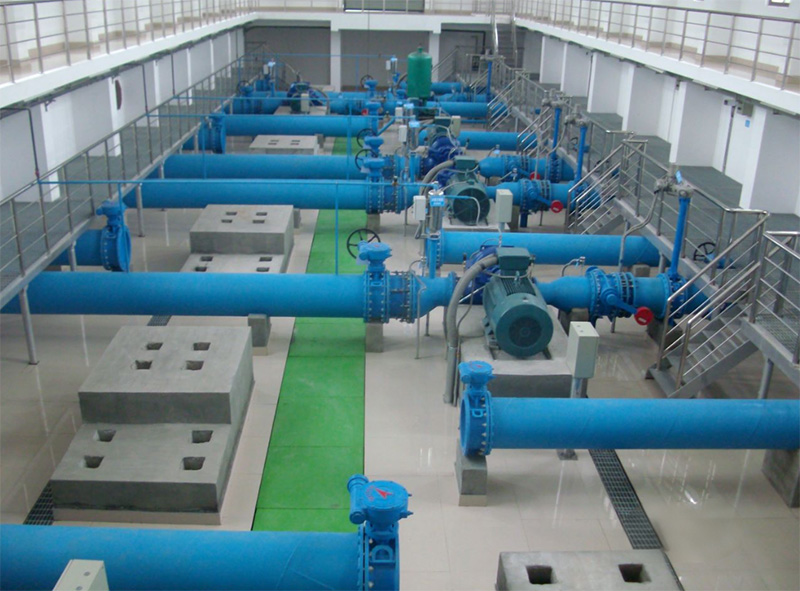
KR Supplied Many Big Size Butterfly Valves and Check Valves For Waterworks at Italy, ensuring low-friction operation.
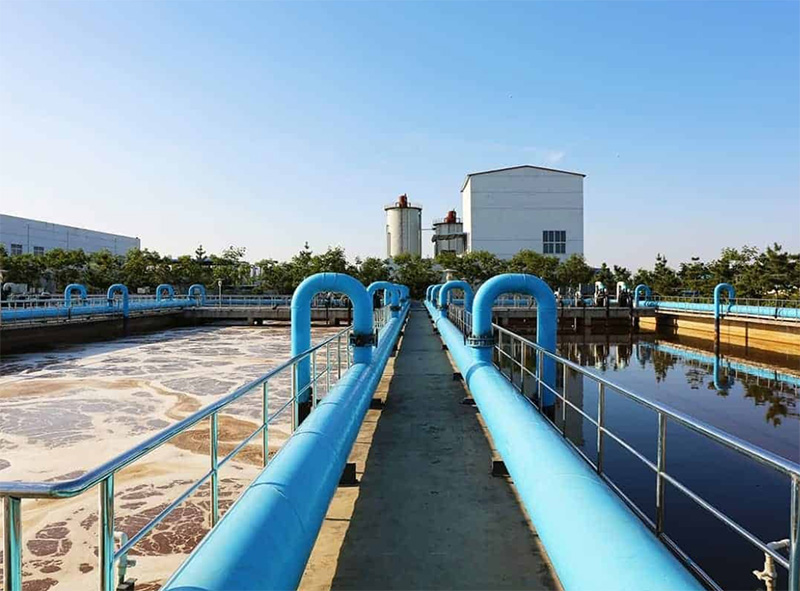
KR Supplied Butterfly Valves and Gate Valves For Sludge Plant at Indonesia, handling thick fibrous sludge lines.
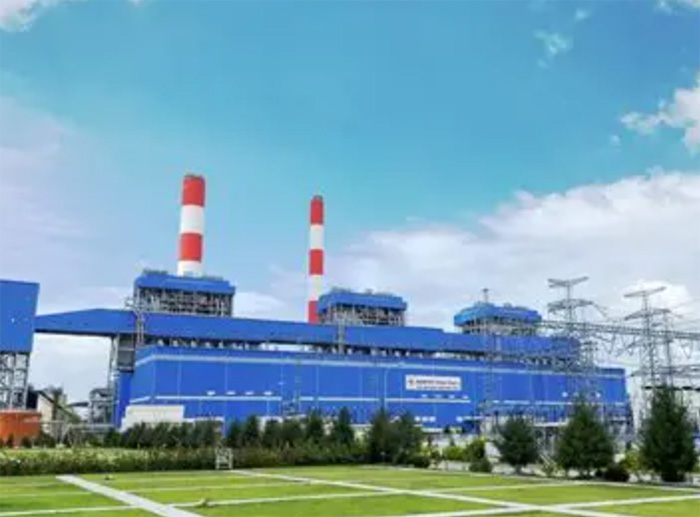
KR Supplied A Wide Range of Corrosion Resistant Valves to Chemical Plant at Vietnam, integrating special alloys.
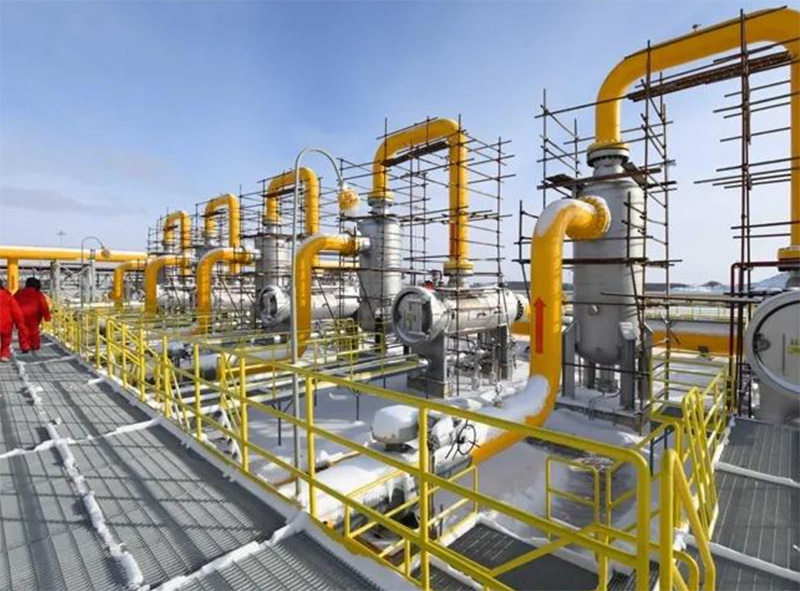
KR Supplied Many Ball Valves and Gate Valves For Natural Gas Project at Russia, operational under extreme low temp.
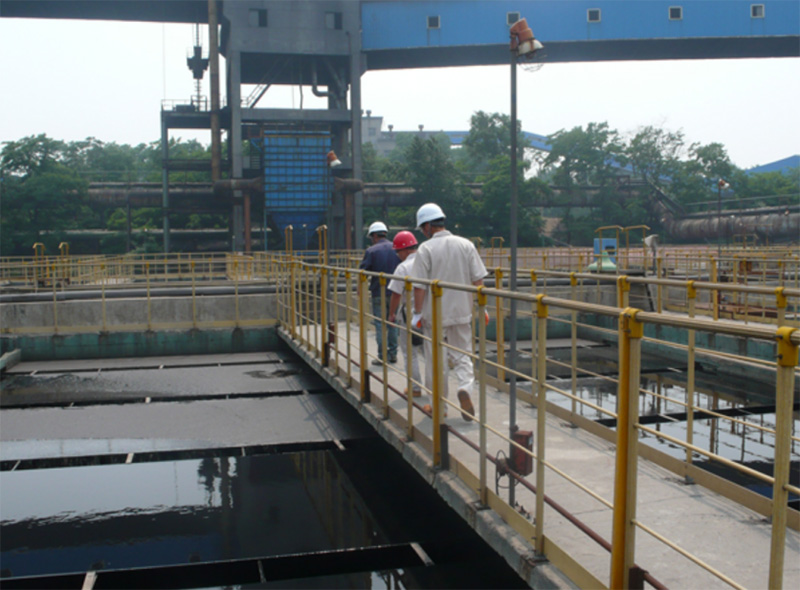
KR Supplied Various Water Control Valves To Sewage Treatment Project at Brazil, securing bio-waste pipelines.
A virtual tour inside our casting, machining, and automated pressure testing departments.
When selecting an automated gate valve, engineers must analyze the system parameters beyond pipe diameter. Matching physical gate designs with precise actuation forms the core of valve selection.
Gate valves are primarily configured as solid wedges or flexible wedges. Solid wedges offer robust rigidity, ideal for low-pressure municipal piping. However, high-temperature fluctuations cause thermal binding, lockups, and mechanical stress. Flexible wedges incorporate a small relief cut around the perimeter, allowing the sealing faces to adapt under thermal expansion or high torque.
Choosing appropriate metallurgical grades ensures long service life:
Actuating a gate valve requires high start-up torque to lift the wedge out of its seating pocket, particularly under high differential pressures.
Answers to complex engineering and purchasing questions about custom automated gate valves.
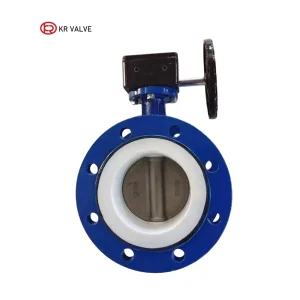
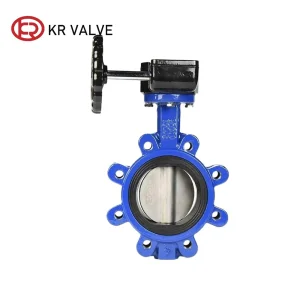
Select complementary valves for a balanced, low-maintenance flow network.
 KR VAVLE