Select high-durability flow control components featuring industrial certifications, precise machining tolerances, and customizable operating standards.
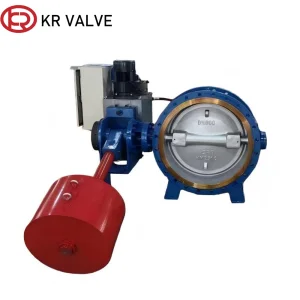
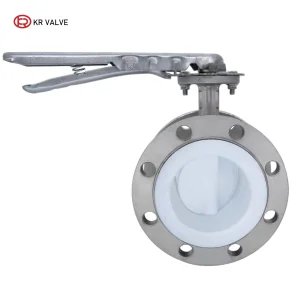
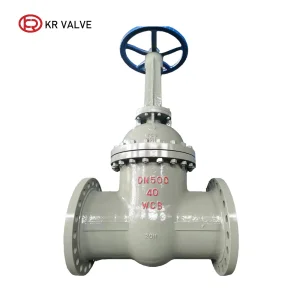
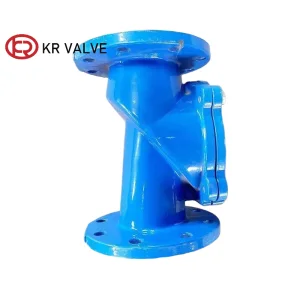
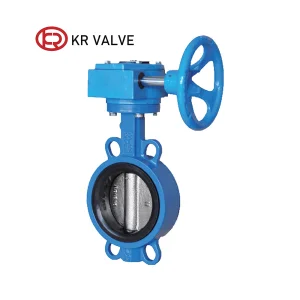
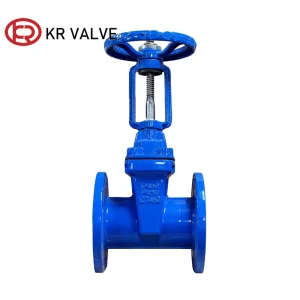
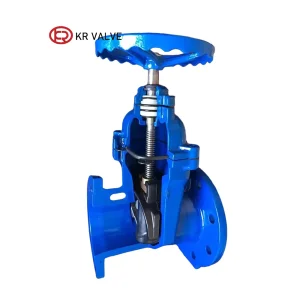
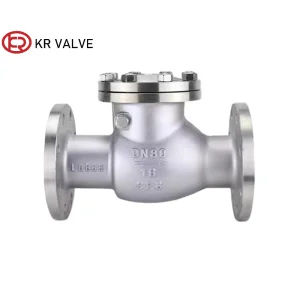
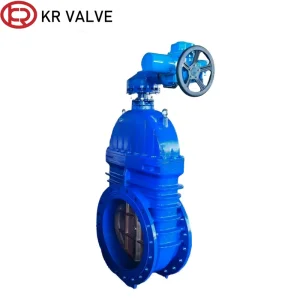
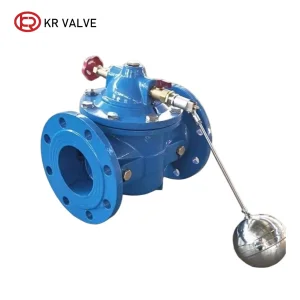
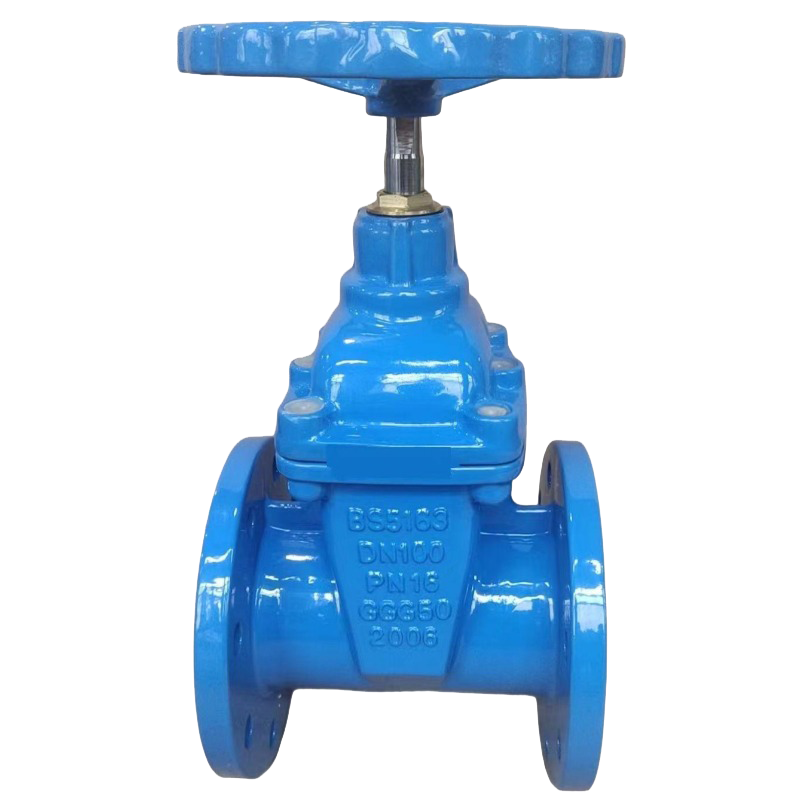
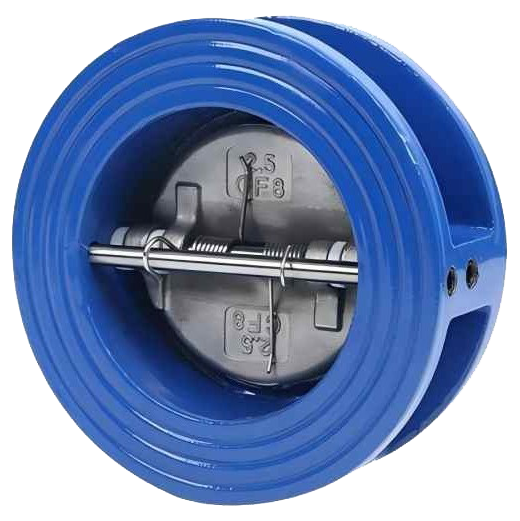
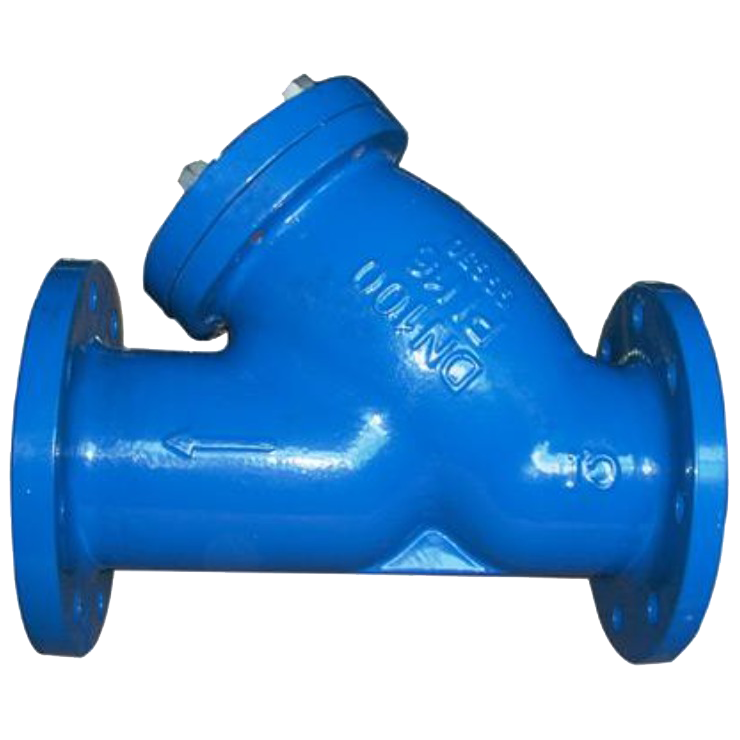
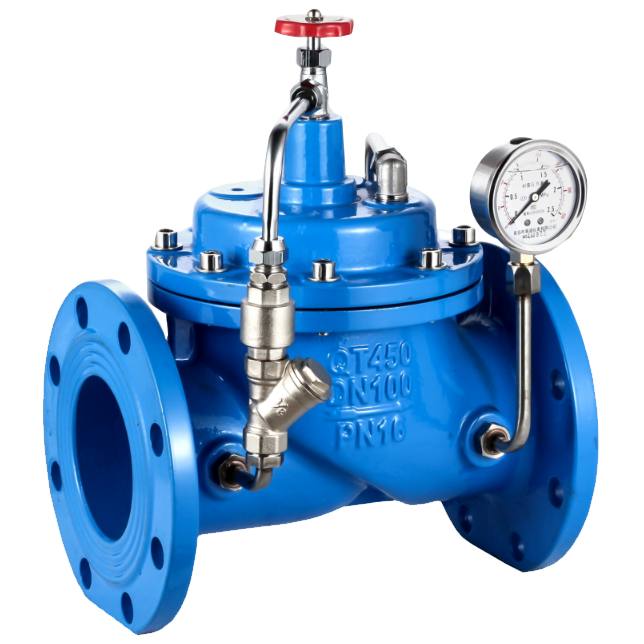
As a leading force in modern industrial manufacturing with over 20 years of experience, KR specialized engineering systems deliver superior fluid control reliability across standard and custom applications. Our extensive design portfolio contains over 500 industrial valve configurations, covering resilient-seated wafer butterfly valves, lug type control systems, swing check valves, gate valves, and complex water control systems.
We are committed to delivering unmatched engineering excellence, pairing custom manufacturing capabilities (OEM/ODM) with stringent compliance protocols. Our dynamic research and development facility focuses on fluid mechanics innovation, ensuring every valve matches your specific thermal, pressure, and chemical compatibility profile.
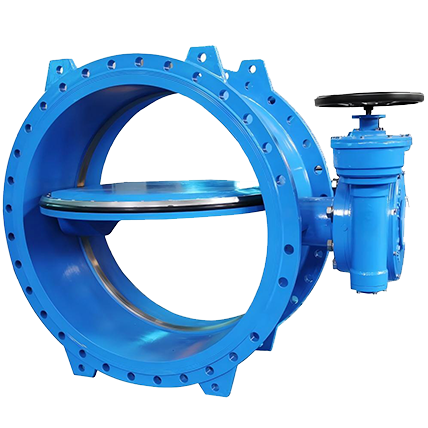
Selecting the correct valve body configuration is critical to system integrity, mechanical safety, and maintenance costs. In modern fluid engineering, both Wafer and Lug type butterfly valves offer distinct performance benefits depending on operational environment and structural load requirements.
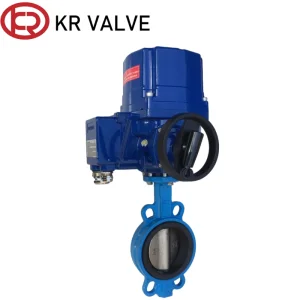
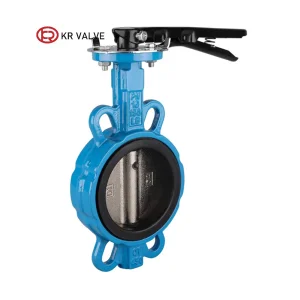
Wafer butterfly valves are optimized for bidirectional pressure isolation in compact pipeline arrangements. Positioned between standard ANSI/DIN/JIS piping flanges, the wafer body style uses structural through-bolts that sandwich the entire valve assembly.
Advantage: Exceptional weight reduction, narrow face-to-face dimensions, and highly cost-effective installation. Ideal for applications requiring minimal space footprint and reliable sealing under consistent pressure states.
Lug butterfly valves incorporate threaded metal inserts (lugs) surrounding the circumference of the valve body. These matching bolt holes correspond with pipe flanges, allowing individual bolts to thread directly into the valve body from both sides.
Advantage: Enables dead-end service and downstream system isolation. When upstream line maintenance is required, downstream pipelines can be decoupled safely without depressurizing the upstream section.
Unidirectional vs. Bidirectional Isolation: Wafer configurations cannot be used for dead-end piping due to the danger of structural displacement. Lug type designs hold their structural load position under directional hydraulic pressure.
Material Application: Ductile iron (GGG40), carbon steel (WCB), and stainless steel (CF8/CF8M) configurations are selected depending on seismic requirements, pressure rating standards (PN6/PN10/PN16/PN64), and chemical environment factors.
Our manufacturing lifecycle is structured around absolute precision, reliability, and continuous technology refinement.
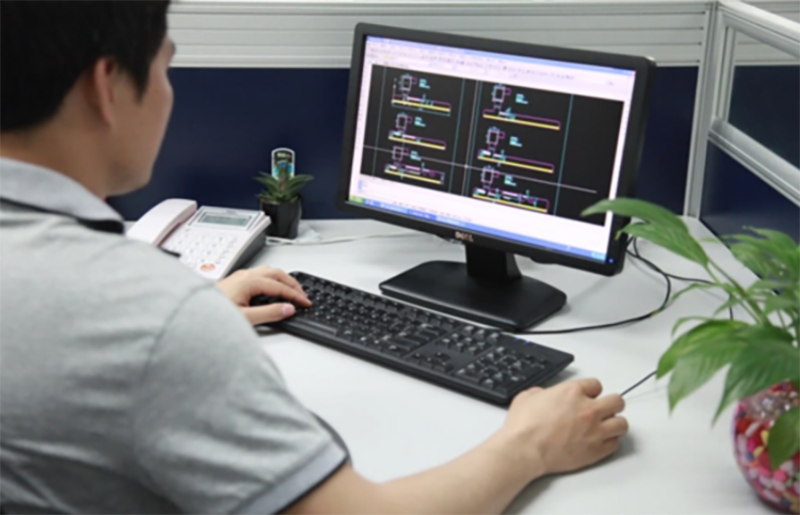
Our engineers continuously design and develop products that meet customer and market requirements, our lab provides extensive modern testing capabilities to elevate product performance development. We have 20 series and over 500 varieties of our products now.
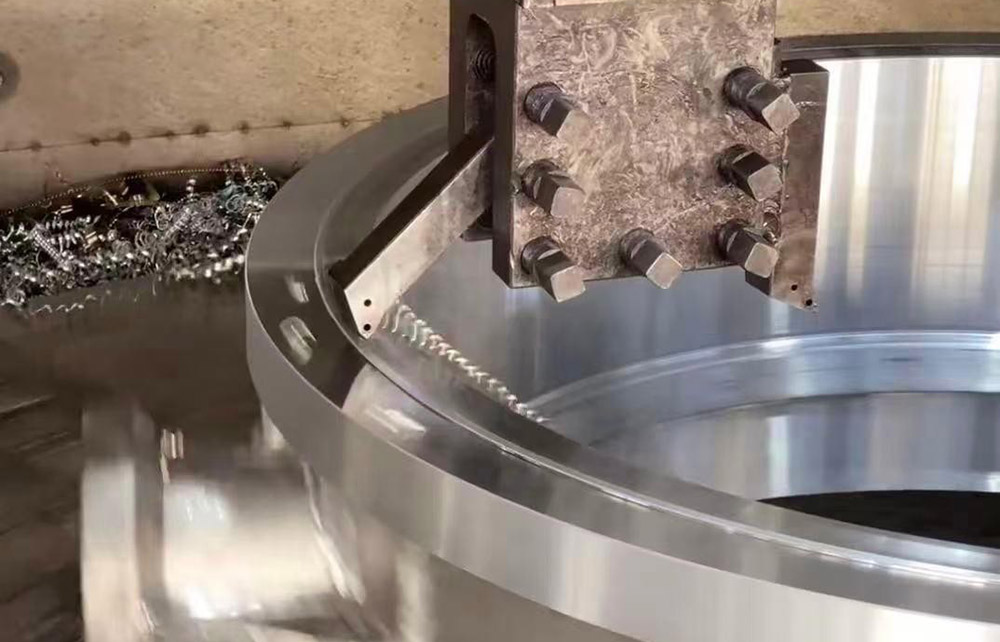
Products are manufactured under strict supervision in accordance with the ISO-9001 quality management system. We have over 30 production equipment (including 15 precision machining centers and automated assembly lines) and update our inventory monthly to meet and exceed customer expectations for delivery.
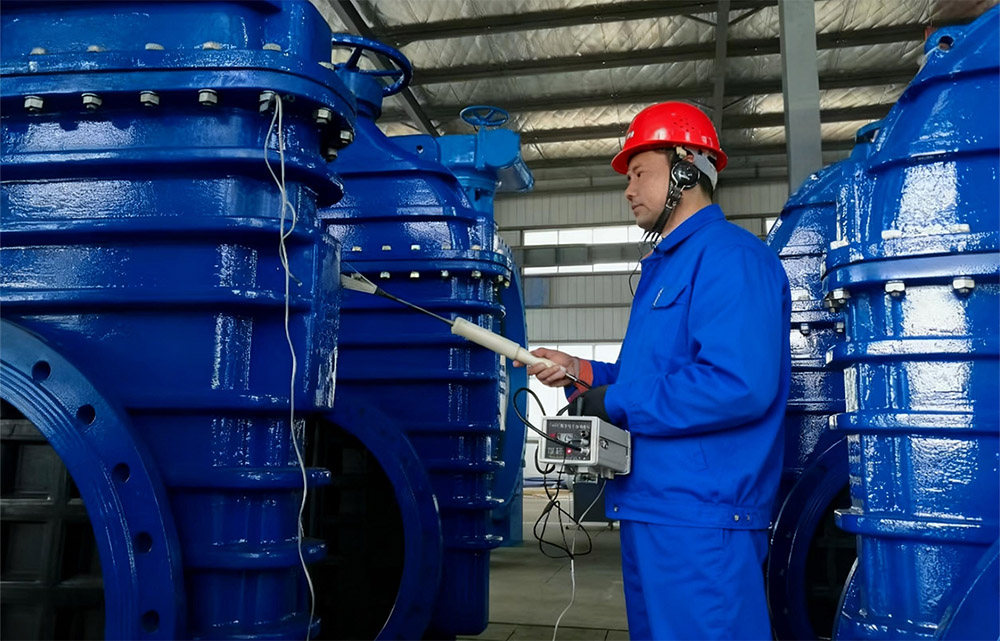
Our dedicated inspection department ensures 100% inspection quality of products. Zero leakage is our core manufacturing principle. According to international quality inspection standards, we conduct a series of inspections on the appearance, dimension, pressure, shell stability, and disc torque, issuing certified international test reports.
Every commercial partner gains direct access to a comprehensive supply chain system engineered to optimize your bottom line and system performance.
We market our independent premium brand "KR" globally and offer complete, customized OEM/ODM services for some of the world's most recognizable names in municipal flow control.
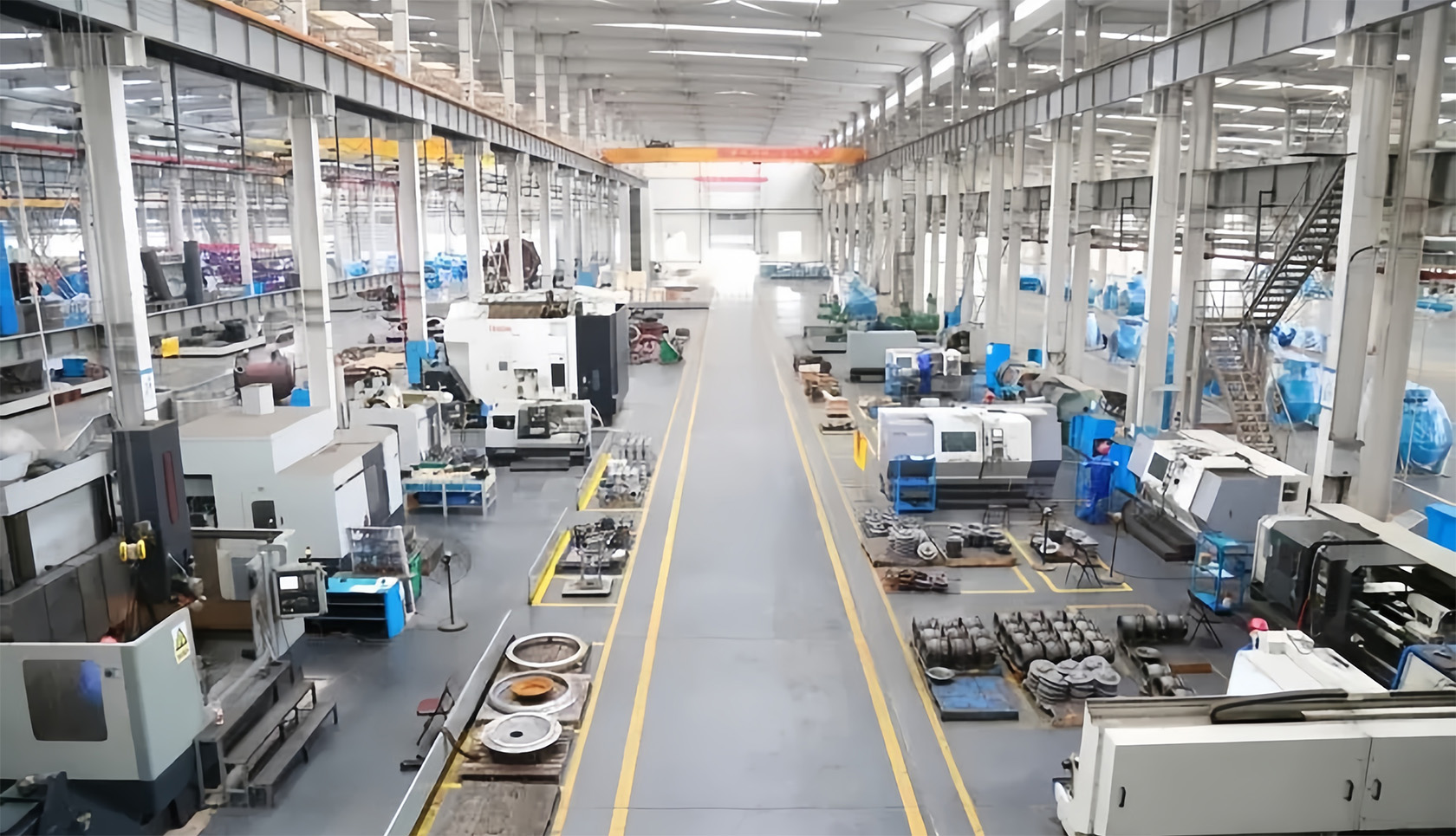
With 15 advanced machining complexes and structured manual/automated assembly bays, our production floor runs at optimal capacity to guarantee stable supply lines.
Our catalog offers international standard configurations (API, ANSI, EN, DIN, BS, JIS) along with specialized custom castings tailored for non-standard installations.
We strictly control the metallurgy, dimension tolerances, coating depth, and mechanical assembly of each component to build the perfect final product.
By managing all casting machining, elastomer vulcanization, assembly, and testing processes in-house, we eliminate unnecessary trade links to protect your margin.
Our field application engineers provide round-the-clock technical consultancies, including pre-sales model selection, pipeline torque calculations, and post-installation troubleshooting.
Gain immediate visibility into our manufacturing processes, product testing environments, and advanced assembly steps. We invite partners to evaluate our facility's scale.
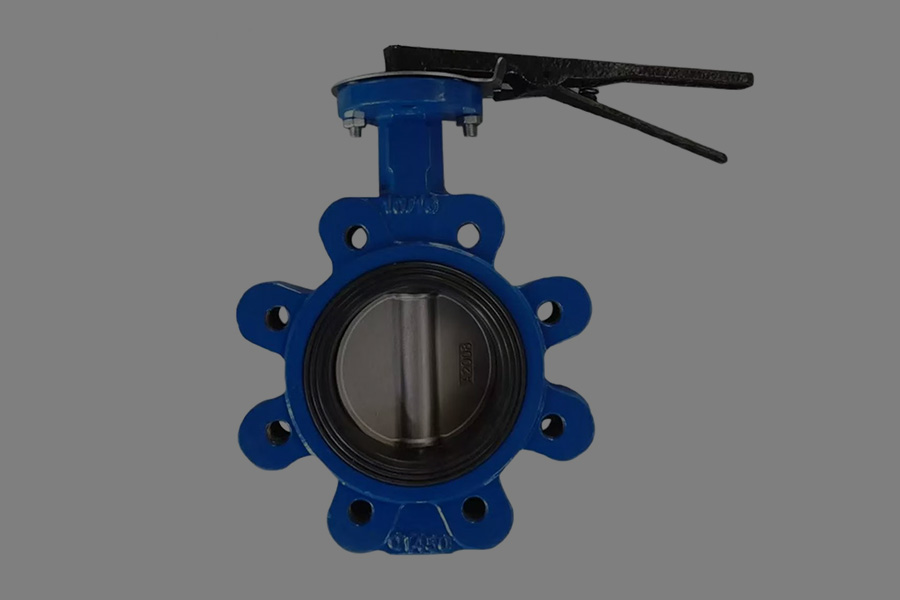
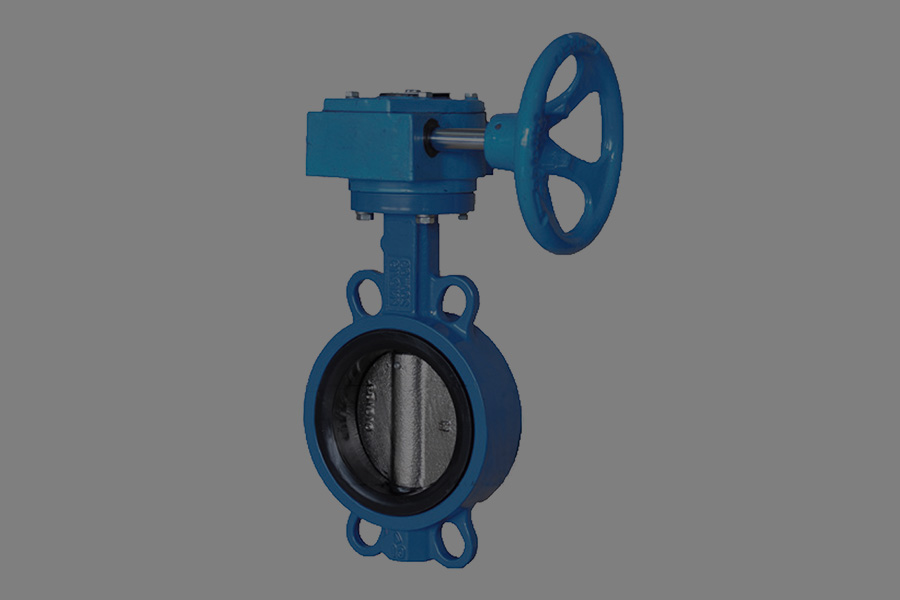
Our products are engineered for real-world reliability, serving municipal networks, regional reservoirs, heavy industrial plants, and utility grids globally.
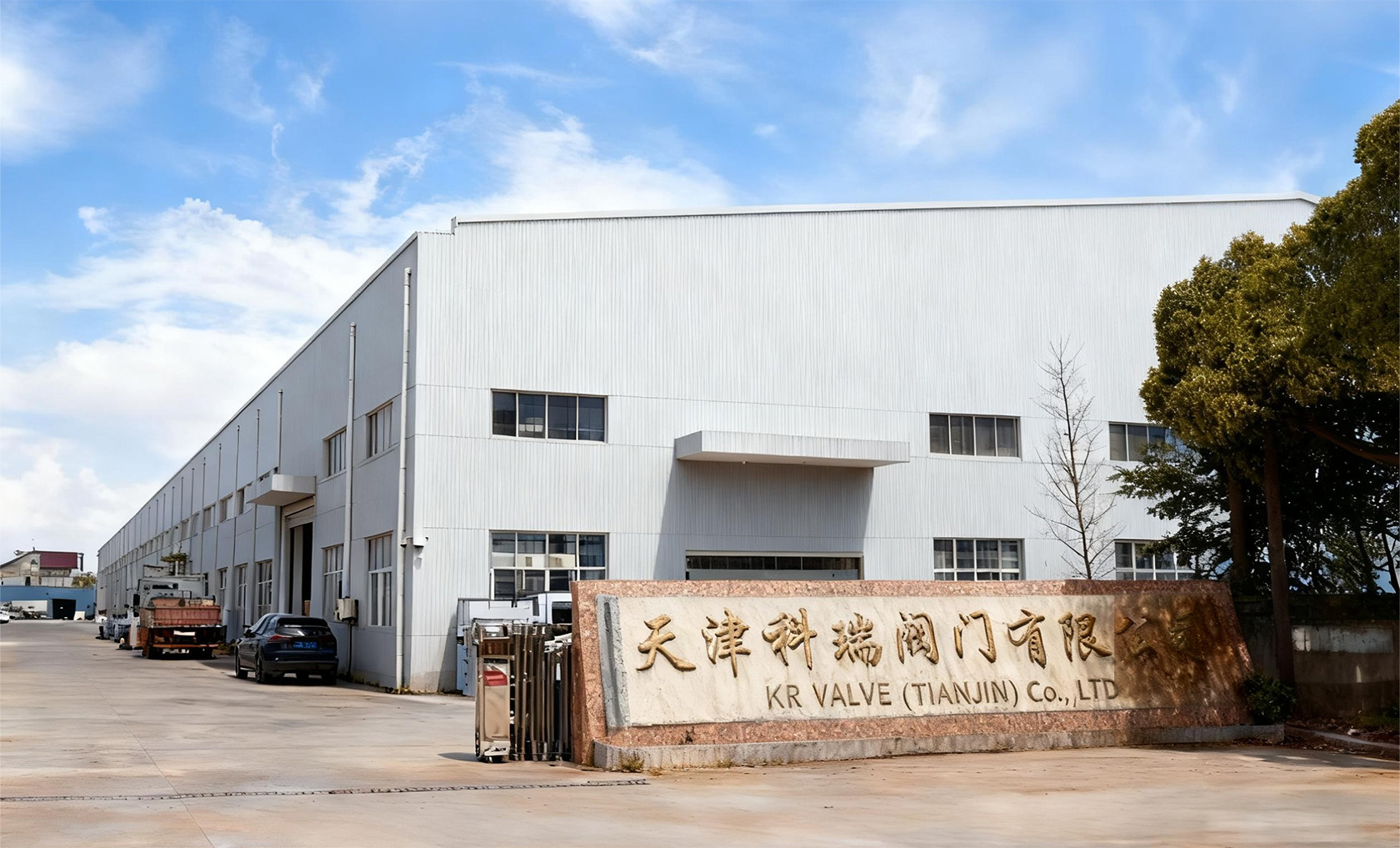
By maintaining end-to-end supply chain controls, our production plans align seamlessly with critical infrastructure build times. From high-integrity raw materials to performance testing, each process is documented for traceability.
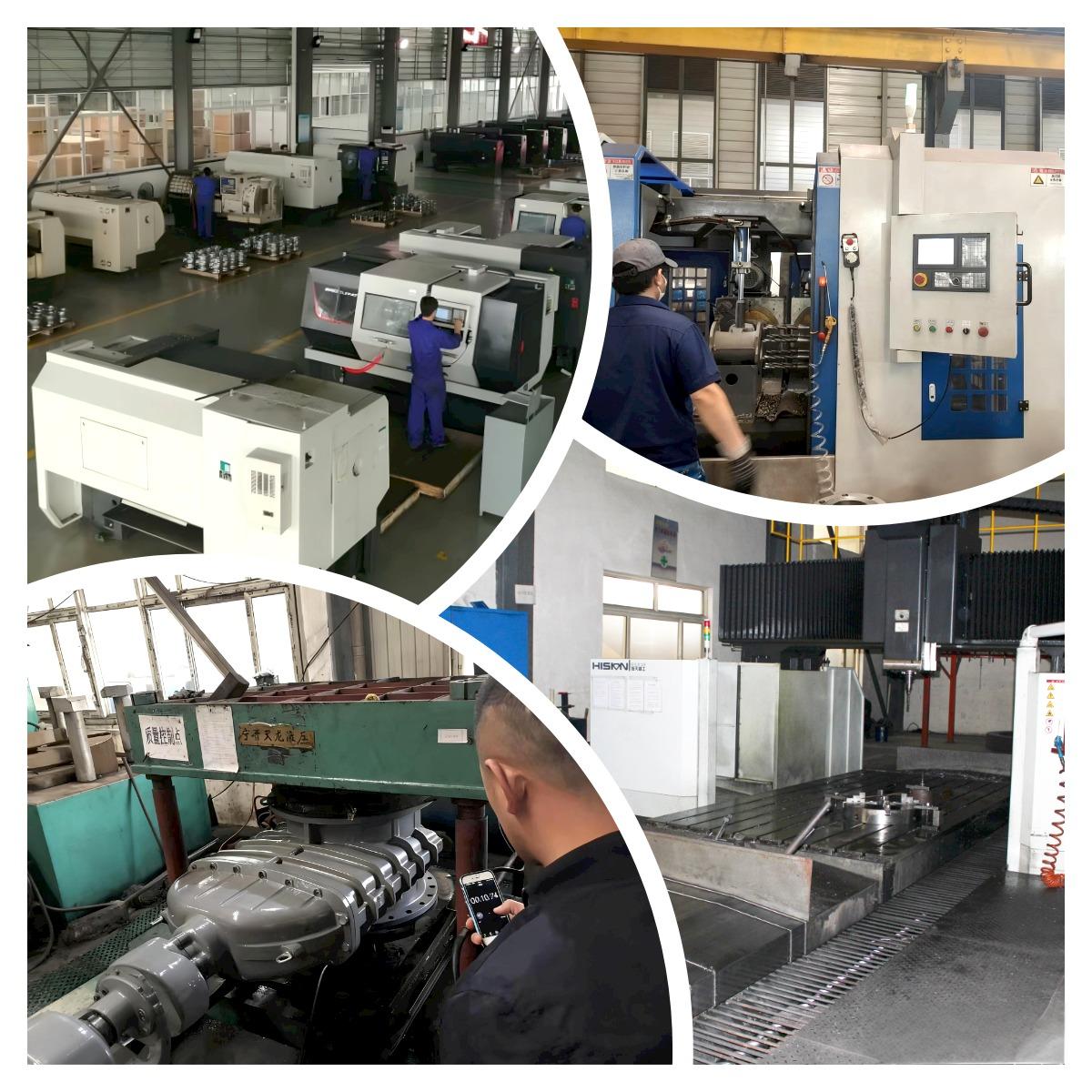
KR products deliver operational stability in harsh operational environments, supporting clean water infrastructure, large-scale industrial heating, wastewater remediation, chemical lines, and gas networks worldwide.
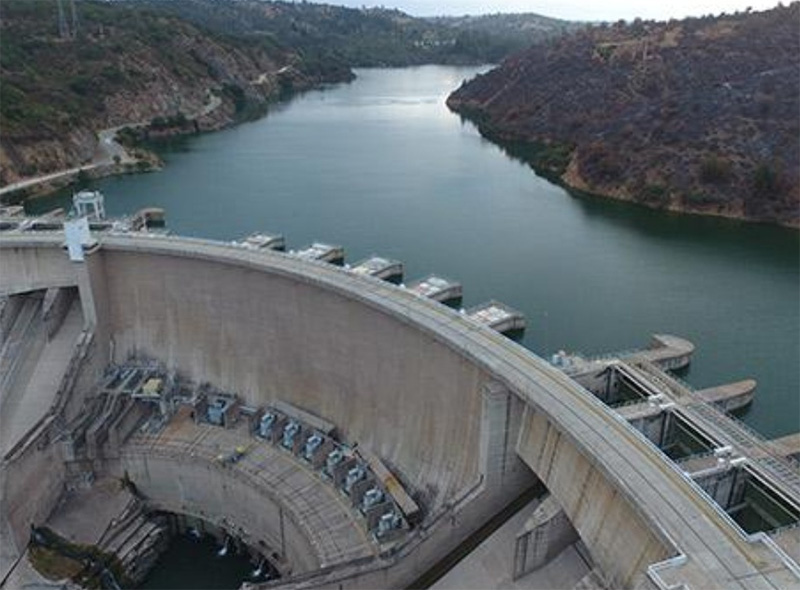
Supplied high-performance water control valves customized for severe altitude variations and dynamic mechanical loads, ensuring safety and operational control.
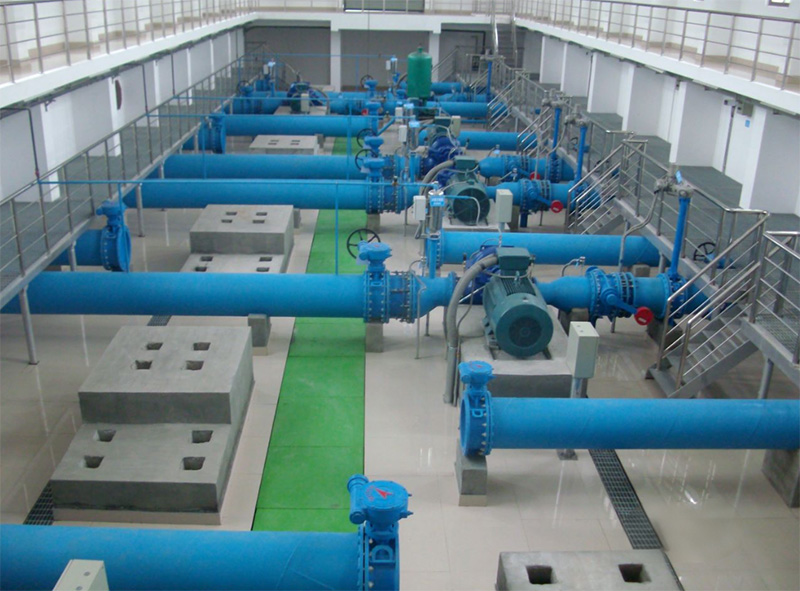
Manufactured and shipped large-diameter concentric wafer butterfly valves and high-flow check valves matching stringent EU drinking water standards.
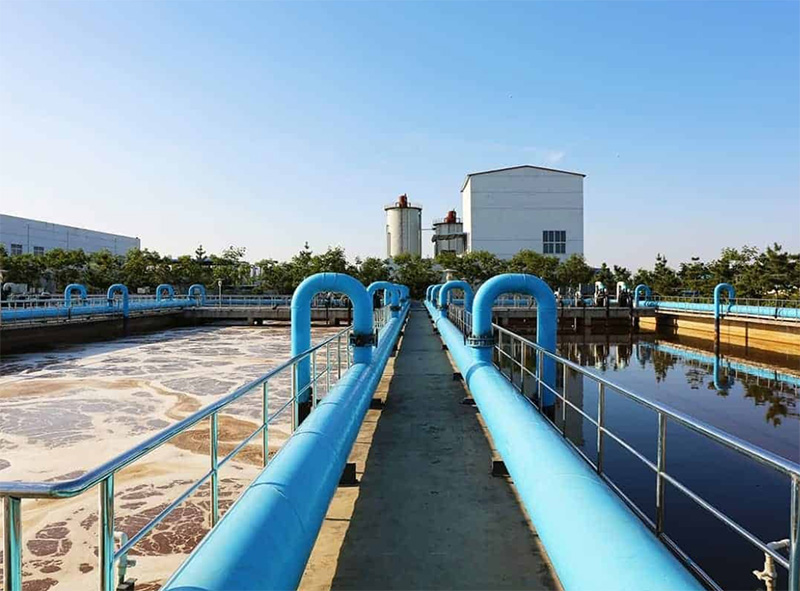
Delivered robust abrasive-resistant resilient seat valves, specifically designed to handle high solid contents and corrosive slurry media without clogging.
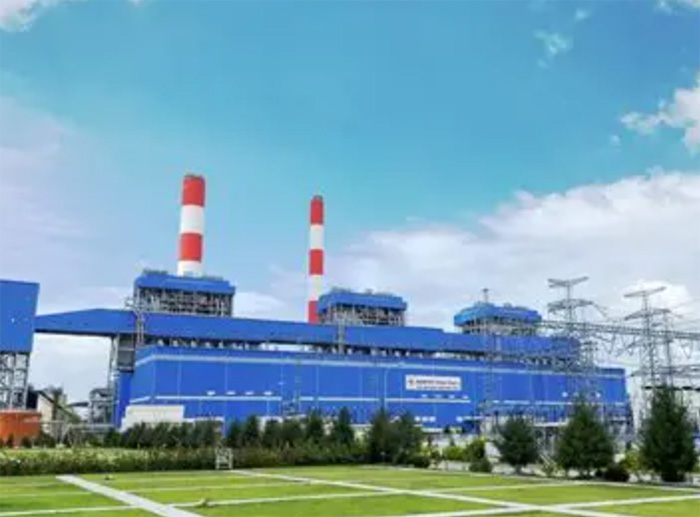
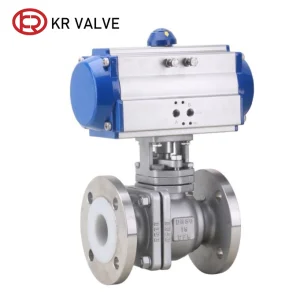
Provided corrosion-resistant fluoropolymer PTFE lined butterfly and ball valves, optimized for chemical transport lines with aggressive media.
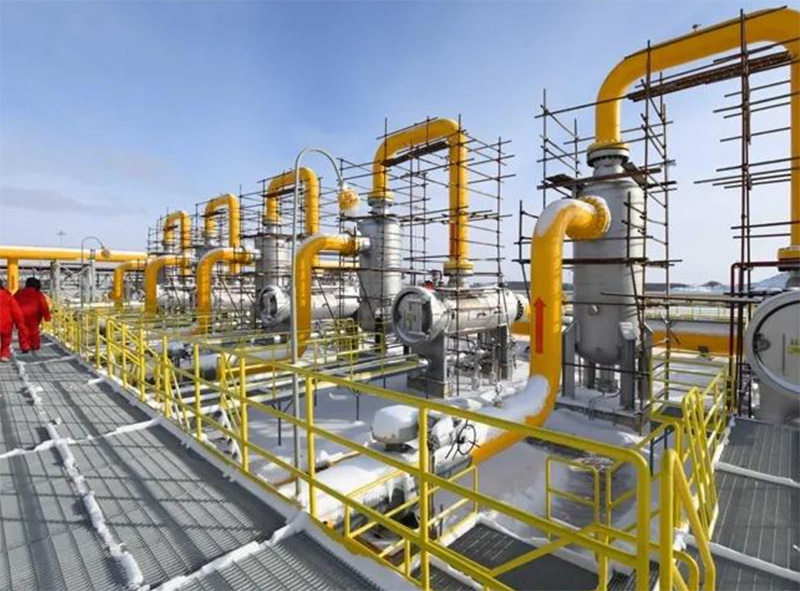
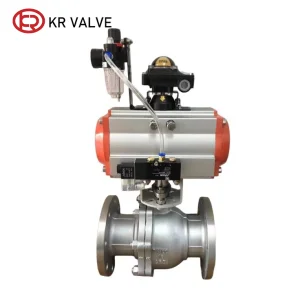
Engineered and delivered API-compliant carbon steel ball valves and gate valves rated for high pressures and deep sub-zero operating environments.
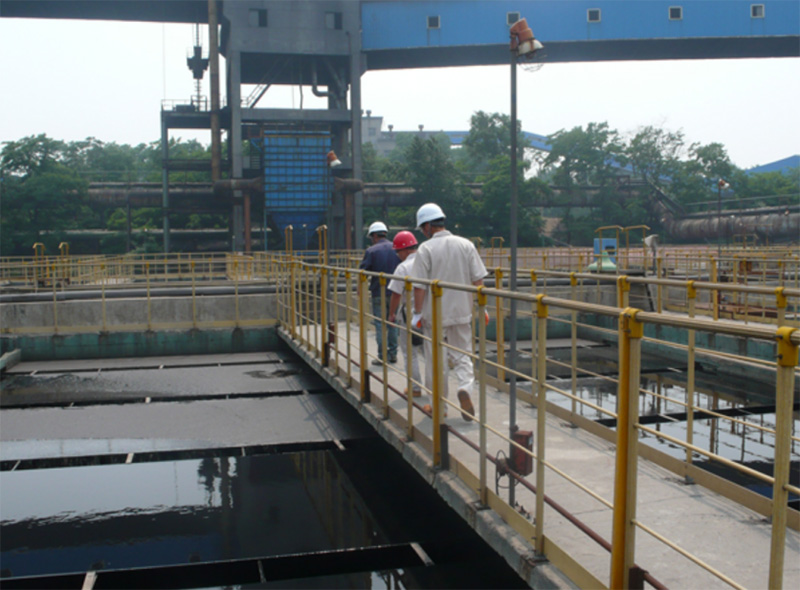
Supplied automated hydraulic water control valves for complex sewage treatment flow structures, assuring automated pressure reduction.
The global industrial landscape is transitioning rapidly to digitalized flow networks, carbon neutrality targets, and extreme environment resilience. KR is actively developing engineering platforms to support these requirements:
By integrating low-energy smart pneumatic positioners and motorized electric actuators with real-time feedback loops, our next-generation wafer/lug butterfly valves provide diagnostic analytics, leakage alerts, and continuous position tracking.
Developing wear-resistant EPDM and advanced PTFE formulations that deliver longer operational lifecycles without chemical degradation, maintaining drinking water safety certifications (NSF/FDA compliance) and chemical inertness.
Expanding our double eccentric and triple offset high-performance valve lines to offer zero-leakage isolation across cryogenic temperatures and high-pressure settings, replacing heavy traditional gates with light high-efficiency designs.
We address critical technical and structural questions asked by plant managers, design consultants, and global procurement departments.
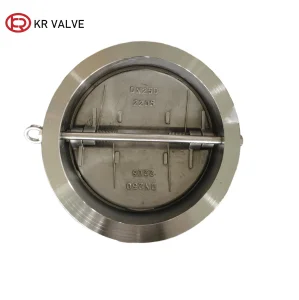
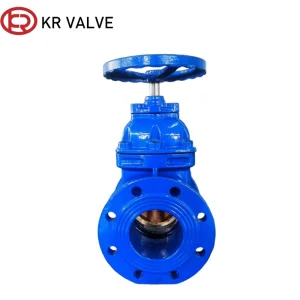
Complete your engineering assemblies with our certified, heavy-duty check valves, gate valves, and multi-actuation systems.
Get in touch with our team of pipeline engineers today. We provide full drawings, material test certificates (MTC), and detailed quotes within 24 hours.
 KR VAVLE