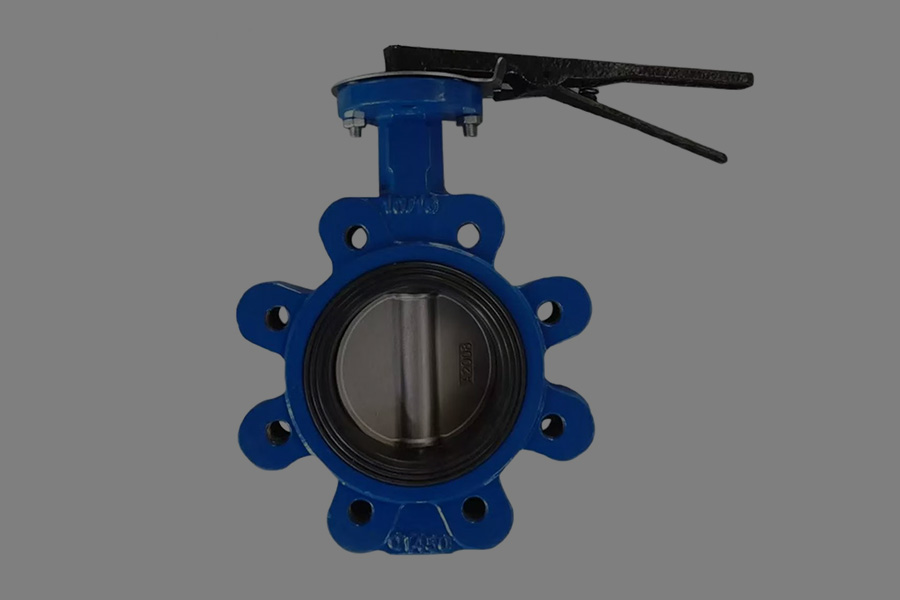
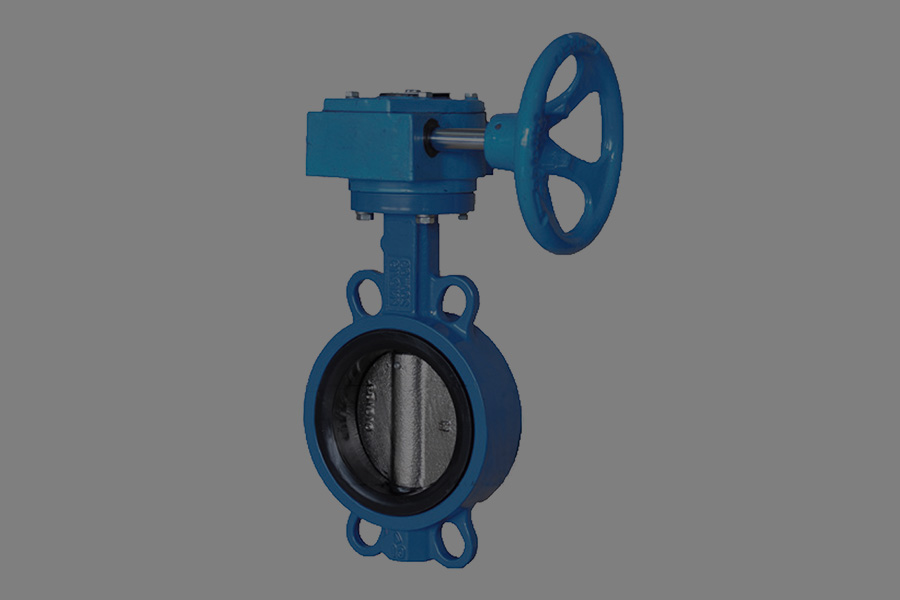
Direct supply from KR Valve's state-of-the-art production lines. Discover our comprehensive range of high-durability valves engineered for rigorous commercial and industrial application environments.
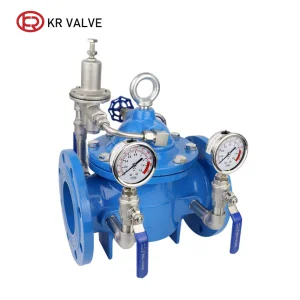
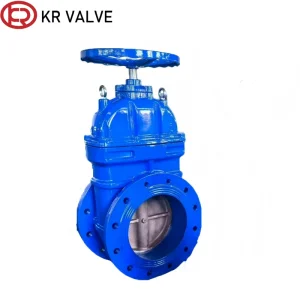
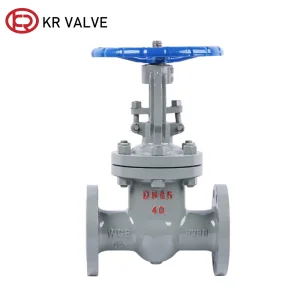
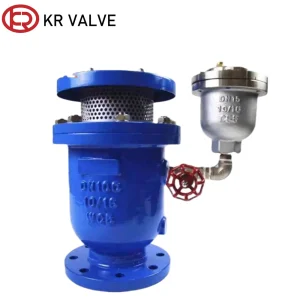
Understanding mechanical dynamics, fluid limitations, and installation geometry is key to selecting the appropriate check valve for industrial infrastructure projects.
In modern pipeline engineering, backflow prevention is critical to protecting pumps, turbines, and complex control systems from hydraulic shock (commonly known as water hammer) and backward contamination. A Horizontal Check Valve is specifically engineered to operate in horizontal pipeline configurations, relying on gravity, fluid momentum, and spring assistance to close the valve element (disc, ball, or piston) when forward fluid velocity drops to zero.
Unlike vertical orientation valves which utilize gravity assistance along the axial line of flow, horizontal check valves require careful hydraulic calibration. Discs must swing or lift perpendicular to the flow axis. This structural setup makes them highly sensitive to turbulent flow profiles, pressure drops, and localized turbulence. To optimize service life, engineers must balance cracking pressure (the minimum pressure required to open the valve) and closing velocity to prevent premature wear on the valve seat, pin degradation, and high head loss.
Horizontal alignments require robust hinge pin designs. Swing check variations feature an internal disk hanging from a top-mounted hinge pin, minimizing friction while preventing flow reversals under low pressure differentials.
Proper calibration ensures that cracking pressure is low enough to prevent significant flow resistance, while remaining high enough to shut completely before reverse velocities develop.
From sewage treatment handling particulate matter to high-purity chemical processing, horizontal systems demand material compatibility (WCB, CF8, GGG50) to limit cavitation erosion.
How international standards, industrial upgrades, and procurement supply chains dictate high-capacity valve manufacturing.
The global demand for industrial valves is expanding rapidly, driven by municipal water expansions, global petrochemical investments, and sustainable energy projects. According to market analysis, the industrial check valve segment represents a significant portion of this growth, with horizontal flow line valves occupying the majority of processing pipeline systems.
In wholesale industrial procurement, cost-effective pricing must align with strict international safety standards. Leading manufacturing regions in China, specifically integrated clusters like KR Valve Factory, have addressed this by combining casting, CNC machining, assembly, and testing under single-roof operations. This integration reduces production overhead and lead times, while ensuring consistency across bulk production batches. Global EPC (Engineering, Procurement, and Construction) companies look for manufacturers that can supply both standard products (ANSI, DIN, BS, JIS) and customized configurations for specific regional setups.
| Standard Type | Common Materials | Applicable Sectors | Pressure Rating Options |
|---|---|---|---|
| ANSI / ASME B16.34 | WCB Carbon Steel, Stainless Steel (CF8/CF8M) | Petrochemical, Oil & Gas, High-Temp Systems | Class 150, Class 300, Class 600 |
| BS EN 12266 / DIN | Ductile Iron (GGG40/GGG50), Cast Iron (GG25) | Water Treatment, Desalination, Municipal Lines | PN10, PN16, PN25, PN40 |
| JIS B2031 / B2002 | Ductile Iron, Bronze, Alloy Steel | Maritime Engineering, Chemical Plants, HVAC | 10K, 20K, 40K |
A trusted global supplier with specialized knowledge, advanced manufacturing systems, and rigorous quality inspection protocols.
KR Valve Group has built a reputation over two decades as a key partner for municipal water systems, industrial process plants, and major engineering undertakings. We manufacture a wide range of products, including butterfly valves, gate valves, check valves, and water control valves, alongside matched installation accessories. These products support critical operations across water treatment networks, dam construction, commercial developments, district heating systems, and chemical processing facilities.
Our commitment to quality is backed by ISO-9001 quality management systems. We operate over 30 advanced production systems, including 15 high-precision machining machines and automated assembly lines. Our monthly inventory updates ensure production flexibility and reliable delivery timelines.
Our R&D department drives product innovation, utilizing computer fluid dynamics (CFD) simulation and modern material testing laboratories to optimize pressure performance, flow coefficients, and seat durability. In addition to our proprietary 'KR' brand, we provide comprehensive OEM/ODM manufacturing services, serving as an key supplier to several international valve brands.
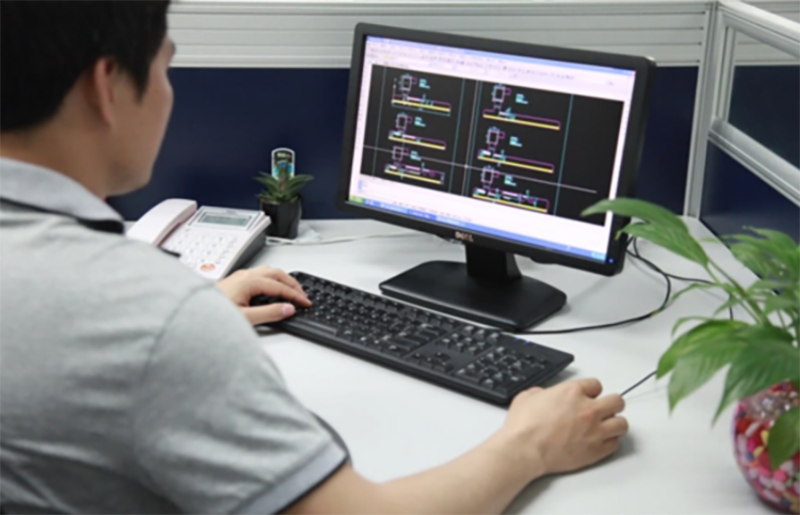
Our engineering team focuses on structural durability and fluid efficiency. Utilizing 3D modeling and stress analysis software, we design check and gate valves that minimize pressure loss and handle hydraulic flow transitions smoothly.
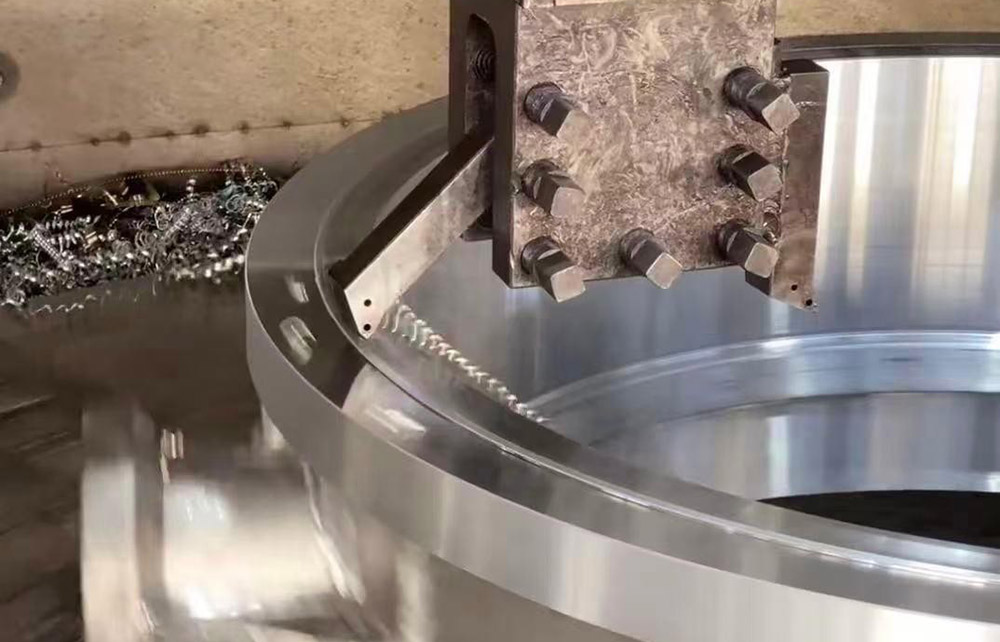
Our production department operates in accordance with ISO-9001 protocols. Utilizing high-efficiency machining centers, we achieve tight dimensional tolerances on valve seats, discs, and stem alignments to support reliable long-term operations.
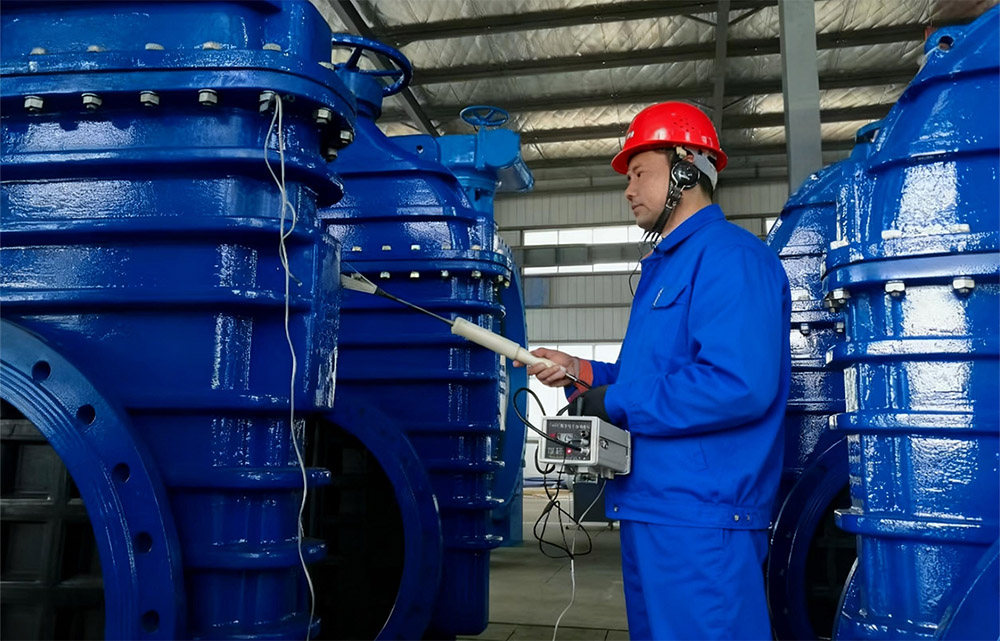
Our quality control program demands zero-leakage performance. We perform hydrostatic shell and seat tests on every valve batch according to API 598 and European standards. This step verifies body integrity under high pressure before shipment.
Ensuring compliance with local environmental guidelines and pressure ratings across diverse operating conditions.
Horizontal check valves require adjustment for regional differences in municipal water codes, industrial safety standards, and environmental regulations. KR Valve provides localization support to ensure seamless integration. This includes configuring flange drillings (ASME/BS/DIN/JIS), providing custom paint coatings for corrosive soils, and securing regional materials compliance certificates (such as WRAS for direct drinking water compatibility or ATEX for explosive chemical environments).
Understanding application realities is essential. Below are the key scenarios where KR's valves are regularly deployed:
Desalination facilities handle high-salinity media that accelerate galvanic corrosion. Using stainless steel (CF8M) check valves prevents reverse flow without compromising structural integrity or polluting drinking water supplies.
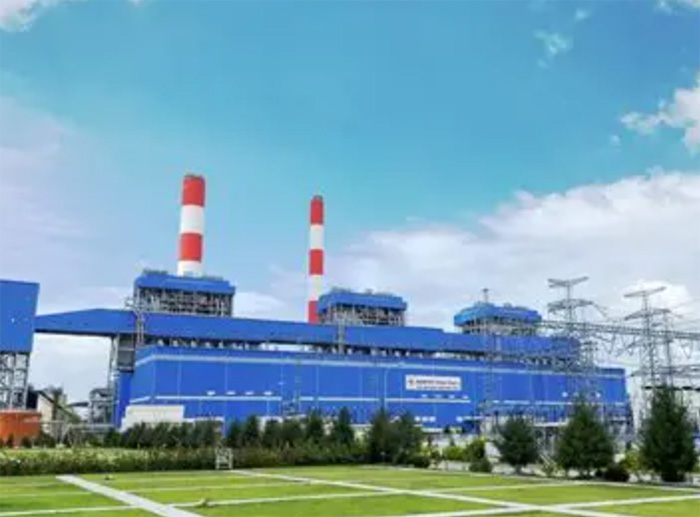
Petrochemical refining and power generation plants operate under extreme thermal conditions. Cast steel (WCB) check valves maintain dimensional stability under thermal expansion, keeping lines secure during shutdown cycles.
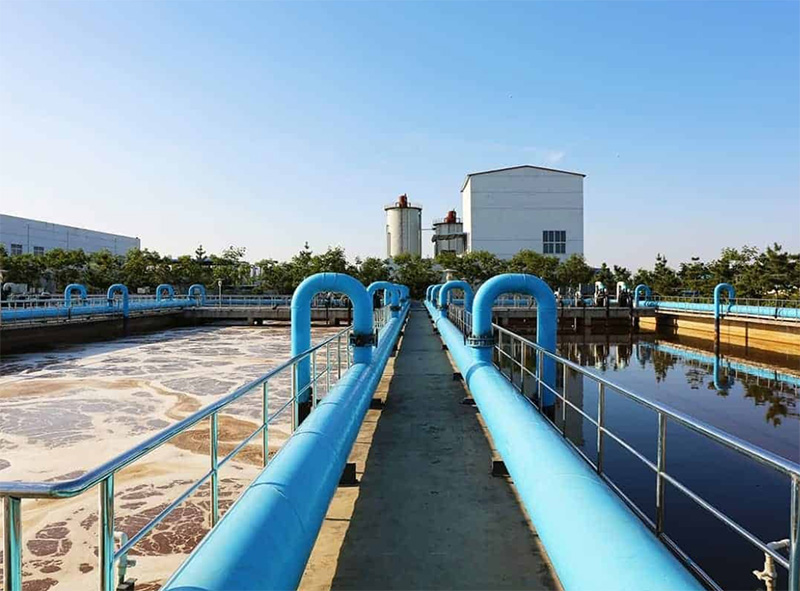
Pumping stations managing wastewater need non-return valves that resist clogging from solids. KR's ball check valves allow particles to pass without blocking the seat, preventing system blockages.
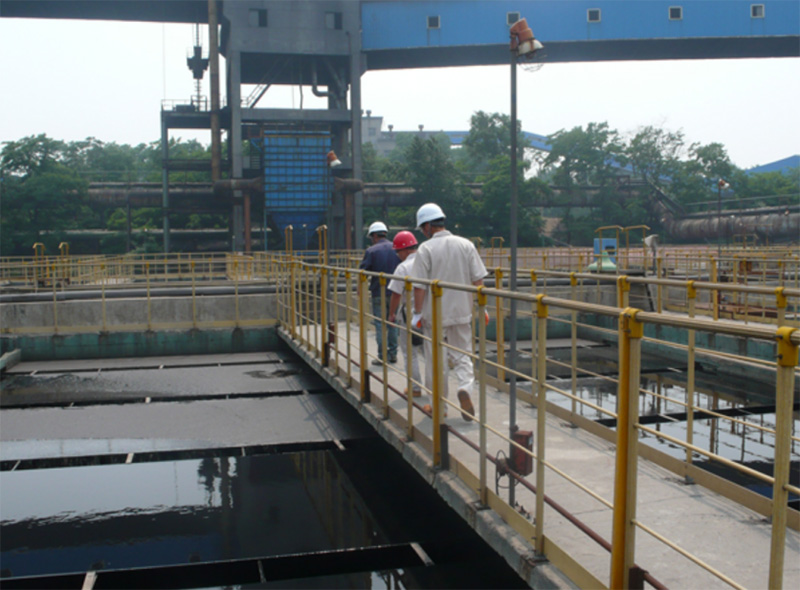
Reviewing our industrial installations across municipal water distribution and chemical plant networks.
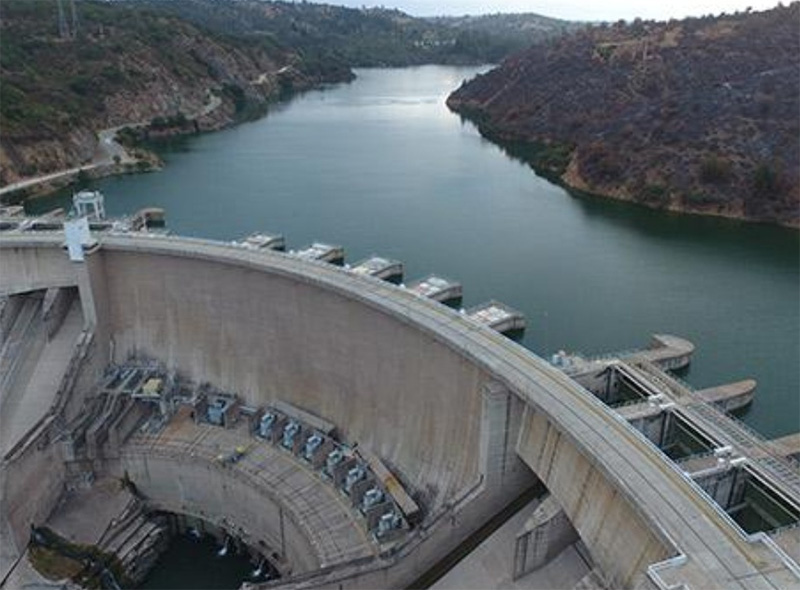
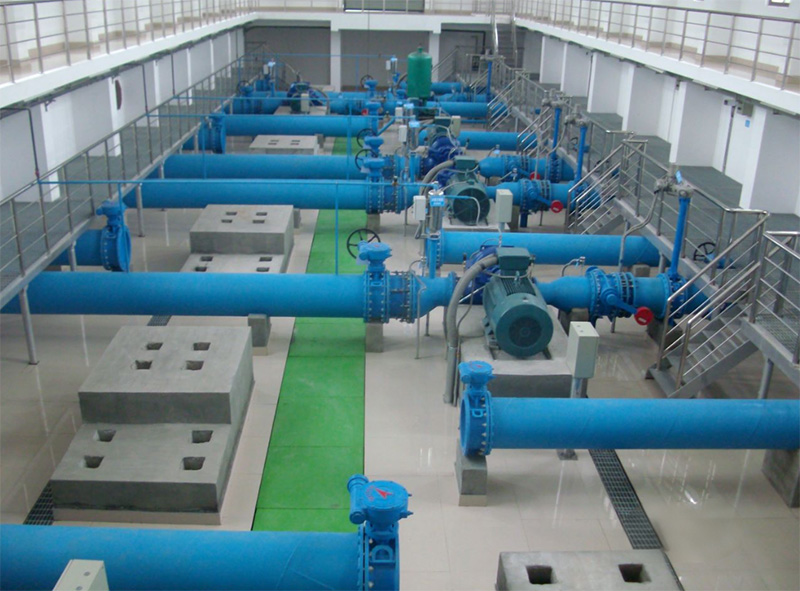
KR supplied a complete package of specialized water control and non-return check valves. Engineered to handle large volume changes, these units maintain flow stability under varying reservoir pressures.
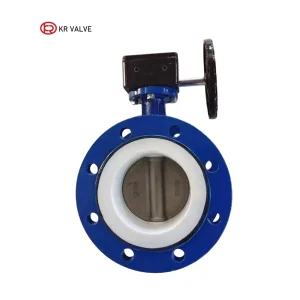
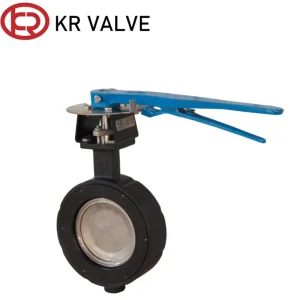
We delivered large-diameter double eccentric butterfly valves and swing check valves for a major waterworks installation. These valves reduced transit pressure drops, yielding operational energy savings.
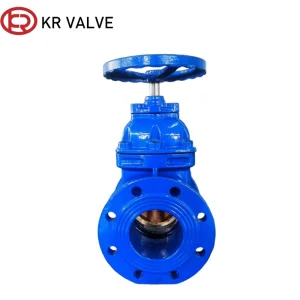
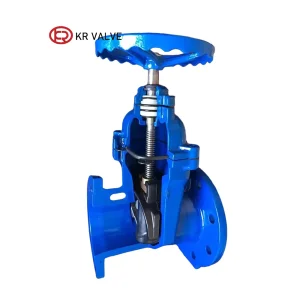
Wastewater management requires abrasion-resistant components. KR supplied resilient-seated gate and swing check valves that withstand high grit content while closing reliably to prevent slurry backflow.
Handling acidic compounds requires specialized alloys. KR provided CF8/CF8M stainless steel check valves with PTFE seals, preventing chemical back-contamination and protecting pumps from acid exposure.
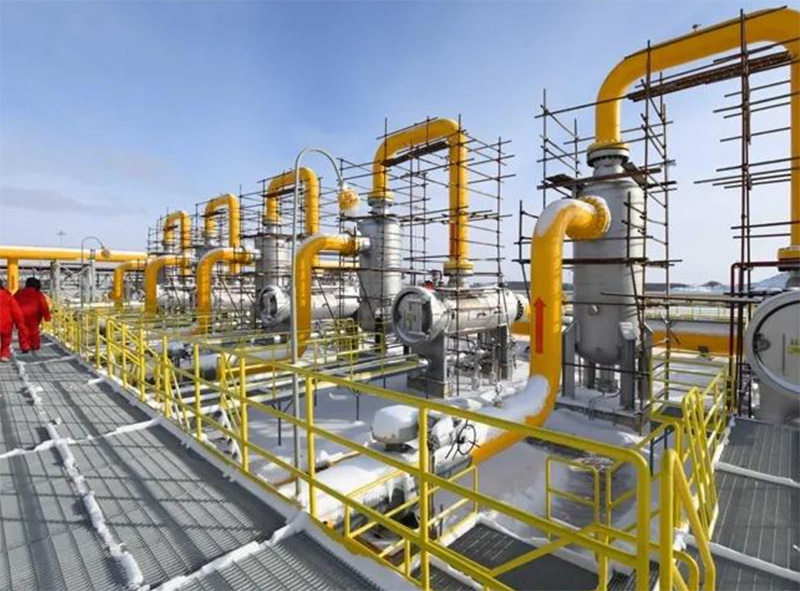
Managing high-pressure gas distribution requires tight sealing integrity. KR supplied metal-seated gate valves and piston check valves designed to maintain seal tightess across a wide range of operating temperatures.
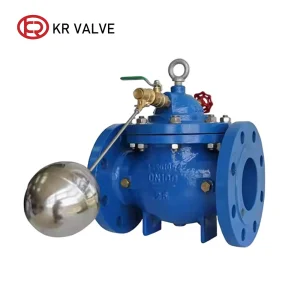
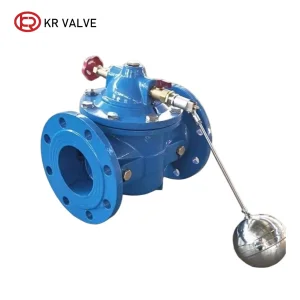
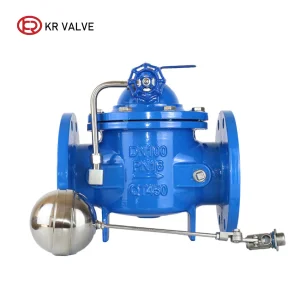
KR supplied remote float and control valves to manage fluctuating levels in settling basins, protecting surrounding electronics from overflow incidents.
Step inside our factory to see our casting, precision machining, and automated pressure testing processes.
A look at the upcoming designs and digital integrations shaping the future of fluid dynamics.
Modern fluid management systems are shifting toward smart tracking and digital integration. Valve systems must evolve to support predictive maintenance programs and minimize pressure energy losses across distribution networks. The research division at KR Valve is currently exploring three development areas:
Get answers to common technical queries on selecting, installing, and maintaining horizontal check valves.
The primary difference lies in the direction of the gravitational force relative to the valve disc. In a horizontal setup, the disc rests perpendicular to the pipe run, relying on a swing arm or spring mechanism to return to its seat. In a vertical line, gravity works parallel to the direction of flow, allowing gravity to pull the disc down. Installing a standard vertical check valve horizontally can result in incomplete closure or sticking.
Water hammer is caused by the rapid deceleration of fluid columns. To prevent this, system designers specify spring-loaded check valves or quick-closing non-return valves. Dual-plate check valves with internal spring assistance close rapidly when fluid velocity drops, shutting before reverse flow can gain velocity and slam the disc closed.
For high-salinity or marine installations, we recommend using stainless steel (CF8M/CF3M) or specialty bronze alloys. For less critical cooling water lines, ductile iron bodies with high-durability epoxy coatings and stainless steel trim provide a cost-effective solution.
Yes, we offer complete OEM and ODM services. Our facility can cast custom brand markings directly onto the valve body, customize end connection lengths to fit existing installations, and apply specialized paint finishes to meet specific project needs.
All KR valves undergo pressure testing in accordance with API 598 and BS EN 12266 specifications. This includes hydrostatic shell testing at 1.5 times the design working pressure and seat leakage testing, verifying a complete seal before the product is approved for packaging.
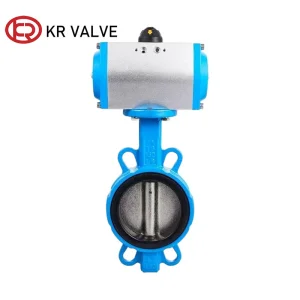
Browse our selection of gate, butterfly, and specialized water control valves designed for commercial and municipal systems.
 KR VAVLE