 KR VAVLE
The Critical Role of Evacuation Valves in Modern Heavy Industry
An Engineering Whitepaper on Air Management, Vacuum Relief, and Pipeline Safety
In modern fluid transmission networks, managing the air inside pipelines is vital for security, durability, and operating efficiency. An evacuation valve (also known as an air release, vacuum breaker, or air vent valve) serves as a critical safety device designed to release large volumes of air during pipe-filling cycles, exhaust trapped air pockets during pressurization, and introduce massive amounts of atmospheric air during line draining or emergency bursts.
1. The Physics of Air Entrapment and Vacuum Dynamics
Water contains about 2% dissolved air under normal conditions, which can separate as temperature increases or pressure drops. As fluid travels through a pipeline, these air bubbles gather at high elevation points. If not vented systematically, these air pockets restrict flow cross-sections, raising pumping costs and causing sudden pressure surges (water hammer).
Conversely, when a pipeline is drained rapidly, or in the event of a structural rupture, a localized vacuum is created. Without an evacuation valve to supply atmospheric air instantly, the pressure can fall below atmospheric limits, causing thin-walled pipes to implode. A properly sized evacuation valve acts as a dual-function safeguard, equalizing internal and external pressures.
2. Material Science and Construction: Why Ductile Iron GGG40 Matters
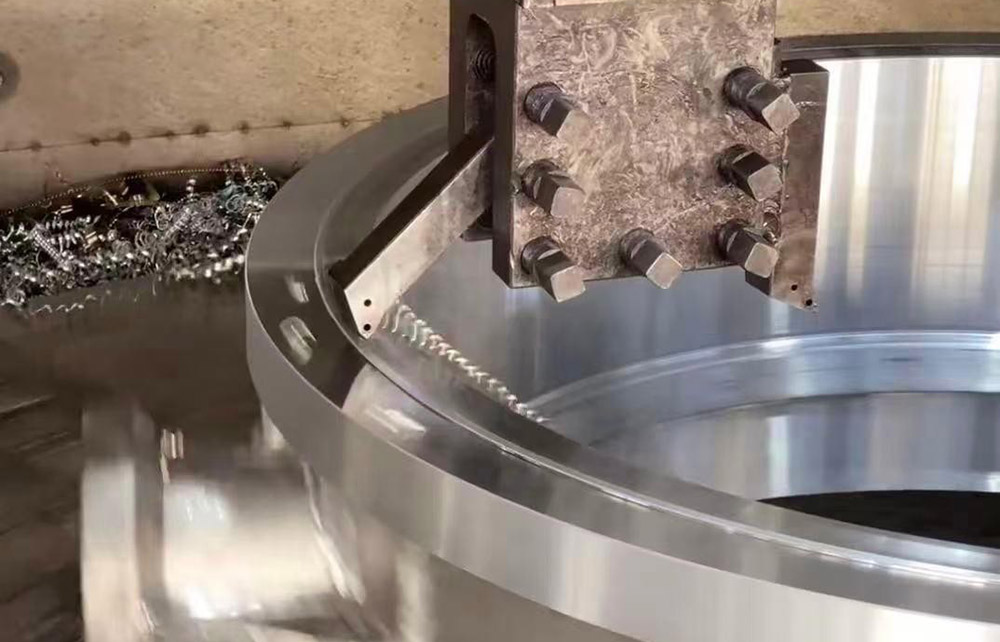
Evacuation valves must endure challenging conditions, including outdoor exposure, corrosive water chemistries, and pressure fluctuations. Our factory uses Ductile Iron GGG40 (EN-GJS-400-15) for the pressure containment body.
- Tensile Strength: Minimum 400 MPa, compared to cast iron (GG25) which typically fails at 250 MPa.
- Ductility and Elongation: The spheroidal graphite structure gives GGG40 15% elongation capabilities, protecting against pressure spikes.
- Corrosion Protection: Coated internally and externally with Fusion Bonded Epoxy (FBE) to a minimum thickness of 300 microns, preventing corrosion from aggressive water.
3. E-E-A-T Insights: Evacuation Valves Evolution & Future Trends
The flow control industry is shifting toward smart, automated systems. Industry trends indicate that future evacuation valves will feature digital monitoring options.
- Smart Air Valves (IoT Integration): Future designs will include integrated acoustic and pressure sensors that monitor valve performance and alert operators to leaks or blockages.
- Anti-Slam Technology: Traditional valves can shut too quickly when venting air, generating a secondary pressure shock. Modern valves use multi-stage closing discs to buffer air discharge and prevent slamming.
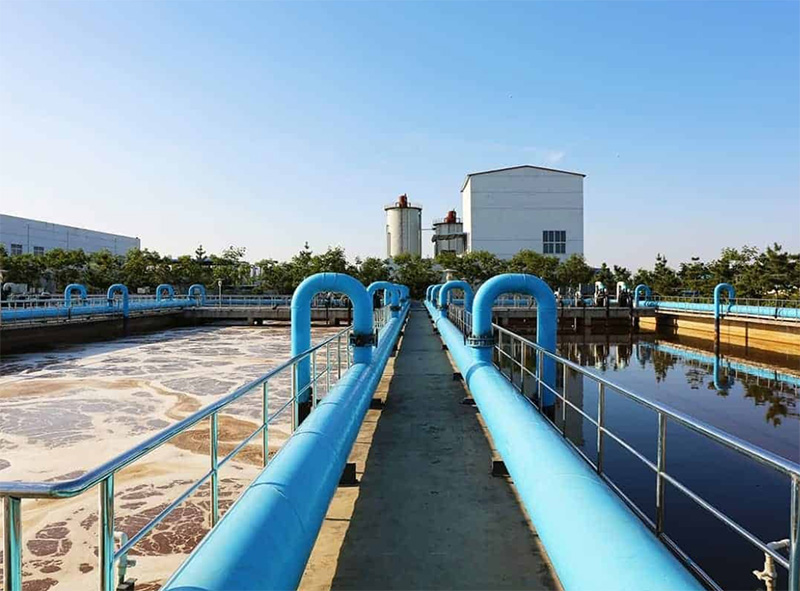
- Specialized Wastewater Vents: For sewage lines, the valve body is elongated to prevent solid matter from fouling the operating mechanism, ensuring reliable operation without clogging.
4. Global Commercial Landscapes & Local Application Scenarios
Evacuation valves are critical to global infrastructure. Their application spans multiple industries, each requiring specific configurations:
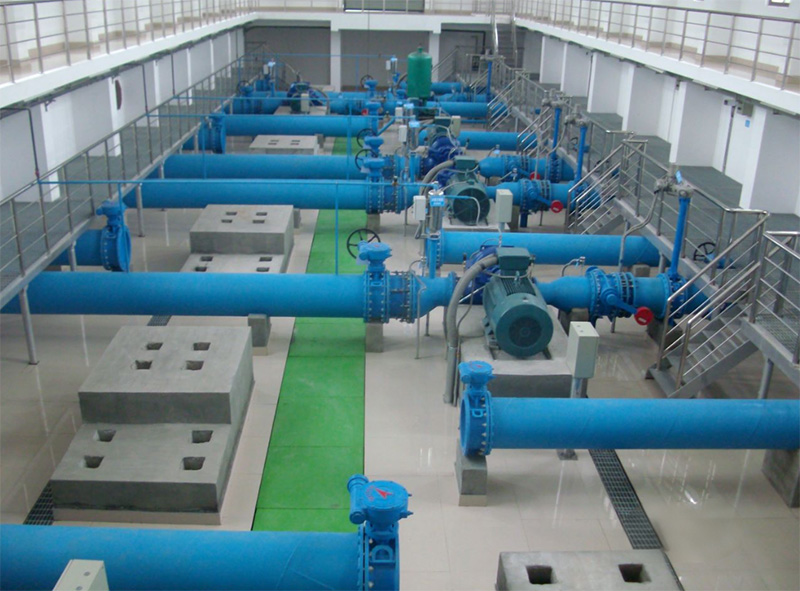
- Municipal Water Distribution: High-capacity air release valves at system summits prevent air locks and optimize pump efficiency.
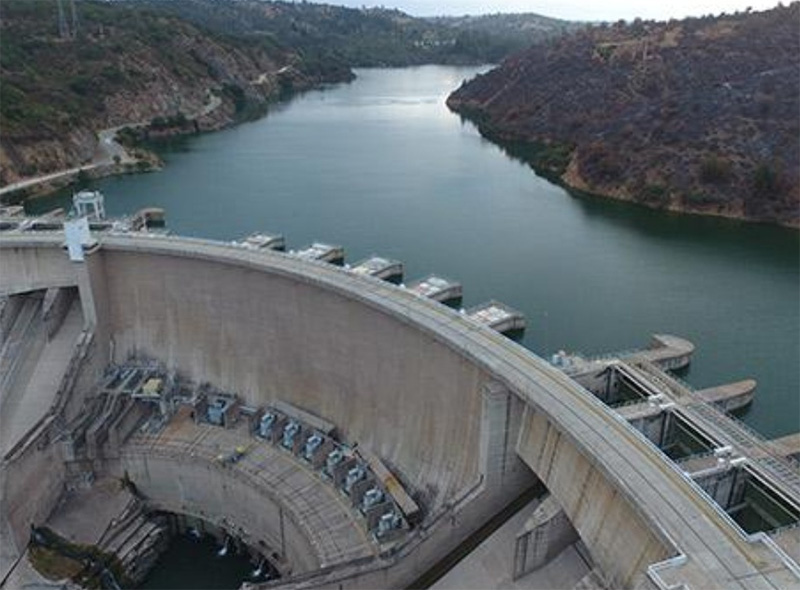
- Hydroelectric Dam Infrastructure: Rapid-discharge valves protect large-diameter penstocks from vacuum collapse during turbine shutdowns.
- Agricultural Irrigation Networks: Systems that start and stop frequently require durable, cost-effective air release valves to manage recurring line-fill cycles.
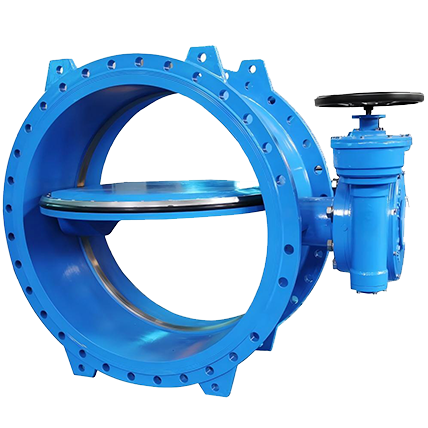
- Industrial Process & Chemical Plants: Double-offset and corrosion-resistant valves manage fluids with varying chemical properties, ensuring steady system operation.