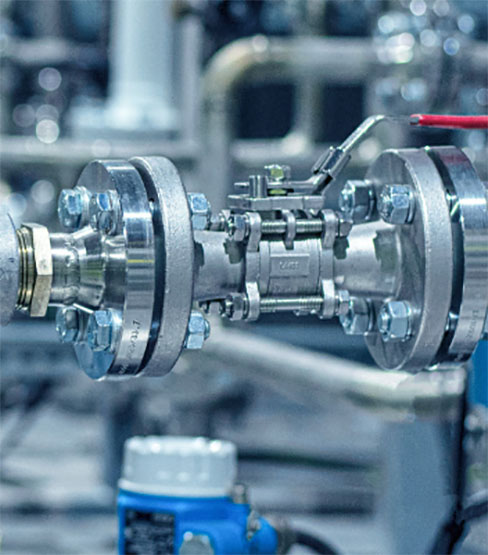
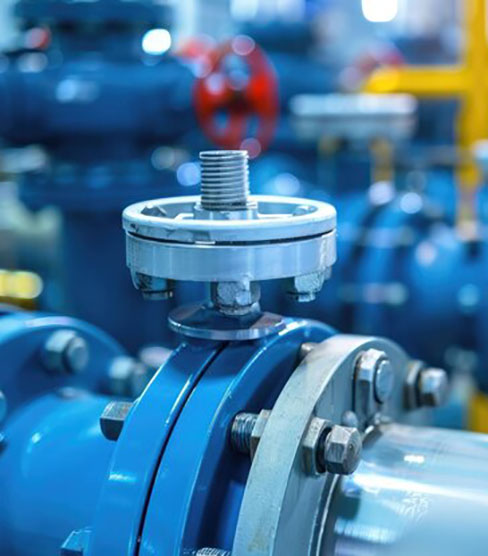
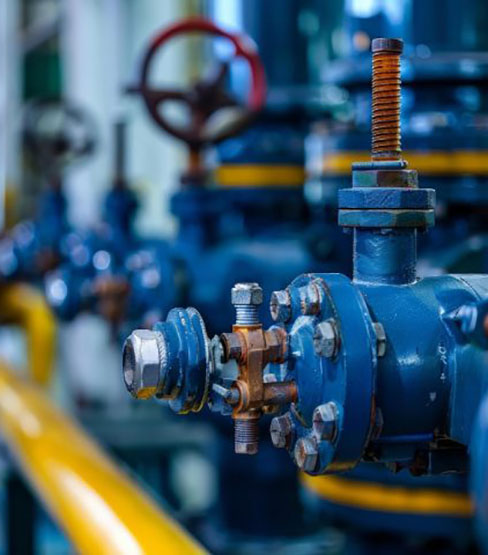
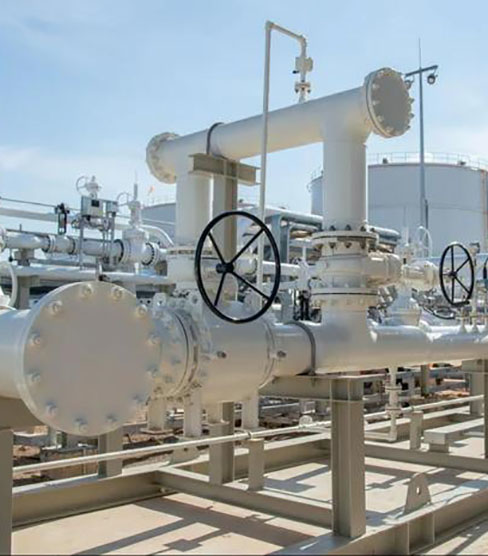
Explore our core range of custom flow control and filtration solutions optimized for industrial engineering.
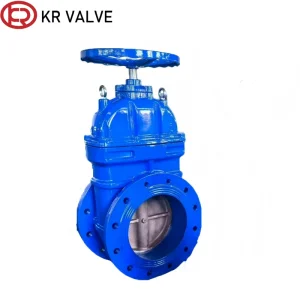
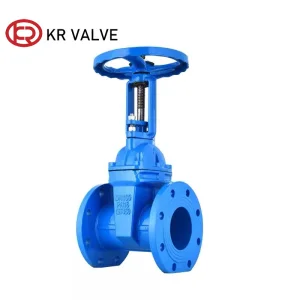
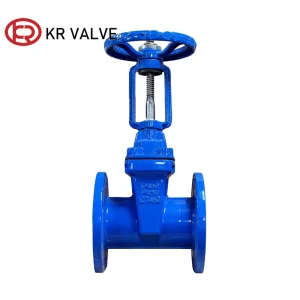
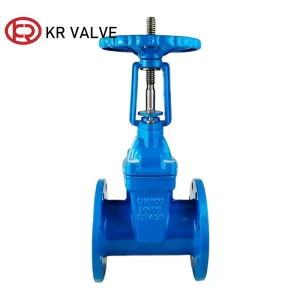
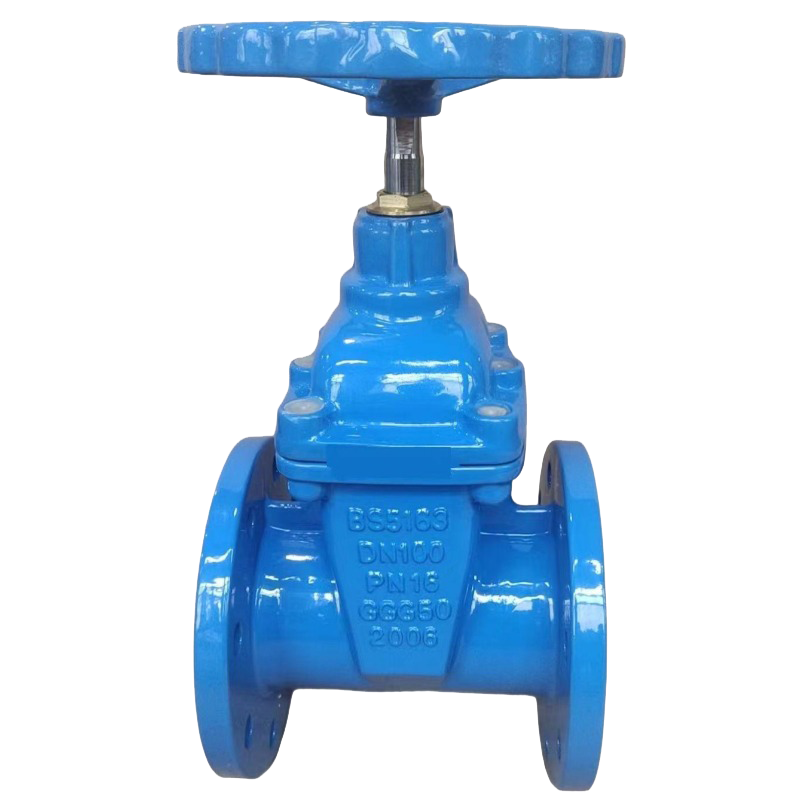
In modern hydraulic engineering, the selection of isolation valves is a critical factor determining system reliability, lifecycle costs, and operational security. Soft seal gate valves, also known as resilient seated gate valves, have become the standard for potable water transmission, sewage systems, and chemical process piping globally. Unlike traditional metal-to-metal seated valves, which are prone to scale accumulation, high torque requirements, and minor leakage, the soft seal configuration leverages advanced elastomer vulcanization technologies to achieve a 100% bubble-tight shutoff (EN 12266-1 Class A).
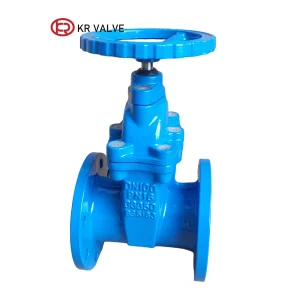
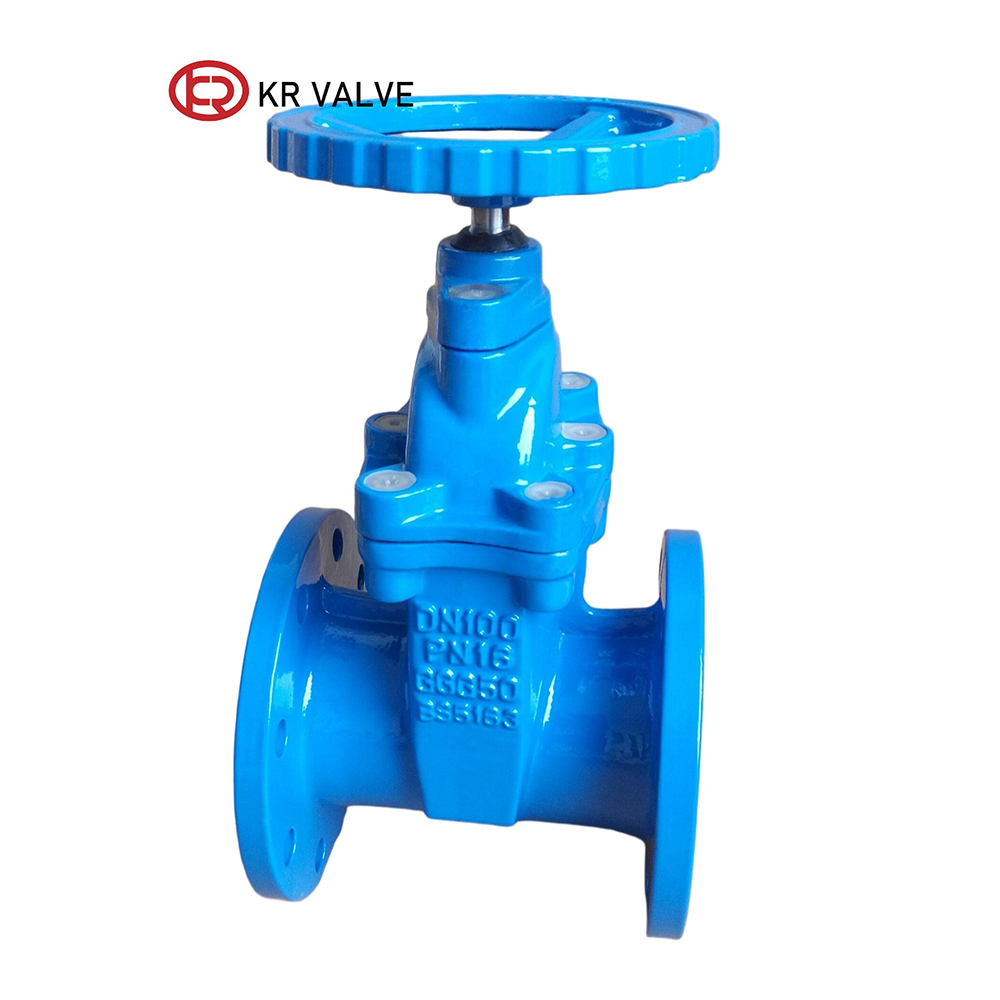
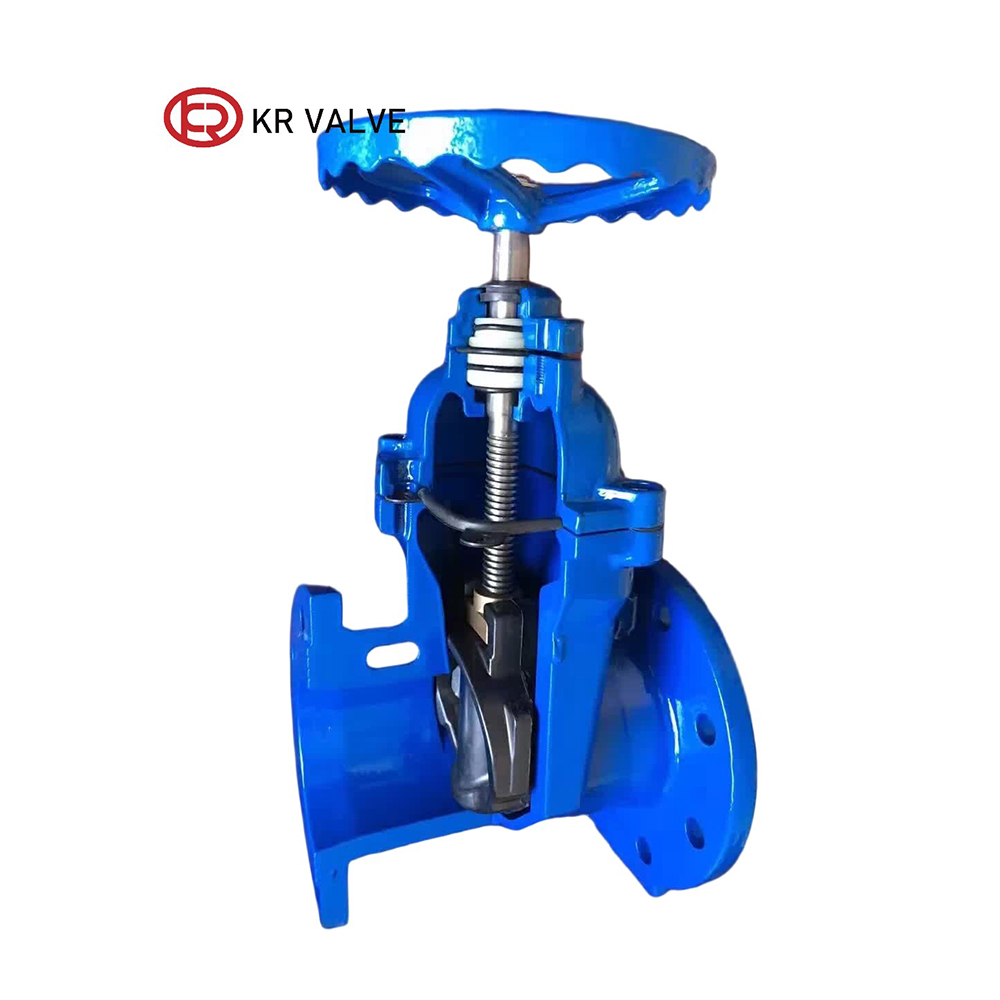
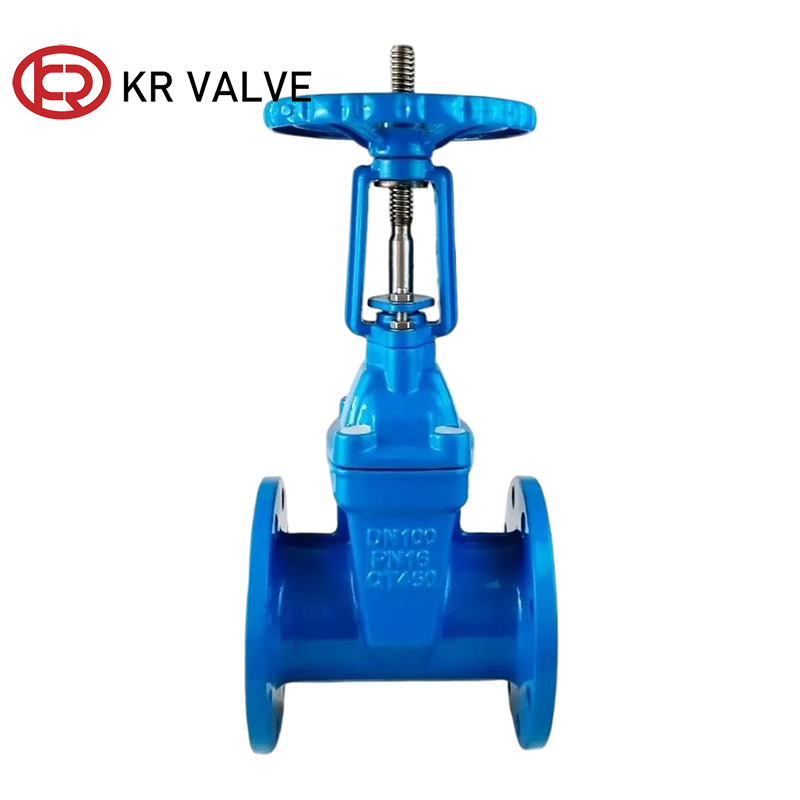
The operational superiority of a soft seal gate valve lies in the fully vulcanized wedge. Typically manufactured from ductile iron (Grade QT450-10 or QT500-7), the wedge is completely encapsulated in an elastomeric compound (typically EPDM or NBR) via a high-temperature injection molding process. This prevents contact between the metal core and the fluid, neutralizing the risk of internal corrosion. The vulcanization must be uniform, with strict thickness tolerances to ensure optimal compression without permanent deformation under high pressure (PN10/PN16/PN25).
Additionally, the smooth, flat-bottom design of the valve body bore is a substantial upgrade from the metal-seated groove design. Traditional groove designs act as a settling basin for sand, gravel, and pipe debris, preventing complete wedge closure. The unobstructed passage of the resilient seated valve body eliminates this flow restriction, ensuring debris is carried away by the line flow, preventing wear on the rubber seal and assuring continuous zero-leakage performance.
The selection of the elastomer compound directly correlates to the application parameters. EPDM (Ethylene Propylene Diene Monomer) is standard for municipal water supplies, commercial heating, and ventilation systems due to its excellent resistance to ozone, UV, aging, and typical chemical treatments. For industrial systems carrying oils, hydrocarbons, or municipal waste containing organic solvents, NBR (Nitrile Butadiene Rubber) is utilized to prevent swelling and degradation of the seal wedge.
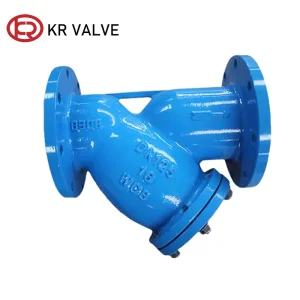
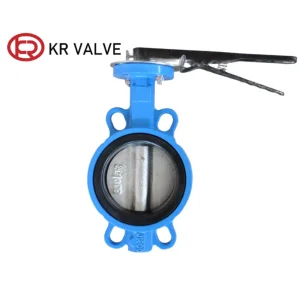
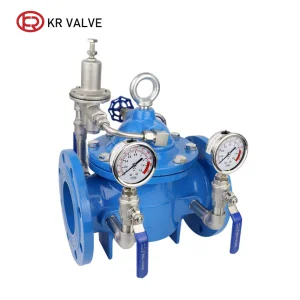
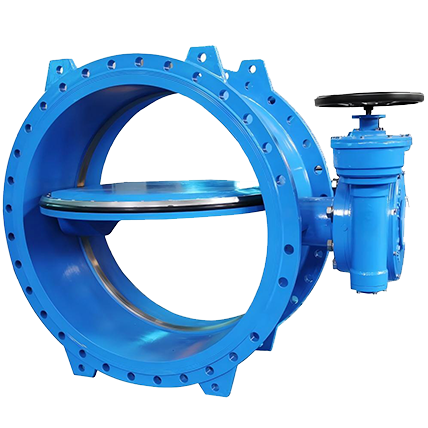
KR has more than 20 years of experience in producing standard and non-standard valves of various types. We supply a wide selection of over 500 valve products, including butterfly valve, gate valve, check valve, water control valve, as well as all their matching and accessory products. These products have applications in various industries such as water treatment, dam construction, commercial buildings, energy and heating, chemical engineering, etc. We have won high repeat purchase rates from customers with excellent product variety and quality.
Beyond product excellence, we are dedicated to creating a mutually beneficial partnership with every customer. We believe that reliable service is as crucial as superior products, and we strive to continuously optimize the customer experience to achieve long-term win-win cooperation. Today, KR VALVE’s products have been exported to over 50 countries and regions in Europe, Asia, Africa, and Oceania, providing project construction and brand marketing services to thousands of customers.
Every valve from our factory goes through a triple-layered optimization cycle: design precision, precision manufacturing, and pressure testing.
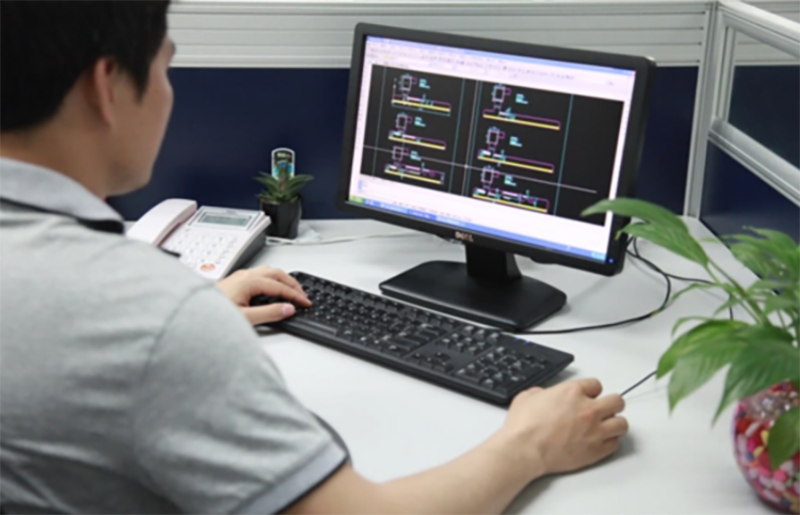
R&D department to ensure product design and continuous innovation.
Our technicians continuously design and develop products that meet customer and market requirements, our lab provides extensive modern testing capabilities to elevate product performance development. We have 20 series and over 500 varieties of our products now.
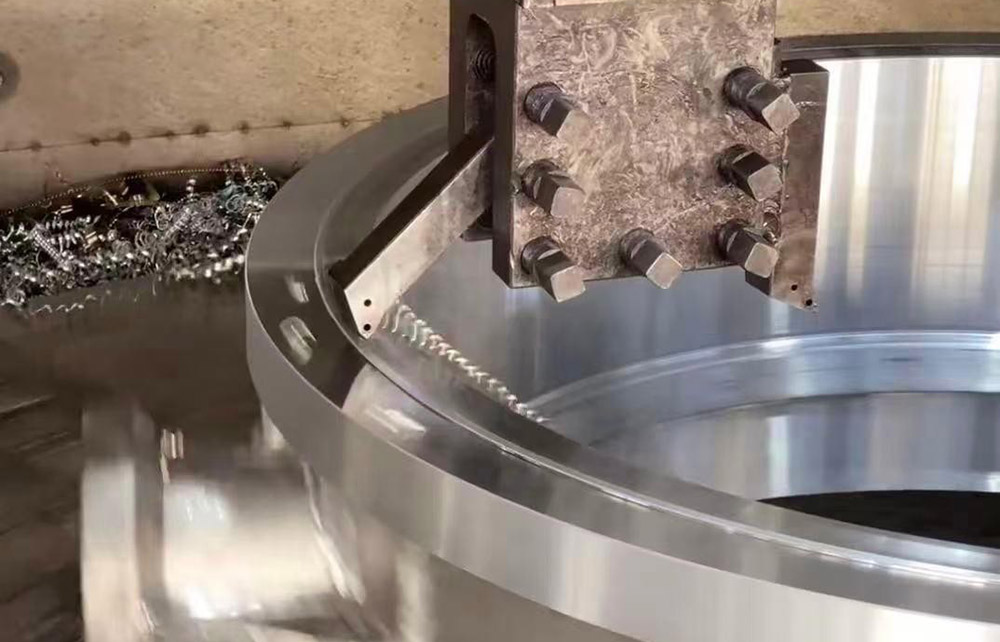
Production department formulates the production plan and produces according to the plan to ensure timely delivery according to customer requirements.
Products are manufactured under strict supervision in accordance with the ISO-9001 quality management system. We have over 30 production equipment and update our inventory monthly to meet and exceed customer expectations for delivery.
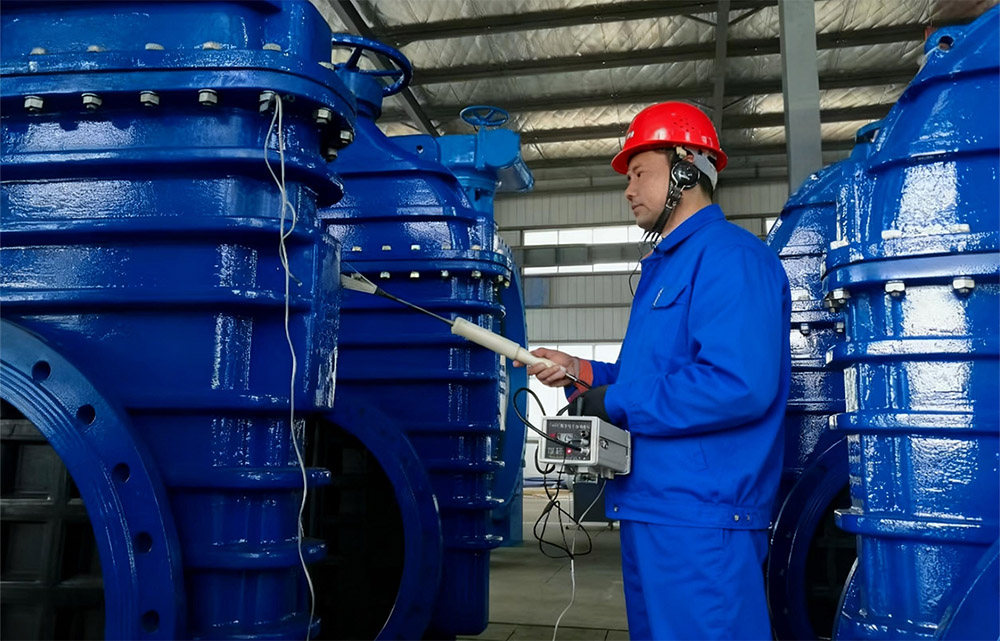
Inspection department to ensure 100% inspection quality of products. Zero leakage is our principle.
According to international quality inspection standards, conduct a series of inspections on the appearance, size, pressure, etc. of the product and issue the report in compliance with international standards.
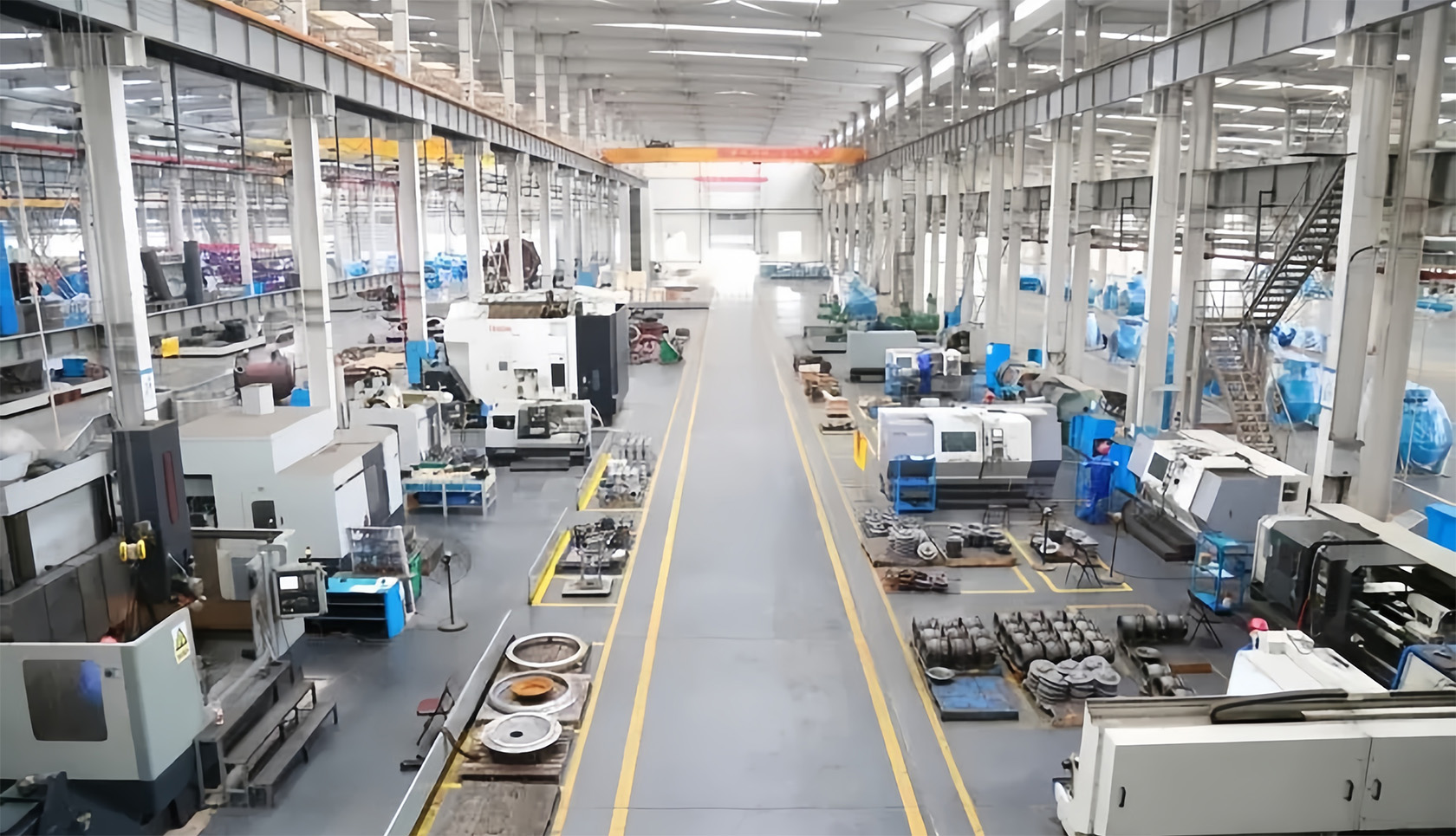
As a leading Chinese supplier and manufacturer, KR Valve utilizes the industrial integration of China's metallurgy, elastomer chemistry, and smart logistics systems. This vertical integration allows us to optimize costs without sacrificing mechanical performance. Our manufacturing plant operates with advanced automated CNC machining, high-capacity electrostatic coating lines, and integrated thermal processing.
The structural integrity of a soft seal gate valve depends heavily on the grade of iron and casting consistency. Our manufacturing process uses QT450-10 ductile iron, which provides a minimum tensile strength of 450 MPa and an elongation rate of 10%. By utilizing advanced sand-molding techniques and induction melting furnaces, we ensure the valve body has uniform wall thickness and zero internal micro-porosity, preventing brittle failure under high-pressure water hammer events.
To resist external ground corrosion and internal chemical wear, all KR gate valves are coated with a WRAS-approved fusion-bonded epoxy coating. Applied via an electrostatic spray process at 200°C, the coating achieves a dry film thickness (DFT) of at least 250 microns. This non-porous barrier keeps the ductile iron dry and isolated from aggressive soil and corrosive fluids, extending the valve's service life up to 50 years.
Providing reliable performance, competitive pricing, and dedicated customer support from manufacturing to deployment.
We have our own independent brand ‘KR’ and also provide OEM services to our customers, we have established long-term relationship with many famous brand.
We have 15 machining machines and assembly line, and our workers are all experienced.
We have 20 series and over 500 varieties of our products, supply international standard and non-standard customized products.
We strictly control the production of each component and assemble it into a perfect finished product.
We have competitive price based on we strictly control every process of production by ourselves.
We provide professional and complete pre-sales and after-sales service consultation.

In global infrastructure procurement, complying with local technical standards is a primary legal and operational requirement. Different regions require specific design criteria, face-to-face dimensions, and pressure testing parameters. KR Valve designs and manufactures valves to comply with major international specifications:
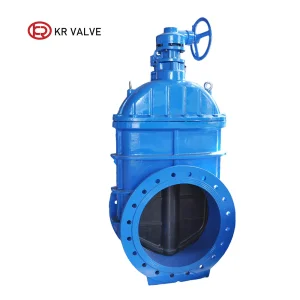
The DIN standard, widely used across Europe and the Middle East, requires strict compliance with DIN F4 (Short Face-to-Face) and DIN F5 (Long Face-to-Face) dimensions. Standardized under EN 558 Series 14 (F4) and Series 15 (F5), these valves are highly interchangeable. They are typically configured with non-rising stems (NRS) for compact underground installations where vertical space is limited.
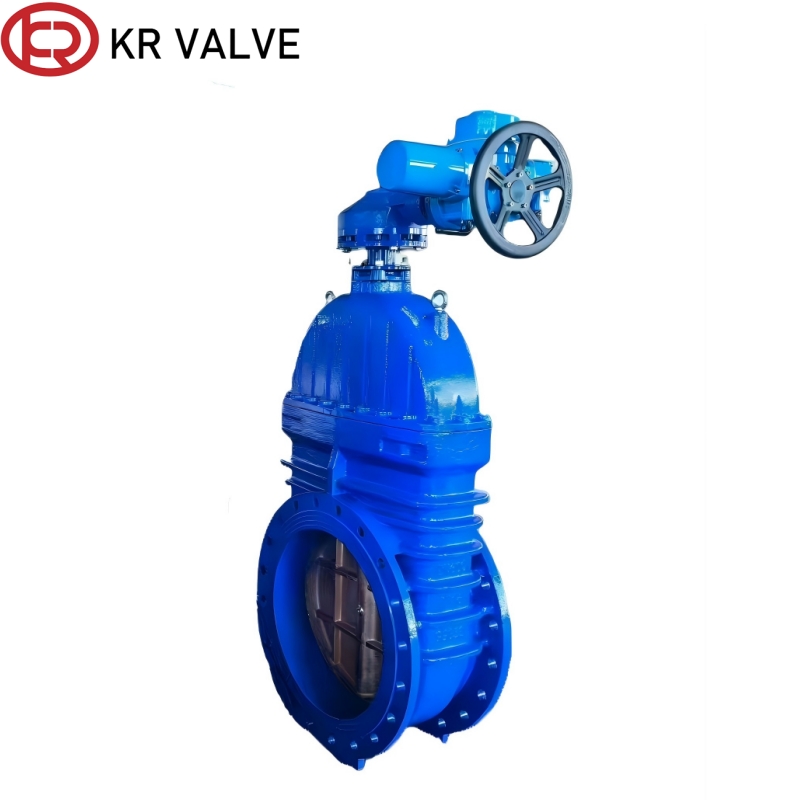
The BS 5163 standard is widely specified in Commonwealth countries. These valves feature a clear, full bore without any internal pocket, minimizing pressure drop. They include a robust top-flange interface for direct connection to manual handwheels, gearboxes, or electric actuators.
The American Water Works Association (AWWA) standards regulate resilient-seated gate valves for water supply service. AWWA C509 covers traditional wall thickness castings, whereas AWWA C515 specifies reduced wall thickness designs made of high-strength ductile iron. C515 valves offer a lighter weight profile with equivalent structural strength, which simplifies logistics and installation.
Watch our casting, machining, assembly, and testing processes live from the factory floor.
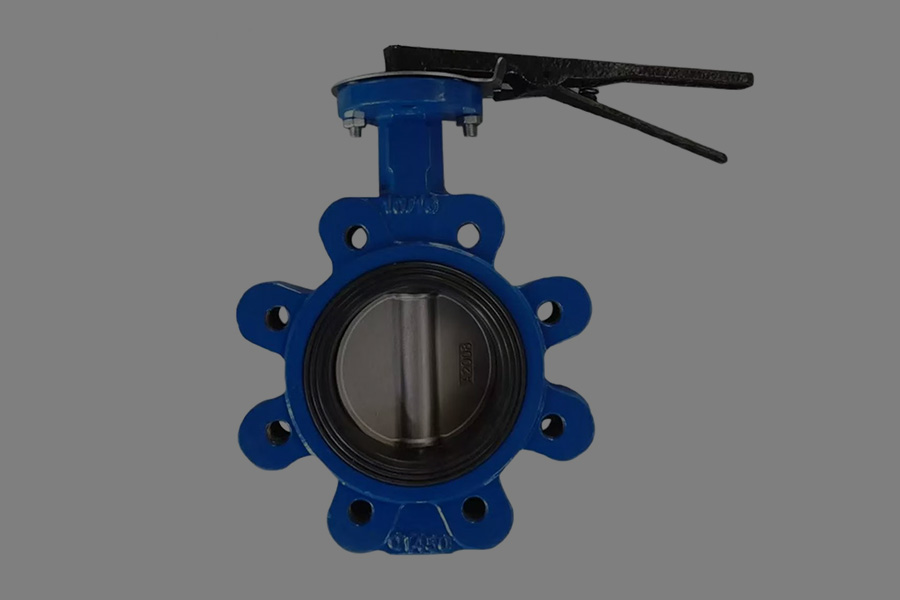
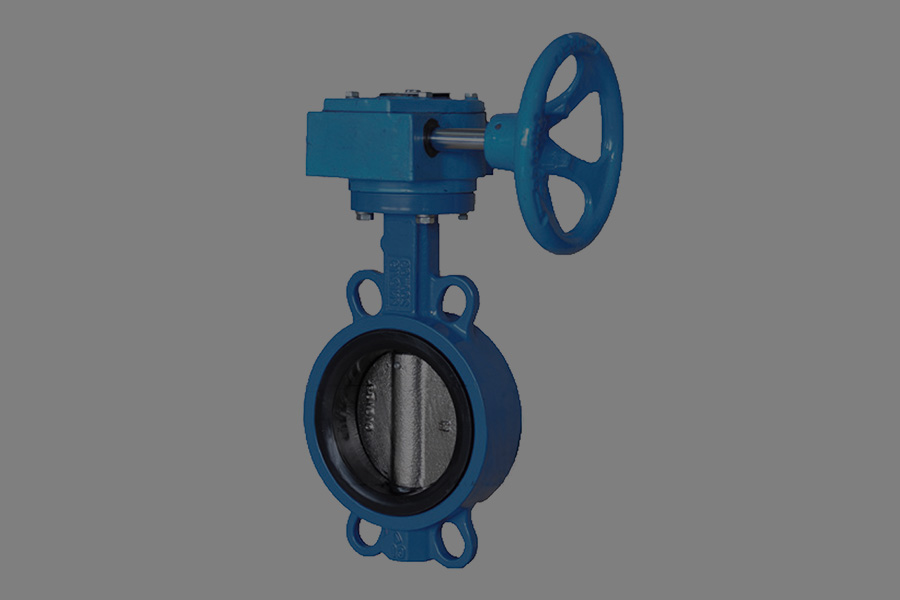
To demonstrate the real-world durability of KR Valve's products, we look at several case studies from international projects that required specific engineering and logistical support:
A showcase of successful project handovers and field installations across five continents.
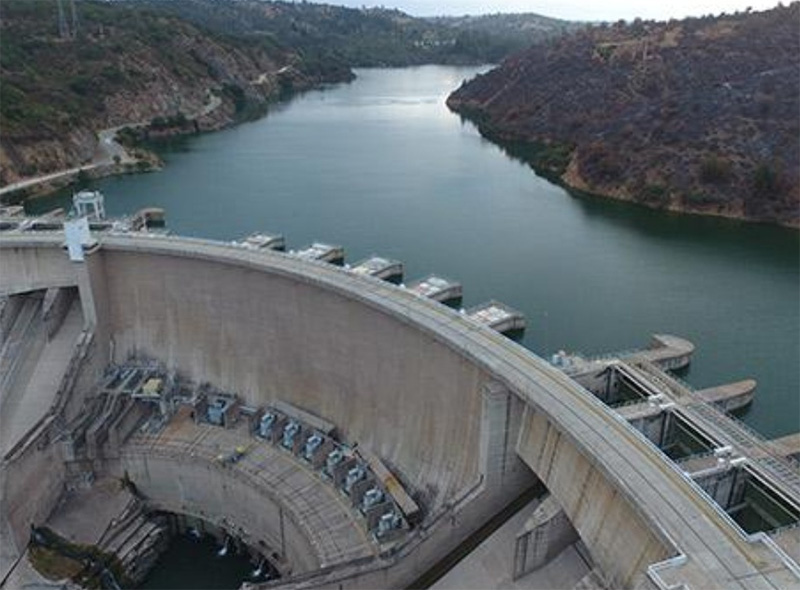
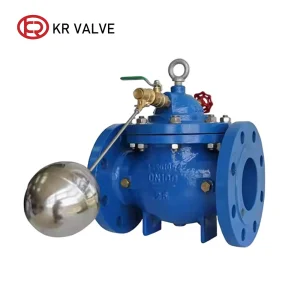
KR Supplied Various Water Control Valve To Dam Project at Chile, matching severe high-head requirements.
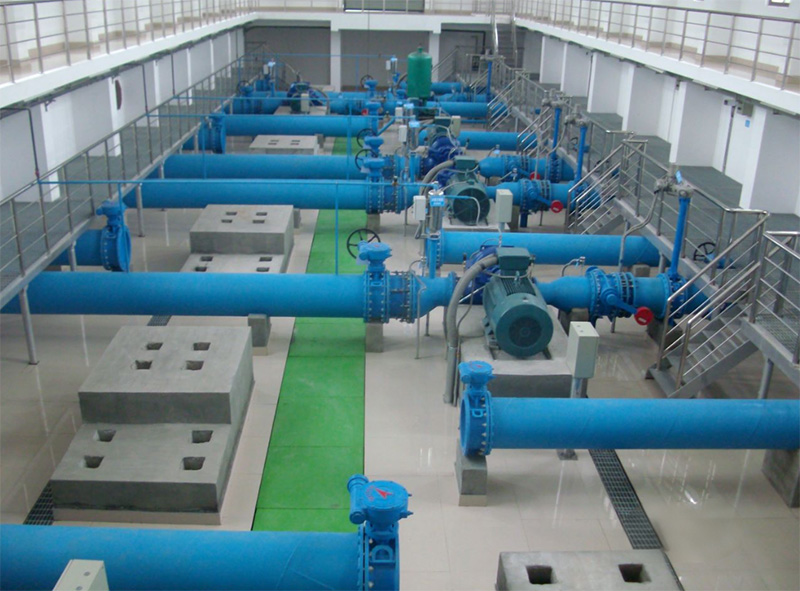
KR Supplied Many Big Size Butterfly Valve and Check Valve For Waterworks at Italy, ensuring DN1200+ compliance.
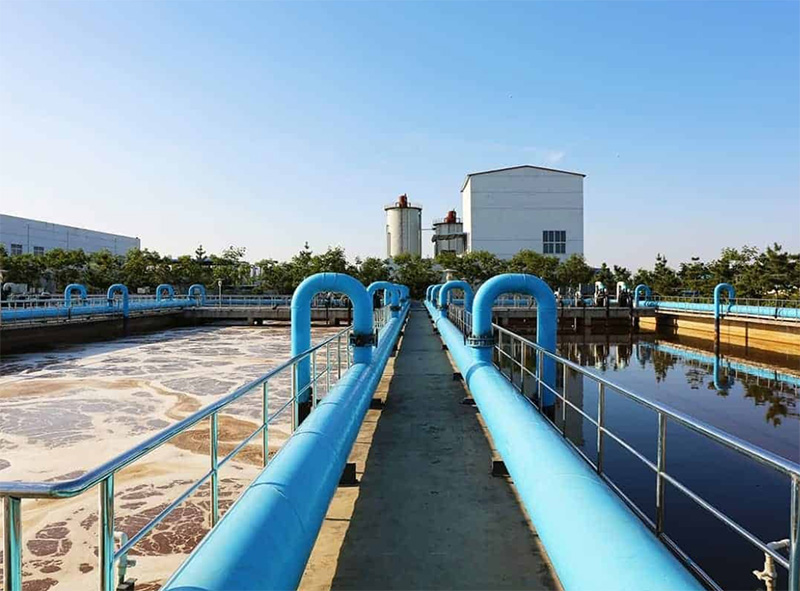
KR Supplied Butterfly Valve and Gate Valve For Sludge Plant at Indonesia, with robust chemical-resistant linings.
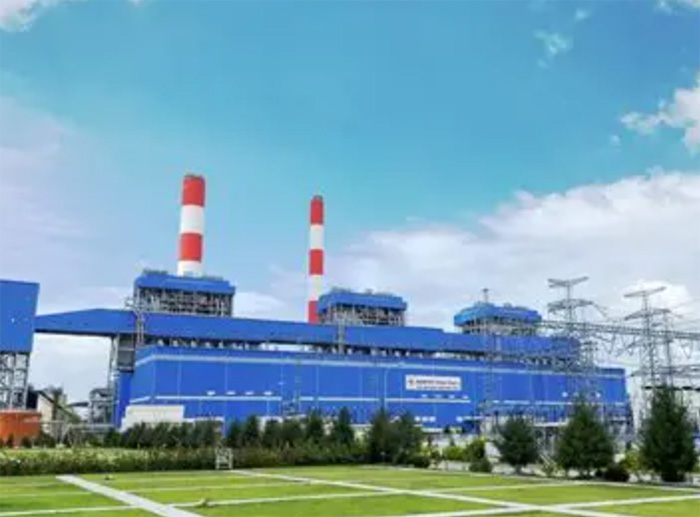
KR Supplied A Wide Range of Corrosion Resistant Valves to Chemical Plant at Vietnam, focusing on PTFE and Hastelloy materials.
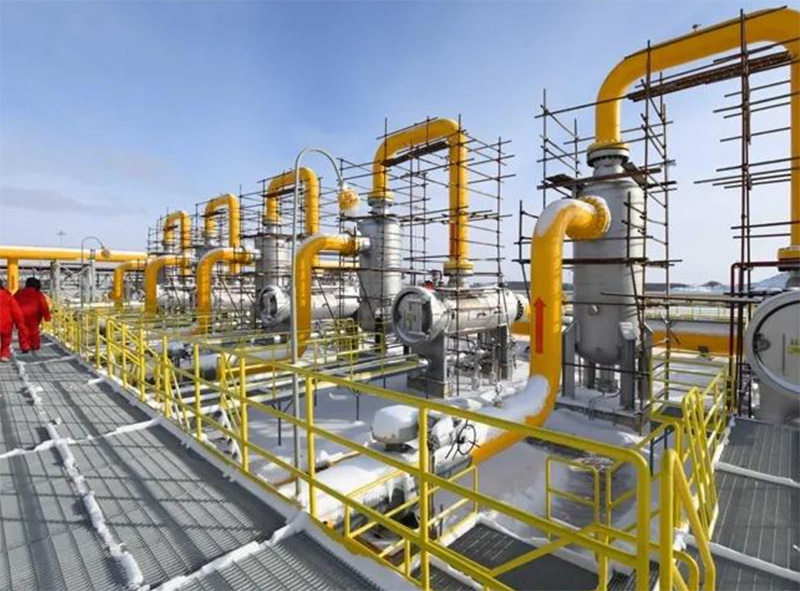
KR Supplied Many Ball Valve and Gate Valve For Natural Gas Project at Russia, supporting operational limits down to -45°C.
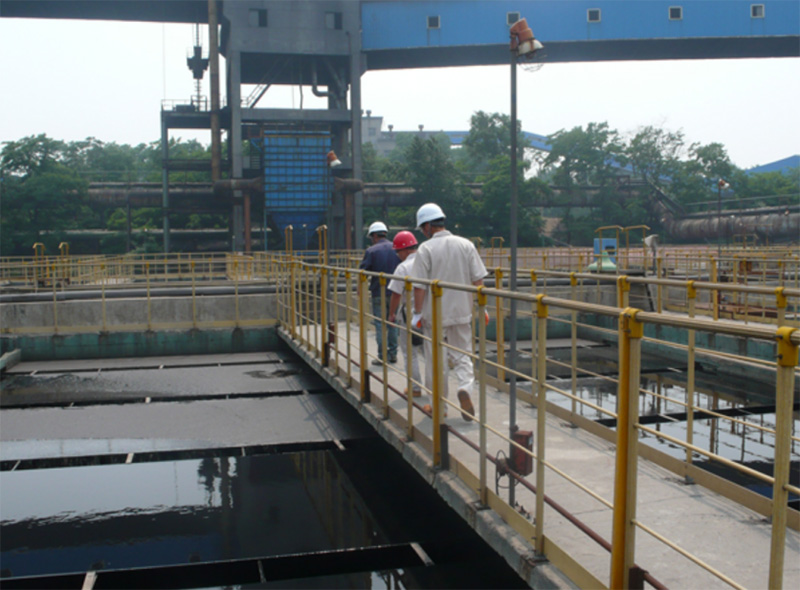
KR Supplied Various Water Control Valve To Sewage Treatment Project at Brazil, handling high-solids fluid flows.
Browse through our product lines across major engineering valve categories.
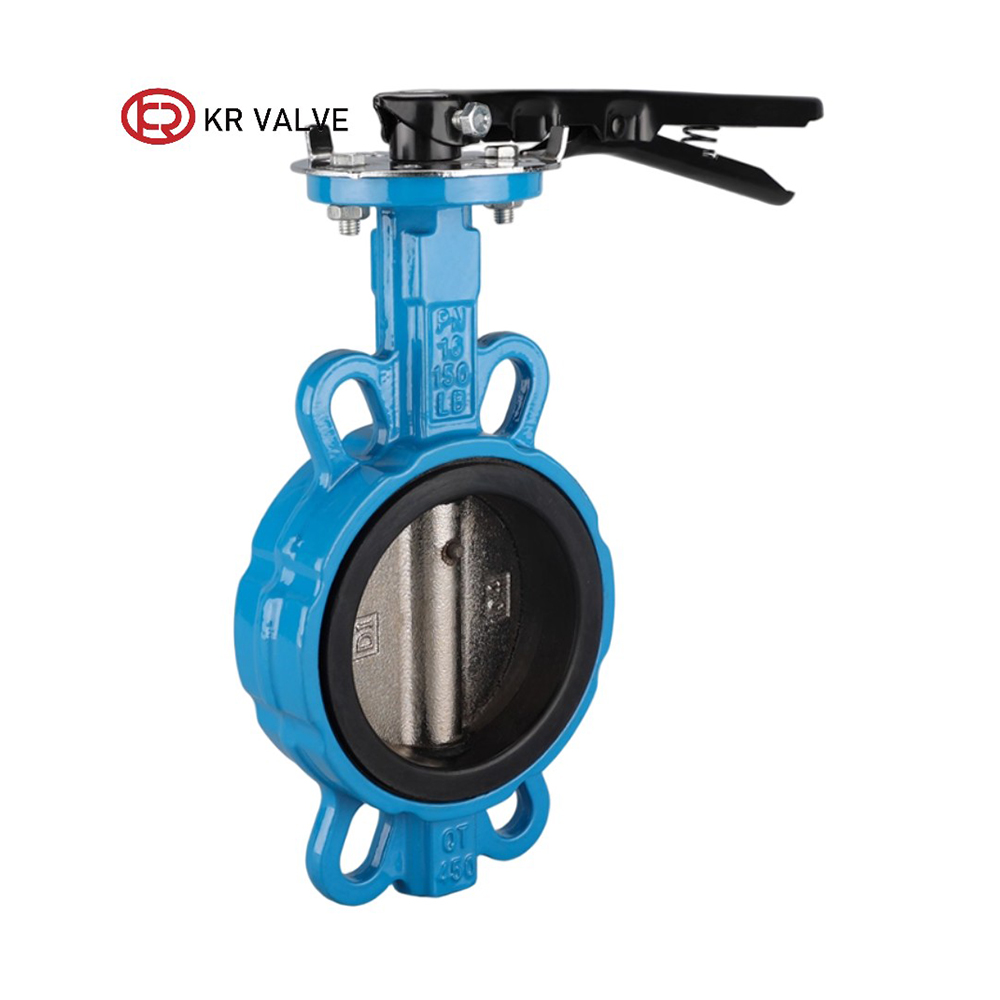
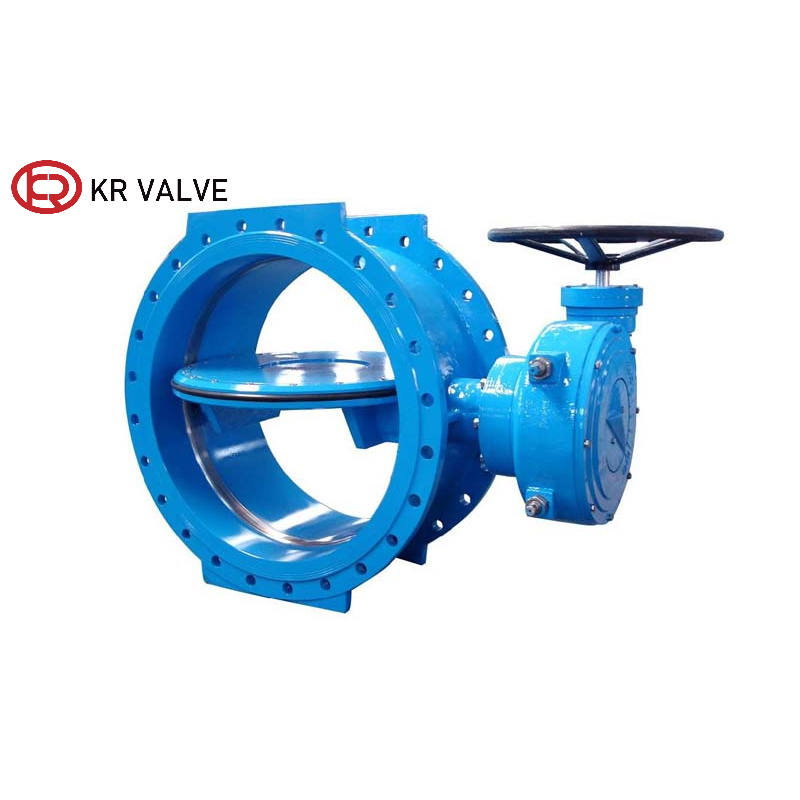
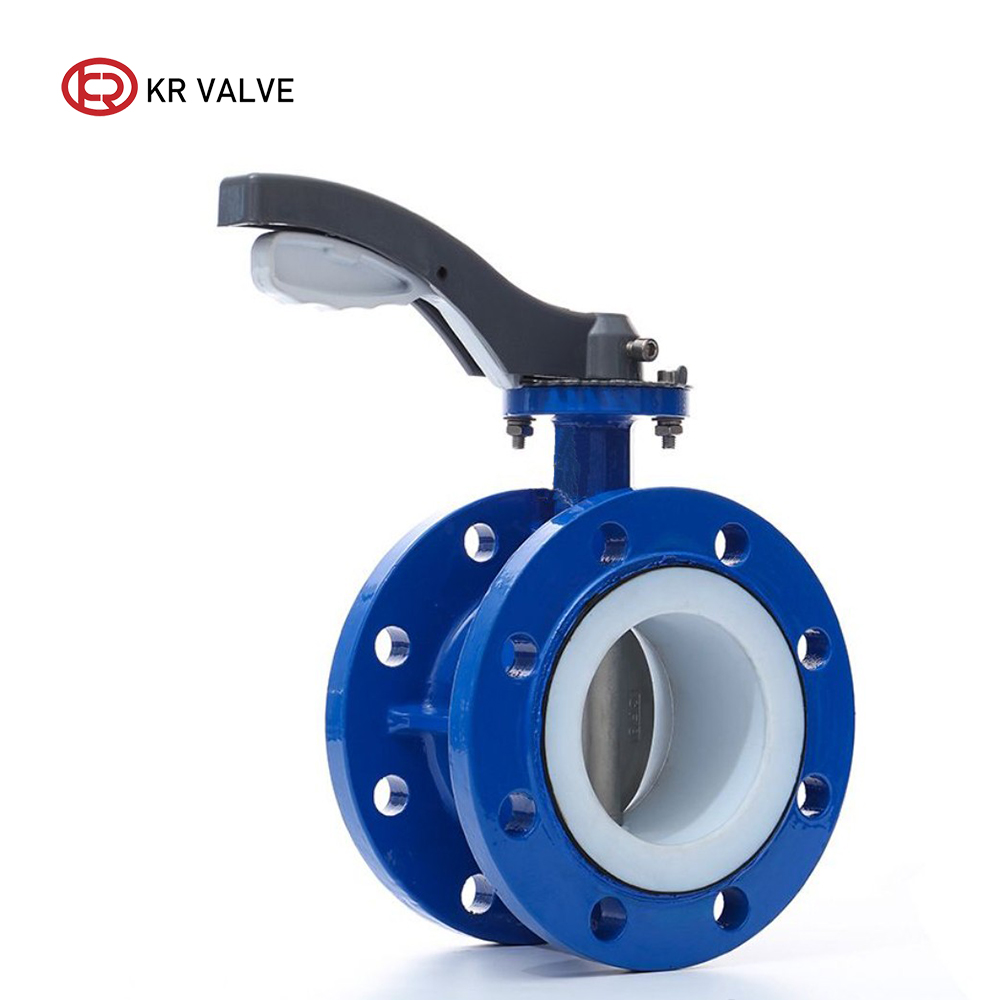
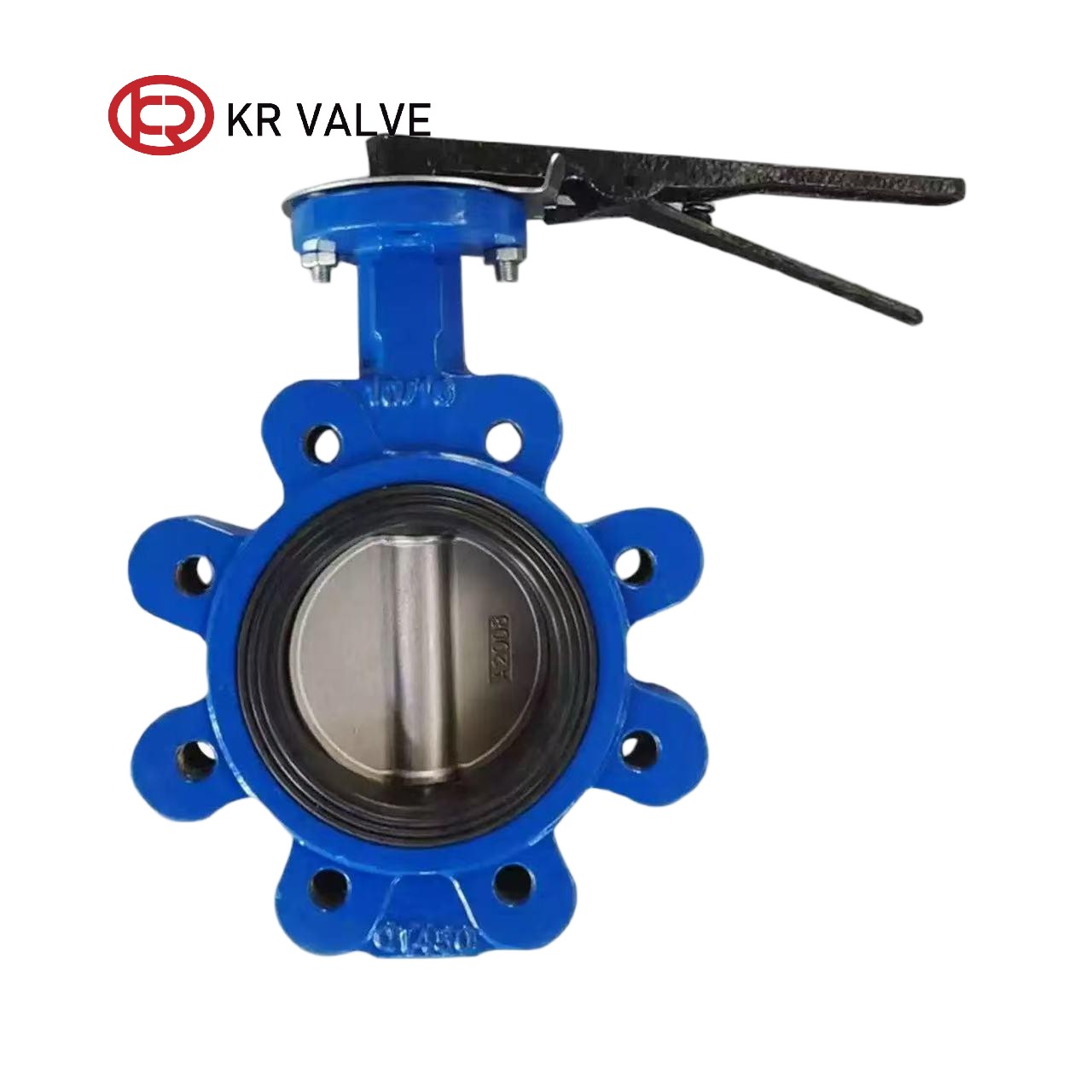
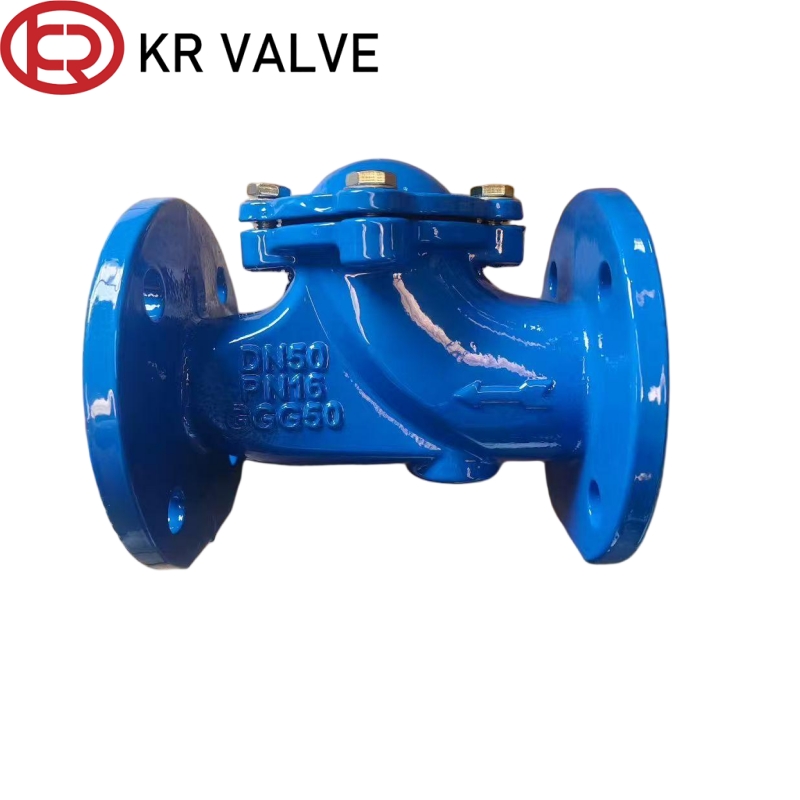
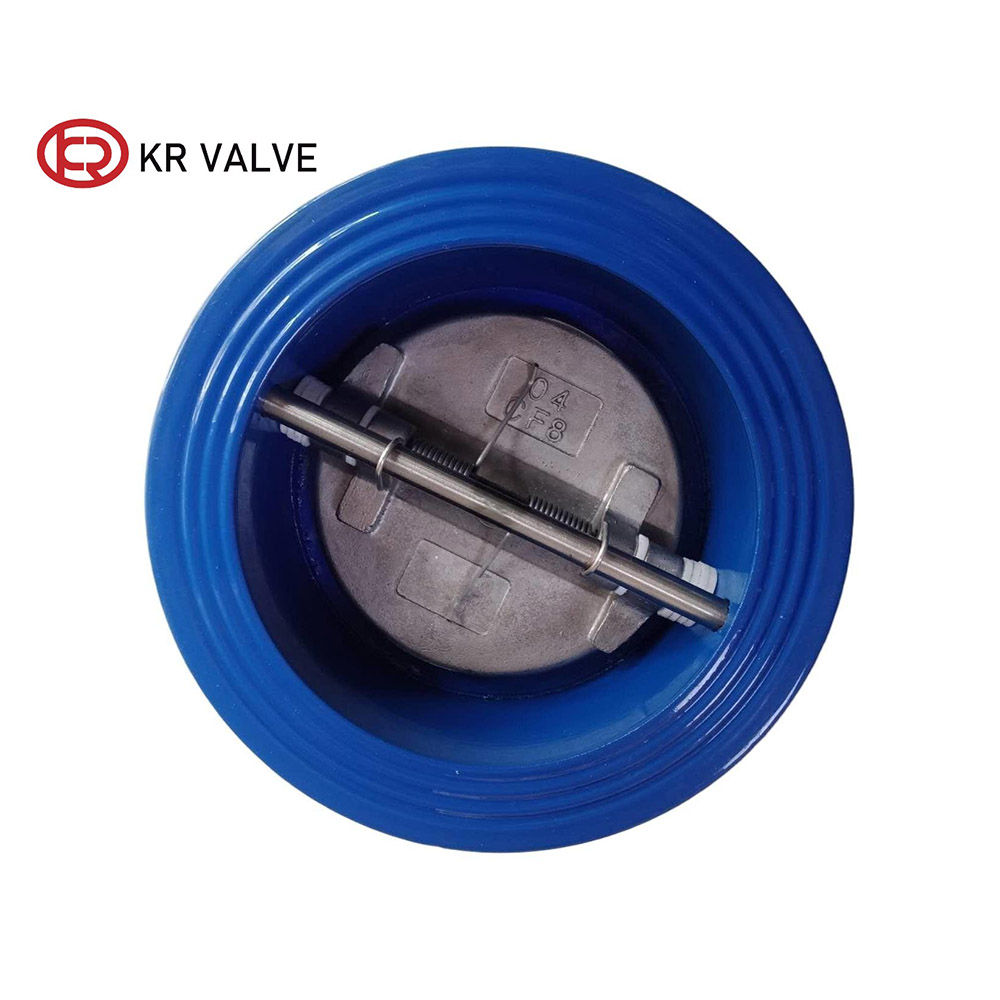
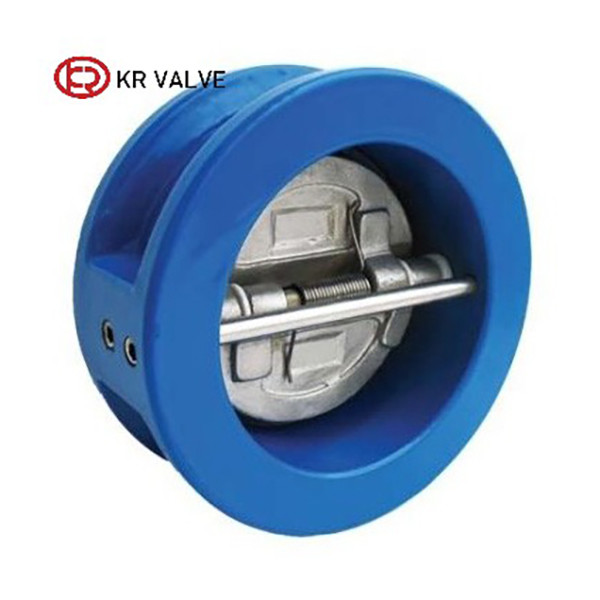
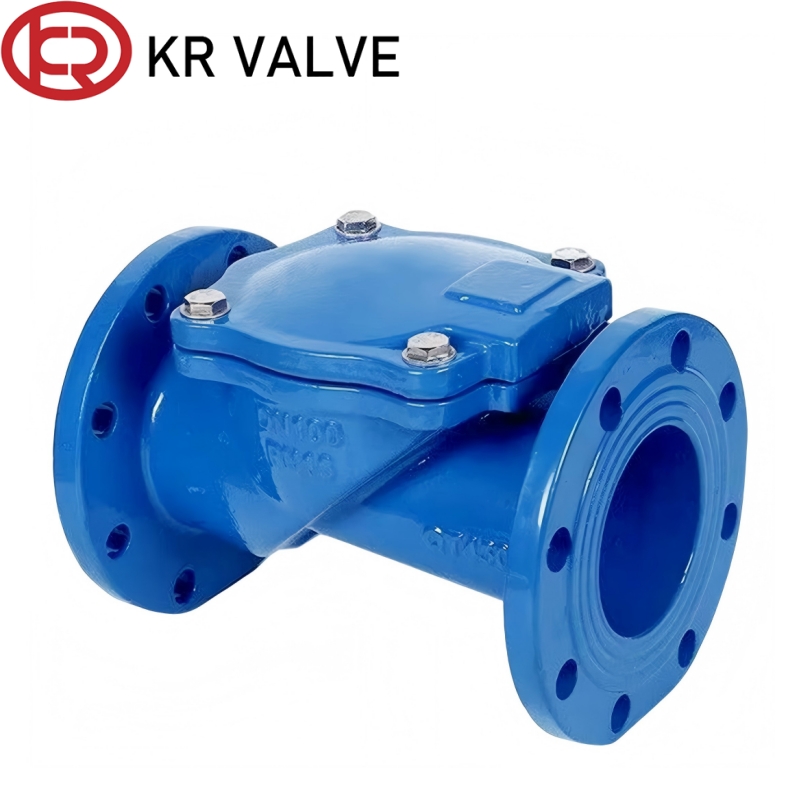
For technical buyers and piping design engineers, choosing the right valve configuration directly affects system reliability. Below are engineering-focused responses to common technical questions regarding soft seal gate valves:
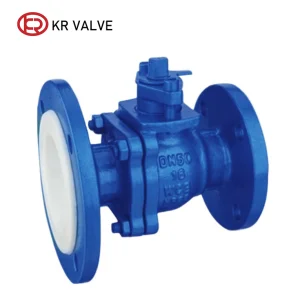
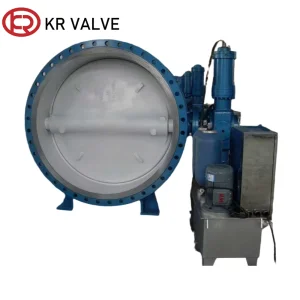
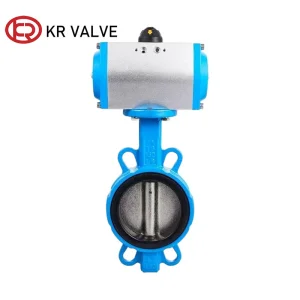
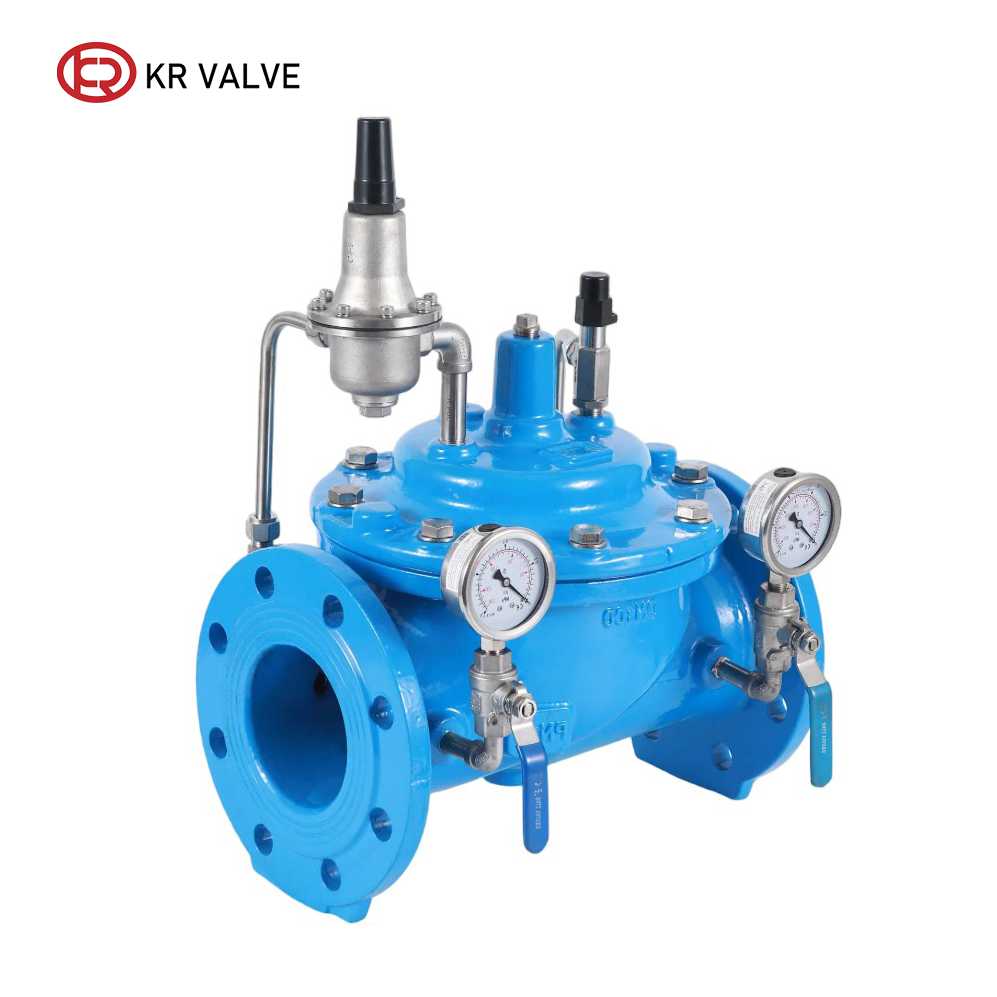
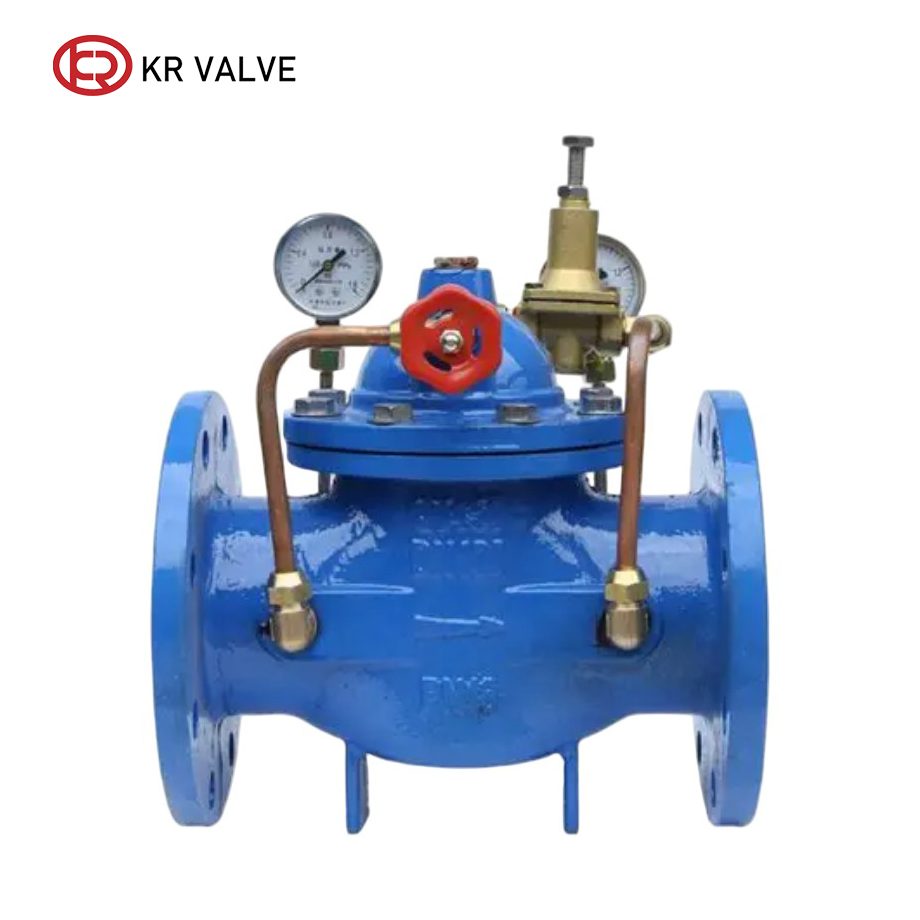
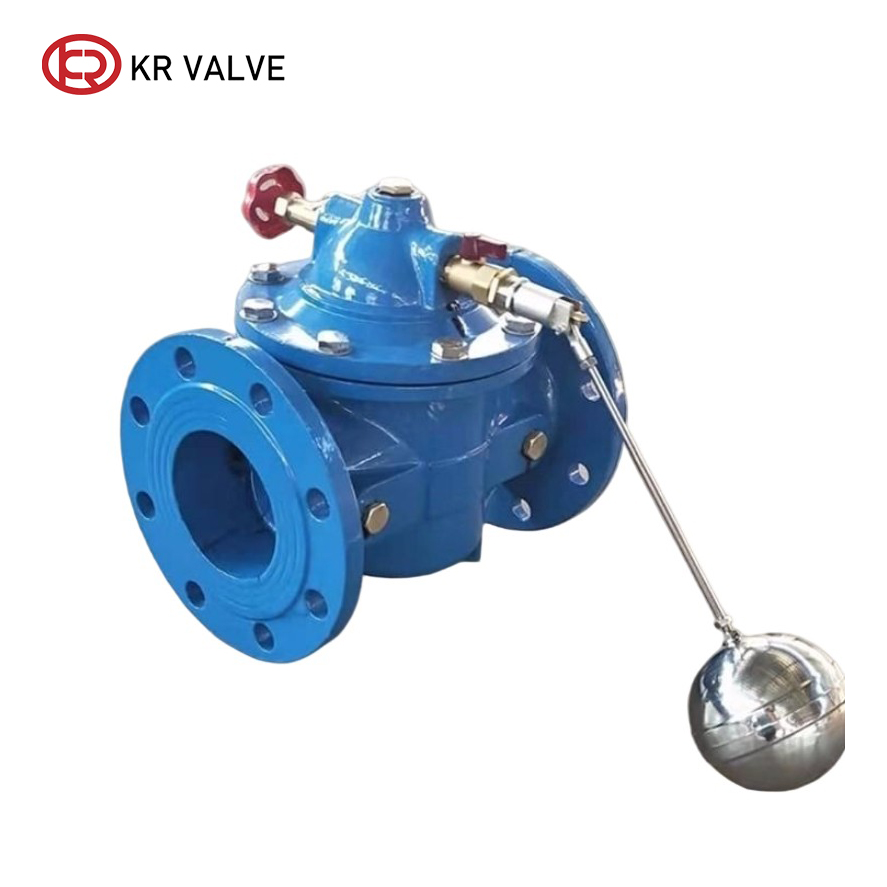
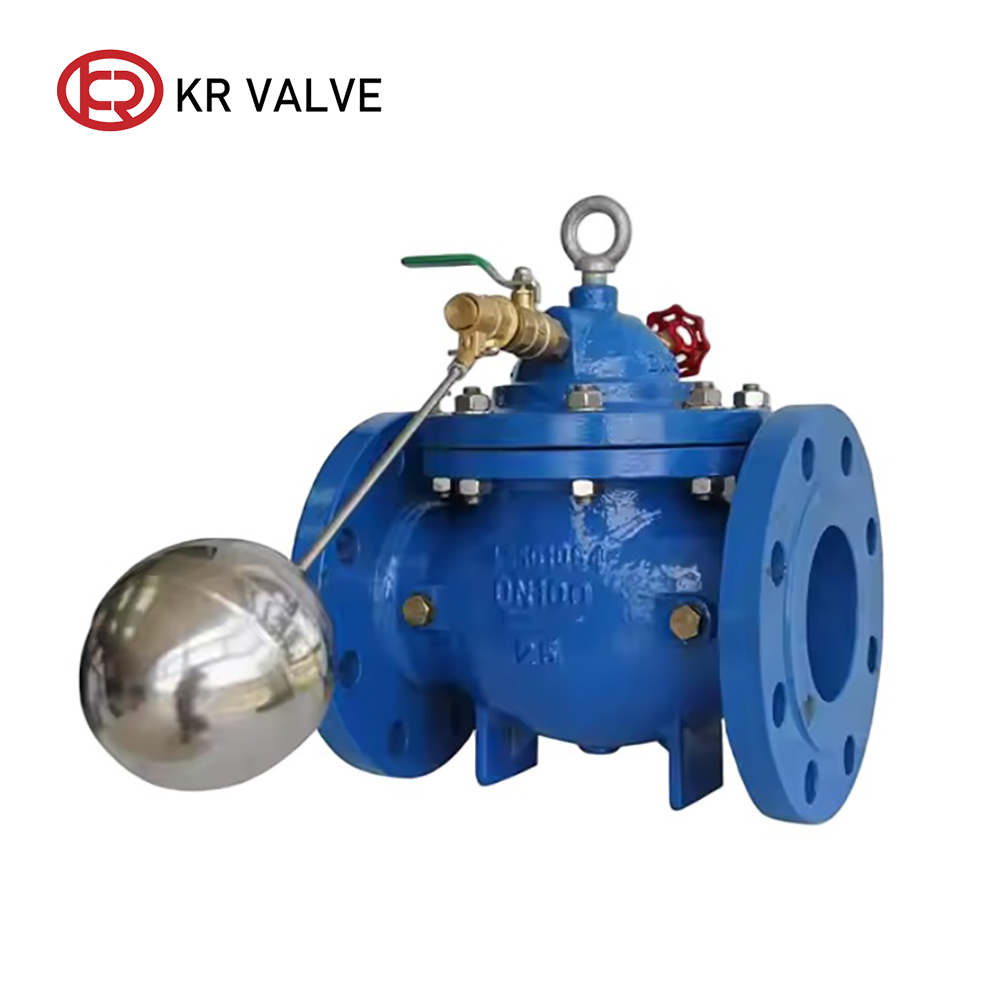
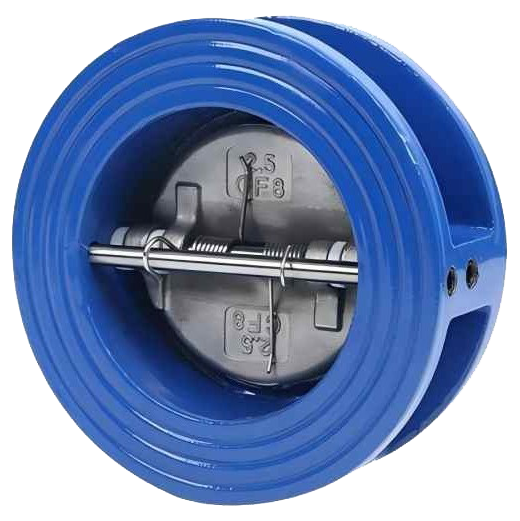
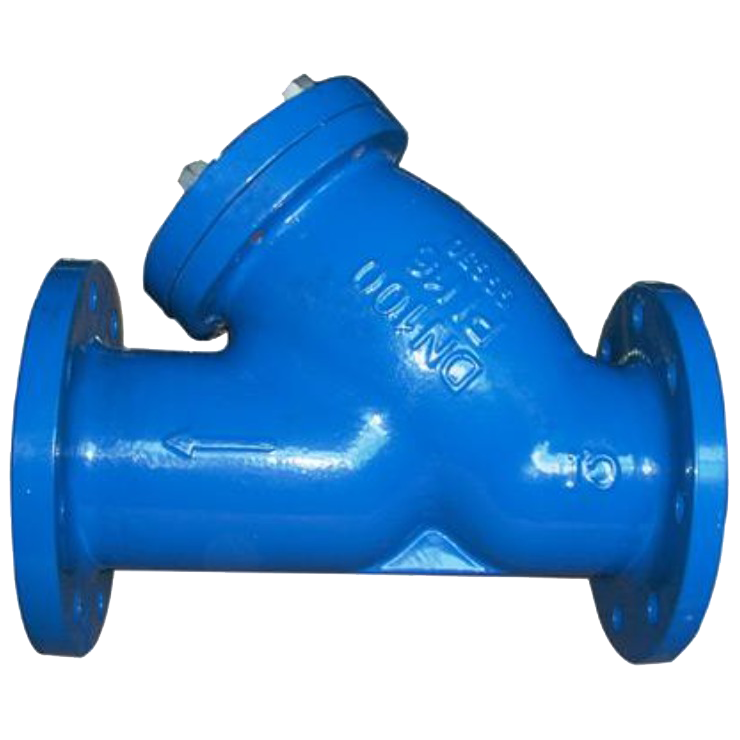
A selection of industrial-grade check, ball, control, and butterfly valves designed for reliable operation in challenging environments.
Get in touch with our engineering team today to request a quote, schedule a factory inspection, or discuss custom designs for your project.
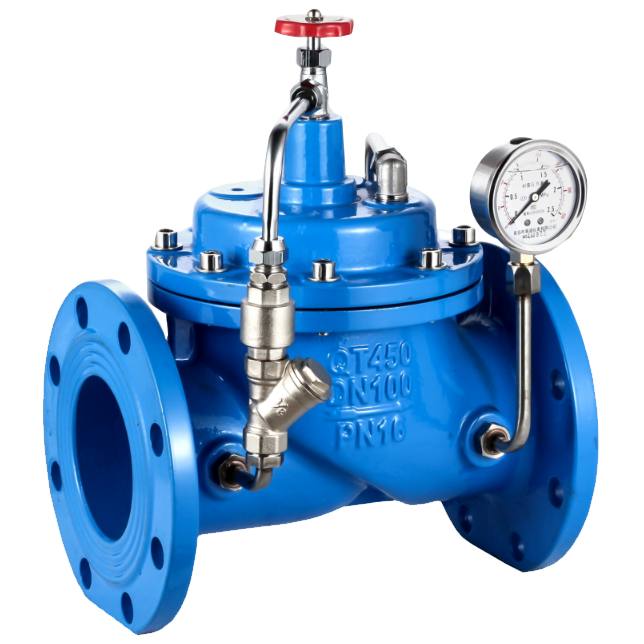
 An enterprise specializing in the design and manufacture of valves.
 KR VAVLE