Explore our high-performance industrial valves matched for OEM actuator compatibility.
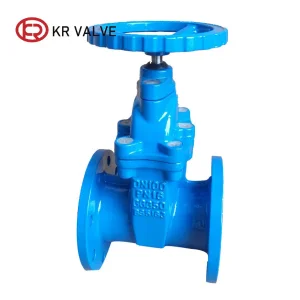
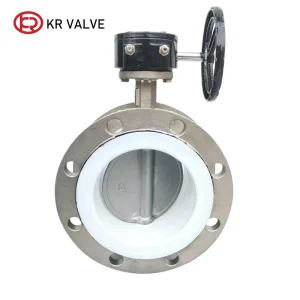
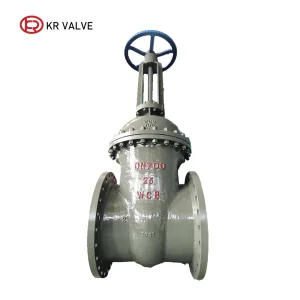
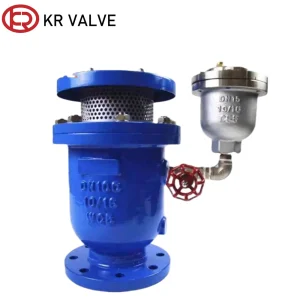
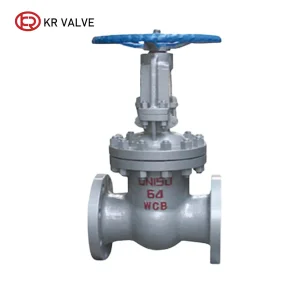
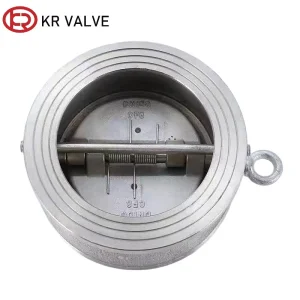
With over 20 years of dedicated engineering excellence, KR Valve Group has solidified its reputation as an industry-leading OEM control valve actuator manufacturer and high-performance valve supplier. Operating with an unwavering commitment to precision control and reliability, our engineering and R&D departments continuously push the boundaries of automated flow control technology.
Our infrastructure supports a catalog of over 500 valve varieties and matching actuator components, designed to perform under severe working pressures, aggressive chemicals, and temperature extremes. By relying on rigorous material traceability, state-of-the-art CNC machining centers, and an industry-standard ISO-9001 quality management framework, KR Valve Group serves heavy engineering sectors globally, delivering tailored solutions for water systems, processing plants, and energy networks.
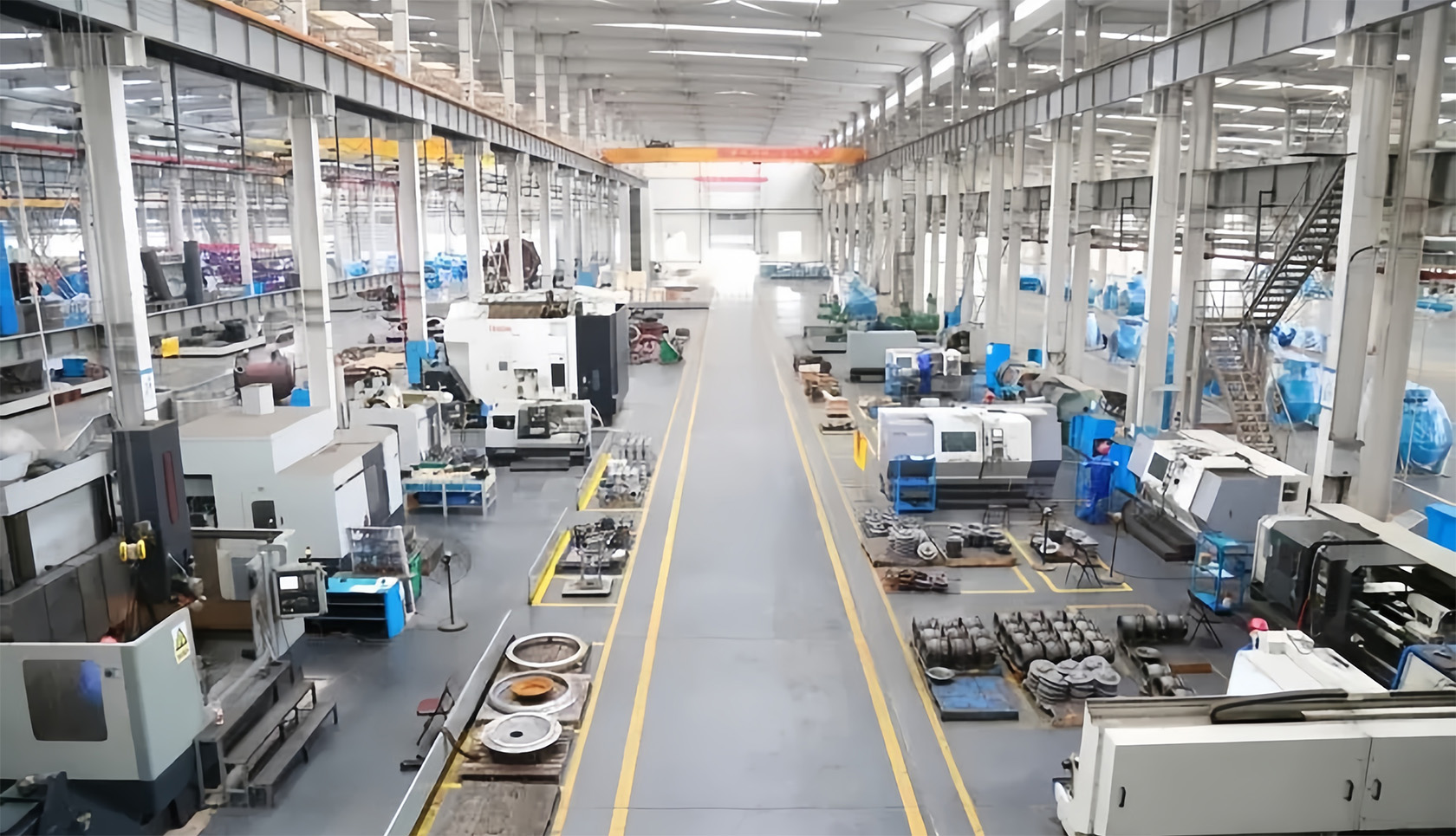
Our comprehensive workflow from digital conceptualization to hydrostatic testing ensures zero-leakage performance.
Our dedicated R&D department utilizes finite element analysis (FEA) and computational fluid dynamics (CFD) to design actuators and valves tailored to custom pressure, torque, and material specifications. We continually prototype next-generation smart positioners and high-torque Scotch yoke designs to solve complex flow characteristics.
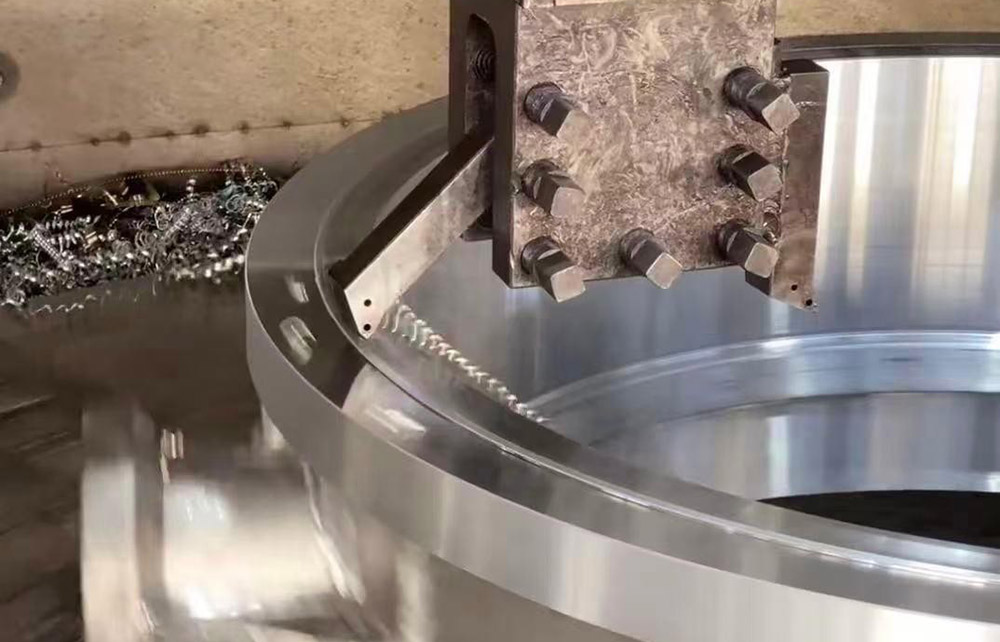
Equipped with more than 30 advanced machining units, including high-precision vertical CNC centers, automatic powder coating lines, and modern assembly lines, we ensure all components adhere strictly to ISO-9001 guidelines. Our optimized logistics and monthly stock maintenance translate to unmatched delivery speed for worldwide projects.
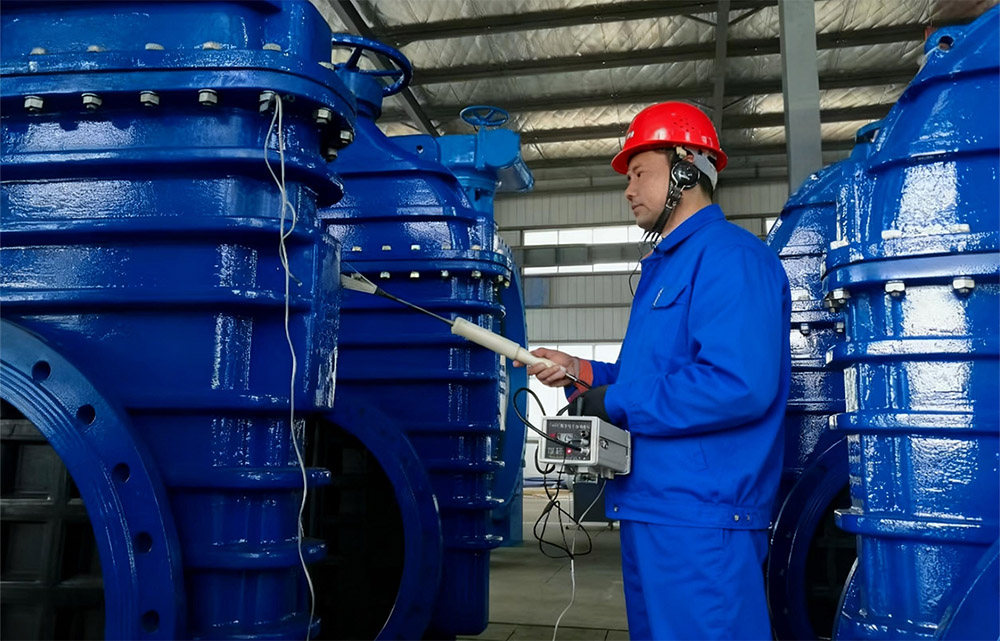
We perform 100% inspections on structural integrity, thickness, and pressure resistance. Standardized tests include hydrostatic seat testing and pneumatic shell testing per API 598 and EN 12266-1. Our mission is complete zero-leakage, ensuring safe, long-term operation under critical pressures.
Understanding mechanical dynamics, torque management, and integration pathways in modern automation architectures.
Process automation is rapidly transitioning from basic analog control to predictive, diagnostic-driven digital integration. Control valve actuators, once seen as simple mechanical force-delivery instruments, are now intelligent nodes on industrial internet of things (IIoT) networks. The primary trends driving evolution in this space include:
Selecting the appropriate actuation methodology requires evaluating force requirements, speed, precision, power availability, and hazardous zone classifications. The matrix below outlines key differences:
| Parameters | Pneumatic Actuators | Electric Actuators | Hydraulic / Electro-Hydraulic |
|---|---|---|---|
| Primary Power Source | Compressed Air (3 to 8 Bar typical) | AC/DC Electrical Supply | Pressurized Hydraulic Fluid |
| Torque & Thrust | Moderate to High (Scotch Yoke/Diaphragm) | High (Gearbox driven) | Extremely High (Up to 500,000+ Nm) |
| Fail-Safe Mechanism | Mechanical Spring Return (Highly Reliable) | Supercapacitors / Battery / Spring Backup | Accumulator System / Hydraulic Spring |
| Modulating Precision | Good (Dependent on positioner sensitivity) | Excellent (Stepping motors/Brushless DC) | Superb (Sub-millimeter servo control) |
| Hazardous Environments | Inherently Safe (Ex d / Ex i not required) | Requires Explosion-Proof Enclosures | Suitable (With certified oil manifolds) |
Always engineer pneumatic actuator selections with a minimum 30% safety factor (torque margin) above the valve's breakout torque to account for fluid scaling, packing friction increases over time, and sudden pressure drops in the plant's auxiliary air network.
EPC contractors and procurement directors are consistently faced with challenges surrounding lead times, standardization, and custom material certifications. Key hurdles in procuring control valve actuators include:
KR Valve Group mitigates these constraints through comprehensive modular assembly lines, allowing us to rapidly adapt pneumatic cylinders, electric multi-turn gearboxes, and positioning accessories to any standard or custom valve stem pattern.
Why engineering consultants and industrial distributors across 50 countries partner with KR Valve Group.
We maintain our proprietary line ‘KR’, while offering extensive private label and custom OEM solutions to international valve brands, matching customized color schemes and logo engravings.
Equipped with high-performance machining lathes, vertical boring machines, and automated assembly pathways to guarantee micro-tolerance accuracy across every valve series.
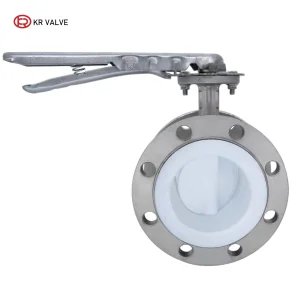
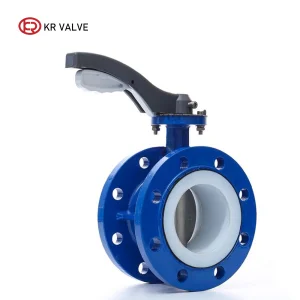
From basic cast iron gate valves to complex pneumatic double-eccentric PTFE butterfly valves, our broad spectrum ensures compatibility for any complex fluid dynamic layout.
From spectrometer raw material inspection to final high-pressure pneumatic test runs, we enforce multi-stage quality gates on all casting and machining surfaces.
By maintaining high-volume component supply chains and managing the casting, machining, and assembly phases internally, we provide market-leading competitive pricing.
Our customer support pipeline remains active 24/7. We offer layout assistance, sizing calculations, mounting adaptor fabrication, and troubleshooting assistance.

Take an inside look at our manufacturing floors, robotic assembly cells, and pressure-testing stages.
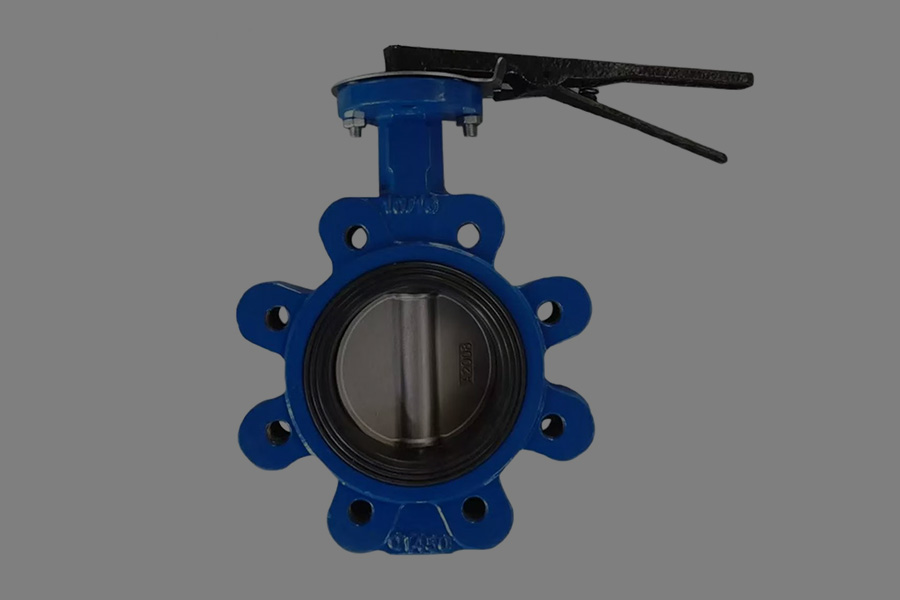
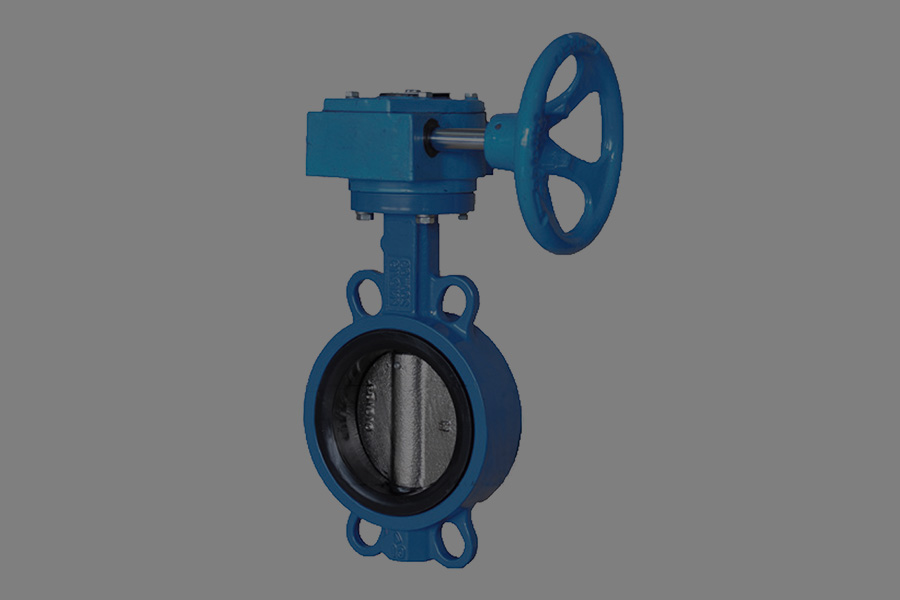
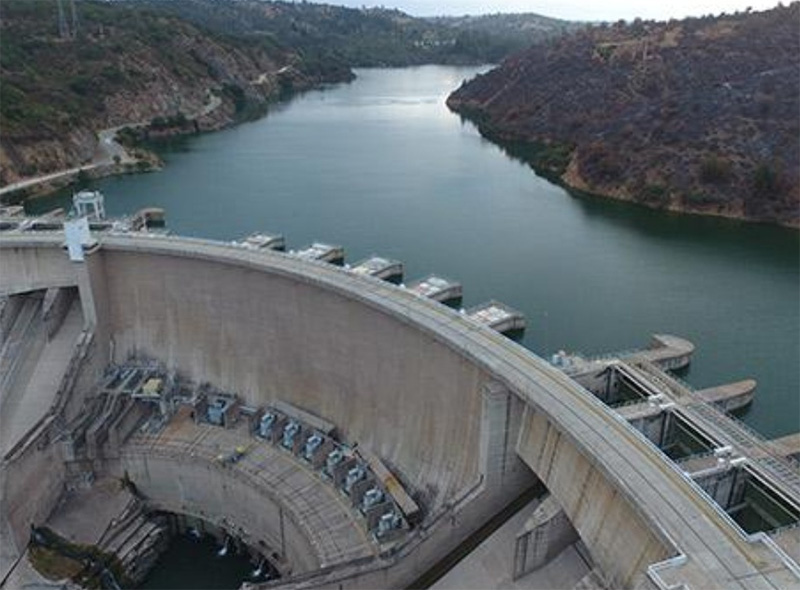
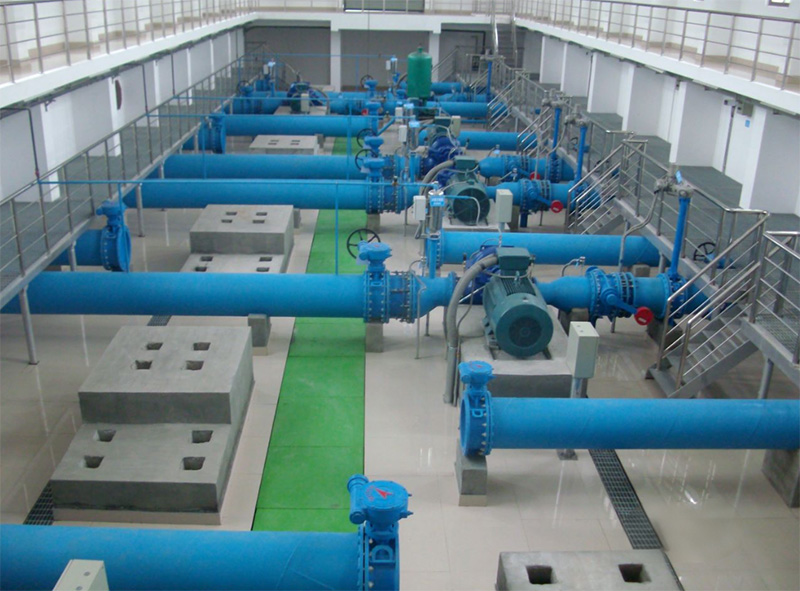
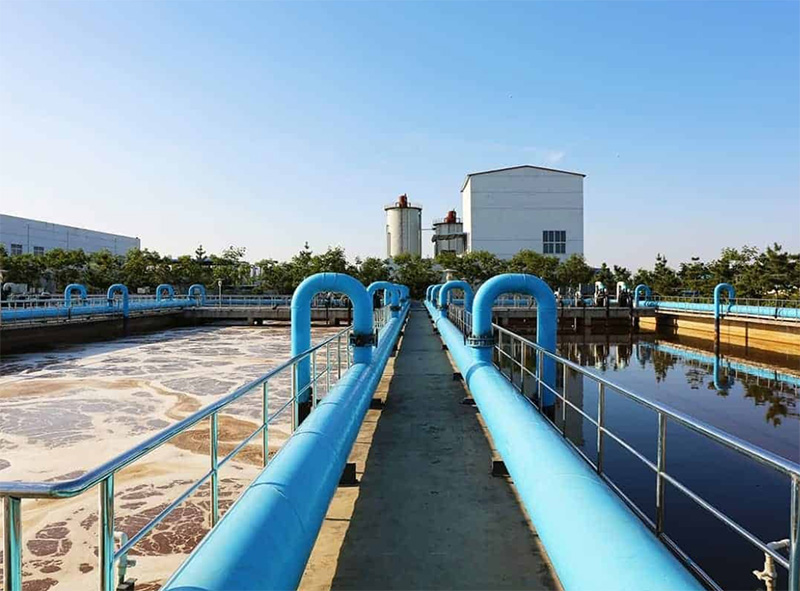
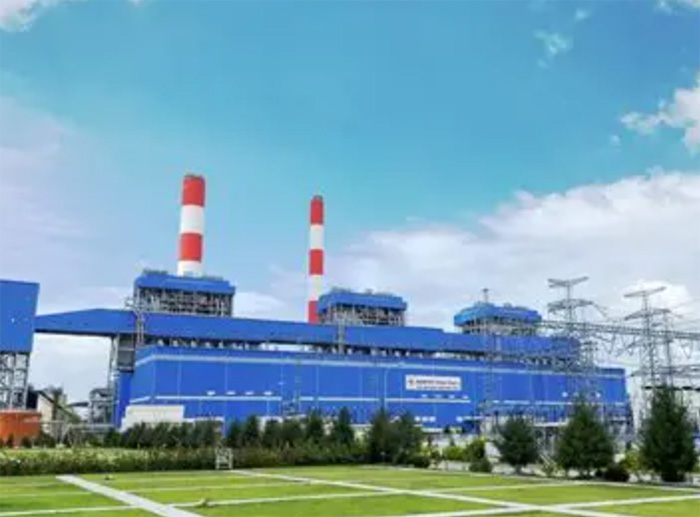
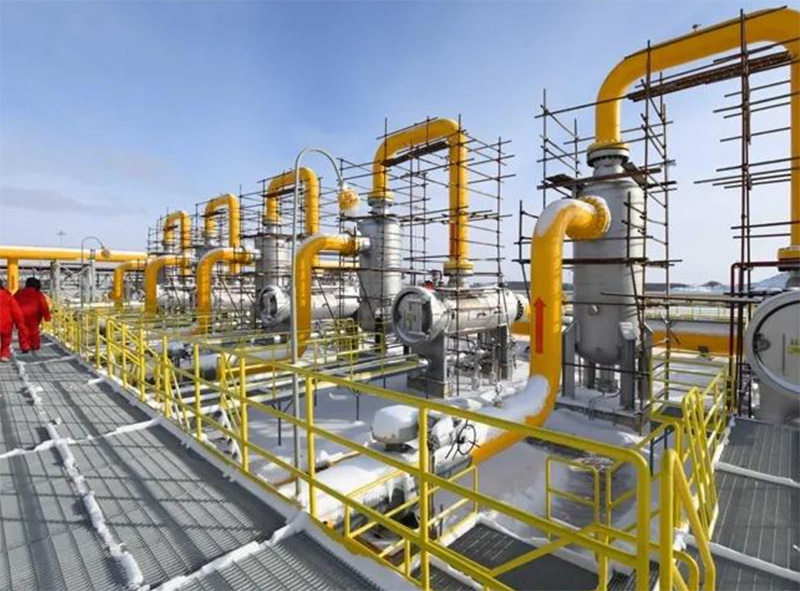
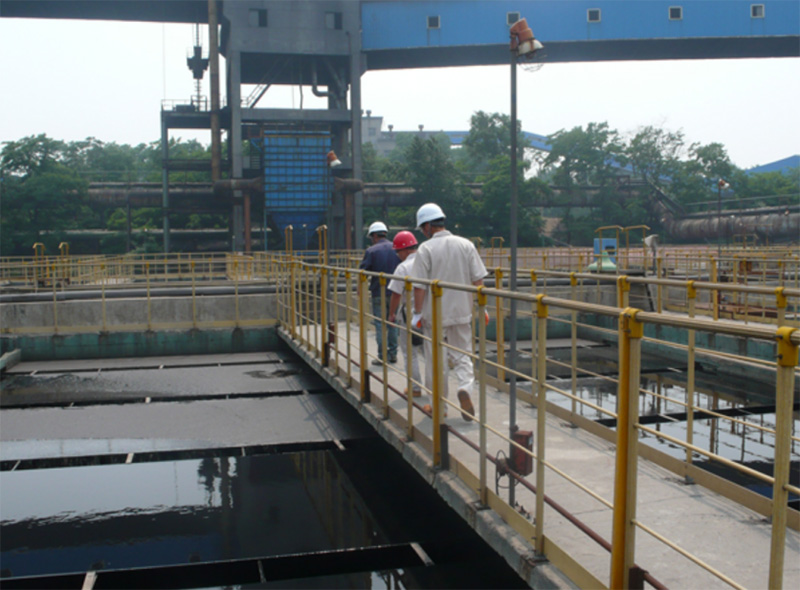
Our heavy-duty actuated flow systems have been integrated into municipal and chemical projects worldwide.
A look at KR Valve Group’s ongoing R&D efforts to build the next generation of flow control solutions.
Traditional control systems require extensive cabling for power and signaling. Our upcoming line of electric and electro-hydraulic actuators features low-draw Bluetooth and WirelessHART interfaces, enabling engineers to set parameters and monitor performance remotely without exposing critical internal electronics to the environment.
By integrating neural-network processing chips into our digital positioners, our actuators can detect minor pressure or torque anomalies long before they trigger an alarm. These systems record valve packing decay and supply air leaks locally, transmitting real-time performance summaries directly to distributed control networks (DCS).
In line with worldwide environmental and social governance (ESG) expectations, we are optimizing the internal volumetric design of our pneumatic actuator chambers. This design minimizes compressed air consumption during operation, leading to direct energy savings in industrial compression networks.
Read through expert answers to standard sizing, compliance, and custom integration questions.
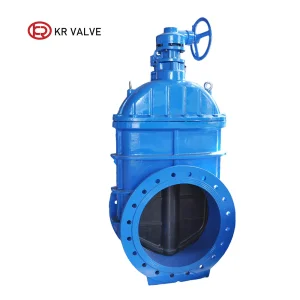
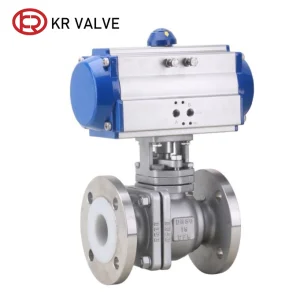
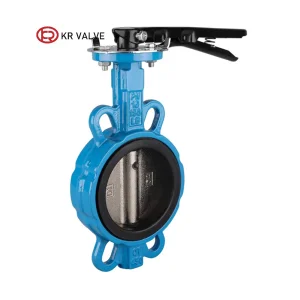
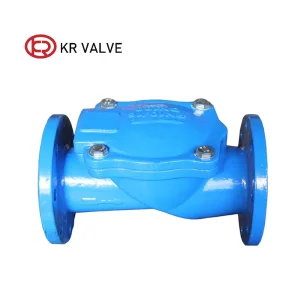
Our complete collection of valves and actuators optimized for high-pressure systems.
 KR VAVLE