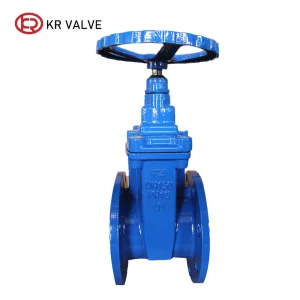
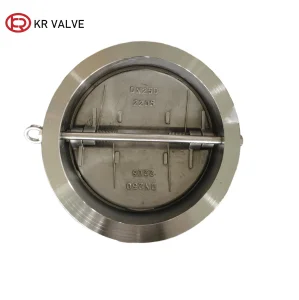
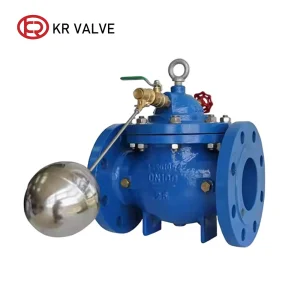
Direct from our manufacturing facility - high-performance valve units certified to international standards for immediate deployment.
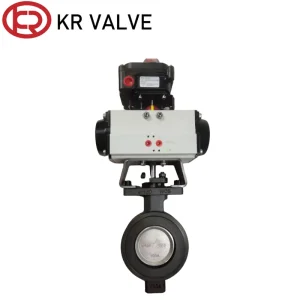
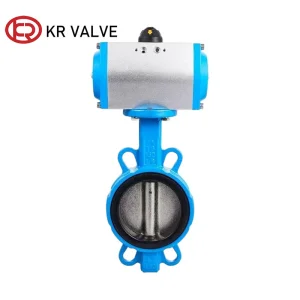
Within contemporary industrial fluid dynamics, the 4-inch (DN100) butterfly valve serves as a critical component in balancing throughput and space constraints. Over the past decade, the transition from basic concentric designs to triple-offset geometries has expanded the application of these valves from simple water distribution to highly volatile chemical processing, high-pressure steam distribution, and extreme thermal fluid management.
Our research and development division notes a rapid integration of smart automation in valve systems. The rise of modern manufacturing paradigms requires valves that integrate with digital control loops. Standard 4-inch variants are increasingly configured with electro-pneumatic digital positioners, continuous telemetry systems, and predictive maintenance sensors that register real-time torque deviations, seal degradation, and local fluid temperature profiles.
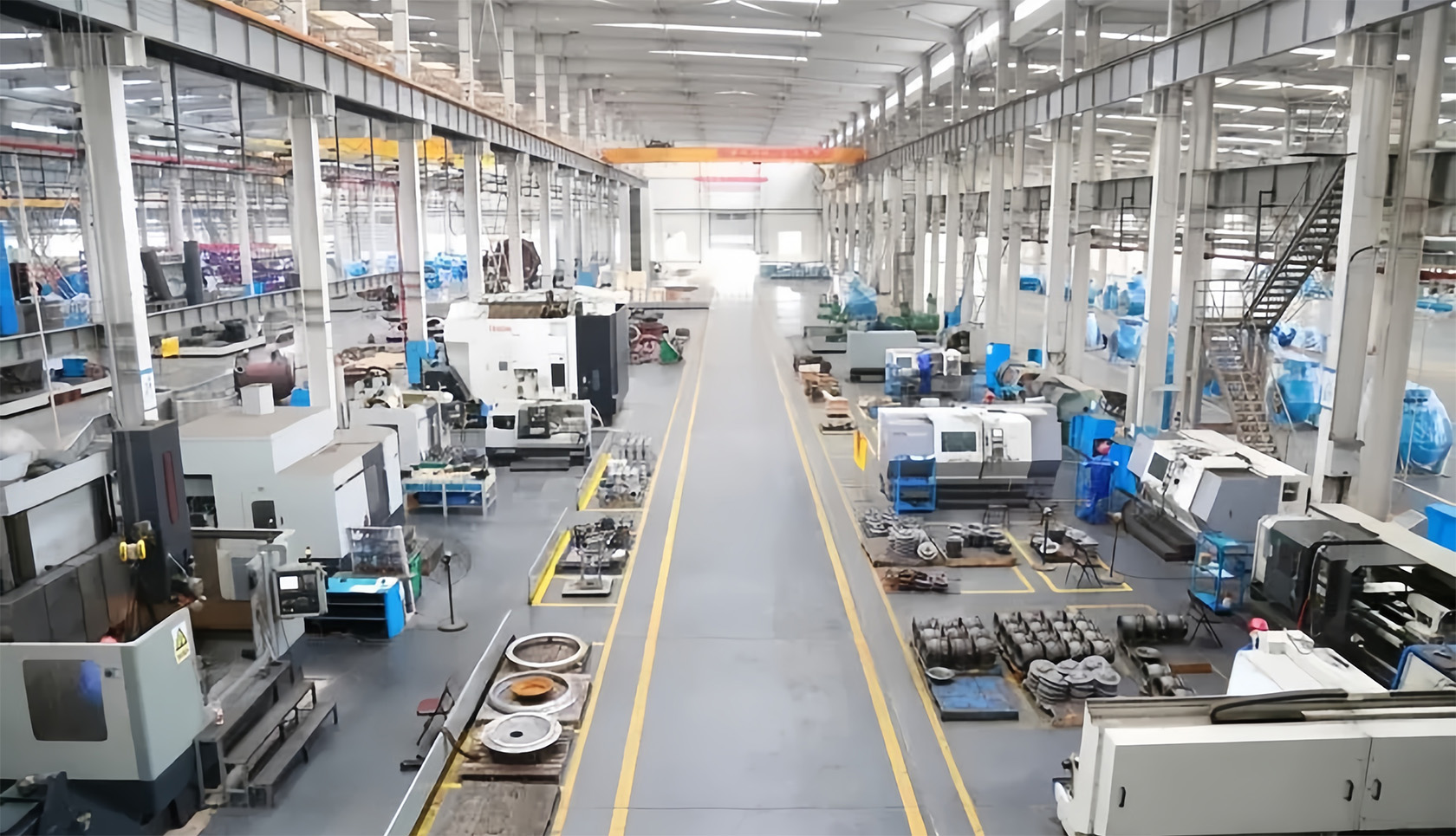
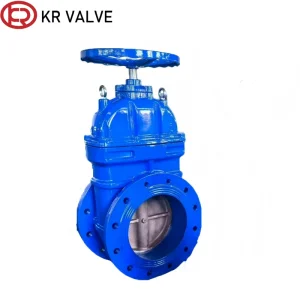
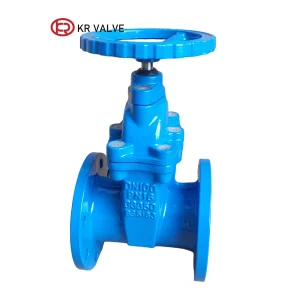
KR has more than 20 years of experience in producing standard and non-standard valves of various types. We supply a wide selection of over 500 valve products, including butterfly valves, gate valves, check valves, water control valves, as well as all their matching and accessory products. These products have applications in various industries such as water treatment, dam construction, commercial buildings, energy and heating, chemical engineering, etc. We have won high repeat purchase rates from customers with excellent product variety and quality.
Beyond product excellence, we are dedicated to creating a mutually beneficial partnership with every customer. We believe that reliable service is as crucial as superior products, and we strive to continuously optimize the customer experience to achieve long-term win-win cooperation.
Today, KR VALVE’s products have been exported to over 50 countries and regions in Europe, Asia, Africa, and Oceania, providing project construction and brand marketing services to thousands of customers. We look forward to collaborating with you, leveraging our expertise, comprehensive product range, and unwavering commitment to quality and service to support your success.
A deep engineering dive into structural choices, torque curves, and seating materials for the DN100 valve line.
The standard resilient-seated design uses a centric shaft configuration where the disc rubs against the elastomer seal throughout its stroke. This approach remains the standard for water processing, offering cost-effectiveness, zero-leakage capabilities, and low dynamic pressure loss up to 16 Bar.
By offsetting the stem from the centerline of the valve seal and body, the disc lifts off the seat during the opening cycle. This design minimizes operational friction, limits wear, and allows for clean throttling control at temperatures up to 230°C using reinforced PTFE/R-PTFE liners.
Utilizing a third angular offset, the disc contacts the seat with a wedging action that creates a seal only at final closure. This metal-to-metal configuration ensures bubble-tight bi-directional isolation across class 150/300 systems, resisting high thermal gradients and abrasive media.
| Valve Type (4" / DN100) | Seat Material | Nominal Pressure | Temperature Limits | Leakage Class (API 598) | Primary Fluid Applications |
|---|---|---|---|---|---|
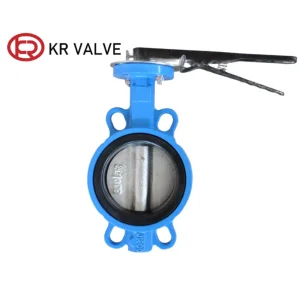
| Concentric Wafer | EPDM / NBR / FKM | PN10 / PN16 / Class 150 | -20°C to +120°C | Zero Leakage (Class A) | Municipal Water, HVAC, Utility Gas |
| Concentric Lug | PTFE / Virgin EPDM | PN16 / Class 150 | -40°C to +150°C | Zero Leakage (Class A) | Brine, Low-Concentration Acids |
| Double Offset | R-PTFE / PEEK | PN16 / PN25 / Class 150/300 | -50°C to +230°C | ISO 5208 Rate A | Hydrocarbons, Steam Condensate |
| Triple Offset Flanged | Metal-to-Metal (SS316 + Stellite) | PN25 / PN40 / Class 150/300 | -196°C to +550°C | API 598 (Zero Bubble) | Superheated Steam, Cracking Furnaces |
Combining rigorous structural calculations, controlled production stages, and comprehensive physical testing validation.
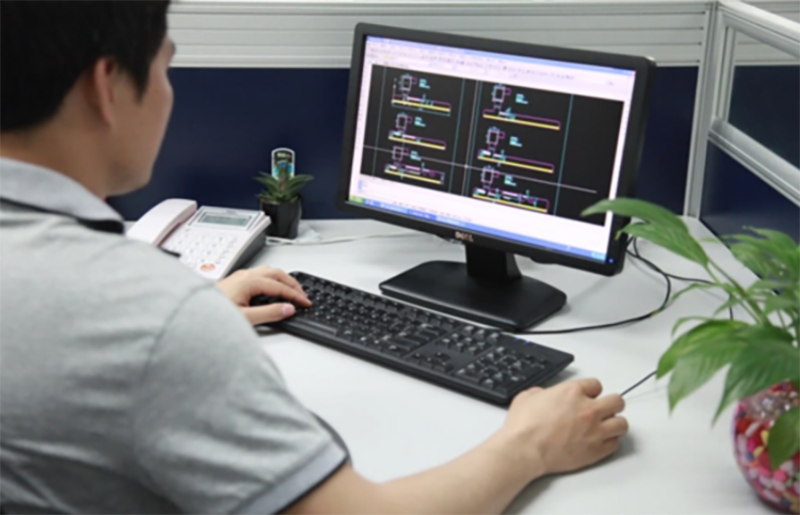
Our R&D department ensures continuous product design and innovation. Technicians design and develop valves meeting custom and market requirements. Our lab provides modern testing capabilities to evaluate valve performance. We manage over 20 series and 500 varieties.
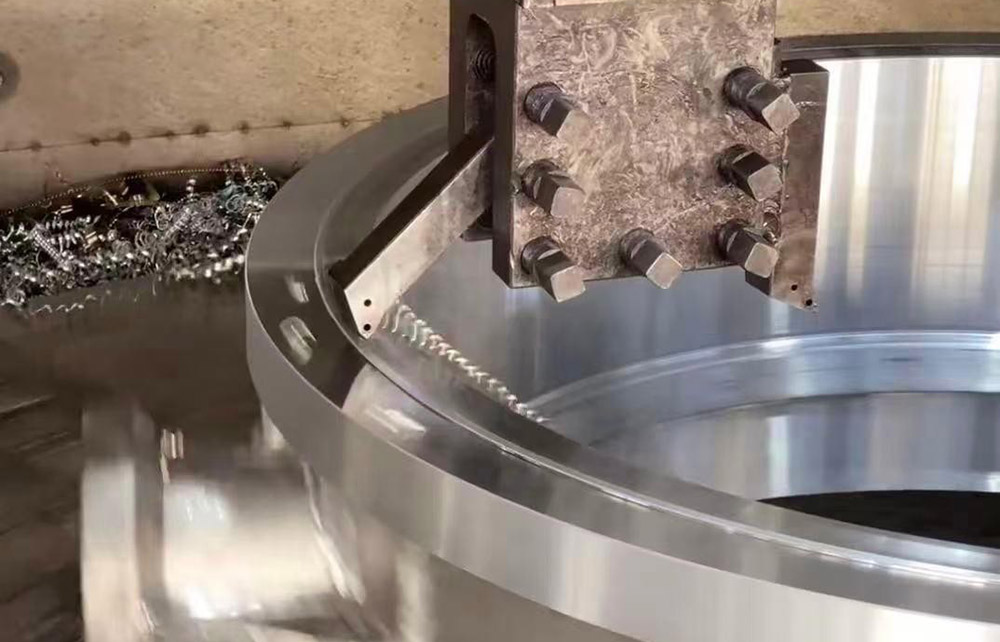
The production department schedules workflows to ensure timely delivery according to order specifications. Manufacturing operates under strict ISO-9001 quality management guidelines. We utilize over 30 CNC machining stations and update raw stock levels monthly.
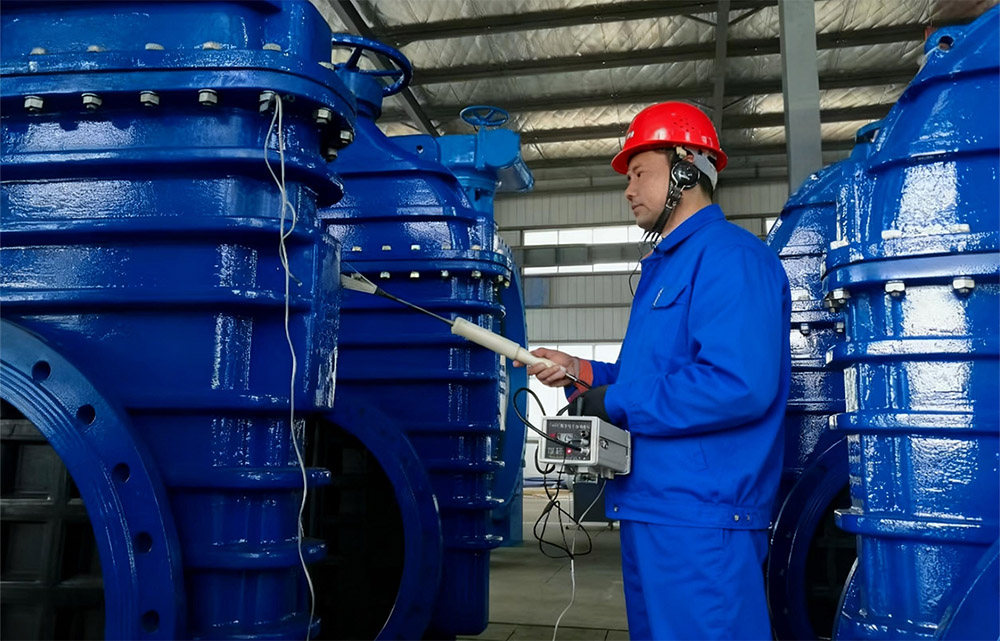
Our quality department performs 100% inspection of final assemblies. Zero leakage remains our standard. According to international standards, we execute hydrostatic shell and seat tests, dimension checks, and paint thickness measurements prior to signing reports.
Understanding supply chain variables, material tractability, and custom engineering requests for major EPC contractors.
For chemical and municipal processing, pressure integrity requires verified materials. Global procurement rules demand EN 10204 3.1 certification. This documentation guarantees that all body castings (such as Ductile Iron GGG40/GGG50 or Cast Carbon Steel WCB) meet nominal tensile limits and carbon content ranges to prevent brittle fracture failure under load.
Furthermore, internal wet components (like ASTM A351 CF8M discs or Hastelloy stems) require strict inspection verification. This process prevents localized stress corrosion cracking in high-salinity seawater systems or sour oil environments.
Engineers face challenges when swapping obsolete valves within legacy manifolds. To prevent costly pipeline modifications, our 4-inch valve designs comply with EN 558-1 Series 20, ISO 5752, and API 609 face-to-face specifications.
By using standard flange mounting profiles conforming to ASME B16.5 Class 150 or EN 1092-1 PN16, these valves install directly into existing systems. This design simplifies retrofits and minimizes system downtime during repairs.
Providing manufacturing expertise, dedicated support, and scalable logistics from casting to project commissioning.
We supply products under our registered brand "KR" and provide OEM services. We maintain manufacturing agreements with globally recognized engineering partners, adapting dimensions, colors, and tagging requirements.
Our facility houses 15 specialized machining centers and assembly lines. Production is staffed by experienced assembly technicians, ensuring consistent quality on bulk runs of 4-inch butterfly designs.
We produce across 20 distinct valve series, containing over 500 catalog configurations. Our engineering range covers standard designs as well as bespoke configurations designed for high temperatures or aggressive media.
We monitor quality from receipt of casting components to finished assemblies. Every valve disc, seat ring, stem packing gland, and actuator undergoes inspection before final shipment approval.
We optimize our supply chain internally, managing machining, assembly, and testing. This approach keeps production costs competitive and minimizes third-party markup fees for our customers.
We offer pre-purchase consulting to assist with model selection, sizing calculations, and control interface matching. Our support team is available to help resolve onsite installation questions.
A short look inside our facility showing valve pressure integrity testing, machining lines, and finished assemblies.
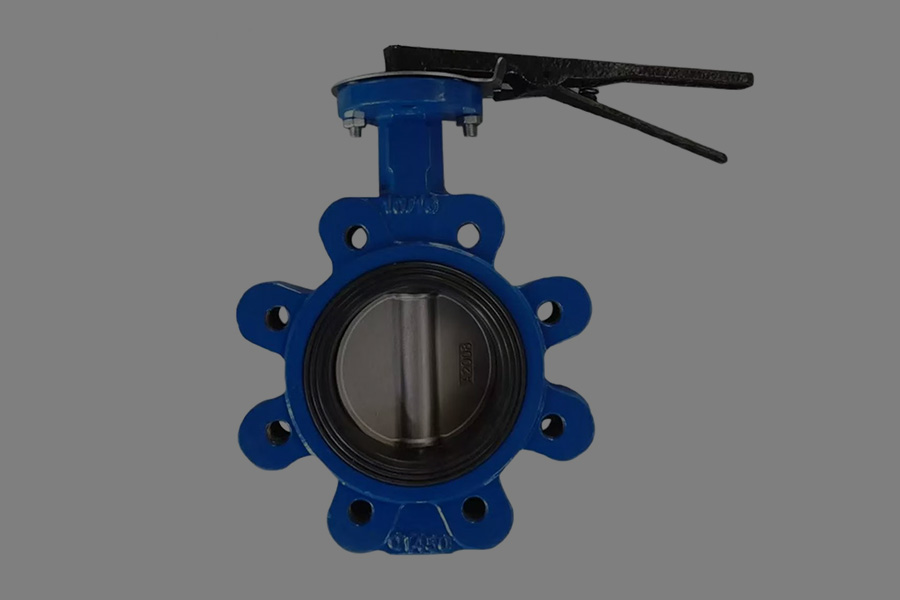
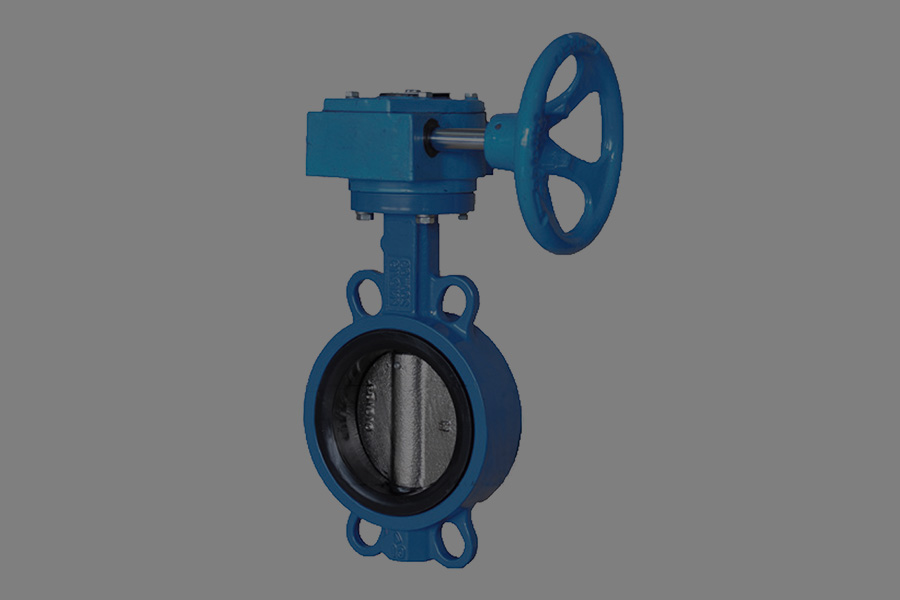
Our valve configurations are deployed in major water, processing, and municipal operations around the world.
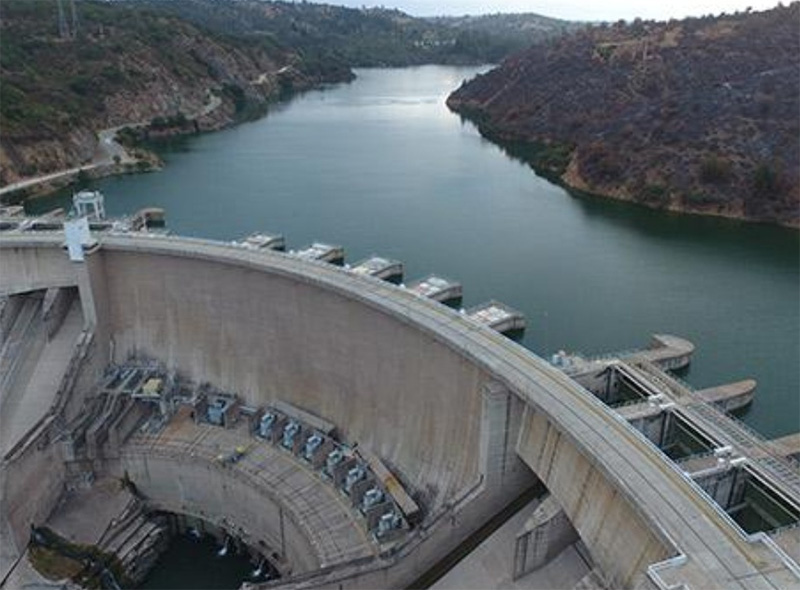
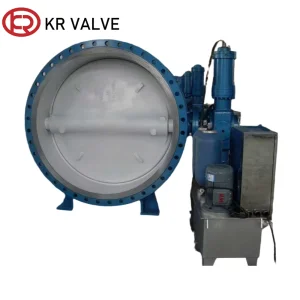
Delivered resilient, large-format hydraulic control systems designed to manage high head pressures and debris levels in storage reservoirs.
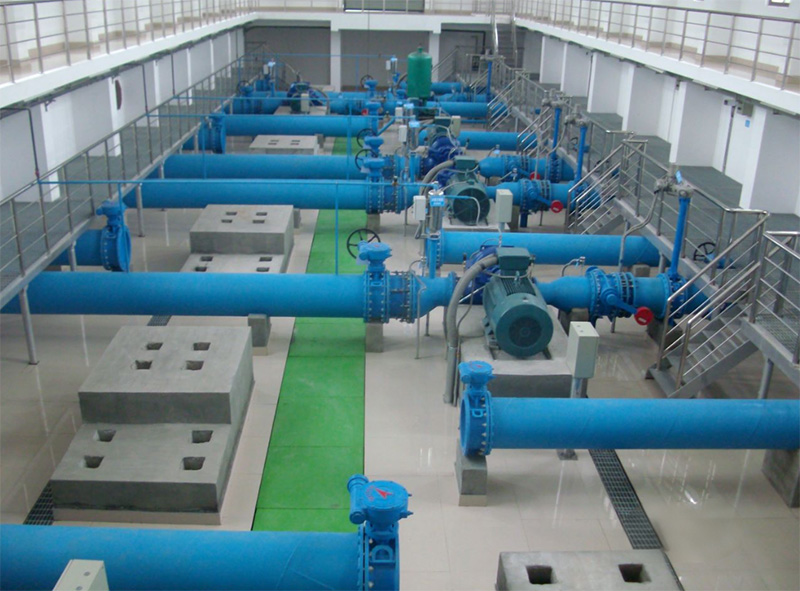
Engineered soft-seated butterfly configurations and check valves to reduce fluid hammer in public drinking water distribution lines.
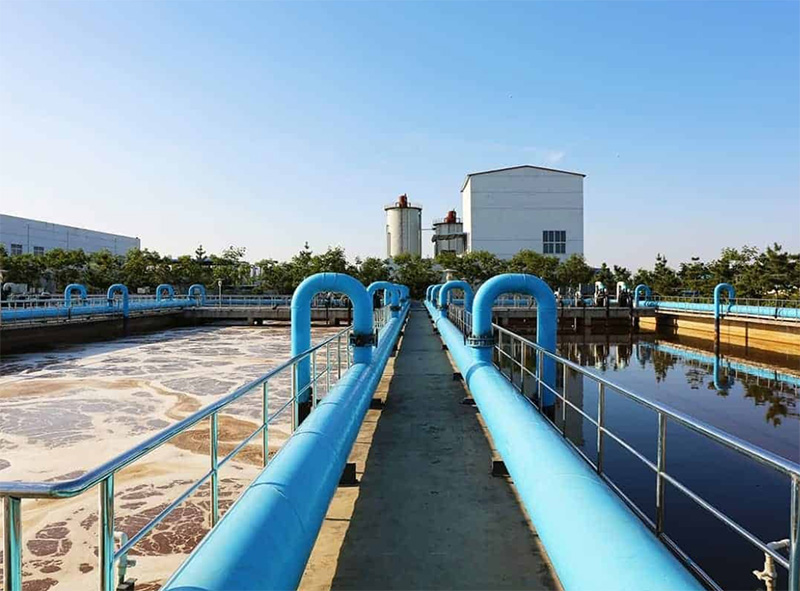
Provided abrasion-resistant gate valves and EPDM-lined butterfly valves to manage wastewater sludge containing suspended solids.
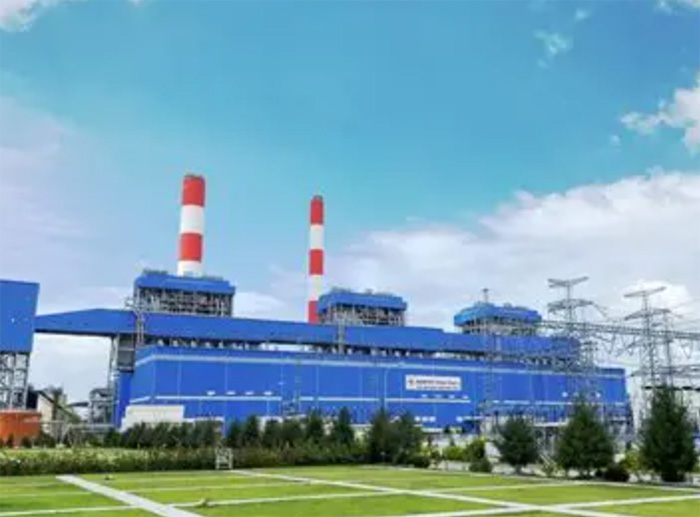
Supplied custom SS316 PTFE-lined ball valves and double eccentric butterfly systems to handle acids and chlorinated chemical compounds.
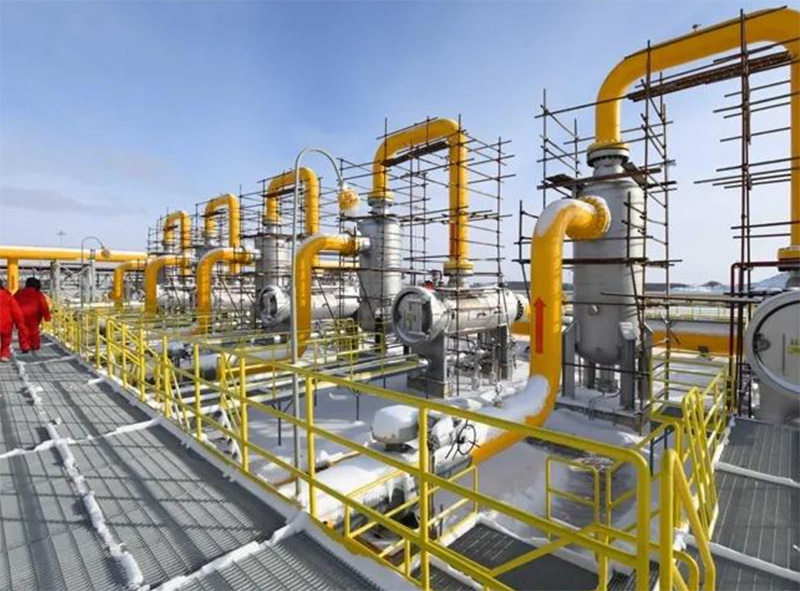
Supplied low-temperature carbon steel valves certified to withstand sub-zero operations, ensuring tight gas shutoff and low emission packings.
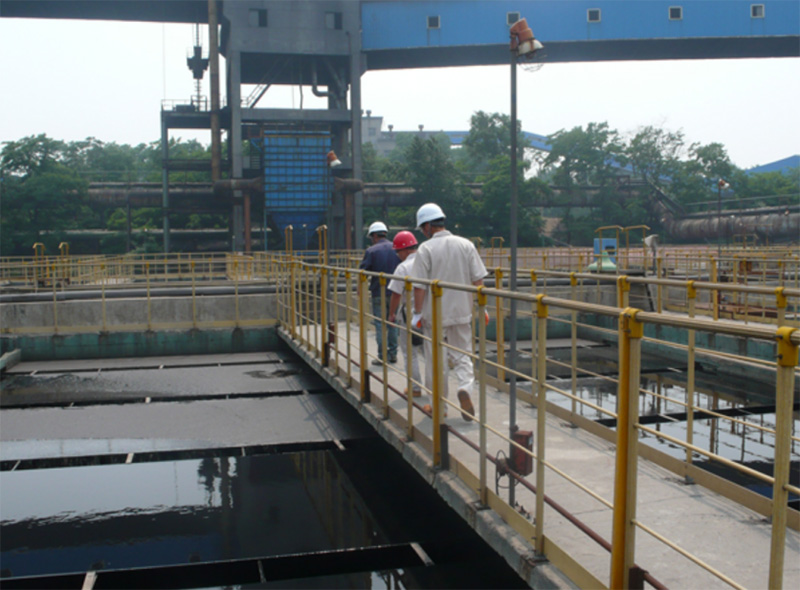
Supplied automated municipal flow control valves to manage raw municipal sewage streams without clogging or seat wear.
Our ongoing research initiatives designed to meet next-generation criteria for durability, automation, and eco-efficiency.
Developing integrated shaft torque monitoring systems. These units track changes in breakaway torque to identify internal scaling, elastomer aging, or dynamic flow obstructions before a failure occurs.
Redesigning stuffing boxes using spring-loaded, self-adjusting PTFE packing rings. This design targets compliance with strict environmental regulations by minimizing fugitive leakage at the stem interface.
Introducing ceramic-composite disc coatings for corrosive chemical handling. This project aims to offer a cost-effective alternative to expensive titanium alloys in applications like seawater desalination and industrial acid handling.
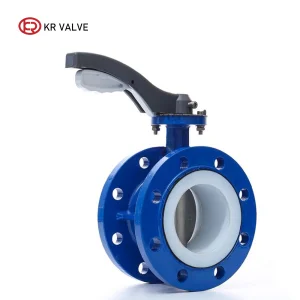
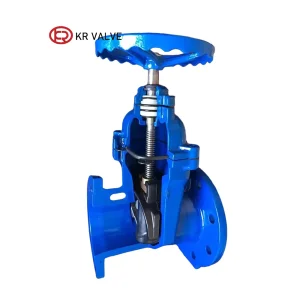
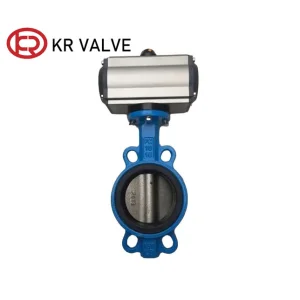
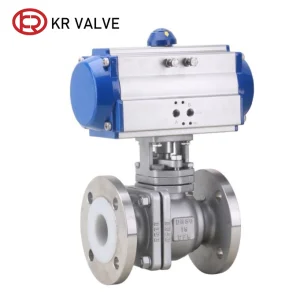
Explore representative models from our core product lines, categorised by system requirements and media properties.
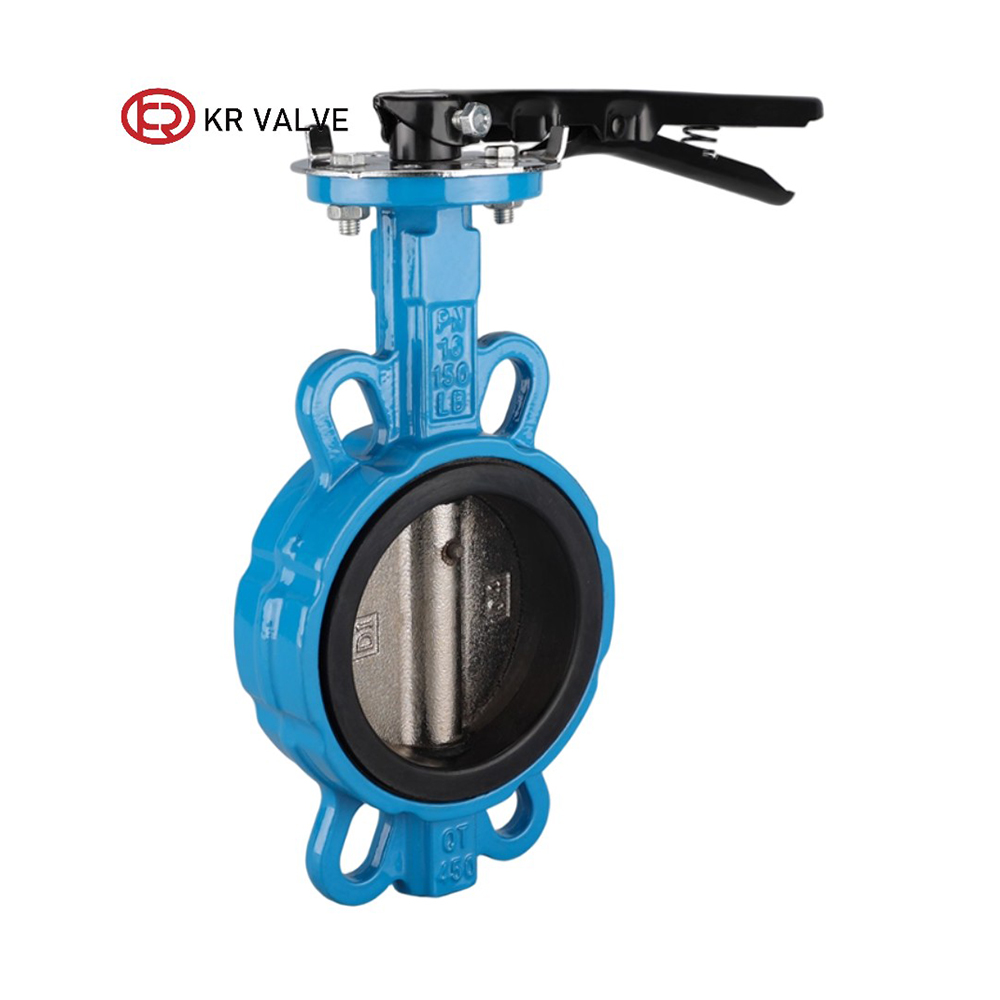
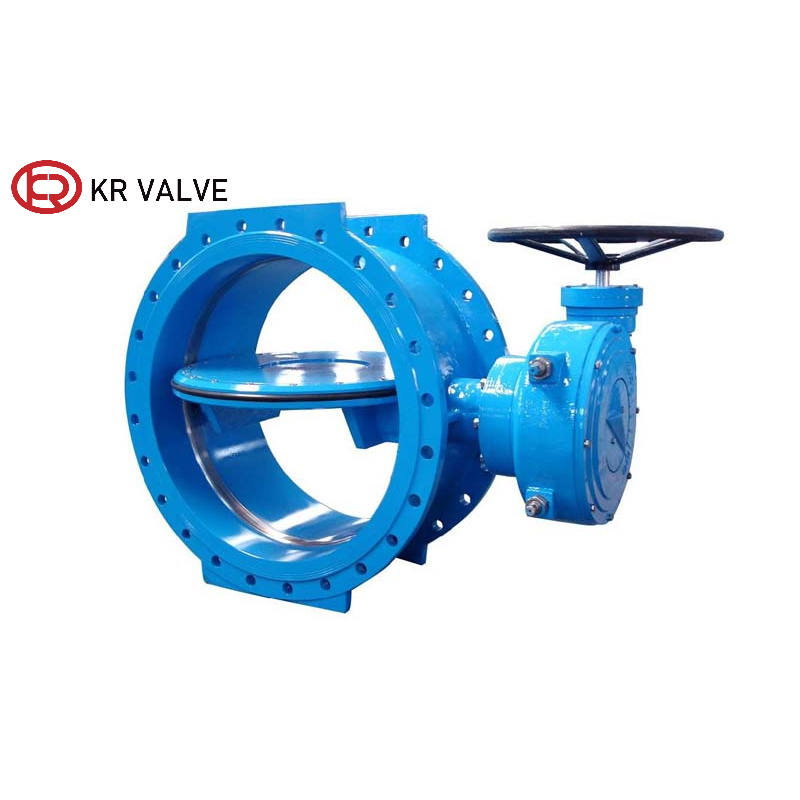
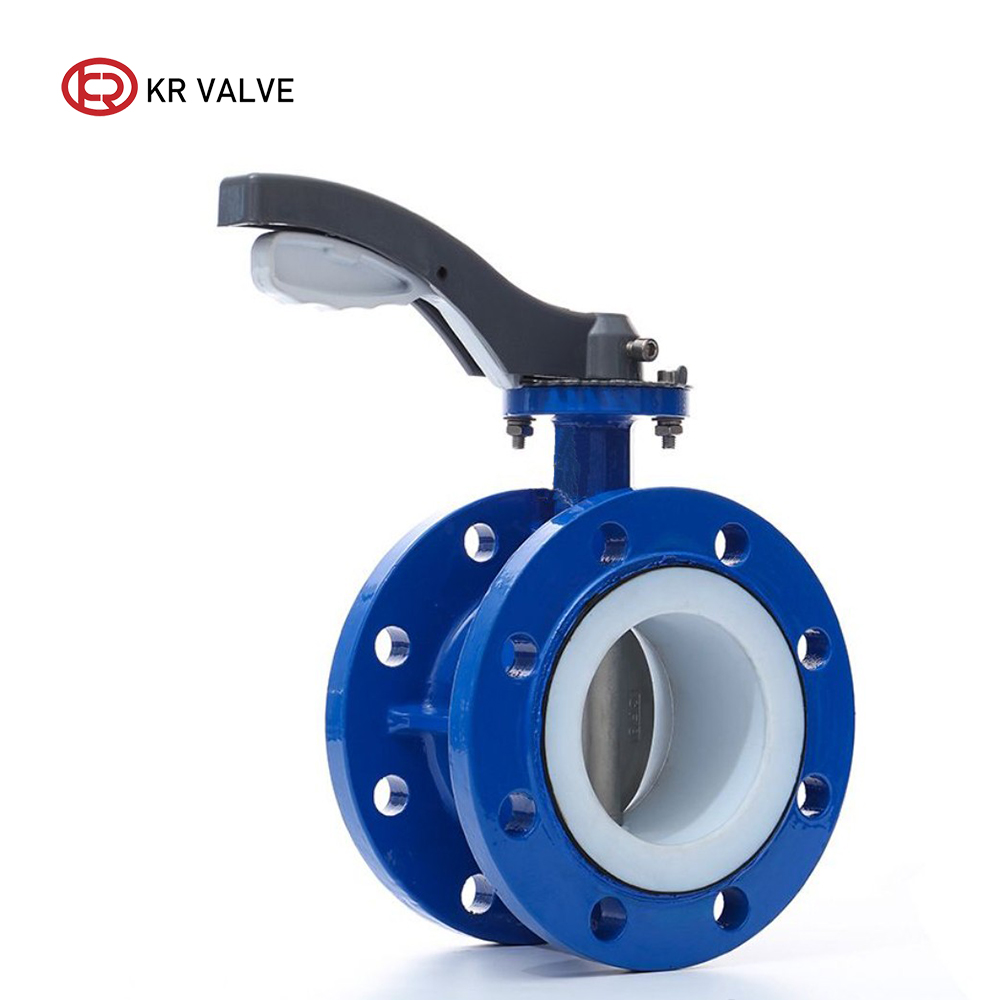
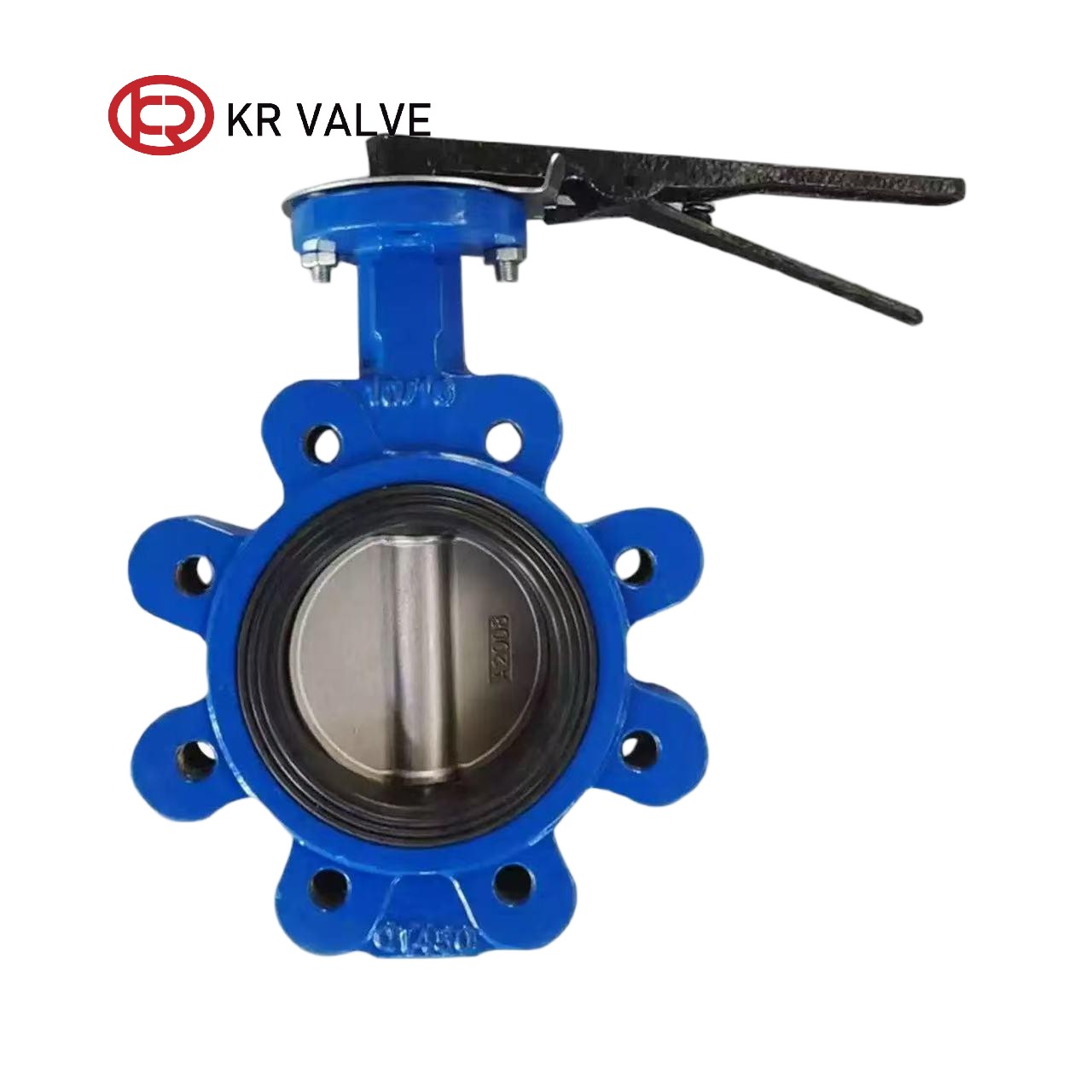
Addressing engineering questions regarding installation, material selection, and maintenance of 4-inch butterfly valves.
Seat selection depends on chemical compatibility and operating temperature:
These configurations differ in structural mounting and pressure handling:
Break-away torque is affected by seat friction, system pressure, and seat material. Double offset designs and PTFE seats have higher friction than elastomeric centric seats. When specifying actuators (pneumatic or electric), we recommend applying a safety factor of 1.25 to 1.5 over the nominal torque to ensure reliable actuation under all operating pressures.
Zero-leakage valves undergo testing per API 598 or ISO 5208 (Rate A). This involves hydrostatic shell testing at 1.5 times the nominal working pressure and seat testing at 1.1 times the nominal pressure, verifying seat seal integrity before packaging.
Our expanded catalog covers high-pressure ball, check, and control valves to complete your pipeline system requirements.
Get in touch with our engineering support team to receive sizing calculations, detailed CAD layouts, or a competitive quote.
 KR VAVLE