 KR VAVLE
Water Infrastructure Landscape in Argentina: Challenges and Demands
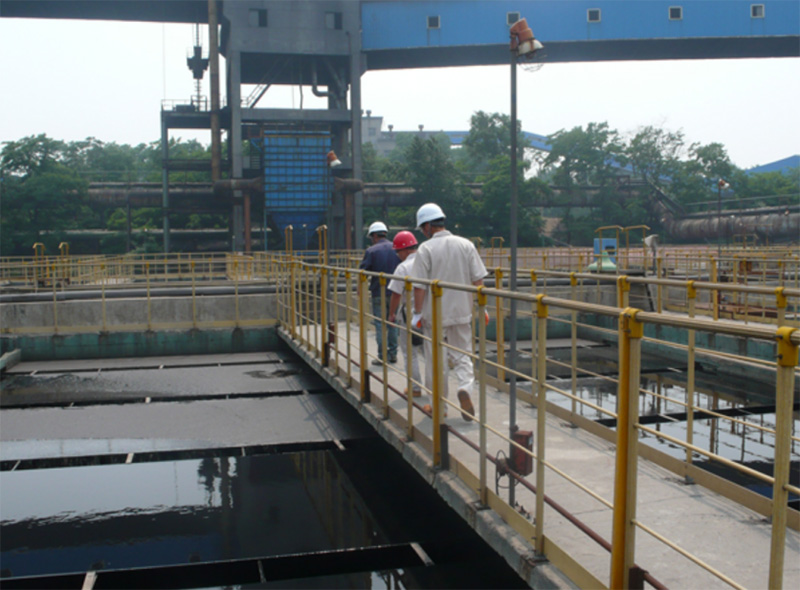
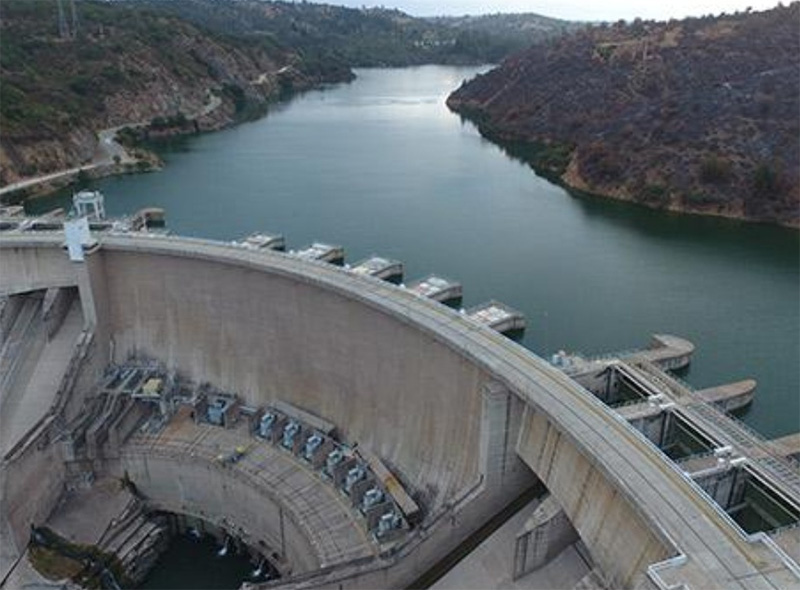
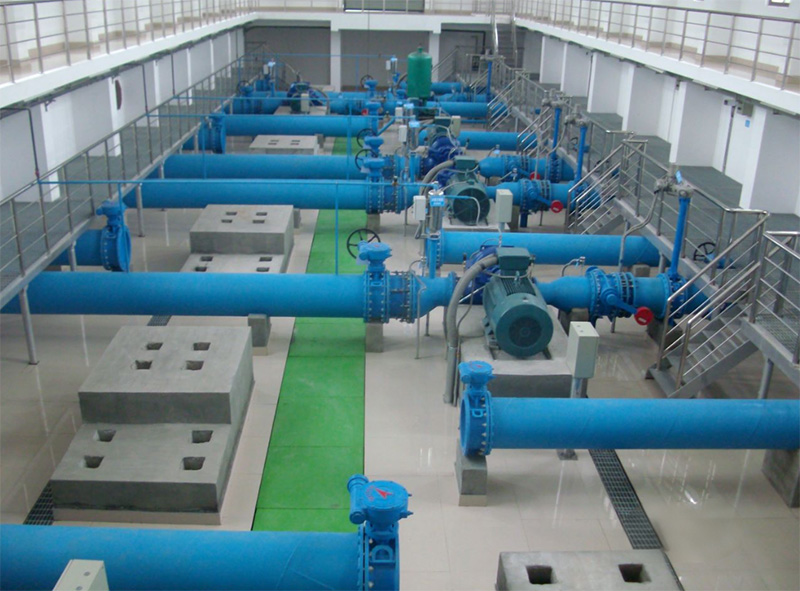
Argentina possesses a rich yet complex geographical and industrial framework. From the densely populated metropolitan landscape of Buenos Aires managed by AySA (Agua y Saneamientos Argentinos), to the dry, irrigation-dependent agricultural fields of the Cuyo region (Mendoza and San Juan), and the expanding mining operations in the Patagonia and Andes zones, the requirements for efficient liquid control are vast. However, utility companies and industrial plants in Argentina face severe operational challenges, including high percentages of Non-Revenue Water (NRW), pipe bursts due to transient pressure spikes (water hammer), and aging metallic infrastructure that requires immediate modernization.
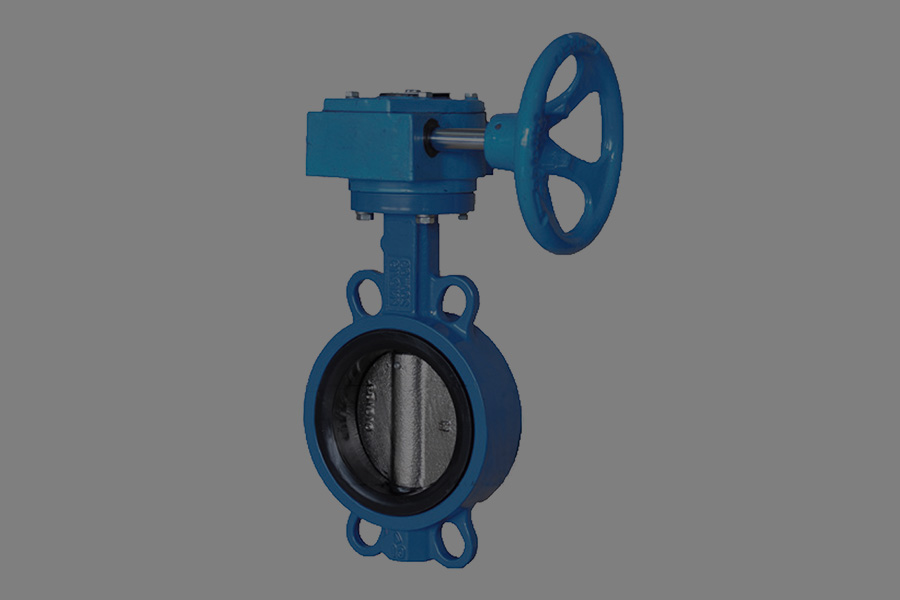
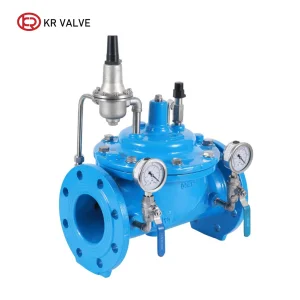
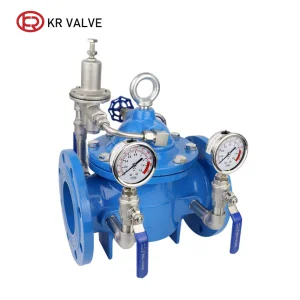
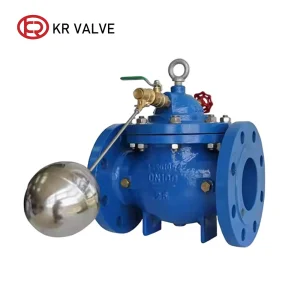
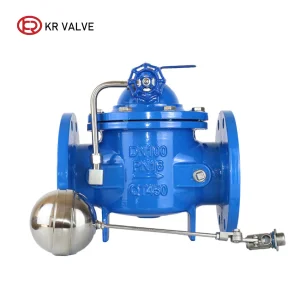
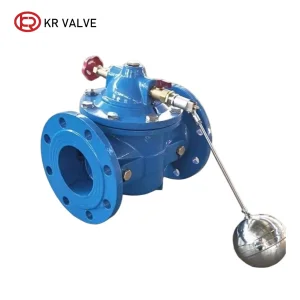
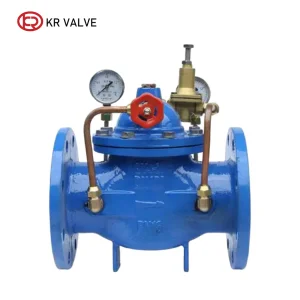
To overcome these challenges, engineers and procurement coordinators are shifting away from traditional grey cast iron valves toward high-tensile Ductile Iron (GGG40/GGG50) pressure management systems. In seismic-prone zones like Mendoza or Salta, and under high-pressure dynamics, standard materials fail due to brittleness. Ductile iron provides the elongation and impact resistance required to prevent catastrophic pipeline failures. Furthermore, with Argentina's focus on maximizing water conservation amidst climate-induced droughts, the demand for precise, self-operating pressure reducing valves (PRVs) and remote control float valves has reached an all-time high.
Global Fluid Control Market Dynamics and Supply Chain Realignment
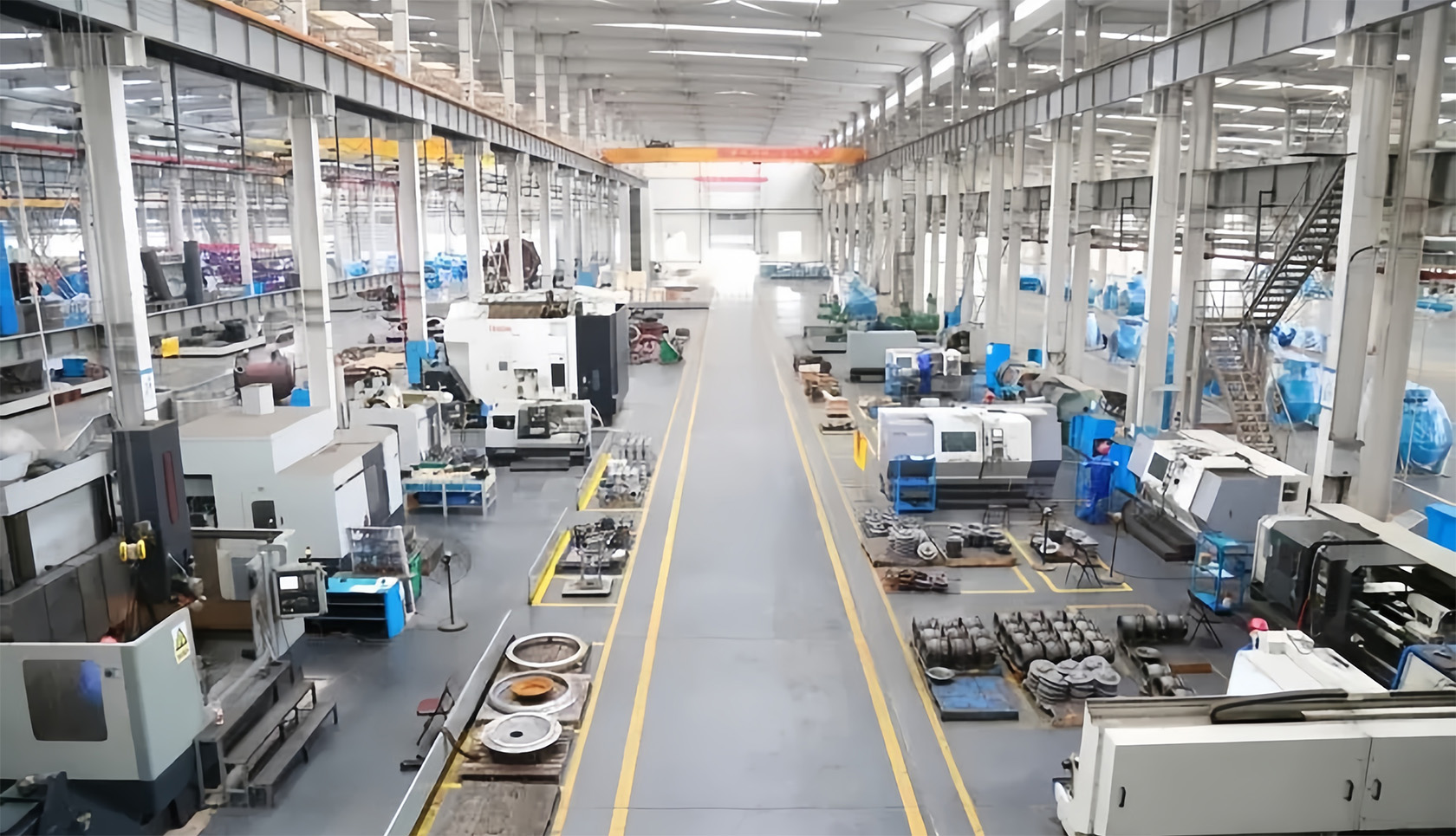
The global industrial valve market is undergoing a major structural transformation. Regulatory agencies worldwide are enforcing stricter parameters for drinking water safety (such as WRAS, NSF/ANSI 61, and CE certification) and carbon footprint reductions in manufacturing. In addition, supply chain resilience has become a major criteria for project managers. Rather than relying on locally built, high-cost, low-capacity assembly shops, global procurement departments are establishing direct relationships with fully integrated, large-scale original equipment manufacturers (OEMs) in China.
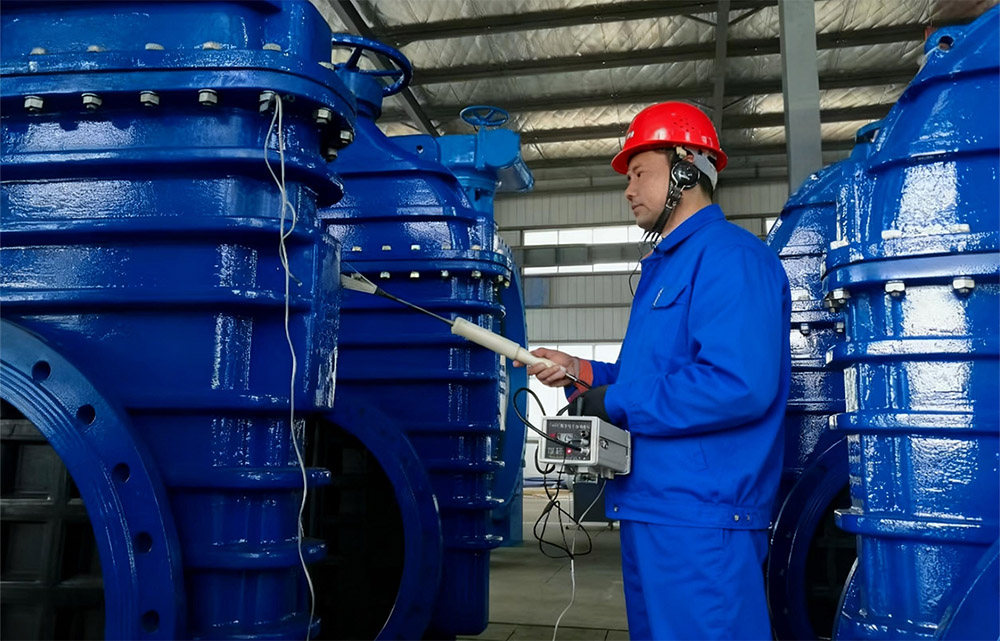
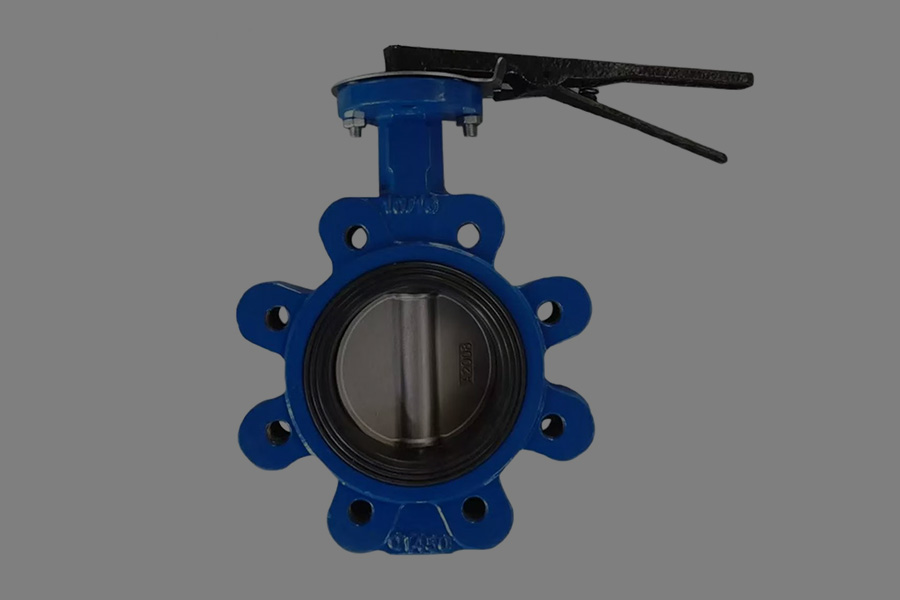
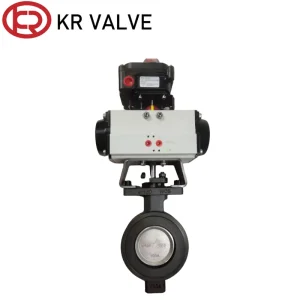
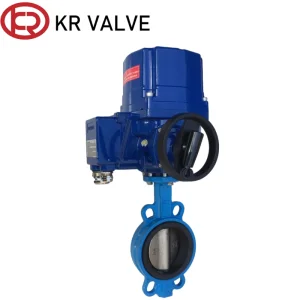
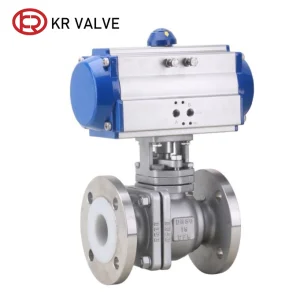
By bypassing multiple layers of regional distributors, engineering procurement contractors (EPCs) in Latin America can secure customized face-to-face dimensions, specific flange drillings (such as EN1092-2 PN10/PN16 or ASME B16.42 Class 150), and superior Fusion Bonded Epoxy (FBE) coating thicknesses (minimum 250 microns) that protect valves against corrosive soils and harsh chemical media. The integration of IoT-enabled, motorized, and pneumatic actuating mechanisms also allows municipal operators to transition their systems into smart water grids with real-time feedback loops.