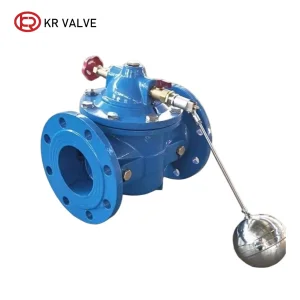
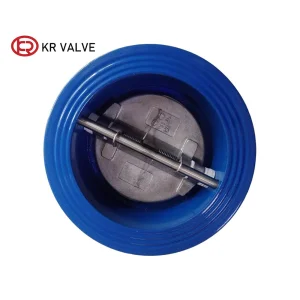
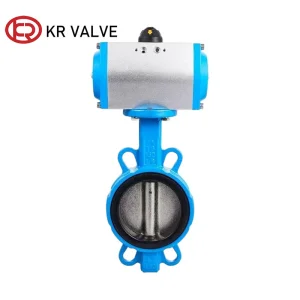
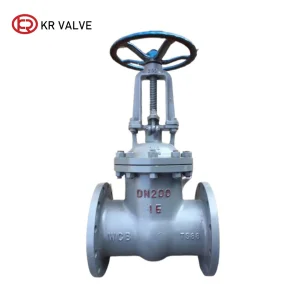
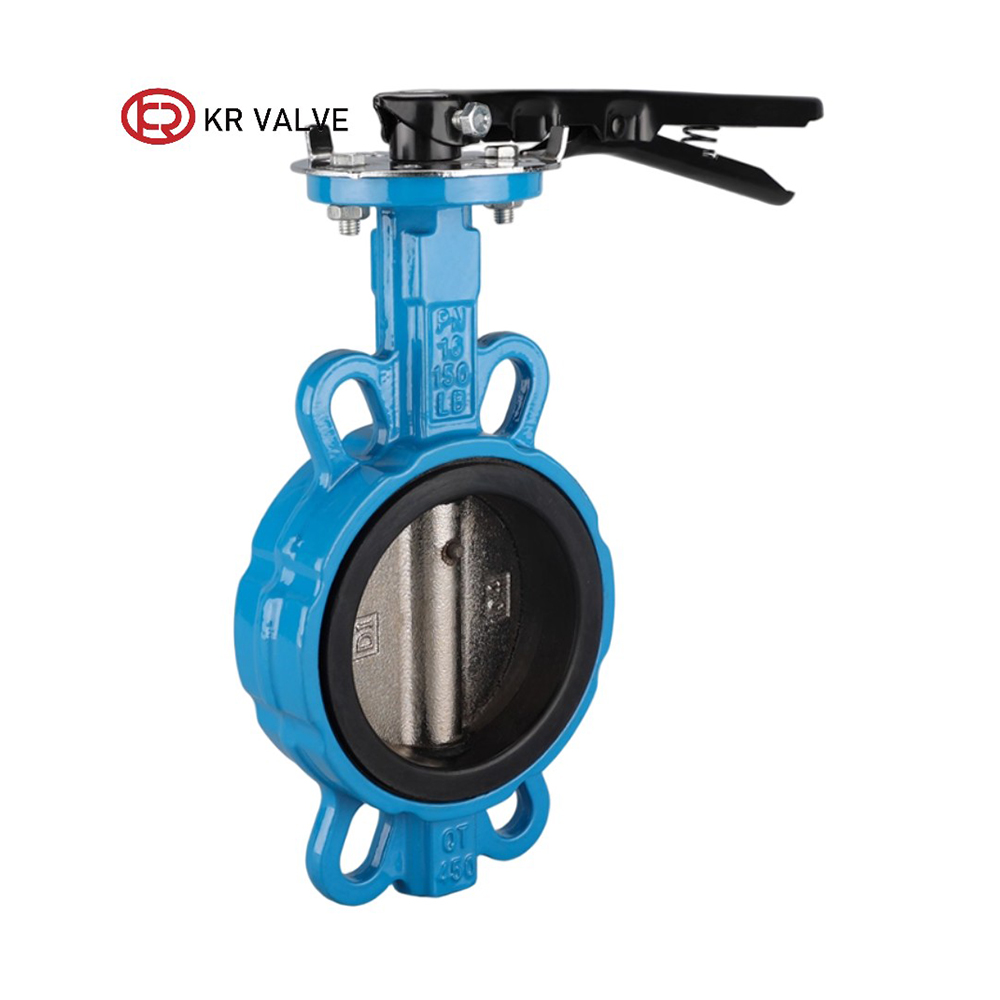
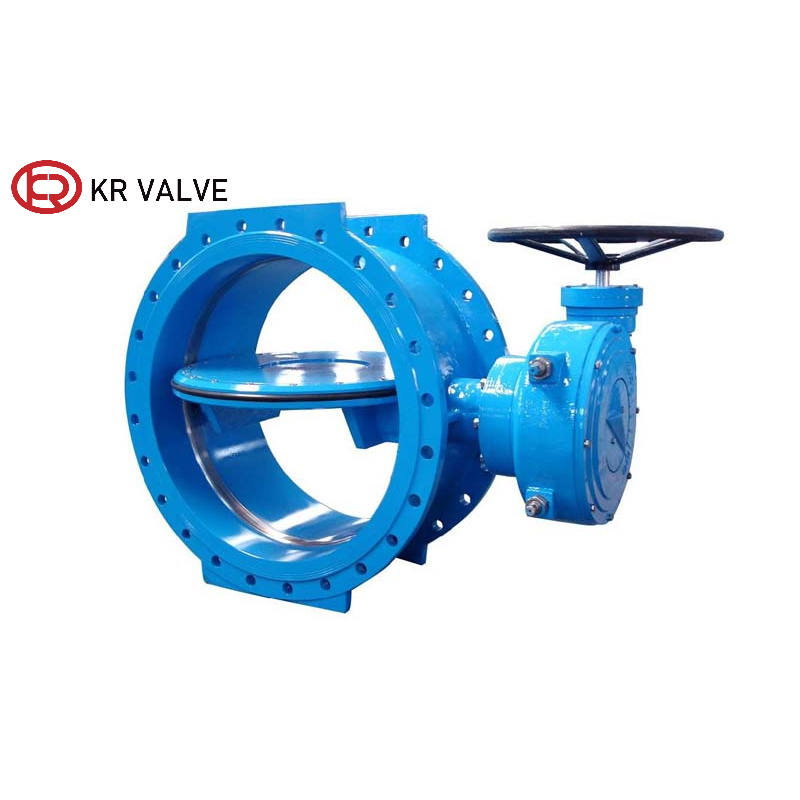
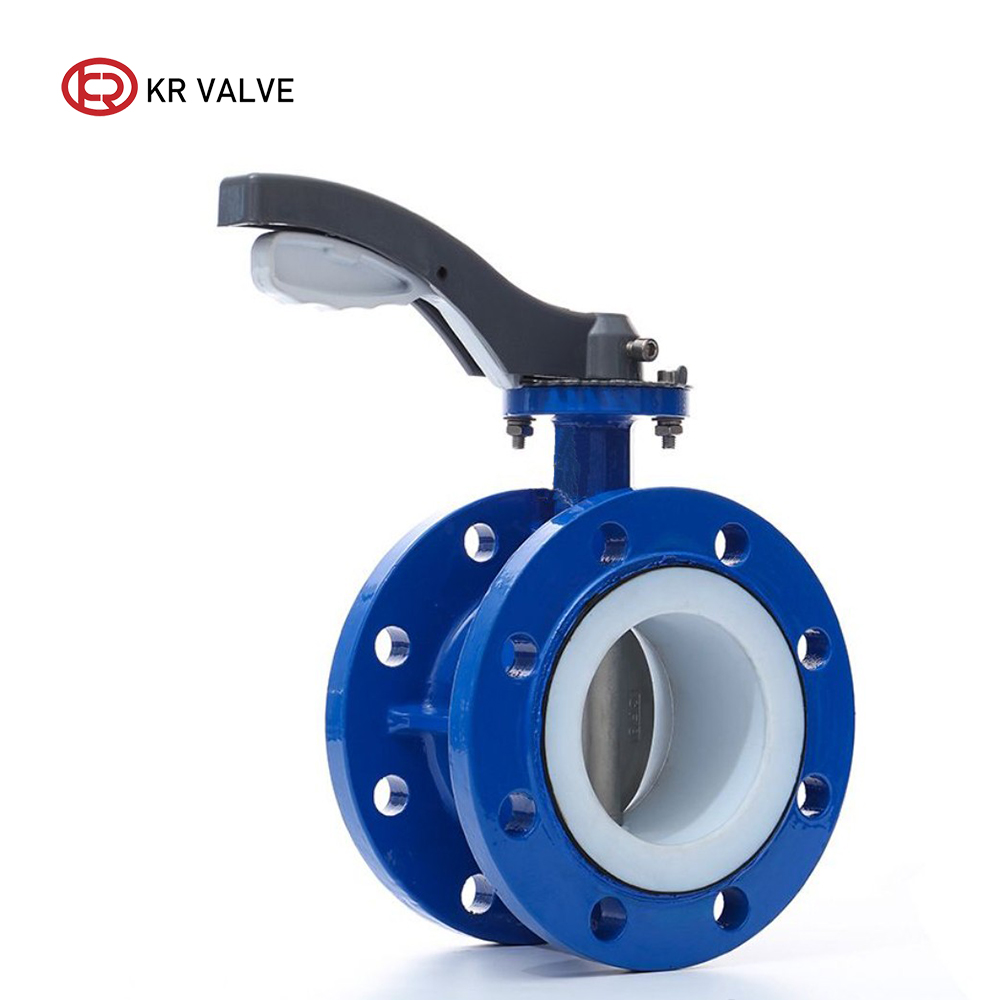
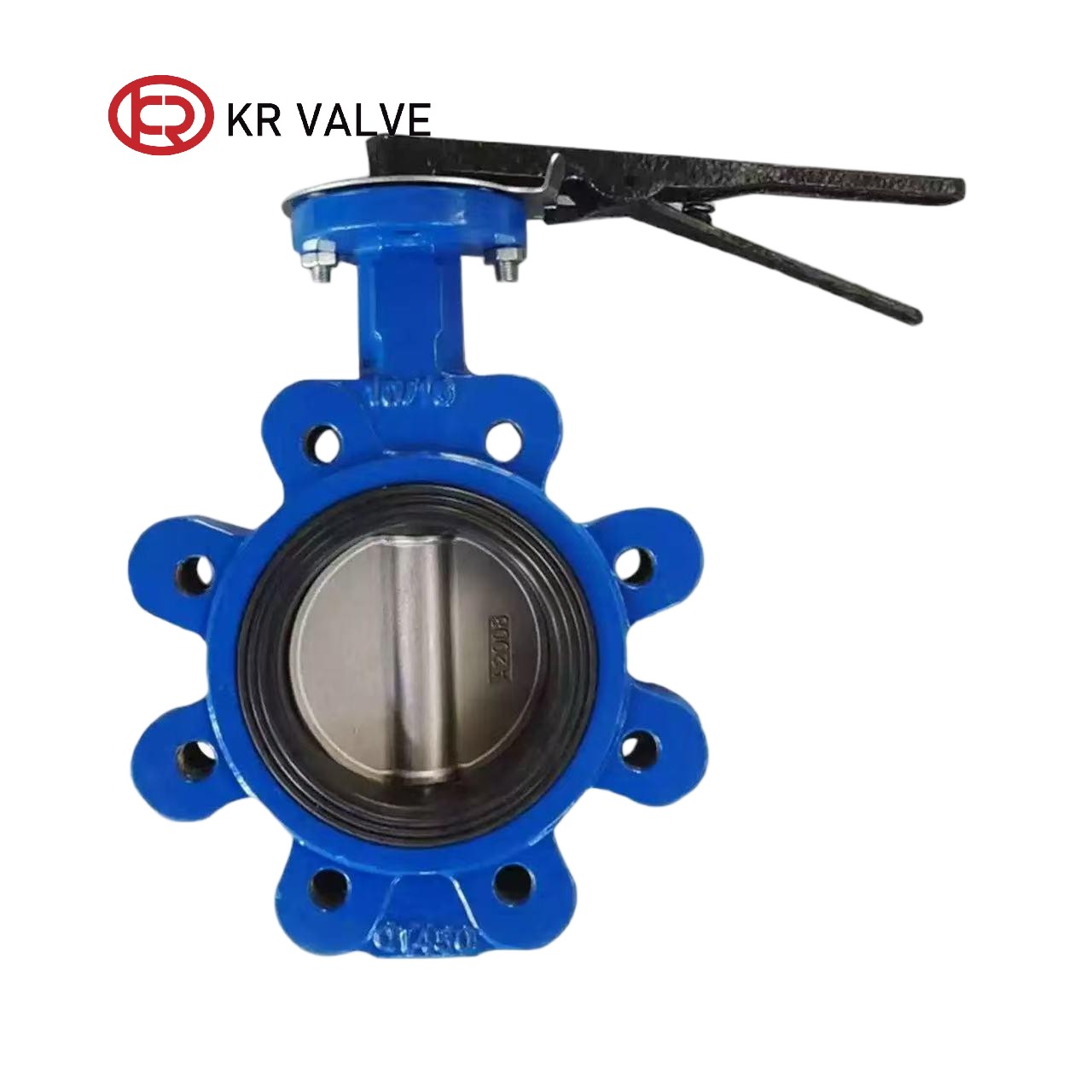
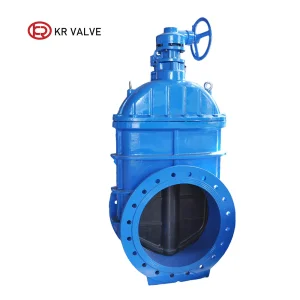
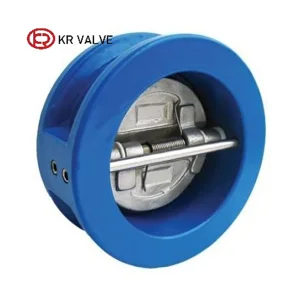
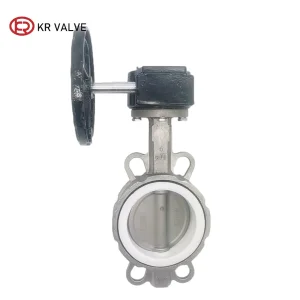
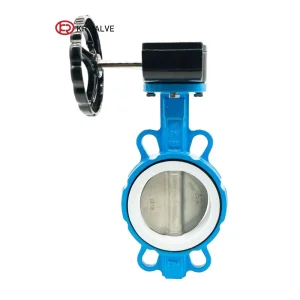
Explore our selection of heavy-duty gate, check, water control, and butterfly valves sourced directly from our ISO-9001 certified manufacturing facility.
Understanding the critical role of Cast Carbon Steel (WCB) in modern high-solid process environments.
The global demand for high-integrity industrial valves is evolving rapidly, driven by the expanding requirements of mineral processing, heavy infrastructure, wastewater refinement, and energy sectors. Among these, the WCB (Cast Carbon Steel - ASTM A216 Grade WCB) Knife Gate Valve stands out as a critical element for pipelines routing media with high concentrations of suspended solids, fibrous pulps, or granular slurry. Standard gate valves often fail in these environments due to material accumulation in the bottom seating pocket. Knife gate valves, in contrast, utilize a sharpened beveled gate that slices through thick mediums to achieve a clean seat.
From a global market perspective, the transition toward severe service processes has repositioned the WCB knife gate valve as a necessity rather than an alternative. While stainless steel (such as CF8 or CF8M) is preferred for extremely corrosive environments, WCB remains the undisputed standard for high-pressure, high-temperature, and abrasive dry bulk or slurry systems where structural toughness, tensile strength, and cost-efficiency are critical performance parameters.
ASTM A216 WCB is the primary grade for pressure-containing cast steel parts in high-temperature service. With a carbon ceiling of 0.30% and a high minimum tensile strength of 485 MPa (70 ksi), it offers the perfect structural framework to withstand high fluid velocities, pipeline thermal expansions, and continuous actuator cycles without mechanical distortion or body cracking.
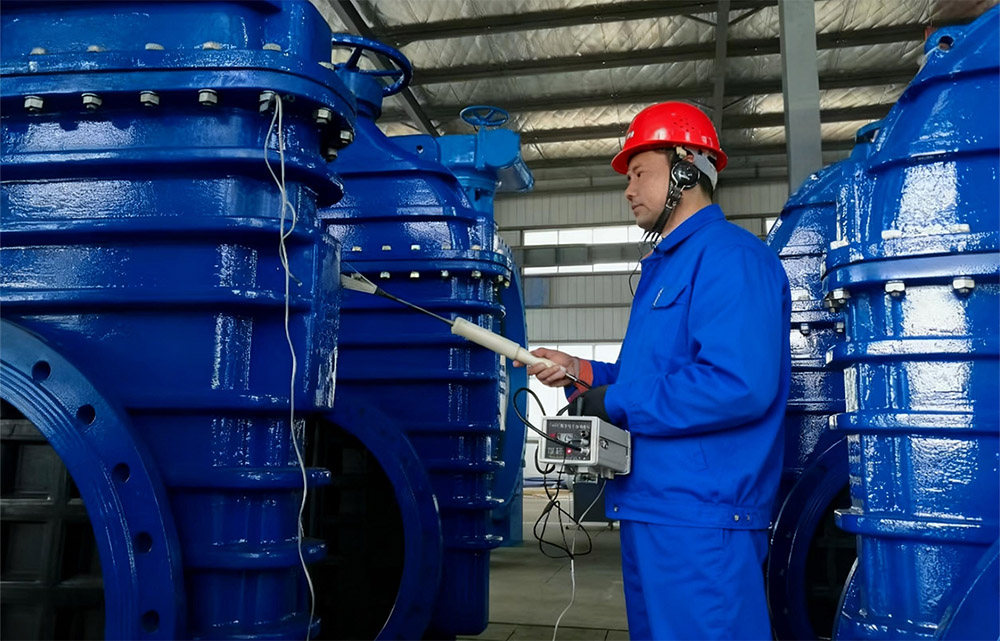
Sourcing directly from a specialized factory like KR Valve Group eliminates supply chain markups, guarantees standard chemical compositions of cast raw elements via spectrometer testing, and provides access to customized actuator mountings, special face-to-face dimensions, and tailored elastomeric configurations.
A comprehensive engineering breakdown of modern knife gate valve mechanics, seats, and actuators.
Precision is vital in industrial piping. WCB Knife Gate Valves manufactured in our factories conform strictly to international standard specifications, ensuring interchangeability and prolonged seal performance under pressure. The primary design standard is MSS SP-81, which regulates the dimensions, ratings, and testing parameters of cast carbon steel and stainless steel wafer and lugged-type knife gate valves. Standard flange connections typically follow ASME B16.5 (Class 150) or EN 1092-1 (PN10/PN16) protocols.
Typically features a single-seat design where pipeline pressure pushes the gate against the seat to seal. These valves are highly effective in systems where media flows in a single direction. They often utilize a deflector cone or seat ring to minimize abrasive wear from slurries.
Designed to shut off flow from either direction. These configurations frequently utilize dual elastomeric sleeves (such as natural rubber, EPDM, or Viton) that compress tightly against the gate when it is fully closed, preventing medium build-up in the valve cavity and ensuring bubble-tight shutoff.
Modern plant automation requires versatile actuation setups. Depending on the installation footprint and process requirements, our WCB knife gate valves can be fitted with:
| Specification Parameter | Standard WCB Offering | Optional Enhancements |
|---|---|---|
| Body Material | ASTM A216 Grade WCB (Cast Carbon Steel) | Hard-faced WCB with Stellite overlays, WCC, LCB |
| Gate/Blade Material | SS304 (ASTM A240 Gr. 304) | SS316L, 17-4PH, Duplex 2205, Hastelloy |
| Seat Material | Resilient EPDM / NBR (-20°C to 120°C) | PTFE, Viton (FKM), Metal-to-Metal (Stellite 6) |
| Testing Protocol | MSS SP-81 Hydrostatic Testing | API 598 zero leakage shell and seat testing |
| Nominal Size Range | DN50 to DN1200 (2" to 48") | Custom oversized fabrication up to DN2000 |
How WCB knife gate valves serve critical operations in mining, wastewater, and energy infrastructures.
Scenario: Transporting mineral tailings and abrasive iron or copper slurries over long distances requires robust flow controls. The high velocities of abrasive media erode conventional valves quickly.
Solution: The WCB knife gate valve, when equipped with polyurethane sleeves or Stellite seat faces, resists internal degradation. The design prevents solids from lodging in the bottom cavity, facilitating a full seal upon closing.
Scenario: Municipal wastewater treatment networks transport varying levels of raw sewage, heavy grit, and stringy fibrous solids that can wind around internal valve parts.
Solution: A stainless-steel blade inside a robust WCB carbon steel body shears through raw biological solids and debris. The open body structure minimizes blockage risk, ensuring stable operations in secondary and tertiary process stages.
Scenario: Pulp stock lines manage dense pulp mixtures with 4% to 15% wood fiber concentrations, which tend to pack under pressure and block standard sliding stem gate designs.
Solution: Wafer-style WCB knife gate valves utilize their beveled, polished steel gates to slice through fibers and seal cleanly. Standard flush ports can be built into the valve body to rinse away fibers before cycling.
A trusted global partner for high-performance valves and customized engineering solutions.
KR has more than 20 years of experience in producing standard and non-standard valves of various types. We supply a wide selection of over 500 valve products, including butterfly valve, gate valve, check valve, water control valve, as well as all their matching and accessory products. These products have applications in various industries such as water treatment, dam construction, commercial buildings, energy and heating, chemical engineering, etc. We has won high repeat purchase rates from customers with excellent product variety and quality.
Beyond product excellence, we are dedicated to creating a mutually beneficial partnership with every customer. We believe that reliable service is as crucial as superior products, and we strive to continuously optimize the customer experience to achieve long-term win-win cooperation.
Today, KR VALVE’s products have been exported to over 50 countries and regions in Europe, Asia, Africa, and Oceania, providing project construction and brand marketing services to thousands of customers. We look forward to collaborating with you, leveraging our expertise, comprehensive product range, and unwavering commitment to quality and service to support your success.
Maintaining strict quality control from initial concept through to final hydrostatic pressure testing.
Our dedicated R&D department ensures continuous product design innovation. Technicians develop systems to meet specific market and customer requirements. Our laboratory provides advanced modern testing capabilities to evaluate and enhance product performance. We currently manage 20 product series and over 500 varieties.
The production department formulates and executes structured plans to meet delivery schedules. All products are manufactured in accordance with our ISO-9001 quality management system. With more than 30 production equipment units, we update inventories monthly to keep lead times brief and predictable.
Zero leakage is our fundamental design and manufacturing principle. The inspection department conducts 100% testing on all products, including visual, dimensional, and hydrostatic pressure inspections, and issues reports in compliance with international testing standards.
Combining design flexibility, modern equipment, and dedicated technical support.
We supply products under our independent brand "KR" and provide OEM services. We maintain long-term partnerships with many major international industrial brands.
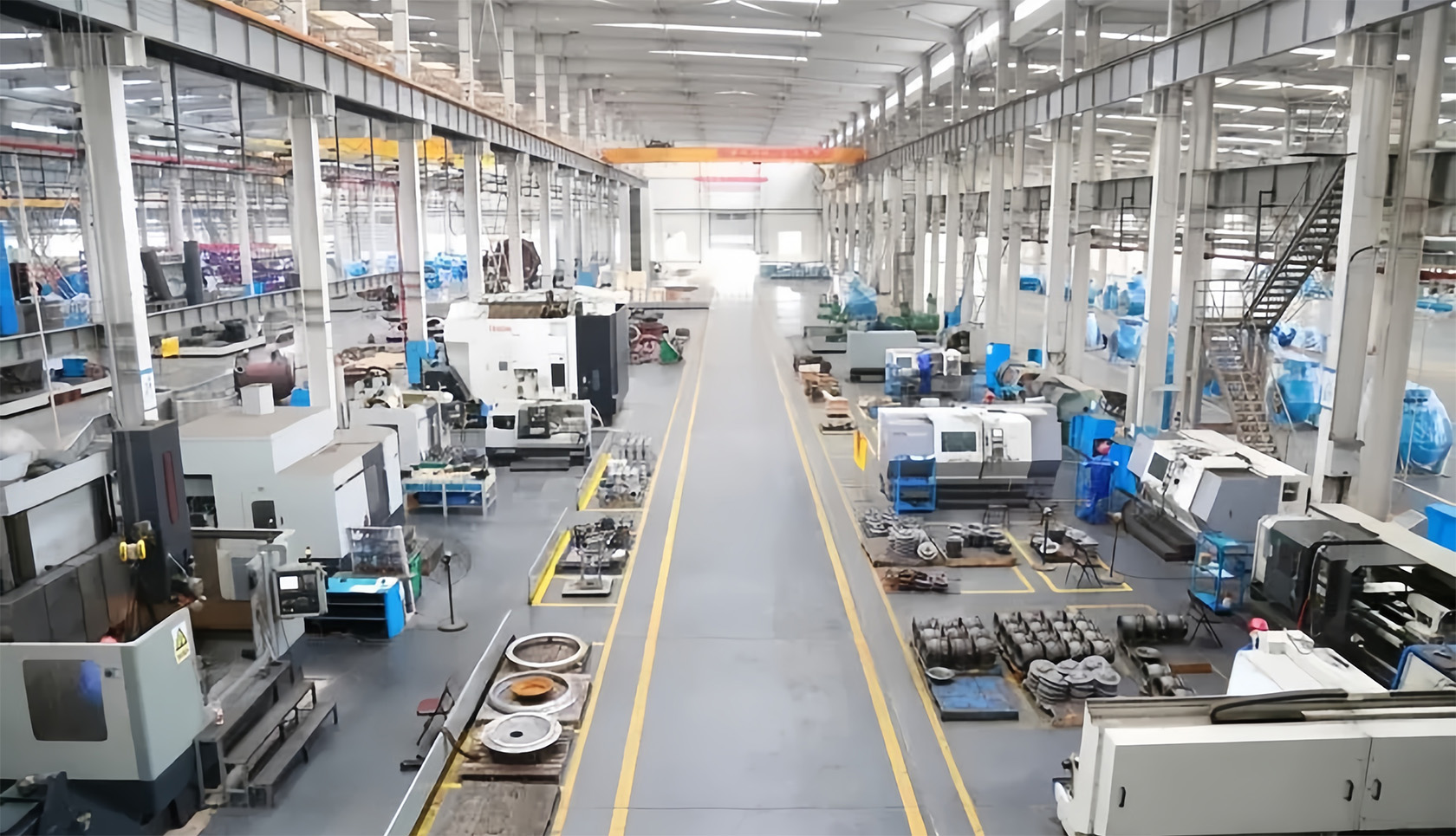
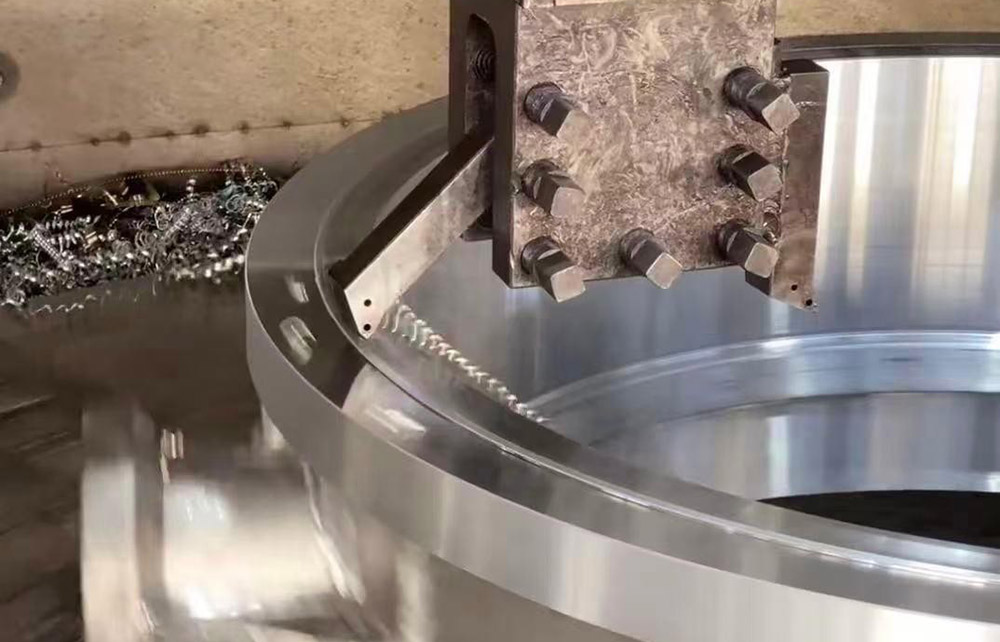
Our workshop features 15 machining machines and dedicated assembly lines, staffed by experienced technical workers.
We manufacture 20 distinct series and over 500 varieties, producing standard designs as well as non-standard customized equipment.
We monitor the production parameters of each component, checking tolerances during assembly to ensure the performance of finished valves.
By managing our casting, machining, assembly, and testing processes in-house, we control costs and offer competitive direct pricing.
We offer 24-hour support, assisting with valve sizing, selection, and troubleshooting before and after sale.
A behind-the-scenes look at our manufacturing facilities and valve production processes.
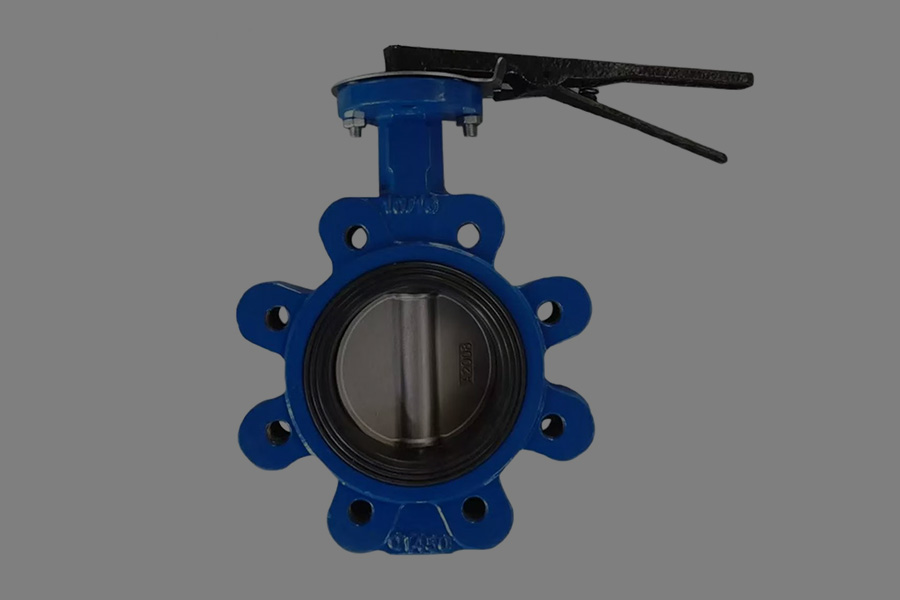
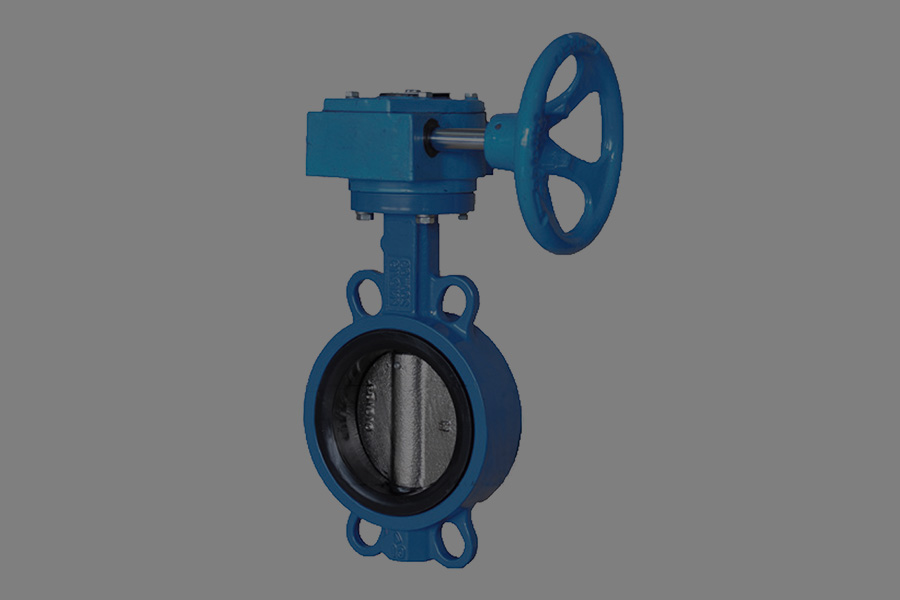
Developing smarter, longer-lasting flow control components for challenging industrial processes.
To extend valve life in abrasive conditions, we are focusing on advanced gate coatings. While standard stainless steel gates perform well, abrasive slurries can cause progressive erosion. By applying high-velocity oxygen fuel (HVOF) thermal spray coatings—such as Tungsten Carbide (WC-Co) or Chromium Carbide—we can increase gate surface hardness above 60 HRC. Stellite 6 weld overlays on WCB carbon steel seat rings also provide structural strength and erosion resistance at the shut-off plane.
As heavy industry shifts toward predictive maintenance, we are integrating smart sensors into our pneumatic and electric actuated knife gate valves. Position transmitters, pressure sensors, and cycle counters can feed performance data back to centralized DCS systems, helping operators monitor packing wear and schedule maintenance to prevent unplanned pipeline shutdowns.
Modern emissions regulations require leak-proof stem configurations. Our design incorporates multi-layer packing setups combining PTFE fibers, flexible graphite rings, and Aramid backing rings. An adjustable packing gland allows maintenance teams to tighten seals while the system is under pressure, minimizing volatile fluid release and pipeline downtime.
Deploying specialized industrial valves to municipal waterworks, dams, and chemical plants worldwide.
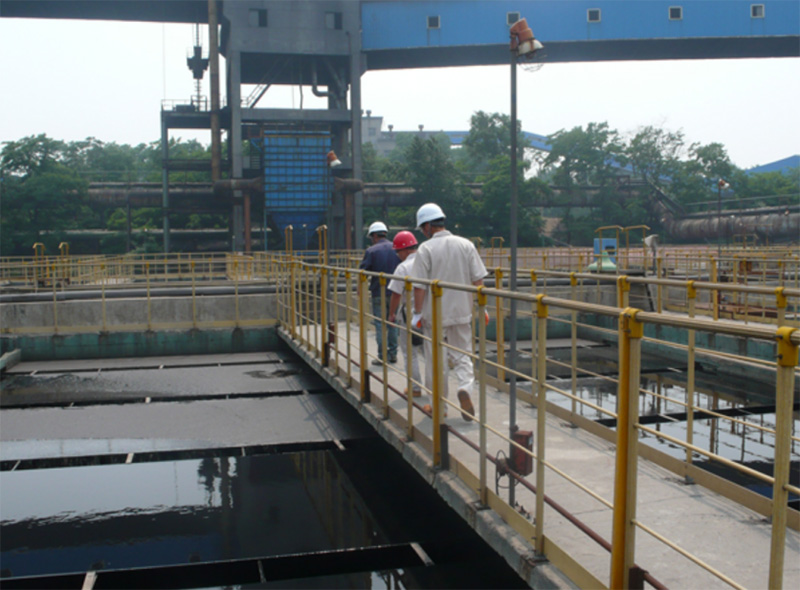
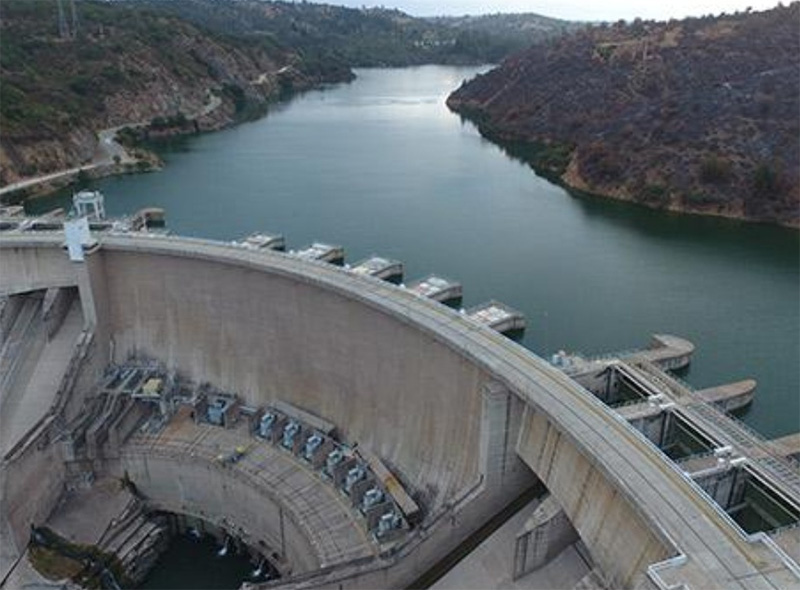
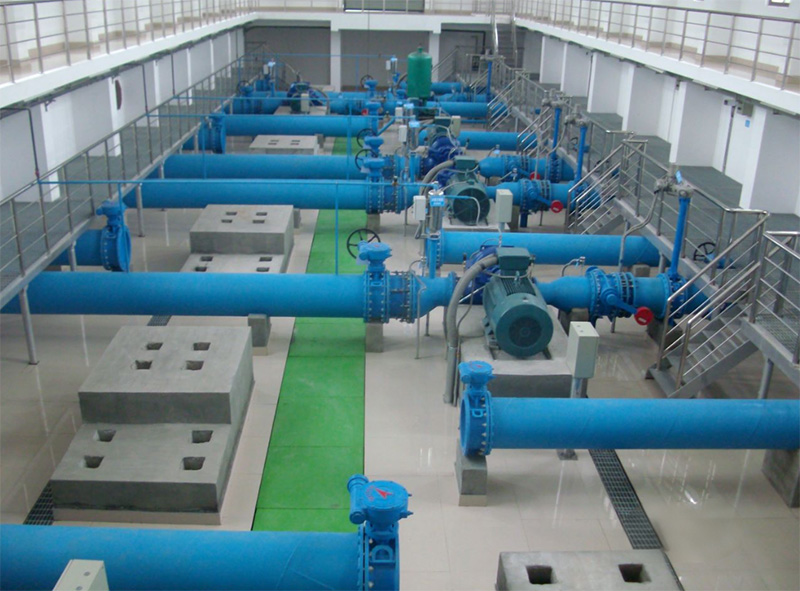
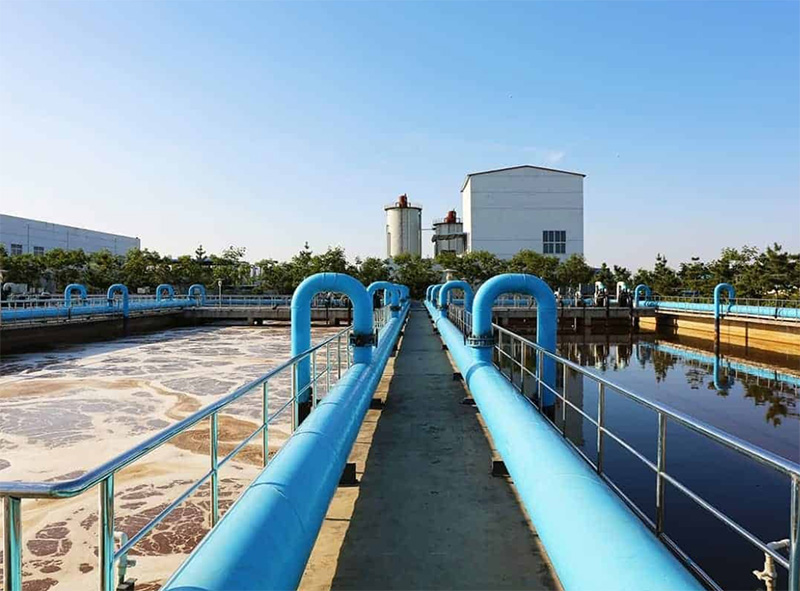
Provided specialized water control valves to assist municipal water treatment centers in processing urban runoff and industrial wastewater.
Delivered large-bore hydraulic control valves designed to manage high volumetric flow rates and downstream pressure variations.
Sourced large-diameter butterfly and check valves to upgrade structural pipelines in metropolitan water distribution networks.
Provided butterfly and gate valves to handle abrasive sludge lines, maintaining flow control with minimal pressure losses.
Supplied a range of corrosion-resistant alloy and PTFE-lined valves to handle acidic process chemicals and wastewater lines.
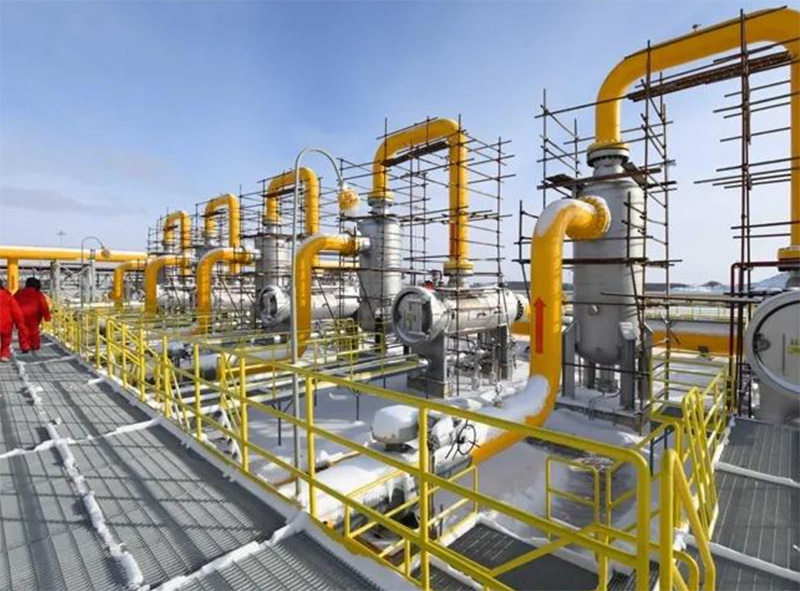
Shipped high-pressure cast steel gate and ball valves designed to maintain gas pressure integrity in cold climates.
Answering key technical questions regarding material specifications, design configurations, and field applications.
Explore our complete manufacturing portfolio covering industrial municipal infrastructure applications.
Review our specialized carbon steel, stainless steel, and PTFE-lined valve models.
Contact our engineering and sales teams today to discuss design requirements, receive a project quote, or schedule a virtual tour of our factory.
 KR VAVLE