Engineered to withstand extreme pressures and maintain bubble-tight shutoff. Explore our wholesale selection manufactured directly at our ISO-9001 facility.
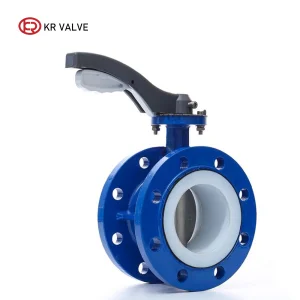
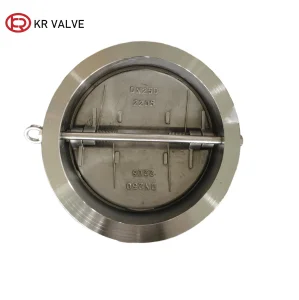
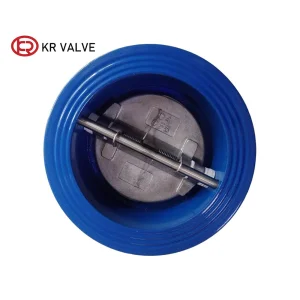
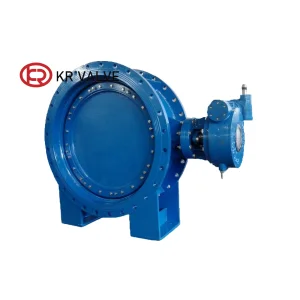
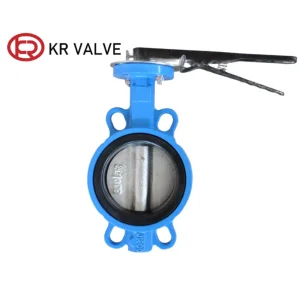
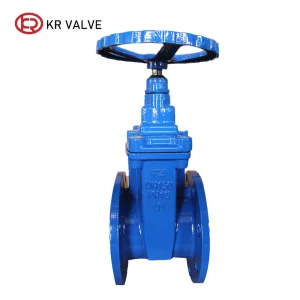
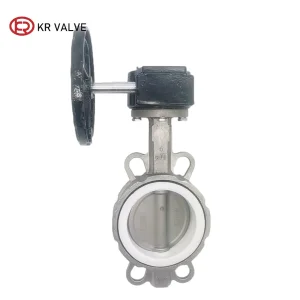
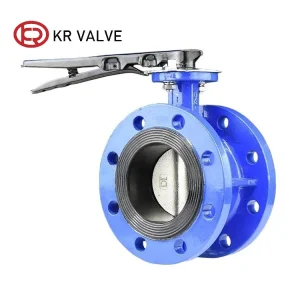
In modern fluid dynamics and industrial pipeline architecture, the resilient seated butterfly valve operates as a cornerstone of isolation and modulation technology. Characterized by its concentric disk structure and elastomeric seat liner, this category of valve has evolved to deliver a reliable, cost-effective solution for bi-directional bubble-tight sealing. Unlike metal-seated configurations which prioritize thermal threshold over absolute isolation, resilient seats rely on the elastic deformation of materials like EPDM, Nitrile (NBR), Viton (FKM), or Polytetrafluoroethylene (PTFE) to establish an impenetrable barrier against working media.
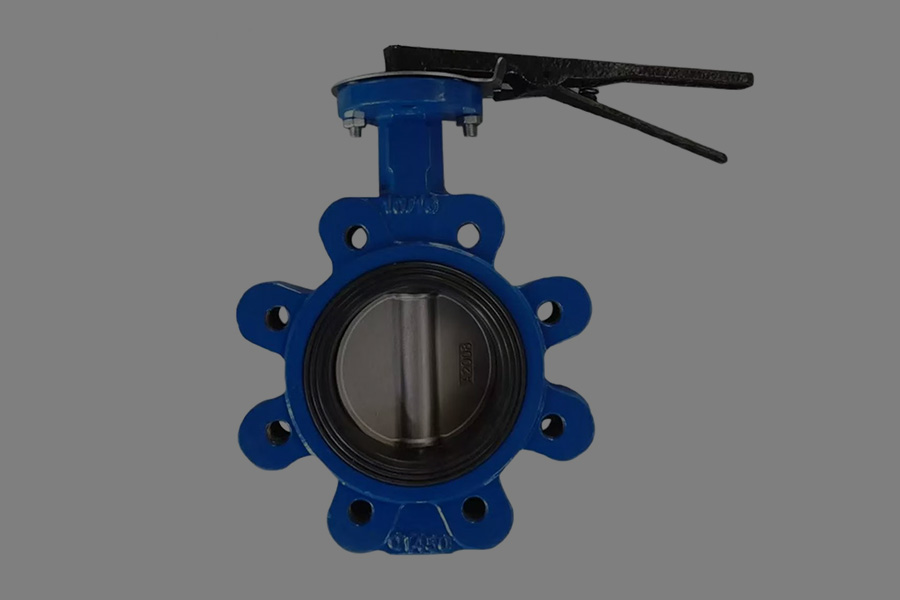
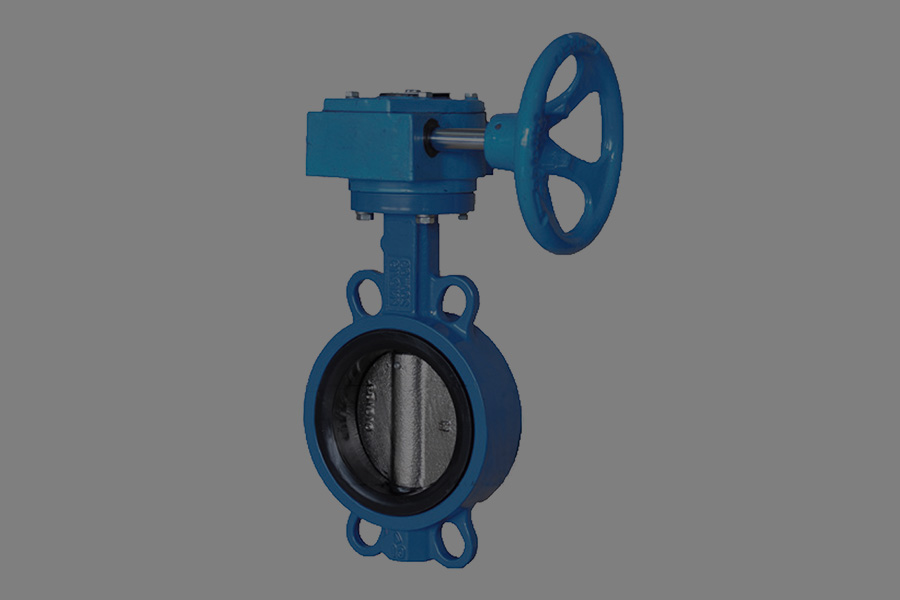
The structural mechanics of a resilient seated butterfly valve are simple yet highly optimized. A circular disc, positioned in the center of the pipeline, rotates on a vertical shaft. At a 90-degree turn, the outer perimeter of the disc makes contact with the compressed elastomeric liner. This mechanical interference compresses the elastomer, compensating for minor machining tolerances and thermal expansion, and effectively stopping the flow. Because the seat sleeve is held in compression within the valve body, it protects the metal casting from direct exposure to corrosive fluids, extending the service life of the valve shell.
For international procurement managers, engineers, and EPC contractors, sourcing reliable butterfly valves requires balancing mechanical integrity, manufacturing lead times, and regulatory compliance. Industry data shows that over 65% of valve failures result from incorrect material specification or poor quality control during vulcanization. Global buyers need manufacturers who provide detailed documentation, including material test reports (MTRs), pressure test logs, and international approvals.
When selecting partners for resilient seated butterfly valves, several factors are critical:
Mandatory regional compliance such as NSF/ANSI 61 for potable water in North America, WRAS in the UK, CE-PED for Europe, and standard testing compliance under API 598 or EN 12266-1.
Access to verified metallurgy databases, guaranteeing that casting materials like Ductile Iron (GGG40/50) or CF8/CF8M stainless steel meet international ASTM and DIN designations without impurities.
Consistent operating torque profiles are essential for actuator sizing. Excessive or erratic friction increases wear and can burn out electric or pneumatic actuators.
With over 20 years of experience in producing standard and non-standard valves, KR supplies high-performance flow control products globally.
Our portfolio contains a wide selection of over 500 valve products, including butterfly valves, gate valves, check valves, and water control valves, as well as matching accessory systems. These products are widely deployed across water treatment, dam construction, commercial facilities, energy and heating networks, and chemical engineering systems.
KR focuses on establishing long-term partnership with customers. We operate on the principle that reliable post-sale support is as critical as initial component design. Today, our products are exported to over 50 countries and regions across Europe, Asia, Africa, and Oceania. We combine engineering expertise with a commitment to quality to support the success of every installation.
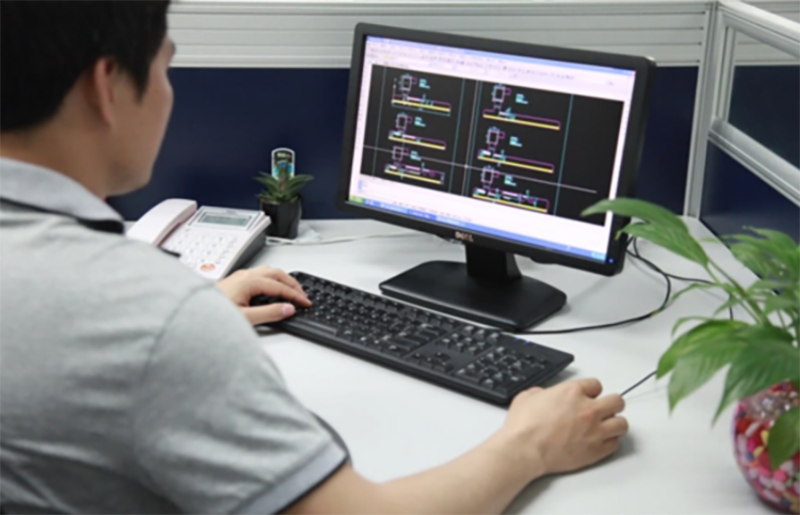
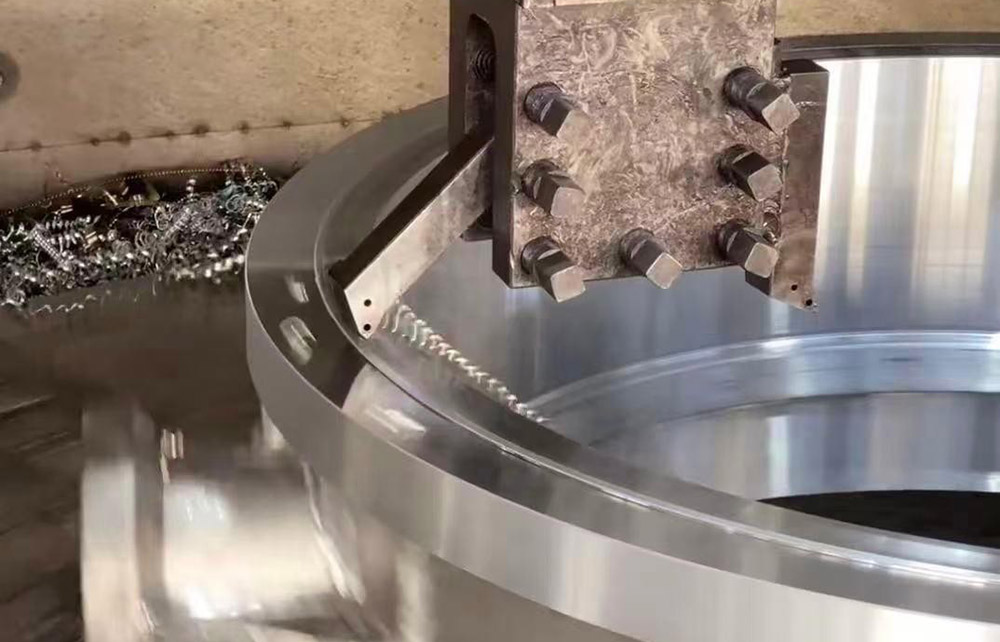
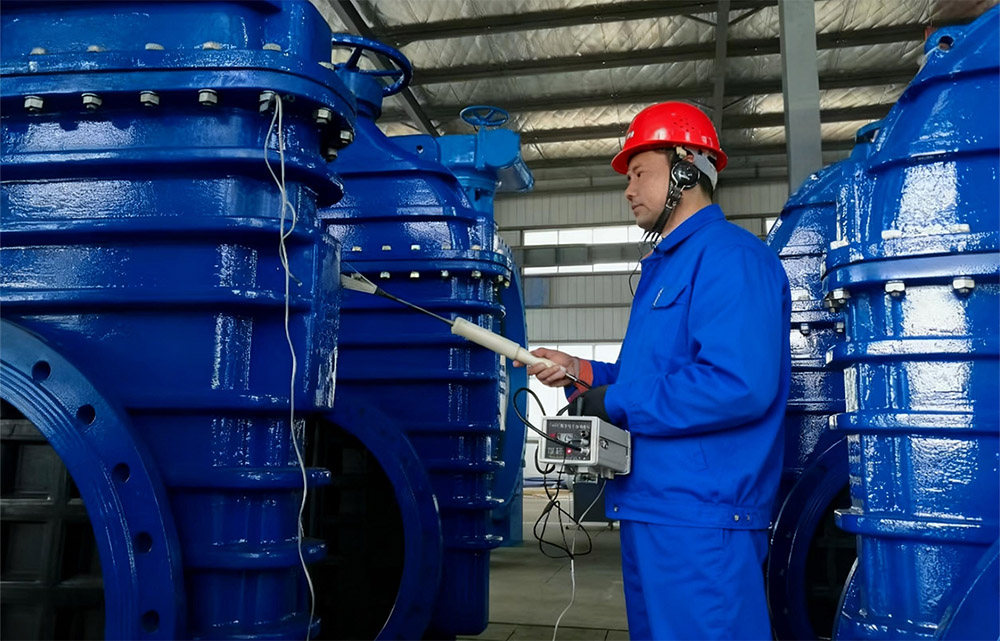
Ensuring premium performance from initial design to final physical testing.
Fluid control challenges vary significantly by industry. Resilient seated butterfly valves are selected for their compact footprint, low pressure drop, and reliable sealing. Below is an overview of how these valves perform in demanding applications:
Our products are deployed in infrastructure projects worldwide, demonstrating reliable performance in diverse conditions.
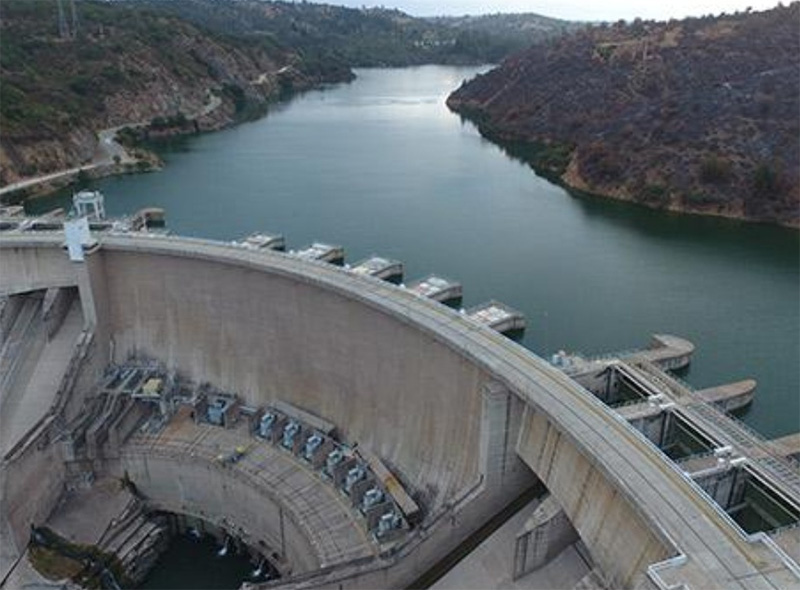
KR supplied specialized water control valves designed to handle high pressure heads and silt-laden river water.
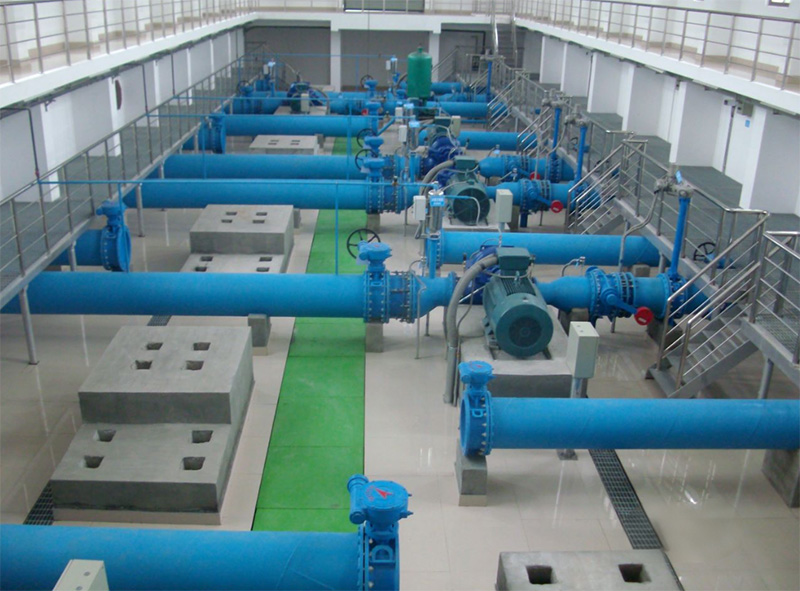
Large-diameter concentric butterfly valves and check valves supplied to municipal water mains, minimizing system pressure drop.
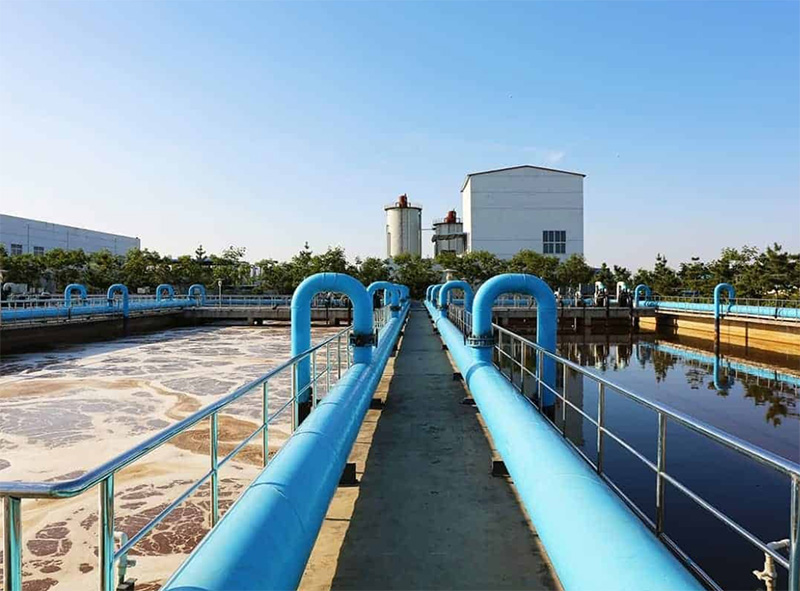
Concentric EPDM seated gate valves and butterfly valves deployed to manage abrasive, high-viscosity biological sludge.
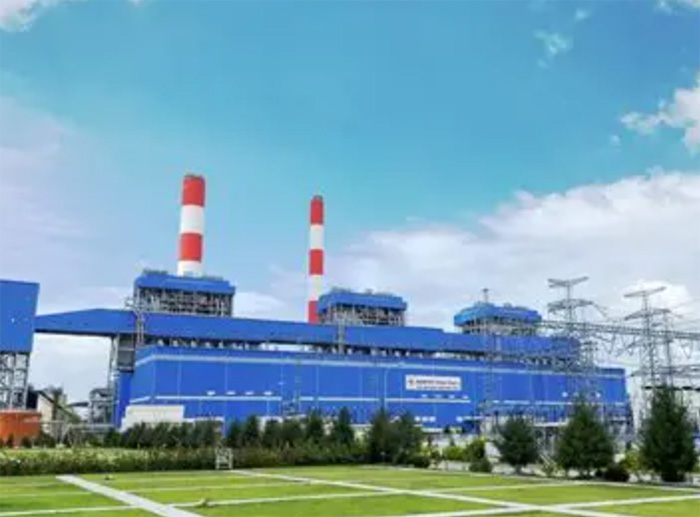
Corrosion-resistant PTFE and Hastelloy-disc butterfly valves designed to handle aggressive process chemistries.
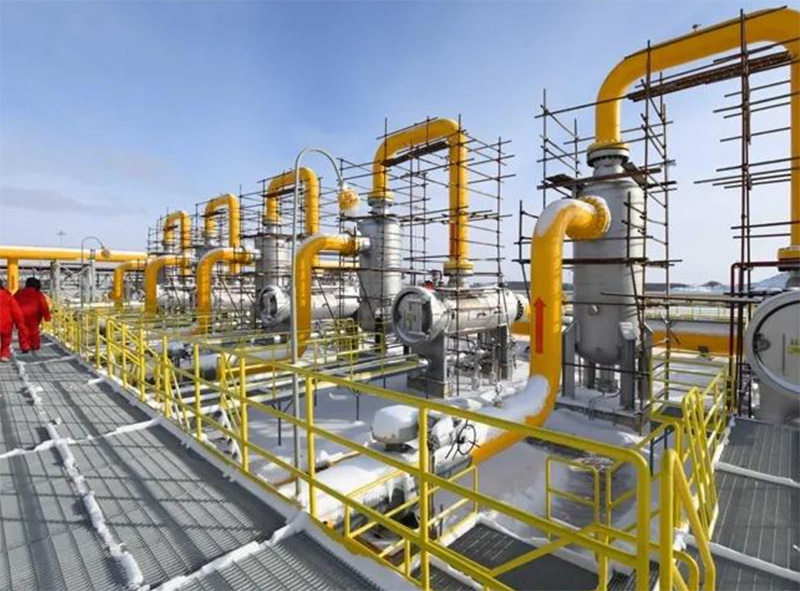
Heavy-wall cast steel ball valves and high-performance gate valves configured for low-temperature operating profiles.
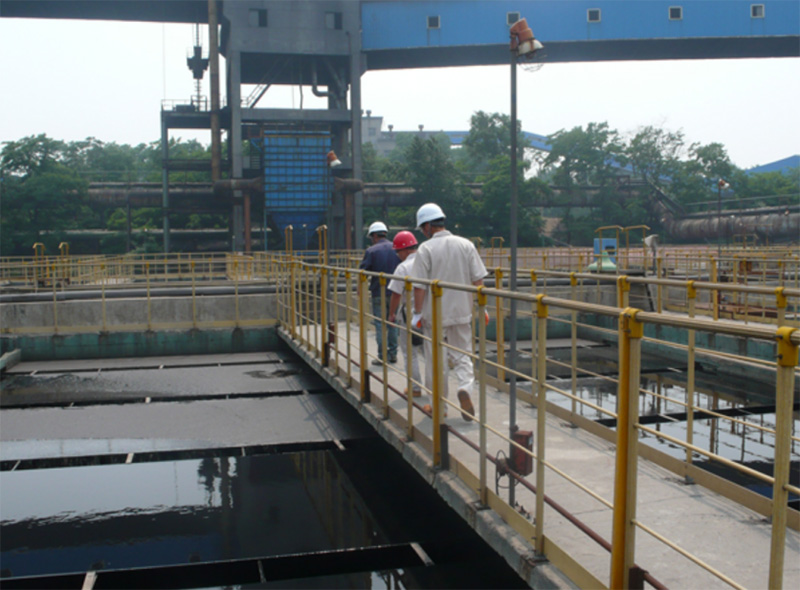
Resilient seated control valves installed to regulate municipal wastewater aeration flows and effluent discharge.
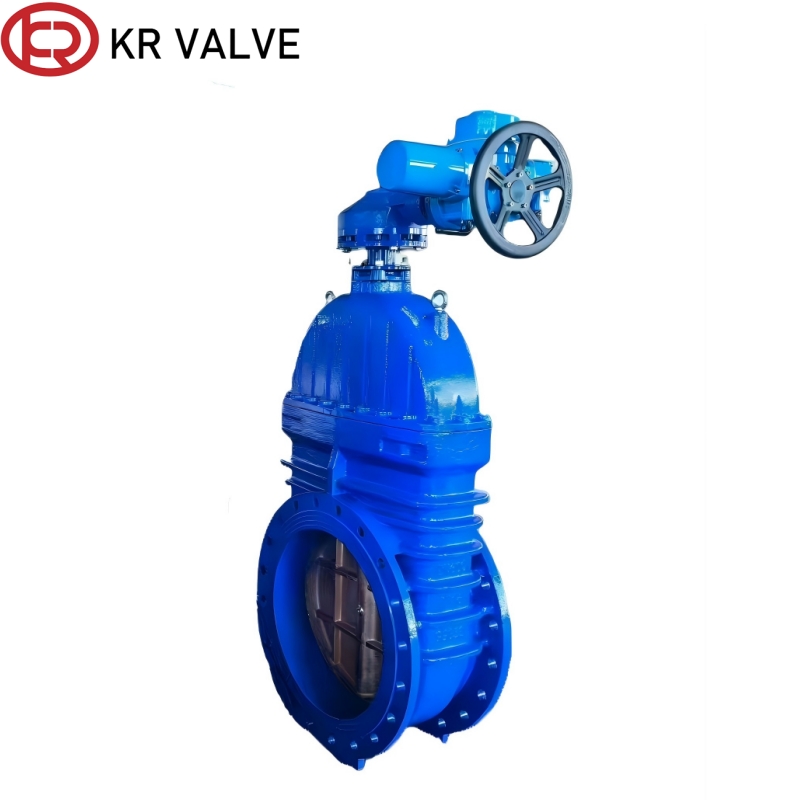
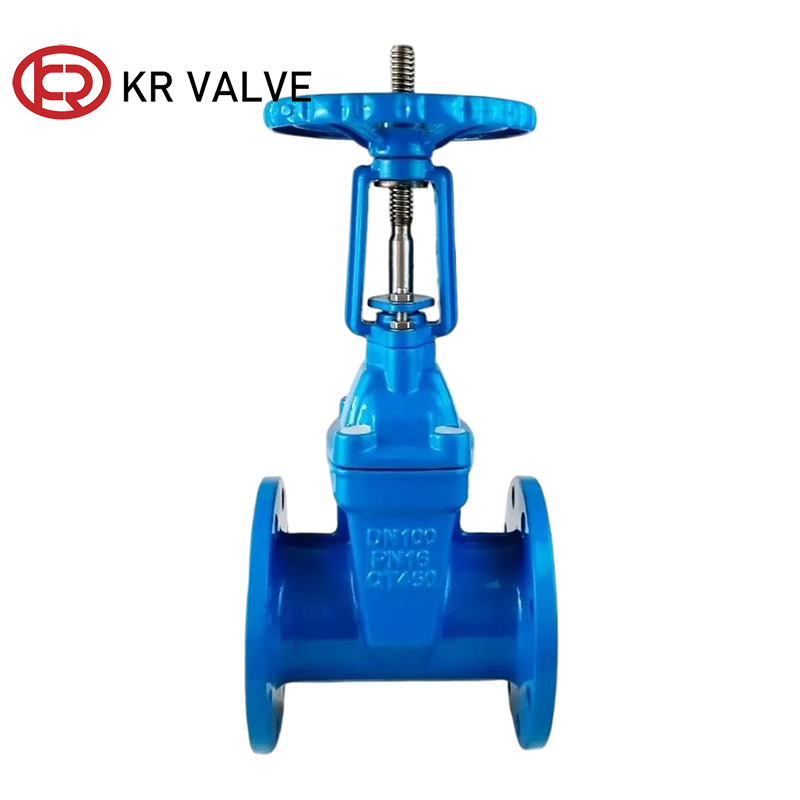
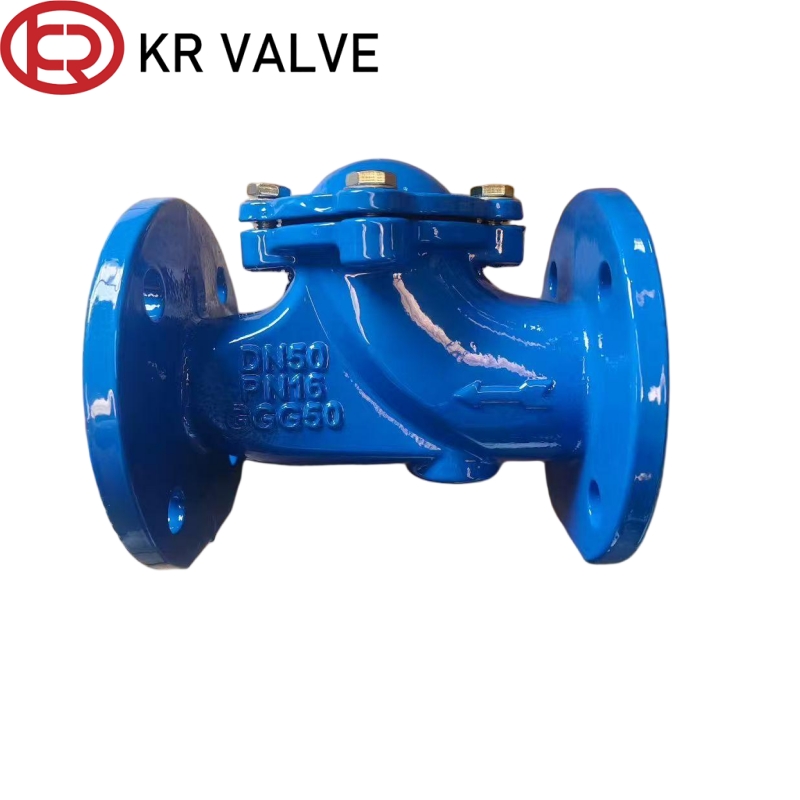
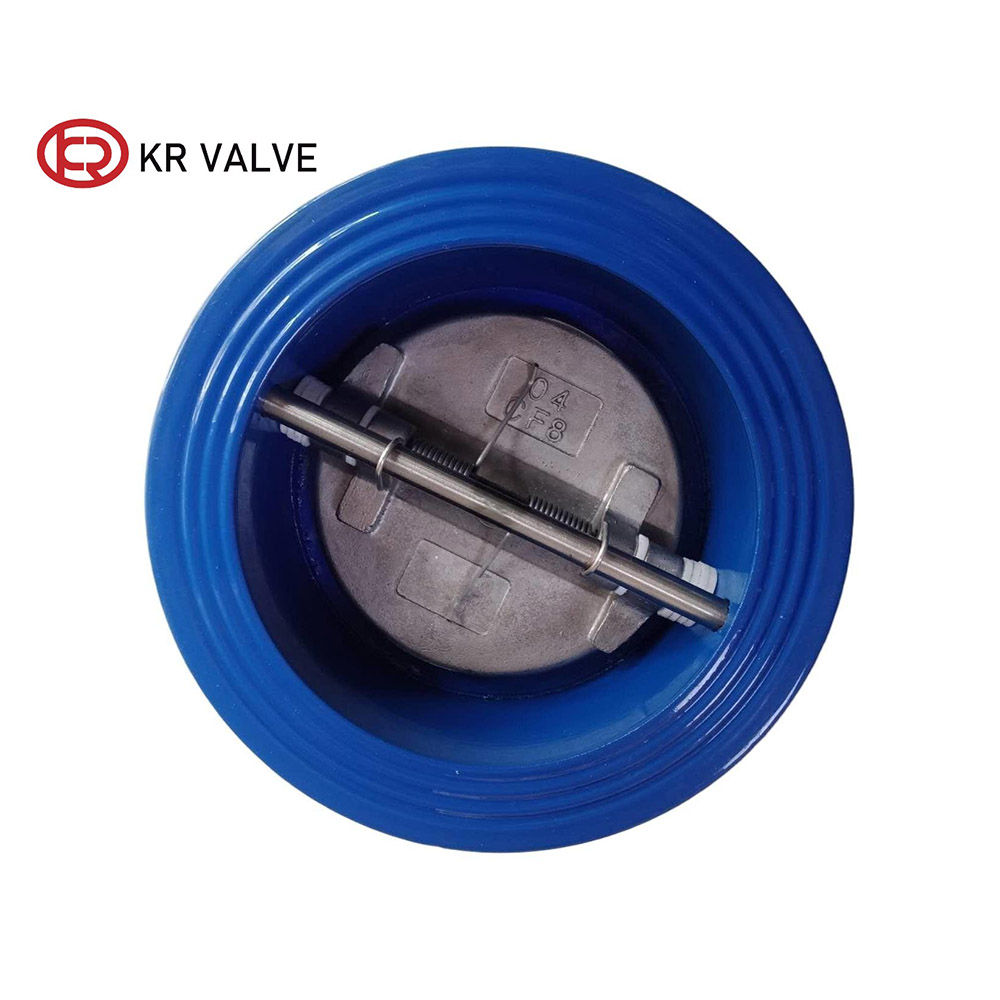
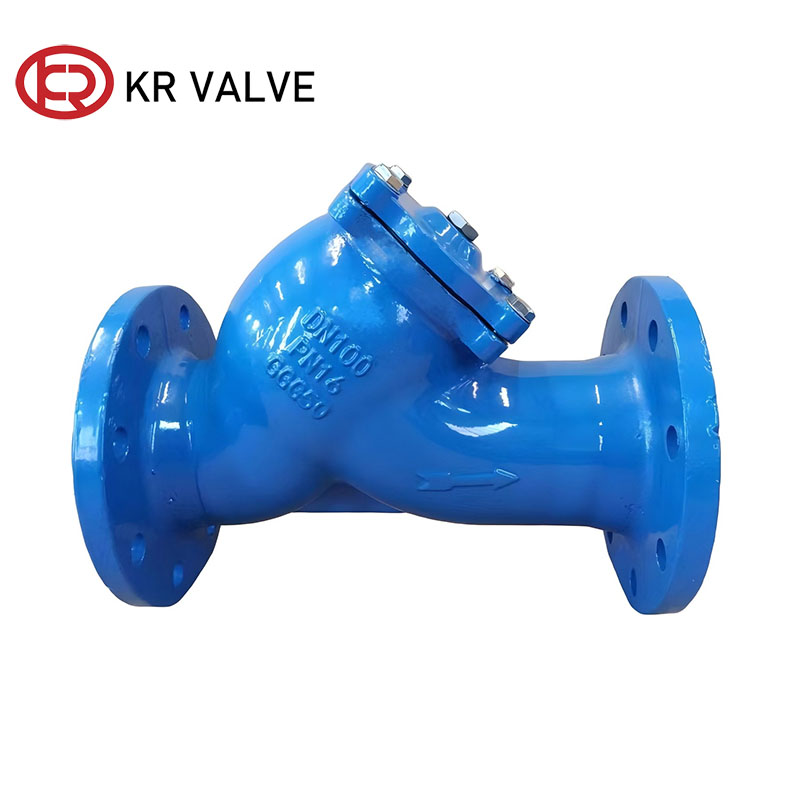
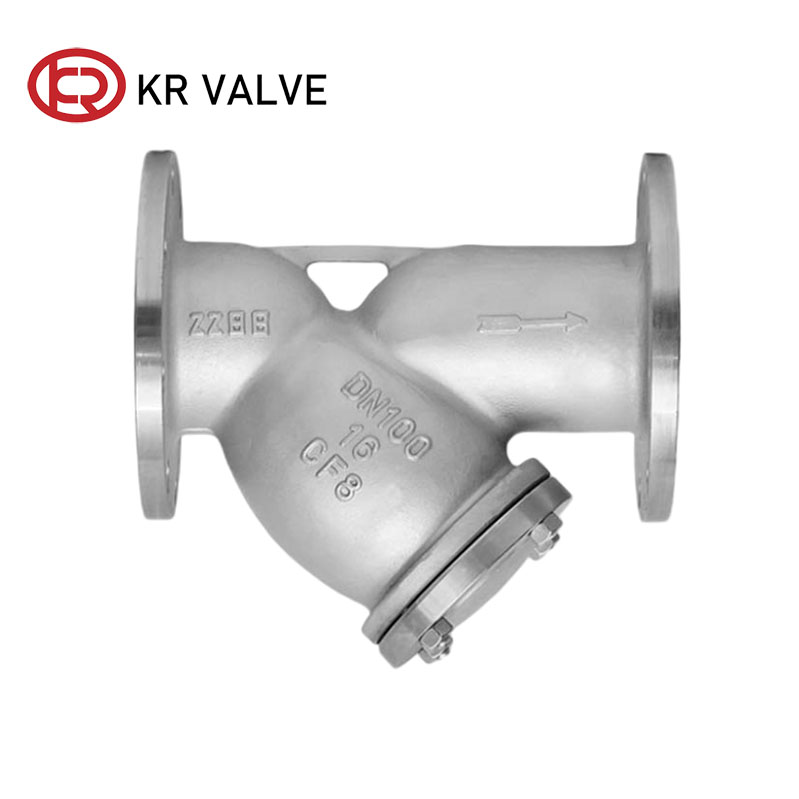
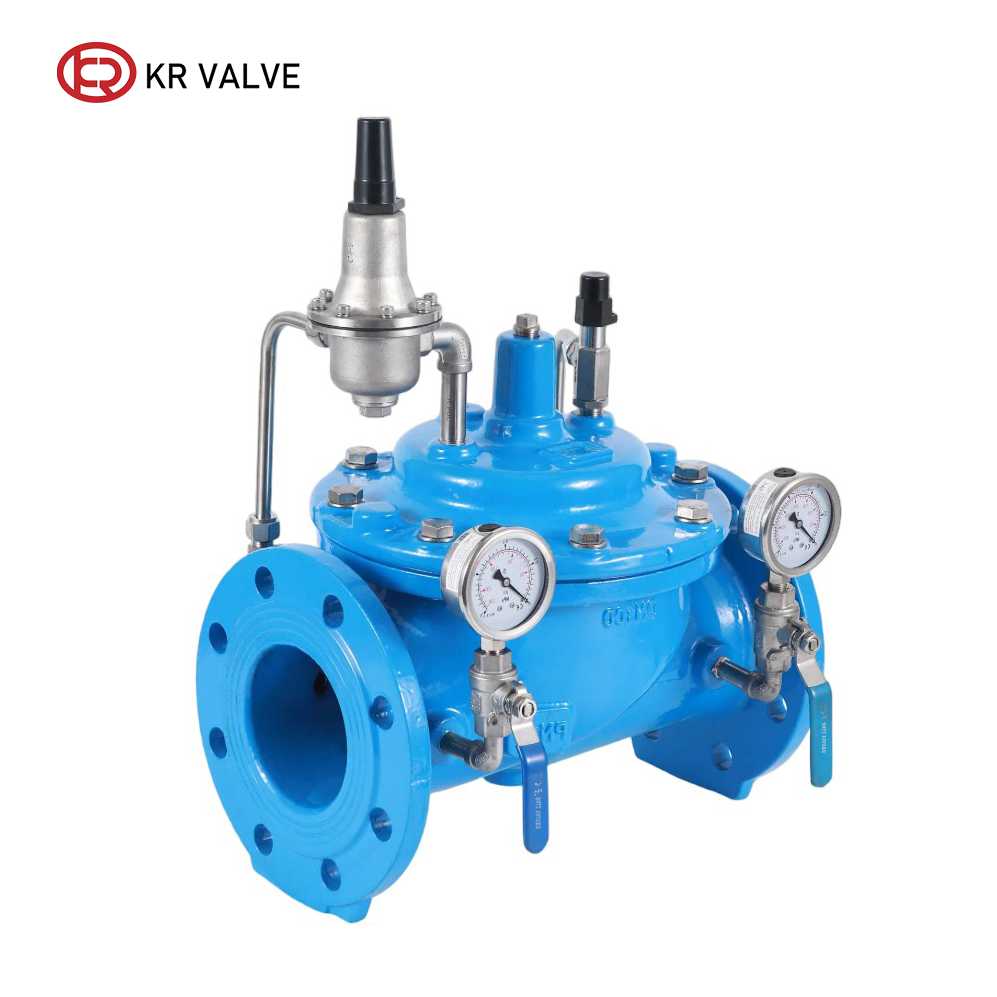
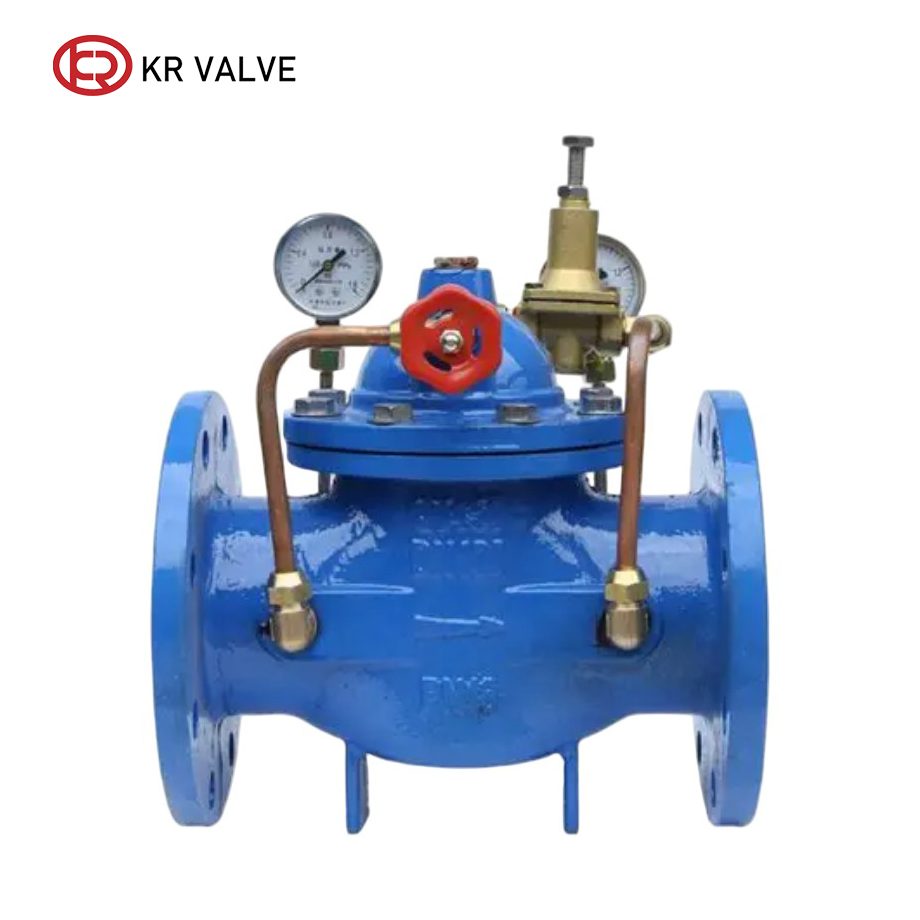
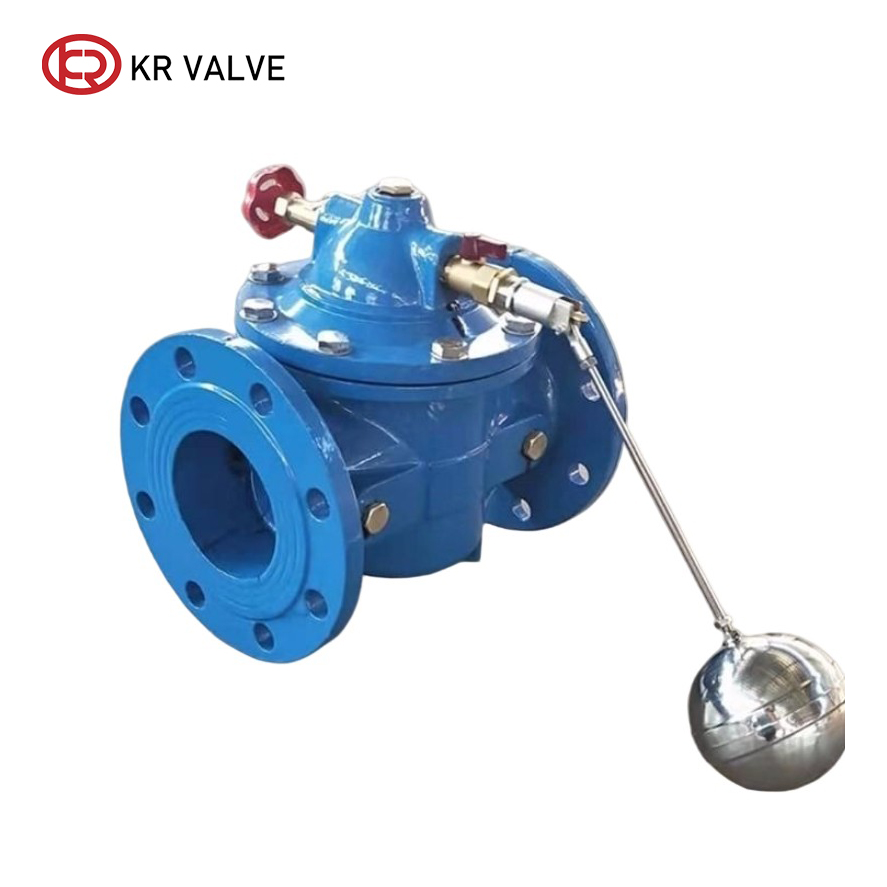
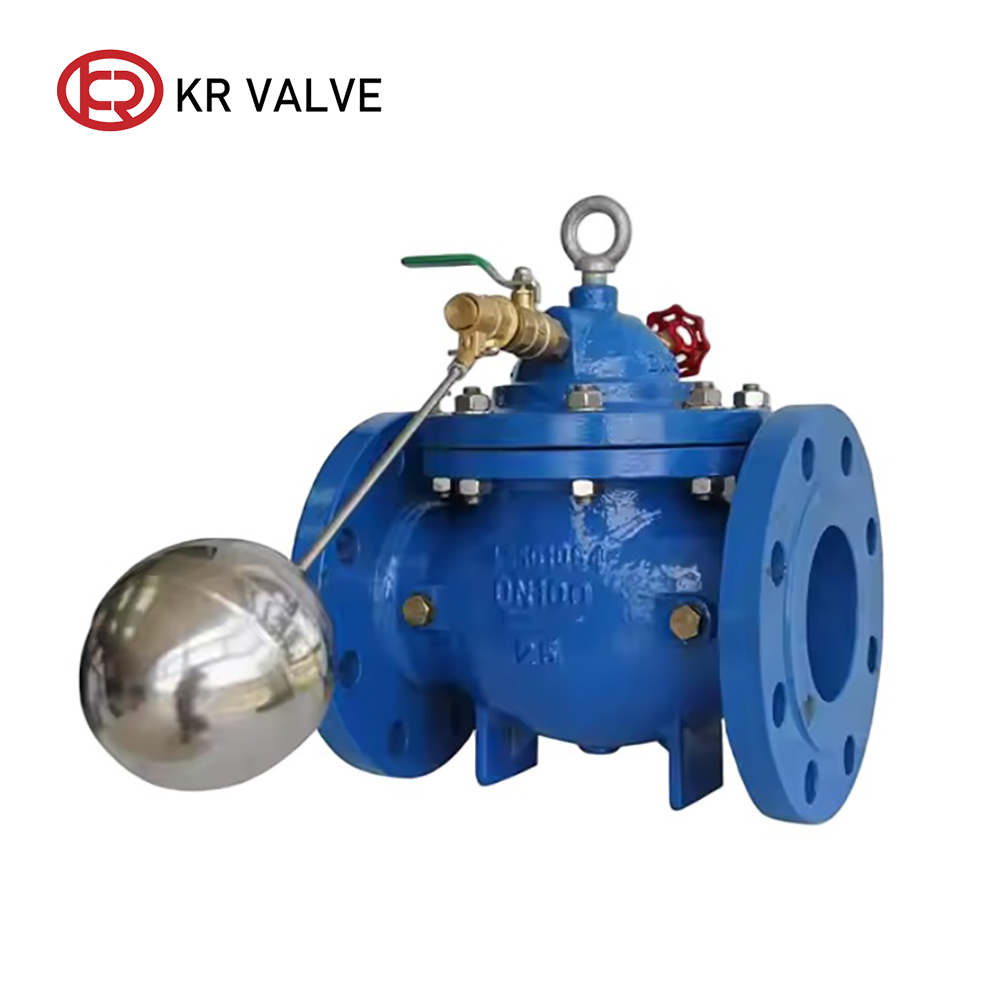
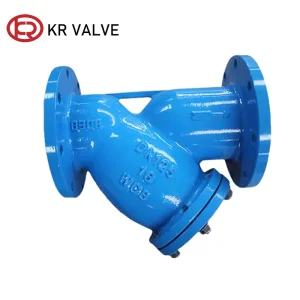
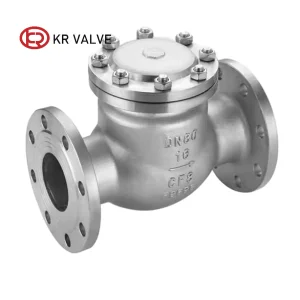
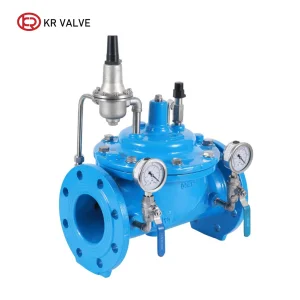
We supply a range of products including Gate, Butterfly, Check, Strainer, and Water Control systems.
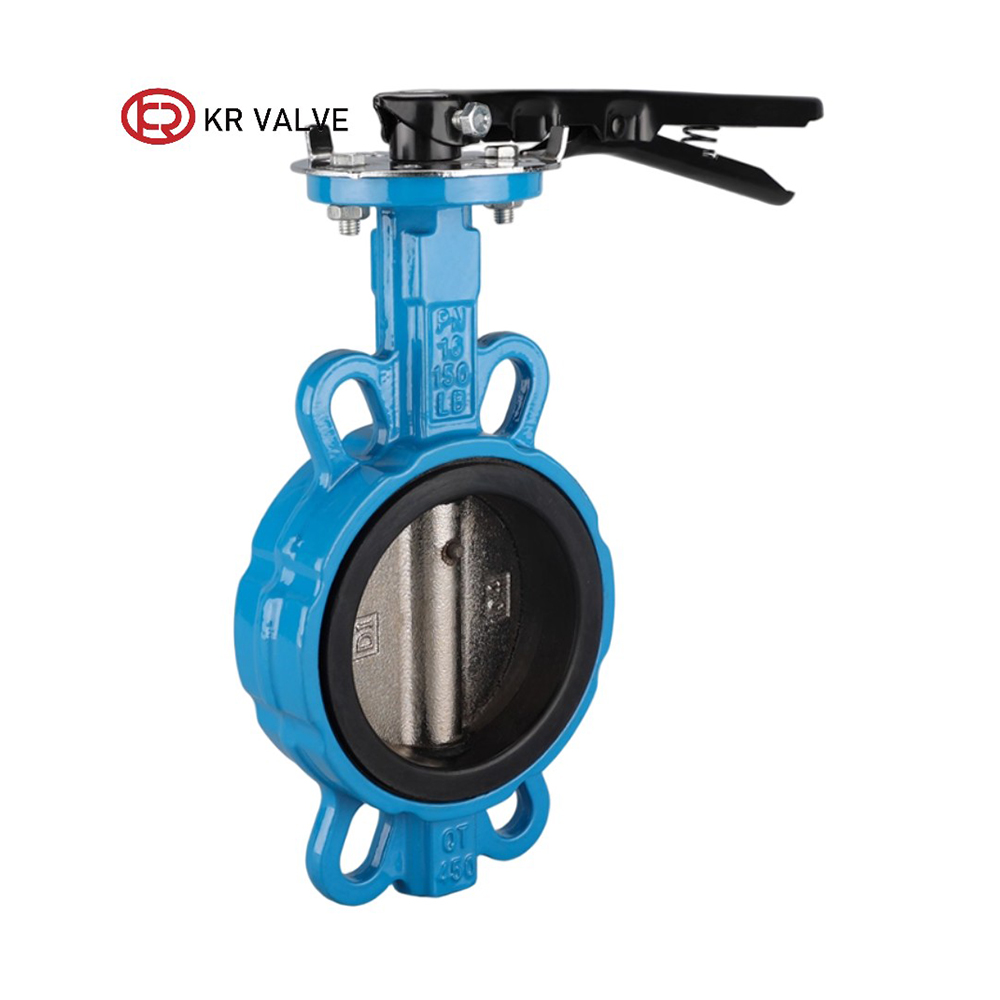
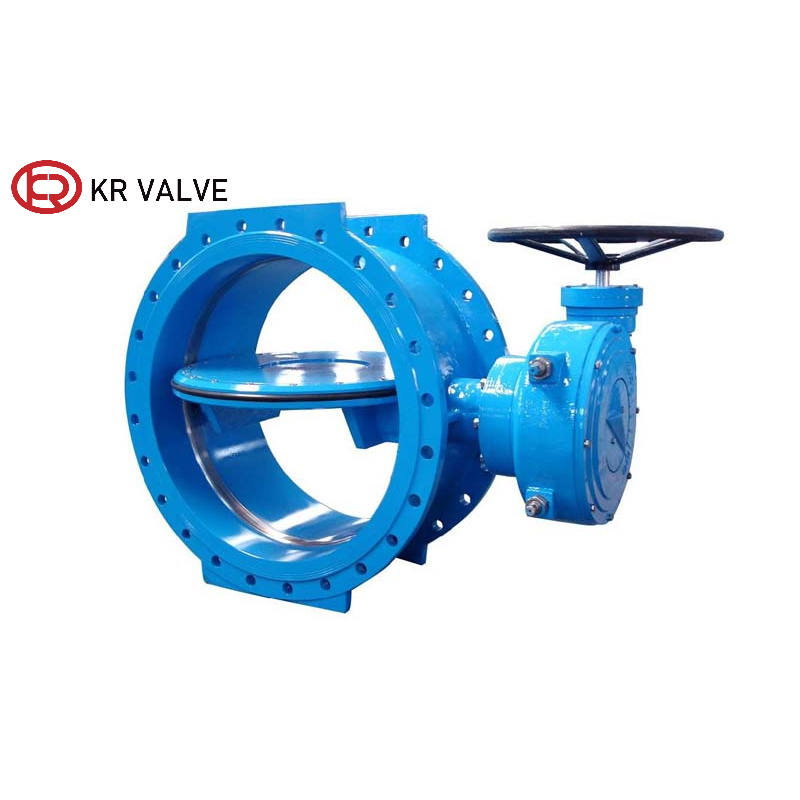
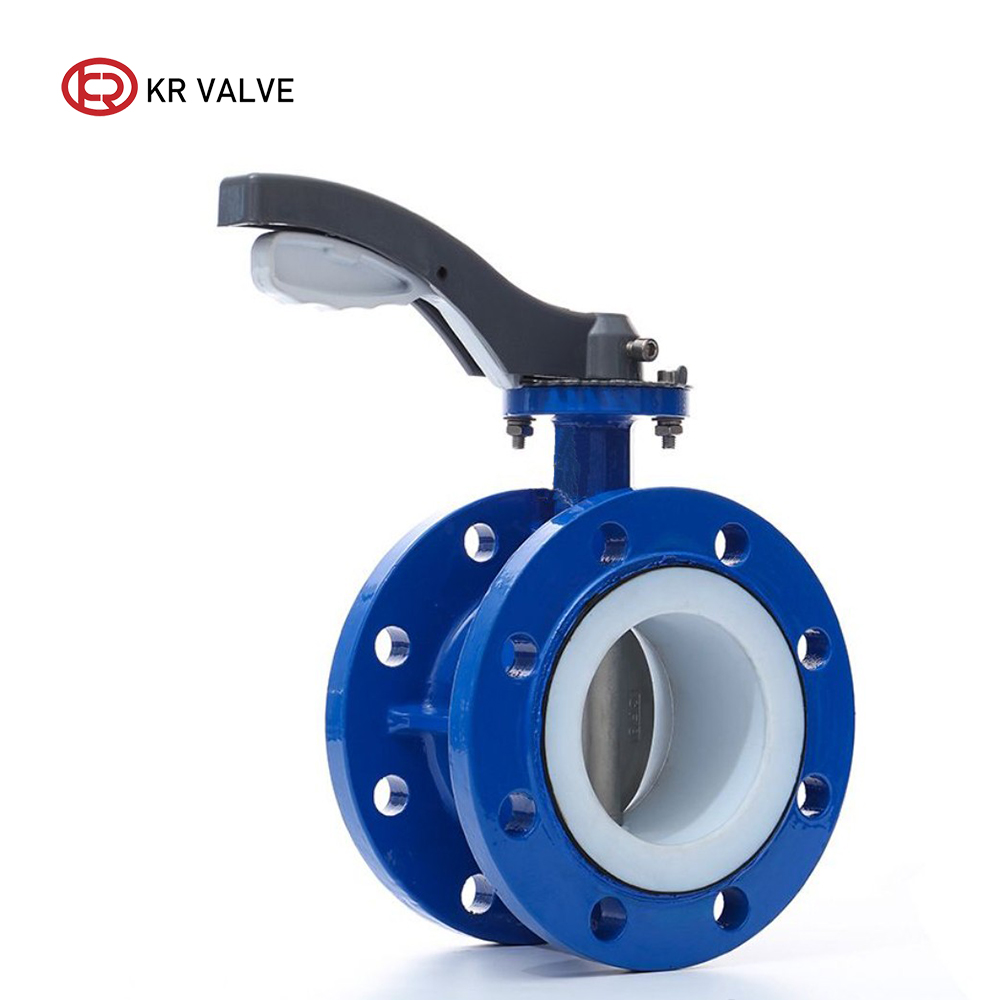
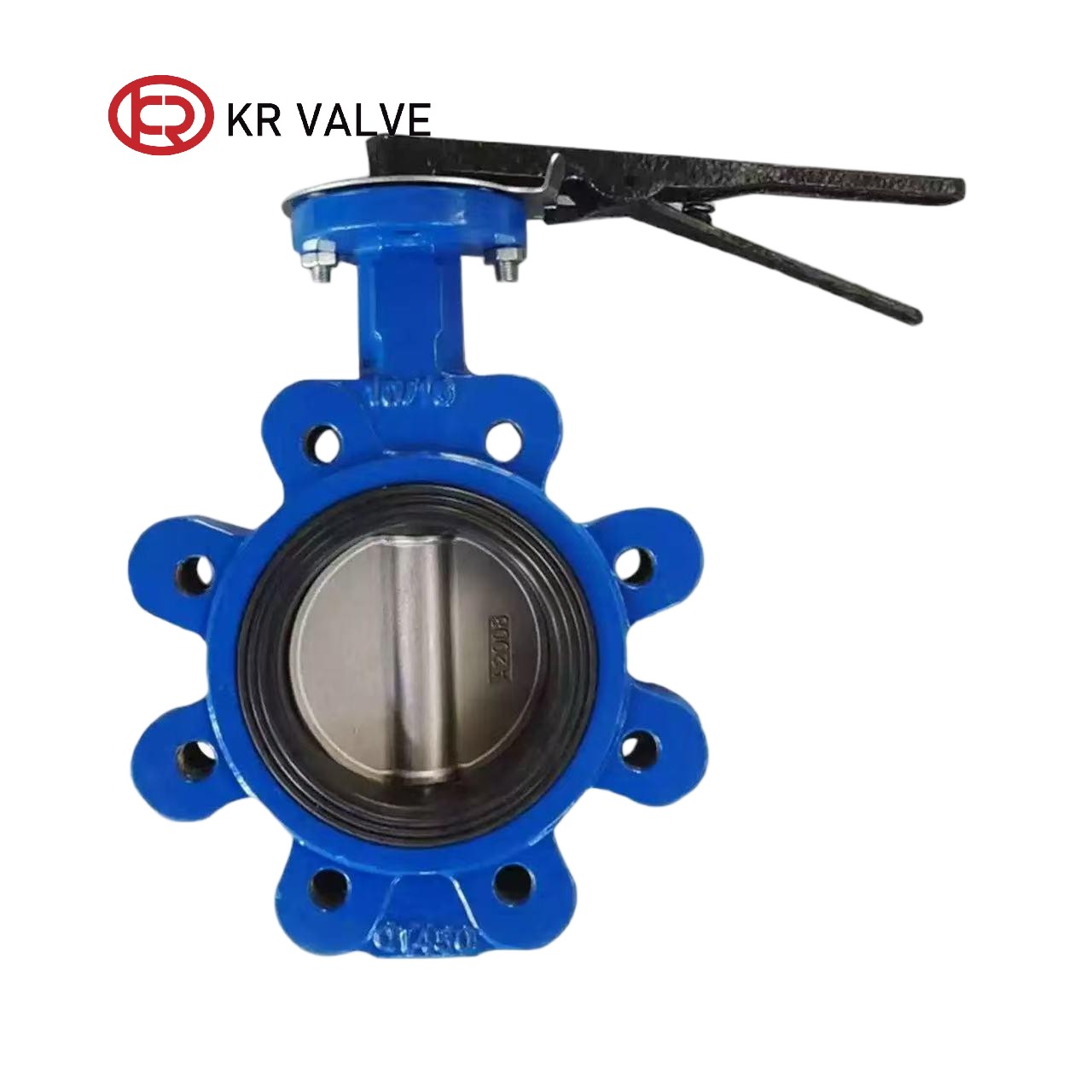
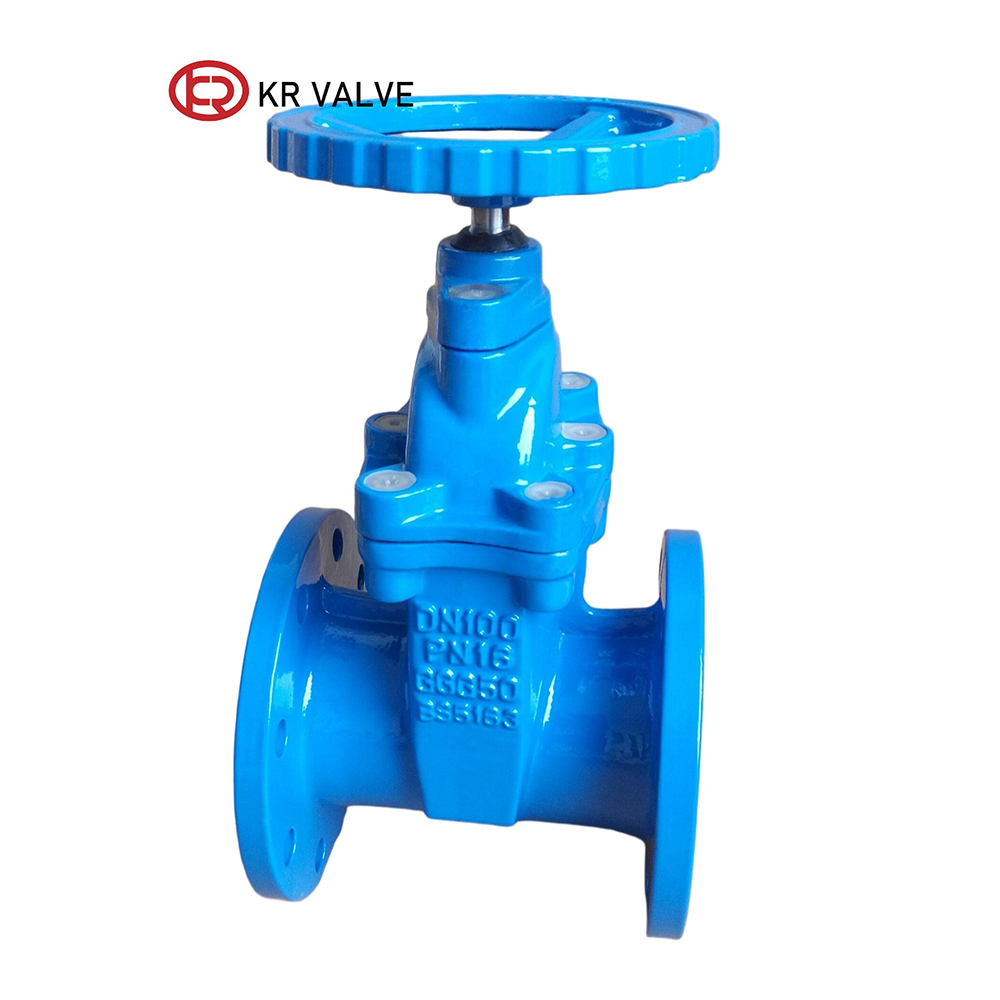
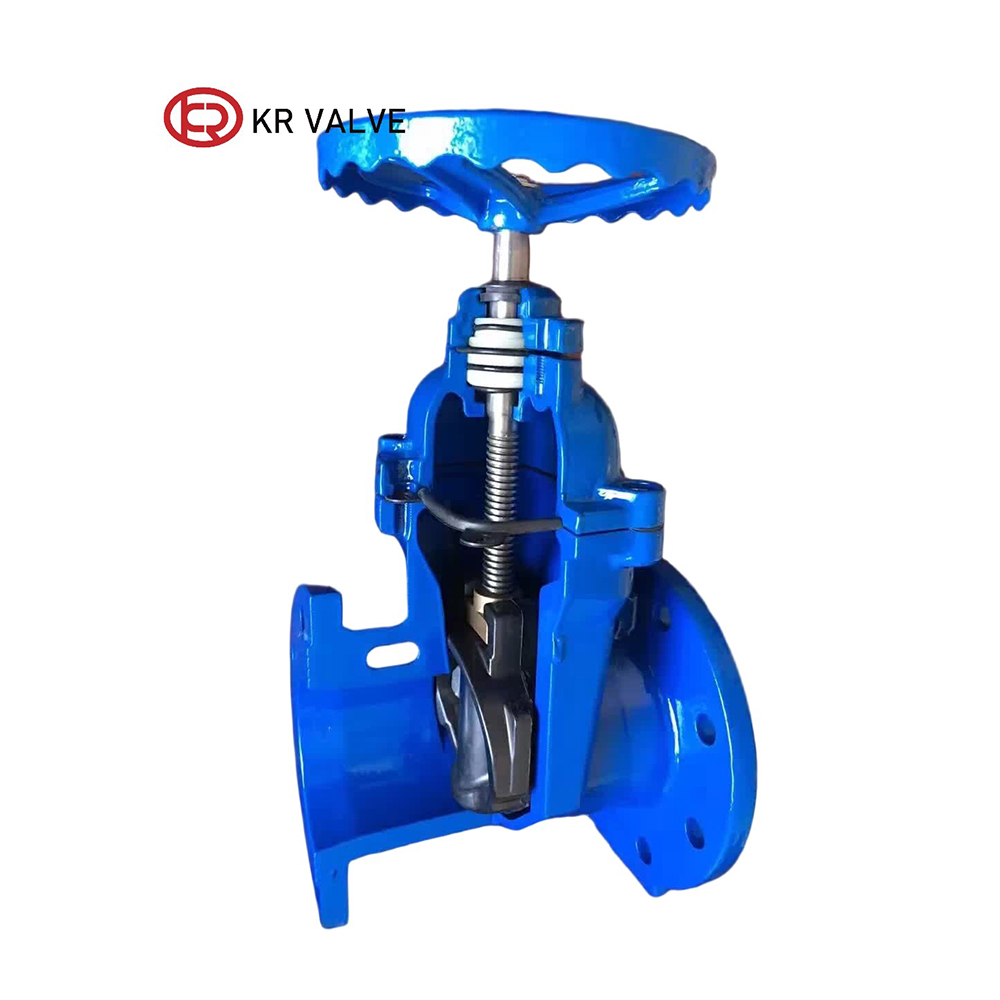
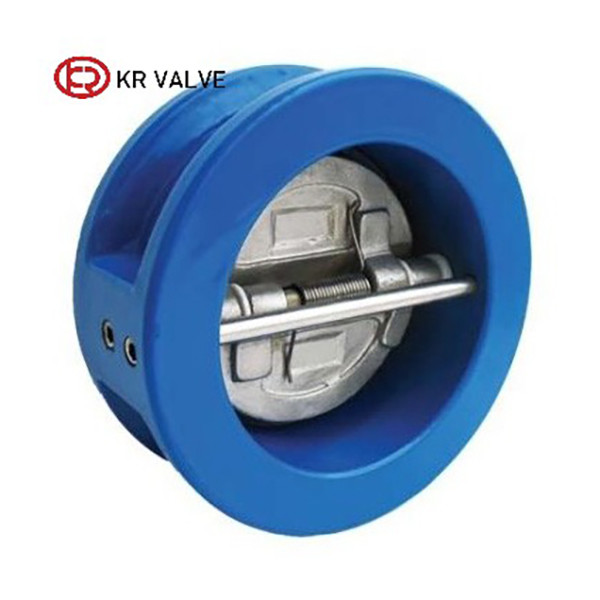
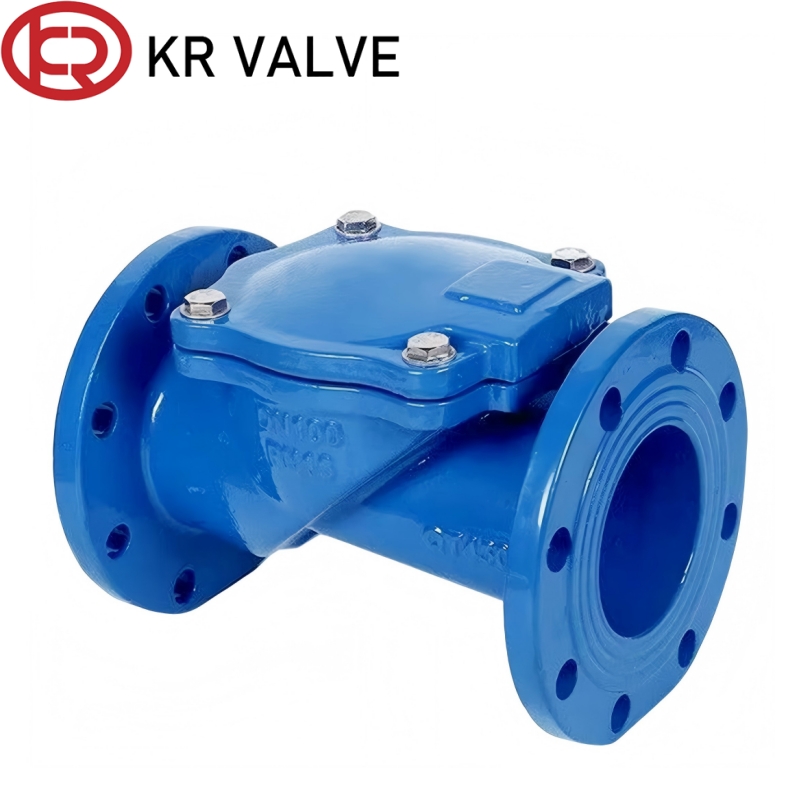
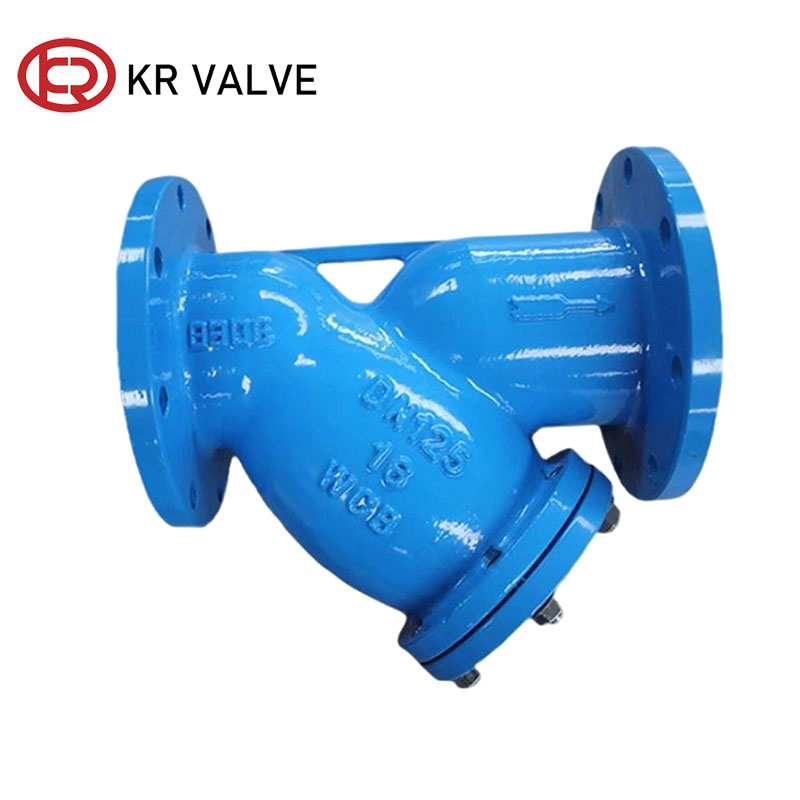
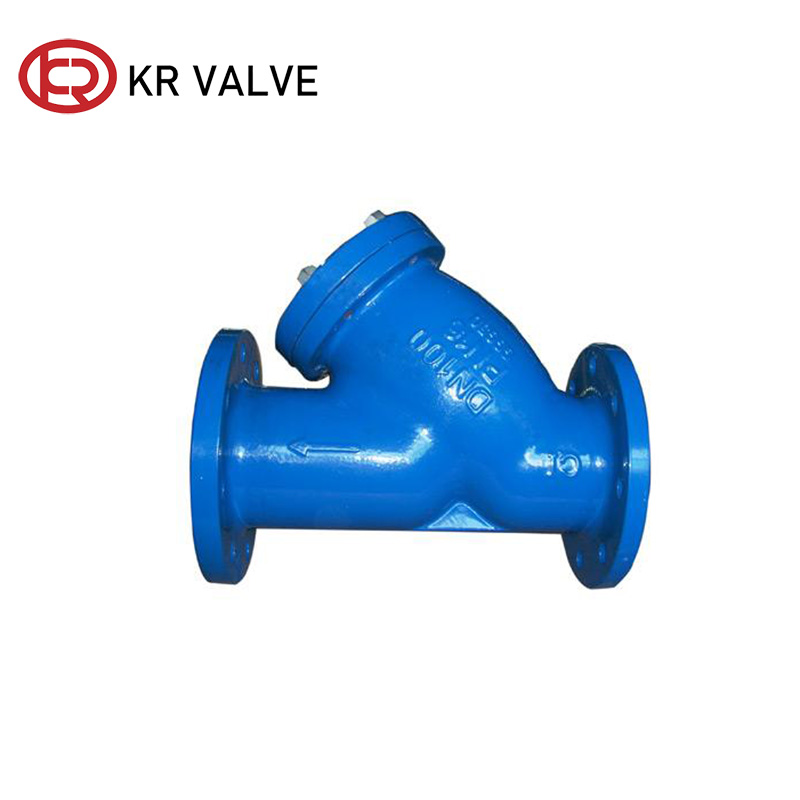
The performance of a resilient seated butterfly valve is determined by its material composition. As systems operate at higher velocities and under tighter environmental regulations, material specifications have become more complex.
Ductile Iron (ASTM A536 Grade 65-45-12 / GGG40) is the preferred choice for valve bodies. Its graphite structure provides superior tensile strength and ductility compared to standard grey cast iron (GG25), allowing it to better absorb thermal expansion stresses and pipe bending loads. For corrosive applications, casting materials like CF8 (SS304) and CF8M (SS316) are specified to prevent chemical attack.
The choice of seat elastomer determines the valve's temperature limits and chemical compatibility.
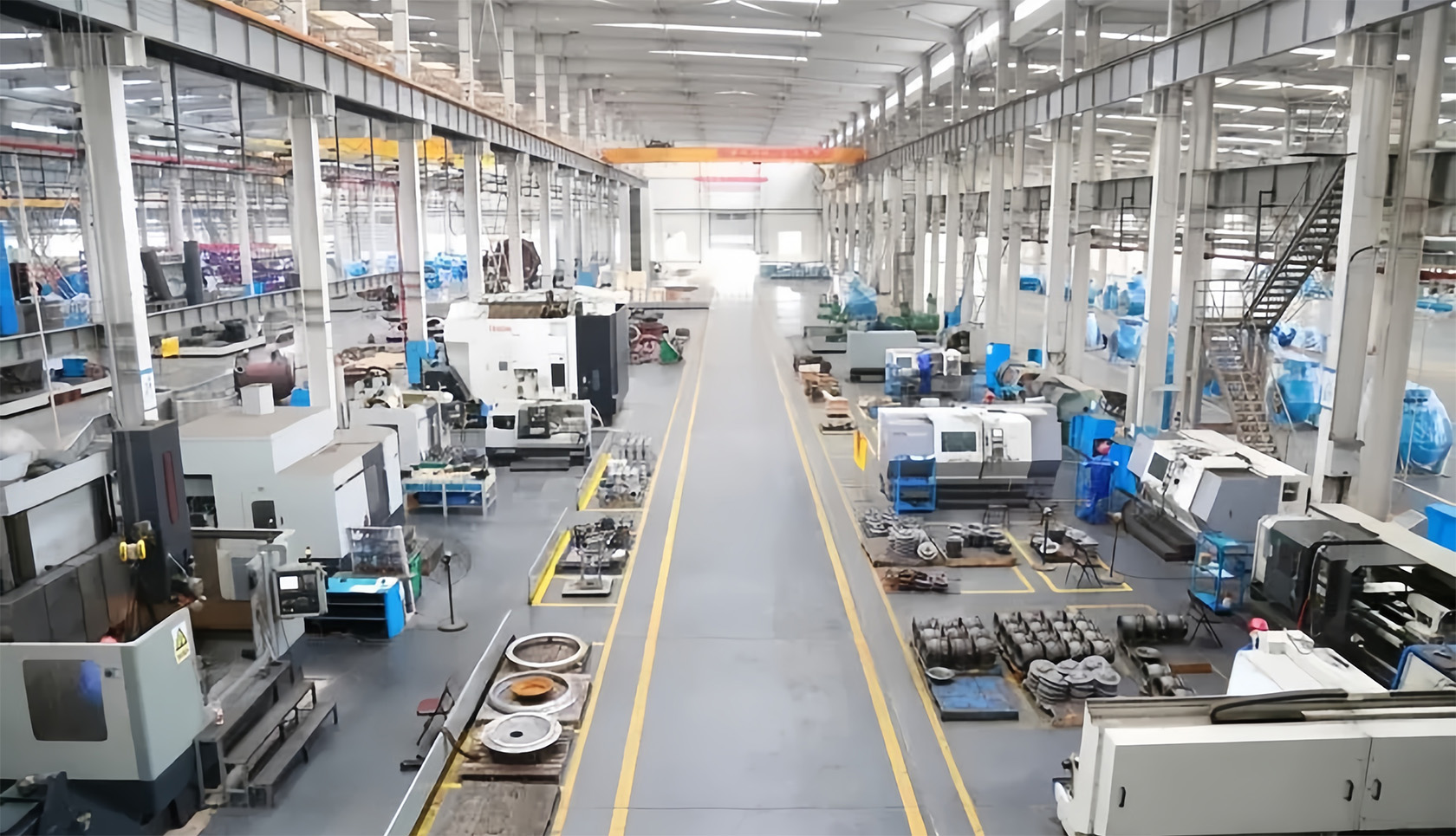
To achieve zero leakage, the valve disc must be centered precisely in the valve body. KR utilizes computerized CNC machining stations (including 15 specialized machining centers) to maintain alignment and tolerances. Hydrostatic testing is conducted on every valve in accordance with API 598. The valve body must hold 1.5 times the rated working pressure, and the resilient seat must maintain a seal at 1.1 times the pressure rating under zero-leakage conditions.
A look inside our manufacturing processes and testing facilities.
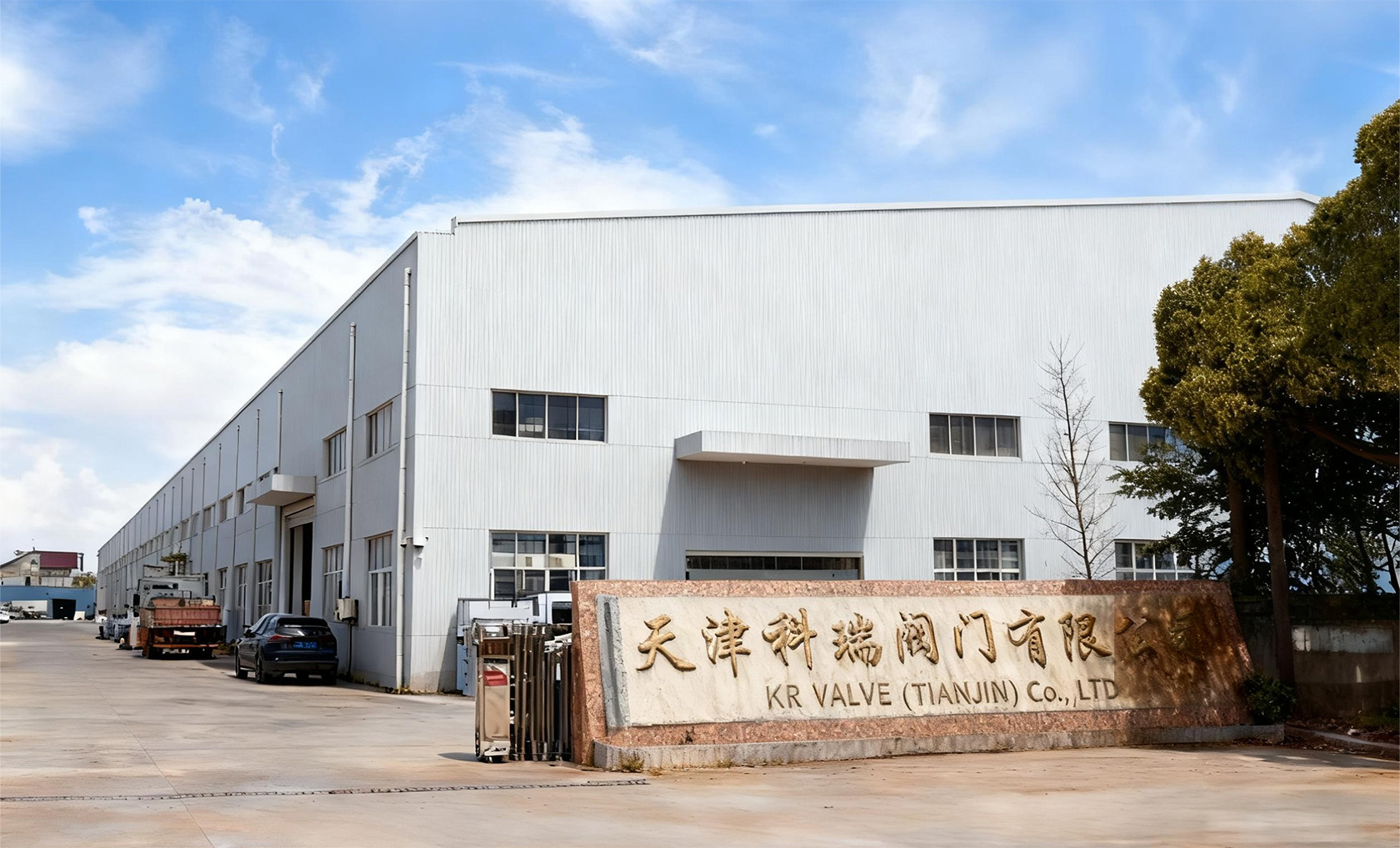
Our logistics networks support shipping to over 50 countries. Our logistics management system tracks raw materials to delivery. This integration helps us maintain scheduling, minimize lead times, and coordinate delivery with site construction phases.
Key information on engineering, installation, and procurement criteria for resilient seated butterfly valves.
Seat deformation is typically caused by velocity overshoot, excessive pressure differentials, or incorrect elastomer selection for the chemical media. Utilizing hard-backed cartridge-style seats instead of soft-backed boot liners helps prevent seat migration.
EPDM is suitable for general water distribution, providing resistance to aging and UV, but is not compatible with hydrocarbons. Nitrile (NBR) is selected for water containing fats, oils, or petroleum runoffs, but has lower ozone resistance and a narrower temperature range.
Resilient seats create sealing contact through interference compression, which generates friction. Actuator sizing calculations should include a safety factor of 20% to 30% over the dry breakout torque to ensure reliable operation under differential pressures.
Yes, but they require structural modification. A standard slip-on seat will pull away from the body under vacuum. For vacuum service, a bonded-to-body seat or a molded seat style is required to prevent displacement.
Potable water systems require sanitary approval for materials in contact with the media. In the US, this is NSF/ANSI 61; in the UK, it is WRAS. In European markets, DVGW and ACS certifications confirm that the elastomers do not leach organic compounds.
Browse our catalog of specialized industrial valves, manufactured to international engineering standards.
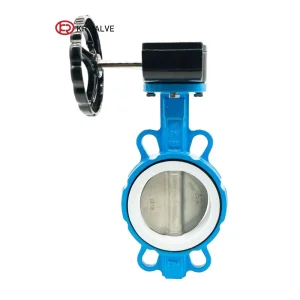
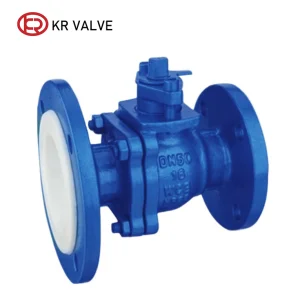
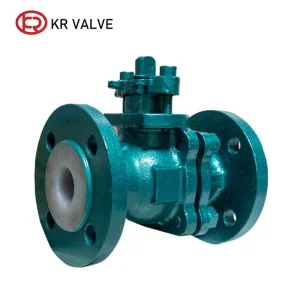
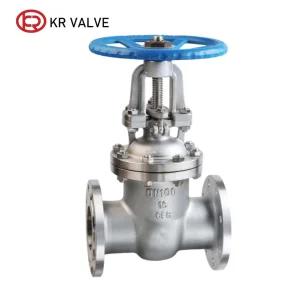
Contact our technical engineering department for detailed specifications, CAD models, and customized wholesale pricing options.
Get Technical Consultation KR VAVLE