Explore our flagship heavy-duty engineering valves featuring advanced materials and multi-standard alignment.
A comprehensive analysis of manual flow control systems, material evolution, and supply chain demands.
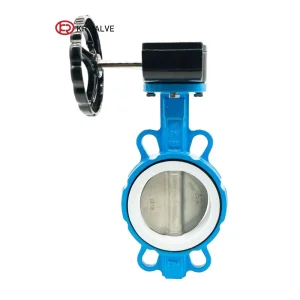
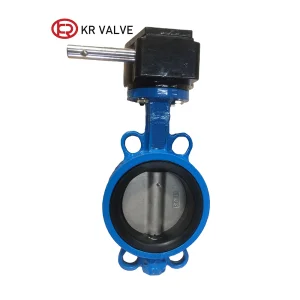
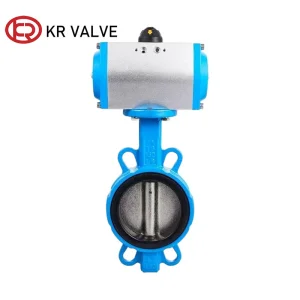
Manual lever-operated butterfly valves, typically called handle butterfly valves, are cornerstone components in the control and isolation of media in complex pipeline layouts. By offering a quarter-turn mechanism of high reliability and swift shutoff, manual butterfly valves balance structural economy with superb throttling properties. In the contemporary industrial domain, the design paradigms of butterfly valves have transitioned from generic utilities into high-precision, application-specific engineering marvels.
According to current market intelligence, the global industrial valve market is experiencing a significant shift toward resilient-seated concentric and high-performance eccentric designs, driven by municipal modernization and chemical safety standards.
The manufacturing ecosystem for handle butterfly valves demands deep specialization. High-performance factories employ computerized numerical control (CNC) machining centers, automated testing configurations, and certified casting foundries. Leading facilities in industrial centers ensure that basic raw elements such as ductile iron (GGG40), carbon steel (WCB), and stainless steel (CF8/CF8M) are cast under optimal thermal controls to prevent micro-porosities. In the global marketplace, industrial buyers continuously seek verified factory alliances that can provide customized OEM configurations matching specific operational pressures (PN6, PN10, PN16, and PN25) and distinct structural standards (ANSI, BS, DIN, ISO, and JIS).
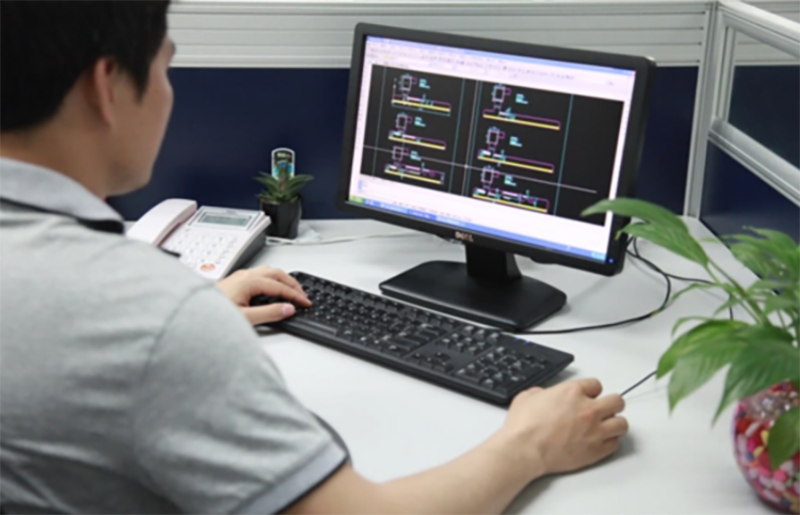
At the center of global trade pipelines, procurement demands have consolidated around specialized manufacturers capable of balancing competitive pricing with structural reliability. The modern factory is not merely a production shop but an engineering center. Here, advanced computer-aided design (CAD) programs model fluid turbulence, boundary element stress points, and pressure distributions to refine fluid coefficient (Cv) values, ensuring minimal operational drag and optimized torque delivery profiles across varying operating temperatures.
KR has more than 20 years of experience in producing standard and non-standard valves of various types. We supply a wide selection of over 500 valve products, including butterfly valves, gate valves, check valves, water control valves, as well as all their matching and accessory products.
These products have applications in various industries such as water treatment, dam construction, commercial buildings, energy and heating, chemical engineering, etc. We have won high repeat purchase rates from customers with excellent product variety and quality.
Beyond product excellence, we are dedicated to creating a mutually beneficial partnership with every customer. We believe that reliable service is as crucial as superior products, and we strive to continuously optimize the customer experience to achieve long-term win-win cooperation.
Today, KR VALVE’s products have been exported to over 50 countries and regions in Europe, Asia, Africa, and Oceania, providing project construction and brand marketing services to thousands of customers. We look forward to collaborating with you, leveraging our expertise, comprehensive product range, and unwavering commitment to quality and service to support your success.
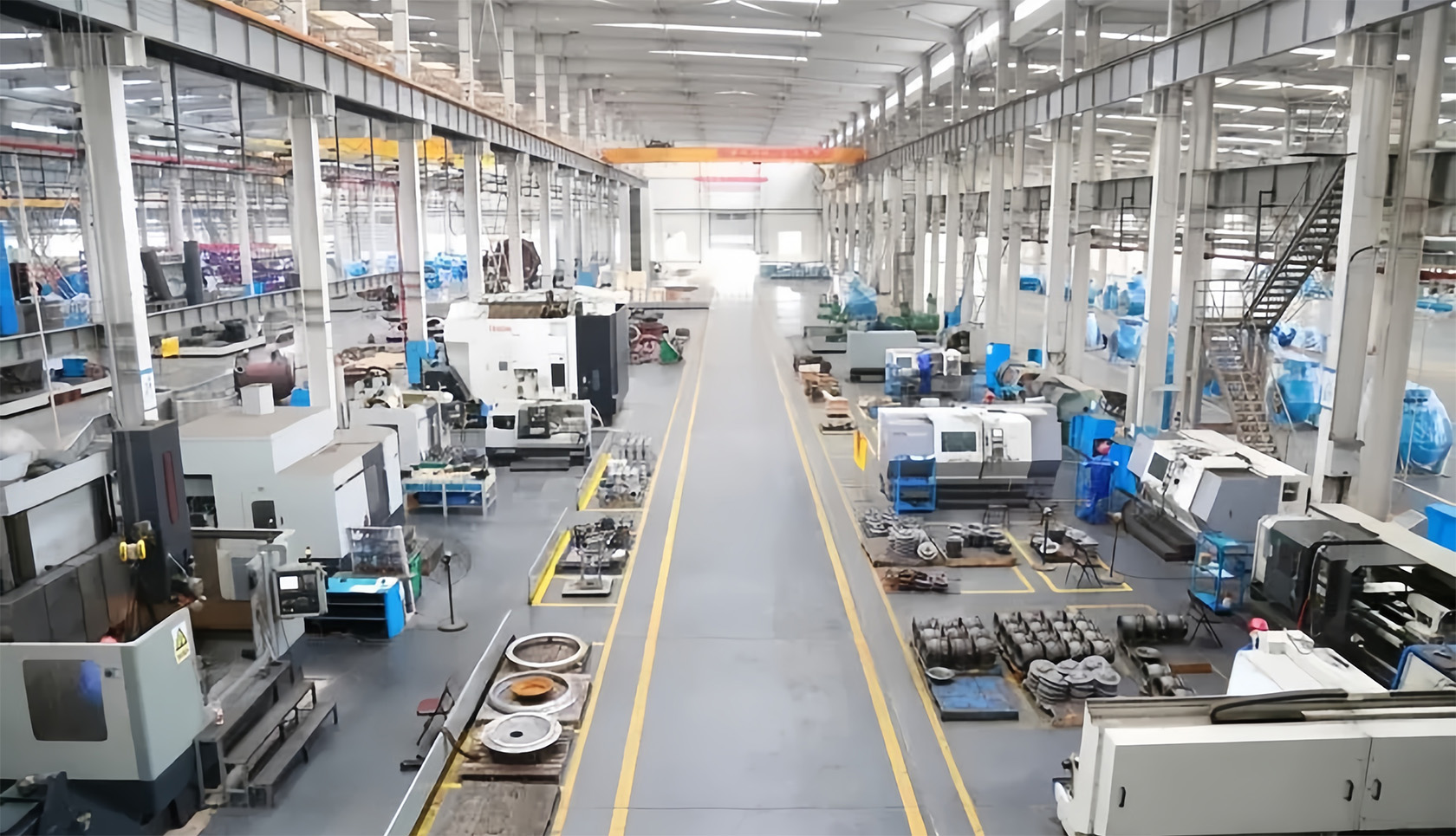
A technical guide to body alloys, chemical sealing barriers, and structural load constraints.
Selecting the ideal body alloy represents a vital decision in fluid engineering. Ductile Iron (EN-GJS-400-15 / GGG40) is widely selected for municipal utilities, water treatment plants, and low-pressure industrial circuits. Its spheroidal graphite structure gives it exceptional tensile strength, impact resilience, and high structural damping characteristics, outperforming traditional gray cast iron. Carbon Steel (ASTM A216 WCB) is the default choice for high-pressure, elevated temperature circuits in petrochemical and heavy steam installations due to its strong structural integrity and high ductility under thermal cycling stresses.
In highly aggressive environments—such as marine systems, salt spray atmospheres, chemical synthesis lines, or food processing operations—Stainless Steel variants like CF8 (SS304) and CF8M (SS316) are critical. The addition of molybdenum in CF8M provides excellent resistance against pitting and crevice corrosion in chloride-rich process streams, ensuring system longevity and preventing contamination issues.
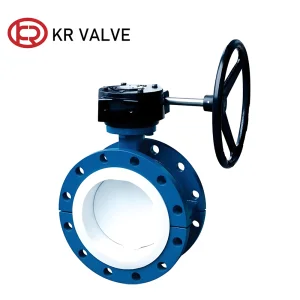
The sealing seat is a key element for achieving zero leakage. EPDM (Ethylene Propylene Diene Monomer) provides outstanding elasticity, mechanical tear resistance, and reliable performance within a temperature window of -20°C to +120°C. It is the primary choice for drinking water, waste networks, and HVAC systems. However, for corrosive chemical solutions, acidic processes, high-temperature loops, and solvents, PTFE (Polytetrafluoroethylene) is preferred. As a fully fluorinated polymer, PTFE provides near-complete chemical inertness. When paired with a split-body design, full PTFE linings encapsulate both the disc and internal stem channels, isolating the metal body from aggressive chemical attacks.
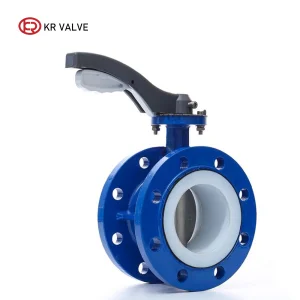
Technical Design Insight: Split-body PTFE-lined butterfly valves utilize energized backing elastomers to provide uniform compression against the disc edge, compensating for thermal expansion cycles and maintaining high-integrity zero-leakage performance under pressure swings.
Our operational framework ensures precision execution from conceptual design to strict zero-leakage verification.
R&D department to ensure product design and continuous innovation. Our technicians continuously design and develop products that meet customer and market requirements, our lab provides extensive modern testing capabilities to elevate product performance development. We have 20 series and over 500 varieties of our products now.
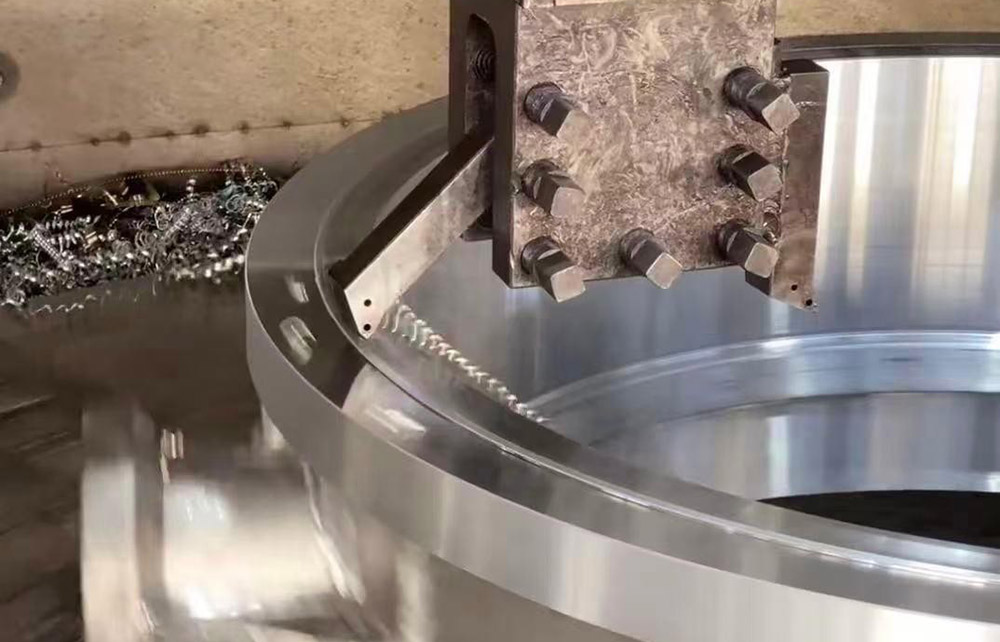
Production department formulates the production plan and produces according to the plan to ensure timely delivery according to customer requirements. Products are manufactured under strict supervision in accordance with the ISO-9001 quality management system. We have over 30 production equipment and update our inventory monthly to meet and exceed customer expectations for delivery.
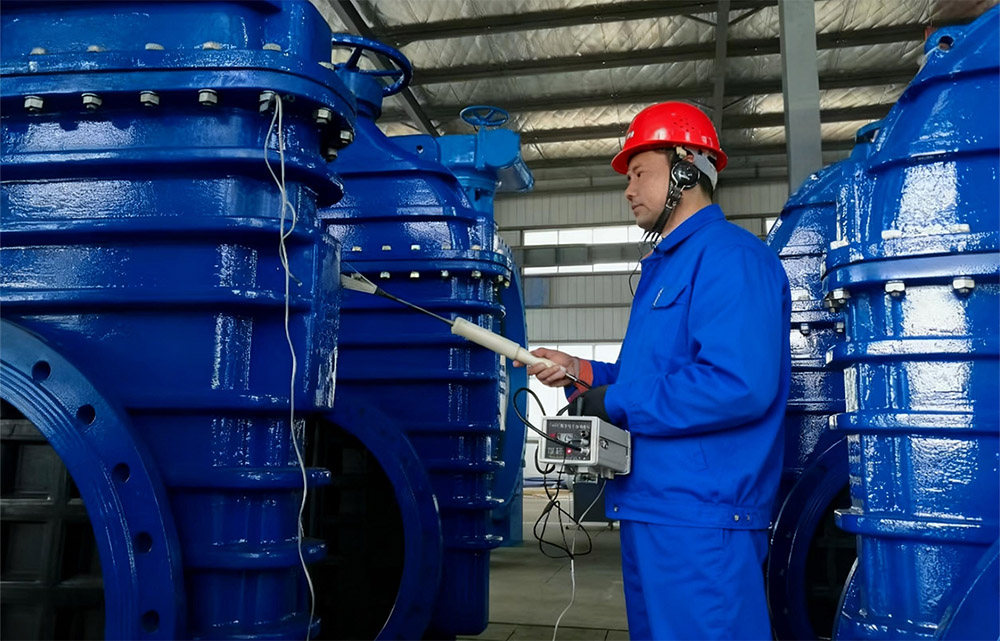
Inspection department to ensure 100% inspection quality of products. Zero leakage is our principle. According to international quality inspection standards, conduct a series of inspections on the appearance, size, pressure, etc. of the product and issue the report in compliance with international standards.
A strategic analysis of high-volume sourcing, factory selection criteria, and custom engineering design.
Sourcing valves for large infrastructure works or wholesale distribution networks requires assessing a factory’s technical competency and quality assurance systems. Enterprise buyers need to look beyond raw pricing structures to evaluate the manufacturer’s design controls, machining precision, and verification processes.
A top-tier factory maintains advanced casting lines alongside CNC machining centers. Machining tolerances for the stem channels and valve seat pockets must be kept within precise micron limits. Even tiny misalignments in the stem path can cause uneven seating wear, rising operational torque, and premature seal failure. High-performance factories employ dual-shaft configurations, spline connections, and high-strength blow-out proof shafts to ensure safe manual lever operation even during sudden fluid surges.
OEM capabilities form a crucial part of international trade. Modern manufacturers must accommodate customized requirements, including specific disc materials (Hastelloy, Al-Bronze, SS316, or Nylon-coated Ductile Iron), customized flange connections, special epoxy coatings, and private-label branding. This customization must comply with industry standards such as ISO 5211 actuator mounting pads, allowing manual valves to be easily retrofitted with pneumatic or electric actuators later if operational requirements change.
Providing end-to-end industrial value, competitive manufacturing advantages, and global project support.
We have our own independent brand 'KR' and also provide OEM services to our customers, establishing long-term relationships with many famous brands.
We run 15 advanced machining machines and assembly lines. Our workforce consists of experienced professionals dedicated to high quality.
With 20 series and over 500 varieties, we supply standard and non-standard customized products conforming to global industrial codes.
We strictly control the production of each component, assembling them into reliable and long-lasting finished products.
We offer highly competitive pricing built on our end-to-end control of production and optimization of internal processes.

We provide comprehensive pre-sales and after-sales consultation, backed by a technical team to solve complex engineering requests.
Exploring the integration of smart sensors, high-grade materials, and sustainable flow control.
As heavy industry shifts toward digitalization, automation, and ESG (Environmental, Social, and Governance) targets, the traditional mechanical handle butterfly valve is undergoing key technical changes. The future technical roadmap centers on two primary goals: smart diagnostics and advanced sealing performance.
Smart valve technology involves embedding miniaturized, low-power telemetry sensors directly into the valve body or actuator bracket. In manual handle setups, intelligent limit-switch boxes and digital position encoders can transmit real-time valve position, cycle counts, and torque profiles back to centralized asset management systems. This helps operators identify abnormal friction or scale buildup before it causes stem damage or fluid leakage.
On the materials front, research is focused on developing super-low friction fluoropolymers and wear-resistant nanocomposites. This reduces operational torque requirements, which helps downsize handle levers and gearboxes, allowing easier manual operation on larger pipe diameters. For high-temperature and highly abrasive services, hard metal-to-metal seating technologies—utilizing satellite overlays and advanced cobalt-chromium alloy thermal sprays—are moving down the cost curve, making them viable for heavy industrial applications.
Go inside our production facility and watch our validation procedures and product demonstrations.
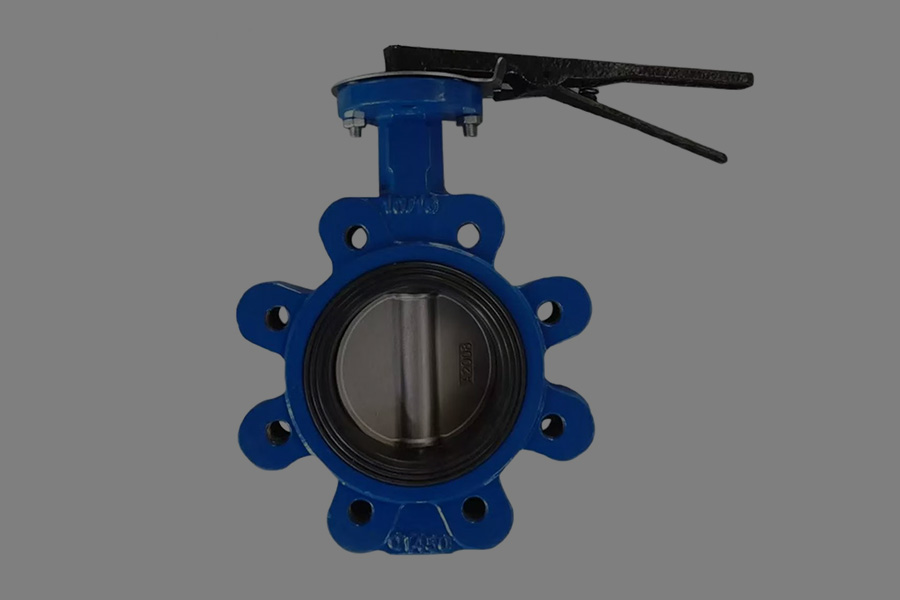
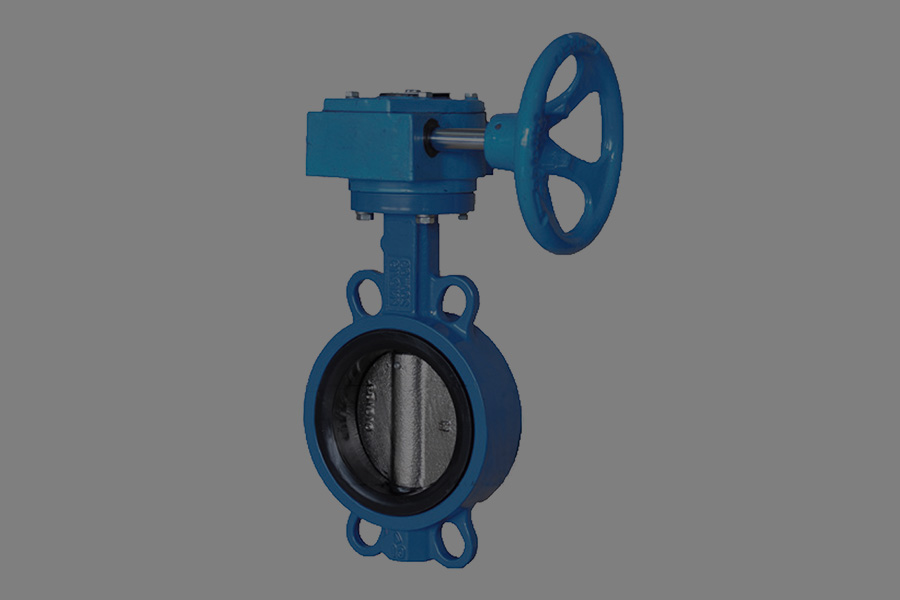
How concentric and eccentric butterfly valves perform in key utility, chemical, and energy operations.
Industrial valve deployments operate under highly diverse environmental and dynamic pressures. In Municipal Water Treatment and Waterworks, concentric wafer and lug butterfly valves with EPDM seats handle high-volume raw and filtered water distribution. Because municipal networks run continuously, these valves must resist bio-fouling and galvanic corrosion. Using epoxy coatings on ductile iron bodies helps prevent oxidation, protecting local water quality.
For Chemical Processing and Hydrocarbon Handling, aggressive acids and alkaline solutions demand full corrosion resistance. Double eccentric and split-body fully PTFE-lined butterfly valves isolate the structural metal of the valve body and stem from corrosive process fluids, protecting the valve's mechanical strength and preventing external leaks.
In Power Generation, District Heating, and Thermal Systems, valves manage high steam loads and rapid thermal shifts. High-performance double and triple eccentric valves with metal-to-metal seats prevent thermal bind and seat deformation under high heat. In these applications, gearboxes are often selected over simple lever handles to provide smooth, controlled opening and prevent water hammer effects.
A proven track record of delivering engineered valves to critical infrastructure and processing projects worldwide.
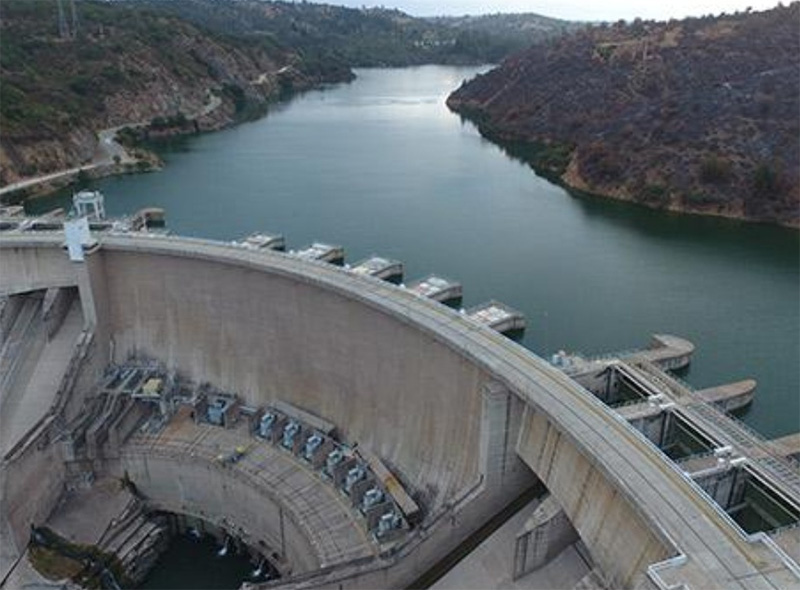
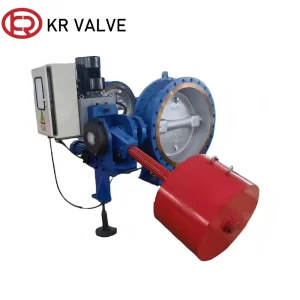
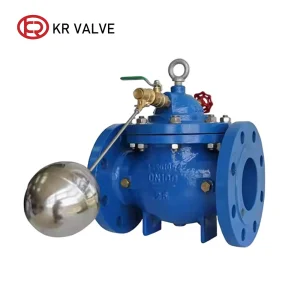
Supplied high-capacity, rugged water control valves to withstand high hydraulic loads in Andean dam networks.
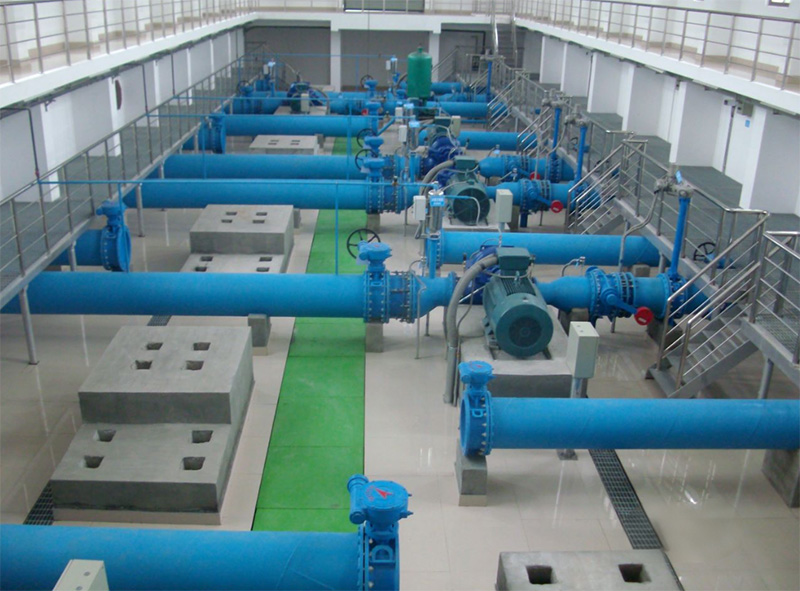
Delivered large-diameter butterfly and check valves to European drinking water networks, meeting strict EU standards.
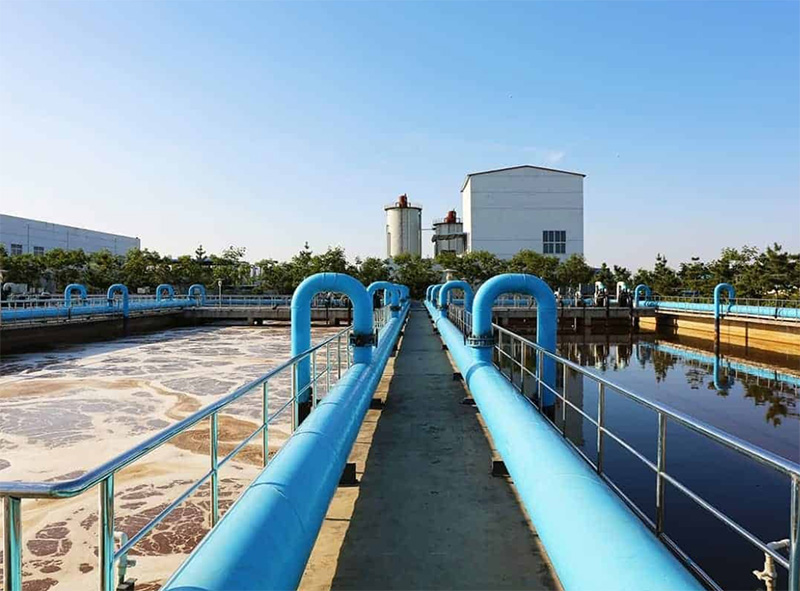
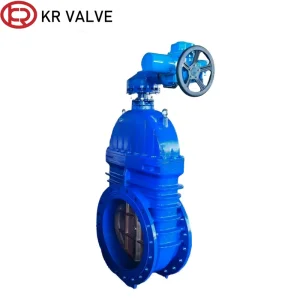
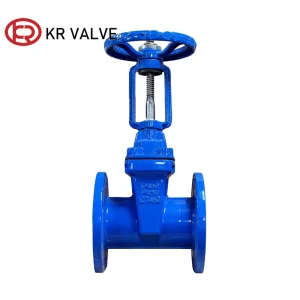
Provided corrosion-resistant gate and butterfly valves to handle abrasive suspended solids in tropical wastewater networks.
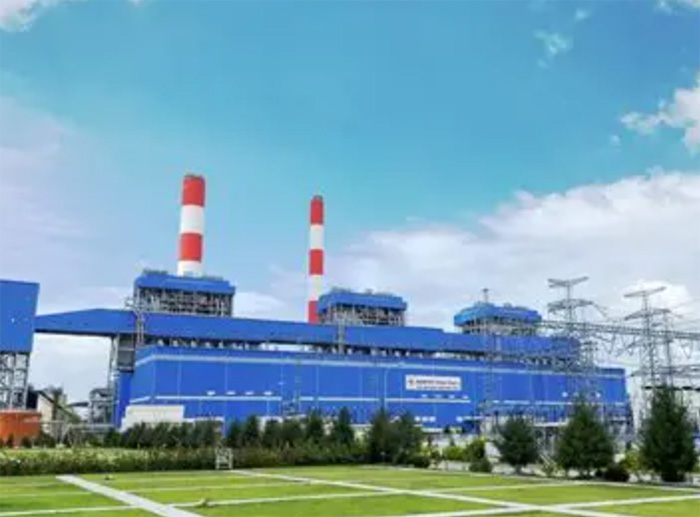
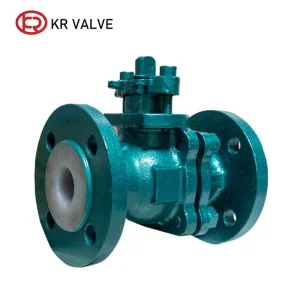
Delivered PTFE-lined and stainless steel valves to isolate highly acidic chemicals and prevent environmental leakage.
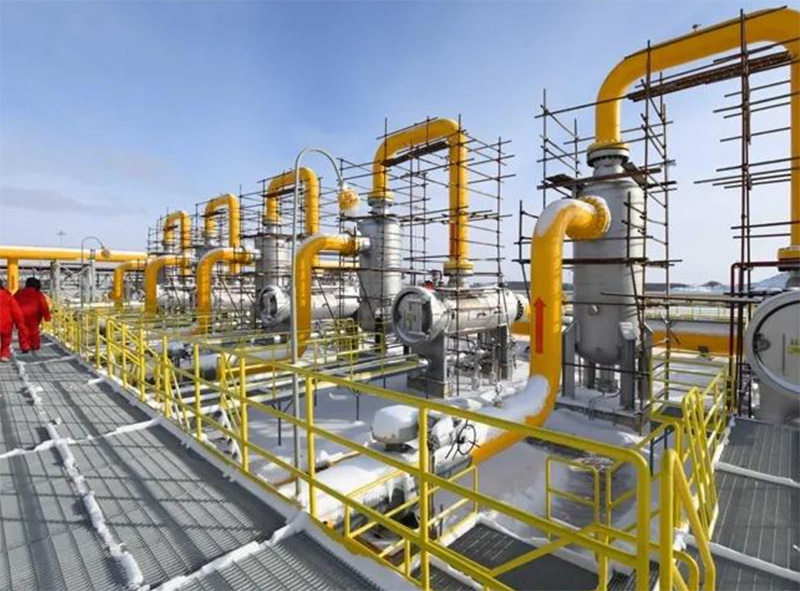
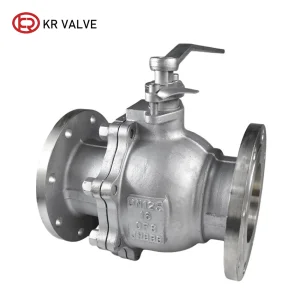
Supplied low-temperature carbon steel ball and gate valves to operate reliably in sub-zero environmental conditions.
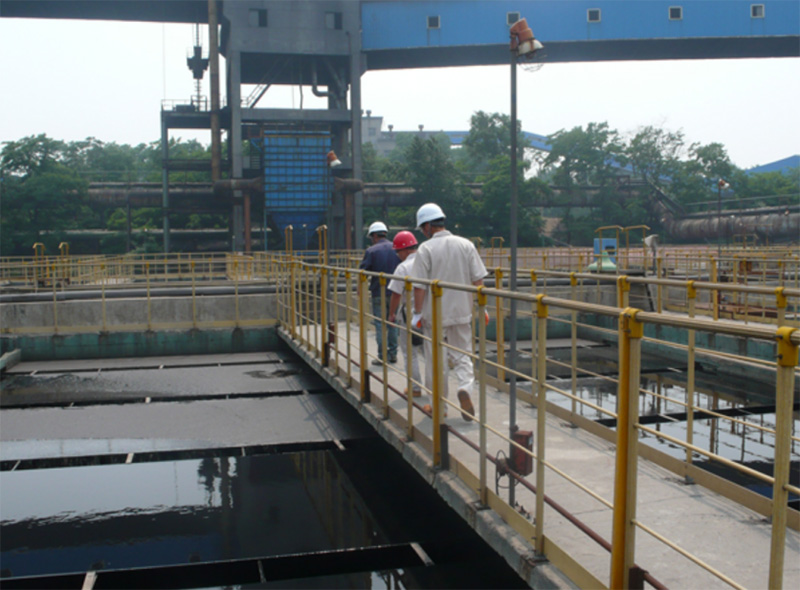
Supplied high-flow water control systems for heavy-load biological and chemical municipal sewage treatment plants.
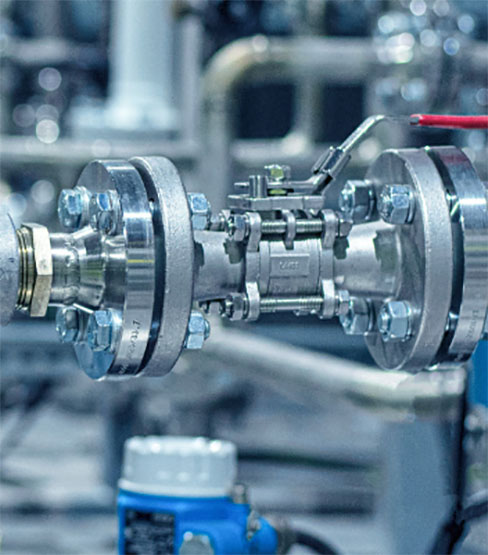
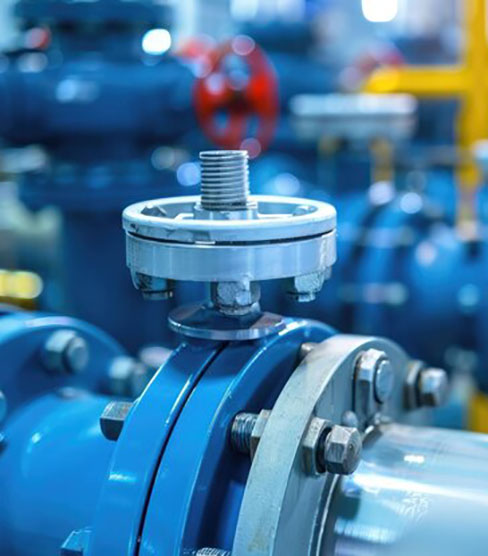
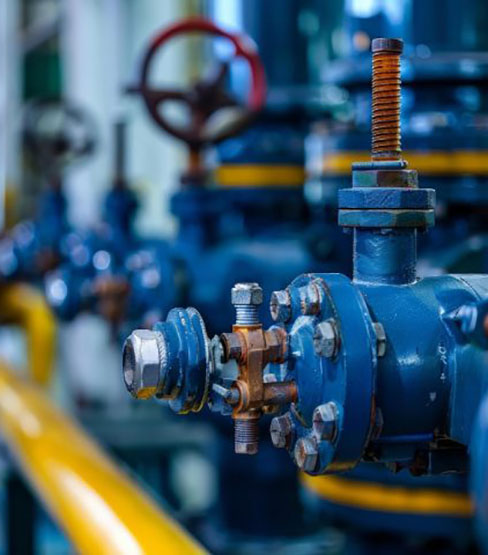
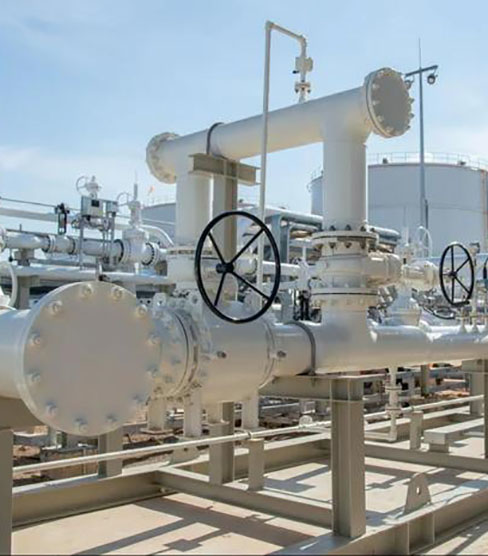
Browse our core engineering series categorized by construction style and standard application.
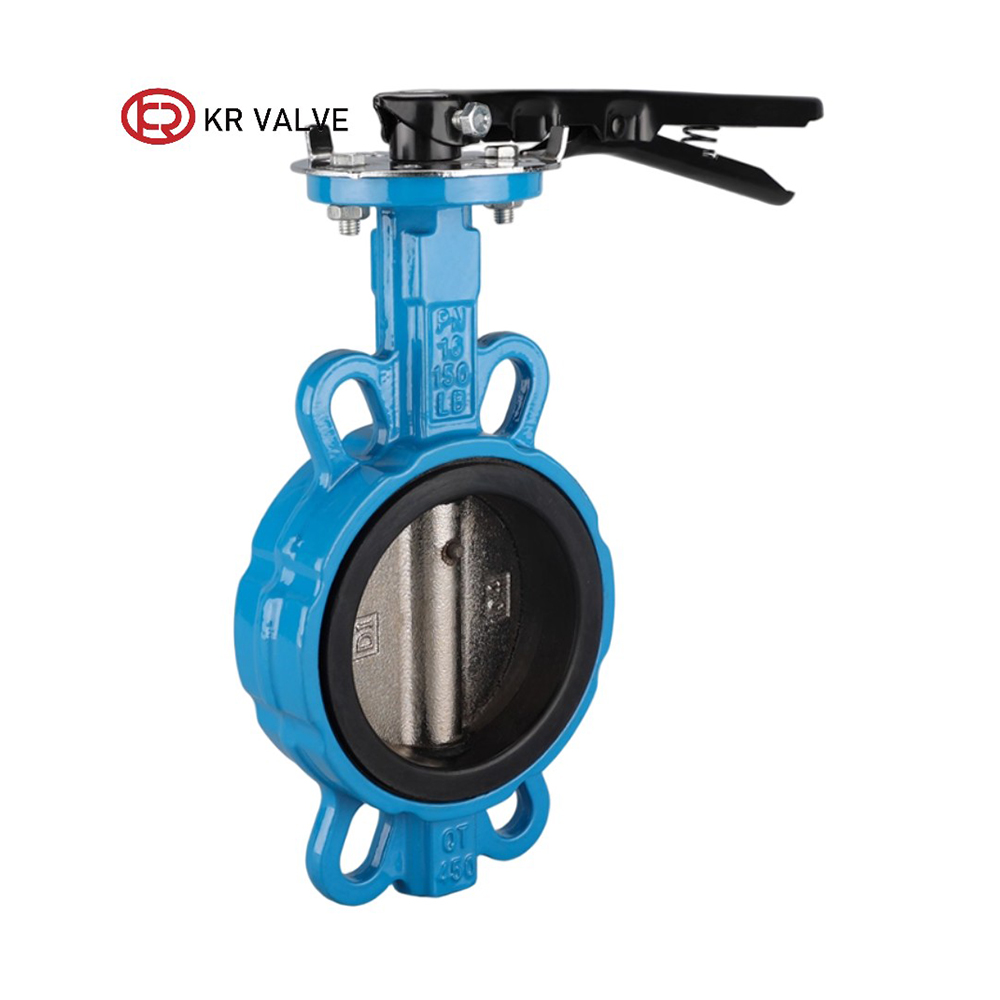
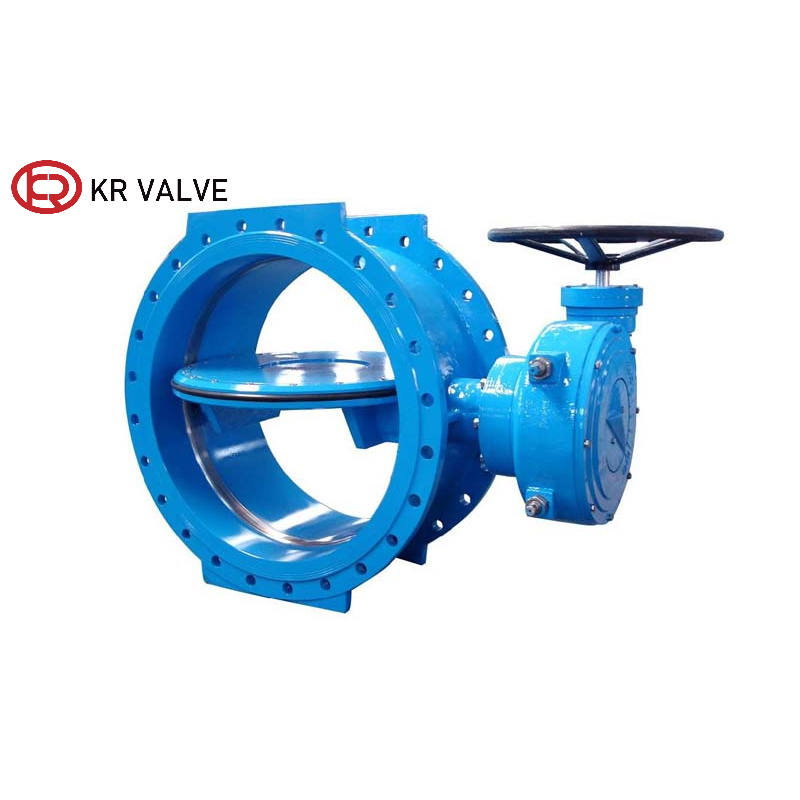
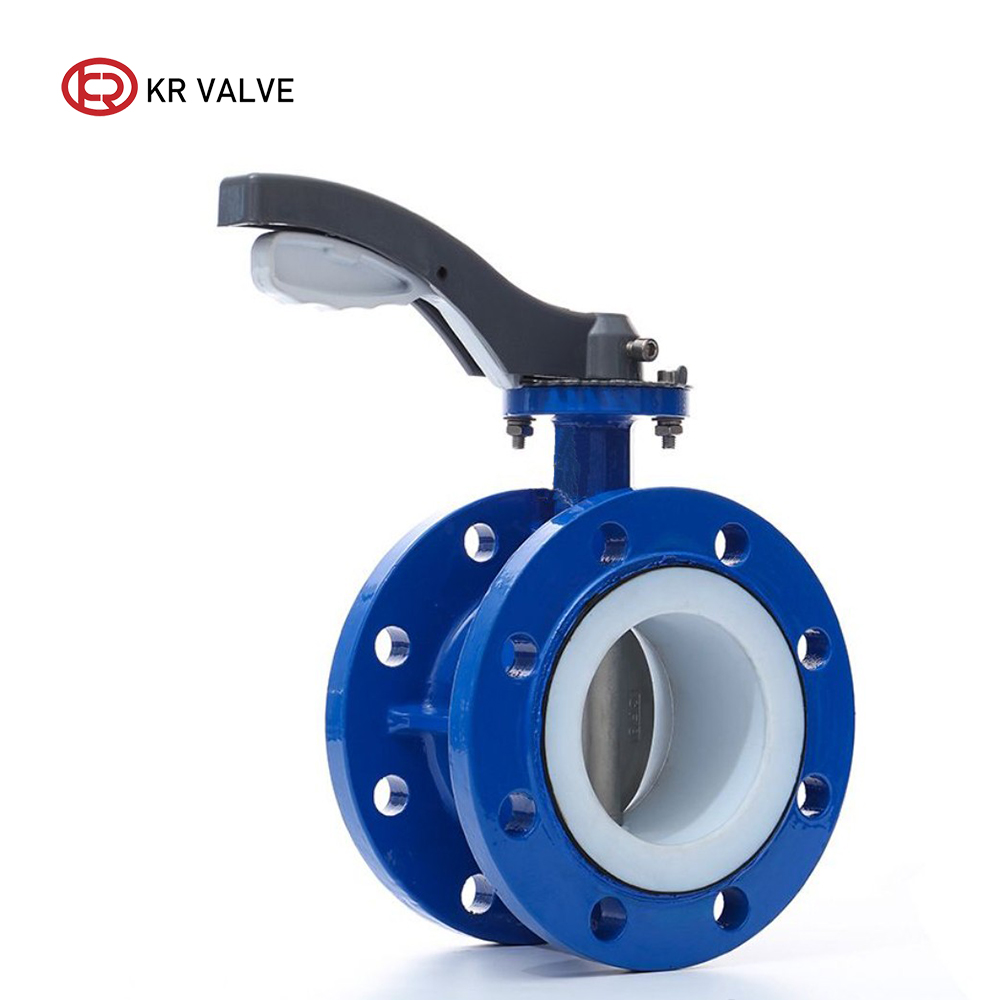
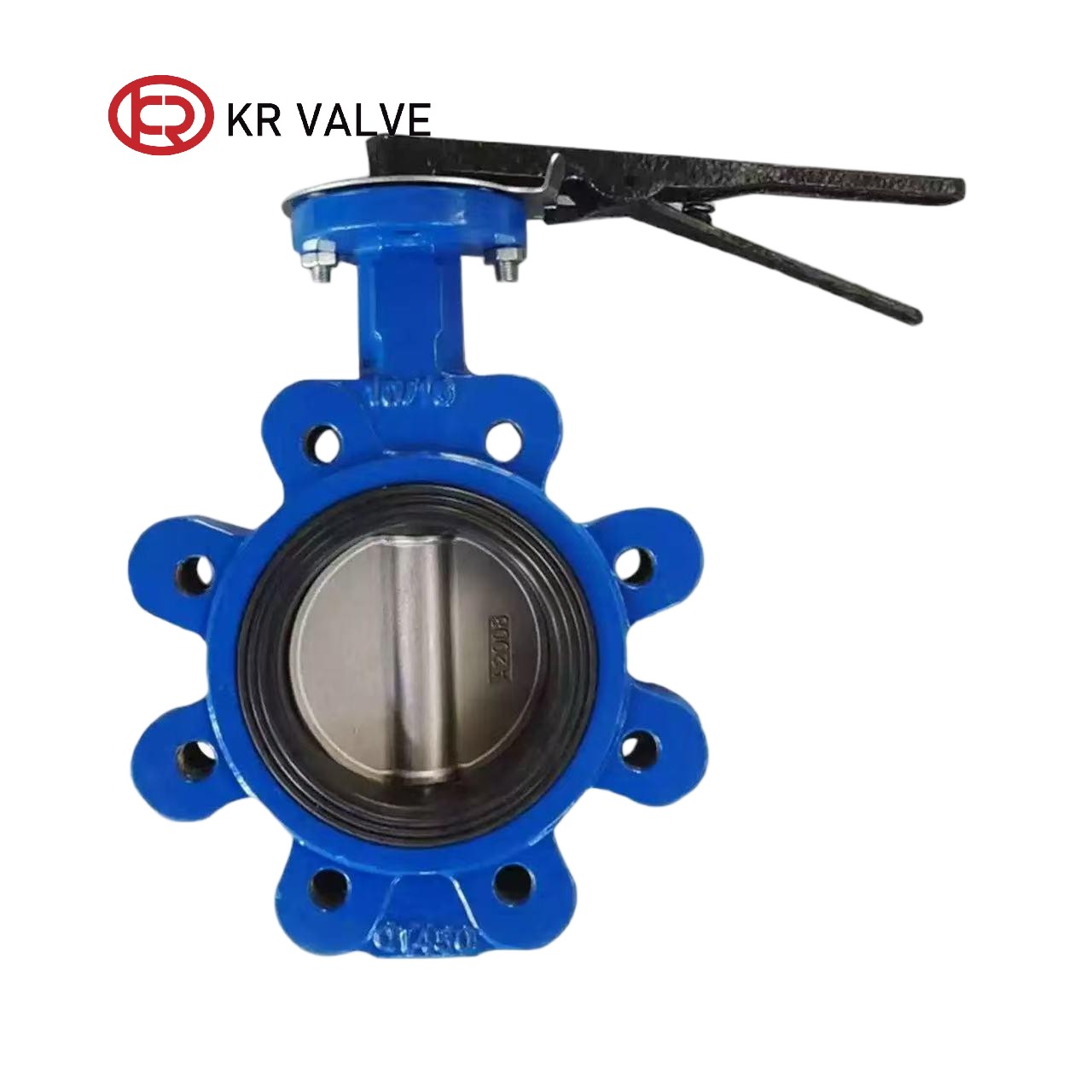
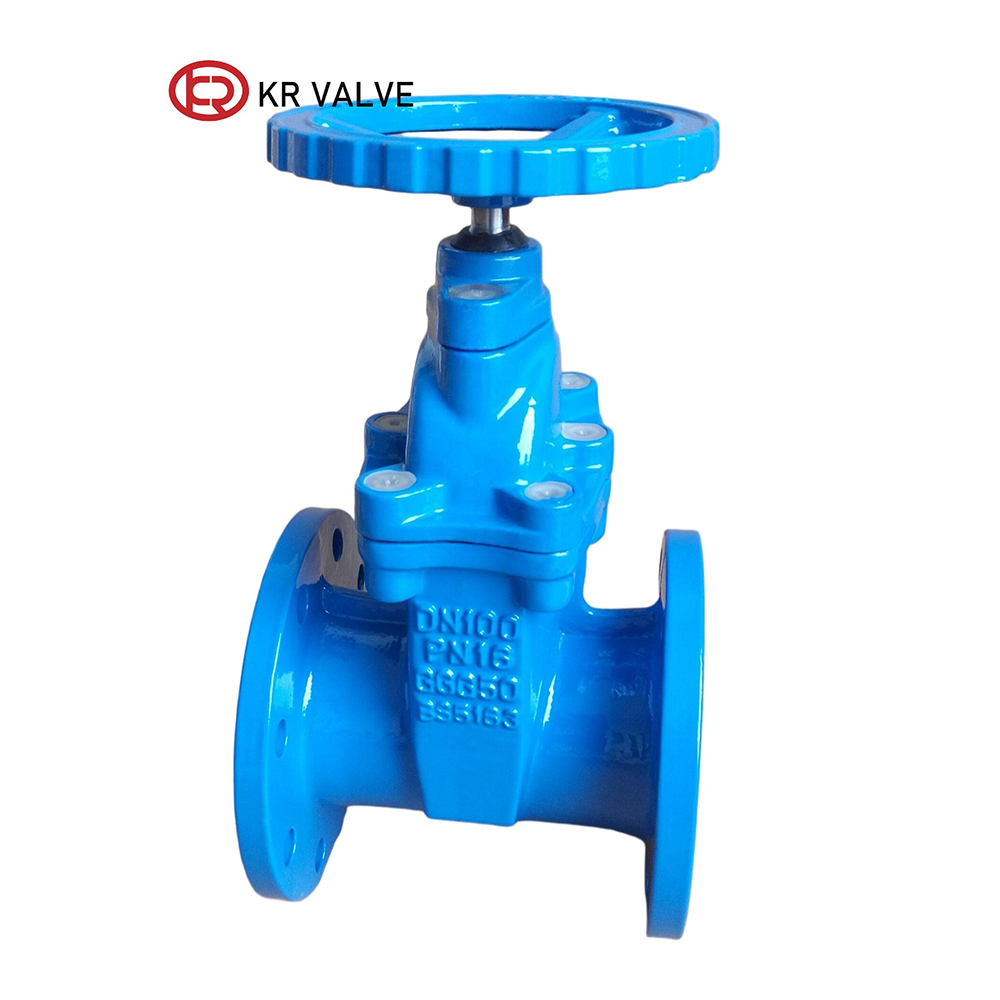
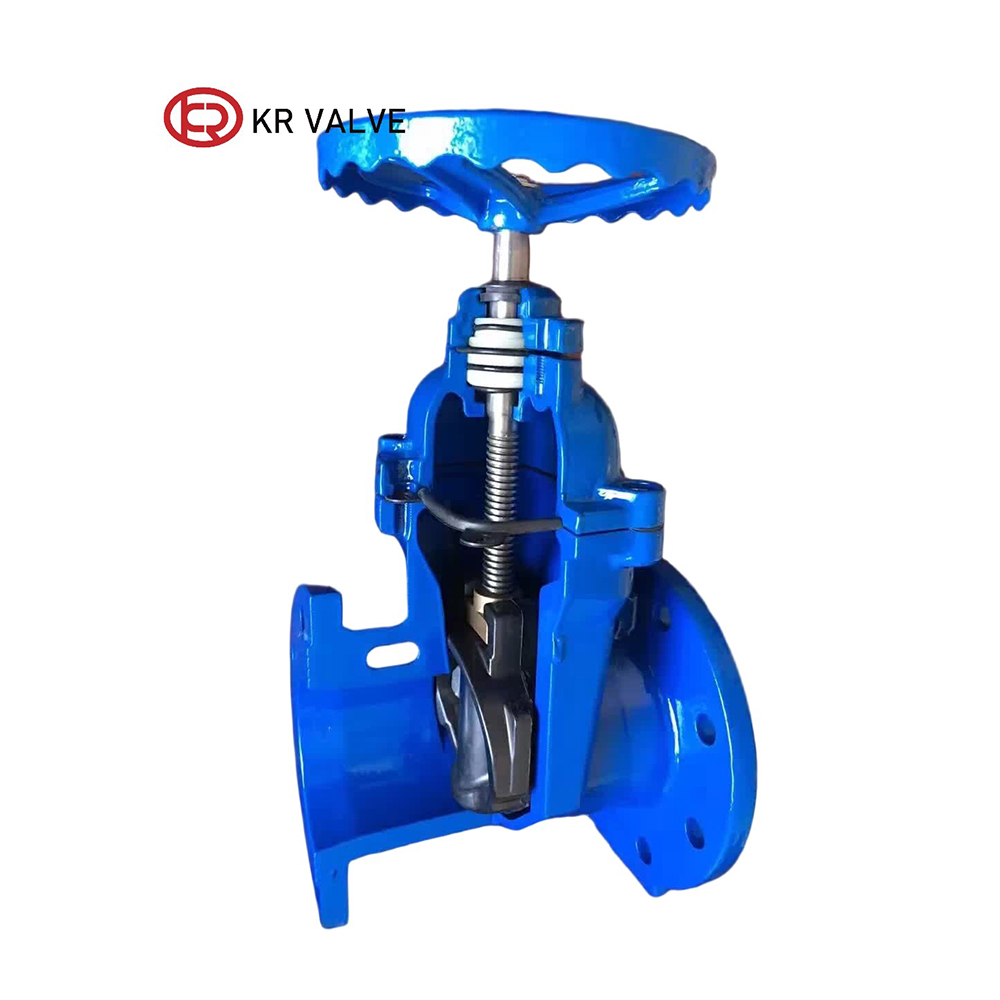
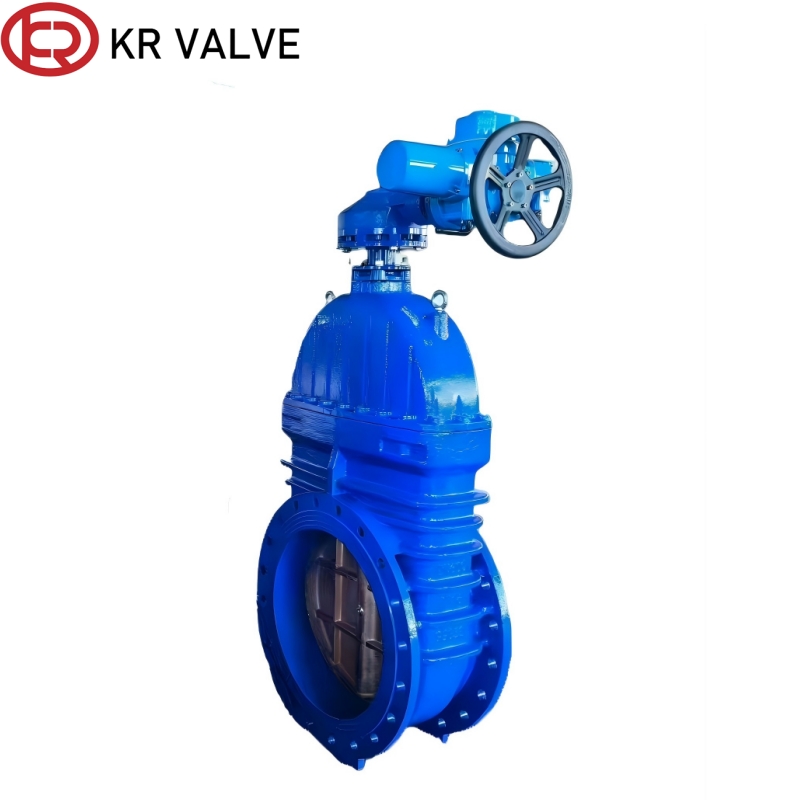
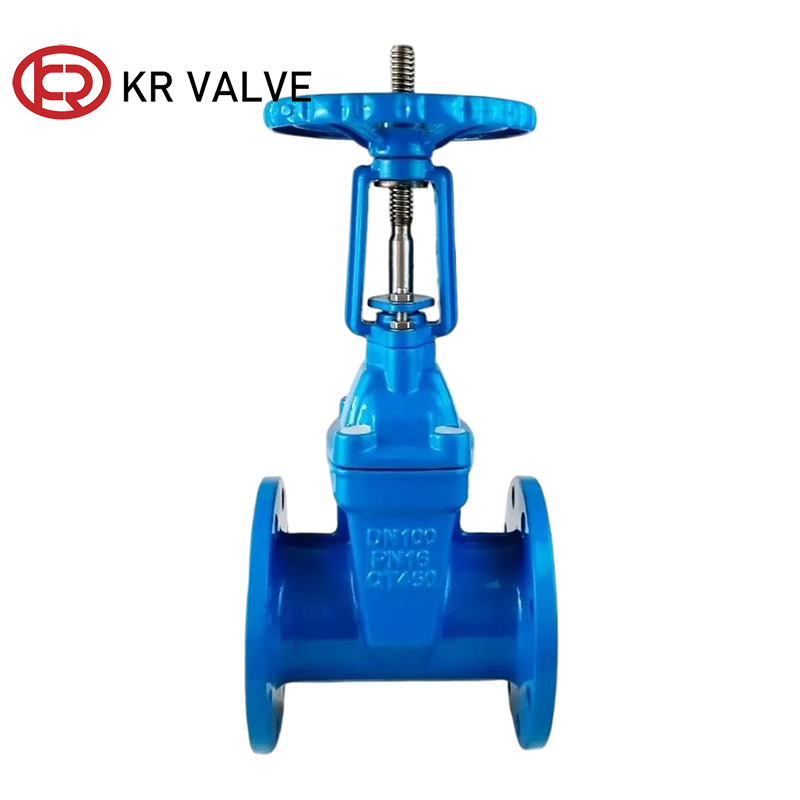
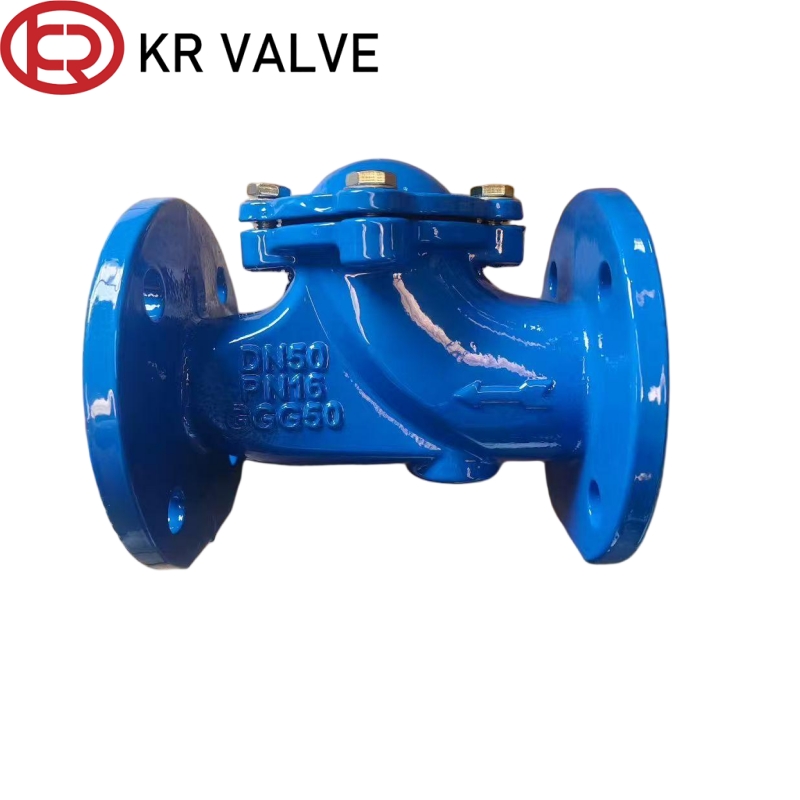
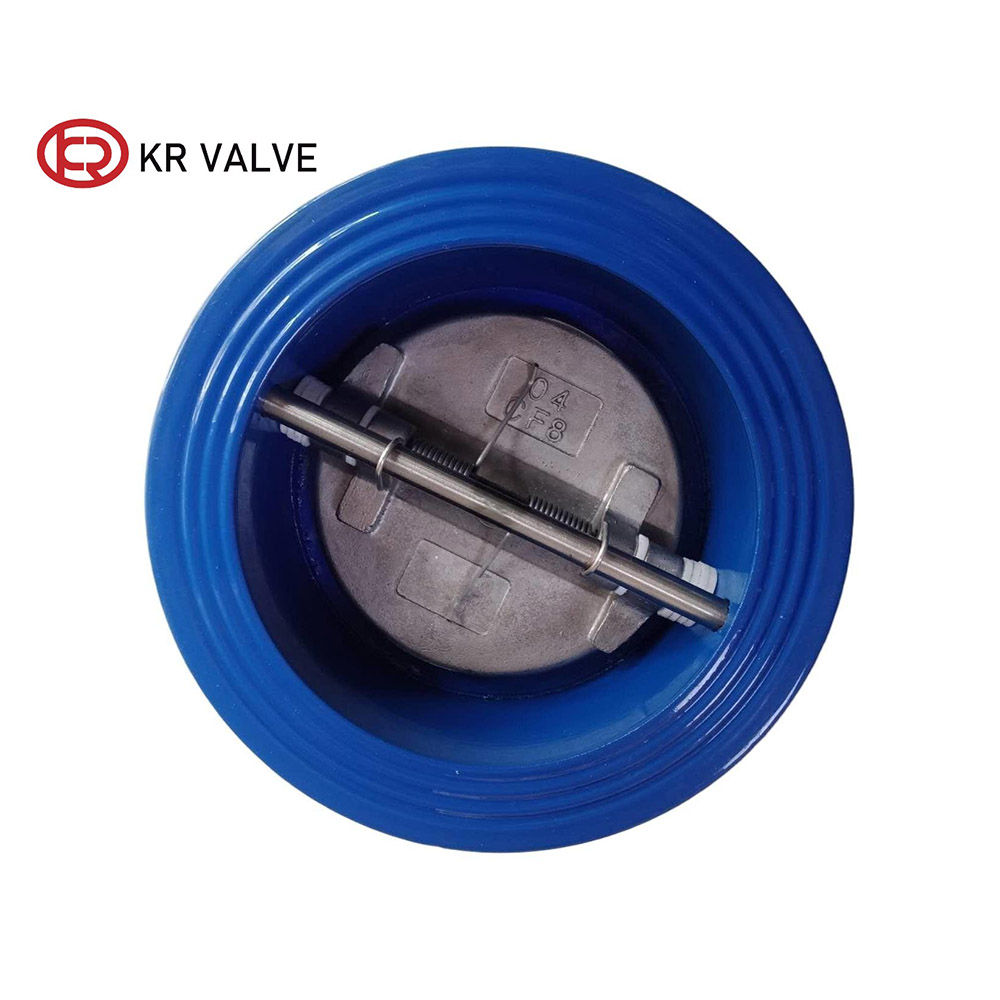
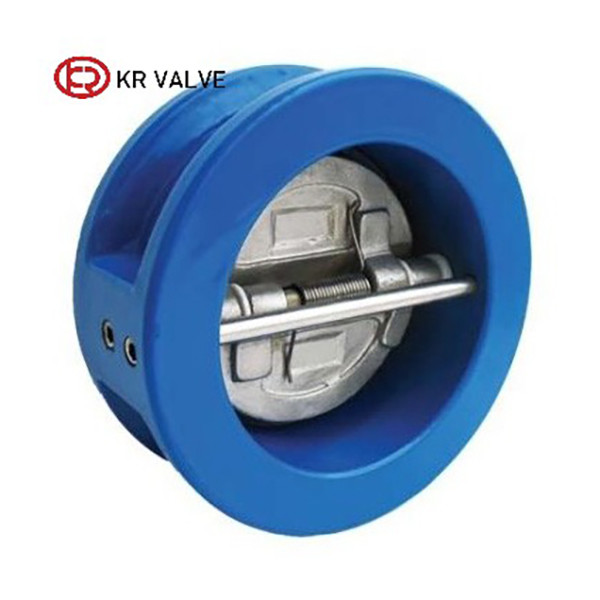
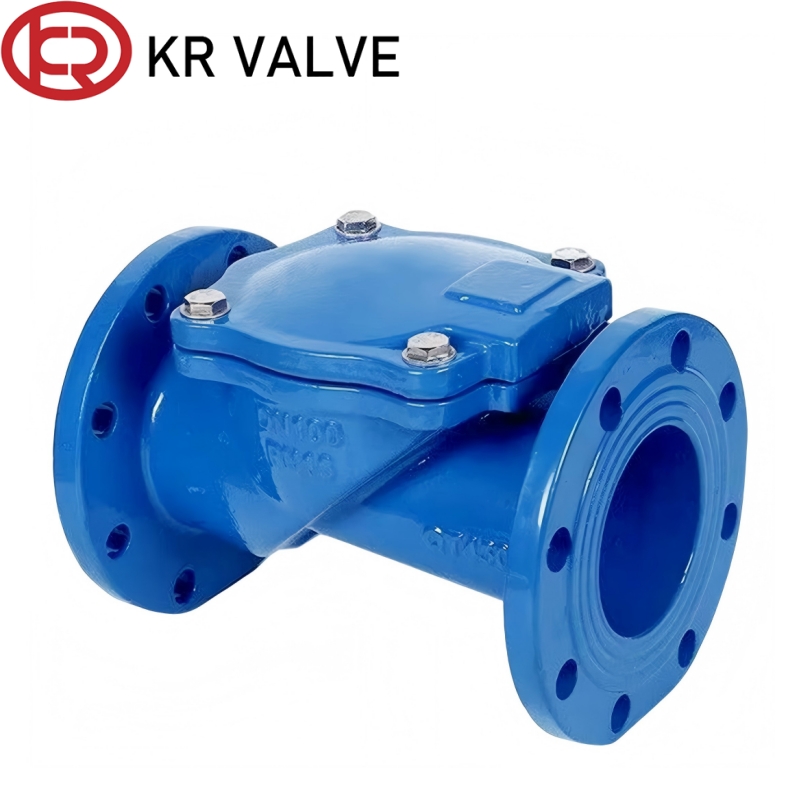
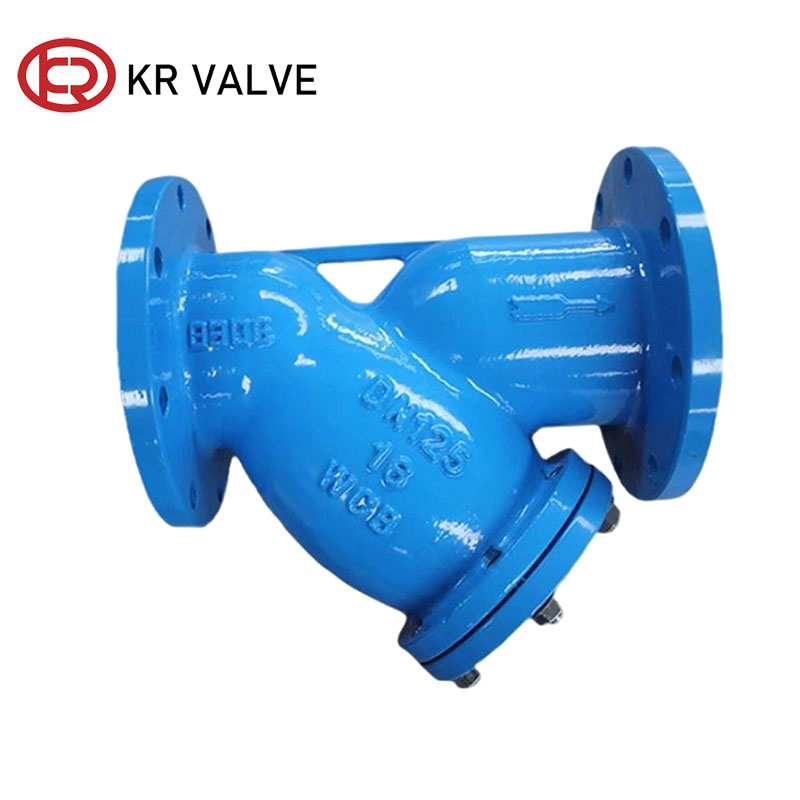
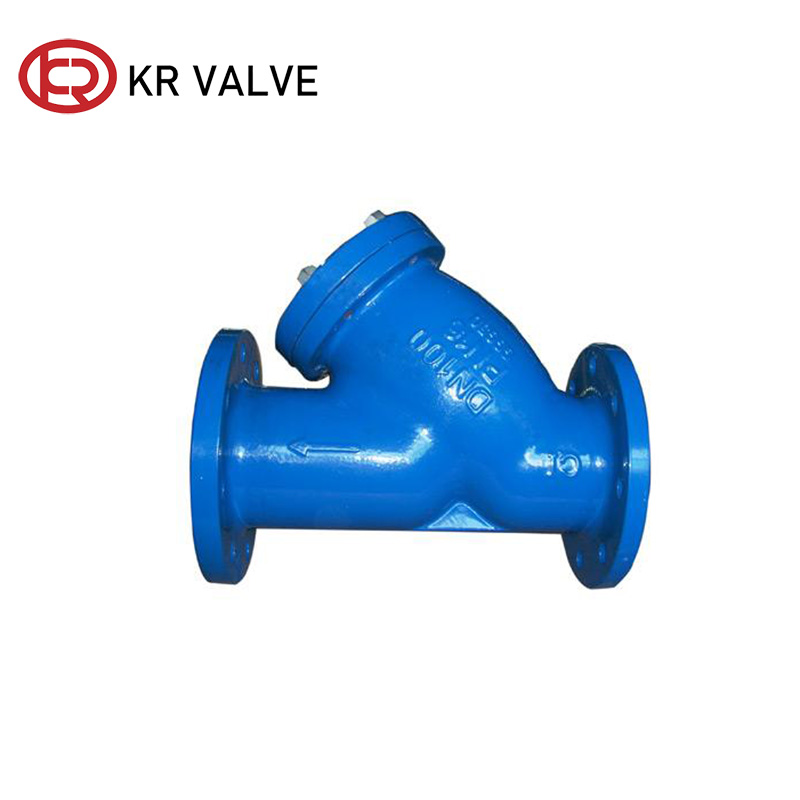
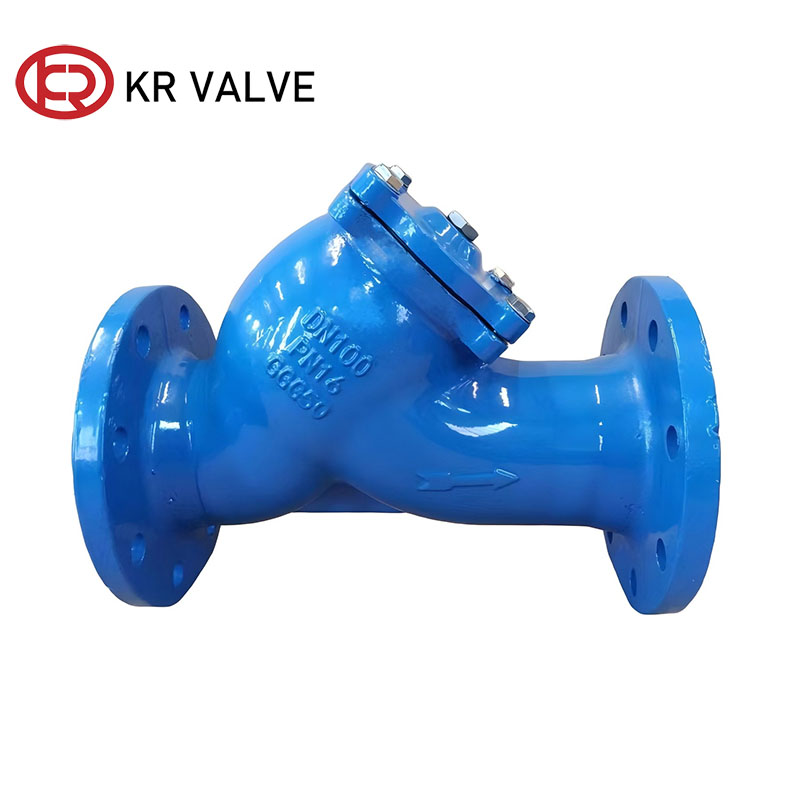
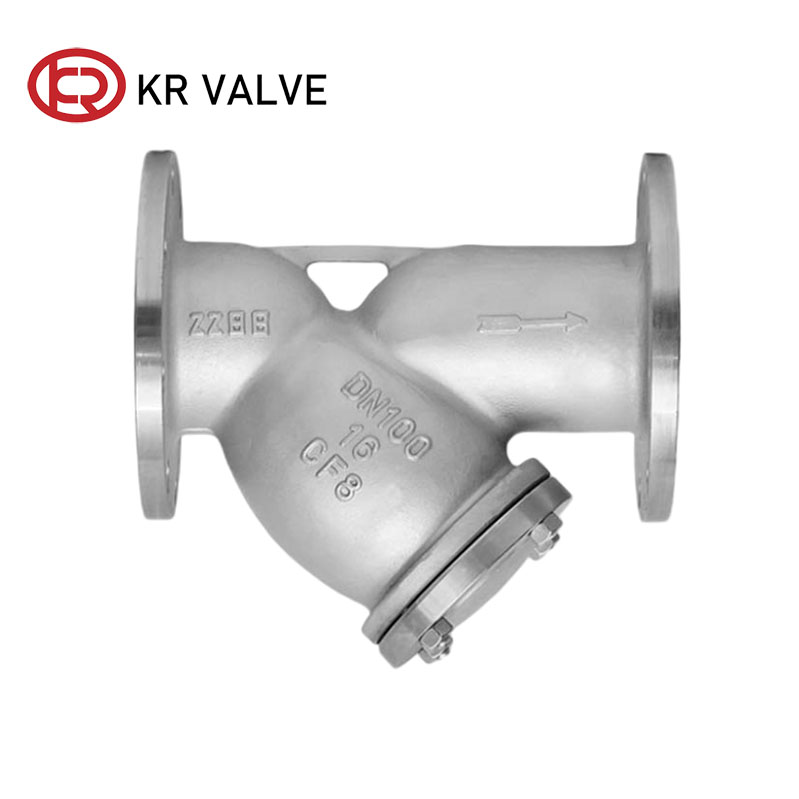
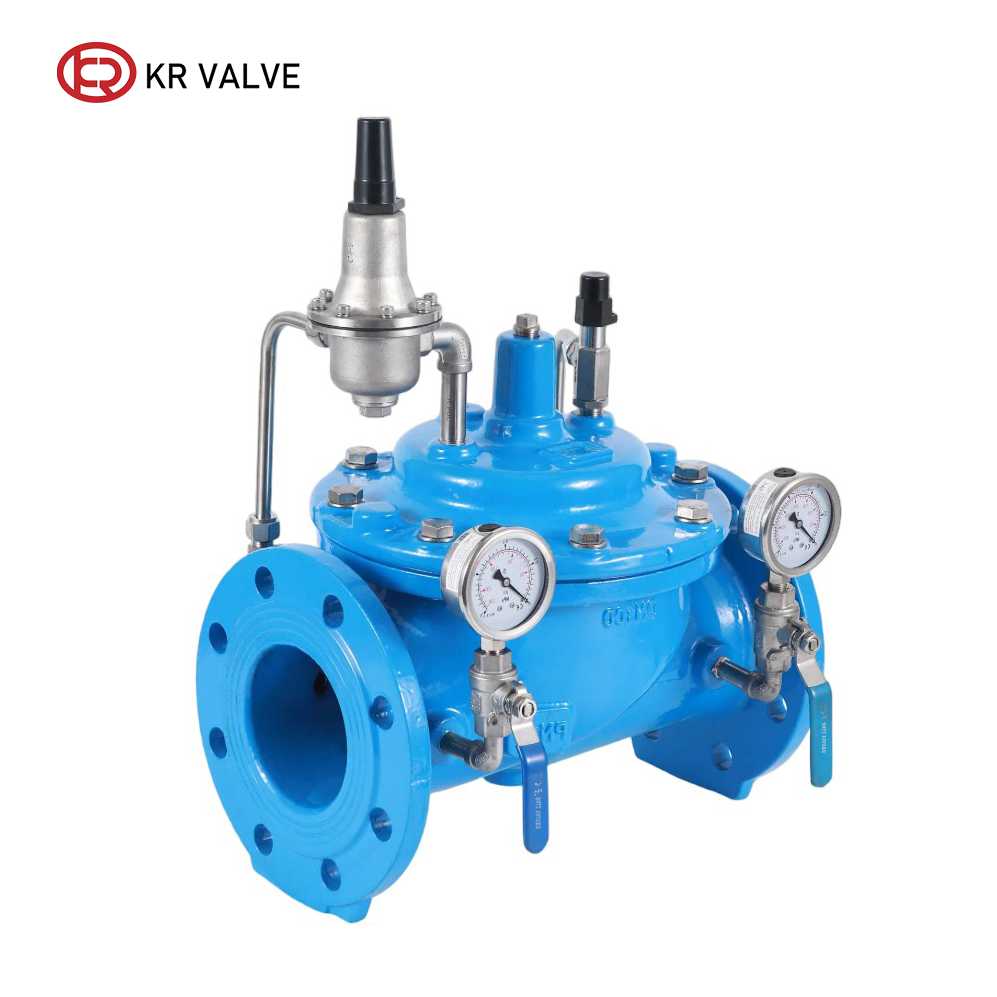
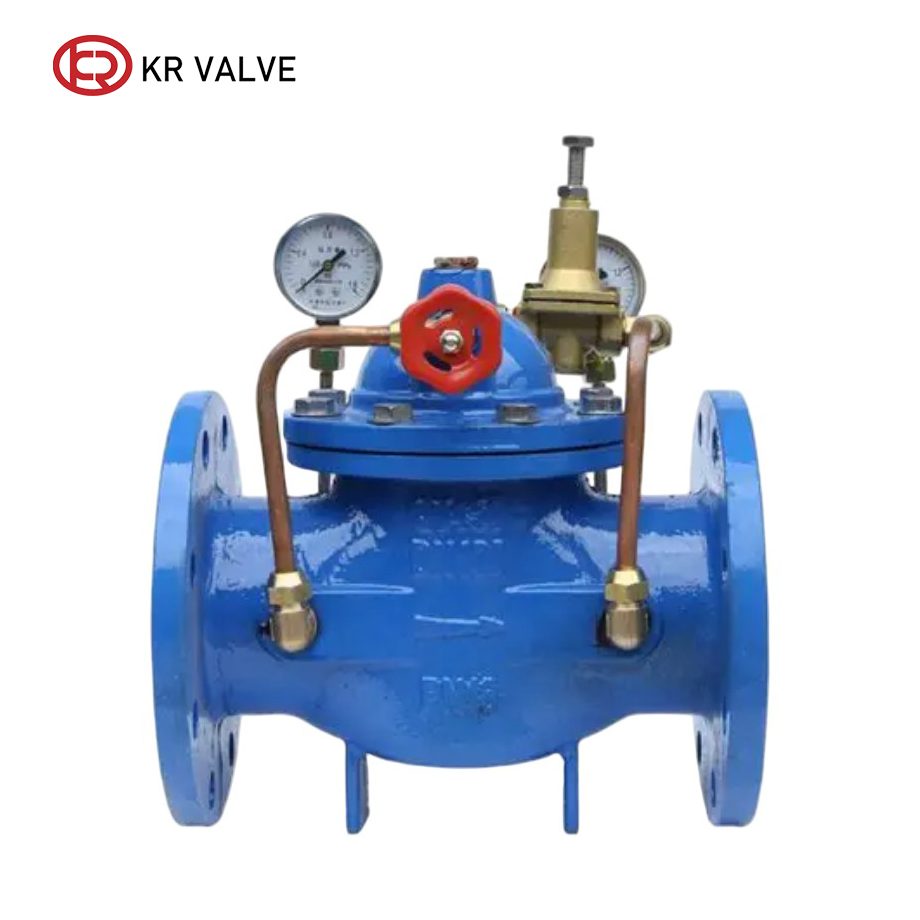
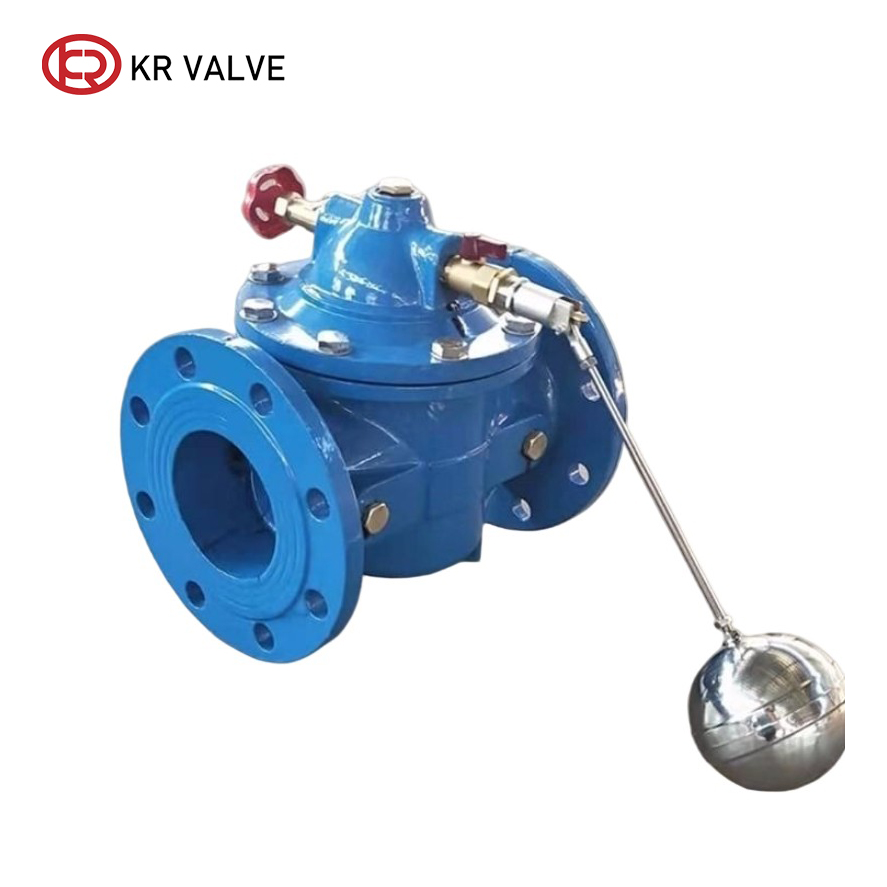
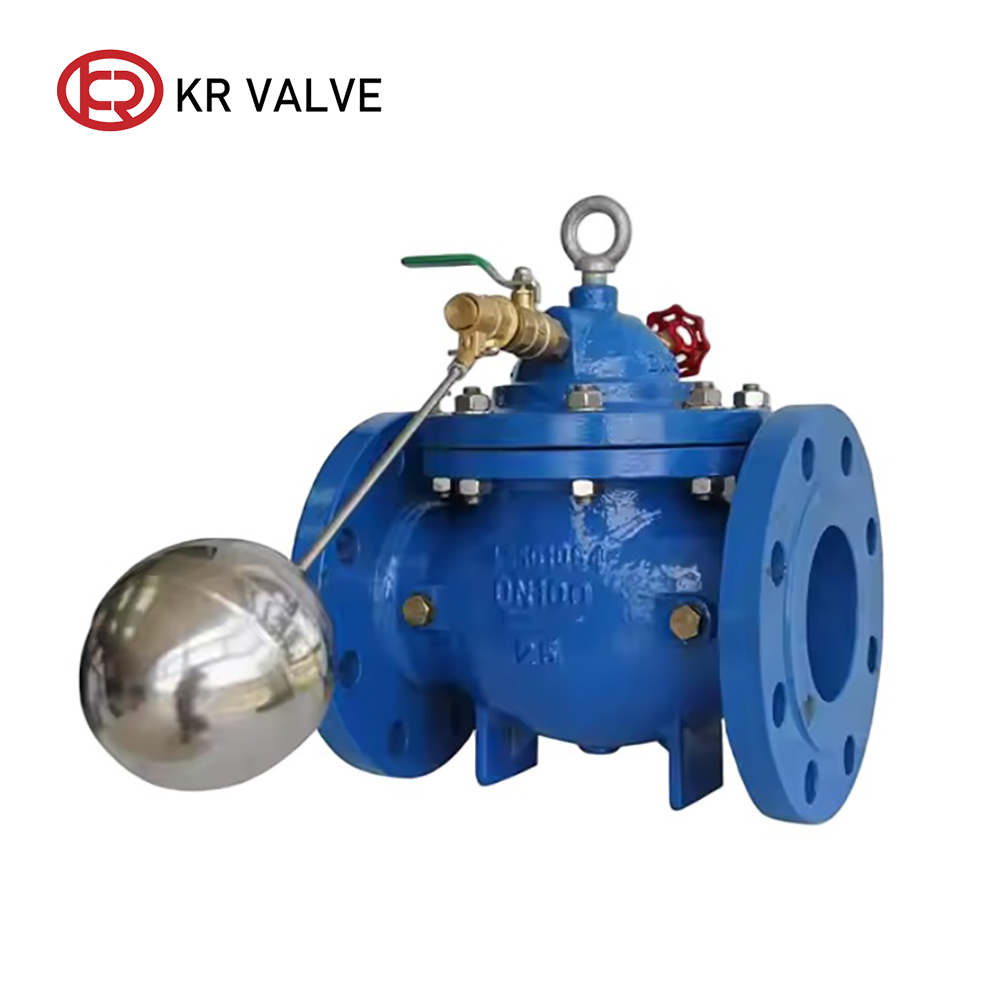
Direct technical answers addressing system installation, material selection, and maintenance practices.
Wafer-type butterfly valves are designed to fit between pipe flanges using through-bolts, making them lightweight, compact, and cost-effective. However, they cannot be used for end-of-line service. Lug-type butterfly valves feature threaded lugs around the body, allowing them to be bolted directly to each flange. This design enables downstream pipe maintenance while keeping the upstream side under full system pressure.
GGG40 ductile iron contains spherical graphite nodules, which prevent crack propagation and provide high tensile strength and ductility. Traditional grey cast iron features sharp graphite flakes that act as stress concentration points, making the material brittle and prone to catastrophic failure under hydraulic shocks or pressure spikes.
PTFE-lined valves are essential for handling aggressive acids, oxidizing agents, and corrosive industrial solvents. EPDM is an excellent, cost-effective choice for municipal water, HVAC systems, and mild wastewater services, but it degrades quickly when exposed to concentrated acids or hydrocarbons.
In a double eccentric configuration, the shaft is offset from the center of the valve body and disc. This causes the disc to lift quickly off the seat during the first few degrees of opening, minimizing friction and wear on the seal. As a result, operating torque is reduced and the service life of the valve seat is extended.
Under international standards like ISO 5208 and API 598, valves must undergo shell pressure testing (typically at 1.5 times the rated working pressure) to verify casting integrity, followed by low-pressure air and high-pressure water seat testing (at 1.1 times the rated working pressure) to ensure zero bubble-tight leakage.
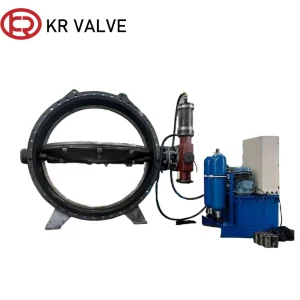
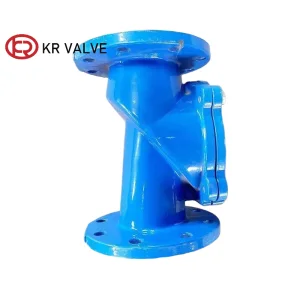
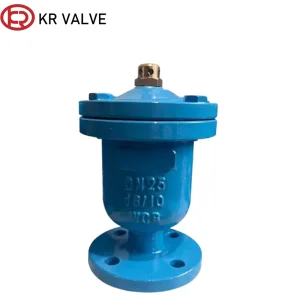
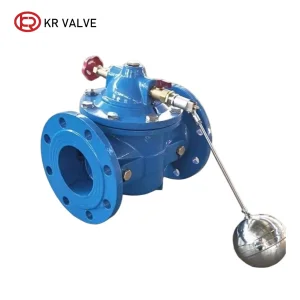
Explore our second selection of heavy-duty control, safety, and regulation valves for global engineering projects.
 KR VAVLE