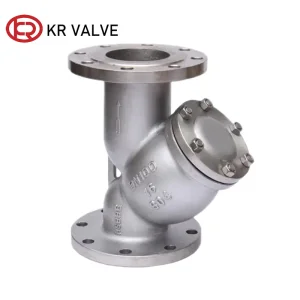
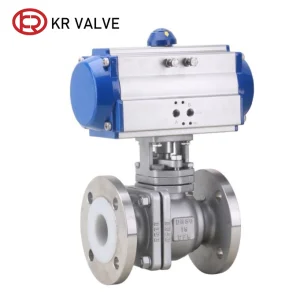
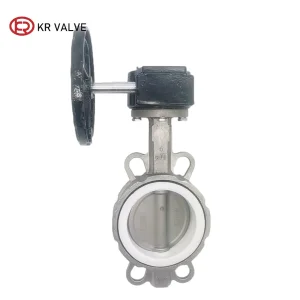
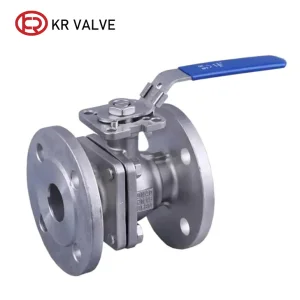
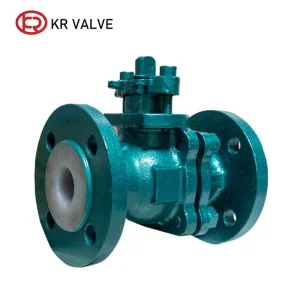
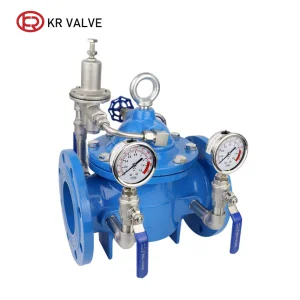
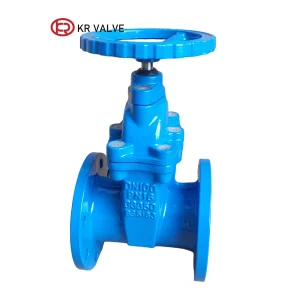
High-precision strainers, pneumatic valves, and standard-compliant industrial flow systems engineered for reliability.
In modern municipal hydraulic systems, regional water supply infrastructure, and chemical engineering pipelines, transient pressure fluctuations present severe operational risks. Among the core solutions designed to protect infrastructure from surge and column separation, the air release valve stands as an essential component. However, the integrity of an air release installation is directly determined by the connection mechanism itself—the air valve flange. As a critical linkage that bears the brunt of rapid pressure differentials, vibrations, and thermal expansions, selecting a robust air valve flange supplier is key to assuring structural stability and preventing catastrophic failures.
Air valves are placed at strategic high points along a pipeline to discharge accumulated air during normal operations, exhaust large volumes of air during initial pipe filling, and introduce massive volumes of air during pipe draining to prevent critical vacuum collapses. These dynamic operations generate massive kinetic energy and high velocities. When the air valve operates, the force acts directly upon the structural connection—the flange. A sub-standard flange or improper dimensional configuration results in uneven load distribution across the sealing gasket. Over time, constant thermal expansion and hydrodynamic vibration induce bolt loosening, seal degradation, and localized stress fractures. This highlights why global EPC contractors demand air valve flanges cast from premium-grade materials (such as GGG40 ductile iron or SS316 stainless steel) with high precision tolerances.
With over two decades of manufacturing leadership, KR Group delivers customized and standard valves for critical global installations.
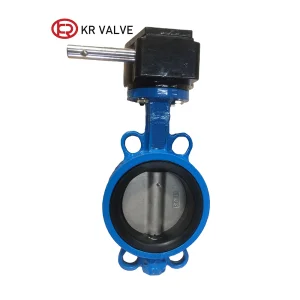
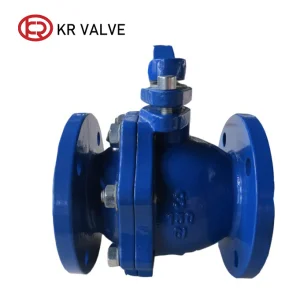
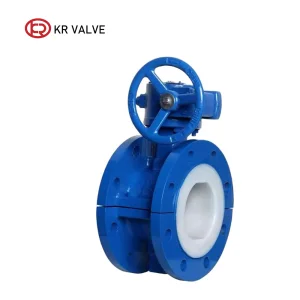
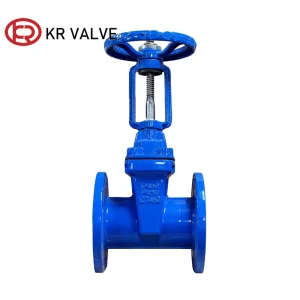
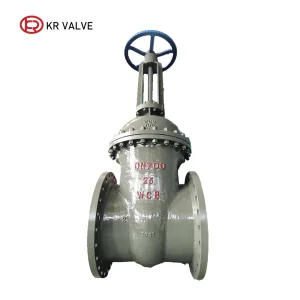
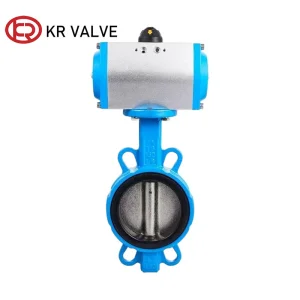
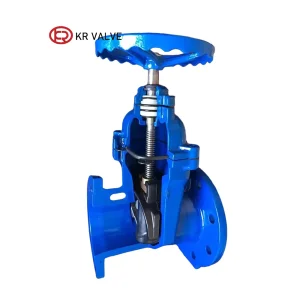
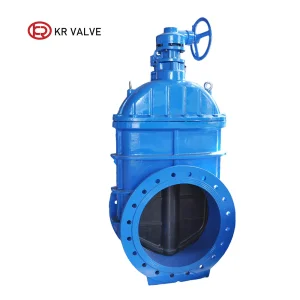
KR has more than 20 years of experience in producing standard and non-standard valves of various types. We supply a wide selection of over 500 valve products, including butterfly valves, gate valves, check valves, water control valves, as well as all their matching and accessory products. These products have applications in various industries such as water treatment, dam construction, commercial buildings, energy and heating, chemical engineering, etc. We have won high repeat purchase rates from customers with excellent product variety and quality.
Beyond product excellence, we are dedicated to creating a mutually beneficial partnership with every customer. We believe that reliable service is as crucial as superior products, and we strive to continuously optimize the customer experience to achieve long-term win-win cooperation. Today, KR VALVE’s products have been exported to over 50 countries and regions in Europe, Asia, Africa, and Oceania, providing project construction and brand marketing services to thousands of customers.
Industrial procurement managers face the complex task of securing high-quality, standard-compliant components while keeping total cost of ownership (TCO) low. In the context of large-scale water infrastructure and chemical manufacturing, sourcing air valve flanges directly from Chinese factories offers unmatched strategic advantages.
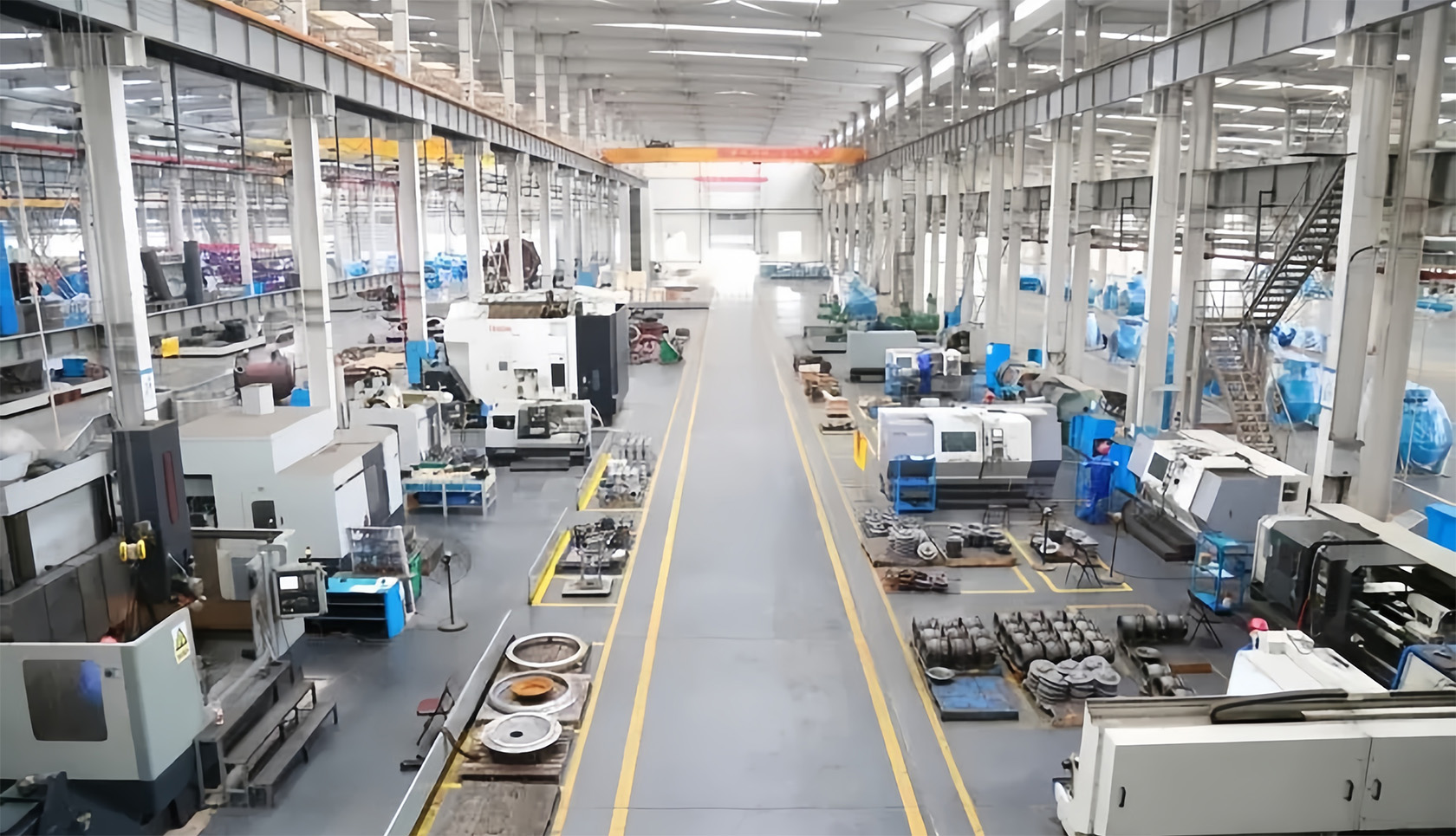
Chinese valve and flange manufacturers operate within highly concentrated industrial clusters. This geographical density enables complete vertical integration, from raw material smelting and precision sand casting to advanced CNC machining, surface coating (such as electrostatically applied epoxy resin), and automated pressure testing. This integrated workflow minimizes transport times, reduces production overhead, and eliminates intermediary markups. Sourcing from a partner like KR ensures that from raw steel to the final packaged flange, every step is executed under a unified quality management umbrella.
Modern Chinese valve manufacturing has evolved from basic mass production to high-tech metallurgy. Facilities utilize optical spectrum analyzers to verify alloy composition in real-time, ensuring cast iron, carbon steel, and stainless steel formulations align precisely with ASTM, BS EN, and DIN requirements. Electrostatically applied fusion-bonded epoxy coatings (FBE) are standardized, providing thick (≥250μm), corrosion-resistant barriers that withstand harsh chemical plants and high-salinity marine environments.
Unlike regional distributors with static inventory catalogs, a dedicated Chinese manufacturing partner can easily accommodate non-standard specifications. Whether your system requires customized flange face designs, unusual center-to-center distances, or specialized material combinations like super duplex steel or PTFE linings, direct-to-factory communication enables swift engineering, CAD validation, and rapid prototype casting.
How we guarantee zero-defect manufacturing from design concept to final physical testing.
Our dedicated R&D department drives continuous engineering innovation. Technicians design products to meet strict customer and market requirements, supported by a modern lab equipped for comprehensive testing to push performance boundaries. We offer 20 series and over 500 valve varieties.
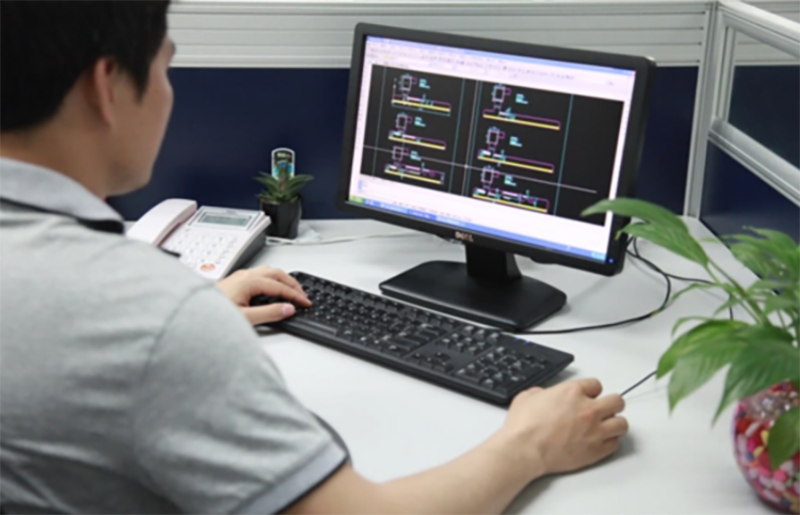
Our production department creates structured manufacturing plans to ensure prompt delivery times. All valves are built under strict quality supervision in accordance with the ISO-9001 system. We maintain over 30 advanced production machines to keep lead times short.
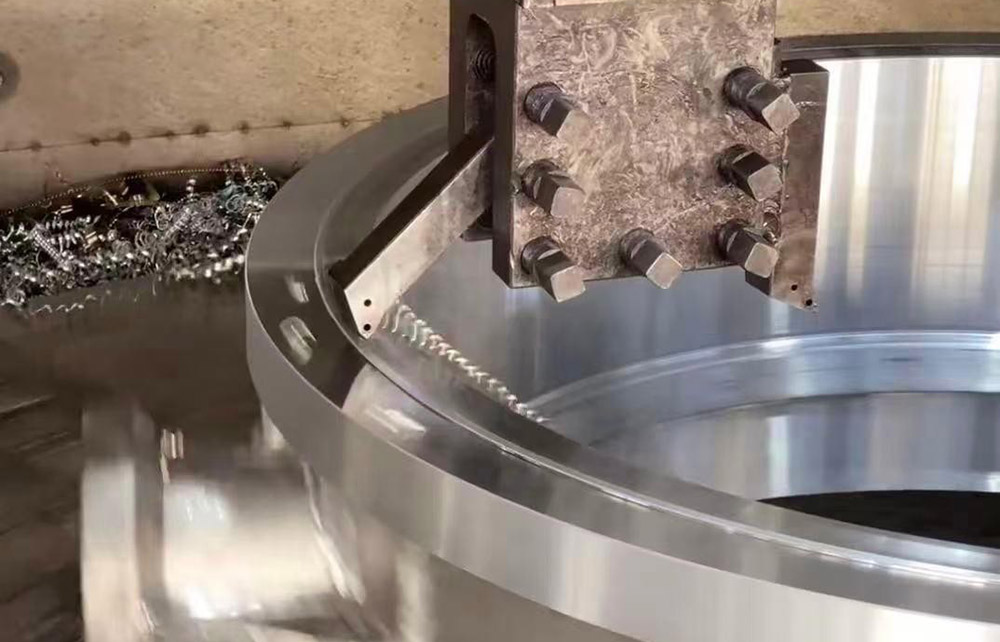
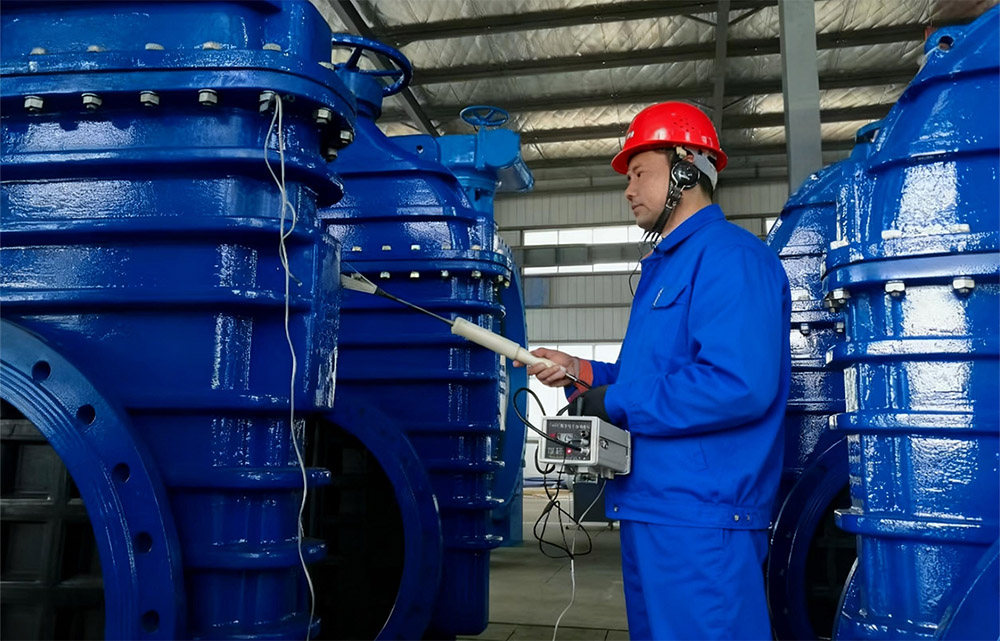
Our inspection team conducts rigid tests to achieve zero leakage. Following international standards, we execute a rigorous series of dimensional, structural, and hydrostatic pressure checks, issuing compliant reports for all batches before shipment.
The configuration of an air release valve and its flanged joint depends significantly on the specific environment in which it is installed. Sourcing engineers must evaluate localized parameters to prevent failures on-site.
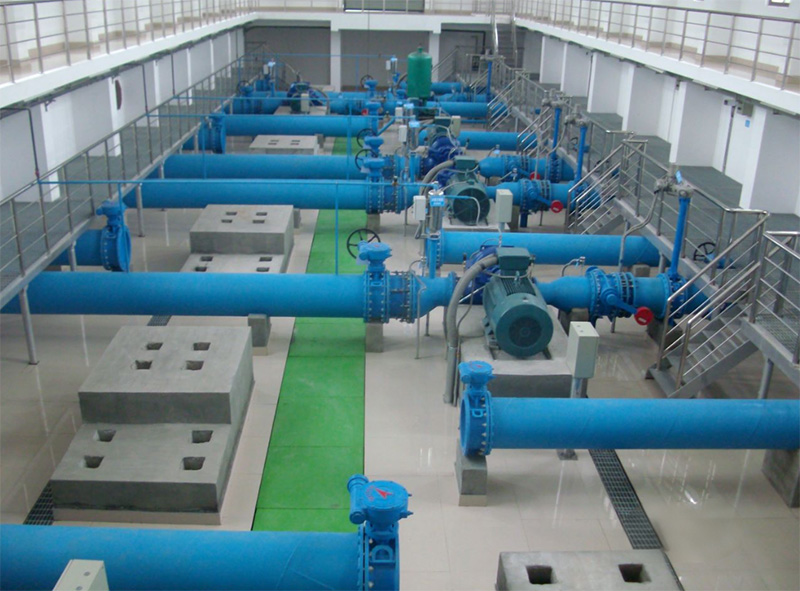
Within urban water systems, preventing microbial infiltration and secondary pollution is paramount. Air valve flanges must be coated with certified non-toxic coatings (such as WRAS-approved epoxy). Gasket materials require high stability EPDM components. Flange connections must remain perfectly sealed to prevent vacuum periods from drawing contaminated groundwater back into the municipal supply.
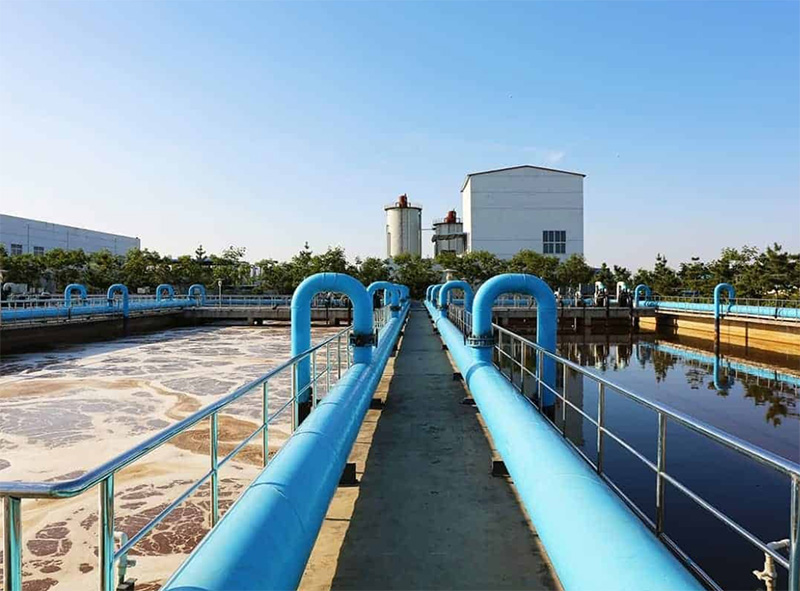
Wastewater contains abrasive particles, chemical solvents, and high biological activity generating corrosive gases like H2S. In these environments, standard cast iron flanges deteriorate rapidly. Engineers select stainless steel (SS316) air valve flanges or split WCB bodies with PTFE linings. The chemical inertness of PTFE combined with high-grade steel guarantees a long service life, reducing costly downtime in municipal sludge treatment plants.
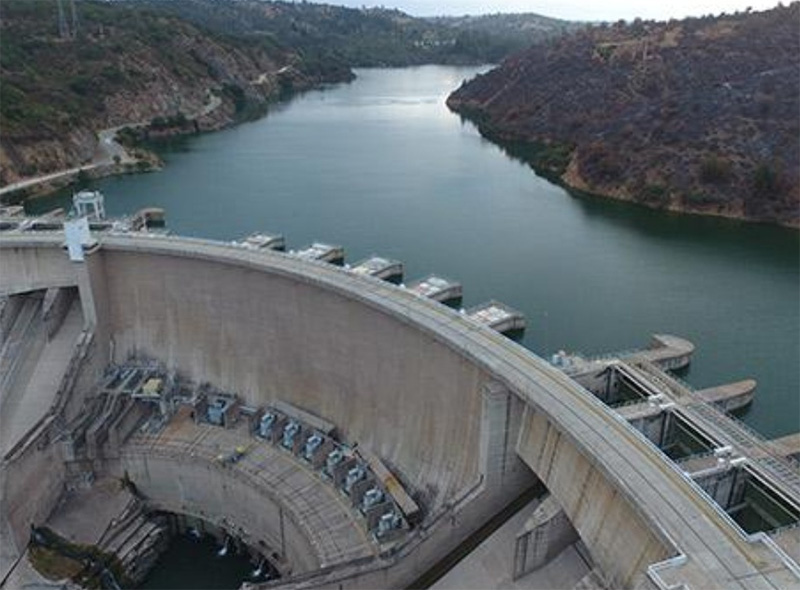
Dam infrastructure and trans-regional water corridors experience extreme, rapid pressure spikes. When massive water columns move down gravity pipelines, venting air pockets generates high kinetic impact forces. Here, flanges must adhere to high pressure ratings (PN25 or Class 300) with reinforced flange necks and structural bracing to prevent flange-to-pipe weld cracks.
Looking to the future, the fluid control industry is experiencing deep shifts. Major developments include the integration of IoT-enabled pressure sensors directly into the air valve assembly. These "smart valves" track localized pressure drops and air venting frequencies, transmitting diagnostic warnings to SCADA systems to forecast maintenance needs before failure occurs. Furthermore, green manufacturing requirements mandate lead-free metals, high-durability coatings, and low-friction valves that reduce energy loss and cut operational carbon footprints.
Engineered support, certified quality, and flexible production capabilities tailored to global businesses.
We maintain our independent brand 'KR' and provide comprehensive OEM capabilities, establishing long-term partnerships with major global names.
Our workshop features 15 advanced machining centers and organized assembly lines, managed by experienced production technicians.
We supply 20 product series comprising over 500 individual specifications, covering international standard and custom requirements.
From initial metal casting to final polishing, we inspect and track every part to construct a long-lasting, reliable product.
Through complete in-house manufacturing and supply chain optimizations, we control every cost variable, providing excellent pricing structures.
We offer specialized pre-sales technical design and responsive after-sales support to solve any hydraulic challenge.
Take an overview look at our physical processes, assembly stations, and testing labs.
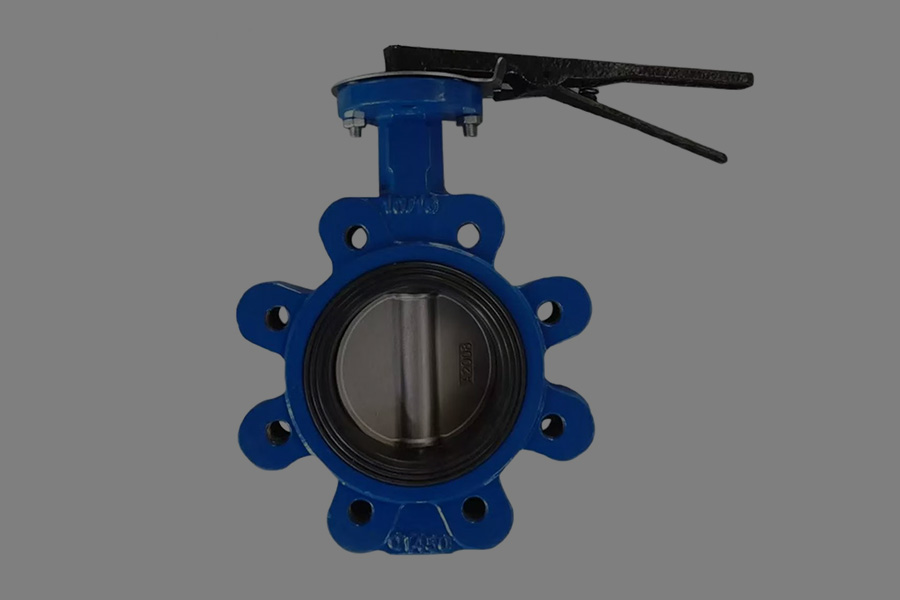
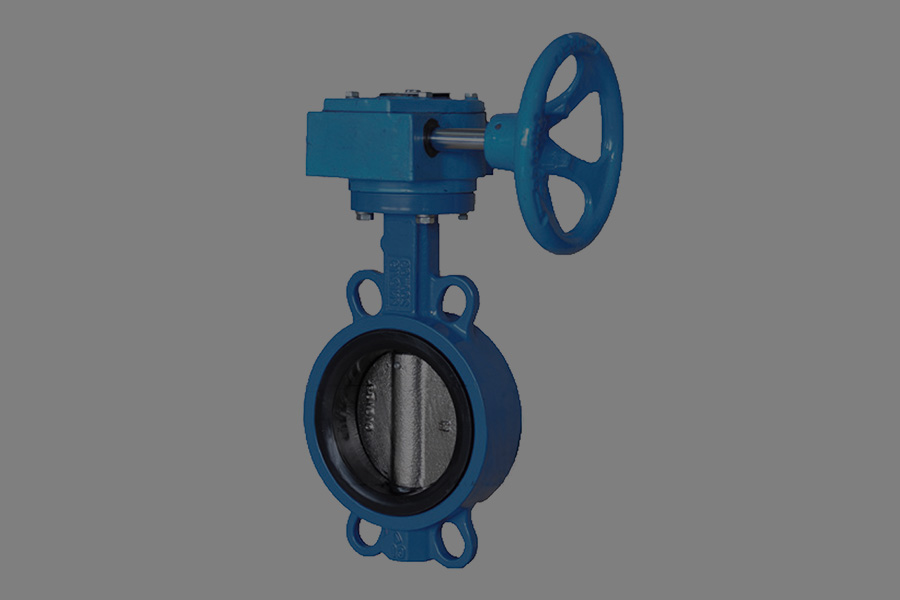
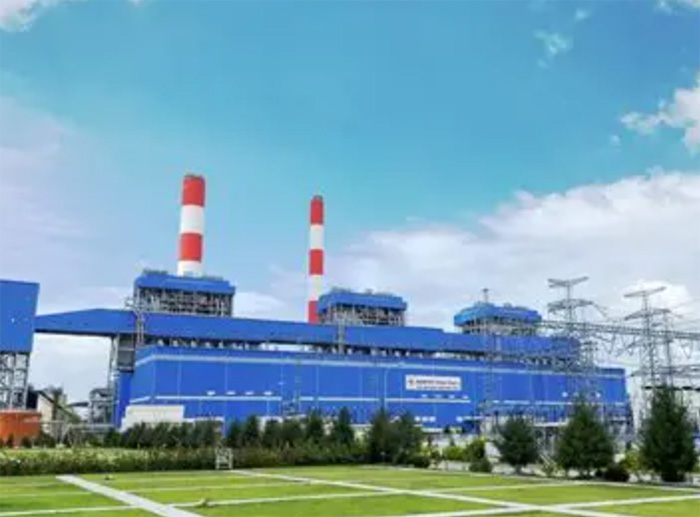
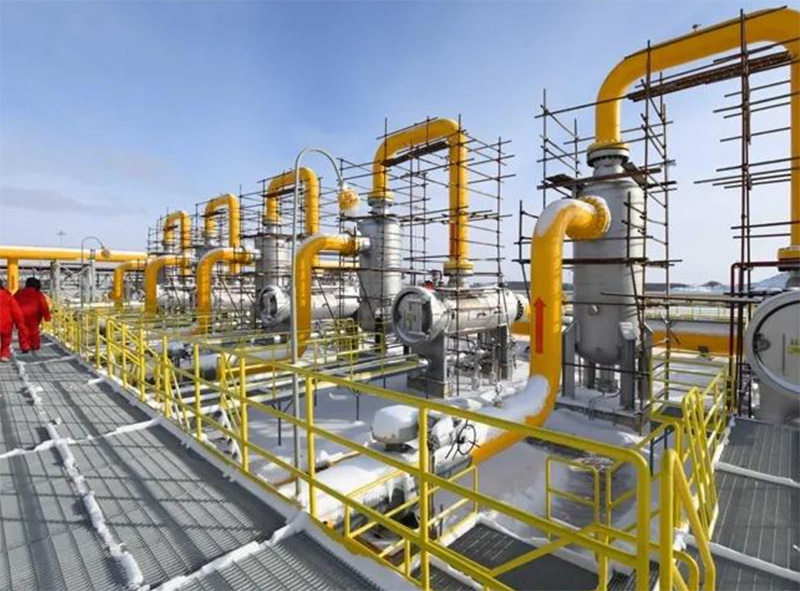
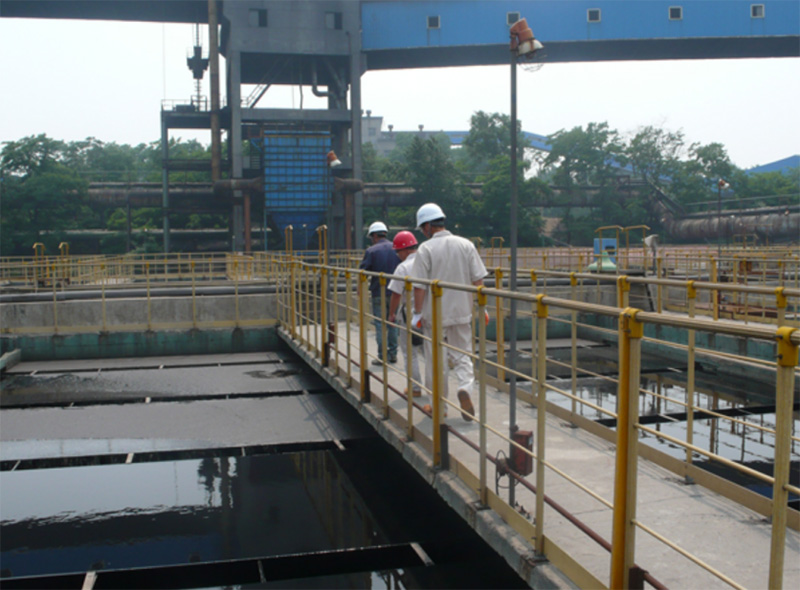
Delivering reliable, certified flow systems to key infrastructure developments globally.
Detailed engineering guidelines and questions answered by our technical specialists.
Further gate, check, and control valves to build complete fluid networks.
 KR VAVLE