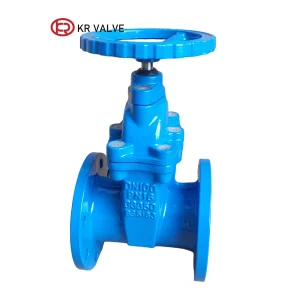
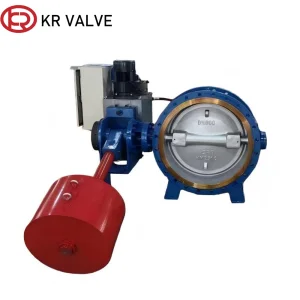
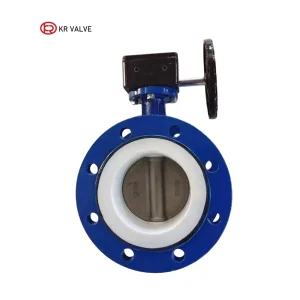
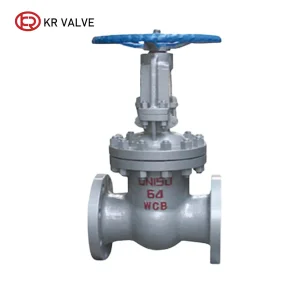
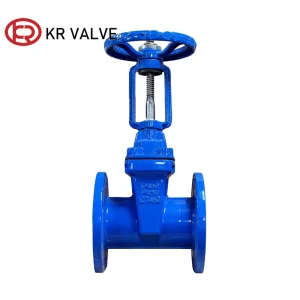
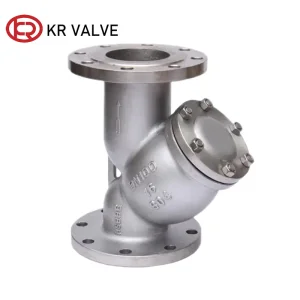
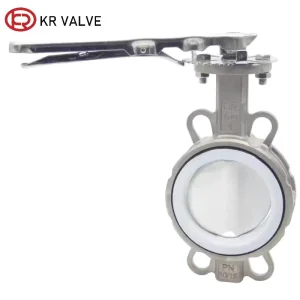
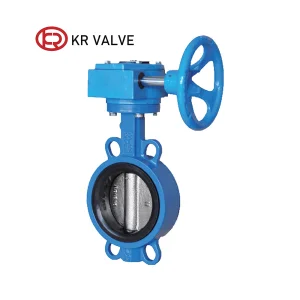
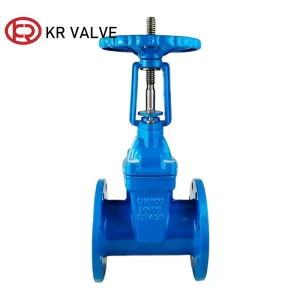
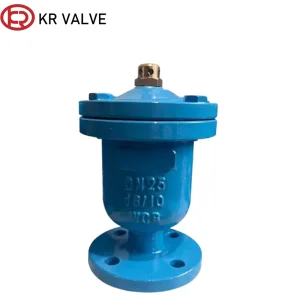
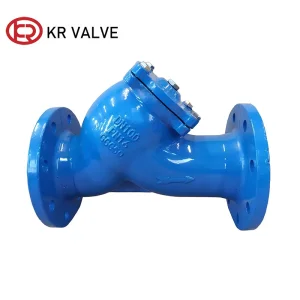
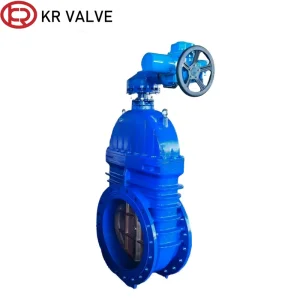
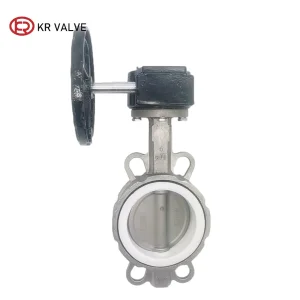
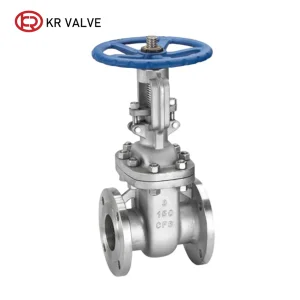
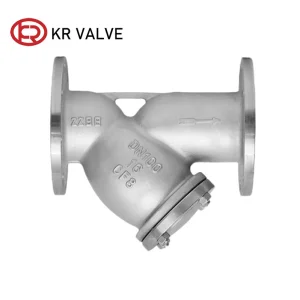
High-precision gate, check, strainers, and customized butterfly valves configured for zero-leakage performance under extreme conditions.
In modern industrial pipelines, flow regulation and isolation demand uncompromising structural integrity, material longevity, and pressure containment. The wafer butterfly valve represents a pinnacle of compact design, utilizing a rotary disc mechanism to govern fluid dynamics. Unlike bulkier gate or globe valves, the wafer profile is designed to slide directly between standard pipe flanges, secured by through-bolts. This structure significantly limits physical footprint, reduces line stress, and allows rapid installation, making it highly preferred in diverse manufacturing environments.
At KR Valve, we leverage over 20 years of custom engineering to supply top-tier soft-seated and metal-seated wafer butterfly valves. The selection of materials, disc shape, and actuator torque is highly complex. Our engineers calibrate flow coefficients (Cv) to minimize pressure drop and fluid turbulences. Selecting the correct wafer butterfly valve variant—ranging from concentric elastomer-lined setups to advanced eccentric offset variations—directly determines system uptime and process performance in environments like high-pressure wastewater plants, chemical refining lines, or municipal supply grids.
Industrial wafer butterfly valves are designed in accordance with rigorous global quality frameworks. Chief among these are API 609 (design specs), ASME B16.34 (pressure-temperature ratings), and EN 593. Our manufacturing plants maintain tight tolerances during the casting and machining processes, ensuring concentric alignment of the valve stem and seat face.
Depending on the chemical composition and temperature of the media, we offer custom-tailored polymer linings. In wastewater and mild chemical pipelines, EPDM (Ethylene Propylene Diene Monomer) soft-seals provide resilient tight-shutoff capabilities. For corrosive acids, petroleum derivatives, and higher temperature thresholds, our PTFE (Polytetrafluoroethylene) lined configurations deliver optimal chemical inertness and zero-leakage operation.
The longevity of a wafer butterfly valve depends on material selection. Below is an engineering guide to help you choose the right valve configuration based on your application environment.
| Body/Disc Material | Seat Liner | Nominal Pressure | Temp. Range | Target Media Applications |
|---|---|---|---|---|
| Ductile Iron (GGG40/50) | EPDM (Resilient) | PN10 / PN16 / Class 150 | -20°C to +120°C | Potable Water, HVAC, HVAC Condensates, Sludge handling |
| Cast Steel (WCB) | NBR (Nitrile) | PN16 / PN25 | -10°C to +90°C | Oils, Gas, Petroleum fractions, air lines |
| Stainless Steel (CF8 / CF8M) | PTFE / PTFE-Lined | PN16 / PN25 / Class 150 | -40°C to +200°C | Highly corrosive chemicals, acids, food processing |
| Super Duplex / SS316 | Metal-to-Metal | PN40 / Class 300 / Class 600 | -50°C to +450°C | High pressure steam, abrasive slurries, mining slurry |
For demanding industrial configurations, a double eccentric or triple eccentric structure is often recommended instead of concentric configurations. This design minimizes contact between the seat and disc during rotation, reducing friction and extending the lifetime of the sealing elements.
How KR ensures precision and zero-defect quality across every phase of the manufacturing process.
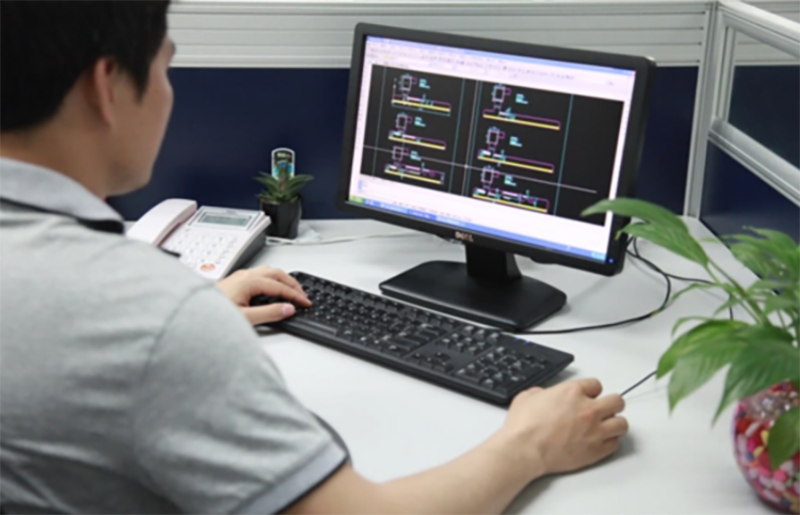
Our dedicated R&D department drives continuous product design and innovation.
Technicians continuously design and develop products that meet customer and market requirements. Our laboratory provides advanced testing capabilities to verify and improve valve performance. We now offer over 20 distinct series and 500 varieties.
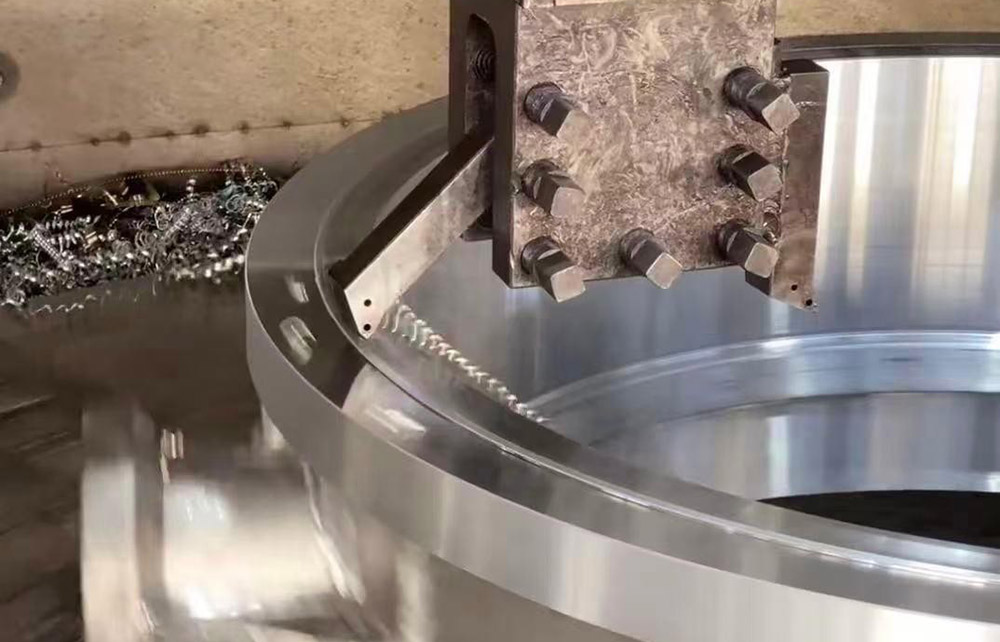
Our production team schedules and manages manufacturing steps to guarantee on-time delivery.
All products are manufactured under strict supervision in accordance with the ISO-9001 quality management system. With more than 30 advanced production machines, we update inventory monthly to ensure prompt delivery.
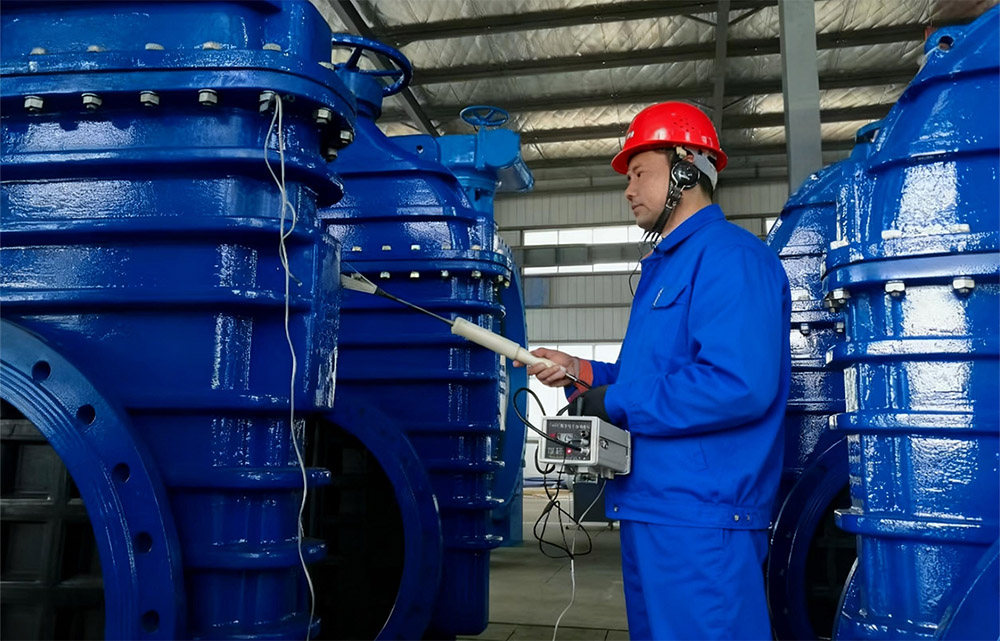
Our inspection department performs comprehensive quality checks on all outgoing products.
Our guiding principle is zero-leakage performance. In compliance with international quality inspection standards, we run rigorous tests covering physical appearance, structural dimensions, and pressure ratings.
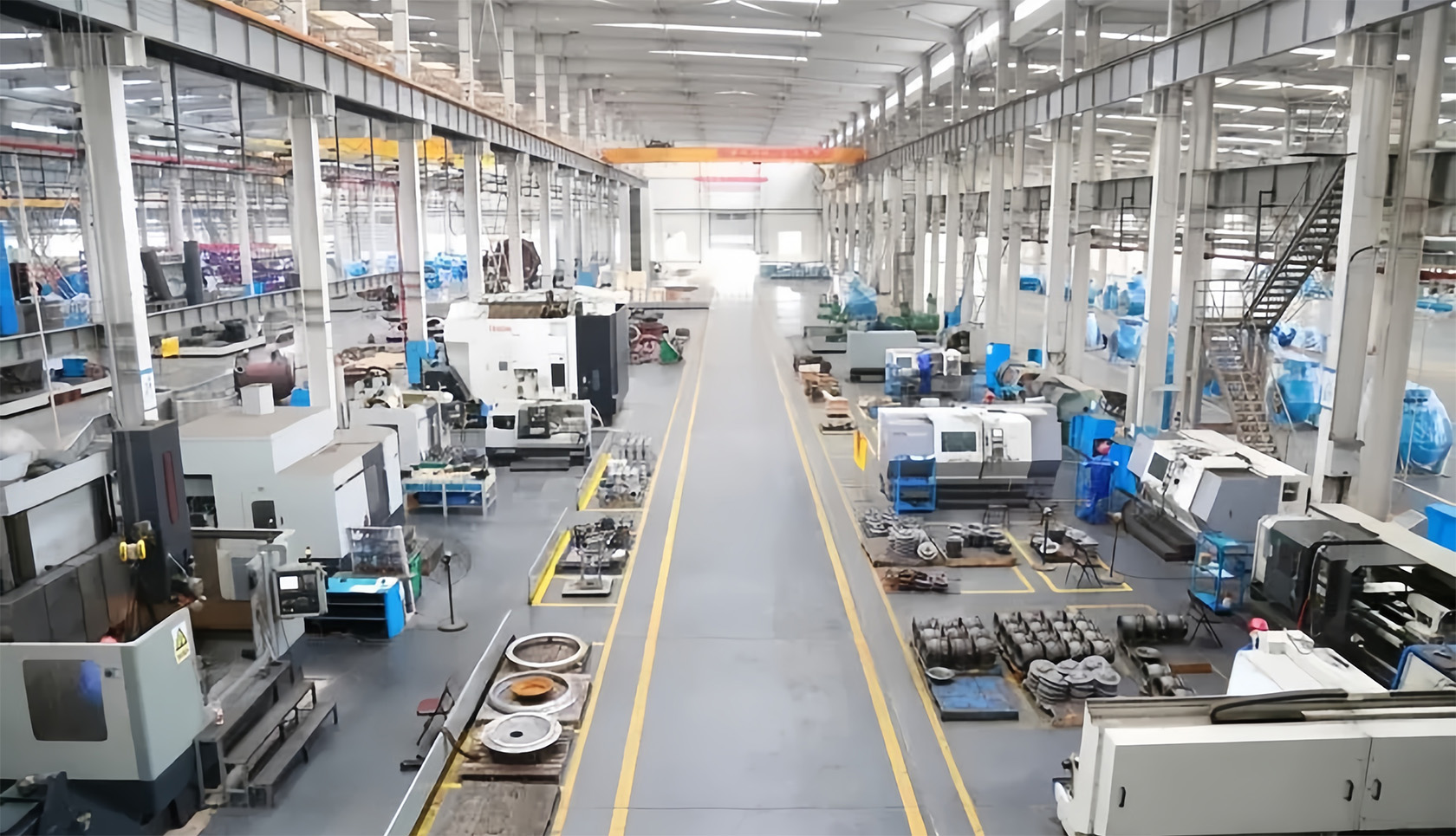
The global industrial valve market requires a combination of high production capacity and consistent product quality. KR Valve's primary manufacturing facility in China acts as a reliable node in our supply chain. Our casting lines and CNC processing centers handle complex machining tasks with high efficiency. By managing raw materials, sand molding, shell casting, and CNC turning in-house, we reduce the pricing volatility typically associated with external subcontractors.
With 15 machining systems, automated testing benches, and assembly lines, we can easily ramp up production for large projects without compromising quality. This vertical integration allows us to keep lead times short, providing a key advantage for projects with tight schedules. Additionally, our location near major international ports simplifies logistics, allowing us to export to over 50 countries across Europe, Asia, Africa, and Oceania.
Through close cooperation with global raw material suppliers, we maintain steady stock levels of key alloys like WCB cast steel, CF8/CF8M stainless steel, and high-purity EPDM/PTFE liners. This approach minimizes production delays and ensures consistent component quality.
Why industrial distributors and EPC contractors choose KR Valve as their long-term supply partner.
We supply products under our own independent "KR" brand and provide extensive OEM services, establishing long-term relations with leading global brands.
Our workshop is equipped with 15 advanced machining machines and multiple assembly lines staffed by highly experienced technicians.
With 20 series and over 500 product varieties, we supply both international standard designs and non-standard custom valves.
We supervise the production of each individual component, ensuring they assemble into reliable and precise finished valves.
By managing our internal operations and production steps efficiently, we are able to offer competitive pricing on all products.
We provide professional consulting and support throughout the lifecycle of your project, from initial inquiry to final installation.
The flow control industry is shifting toward automated, low-emission, and smart pipeline networks. At KR Valve, we are focused on developing the next generation of industrial valves to support these evolving demands.
We are integrating digital sensors into our actuator mountings to track real-time changes in torque, pressure drops, and seal wear. This allows operators to identify potential issues and plan maintenance before failures occur, minimizing downtime.
To support global sustainability goals, our R&D team is working on low-emission stem seals. These designs aim to prevent fugitive emissions of volatile compounds, making them suitable for chemical plants and gas distribution networks.
We are testing thermal-spray coatings and specialized composite polymer seats to improve performance in harsh conditions, such as desalination plants, chemical processes, and high-pressure steam systems.
Watch our manufacturing lines and testing procedures in action.
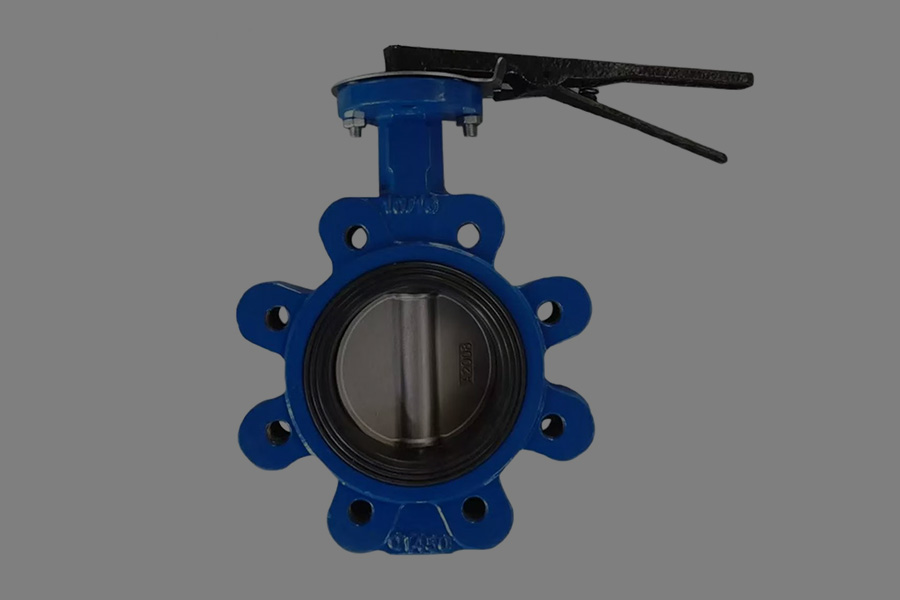
Machining & Valve Assembly Tour
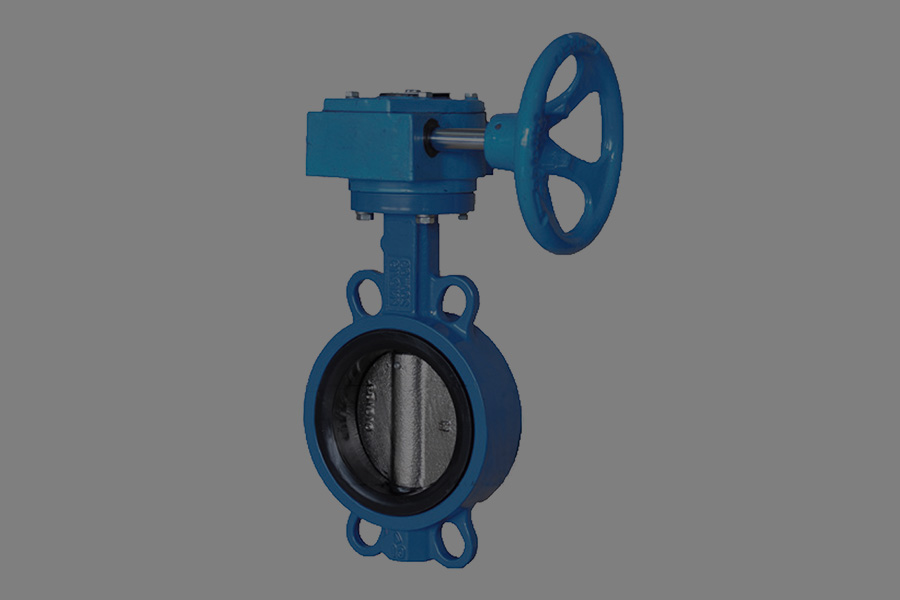
Pressure testing and Zero Leakage Inspection
Our valves are deployed in critical municipal, industrial, and infrastructure projects worldwide.
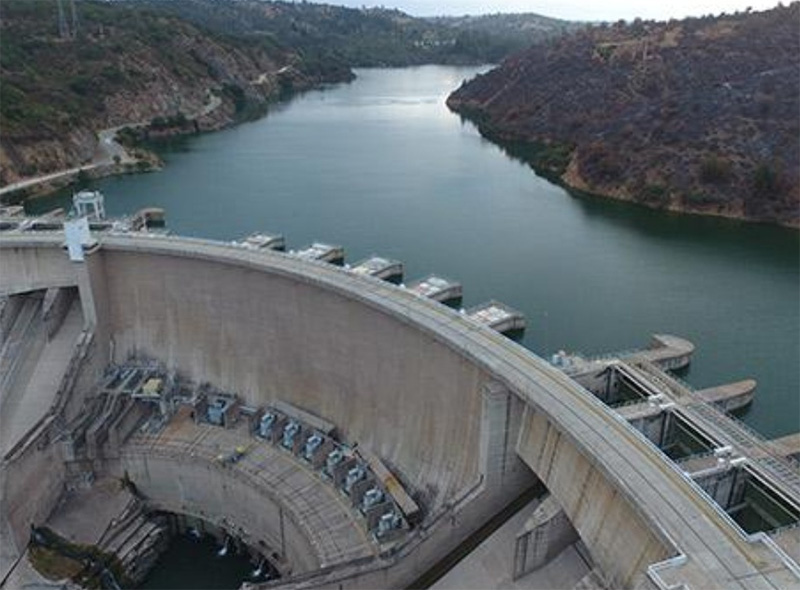
KR supplied a complete package of specialized water control valves designed to handle high-velocity flows and control pressure variations at a hydro-generation site in Chile.
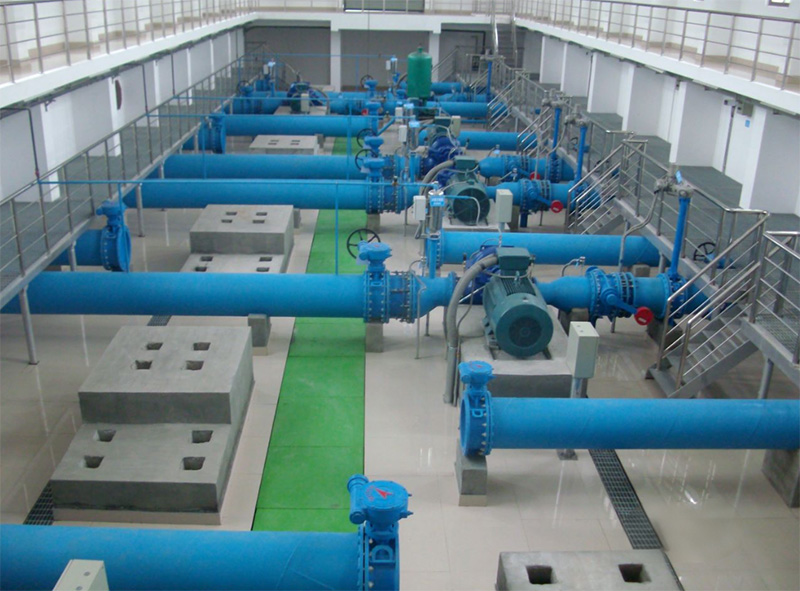
We manufactured and delivered large-diameter concentric wafer butterfly valves and high-flow check valves to municipal water purification systems in Italy, meeting European safety standards.
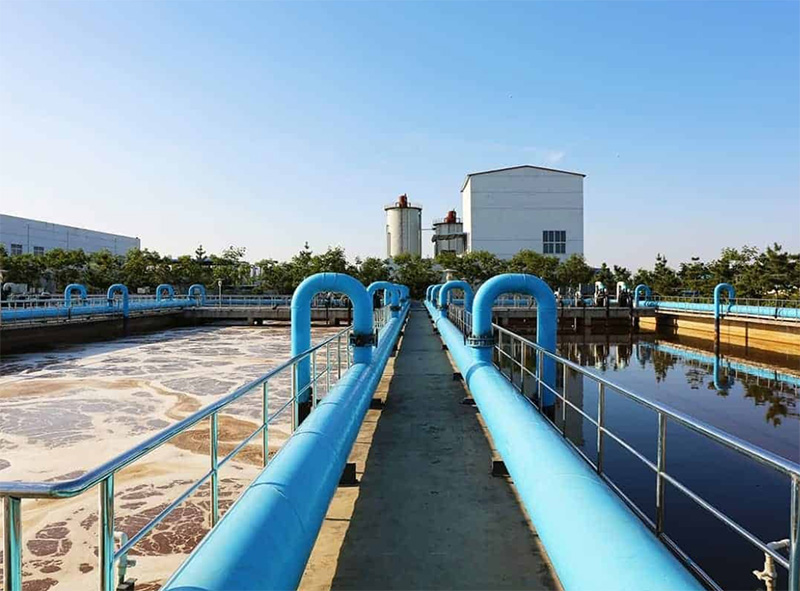
Supplied heavy-duty wafer butterfly valves and gate valves with reinforced EPDM seats to process abrasive sludge mixtures at a major agricultural waste facility.
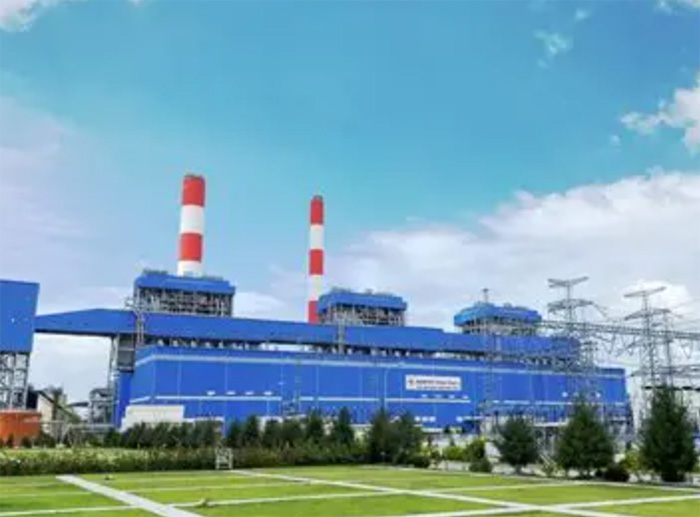
Designed custom stainless steel (CF8M) valves with chemical-resistant PTFE linings, ensuring reliable service in highly acidic waste streams.
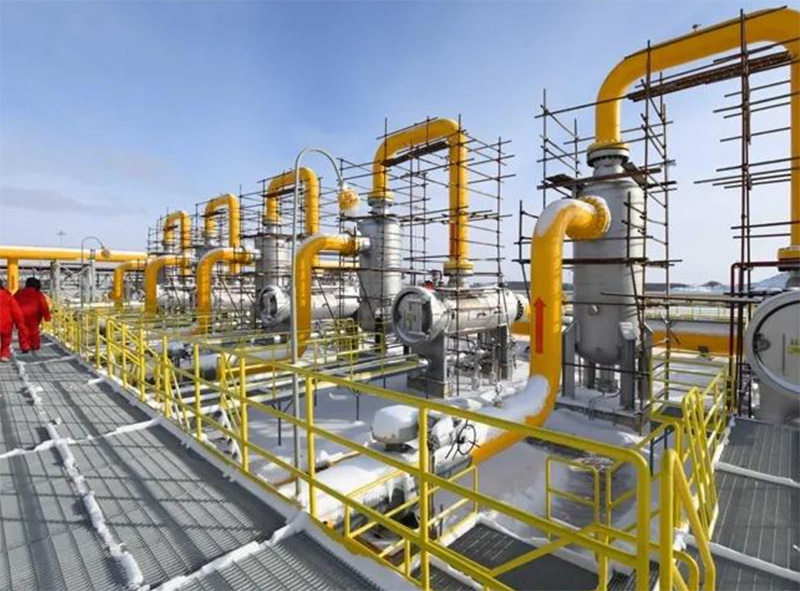
Provided low-temperature carbon steel gate valves and high-pressure ball valves designed to maintain reliable seals in cold climates.
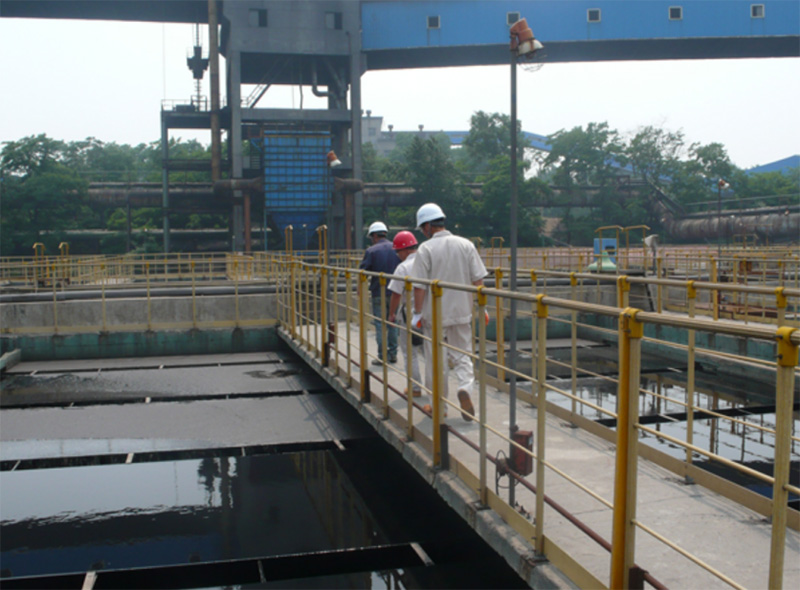
Delivered resilient-seated water control valves and accessory kits to municipal sewage pipelines, improving flow regulation and system uptime.
Operating in different regions requires adherence to diverse technical standards and regional certifications. Valves must satisfy local safety and regulatory frameworks to be approved for use in municipal and industrial projects.
In North America, wafer butterfly valves must meet API 609 design codes, AWWA C504 standards for water utilities, and NSF/ANSI 61/372 certifications for clean drinking water. In Europe, valves must comply with the Pressure Equipment Directive (PED) 2014/68/EU, carry the CE mark, and use materials approved by local drinking water regulations such as WRAS (UK), DVGW (Germany), or ACS (France).
We work closely with local engineering teams to customize valve dimensions, select appropriate flange drillings (ASME, EN, JIS, or BS), and provide the documentation and test certificates needed to streamline local regulatory approvals.
Technical answers to help you select, install, and maintain wafer butterfly valves.
Wafer butterfly valves are installed between pipe flanges with long through-bolts that span the entire length of the valve body. Lug valves feature threaded inserts (lugs) on the valve body, allowing downstream piping to be disconnected while leaving the upstream side pressurized for system maintenance.
Our high-cycle wafer valves use dual shaft bearings to reduce lateral movement and a self-adjusting V-ring stem packing system. This design maintains pressure on the seals, ensuring bubble-tight shutoff even after thousands of operations.
EPDM is suitable for water, mild glycol mixtures, and general utilities at temperatures up to 120°C. PTFE should be chosen for corrosive chemicals, strong acids, hydrocarbons, or higher temperature applications up to 200°C.
Yes, resilient-seated wafer butterfly valves work well for throttling flows, particularly when operated between 30° and 70° open. However, continuous throttling near the closed position should be avoided to prevent accelerated seat wear and cavitation.
Additional standard and custom valve designs engineered for reliable pipeline service.
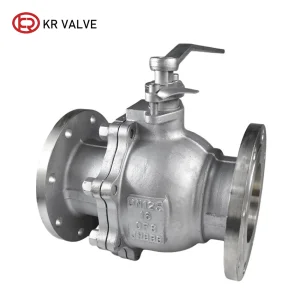
KR brings over 20 years of experience to the design and production of standard and non-standard valves. We manufacture and supply a comprehensive selection of more than 500 valve products, including butterfly valves, gate valves, check valves, water control valves, and their matching accessories.
Our valves are utilized in major industrial applications, including water treatment plants, dam construction, commercial buildings, energy and heating systems, and chemical engineering facilities. Focusing on reliability and performance, we have built long-term partnerships and earn repeat business from clients worldwide.
We prioritize customer support alongside product quality, optimizing our service to foster successful, long-term cooperation. Today, KR products are exported to over 50 countries across Europe, Asia, Africa, and Oceania, providing project construction and brand marketing support to thousands of customers.
 KR VAVLE