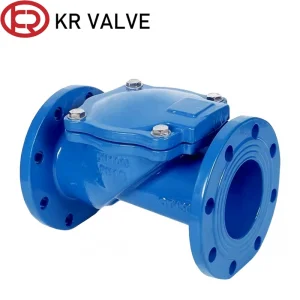
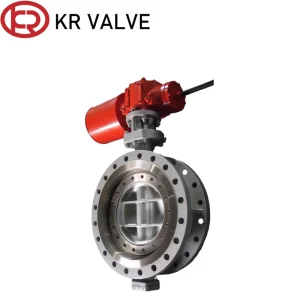
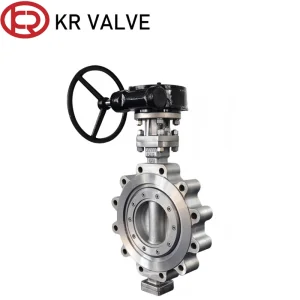
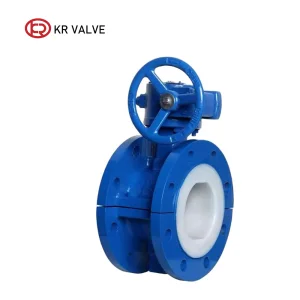
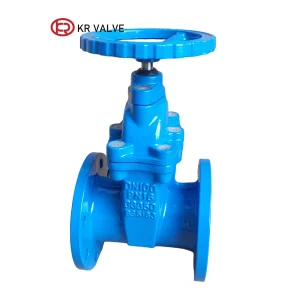
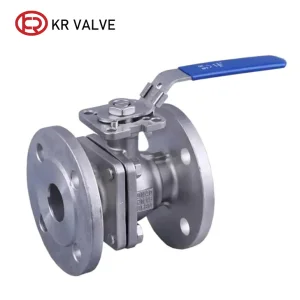
Explore our advanced flow control series engineered for severe working conditions, absolute sealing, and extended lifecycle requirements.
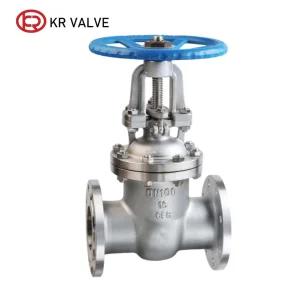
Handwheel-operated gate valves remain the most dependable and widely used manual isolation mechanisms in high-pressure piping networks across the globe. As heavy industries push towards larger line sizes and higher fluid pressures, manual gate valves with robust handwheel operations are essential fail-safes. They guarantee physical shutdown in the event of grid power failures or pneumatic signal losses.
Currently, the global flow control market demands gate valves that adhere to strict mechanical and metallurgical specifications. From massive petrochemical pipelines to critical urban water distribution systems, industrial operations rely on the high leverage, slow-closing mechanism of the handwheel. This design prevents fluid transient surges, commonly known as water hammer, which can rupture pipelines.
As municipal sectors upgrade aging infrastructures, local governments and utility providers require custom OEM (Original Equipment Manufacturer) solutions to match existing system heights, flange parameters, and specialized environmental challenges. Consequently, OEM handwheel gate valve factories must offer versatile designs, including non-rising stems for confined spaces and rising stems for visible stem-travel indication.
A deep engineering look at the materials, standards, and pressure bounds that define modern handwheel gate valves.
Flexible wedges allow for minor alignment corrections under extreme pipe stresses. Rigid solid wedges are ideal for turbulent, single-phase liquid processes. Stems are typically constructed from hardened martensitic stainless steel to withstand high rotational shear torque.
Choosing the right seat depends on the medium. Elastic EPDM soft seats are perfect for municipal water lines up to 80°C because they provide zero-leakage bubble-tight shutoff. In contrast, metal-to-metal CF8/CF8M seats can withstand temperatures exceeding 425°C, making them suitable for steam and raw crude oil applications.
Valves must comply with ASME B16.34 for pressure-temperature ratings, API 600 for wall thicknesses, DIN F4/F5 face-to-face standards, and API 598 for high-pressure hydrostatic and low-pressure pneumatic seat testing.
| Seat Material Group | Applicable Media | Temperature Range | Tightness Rating | Primary Application Fields |
|---|---|---|---|---|
| Resilient EPDM | Potable Water, Sewage, Mild Slurry | -10°C to +80°C | Class VI (Bubble-Tight) | Municipal Pipelines, HVAC, Irrigation |
| PTFE / RPTFE | Corrosive Acids, Hydrocarbons | -29°C to +180°C | Class V (Zero Leakage) | Chemical Processing, Pulp & Paper |
| Metal CF8 (SS304) | High Pressures, Steam, Clean Oil | -29°C to +425°C | Class IV / V | Power Generation, Thermal Transmission |
| Metal CF8M (SS316) | Seawater, Petrochemicals, Corrosive Media | -196°C to +538°C | Class IV / V | Marine Offshore, Refineries, Desalination |
A trusted manufacturer specializing in standard and customized valve products, backed by over 20 years of proven manufacturing excellence.
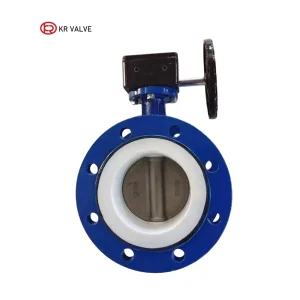
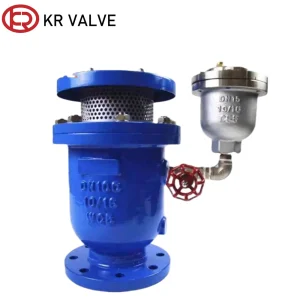
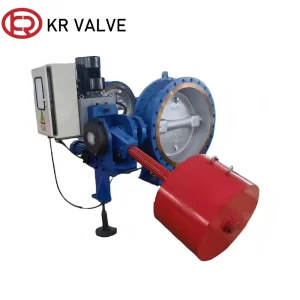
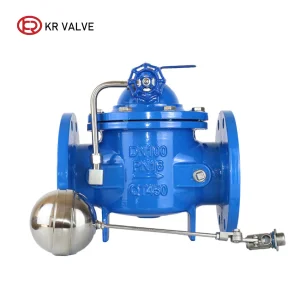
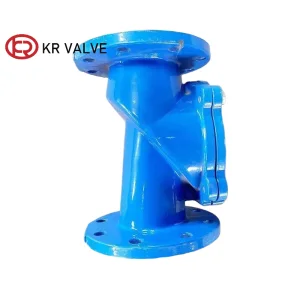
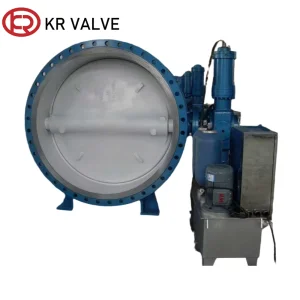
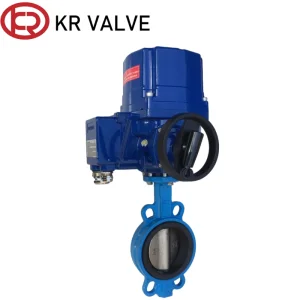
KR brings over 20 years of experience to the design and production of standard and non-standard valves. Our comprehensive portfolio features more than 500 valve products, including butterfly valves, gate valves, check valves, and water control valves, as well as matching accessory components. These products are widely utilized in water treatment, dam construction, commercial facilities, district energy/heating systems, and chemical plants. By prioritizing material consistency and tight tolerances, we have earned high repeat purchase rates from customers around the world.
We are dedicated to building mutually beneficial, long-term partnerships with our clients. We believe that reliable customer service is just as important as high-quality products. Today, KR VALVE products are exported to over 50 countries and regions in Europe, Asia, Africa, and Oceania, supporting thousands of projects and brand marketing campaigns. We look forward to partnering with you and leveraging our production expertise to help your business succeed.
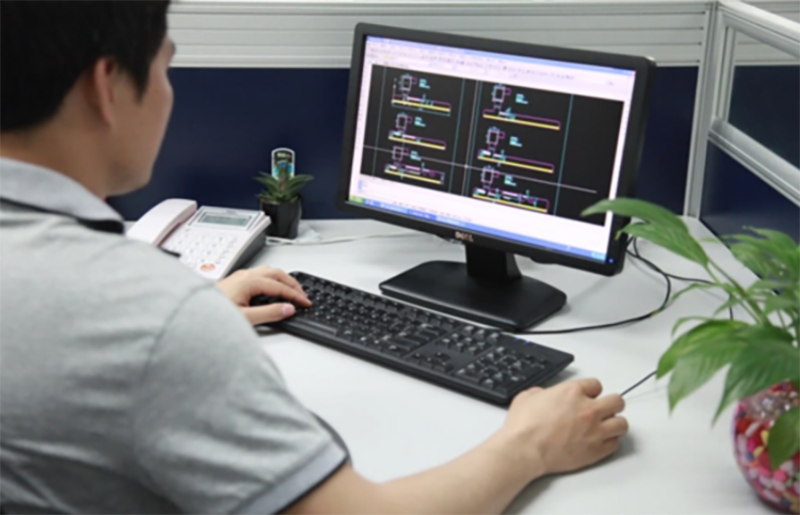
Our dedicated R&D lab continually develops new configurations. We manage 20 product series and over 500 standard designs to adapt to evolving market demands.
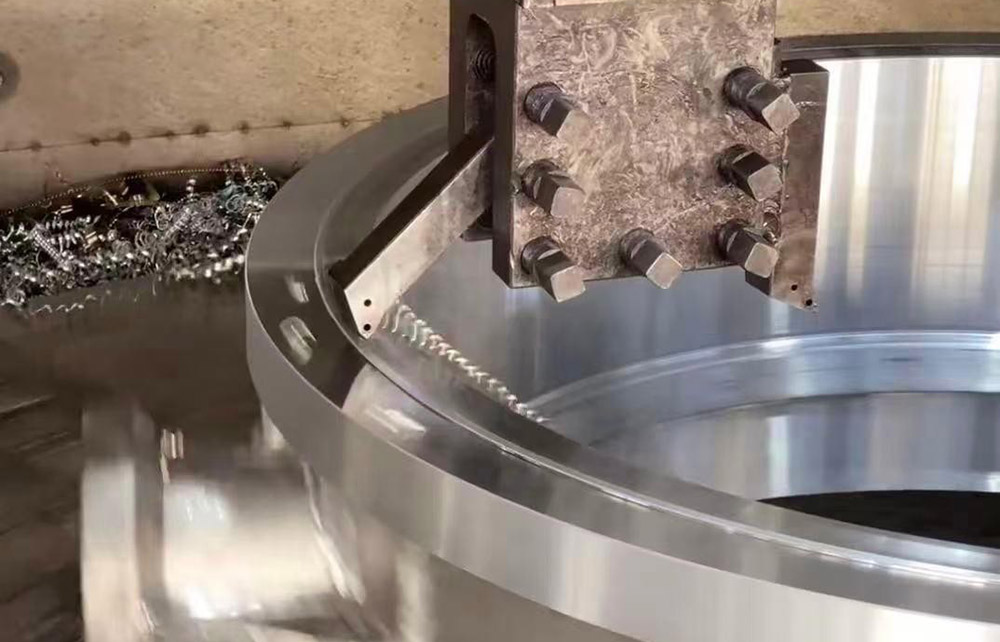
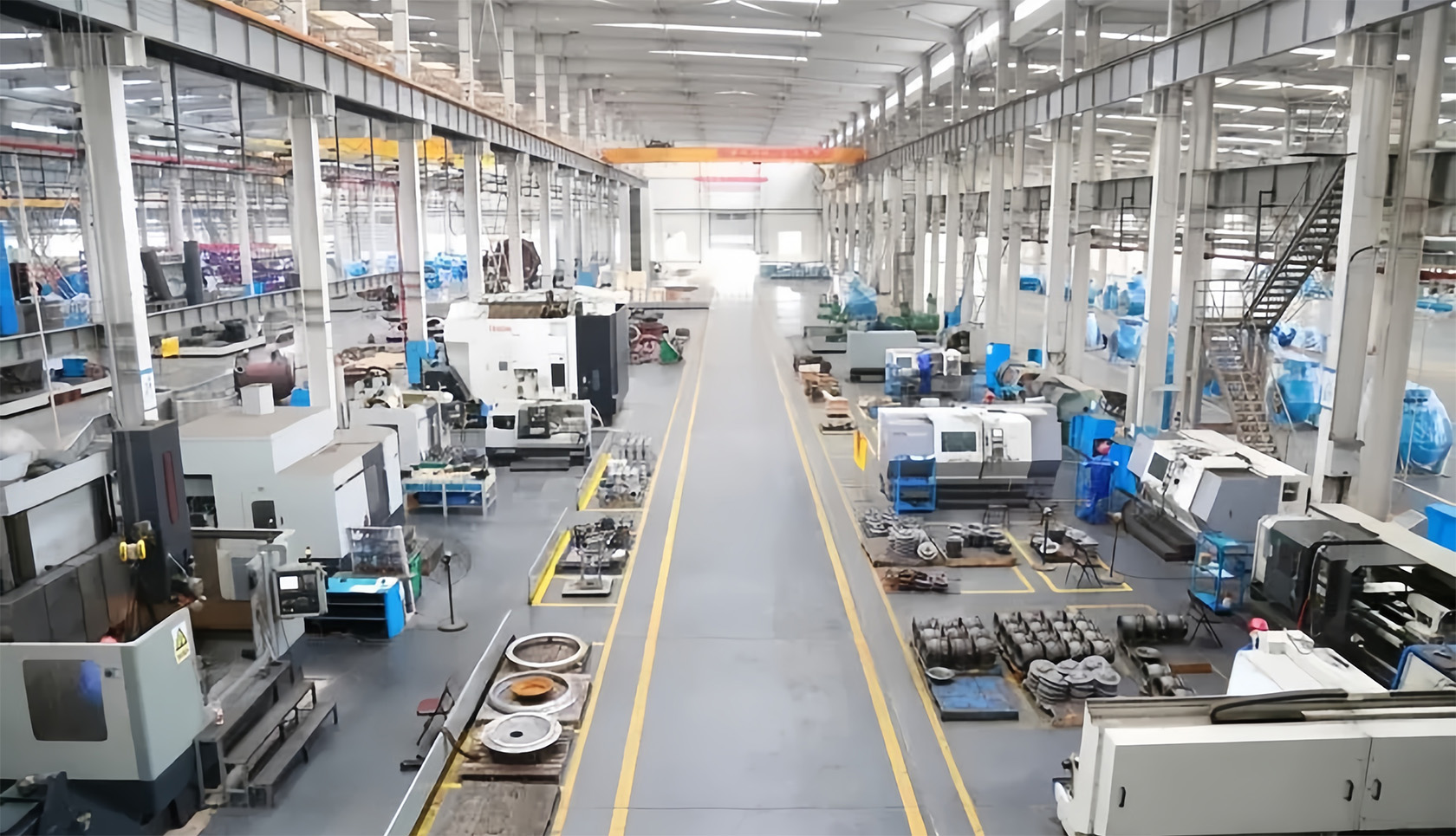
Operating more than 30 advanced production machines, our facilities produce components under strict ISO-9001 supervision to ensure reliable delivery times.
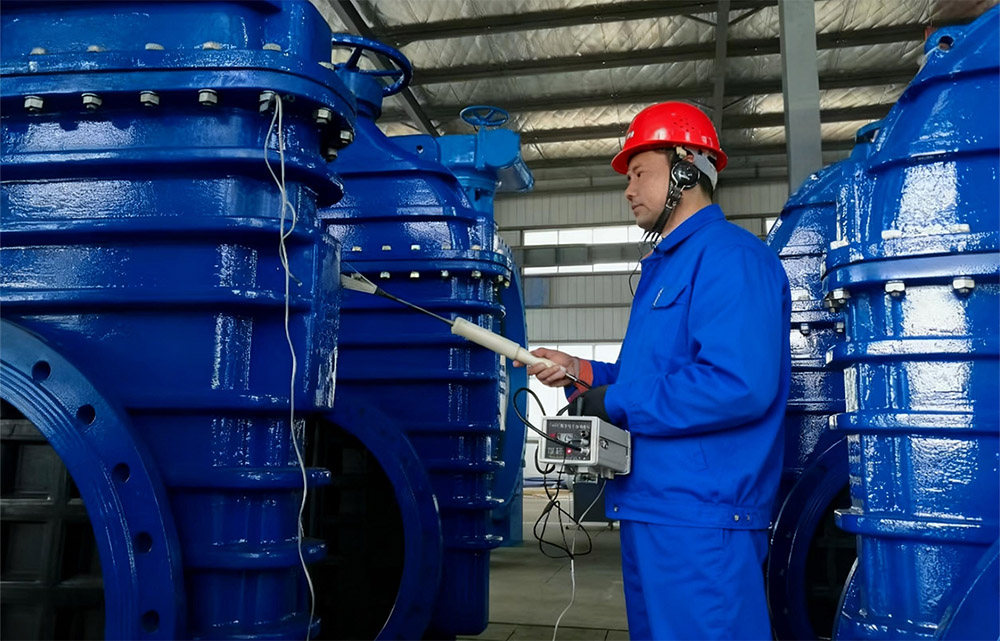
Our inspection department conducts thorough checks on dimensions, visual finishes, and pressure testing. Zero leakage is our core quality standard.
Providing custom, high-durability valves that keep your operations running smoothly.
We supply products under our own independent 'KR' brand, and we also provide tailored OEM/ODM manufacturing services for major industry brands.
Our workshop features 15 heavy-duty machining centers and dedicated assembly lines run by experienced operators.
We work with multiple cast materials (WCB, Ductile Iron GGG40/50, CF8, CF8M) to match various standard flange dimensions (ANSI, DIN, BS, JIS).
Every valve component undergoes structural and pressure testing before final shipping.
By managing our casting, machining, and assembly processes in-house, we are able to control costs and offer competitive market rates.
Our sales team provides 24-hour technical support, assisting with pre-sales engineering calculations and after-sales field support.
Watch our factory production processes and hydrostatic testing procedures.
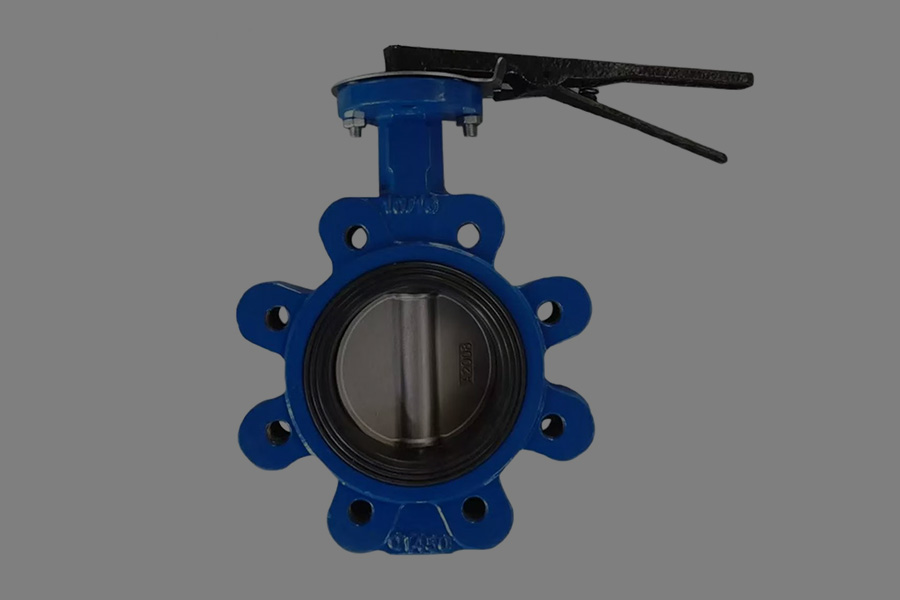
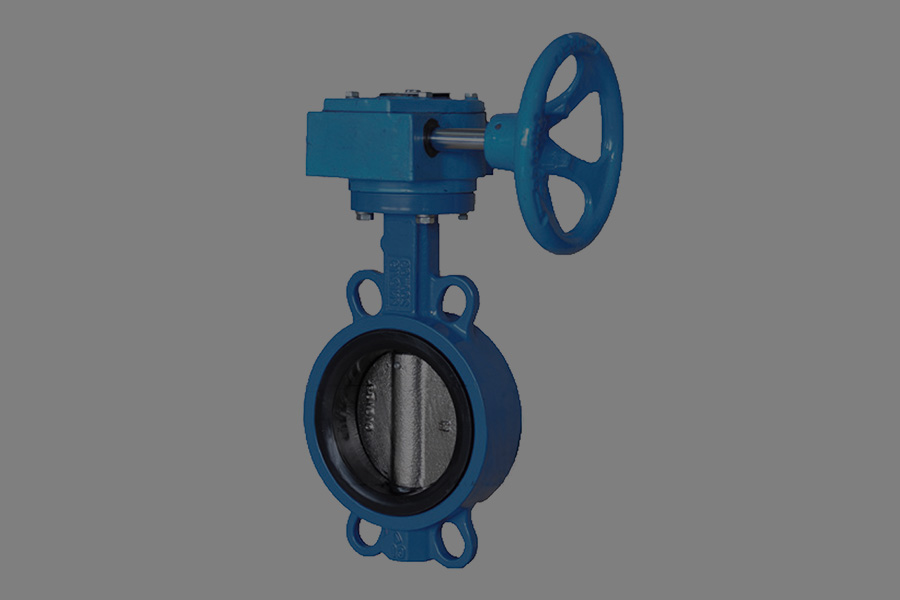
Read about our successful flow control installations in infrastructure projects worldwide.
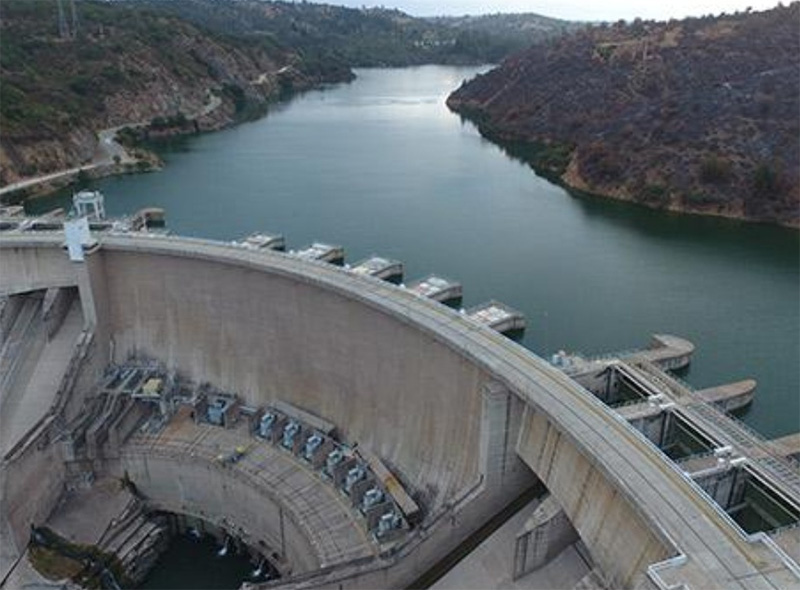
KR supplied various water control valves to a dam project in Chile. The valves manage high-head hydro-discharge with minimal cavitation erosion.
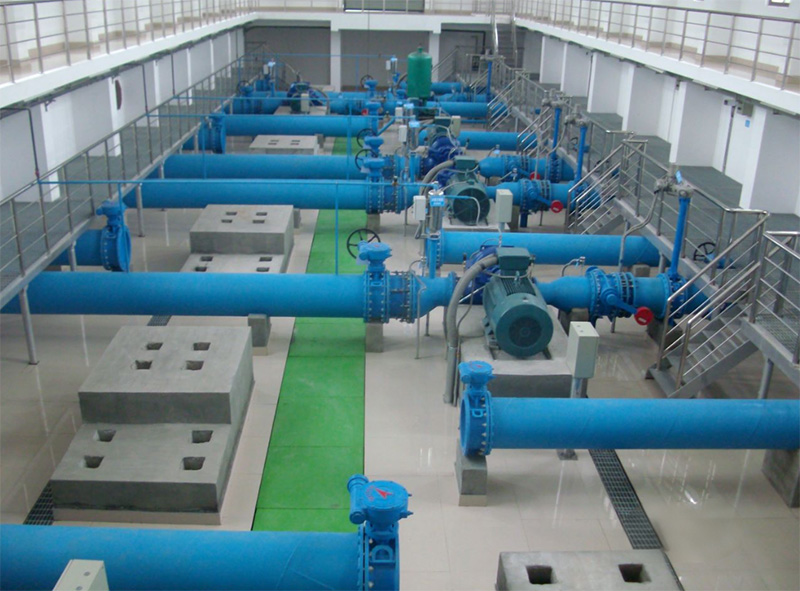
We supplied large-diameter concentric butterfly valves and check valves to an Italian municipal utility, ensuring low head-loss across the grid.
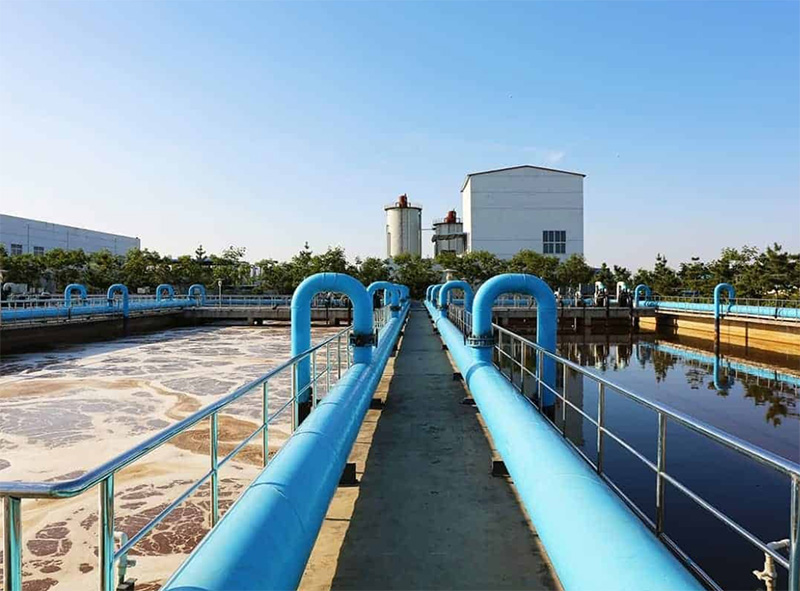
KR supplied butterfly and gate valves to a sludge processing facility in Indonesia. Specially chosen resilient seats prevent particulate build-up.
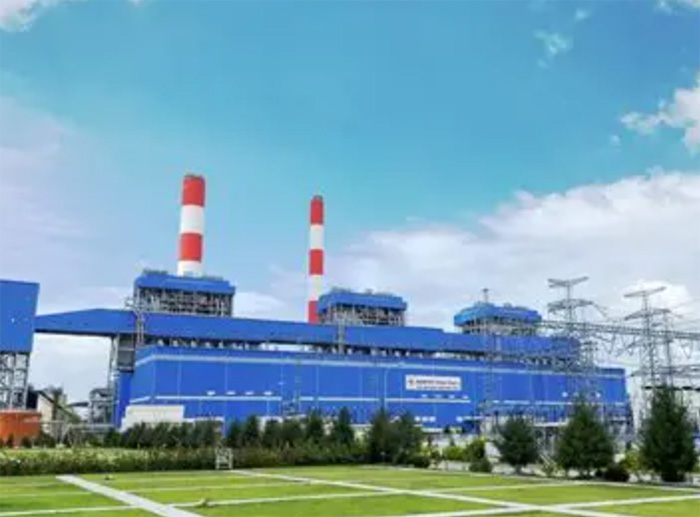
We delivered corrosion-resistant valves to a chemical plant in Vietnam, using specialized alloys to protect against aggressive chemical media.
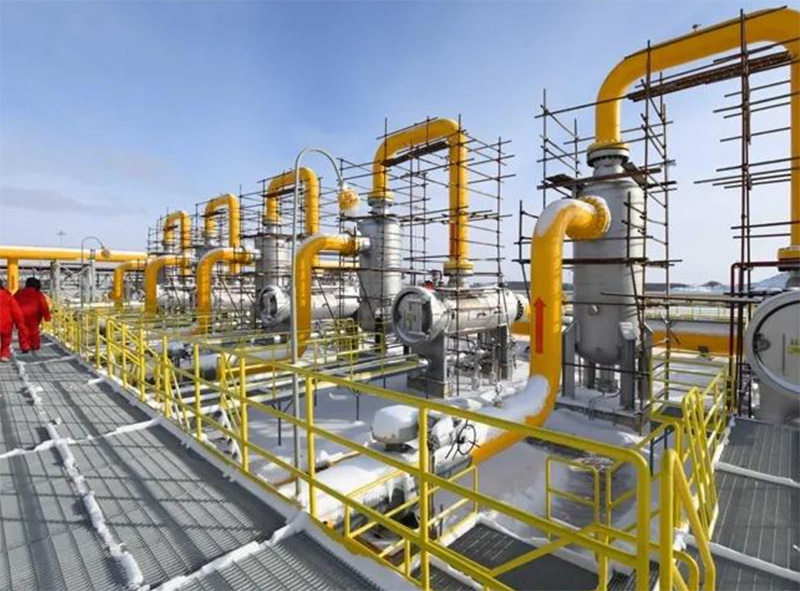
KR supplied heavy-duty gate valves and metal-seated ball valves designed to operate reliably in sub-zero winter temperatures.
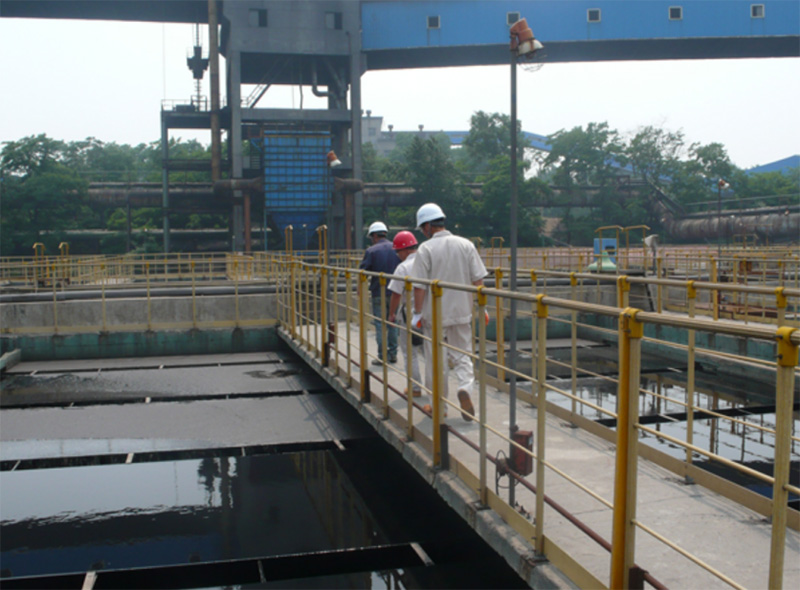
We supplied sewage treatment valves to Brazil, utilizing specialized internal coatings to resist wear from abrasive municipal wastewater.
How handwheel gate valves are evolving to meet modern environmental and system demands.
Environmental standards require tighter packing seals around valve stems. Modern designs feature self-adjusting live-loaded graphite packing systems to minimize VOC emissions under cyclic temperatures.
To resist corrosive pitting, marine and geothermal projects are moving toward super duplex stainless steels and titanium alloys. These materials extend service life and lower lifetime maintenance costs.
We are incorporating electronic limit switches and proximity sensors into our manual handwheel assemblies. This allows operators to check valve status remotely while keeping manual control on-site.
Clear, direct answers to common questions about gate valve selection, installation, and maintenance.
Advanced check, butterfly, and control valves engineered for industrial systems.
Get in touch with our engineering team for custom sizing, material selection, and project quotes.
Contact KR Engineering KR VAVLE