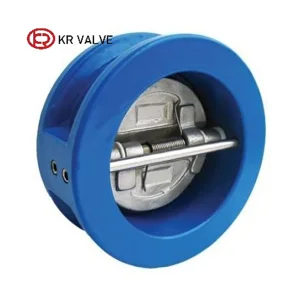
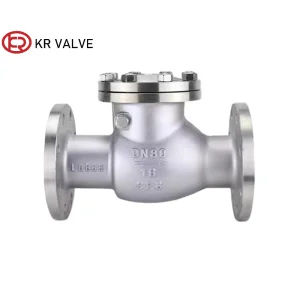
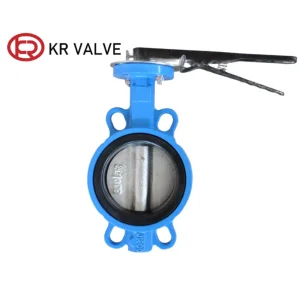
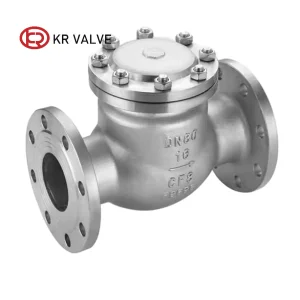
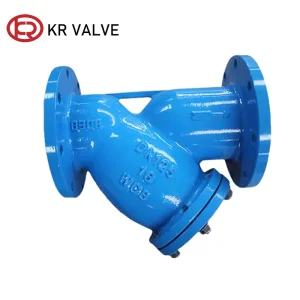
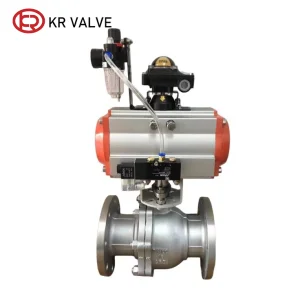
Explore our highly reliable, DIN/API-standard matching valves and components directly from our production lines.
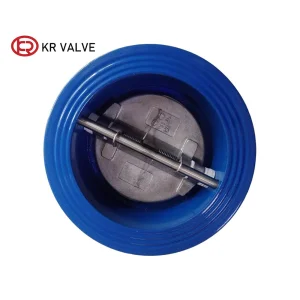
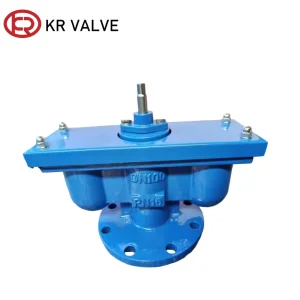
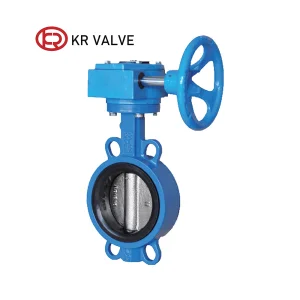
In high-pressure and critical industrial piping infrastructure, fluid containment integrity relies heavily on the physical characteristics of the valve seat. Butterfly valves, classified as quarter-turn rotary valves, operate by rotating a central disc relative to an elastomeric or metallic seal. In concentric designs, the disc presses tightly against a resilient rubber or fluoropolymer seat to create a gas-tight fit. Achieving "zero leakage" at high pressures requires optimized geometry, robust sealing materials, and precise manufacturing processes.
Standard industrial resilient seats are typically constructed from EPDM (Ethylene Propylene Diene Monomer), NBR (Nitrile Butadiene Rubber), FKM (Viton), or PTFE (Polytetrafluoroethylene). Each polymer offers unique benefits based on operational conditions, chemical exposure, and temperature variations. For instance, EPDM provides excellent performance in water treatment and low-temperature steam applications up to 120°C, while PTFE is preferred in highly corrosive chemical processing lines due to its chemical inertness. Standard manufacturing processes must maintain strict compression set limits, tensile strength, and durometer values (typically Shore A 70-80) to ensure the seal maintains its shape over thousands of open-close cycles.
"The lifetime of a butterfly valve is directly proportional to the quality of its elastomeric vulcanization. When seal structures degrade under mechanical stress or temperature fluctuations, micro-fissures develop, leading to cavity bypass and pressure drop."
Engineers evaluating resilient-seated wafer or lug butterfly valves must balance seating torque against compression rates. Excessive seat interference increases torque requirements, which demands larger, more expensive actuators. Conversely, insufficient interference results in downstream leakage. Working with a dedicated OEM factory allows companies to refine these tolerances through custom compound formulations and precise mold designs.
How domestic industrial integration, high-precision vulcanization molding, and material science drive global competitiveness.
Chinese valve manufacturing hubs bring together raw material suppliers, casting foundries, precision machining centers, and elastomer vulcanization factories. This proximity reduces transit times and transport-related defects.
Modern Chinese factories use computerized injection molding machines and high-temperature curing systems to guarantee uniform compound density, precise dimensional tolerances, and excellent physical properties.
OEM factories offer swift engineering support, converting customer-provided CAD drawings or physical valve discs into custom seat molds. This process is optimized for low prototype run times and cost-effective bulk production.
The global industrial valve market is moving toward smart monitoring and high reliability. Key trends impacting butterfly valve seat manufacturing include:
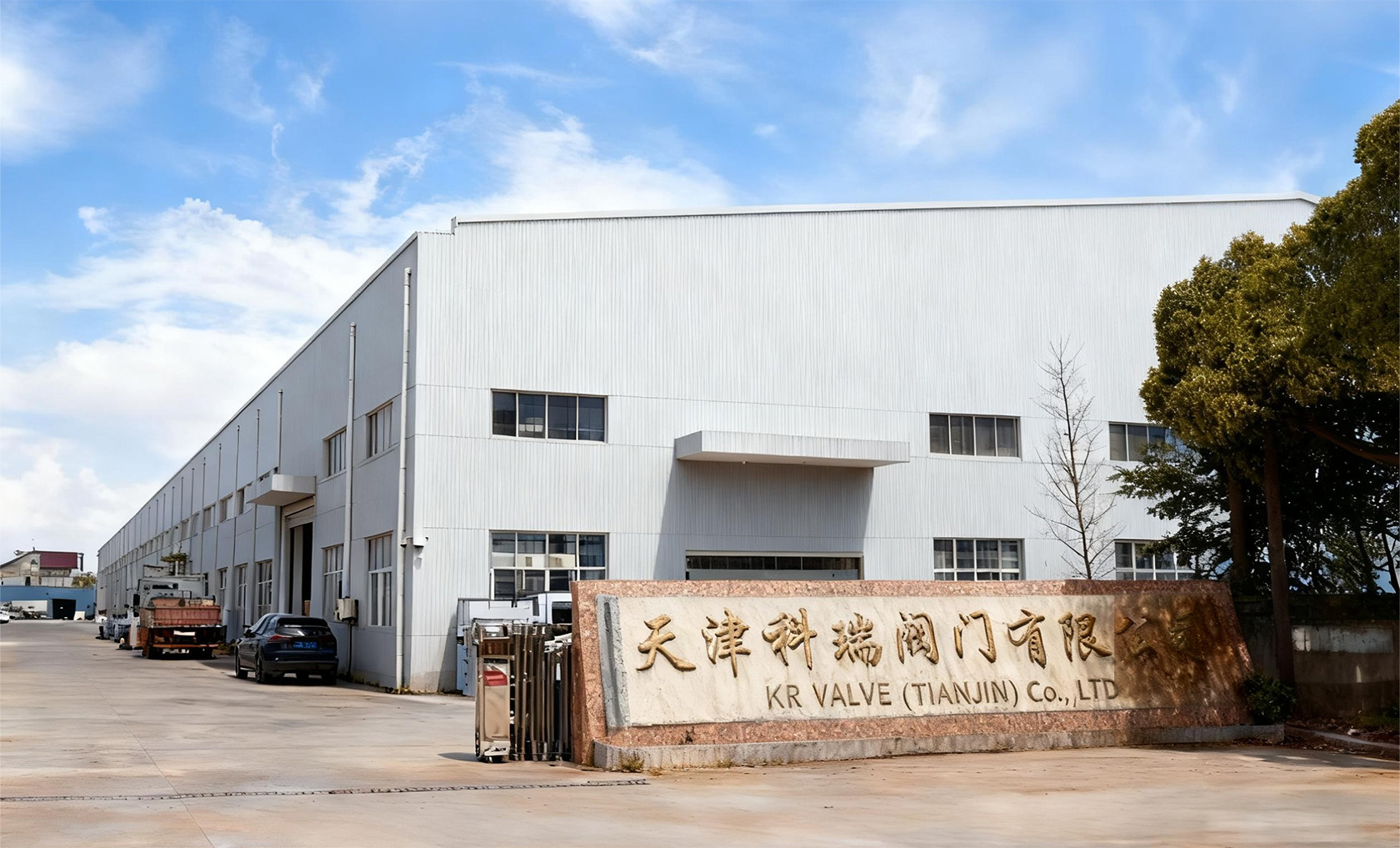
How KR Valve Group combines engineering expertise with strict quality controls to deliver premium fluid system solutions.
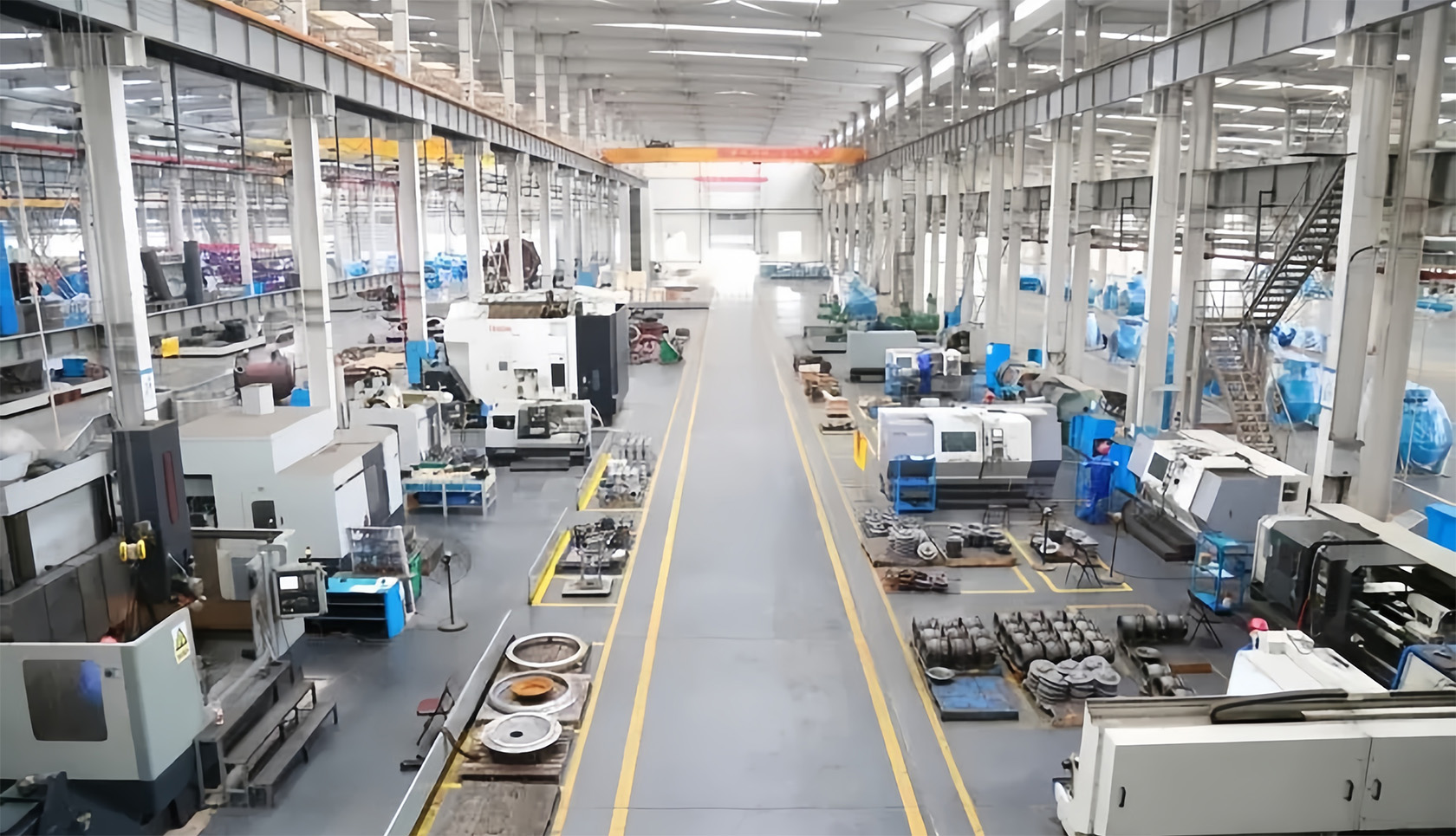
KR has more than 20 years of experience in producing standard and non-standard valves of various types. We supply a wide selection of over 500 valve products, including butterfly valves, gate valves, check valves, water control valves, as well as all their matching and accessory products.
These products have applications in various industries such as water treatment, dam construction, commercial buildings, energy and heating, chemical engineering, etc. We have won high repeat purchase rates from customers with excellent product variety and quality. Beyond product excellence, we are dedicated to creating a mutually beneficial partnership with every customer. We believe that reliable service is as crucial as superior products, and we strive to continuously optimize the customer experience to achieve long-term win-win cooperation.
Today, KR VALVE’s products have been exported to over 50 countries and regions in Europe, Asia, Africa, and Oceania, providing project construction and brand marketing services to thousands of customers. We look forward to collaborating with you, leveraging our expertise, comprehensive product range, and unwavering commitment to quality and service to support your success.
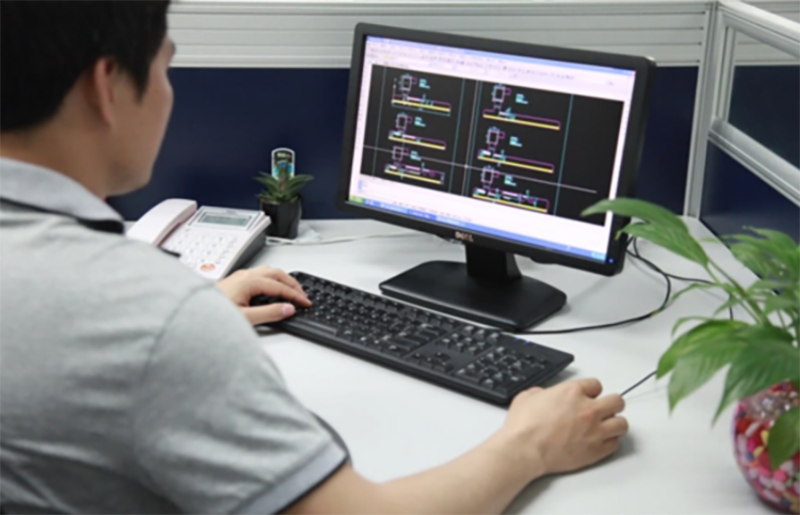
Our R&D team ensures continuous design innovation. Technicians design and develop products to meet specific customer requirements, using an advanced testing lab to verify and improve performance. We support 20 distinct series and over 500 product variations.
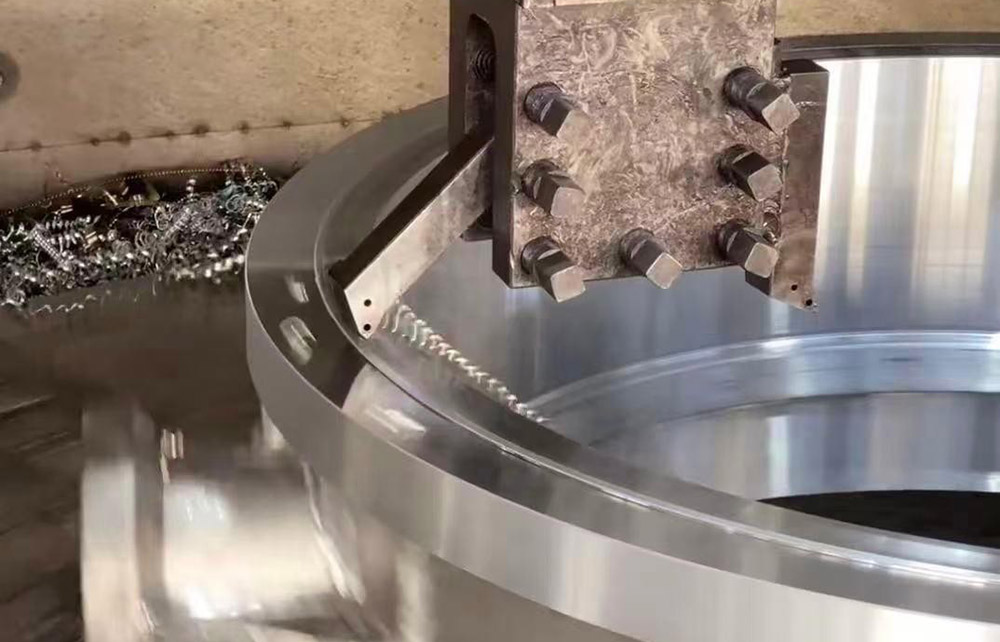
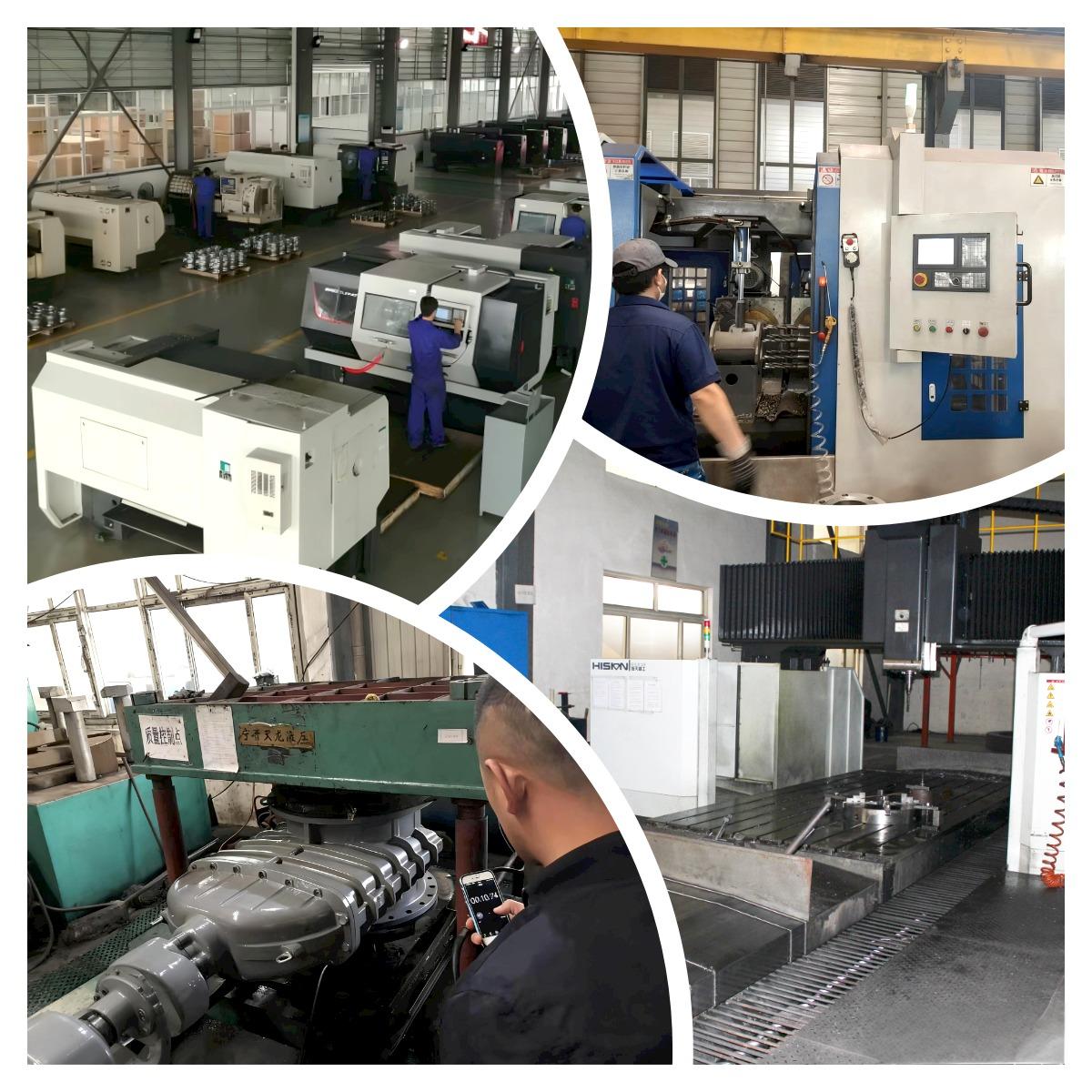
The production department creates structured manufacturing plans to ensure timely project delivery. All valves are manufactured under strict ISO-9001 quality management standards, utilizing more than 30 modern production machines with inventory updated monthly.
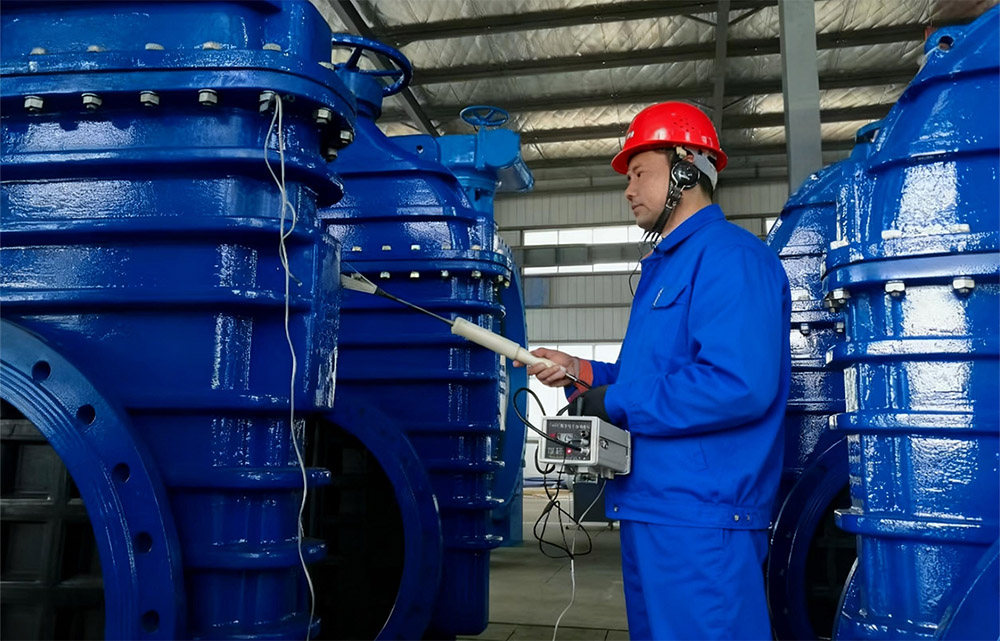
Zero leakage is our fundamental operating principle. Our inspection team performs 100% QA checks. We test dimensional precision, aesthetics, and structural pressure limits to provide comprehensive test reports in line with international inspection standards.
We combine manufacturing efficiency, technical support, and logistical management to deliver reliable valve solutions.
We supply products under our own independent brand, "KR", and also provide comprehensive OEM manufacturing services. We have built strong partnerships with many prominent international valve brands.
Our workshop features 15 specialized machining tools and a streamlined assembly line. Our workforce is composed of highly experienced fabricators who understand international tolerances.
We offer 20 distinct series and over 500 product options. Our team can manufacture products to meet various international standards or develop custom designs for non-standard applications.

By managing our core production steps in-house, we control costs and offer highly competitive pricing without sacrificing material quality or structural integrity.
We offer comprehensive technical support. Our engineers are available to assist you during project design, valve selection, and troubleshooting after installation.
We inspect every individual component before final assembly to ensure that each finished valve is reliable and performs as expected under pressure.
Industrial applications present unique design challenges. Standard butterfly valve solutions must adapt to specific regional conditions, medium types, and system demands. Below are common macro-industry situations and the corresponding engineering solutions.
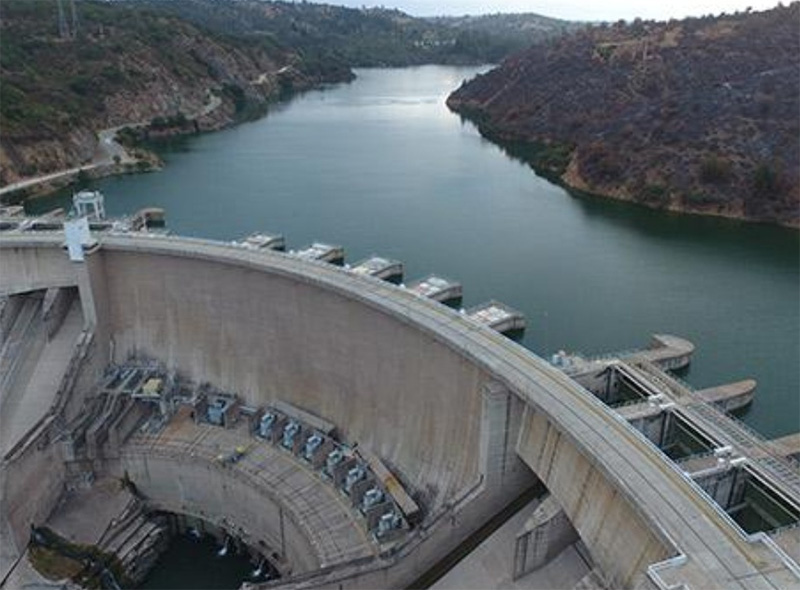
High-volume water systems face issues like sand abrasion and cavitation. In large-scale dam installations, using thick-body ductile iron butterfly valves with vulcanized EPDM seats prevents internal erosion and maintains bubble-tight shutoff over long periods.
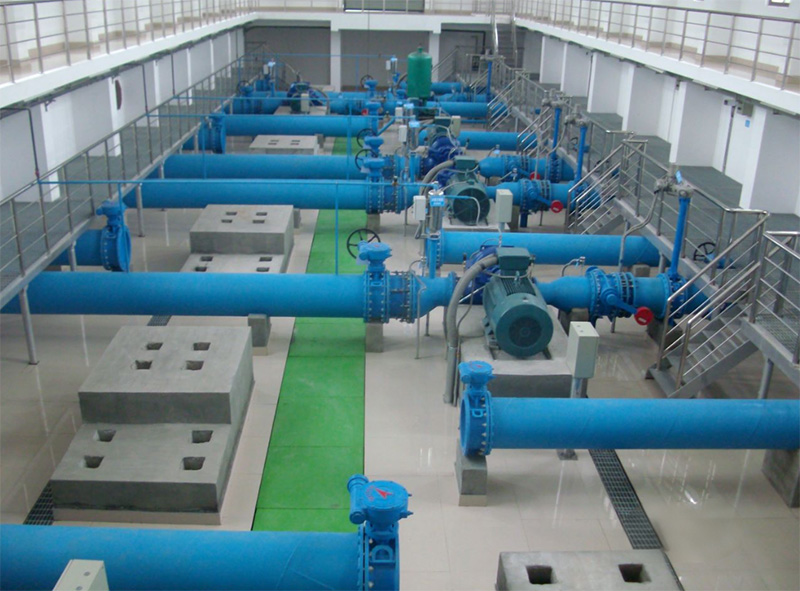
Municipal drinking water systems require clean, contaminant-free materials. Standard rubber seats must hold WRAS or European hygienic certificates. Additionally, using low-torque eccentric designs helps reduce power requirements for electric actuators across municipal piping systems.
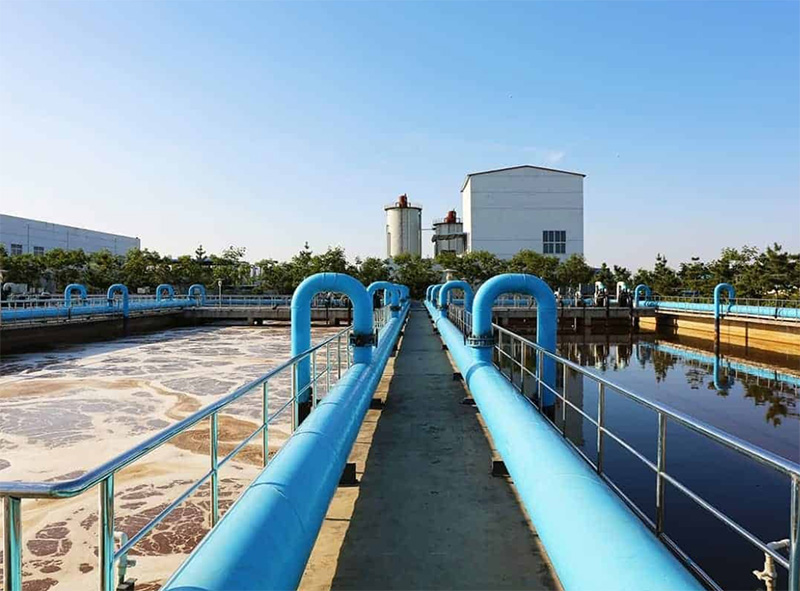
Wastewater contains abrasive particles and organic matter that can degrade standard rubber seals. Our customized slurry valves use reinforced NBR seats and polished SS316 discs, which resist abrasion and prevent material buildup on the sealing surfaces.
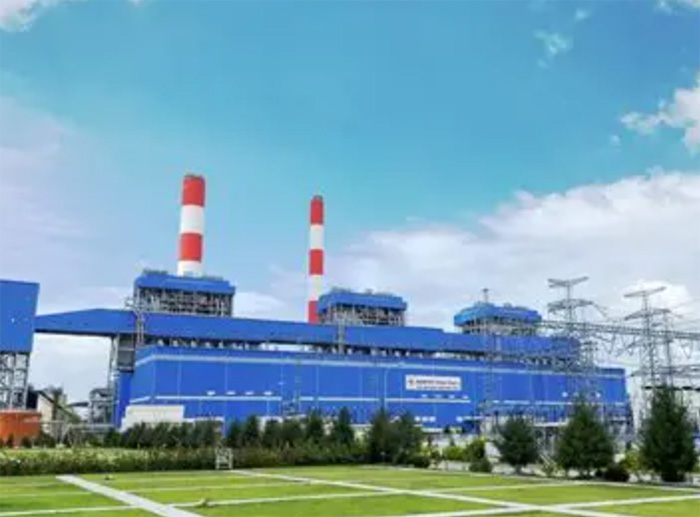
Processing acidic or basic solutions requires high chemical resistance. We utilize pure PTFE or PFA-lined butterfly valve seats to prevent chemical attack. The underlying elastomeric backing provides the resilience needed to maintain tight sealing contact.
Procuring valves for large-scale engineering projects requires careful technical evaluation. Using standard criteria helps procurement managers verify manufacturer quality and ensure product compatibility.
Always request raw compound analysis reports. Ensure that elastomeric seats (like EPDM or NBR) are certified by relevant standards (such as NSF/ANSI 61, FDA, or WRAS) for your specific media. Physical properties like tensile strength and compression set should be tested to confirm the material's durability.
Select the valve design based on operating pressures and system requirements. Concentric resilient-seated butterfly valves work well for low-pressure utilities. For high-pressure steam, chemical lines, or hydrocarbons, choose double offset PTFE-seated or triple offset metal-to-metal valves to handle the extra mechanical loads.
Review the manufacturer's machining tolerances for both the valve body and the seat pocket. Proper machining ensures consistent seat retention and reduces friction when the disc rotates, which extends the operational life of the seal.
Ensure the factory performs hydrostatic and pneumatic testing on every valve according to API 598 or ISO 5208 before shipment. Ask for documentation confirming zero-leakage performance under pressure, as well as torque testing reports for motorized valve assemblies.
Expert answers to common questions about butterfly valve seat material selection, performance, and maintenance.
Each material has specific applications based on its chemistry:
High friction between the disc and a tight elastomeric seat increases the torque needed to rotate the valve. This requires larger pneumatic or electric actuators, which increases overall system costs. Partnering with a custom OEM factory helps you adjust seat tolerances to minimize friction while maintaining a reliable, tight seal.
PTFE-lined seats are recommended for highly corrosive chemicals, acids, and ultra-pure water systems where rubber elastomers might break down or release impurities. The PTFE lining is typically backed by an elastomeric cushion to maintain the elasticity needed for a tight seal.
Early seat wear is often caused by several factors: chemical incompatibility between the fluid and the elastomer, operating temperatures beyond the material's limits, abrasive solids in the fluid, or high flow velocities that cause erosion. Over-tightening the seat during installation can also lead to premature wear.
A reputable factory should conduct several checks: material property testing (tensile strength, hardness, and compression set), dimensional inspections using precise tools, and pressure testing (both shell hydrostatic and seat closure tests) on finished valves to confirm zero-leakage performance under pressure.
Double and triple offset valve designs place the shaft center off-center relative to the disc and sealing face. This geometry allows the disc to pull away from the seat immediately when opened, minimizing friction and wear. This setup is ideal for handling high pressures and operating under high cycle rates.
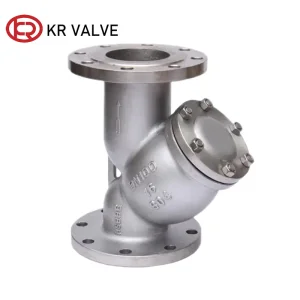
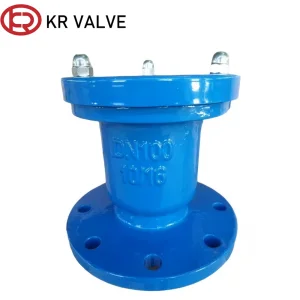
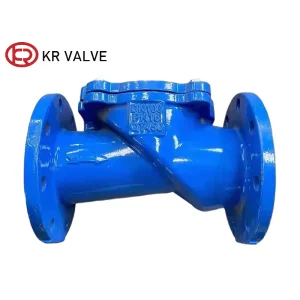
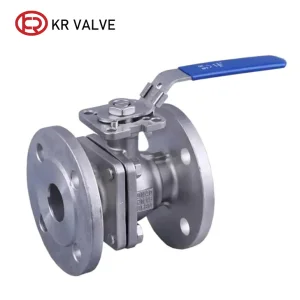
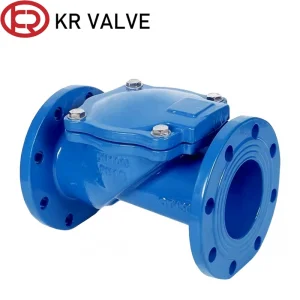
Browse our full catalog of industrial valves, including check valves, Y-strainers, and water control systems.
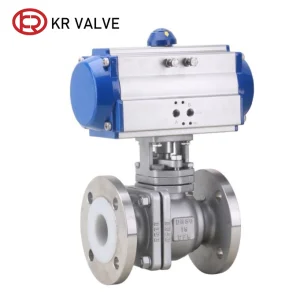
Get in touch with our engineering team to discuss custom valve dimensions, material requirements, or to request a project quote.
Submit Inquiry
 KR VAVLE