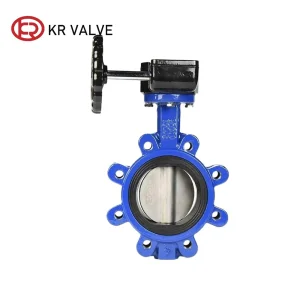
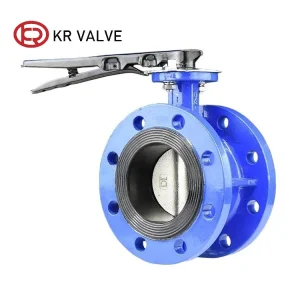
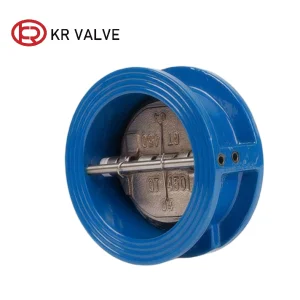
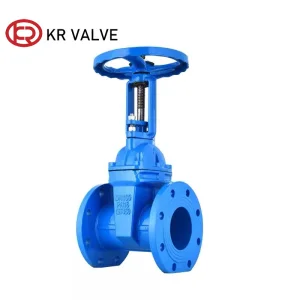
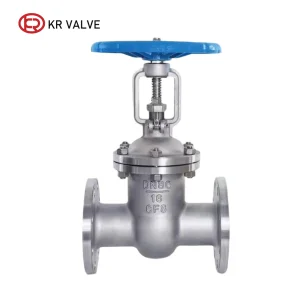
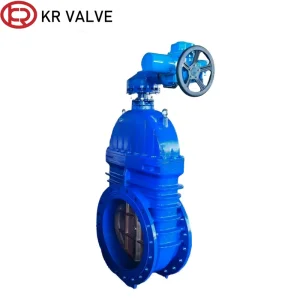
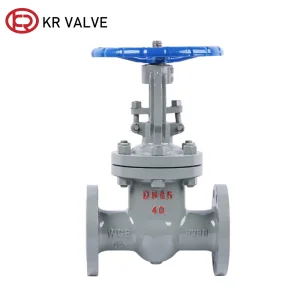
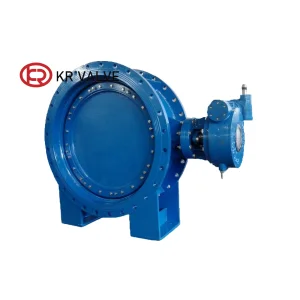
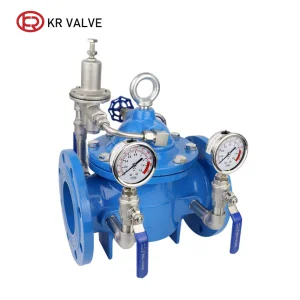
Explore our engineering-certified product lines designed for high-pressure municipal, commercial, and industrial fluid control applications.
In municipal water networks, raw transmission mains, and heavy process manufacturing lines, the presence of entrained air is an invisible threat to operational safety and pipeline integrity. As pumps start up or shut down, air pockets naturally accumulate at high points in the pipeline. These pockets restrict fluid flow, accelerate internal corrosion, increase head loss, and, most critically, exacerbate transient pressure surges—commonly known as water hammer.
An Air Evacuation Valve is a specialized device designed to manage air pocket formation dynamically. During pipeline filling, the valve releases high volumes of air. Under normal operation, it continually expels micro-bubbles that outgas due to temperature and pressure drops. When the system drains or during pump trips, it admits massive amounts of air to prevent localized vacuum conditions, which can lead to pipe collapse.
Implementing certified air management assemblies secures pump efficiency, maintains design flow velocities, and reduces unexpected structural failures across long-distance distribution networks.
Leveraging continuous engineering innovation, advanced metallurgic controls, and strict adherence to international quality standards.
Why modern infrastructure relies on combination air valves for process reliability and hazard reduction.
High salinity and corrosive atmospheres require marine-grade bronze or stainless steel air evacuation valves. These assemblies manage corrosive outgassing and protect high-pressure reverse osmosis membranes from energy fluctuations.
Raw wastewater contains heavy organic solids. Standard air valves quickly clog under these conditions. Special sewage air valves utilize long bodies to separate wastewater from the sealing mechanism, ensuring clean operation and odor control.
Urban water supply networks cross undulating terrains. Proper placement of air release valves at high points maintains flow rate velocities, reduces electric power draw at pump stations, and prevents pressure spikes that split pipe joints.
| Valve Classification | Functional Standard | Inlet Size Ranges | Primary Fluid System Sourcing Requirements |
|---|---|---|---|
| Kinetic Air & Vacuum Valve | EN 1074-4 / AWWA C512 | DN25 - DN300 (1" - 12") | Pipeline filling and draining operations; large air volume capacity. |
| Automatic Air Release Valve | EN 1074-4 / ASME B16.34 | DN15 - DN50 (1/2" - 2") | Continuous micro-bubble venting during pressurized system operation. |
| Combination Air Valve (Dual Chamber) | ISO 9001 / BS EN 1074 | DN50 - DN400 (2" - 16") | Integrates kinetic, automatic release, and non-slam components into a single unit. |
Providing custom OEM solutions to worldwide infrastructure developments via rigorous workflow optimization.
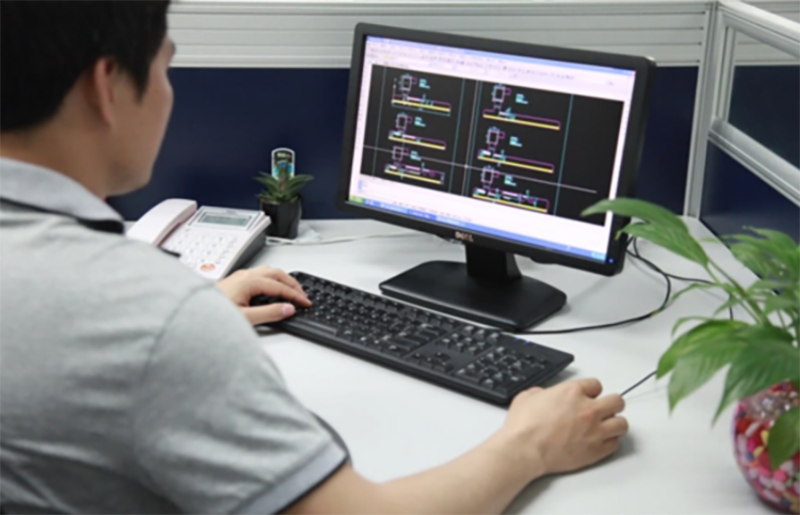
Our dedicated R&D department leverages advanced computational fluid dynamics (CFD) simulation software. This enables technicians to design custom valve internals that maximize air outflow speeds while eliminating premature float closure during high-velocity venting.
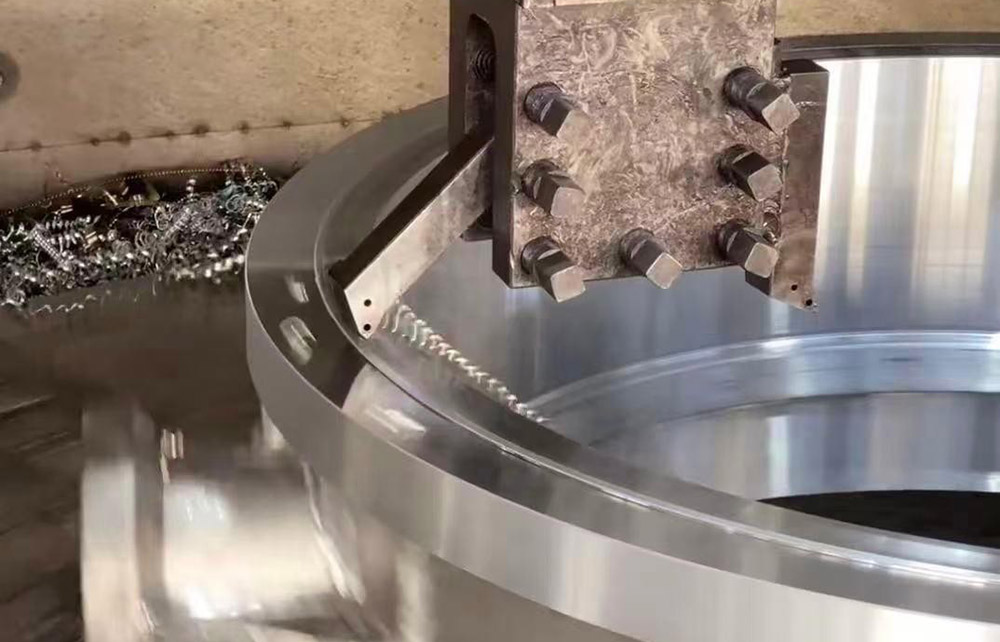
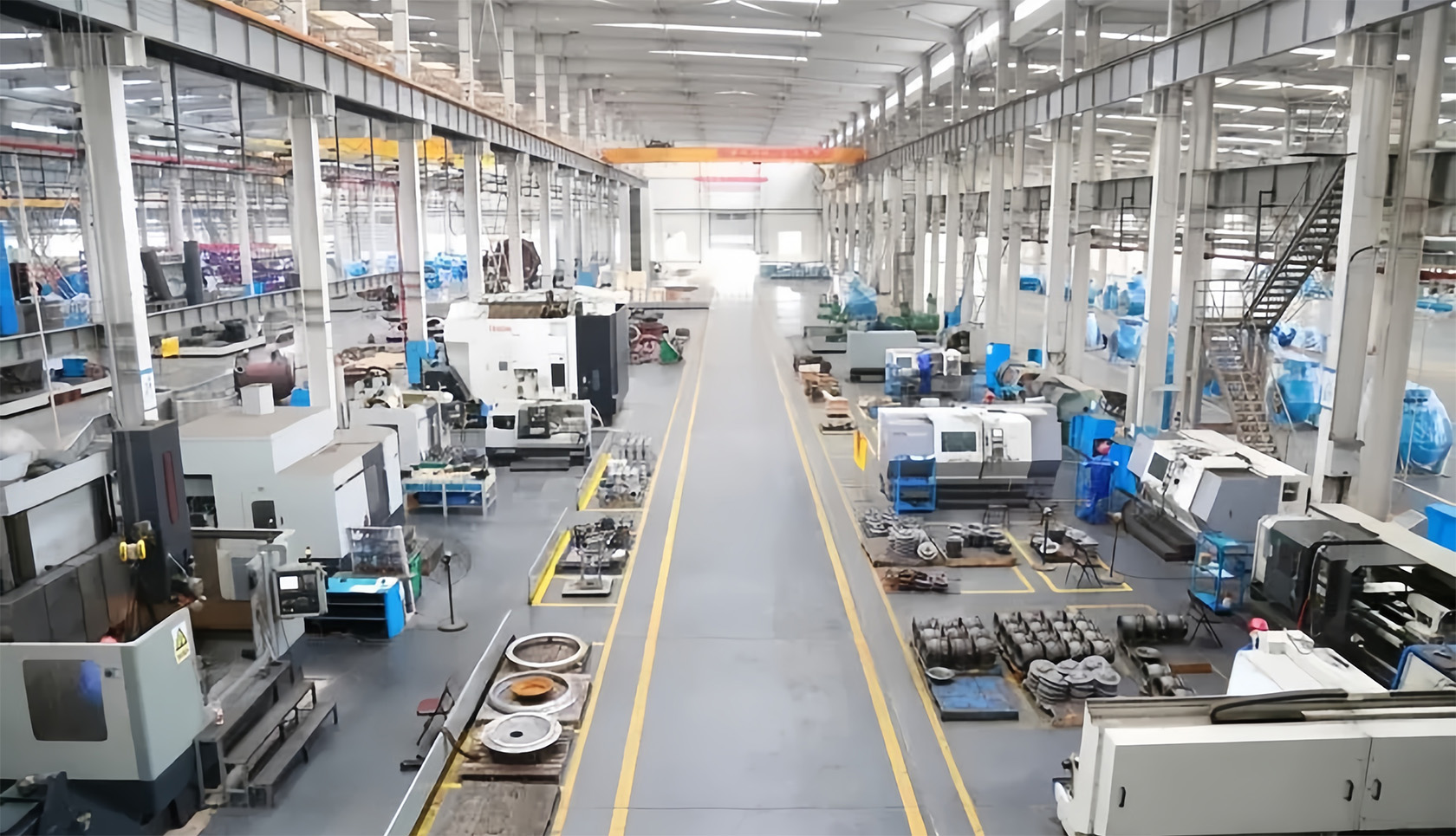
Operating over 30 sets of high-precision machining centers, our manufacturing team produces valves to strict ISO-9001 quality guidelines. We process ductile iron (GGG40/50), stainless steel (CF8/CF8M), and specialty alloys under tight tolerances to ensure robust seals.
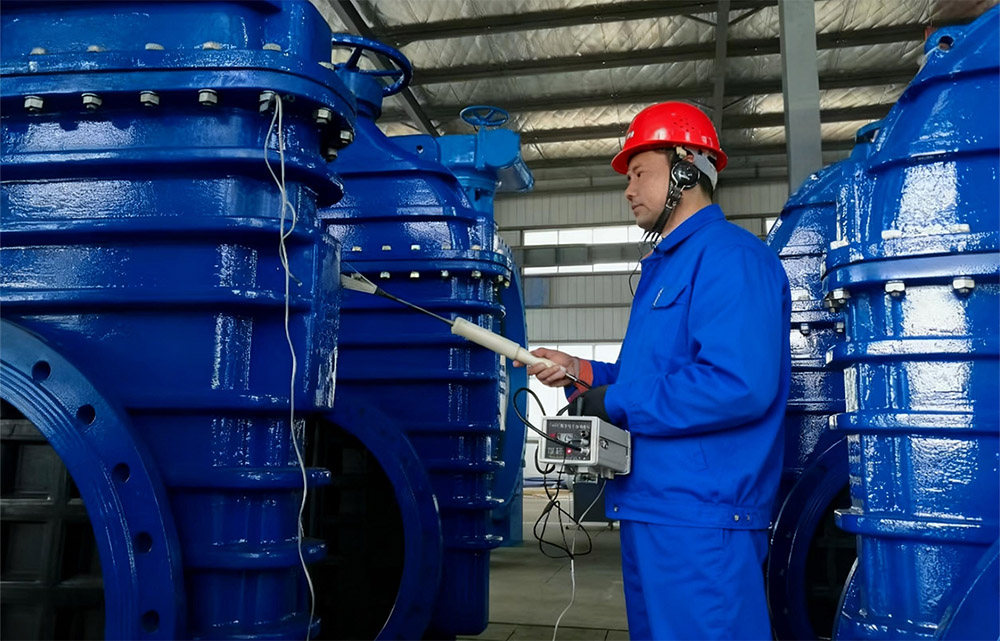
Our verification laboratory performs thorough inspections on every valve. We test casting density, dimensional accuracy, coating thickness, and low-pressure sealing capability. Every unit undergoes strict hydrostatic shell and seat testing prior to packaging.
Tailored manufacturing options built to meet specific customer requirements and international project specifications.
We supply custom valve castings with your company logo, specialized nameplates, and custom protective finishes to match your brand requirements.
Choose from a wide variety of materials, including WCB, Ductile Iron, SS304/316, and Duplex steel, with drilling configurations compliant with DIN, ANSI, JIS, or BS standards.
We leverage organized material scheduling and component pre-casting to support stable lead times and fast delivery, even for large project volumes.
Select specialized seat and seal materials, such as high-temperature EPDM, chemical-resistant NBR, Viton, or PTFE liners, engineered to withstand aggressive environments.
We keep production costs competitive by managing key processes in-house, passing the cost savings directly to our global distribution partners.
Our technical team offers engineering support, 2D/3D CAD models, and detailed quality reports to simplify the integration of our valves into your designs.

Observe the casting processes, CNC machining precision, and hydraulic pressure testing within our specialized facility.
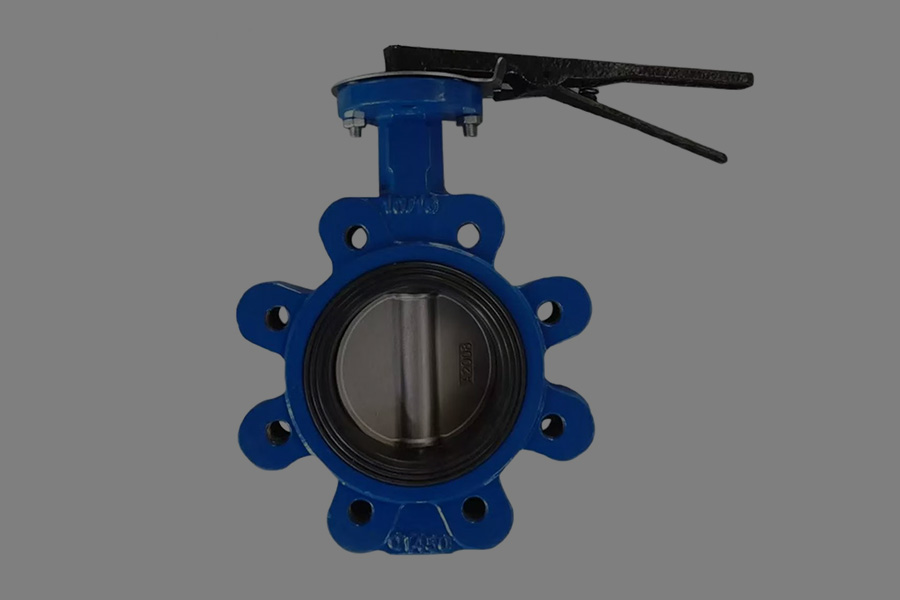
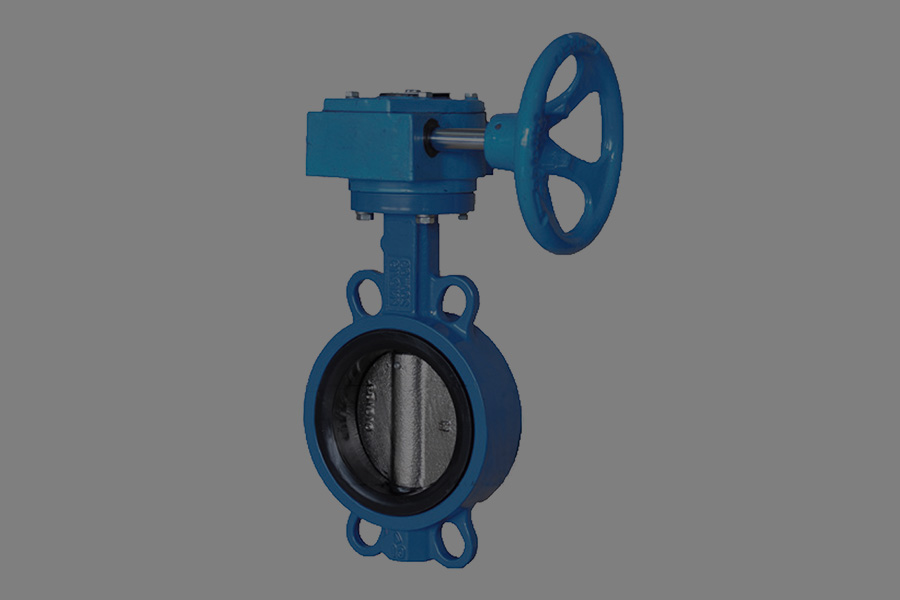
How KR Valve's products solve real-world fluid control challenges in international industrial projects.
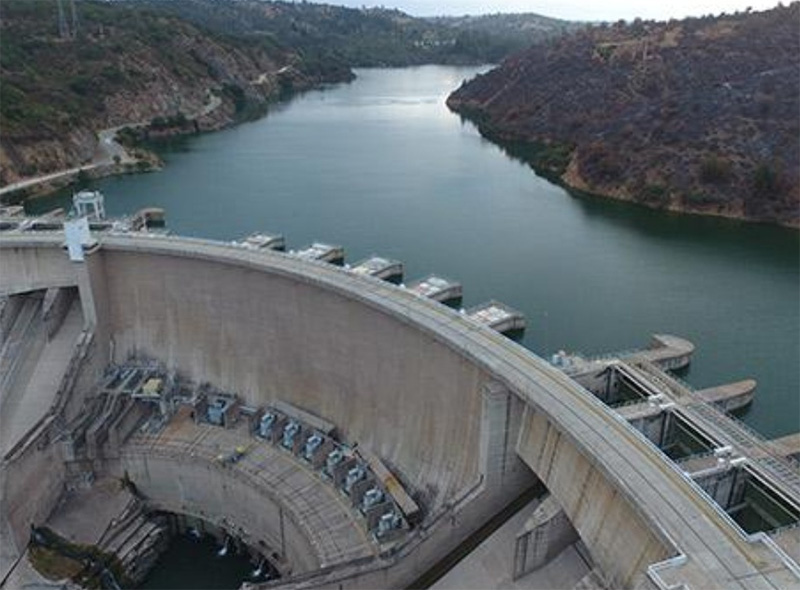
We supplied high-pressure hydraulic control valves and combination air release valves to support safety in water transmission lines under varied mountain terrains.
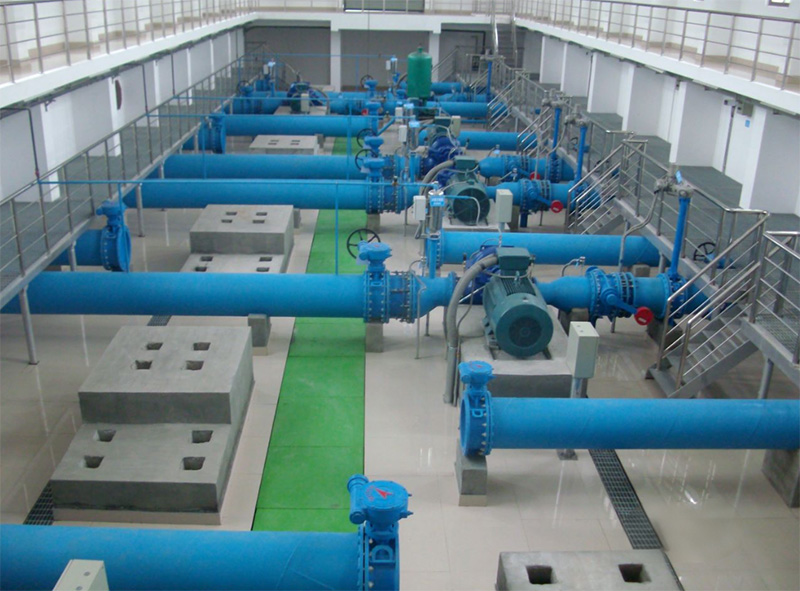
We provided large-diameter double eccentric butterfly valves and non-slam check valves to help stabilize flow velocities and reduce water hammer risks in municipal lines.
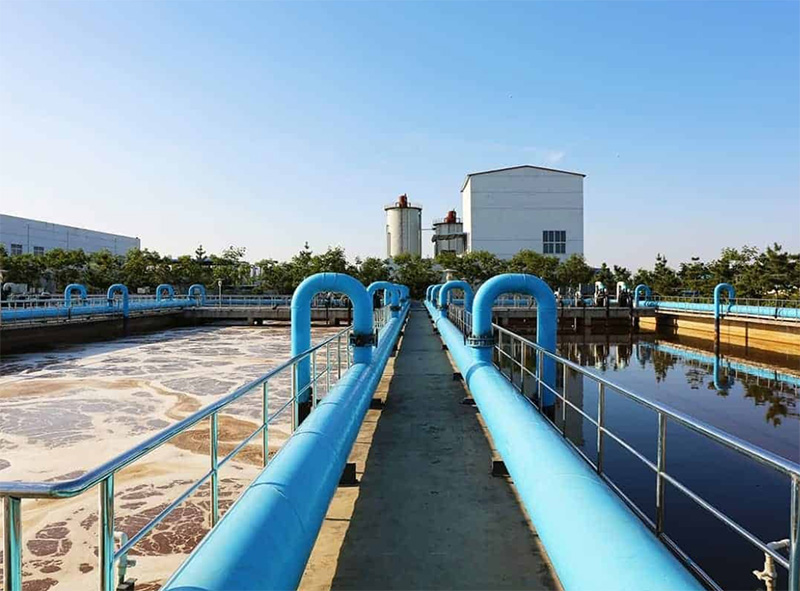
We supplied highly durable gate valves and rubber-disc check valves designed to resist abrasive slurry, extending service life in demanding industrial environments.
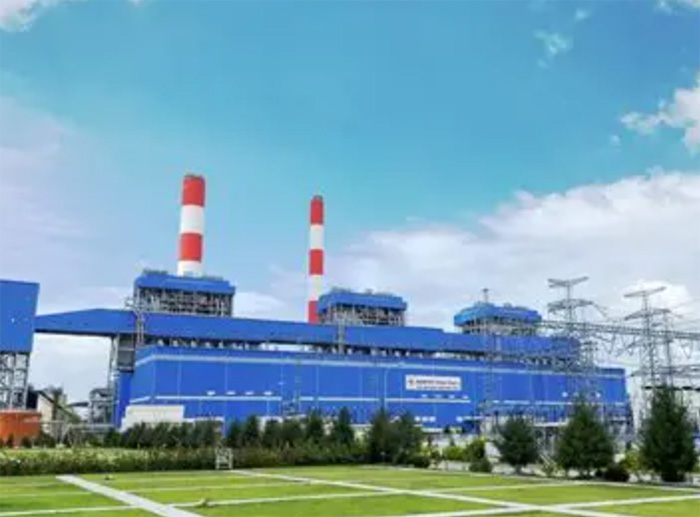
Our team provided corrosion-resistant PTFE-lined ball valves and stainless steel strainers to protect processing equipment handling aggressive media.
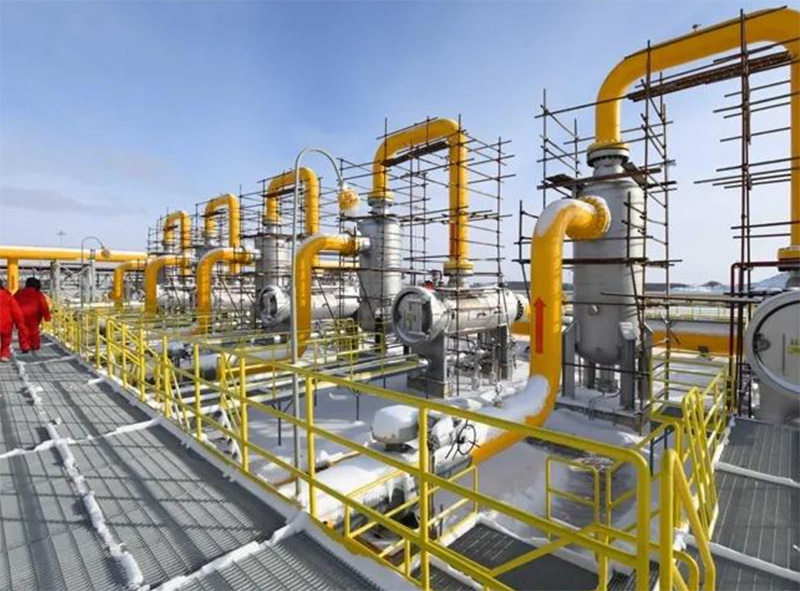
We delivered heavy-duty cast steel gate valves and high-pressure check valves engineered to maintain reliable seals under low-temperature operating conditions.
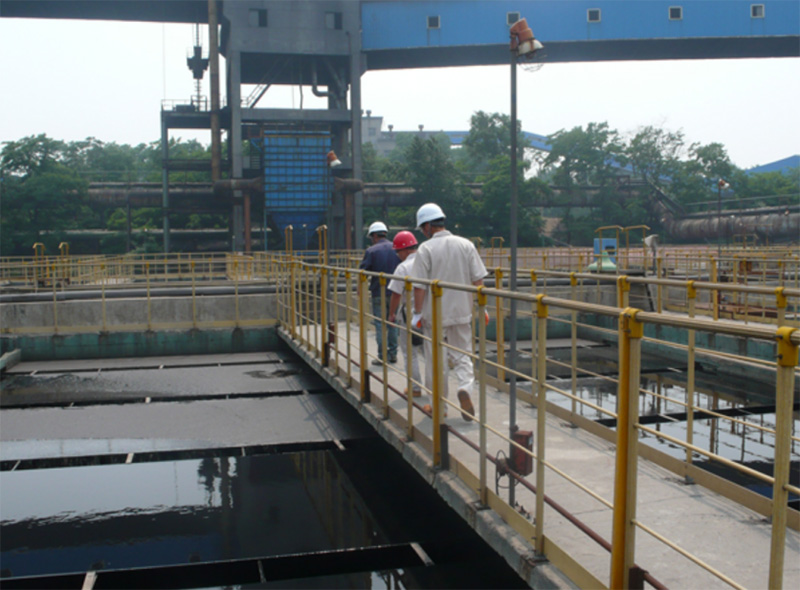
We supplied sewage-grade air release valves and resilient seated gate valves, helping to prevent air-binding and improve overall pumping efficiency.
Key technical specifications and quality factors to review when selecting a global air valve manufacturer.
Verify that your supplier performs shell and seat hydrotests in accordance with standard industrial guidelines, such as EN 12266-1 or API 598. Ensure the factory provides EN 10204 3.1 material traceability certificates for all pressure-containing components.
Valves exposed to underground or outdoor environments require high-grade corrosion protection. Request fusion-bonded epoxy (FBE) coatings with a minimum thickness of 250 microns, certified to WRAS or NSF/ANSI 61 for potable water systems.
Lightweight, high-strength materials are essential for valve floats. SS304 or ABS floats help prevent deformation under high pressure and transient surges, ensuring stable operation over the long term.
Common questions answered by our engineering and manufacturing specialists.
A kinetic air valve is designed to vent large volumes of air quickly when a pipeline is filled, and to admit large volumes of air during draining to prevent vacuum collapse. However, it cannot vent air while the pipeline is operating under normal working pressure. An automatic air release valve, on the other hand, features a smaller orifice designed to continuously vent small pockets of accumulated air while the system is fully pressurized.
Air valves should be installed at local high points, at major changes in slope, at regular intervals (typically every 500 to 1000 meters) on long, flat runs, near pump discharge outlets, and immediately before system meters or control valves to protect accuracy and prevent surging.
Many standard air valves require a minimum system pressure (often 0.5 bar) to create a tight seal. In low-pressure systems, we utilize soft-sealing elastomer seats and optimized float buoyancy ratios to ensure tight shutoff even at minimal pressures, such as 0.1 to 0.2 bar.
No. Raw wastewater contains organic particles, grease, and solids. If a clean-water air valve is used, these solids will quickly clog the sealing mechanism and floats, causing constant leaking. Wastewater-specific air valves feature extended vertical bodies that keep sewage solids far below the upper sealing components.
Delivering high-quality, reliable flow control solutions for critical infrastructure systems worldwide.
We offer tailored design and casting options, accommodating specific dimensions, pressure ratings, and custom color specifications.
Every valve is hydrostatic-tested before shipment, and all products are manufactured in accordance with strict ISO-9001 standards.
We work with trusted logistics partners to manage import, export, and clearance processes, ensuring smooth delivery to projects globally.
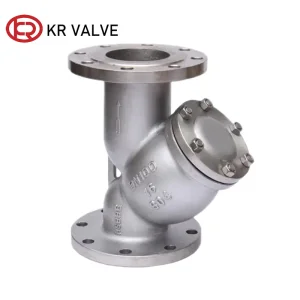
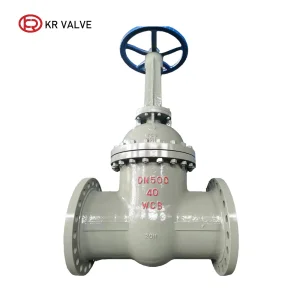
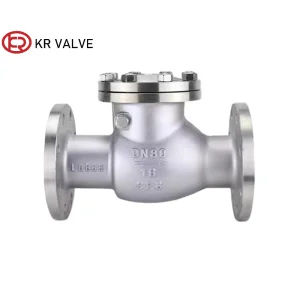
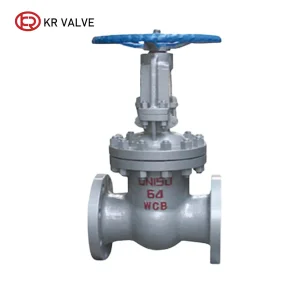
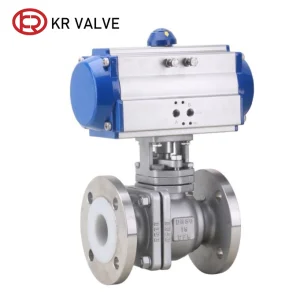
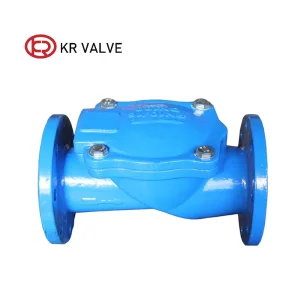
Complete your system design with our certified collection of strainers, check valves, and high-pressure gate valves.
 KR VAVLE