Engineered to withstand rigorous operating pressures, corrosive media, and extreme thermal ranges.
Years of Engineering Experience
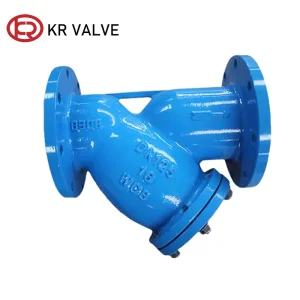
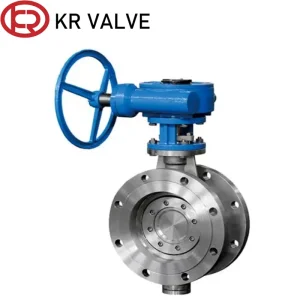
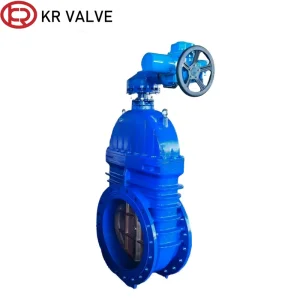
Valve Types & Accessories
Export Countries & Regions
Inspection & Pressure Testing Rate
A comprehensive analysis of fluid dynamics, raw material integrity, and operational optimizations for commercial, municipal, and petrochemical pipeline systems.
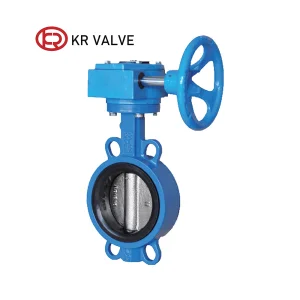
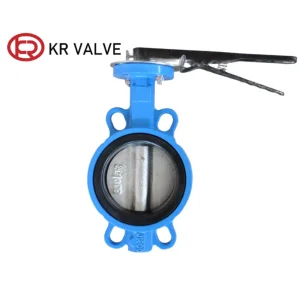
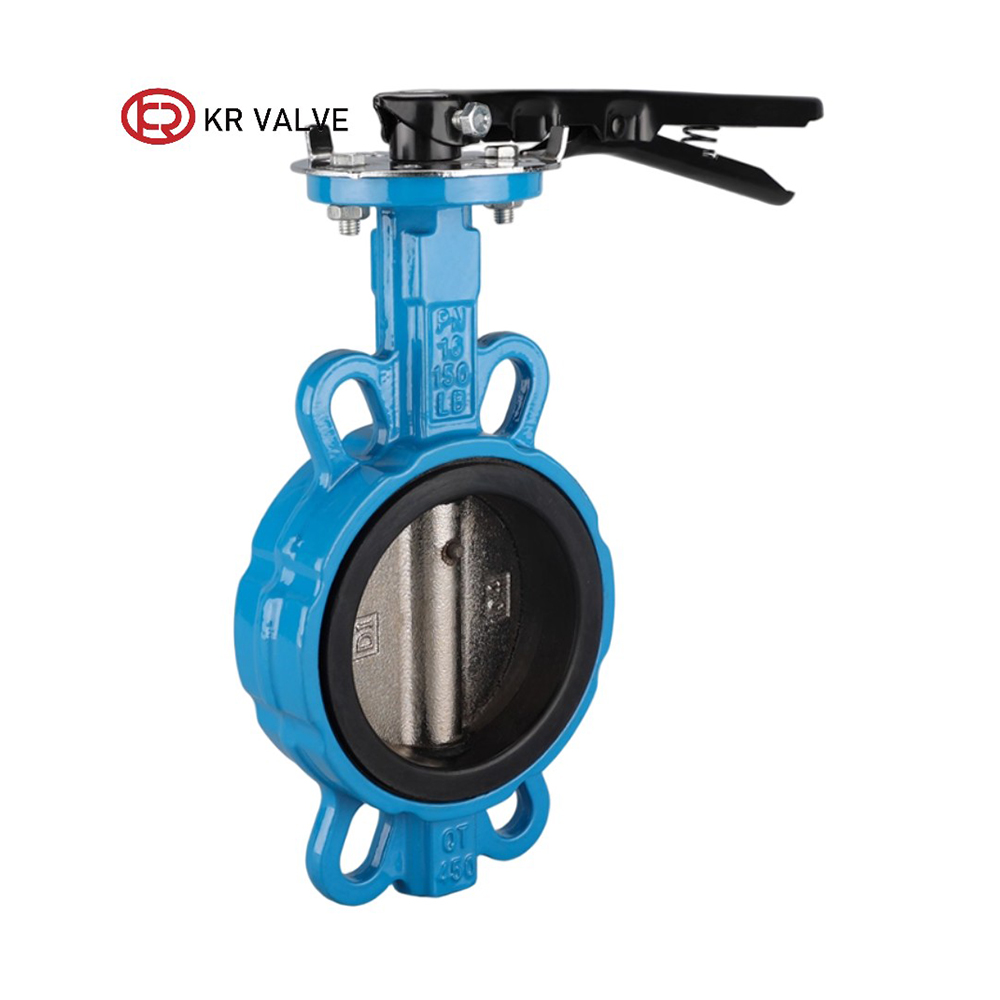
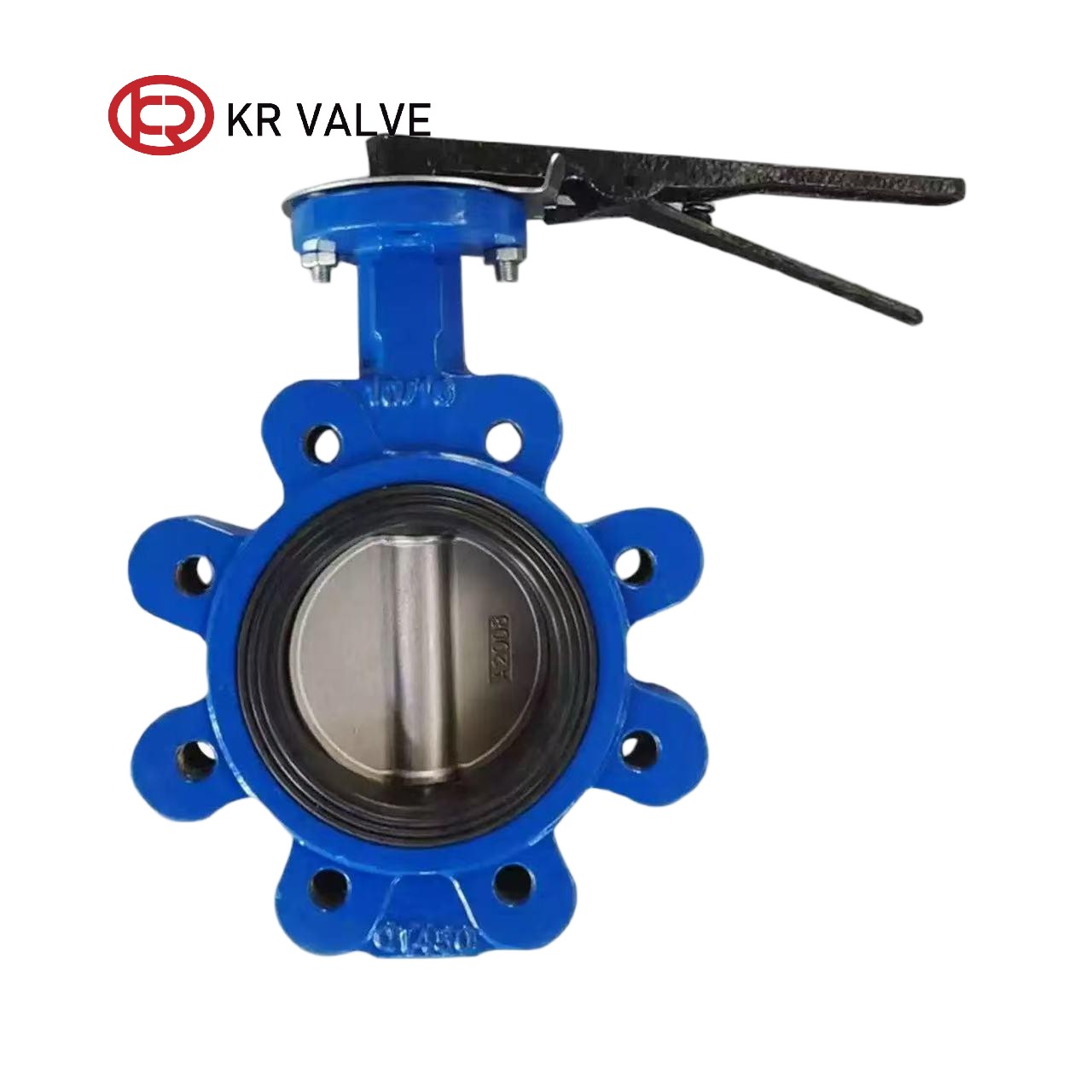
In mid-range flow networks, the 3 Inch (DN80) butterfly valve represents an engineering sweet spot, managing pressure drops and maintaining optimal flow velocities. Unlike larger pipelines where gate or globe valves might become prohibitively heavy and expensive, the butterfly valve utilizes a quarter-turn mechanism. This profile reduces the face-to-face installation width, making it exceptionally lightweight and space-saving.
Understanding the exact pressure profiles, torque requirements, and chemical compatibility of your media dictates whether your system needs a concentric resilient-seated valve or a triple eccentric metal-seated configuration. Correct specification is key to preventing cavitation, reducing pressure drops, and avoiding catastrophic gate/seat failure.
Material integrity determines the lifespan of any flow control unit. Our foundry and manufacturing lines run strictly under verified metal grades:
From municipal grids to marine piping systems, 3-inch valves are used across several key industries:
Employed in desalination plants, industrial filtration loops, and municipal distribution pipelines. Soft-sealing resilient liners ensure tight shutoff against micro-debris.
Controls chilled water loops and boiler feed networks. The compact wafer or lug design allows installation within dense piping arrangements typical in plant rooms.
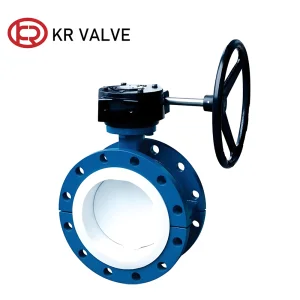
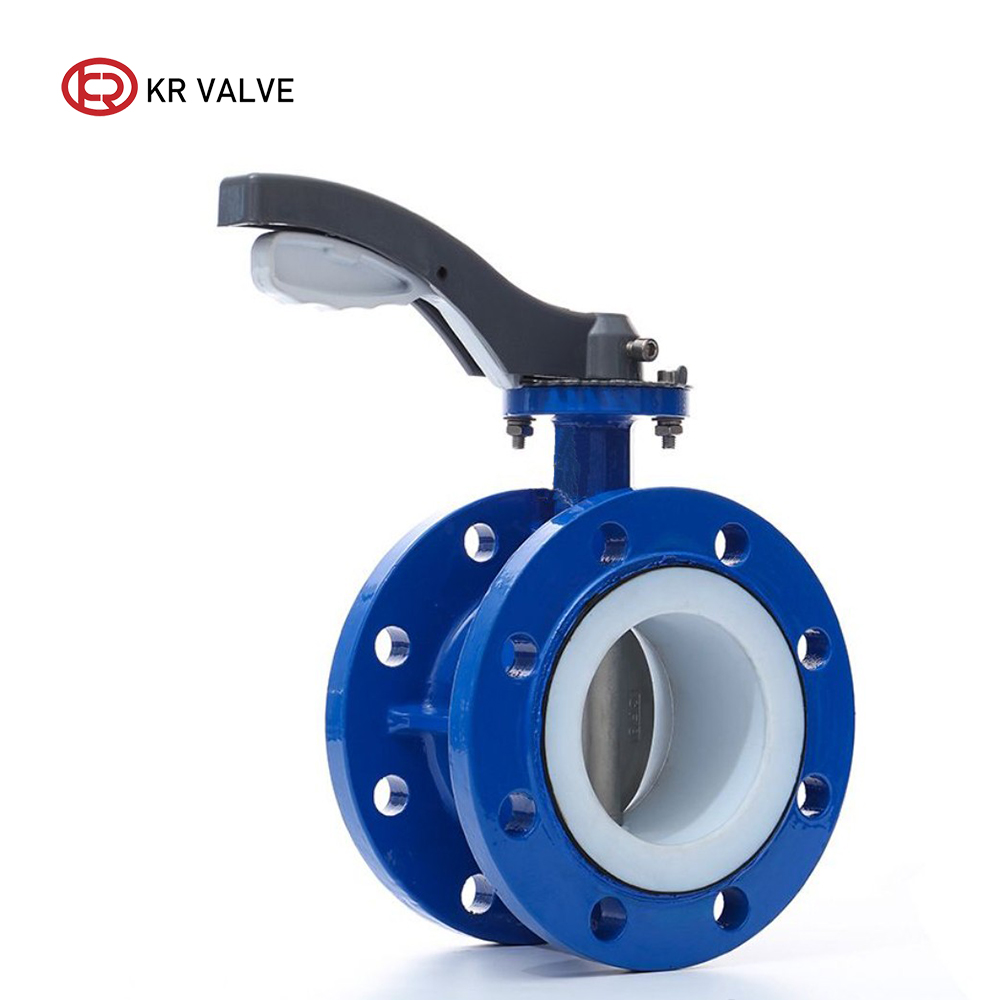
Corrosive chemicals require highly resistant components. Splitting-body PTFE-lined butterfly valves isolate corrosive acids and caustic agents without degradation.
The flow control industry is shifting toward digitalization and remote telemetry. 3-inch butterfly valves are frequently paired with smart double-acting pneumatic actuators or multi-turn electric actuators. Integrating position sensors and digital positioners enables real-time diagnostic reporting on seat degradation, torque anomalies, and transit times. This converts standard isolation components into active components of a predictive maintenance strategy.
Furthermore, development in metal seat designs, such as high-temperature hard-facing (Stellite coating), extends the operational life of valves in power generation pipelines and abrasive slurry transfer lines, ensuring tight sealing over millions of cycles.
Combining structural cost advantages with strict ISO-compliant manufacturing and QA processes.
Our dedicated R&D department utilizes advanced finite element analysis (FEA) to simulate fluid dynamics, minimizing turbulence and cavitation. With over 20 series and 500+ product variations, our lab supports advanced performance testing to ensure product design matches real-world demands.
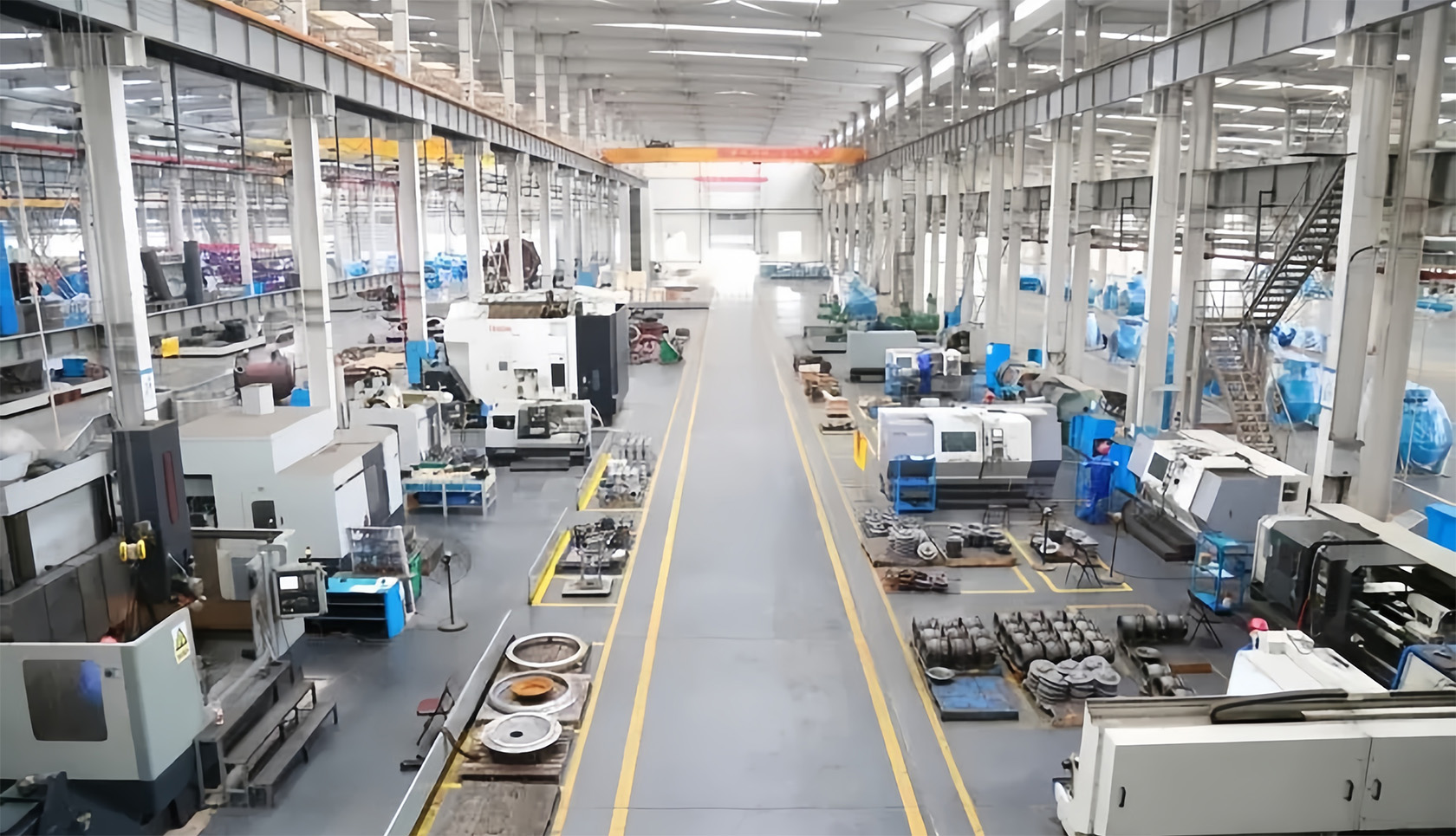
Operating under ISO-9001 quality systems, our manufacturing facility runs 15 precision machining centers and dedicated assembly lines. We manage raw materials, casting, machining, and final assembly to keep our pricing highly competitive while maintaining strict delivery schedules.
Zero leakage is our fundamental design and manufacturing principle. According to international inspection criteria, every valve is subjected to shell and seat pressure testing, visual dimension verification, and functional cycle tests before shipping, with certified test reports provided.
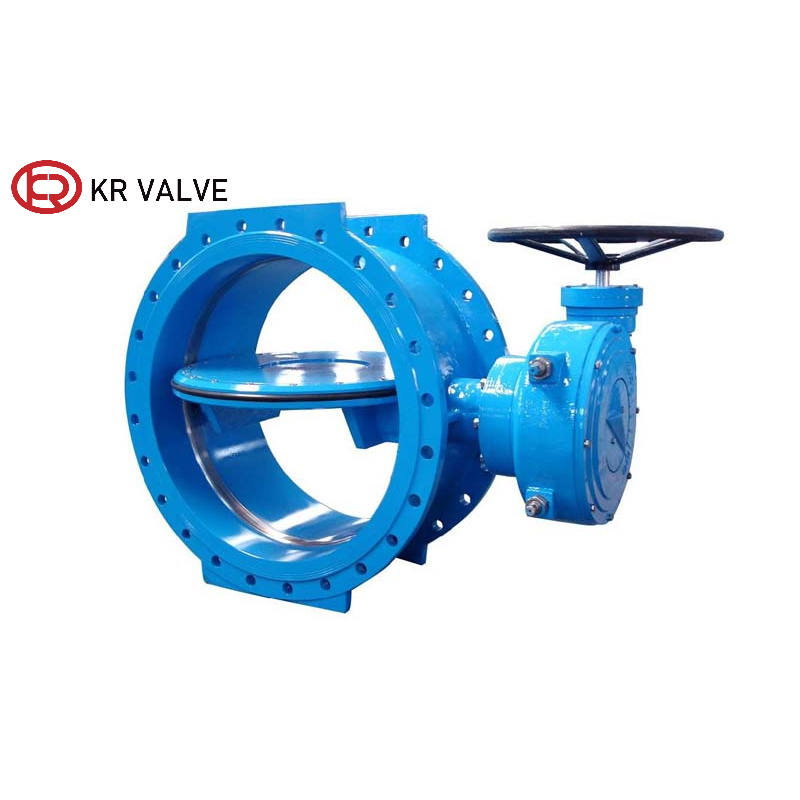
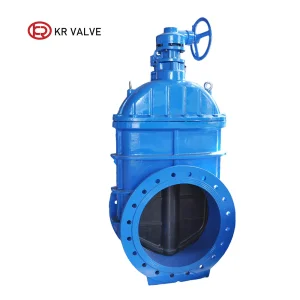
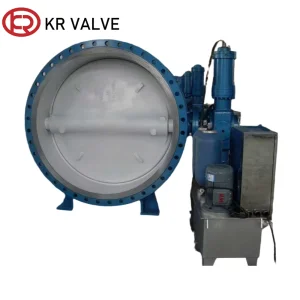
Explore our wide selection of valve types engineered for municipal waterworks, dams, HVAC systems, chemical plants, and heavy industrial infrastructures.
Demonstrated performance in water systems, chemical plants, and oil networks worldwide.
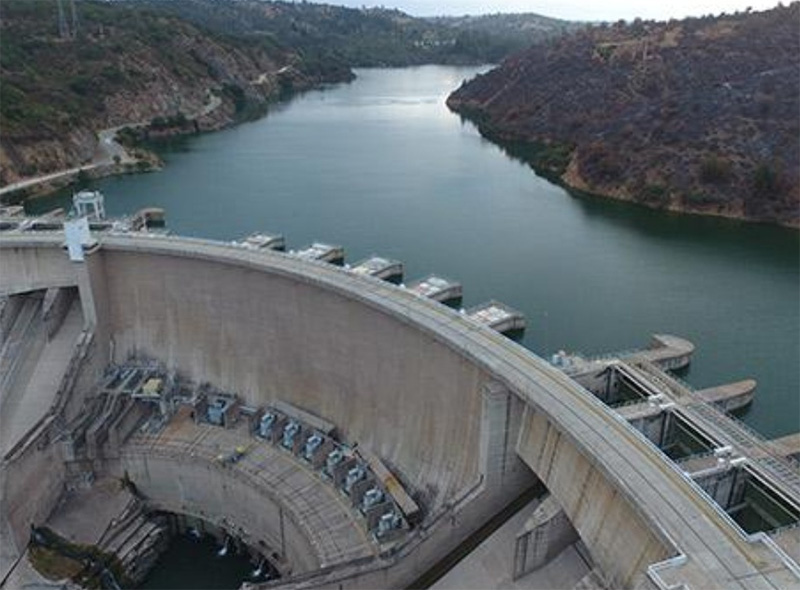
We supplied specialized water control valves for high-pressure dam bypass systems, ensuring reliable water flow management and long-term durability.
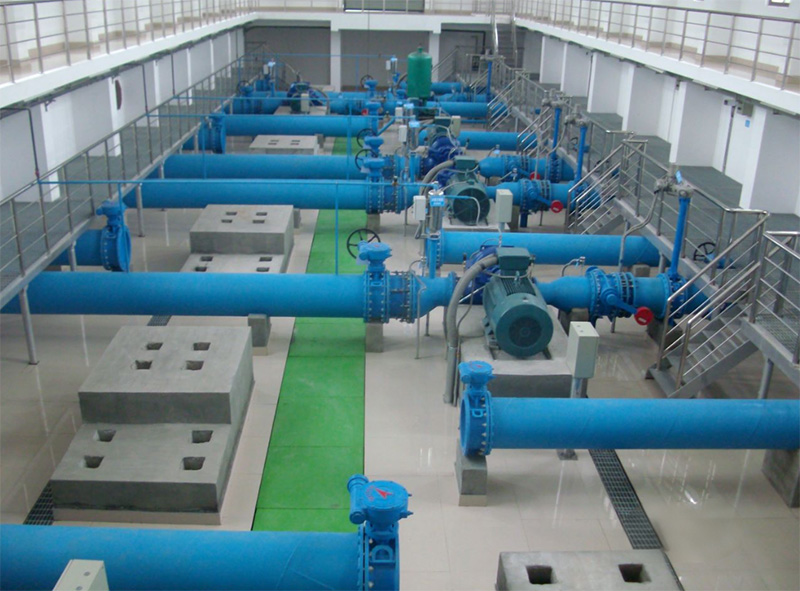
Supplied large-size wafer and lug butterfly valves, along with high-performance dual disc non-return check valves for municipal drinking water distribution networks.
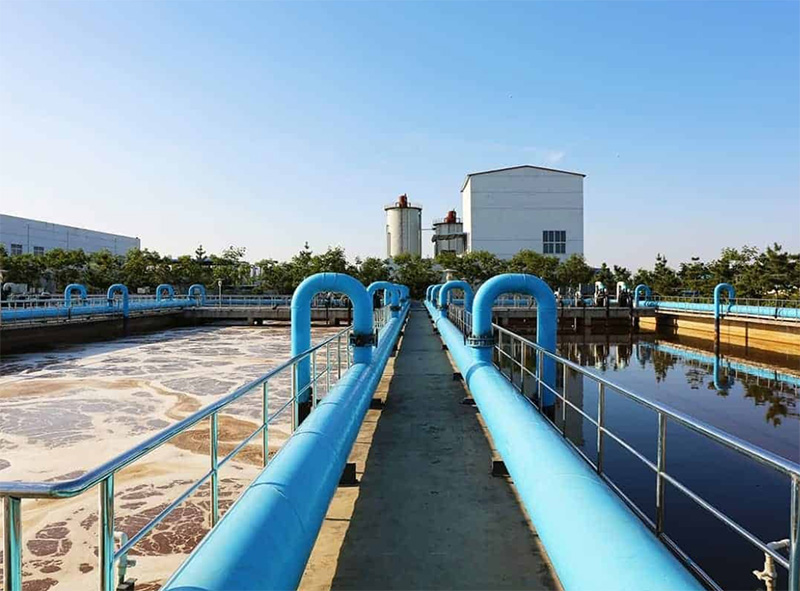
Our heavy-duty resilient seated butterfly valves and wedge gate valves were installed in wastewater treatment and sludge processing loops.
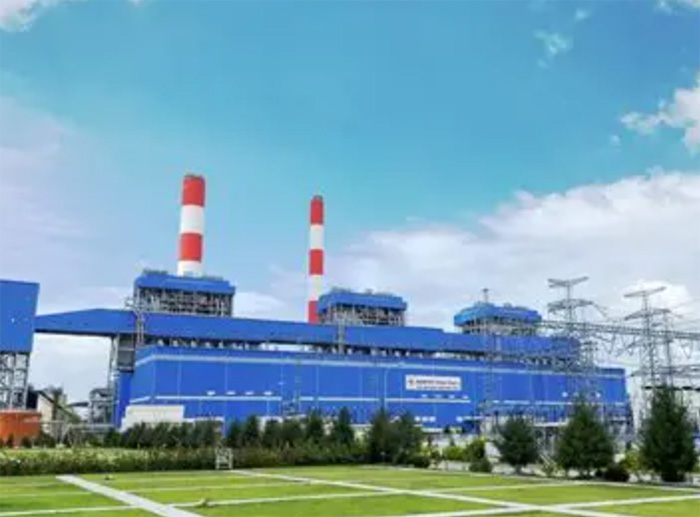
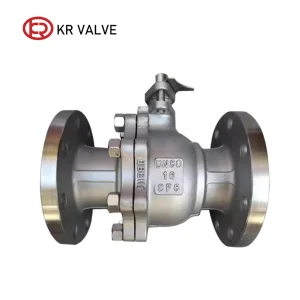
Supplied corrosion-resistant full PTFE lined butterfly valves and stainless steel ball valves designed to handle caustic chemical lines.
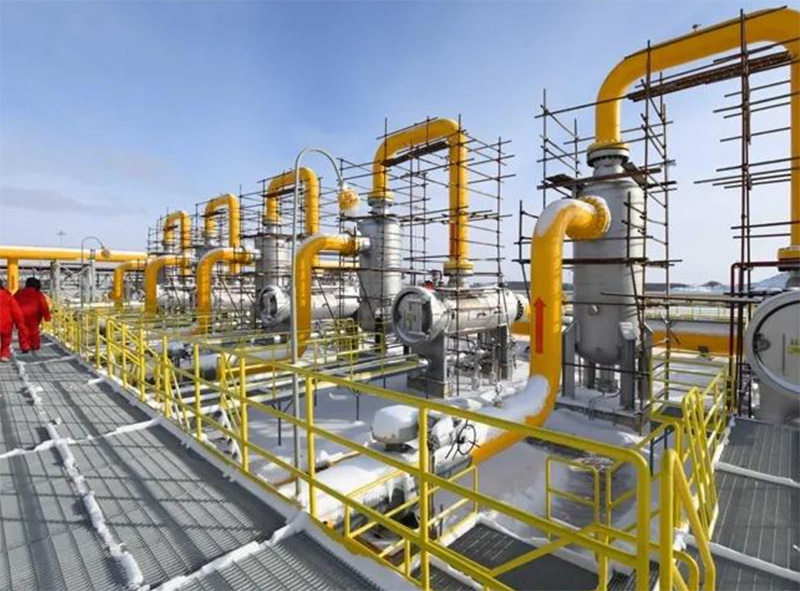
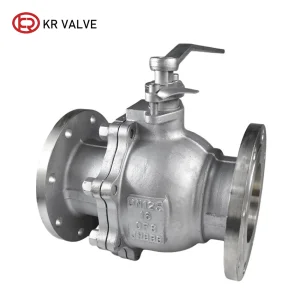
Supplied high-pressure flanged carbon steel ball valves and heavy-duty gate valves optimized for low-temperature operating environments.
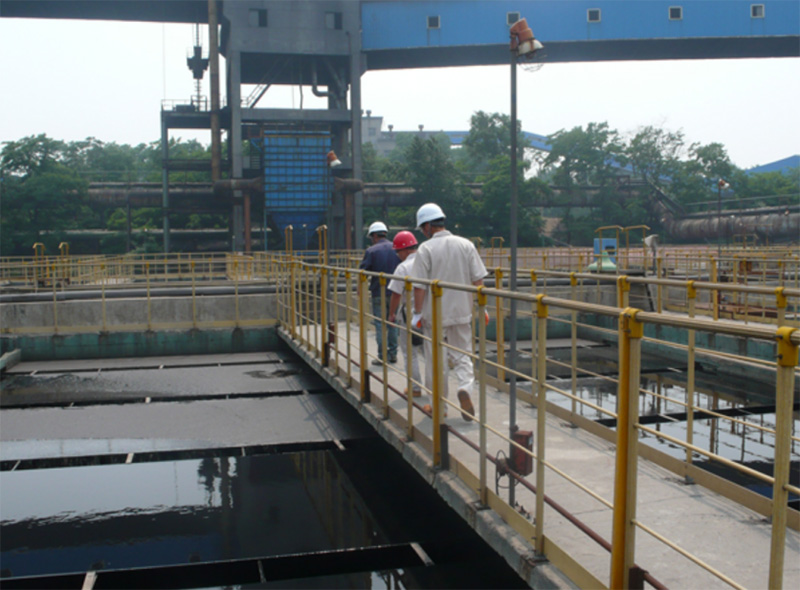
Delivered customized water control valves, reducing pressure surges and optimizing wastewater processing lines.
Addressing core engineering, material, and commercial procurement questions for 3-inch butterfly valves.
Explore our high-performance gate, butterfly, and specialty control valves designed for demanding flow operations.
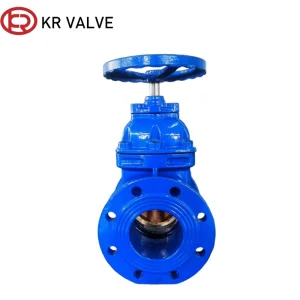
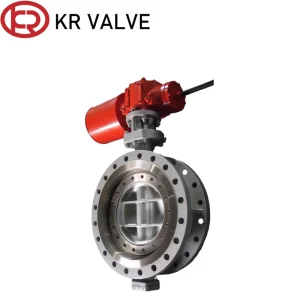
 KR VAVLE