High-precision flow control machinery manufactured under strict ISO 9001 frameworks and engineered to withstand severe operating pressures.
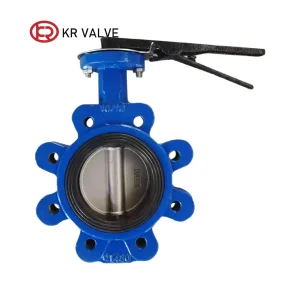
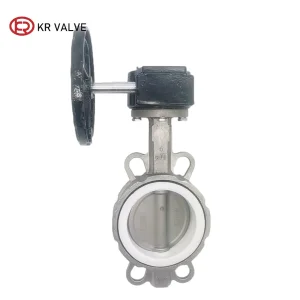
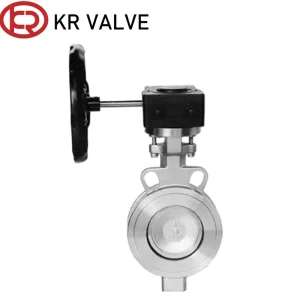
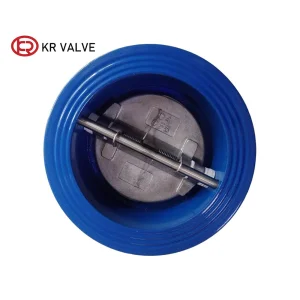
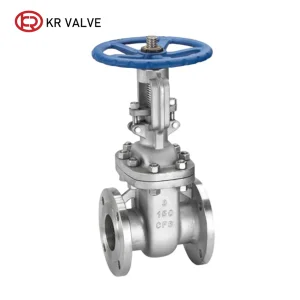
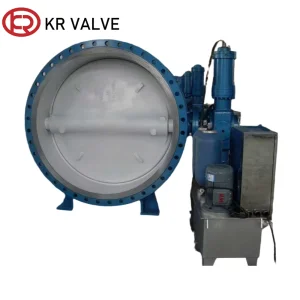
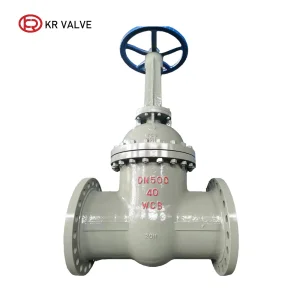
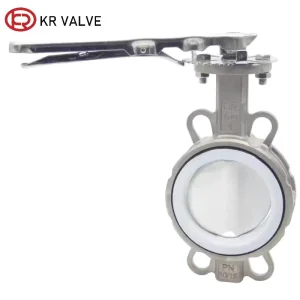
An engineering breakdown of automatic hydraulic regulators and the hydrodynamic physics governing downstream pressure stabilization.
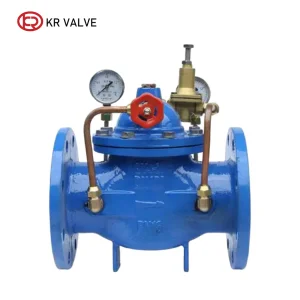
In modern water distribution grids and heavy industrial piping systems, control of fluid velocity and kinetic energy is paramount. A Pressure Reducing Valve (PRV) is an automatic control valve designed to reduce high, fluctuating upstream pressure to a constant, pre-determined, lower downstream pressure, regardless of changes in inlet flow rates or pressure variables. This critical operation prevents pipe bursts, protects downstream machinery, lowers water leakage rates, and minimizes system maintenance costs.
"The hydraulic stability of a municipal or industrial piping network is determined by its weakest joint. By deploying precision-calibrated Pilot-Operated Pressure Reducing Valves (such as the 200X Series), operators can maintain optimal pressure boundaries, achieving a balanced hydraulic equilibrium across varying elevations."
While direct-acting PRVs rely on a simple spring-to-diaphragm balance and are ideal for small-diameter, low-flow applications, industrial infrastructure demands the robust precision of Pilot-Operated Diaphragm Valves. The pilot system acts as a hydraulic force amplifier. It senses the downstream pressure and utilizes the line fluid's own potential energy to modulate the opening of the main valve diaphragm. This mechanism allows the valve to handle high differential pressures (often exceeding PN16 or PN25) without incurring severe hunting effects or rapid component wear.
The pilot control circuit comprises a multi-port pilot valve, a needle valve, and a clean strainer loop. When downstream pressure drops below the setpoint, the pilot valve opens, allowing fluid from the upper diaphragm chamber of the main valve to exhaust downstream. The pressure in the upper chamber decreases, allowing the line pressure underneath the disc to push the valve open. Conversely, as downstream pressure reaches the set point, the pilot valve throttles shut, accumulating pressure in the upper chamber and pushing the main diaphragm toward the closed position. This constant self-regulation maintains down-stream stability within ±0.5 bar.
High-pressure drop applications generate severe cavitation. Custom PRVs feature specialized anti-cavitation trim packages, which split the flow path into multiple micro-jets to shift vapor bubble collapse away from the valve boundaries.
Designed for rapid response, dual-chamber diaphragms provide isolated hydraulic control forces, enabling quick shut-off capabilities during rapid transient water-hammer events.
Advanced Fusion Bonded Epoxy (FBE) powder coating with a minimum thickness of 250 microns protects ductile iron surfaces from galvanic corrosion and chemical deposits.
Analyzing the metallurgical expertise, cluster efficiency, and engineering precision of Chinese valve production hubs.
China has evolved from a bulk cast-iron producer into a global leader in high-end municipal and industrial flow-control solutions. Modern Chinese valve factories offer key advantages that make them the preferred partners for international EPC contractors and global water utility corporations.
From primary casting foundries and CNC machining shops to testing labs and final shipping bays, China's valve clusters (specifically in Oubei, Wenzhou, and sections of Tianjin) host the entire manufacturing life cycle within a small geographical radius. This proximity reduces transit times between processing stages, allows for strict monitoring of metallurgical composition (e.g., verifying GGG50 Ductile Iron vs. lower grades), and translates into significant cost savings for bespoke customizations.
Top-tier Chinese factories utilize automated spectrometers to conduct ladle analysis before pouring liquid metal. Ductility, tensile strength, and impact tests are executed to meet ASTM A536 standards for ductile iron, ASTM A216 for WCB cast steel, and ASTM A351 for CF8/CF8M stainless steel. This strict verification process ensures that structural walls can withstand sudden transient spikes and continuous dynamic loads without fracturing.
Global projects frequently require non-standard face-to-face dimensions, customized bypass lines, and specialized sensor ports for digital monitoring. Chinese manufacturers feature in-house engineering teams proficient in 3D CAD modeling, Finite Element Analysis (FEA), and Computational Fluid Dynamics (CFD). This enables factories to deliver custom PRV schematics within days and proceed with precision CNC machining to match specifications exactly.
From municipal distribution grids to deep-level mining operations: how custom PRVs resolve high-pressure issues.
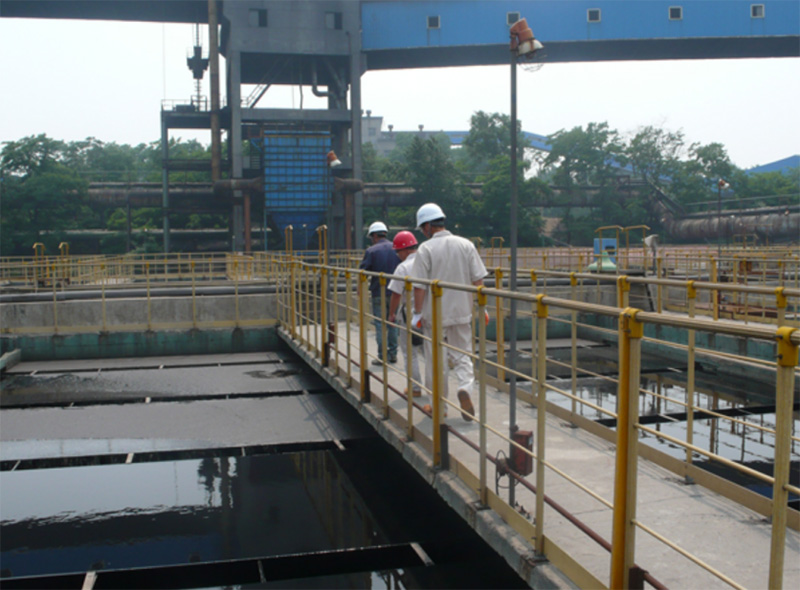
KR supplied custom-engineered water control valves and non-return valves to handle chemical-laden municipal waste fluids while preventing backflow surges.
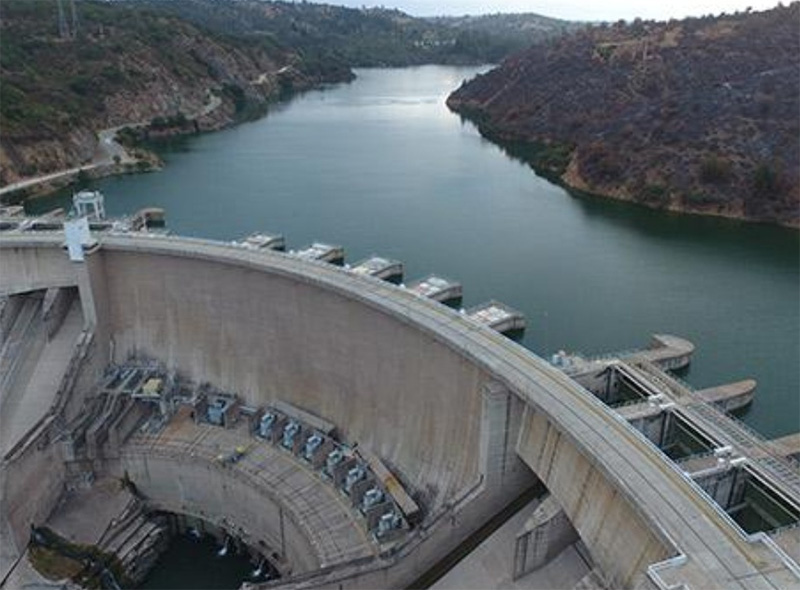
High-altitude water management required heavy-duty hydraulic control valves. KR provided customized 200X pressure reducing systems to protect downstream turbines.
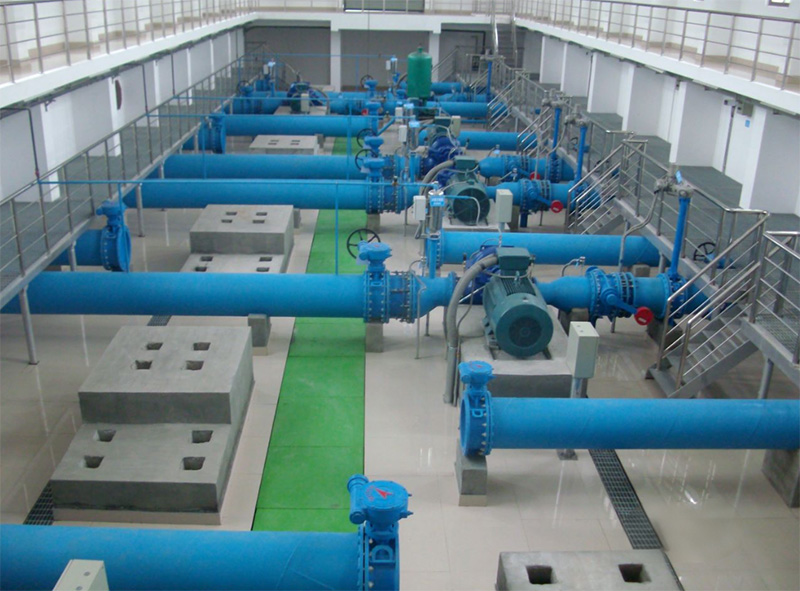
Supplied big-size high-performance butterfly valves and double-disc check valves to stabilize municipal transmission pressure and reduce background leakage.
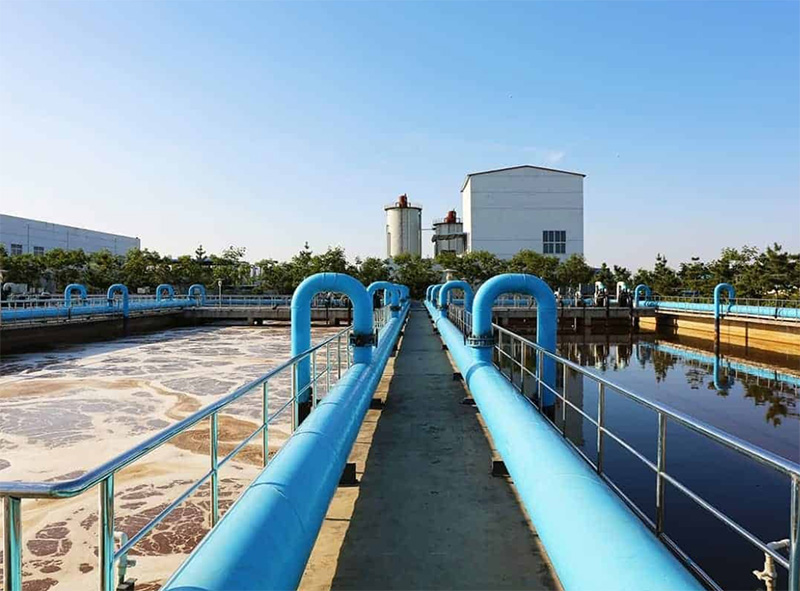
Corrosive sludge lines were optimized using resilient gate valves and robust check valves, preventing abrasive particulate build-up and ensuring consistent flow velocities.
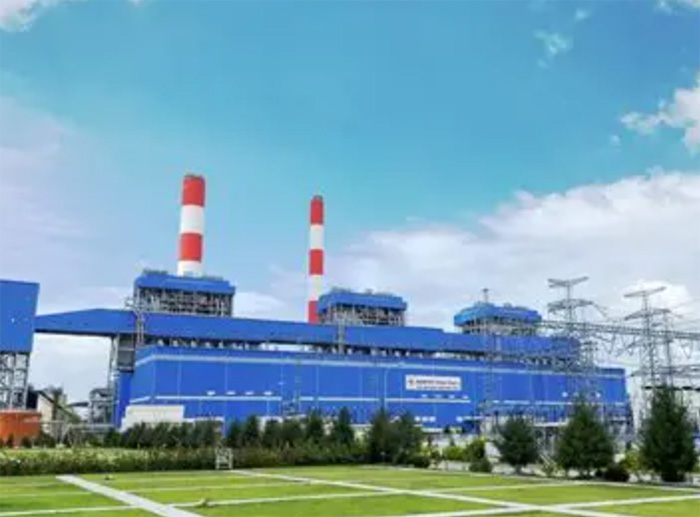
KR supplied a complete range of PTFE-lined wafer butterfly valves and high-grade stainless steel gate valves to withstand harsh acidic environments.
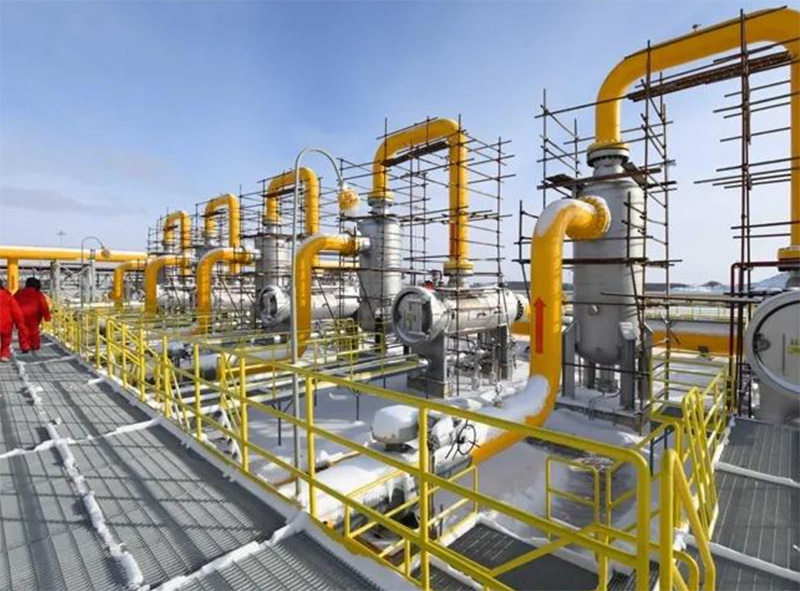
For high-pressure gas distribution, KR delivered heavy-duty cast steel (WCB) gate valves and ball valves capable of sealing under freezing ambient temperatures.
High-Rise Commercial Buildings: Elevated skyscrapers require segmented vertical pressure zones. If high hydrostatic head pressure is left unregulated, lower-level plumbing systems will experience damaged fixtures and pipe joint failures. Custom pilot-operated PRVs are installed at zoning intersections to step down static pressure dynamically.
District Cooling and Heating Networks: Large centralized HVAC networks utilize chilled or heated water pumped across vast distances. PRVs manage variable dynamic pressures across different loops, ensuring that heat exchangers operate at design limits without thermal overload or structural stress.
Municipal Water Loss Management: Up to 30% of municipal water is lost through underground piping leaks. Because background leak leakage rates are directly proportional to water grid pressure, municipal operators install smart PRVs to lower pressure during low-demand night hours, reducing physical water loss and energy costs.
Integrating IoT connectivity, smart telemetry, and metallurgical advances into the next generation of flow control machinery.
The global industrial valve market is moving beyond mechanical controls. Several core advancements are shifting how PRVs are designed, deployed, and serviced:
Integrating pressure transducers, digital positioners, and SCADA connectivity into the pilot control loop enables modern PRVs to become smart edge devices. Operators can remotely adjust setpoints, monitor live upstream/downstream pressures, and trace valve wear patterns. This connectivity shifts maintenance schedules from reactive repair to predictive maintenance, preventing unexpected pipeline failures.
Instead of regulating to a fixed downstream pressure, advanced smart PRVs dynamically adjust settings based on real-time grid demand. By connecting downstream pressure feedback from critical critical nodes back to the main valve actuator, the valve ensures the minimum required pressure is maintained, preventing over-pressurization during low-flow hours.
With water quality guidelines like WRAS, NSF/ANSI 61, and ACS tightening globally, manufacturers are replacing standard elastomeric components with lead-free, non-toxic, and WRAS-approved alternatives. High-grade EPDM formulations and lead-free bronze pilots ensure that valves used in drinking water lines do not leach chemical compounds or heavy metals into municipal supplies.
Demystifying raw material testing, leak verifications, and compliance certification metrics for industrial buyers.
When sourcing custom pressure reducing valves, international procurement departments must prioritize manufacturing transparency and standard compliance over initial unit cost. Reliable PRV factories employ strict Quality Assurance protocols at every phase of the manufacturing process.
A reputable factory provides Mill Test Reports (MTRs) tracing the chemical and physical characteristics of the valve body casting back to the original furnace batch. This certification ensures the casting has no internal voids, micro-cracks, or sand inclusions that could fail under hydrostatic pressure testing.
Following assembly, every PRV must undergo shell and seat pressure testing in accordance with BS EN 12266-1 or API 598. Shell tests are executed at 1.5 times the maximum working pressure, while seat tests are performed at 1.1 times. The target criteria is zero visible leakage under testing durations (often 60 to 180 seconds based on nominal diameter).
A major cause of project delays is mismatched sizing. Sourcing managers must provide maximum, minimum, and normal flow rates ($Q_{max}$, $Q_{min}$, $Q_{norm}$) along with differential pressure variables. Factory engineering teams use this data to perform hydraulic calculations, ensuring the selected nominal diameter (DN) and pilot spring range (e.g., 0.5–6 bar, 2–10 bar, or 8–16 bar) are correctly matched to avoid cavitation or hunting issues.
Deep engineering questions and detailed answers regarding the calibration, maintenance, and operation of Pressure Reducing Valves.
At very low flow conditions, the pilot valve restricts flow to match the minor downstream demand. However, if the flow rate drops below the valve's stable operating limit, the main diaphragm may begin to oscillate (hunt) between open and closed positions. To prevent this, custom PRVs can be fitted with a V-port throttling plug or a secondary, smaller PRV installed in a bypass loop. The smaller valve manages low-flow cycles, while the larger PRV opens only during high-demand periods.
Cavitation occurs when downstream pressure falls below the vapor pressure of the fluid, creating vapor bubbles that collapse destructively when returning to higher pressure zones. The symptoms include a cracking noise (like gravel flowing through the valve), high vibration, and rapid pitting erosion on the internal valve components. Mitigation strategies include placing two PRVs in series to distribute the pressure drop across two stages, or using an anti-cavitation trim (such as concentric slotted cages) to dissipate energy away from the valve walls.
Pilot-operated PRVs rely on a narrow control circuit containing small orifices, needle valves, and a pilot regulator. If particulates, rust, or debris enter the pilot circuit, they can clog these ports, preventing pressure from releasing from or entering the upper diaphragm chamber. This results in the main valve failing in either the fully open or fully closed position. Installing a high-quality Y-strainer upstream of the valve captures debris, protecting the pilot circuit from clogging.
The diaphragm is typically made of elastomeric materials such as EPDM, NBR, or Neoprene, reinforced with high-strength fabric. Elevated fluid temperatures accelerate chemical aging and reduce the elastic limits of these elastomers. Standard EPDM diaphragms are rated up to 80°C, while applications with higher temperatures require specialized fluorocarbon (Viton) or silicon-reinforced designs to prevent premature tearing and thermal degradation.
Dynamic pressure reduction refers to pressure control while water is flowing through the system. Static pressure reduction refers to the valve's ability to seal tightly and maintain the set downstream pressure when downstream flow is completely shut off (zero demand). Achieving bubble-tight shut-off under static conditions requires high-quality, soft-seated discs (such as EPDM-coated ductile iron) to seal perfectly against the metallic body seat.
Completing our core manufacturing catalog with high-quality check valves, gate valves, and pressure control components.
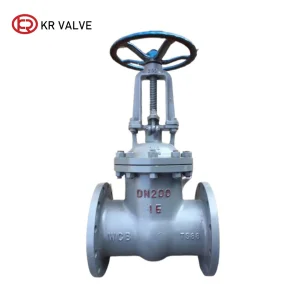
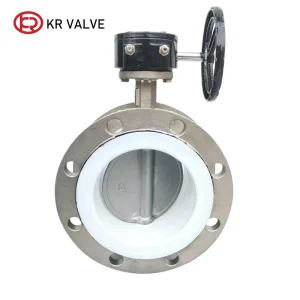
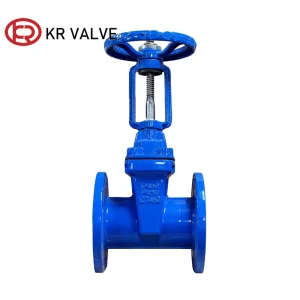
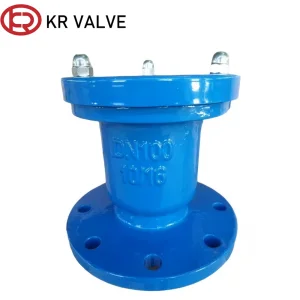
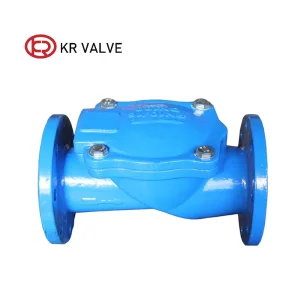
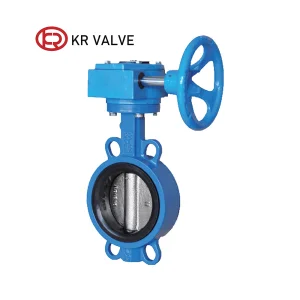
Leverage our 20+ years of manufacturing experience, 500+ valve catalogs, and global project engineering capabilities to secure your pipeline safety. Request an engineered quote today.
Contact Our Engineering Team KR VAVLE