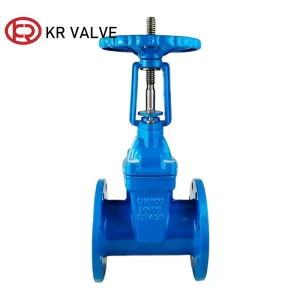
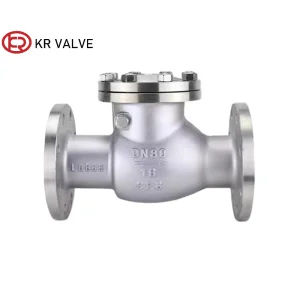
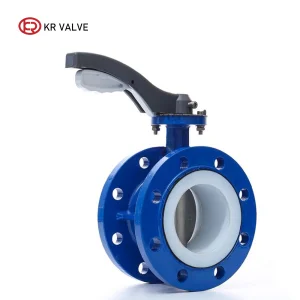
Direct from Factory: Top 8 configurations engineered for challenging industrial pipelines
Two decades of engineering excellence in fluid control technologies
KR has more than 20 years of experience in producing standard and non-standard valves of various types. We supply a wide selection of over 500 valve products, including butterfly valve, gate valve, check valve, water control valve, as well as all their matching and accessory products. These products have applications in various industries such as water treatment, dam construction, commercial buildings, energy and heating, chemical engineering, etc. We has won high repeat purchase rates from customers with excellent product variety and quality.
Beyond product excellence, we are dedicated to creating a mutually beneficial partnership with every customer. We believe that reliable service is as crucial as superior products, and we strive to continuously optimize the customer experience to achieve long-term win-win cooperation. Today, KR VALVE’s products have been exported to over 50 countries and regions in Europe, Asia, Africa, and Oceania, providing project construction and brand marketing services to thousands of customers.
An authoritative guide on selection, performance metrics, and application architectures
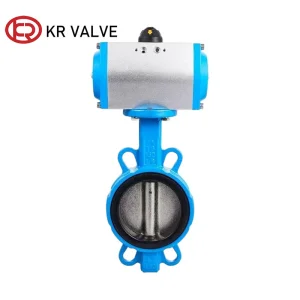
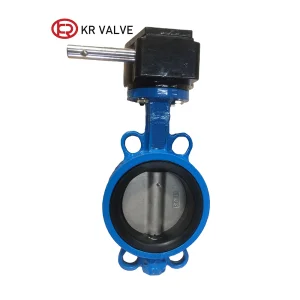
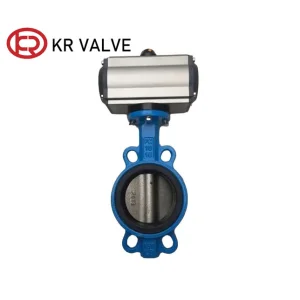
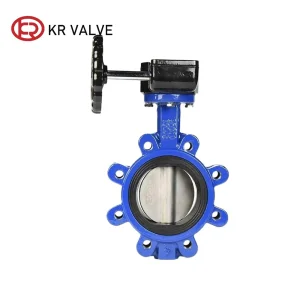
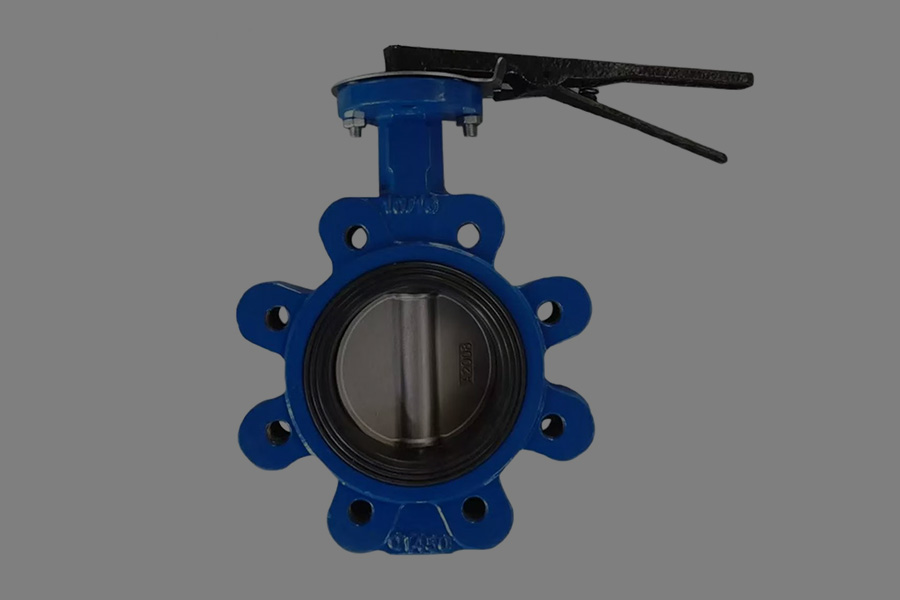
Wafer-type butterfly valves are uniquely engineered for compact axial dimensions, light weight, and structural simplicity. The design features a disc mounted on a rotating shaft positioned at the center of the pipe. When the disc is rotated parallel to the flow, the valve is fully open, minimizing pressure drop. When rotated 90 degrees, it seats against the resilient or metallic seal to shut off flow.
The primary benefit of the wafer design is its installation configuration. Positioned between two standard pipe flanges (ANSI, DIN, JIS, or BS), the valve body is centered and secured by through-bolts that clamp the entire assembly. This configuration eliminates unnecessary body flanges, reducing installation weight by up to 60% compared to equivalent gate or globe valves. This weight reduction is critical in seismic zones and high-elevation pipe racks, where structural load-bearing capacity is limited.
Information Gain Insight: Concentric vs. Eccentric Offsets. While concentric (zero-offset) wafer valves are standard for low-pressure water treatment, high-performance double and triple eccentric configurations are required for high-pressure or high-temperature lines. Offset designs minimize seat friction during operation, significantly extending the life cycle of the sealing element.
| Feature / Parameter | Concentric Wafer Valve | Double Eccentric Wafer Valve | Triple Eccentric Wafer Valve |
|---|---|---|---|
| Shaft Centerline | Centered in disc and body | Offset from disc and flow center | Offset in 3 axes (incl. seat cone) |
| Common Sealing Material | EPDM, NBR, PTFE (Soft Seal) | PTFE, RTFE, Metal-to-Metal | Laminated Metal + Graphite, Stellite |
| Pressure Rating Limits | PN10 / PN16 / Class 150 | Class 150 / Class 300 | Class 150 / Class 300 / Class 600 |
| Typical Application | HVAC, Municipal Water, Air | Chemicals, Corrosive Media | High-Temp Steam, Hydrocarbons |
Industrial procurement managers must navigate complex material specifications to ensure site safety and long-term operating efficiency. Key specifications include chemical composition verification of pressure-retaining castings, physical tensile strength verification, and hydrostatic pressure testing.
When purchasing custom wafer butterfly valves, specify the exact body casting material. Ductile Iron (GGG40 / ASTM A536) offers superior impact resistance compared to standard Cast Iron (GG25), making it the industry benchmark for municipal pipelines. For chemical processing, ASTM A351 CF8 (304 SS) and CF8M (316 SS) offer excellent resistance to acids and halogens. The choice of elastomer seat (EPDM, Nitrile/NBR, or Fluorocarbon/FKM) must be selected based on the operating temperature and chemical compatibility of the fluid.
Wafer butterfly valves are used across diverse industrial sectors:
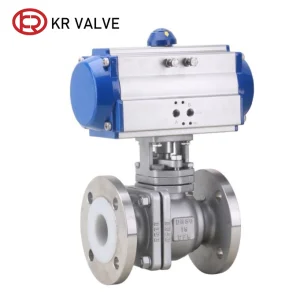
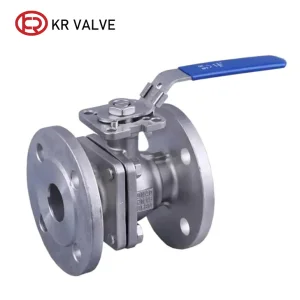
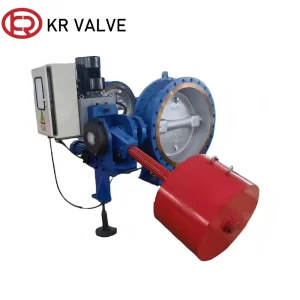
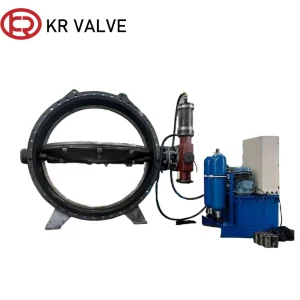
Modern fluid control systems rely on automated valve assemblies. KR Valve supports manual lever operations, manual gearboxes (worm-gear type for high torque transmission), pneumatic actuators (both double-acting and spring-return systems), and smart electric actuators.
Integrating digital electro-pneumatic positioners allows for modulating control applications. By using 4-20mA or digital bus protocols (HART, Modbus, Profibus), the valve's exact position can be monitored from the control room. This enables predictive maintenance protocols by recording seat torque profiles, allowing operators to schedule rebuilds before a failure occurs.
KR Valve enforces a strict "Zero Leakage" quality control program. All butterfly valves undergo hydrostatic shell testing at 1.5 times the design pressure and high-pressure seat testing at 1.1 times the design pressure, in accordance with ISO 5208, API 598, and EN 12266-1. Material traceability is documented with EN 10204 3.1 Mill Test Certificates (MTR) for all major pressure-retaining components.
Ensuring engineering integrity from design to delivery
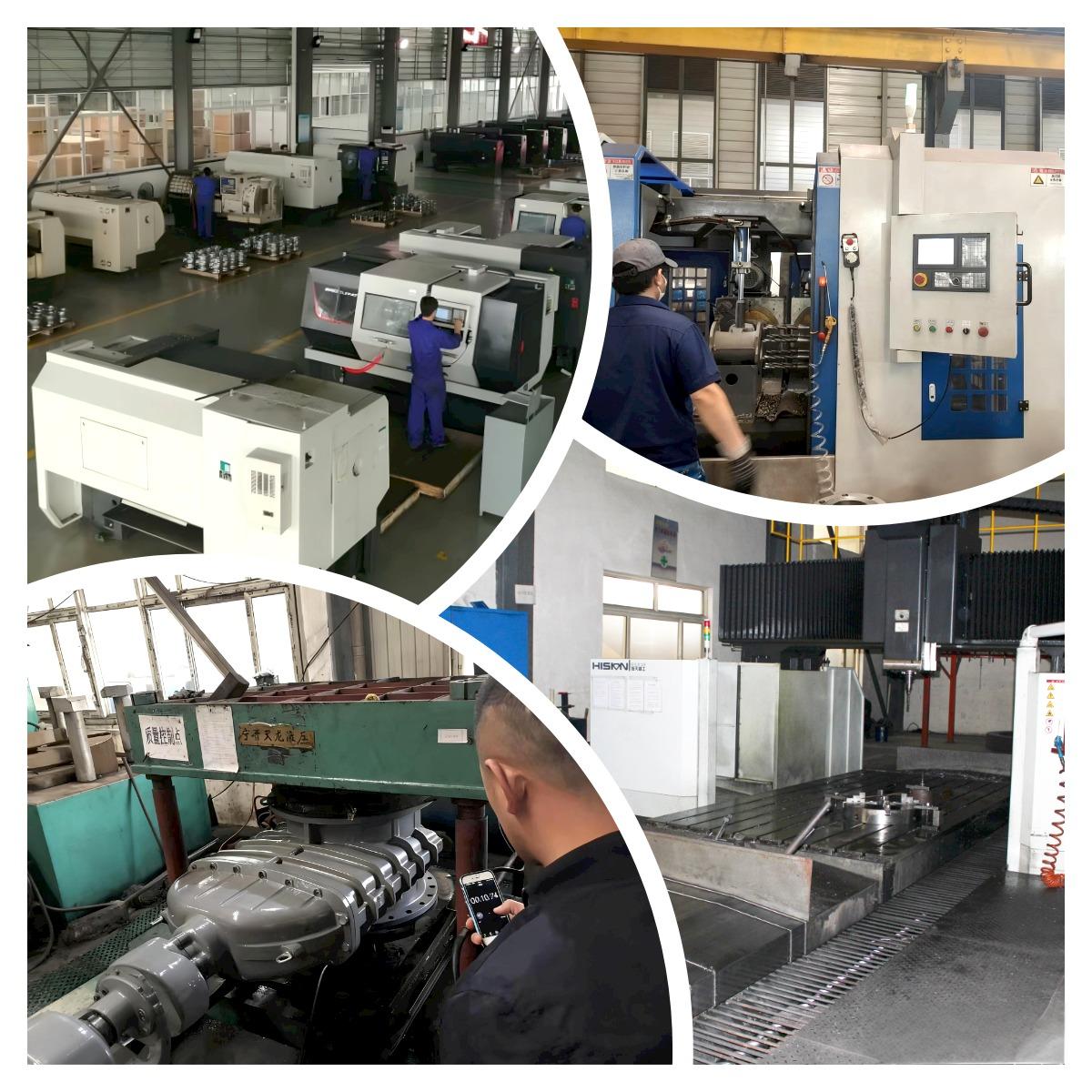
Our technicians continuously design and develop products that meet customer and market requirements, our lab provides extensive modern testing capabilities to elevate product performance development. We have 20 series and over 500 varieties of our products now.
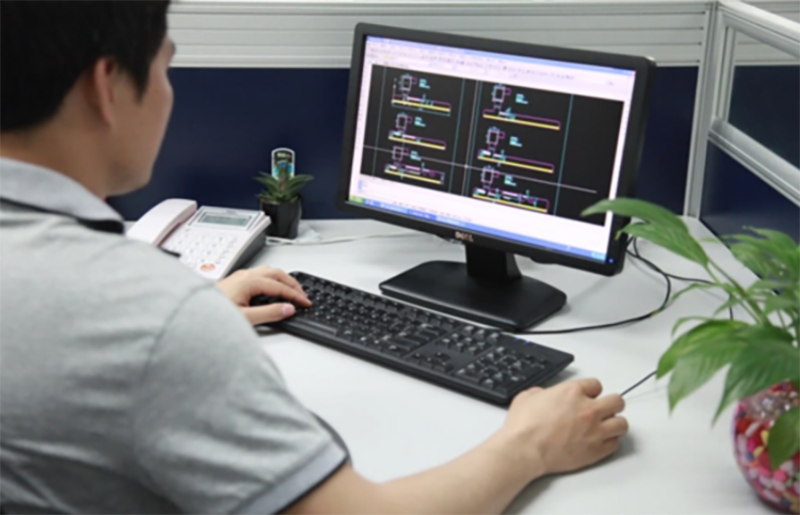
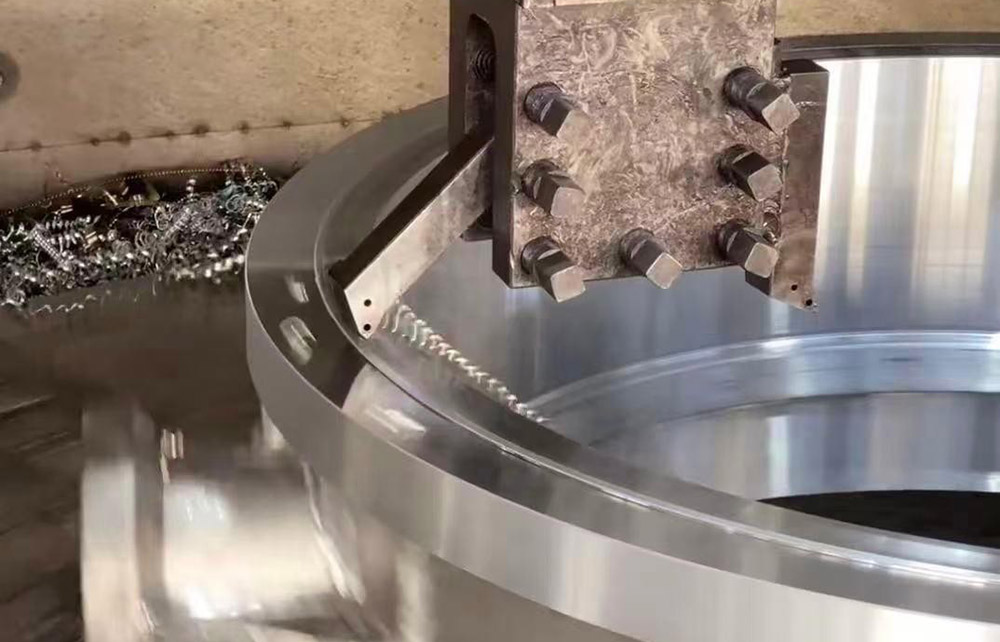
Production department formulates the production plan and produces according to the plan to ensure timely delivery according to customer requirements. Products are manufactured under strict supervision in accordance with the ISO-9001 quality management system.
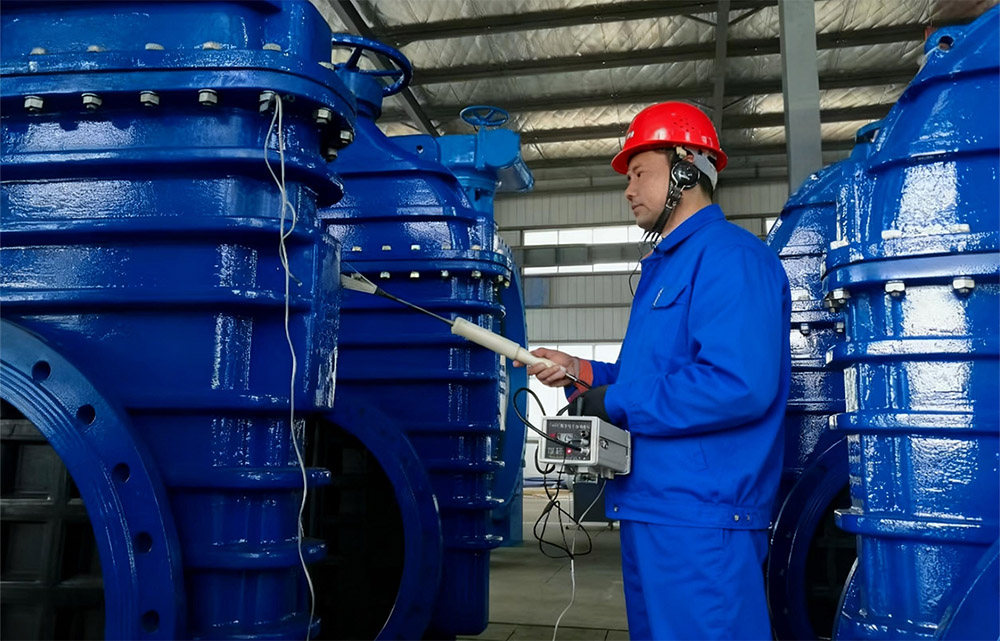
Inspection department to ensure 100% inspection quality of products. Zero leakage is our principle. According to international quality inspection standards, conduct a series of inspections on the appearance, size, pressure, etc. of the product.
Our comprehensive performance standards and corporate advantages
We have our own independent brand ‘KR’ and also provide OEM services to our customers, we have established long-term relationship with many famous brand.
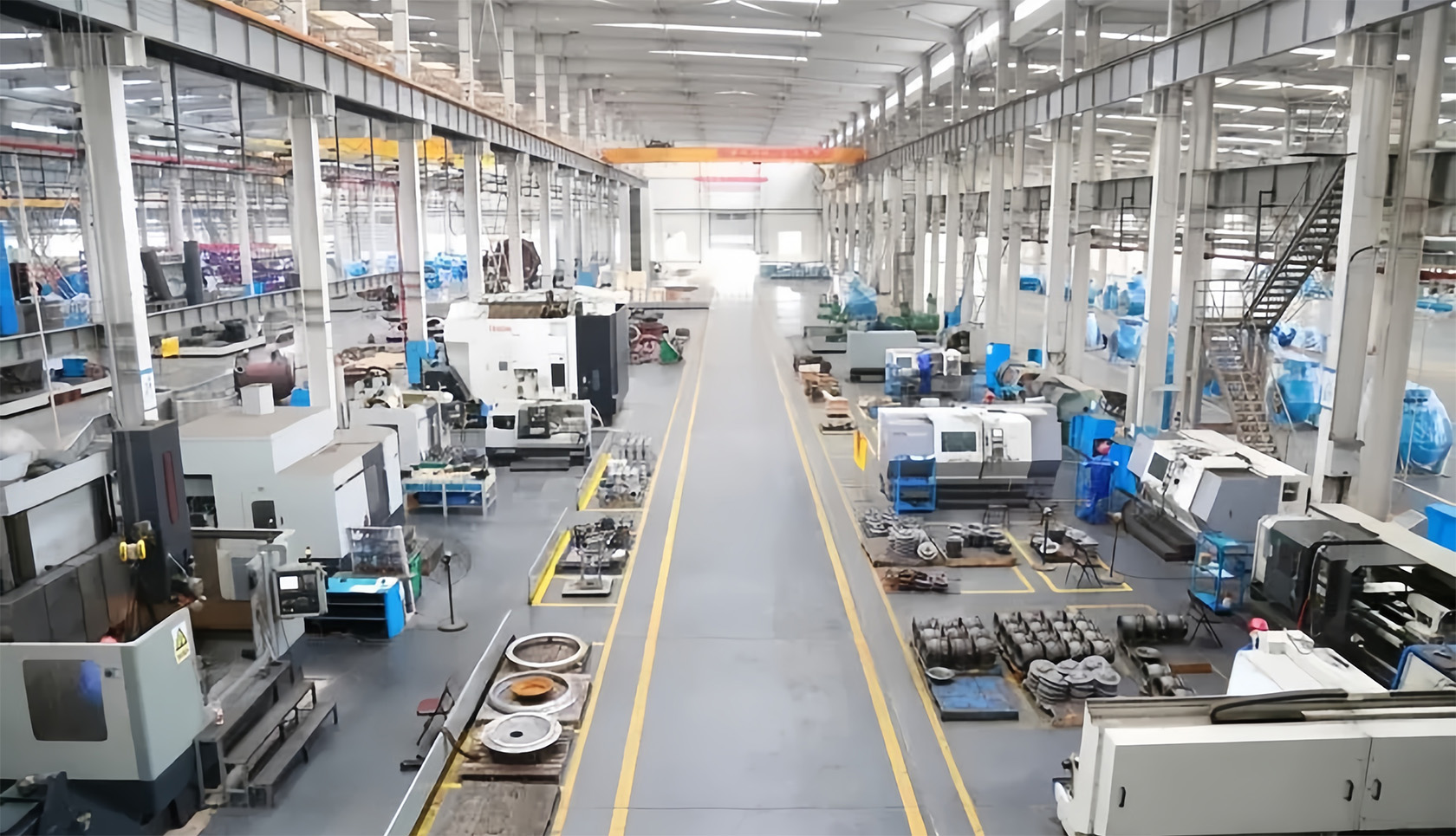
We have 15 machining machines and assembly line, and our workers are all experienced.
We have 20 series and over 500 varieties of our products, supply international standard and non-standard customized products.
We strictly control the production of each component and assemble it into a perfect finished product.
We have competitive price based on we strictly control every process of production by ourselves.

We provide professional and complete pre-sales and after-sales service consultation.
Take a virtual tour of our state-of-the-art testing facilities
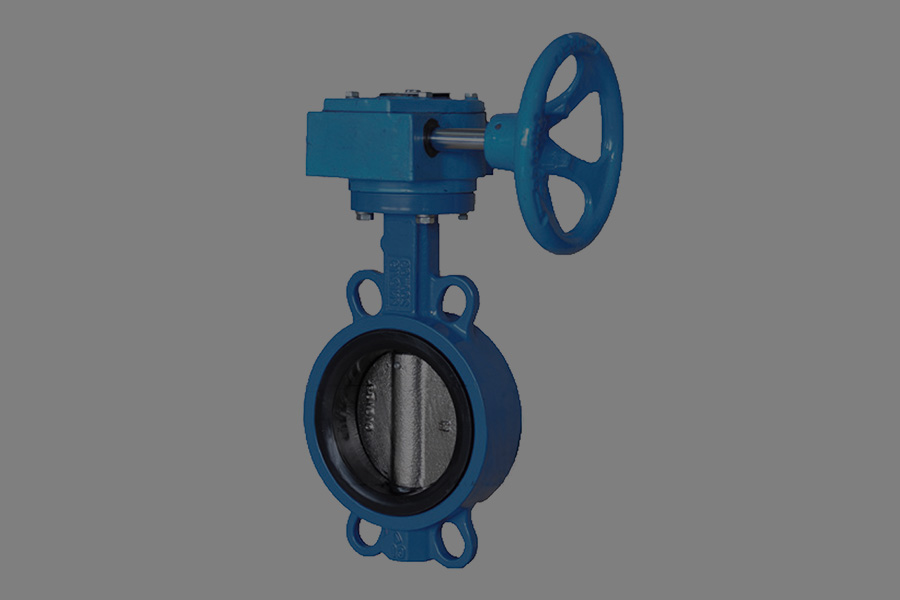
Proof of reliability in major municipal, chemical, and energy projects
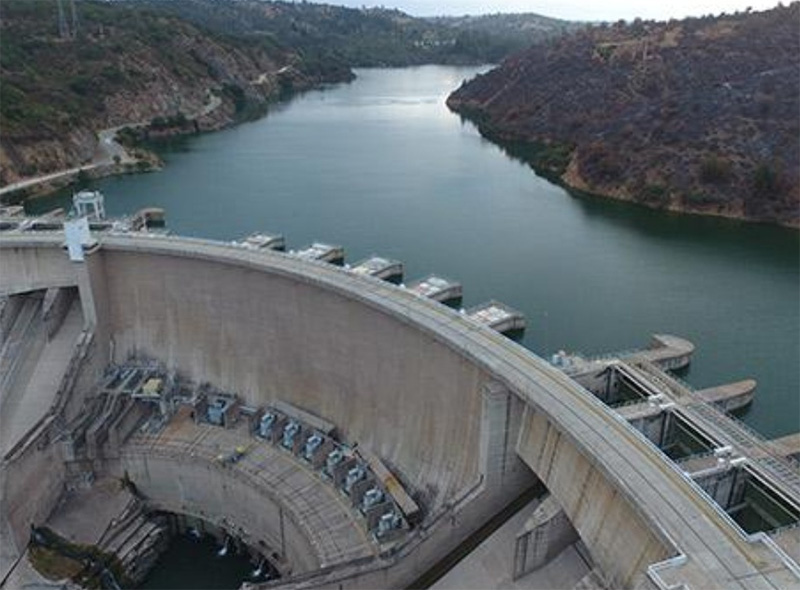
Supplied various high-pressure hydraulic control valves for regulating secondary distribution lines in regional water storage works.
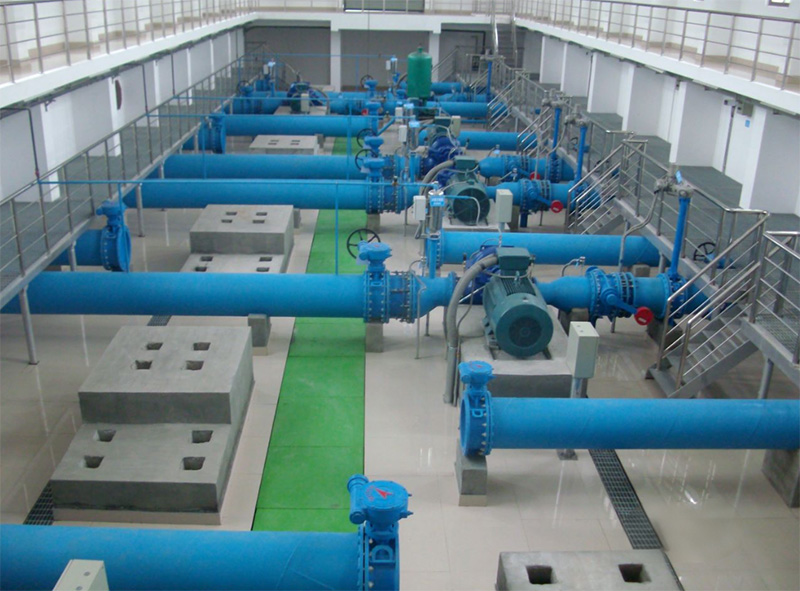
Supplied large-bore concentric butterfly valves and silent check valves for municipal drinking water pipelines, ensuring zero backflow.
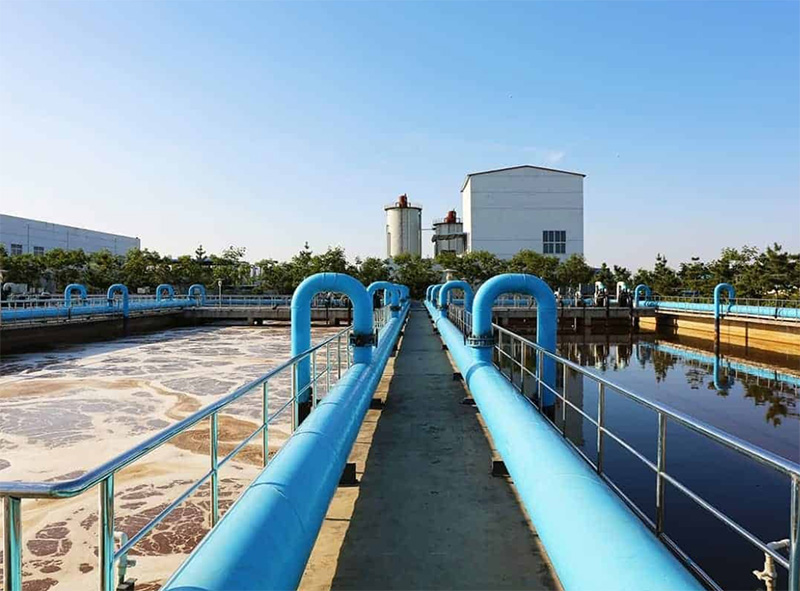
Fitted corrosive sludge lines with heavy-duty EPDM-lined wafer butterfly valves and resilient-seated gate valves to ensure smooth solids handling.
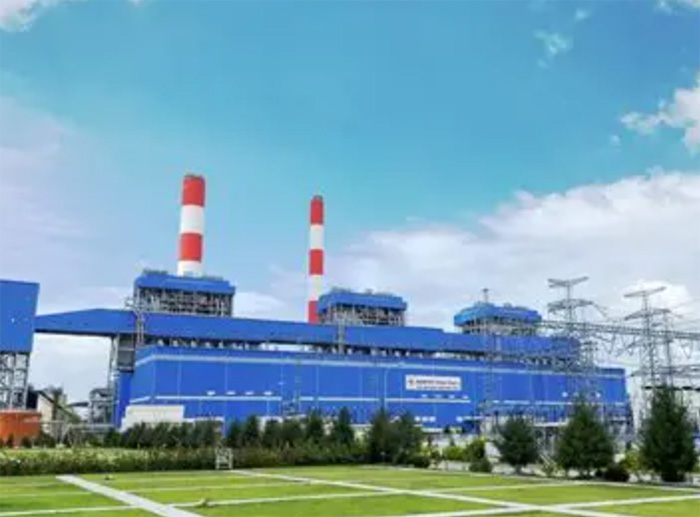
Delivered a suite of CF8M stainless steel ball valves and full PTFE-lined wafer valves to survive acidic process streams in a chemical processing facility.
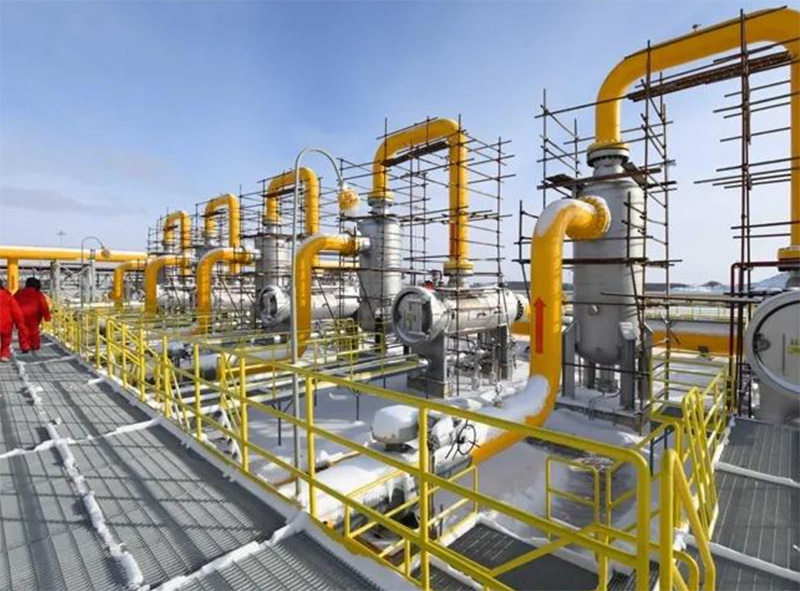
Supplied high-performance cast steel ball and gate valves with custom low-temperature steel castings to withstand sub-zero ambient climates.
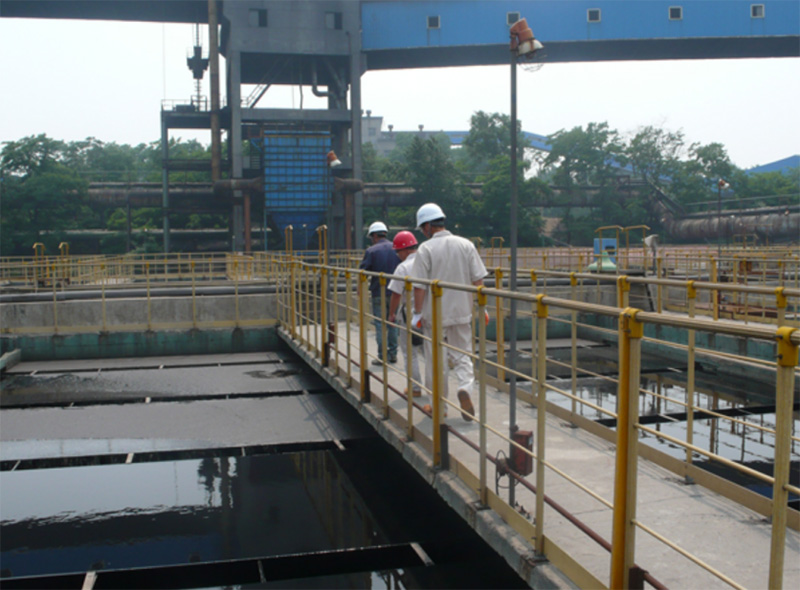
Installed non-slam check valves and ductile iron resilient gate valves to manage massive municipal sewage influent and prevent backflow loops.
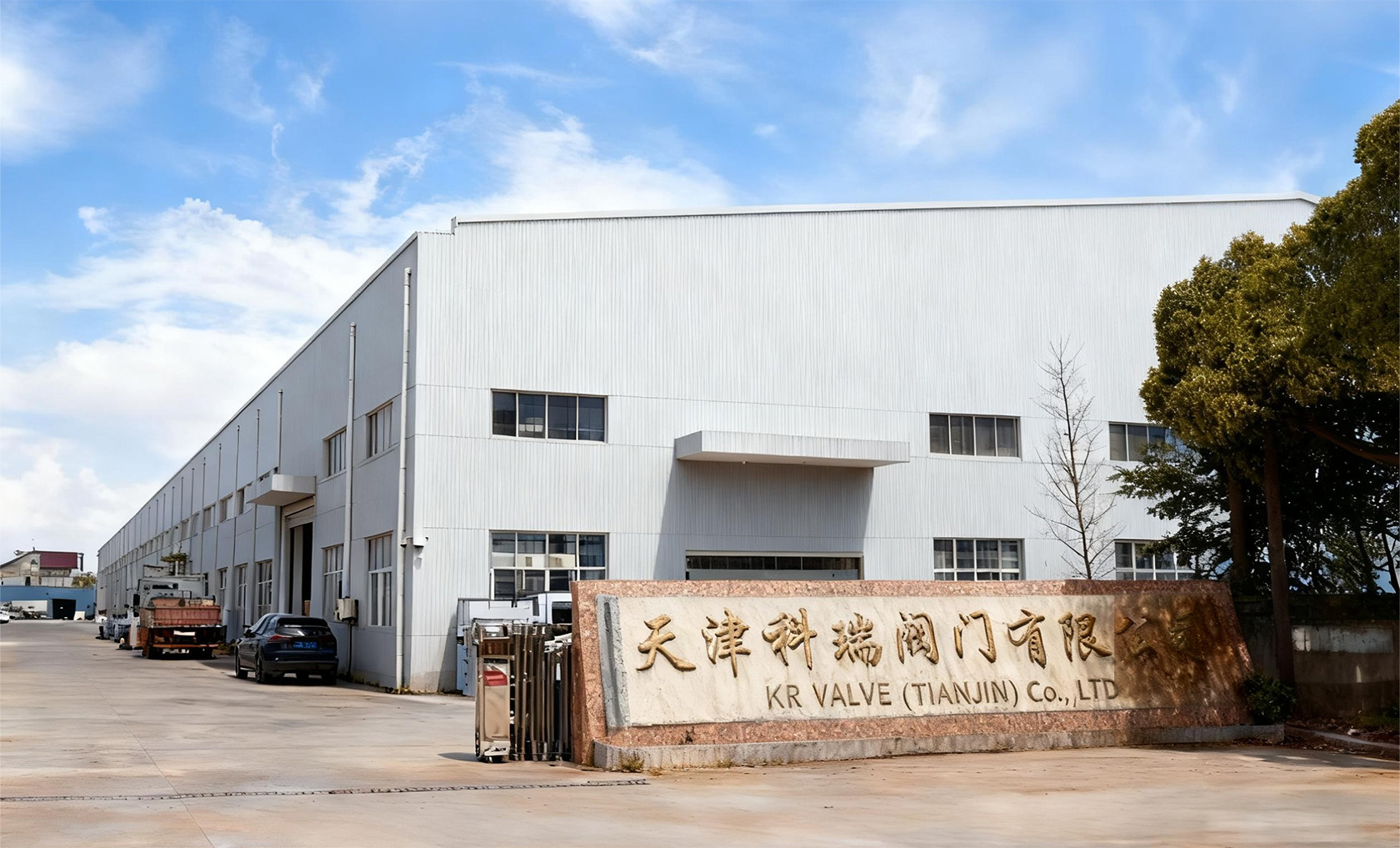
Providing direct answers to engineering, procurement, and installation challenges
Wafer butterfly valves are installed by sandwiching the valve between two pipe flanges using long stud bolts. Their main advantages are a shorter face-to-face dimension and a lighter design, making them easier to install and maintain. Unlike lug or double-flanged valves, they rely on the clamping force of adjacent flanges for structural positioning, reducing both materials and installation labor.
For highly corrosive chemical lines, PTFE (Polytetrafluoroethylene) or RTFE (reinforced PTFE) is highly recommended due to its broad chemical resistance and thermal tolerance. EPDM is ideal for water, air, and glycol lines, but degrades quickly when exposed to strong acids, hydrocarbons, or organic solvents.
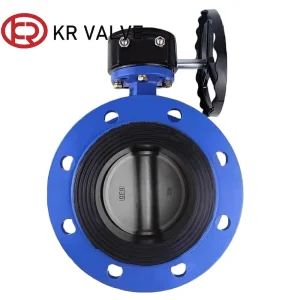
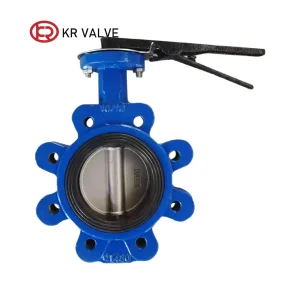
No, standard wafer butterfly valves cannot be used for end-of-line or dead-end service because removing the downstream piping removes the flange bolts, releasing the clamping force holding the valve in place. For end-of-line applications, a lug-type or double-flanged butterfly valve should be used, as they allow downstream pipe removal while maintaining full upstream pressure containment.
We achieve zero-leakage through precision-machined disc geometries and high-resilience elastomer seats. All our valves undergo hydrostatic shell testing at 1.5 times the pressure rating and seat seal testing at 1.1 times the pressure rating, complying with API 598 and ISO 5208 standard protocols before leaving our facility.
Concentric wafer butterfly valves typically operate up to PN10 or PN16 (approx. 150 PSI to 232 PSI). For higher pressure ratings, such as ASME Class 300 (up to 740 PSI) or Class 600, double eccentric or triple eccentric high-performance metal-seated butterfly valves are required to prevent deformation of the seat.
Yes, our R&D and casting shop can customize wafer butterfly valves to non-standard face-to-face dimensions, custom actuator mounting pads (ISO 5211), and specialized alloy castings such as Duplex Stainless Steel, Super Duplex, Hastelloy, or Titanium, depending on your medium and temperature requirements.
Double-acting pneumatic actuators require air pressure to both open and close the valve. Spring-return (fail-safe) actuators use air pressure to move the valve in one direction (e.g., to open) and mechanical springs to return it to its safe state (e.g., closed) if air supply is lost. Spring-return systems are critical for emergency shutdown applications.
Bottom 8 configurations designed to meet international standards for waterworks and heavy chemical lines
 KR VAVLE