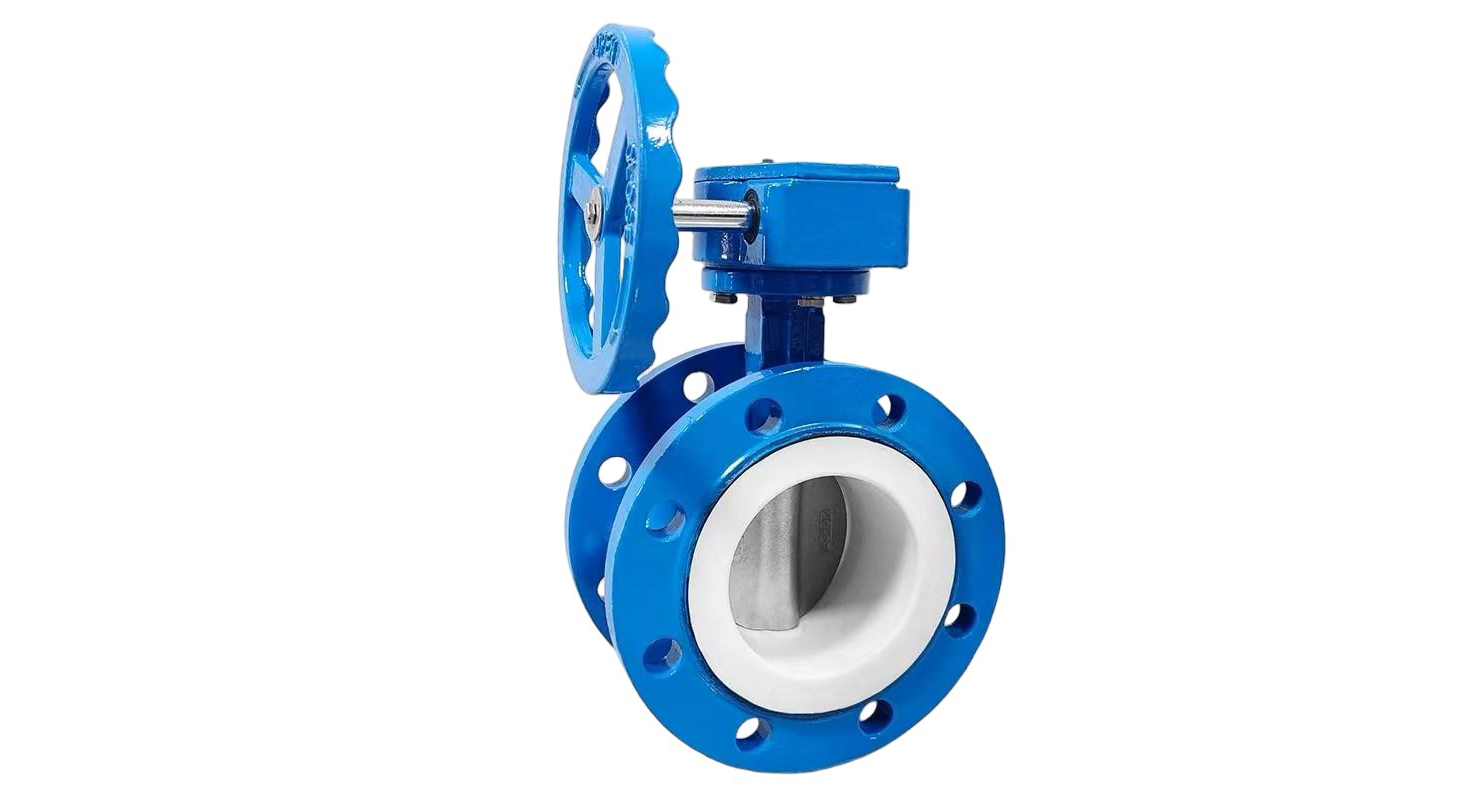
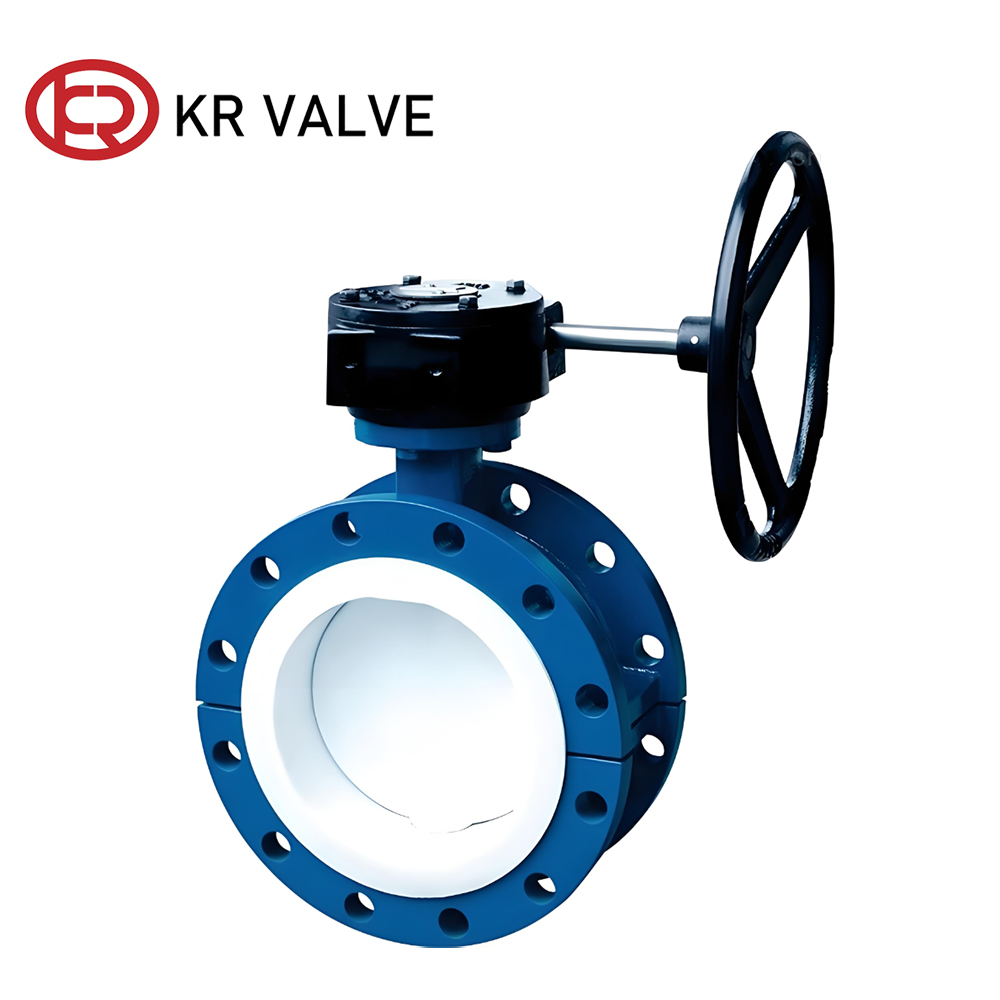
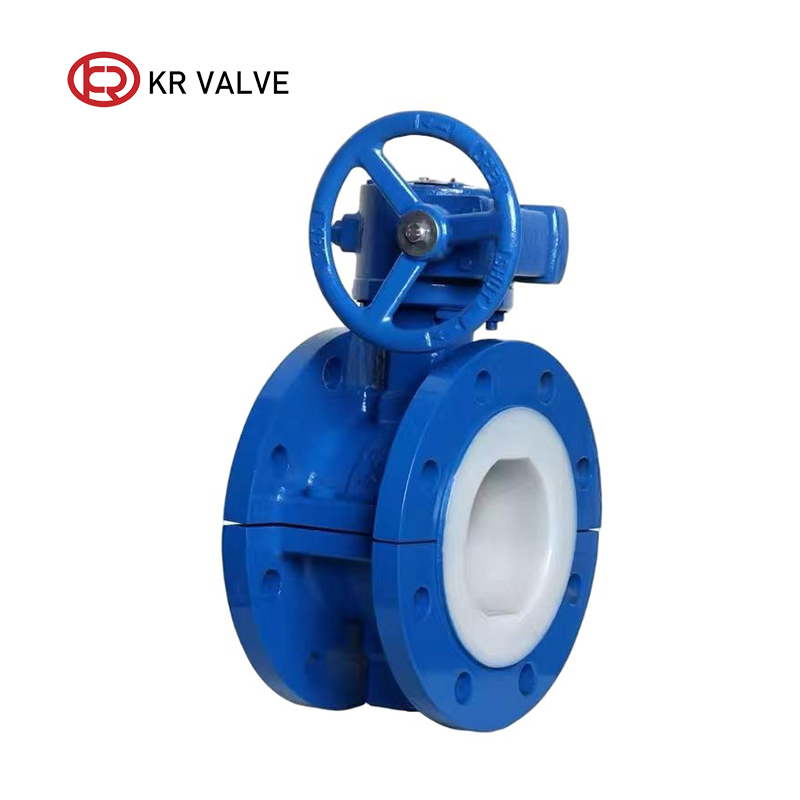
OEM China Ductile Iron Split Body Full PTFE Butterfly Valve Suppliers | Factory Direct Sales for High Durability Suppliers, Factory

,

Type: Concentric Resilient Seated Butterfly Valve

,

Series: D341F

,

Size: DN40-DN2000/2”-80”

,

Pressure Rating: PN6/PN10/PN16/5K/10K/150LB

,

Design Standard: EN 593

,

Service: OEM & ODM

,

Introducing our advanced split PTFE centerline flange butterfly valve, a superior alternative to the integral design. This innovative valve features a detachable body and full PTFE lining, providing exceptional corrosion resistance, easy maintenance, and reliable sealing capabilities. Designed specifically for demanding applications with large diameters and limited maintenance access, this valve is ideal for various industrial environments. As a trusted China supplier and factory, we ensure high-quality products that meet your operational needs.

,

Product Description

📋 Product Specifications
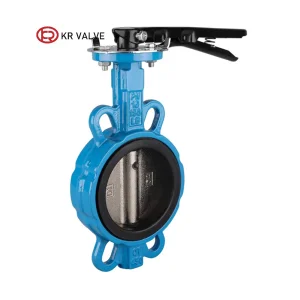
Valve Type: Flange butterfly valve Structure: Concentric
Standard: EN593 Workmanship: Investment casting
Sealing Direction: Bidirectional Sealing Grade: Zero leakage
Temperature: -20°C < T < 120°C Operation: Handle / Lever
Flange Butterfly Valve
  • Thick shell, heavy-type construction
  • High purity rubber, high wear resistance
  • Zero leakage standard performance
  • Various sizes available in stock
⚙️ Characteristics

The split type valve body is fastened with high-strength bolts, and the valve body can be disassembled without dismantling the pipeline. The internal components such as the valve plate, valve seat, and lining can be directly removed, and the maintenance time is reduced by more than 60% compared to the integral butterfly valve. It is especially suitable for online maintenance of narrow spaces or large-diameter pipelines. The disassembled surface is precision machined and equipped with special sealing gaskets. After reassembly, the pressure bearing sealing performance of the valve body does not deteriorate, and it can maintain stable operation under nominal pressure for a long time.
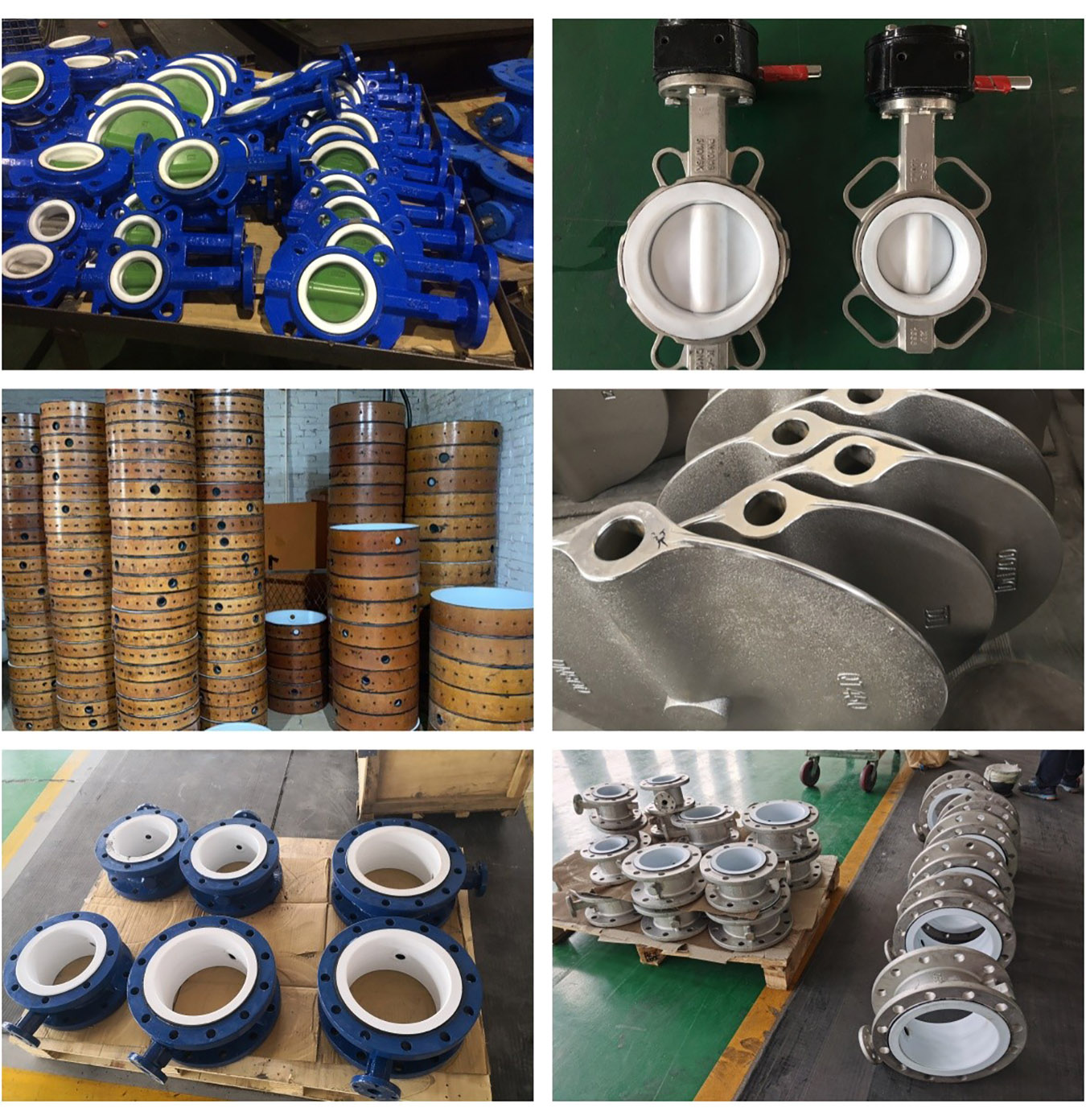
Valve Characteristics
Key Advantages
1 Lower Cost of Lining Maintenance and Replacement

If the PTFE lining shows local wear and aging, the valve body can be disassembled separately to replace the lining layer or damaged sealing components, without the need to replace the valve as a whole. Compared to the drawbacks of integral butterfly valves where the lining fails and the entire valve is scrapped, it significantly reduces long-term operating costs and is particularly suitable for high-frequency maintenance needs in highly corrosive conditions such as chemical and environmental protection.

2 Dual Improvement of Structural Strength and Sealing Reliability

The disassembly surface of the valve body is precision machined and equipped with high-performance sealing gaskets, which are tightened with bolts to ensure that the overall pressure sealing performance of the valve body is not lower than that of the integral structure. At the same time, the combination of symmetrical valve plate and PTFE soft seal still maintains ANSI Class VI zero leakage capability, and the seal is stable and leak free under bidirectional medium transportation conditions.

📦 Packaging & Delivery

Standard export wooden case packaging ensures the safety and integrity of the valves during international transit.
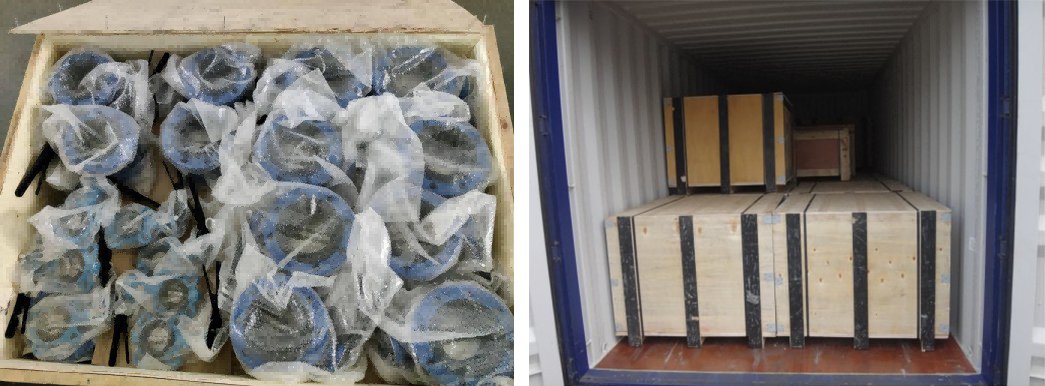
Standard Packing
🏭 Application Scenarios

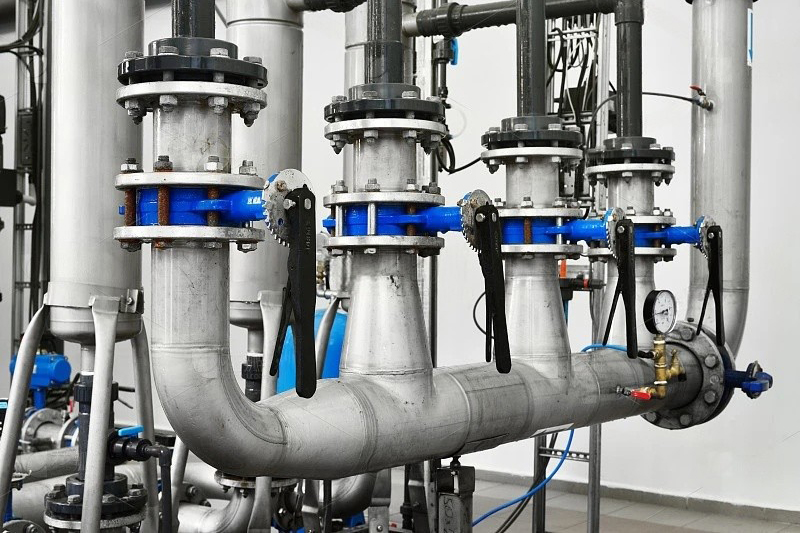
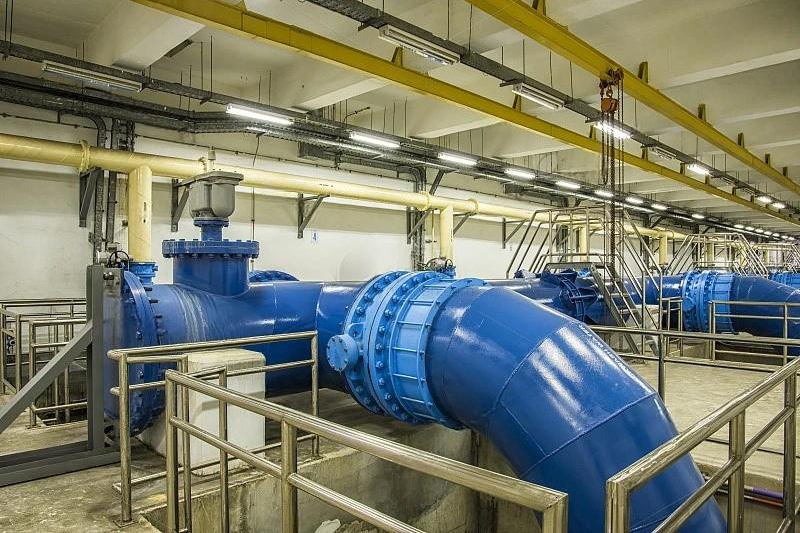
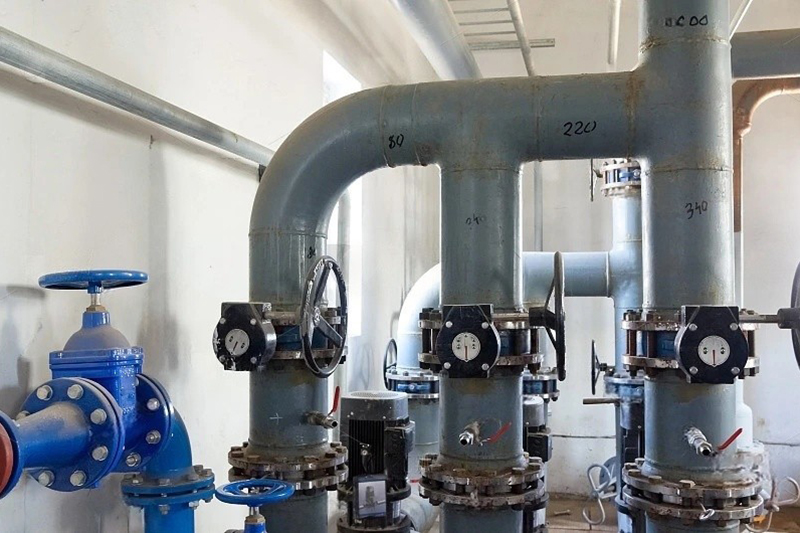
It serves a broad range of critical applications: in the chemical industry, it is deployed for large-diameter acid-alkali pipelines, chlor-alkali production lines and pesticide intermediate synthesis systems; in environmental engineering, it is a staple for large-scale wastewater treatment plants.
Frequently Asked Questions
What is the main difference between flange and wafer butterfly valves?
A flange butterfly valve features flanged ends that bolt directly to pipe flanges, offering a more secure connection suitable for larger diameters and higher-pressure applications compared to the wafer design which is clamped between flanges.
What does "zero leakage" mean for this valve?
Zero leakage (ANSI Class VI) indicates that no measurable fluid passes through the seat seal when fully closed, achieved through a precision-machined PTFE soft seat and concentric disc.
How does the split-body design reduce maintenance time?
It allows for in-line disassembly without removing the valve from the pipeline. Internal parts like the disc and seat can be replaced directly, saving over 60% of typical maintenance time.
What temperature range can this valve handle?
This valve is rated for temperatures between -20°C and 120°C, suitable for cold water, chemical solutions, and moderately heated industrial media.
Is the sealing performance affected after reassembling the split body?
No. Precision-machined surfaces and high-performance gaskets ensure the pressure-bearing and sealing capabilities are fully restored to original factory specifications upon reassembly.
Which industries typically use these flange butterfly valves?
They are widely used in chemical processing (acid-alkali lines), chlor-alkali production, pesticide synthesis, and large-scale wastewater treatment facilities.

Related Products