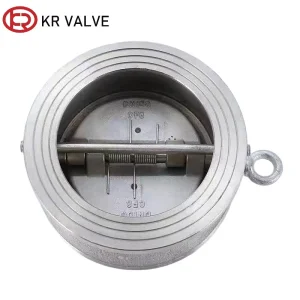
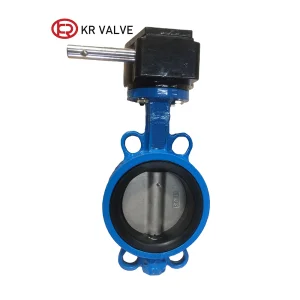
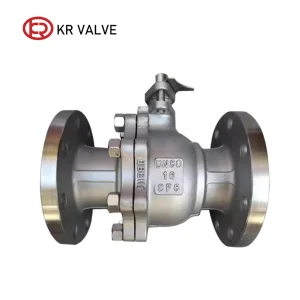
Direct alignment with JIS standards, ensuring fluid flow control optimization across municipal networks and manufacturing sectors.
Japan's industrial infrastructure is undergoing a significant transition. With domestic brands like Kitz, Tomoe, and Toyo Valve historically dominating local supply chains, international EPC contractors and Japanese domestic purchasing offices (JPO) are expanding procurement scopes to find reliable alternative manufacturers outside of Japan. The primary drivers are price escalation of local castings and long lead times for custom-engineered systems.
However, entry into the Japanese market demands complete adherence to strict quality guidelines. Japanese technical teams rarely compromise on materials or quality verification, requiring testing documents such as chemical analysis certificates, non-destructive testing (NDT), and zero-leakage hydrostatic reports. Any alternative manufacturer must prove that their cast iron grades align with Japan's domestic FCD standards (FCD450, FCD500) and meet the exact dimensional profiles required by Japanese industrial networks.
Ensuring reliable integration of Chinese castings into Japanese process lines requires standard-by-standard translation of metallurgy and dimensional specifications.
| Valve Component | Common Japanese Standard (JIS) | Chinese Foundry Equivalent (GB/T) | US Equivalent (ASTM/AISI) | European Equivalent (EN/DIN) |
|---|---|---|---|---|
| Ductile Iron Body | FCD450-10 / FCD500-7 | QT450-10 / QT500-7 | A536 Gr. 65-45-12 / 70-50-05 | EN-GJS-450-10 / GJS-500-7 |
| Cast Steel Body | SCPH2 | WCB | A216 Grade WCB | GP240GH / 1.0619 |
| Stainless Steel Disc / Ball | SCS13A / SCS14A | CF8 / CF8M (Cast) | A351 Grade CF8 / CF8M | 1.4308 / 1.4408 |
| Resilient Elastomer Seat | EPDM (JIS K6380 Standard) | EPDM (High-density) | ASTM D2000 EPDM | ISO 1629 EPDM |
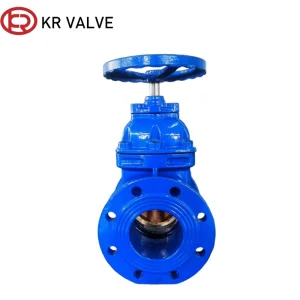
To minimize interface friction during site installation, KR Valve's systems are designed with dual-drilled flange connections. They support both JIS 10K/20K layout parameters and ANSI Class 150/300 pressure ratings. This makes them suitable for new projects and as drop-in replacements for aging Japanese equipment.
Industrial-grade valves built for challenging media, highly corrosive environments, and automated process pipelines.
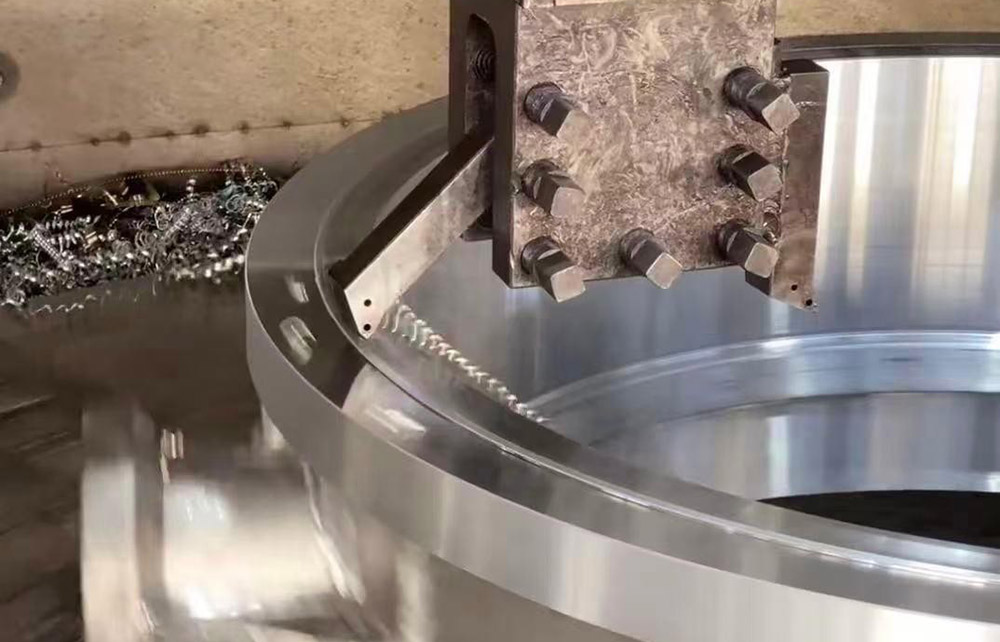
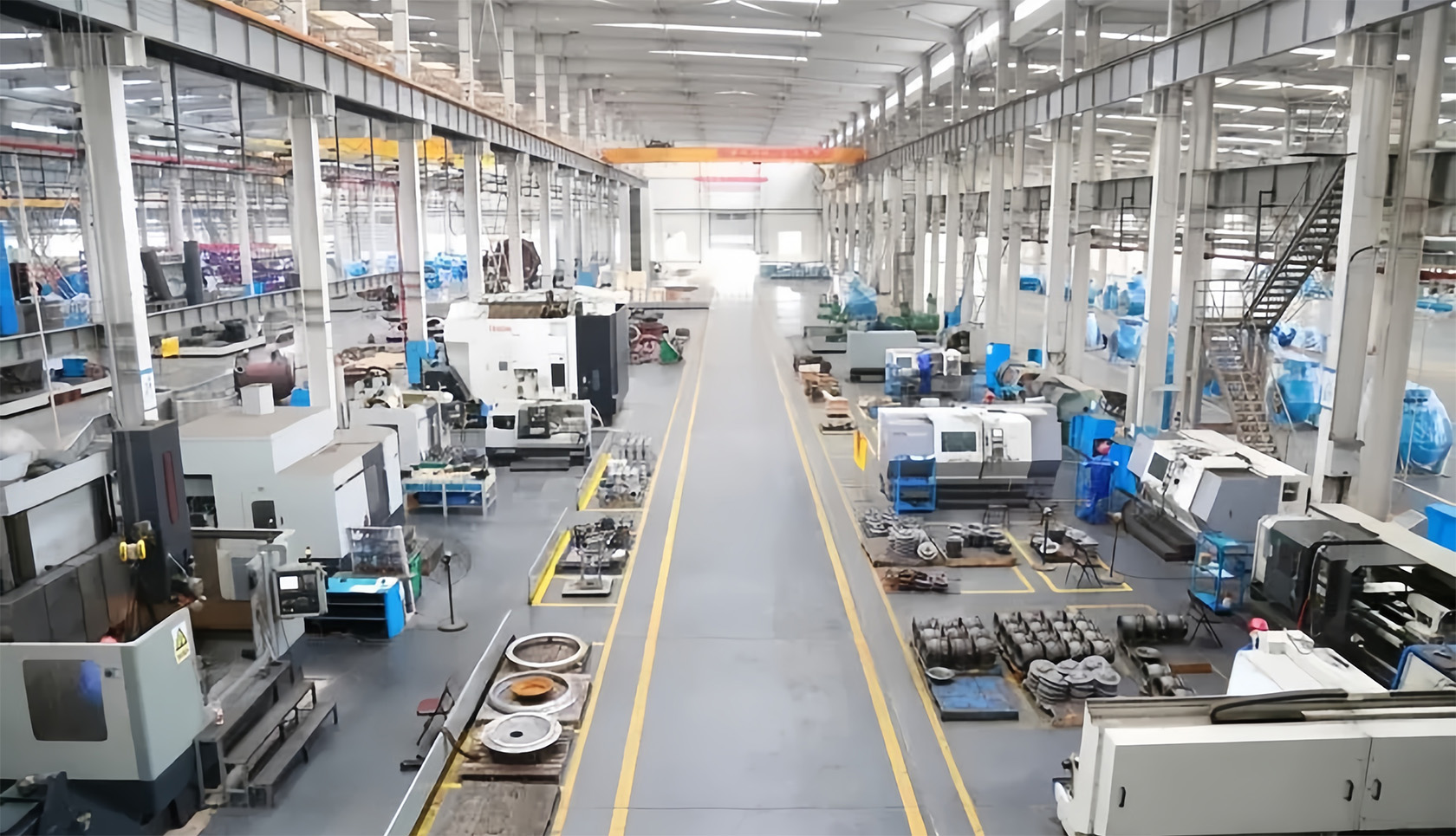
To compete effectively in demanding markets like Japan, KR Valve utilizes a Factory 4.0 production framework. This approach combines automated manufacturing with rigorous quality management systems to achieve reliable performance.
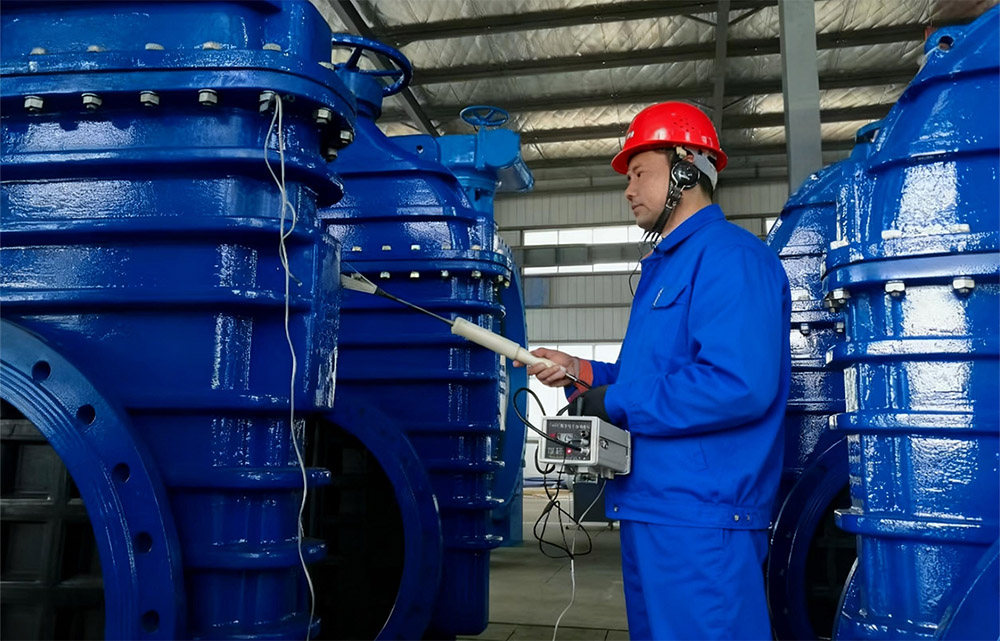
Our production floor features modern CNC machining centers, automated powder-coating lines for impact-resistant epoxy finishes, and computerized pressure testing stations. Each valve undergoes shell and seat pressure testing in strict accordance with JIS B2003 / ISO 5208 standards, aiming for zero leakage in every batch. Full material traceability is maintained from the raw ingot to the final valve assembly, allowing us to provide EN 10204 3.1 material certificates to our global clients.
More than 20 years of experience in producing standard and non-standard industrial valves, matching domestic and international engineering requirements.
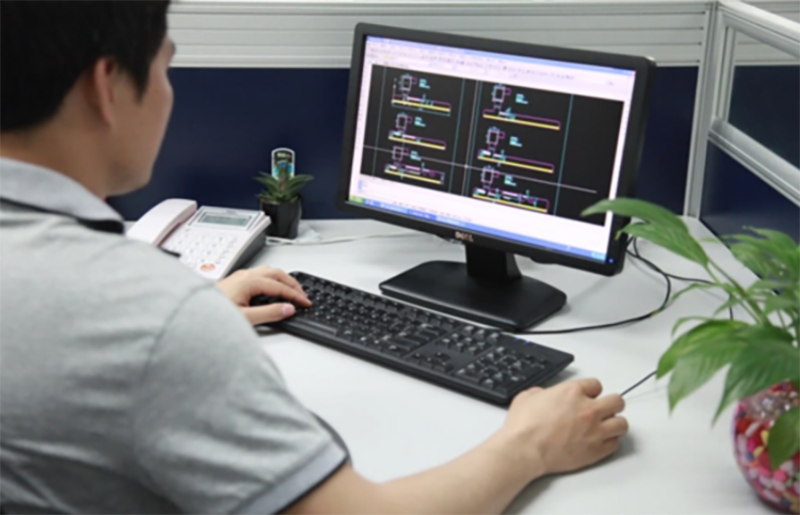
Our technicians continuously develop and refine valves to meet changing market needs. Our modern laboratory supports extensive testing to evaluate and enhance product performance. We now offer 20 series and over 500 product variations.
Our production planning team coordinates manufacturing schedules to ensure reliable and timely delivery. Operating under a strict ISO-9001 quality system, we utilize over 30 main production units to maintain steady product flow.
All valves undergo comprehensive testing prior to dispatch. We verify dimensions, appearance, and pressure integrity in compliance with international testing standards, providing complete inspection documentation for every shipment.
We manufacture under our independent brand "KR" while offering customizable OEM services for global valve brands and contractors.
By managing the production cycle in-house—from casting inspection to final assembly—we maintain competitive pricing structures.
Our engineering team provides technical consultations, helping you select the appropriate material and standard configuration for your system.
How KR Valve supports large-scale industrial projects, municipal water works, and plant upgrades globally.
We supplied resilient seat gate valves and dual-plate wafer check valves for a municipal water system upgrade, meeting local performance specifications.
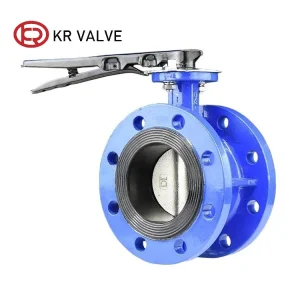
Provided double eccentric butterfly valves fitted with custom pneumatic actuators, designed to fit into tight spatial layouts in dense utility pipelines.
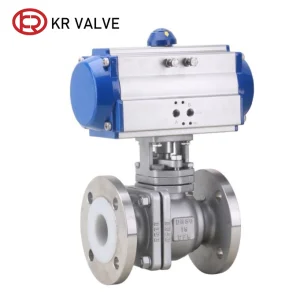
Supplied high-density PTFE-lined ball valves and specialized Y-strainers to manage aggressive media in industrial processing lines.
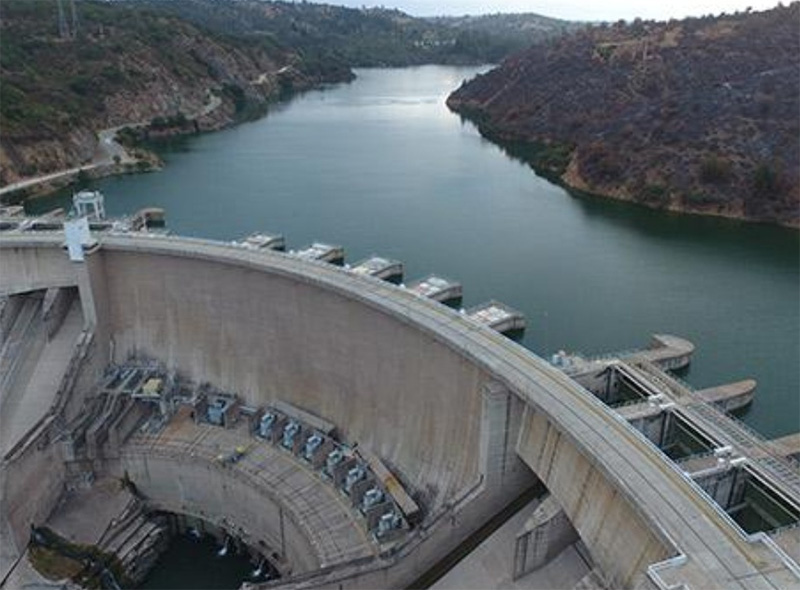
Supplied high-capacity water control valves for hydraulic regulation in regional dam infrastructure.
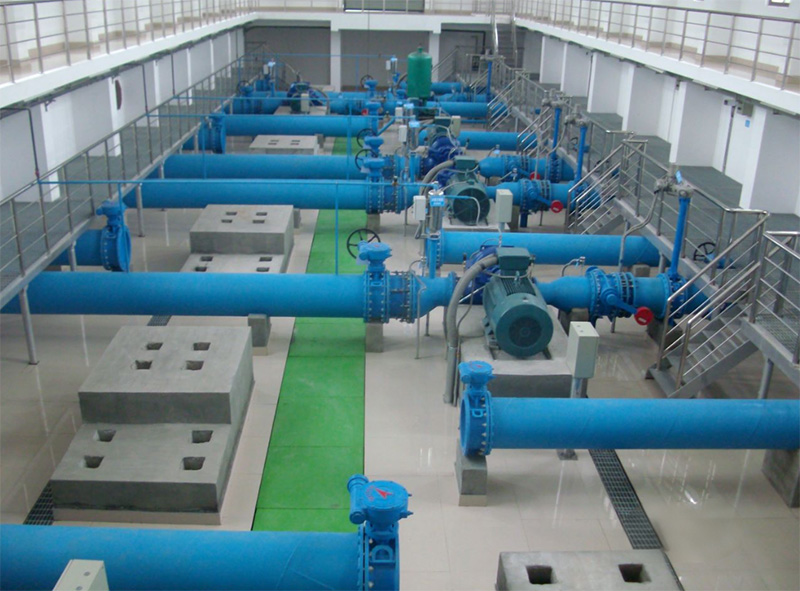
Delivered large-diameter butterfly and check valves for municipal water treatment networks.
A comprehensive range of high-performance check, gate, and butterfly valves manufactured for pipeline protection.
Addressing procurement concerns regarding standards alignment, QA inspections, and global supply logistics.
Yes. We supply valves machined to match JIS B2220 flange parameters (commonly JIS 10K and 20K configurations). During the pre-production stage, our engineering team confirms layout spacing and face-to-face dimensions to ensure direct compatibility with your existing piping system.
Our ductile iron castings meet GGG40 and GGG50 standards, which correspond to JIS FCD450-10 and FCD500-7 respectively. We maintain full material traceability and can supply chemical analysis and mechanical property test reports for every batch.
All valves undergo hydrostatic and pneumatic pressure testing according to JIS B2003 / ISO 5208 standards before packaging. Elastomeric seal valves are tested to ensure bubble-tight shutoff (Zero Leakage Class A), and test certificates are provided with the delivery documentation.
Standard configurations typically ship within 30 to 45 days. For custom designs involving specific materials or configurations, the lead time varies depending on raw material sourcing and casting complexity, typically ranging between 45 and 60 days.
Discuss your project specifications with our technical team to receive detailed quotes, material cross-reference reports, and customized drawings.
 KR VAVLE