 KR VAVLE
Industrial Whitepaper: Sourcing Single Port Exhaust Valves
An in-depth structural guide covering fluid mechanics, design paradigms, global market challenges, and technical engineering roadmaps.
1. Under the Hood of Fluid Engineering: The Critical Function of Single Port Exhaust Valves
In high-velocity fluid transport systems, the presence of entrained or trapped air is a significant vector for operational disruption, piping structural failure, and massive efficiency losses. Water and other liquids naturally contain dissolved gases which exit solution under temperature spikes or pressure drops. As these air pockets migrate to local high spots along a transmission pipeline, they form constrictions that choke cross-sectional flow areas, increasing friction head loss and power consumption at pumping stations.
Worse, localized air pockets create a highly compressible medium within an otherwise incompressible column of liquid. When dynamic transients occur—such as rapid valve closures, pump trips, or startup cycles—these air pockets compress and decompress violently. This phenomenon generates transient surge pressures (commonly known as water hammer) which routinely exceed the design pressure rating of the pipeline, resulting in catastrophic ruptures, flange leaks, and joint degradation. A professionally designed single port exhaust valve provides an automated, precise mechanism to continuously release micro-bubbles of accumulated air under pressurized working conditions, while preventing vacuum formations during drain-down operations.
2. Evolutionary Shifts: Industry Development Trends in Air Release Systems
Modern engineering demands a shift from passive, heavy cast structures to highly aerodynamic, dynamic responsive air venting solutions. Historically, air release and exhaust mechanisms utilized primitive copper floats connected through mechanical linkages to an orifice. Under dynamic turbulence, these linkages were highly prone to mechanical fatigue, calcification, and misalignment, causing the valve to either fail to open or stick in the open position, resulting in fluid leakage.
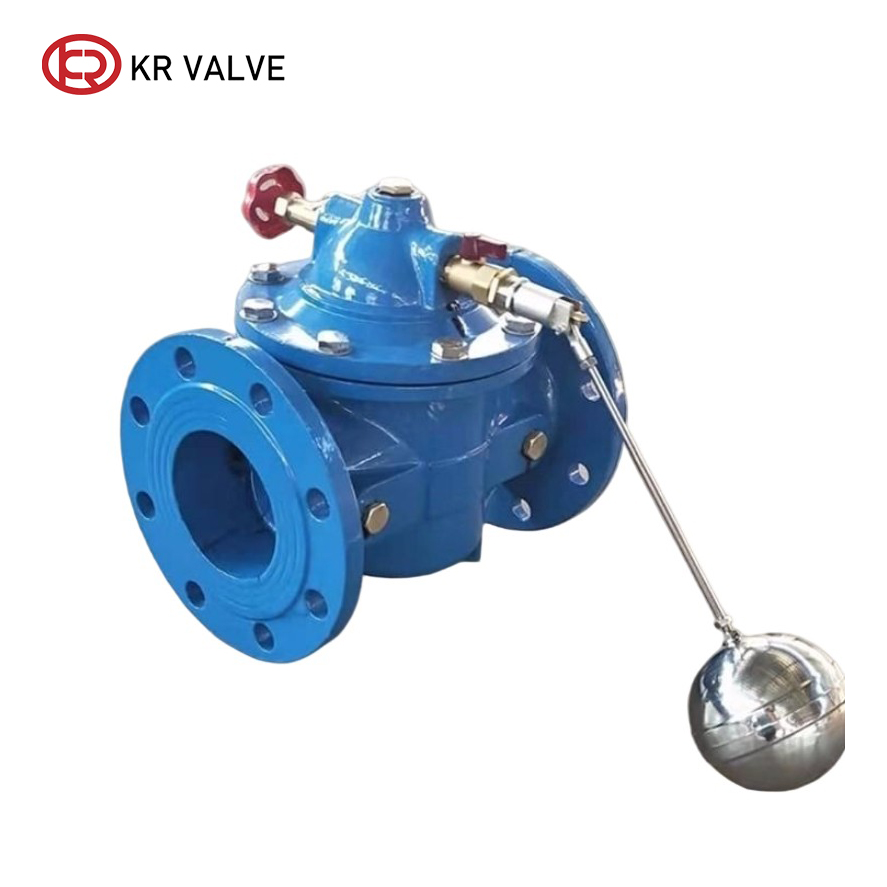
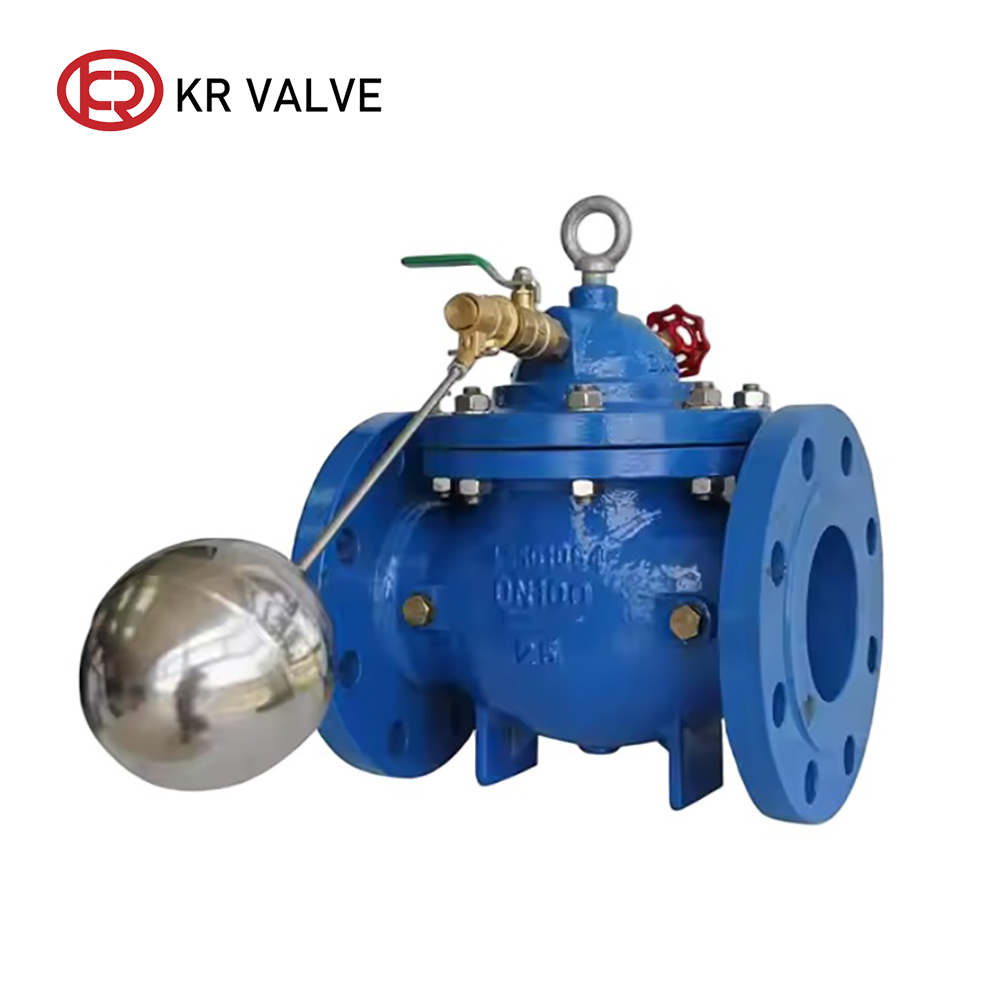
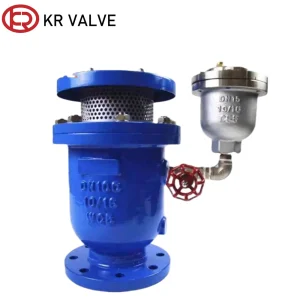
Today, the industry focuses on directly guided float technology where the aerodynamically stable float responds instantly to changes in fluid level. High-speed release compound exhaust valves, like the CARX series, leverage dual-orifice physics. The small orifice handles continuous micro-venting under full operational pressure, while the larger orifice expels huge volumes of air during initial pipeline filling and allows air intake during system draining to prevent vacuum collapse. As we transition toward Smart Cities and digitalized water distribution grids, manufacturers are testing prototype exhaust valves fitted with wireless telemetry. These smart exhaust valves monitor real-time exhaust frequencies, acoustic signatures, and thermal fluctuations, transforming a basic physical safety valve into an active diagnostic node for predictive pipe network maintenance.
3. Global Procurement Demands: What EPCs and Infrastructure Projects Require
Global procurement teams at engineering, procurement, and construction (EPC) companies require more than just a low price. They prioritize total lifecycle cost (LCC) and strict material standards. High-value infrastructure installations—such as large-scale water treatment networks, municipal distribution lines, and industrial chemical processing loops—require proof of materials traceability, raw casting integrity, and long service warranties.
Key global procurement indicators include:
- Material Certifications: Spheroidal graphite cast iron (Ductile Iron GGG40 or GGG50) according to EN 1563, and cast steel (WCB) conforming to ASTM A216. Sourcing from a factory that provides EN 10204 3.1 Mill Test Certificates is vital for compliance.
- Standards Alignment: Flange dimensions and drilling must strictly adhere to international codes such as EN 1092-2 (PN10/PN16/PN25/PN64), ANSI B16.5, or BS4504 to prevent onsite installation delays.
- Coatings & Seals: Fusion bonded epoxy (FBE) coatings inside and outside the valve body, minimum 250 microns thick, compliant with WRAS or NSF/ANSI 61 for potable water safety. Seals must consist of resilient EPDM or NBR to withstand high temperature ranges and mechanical friction.
4. Macro-Industry Solutions: Integrating Air Release Valves with System Components
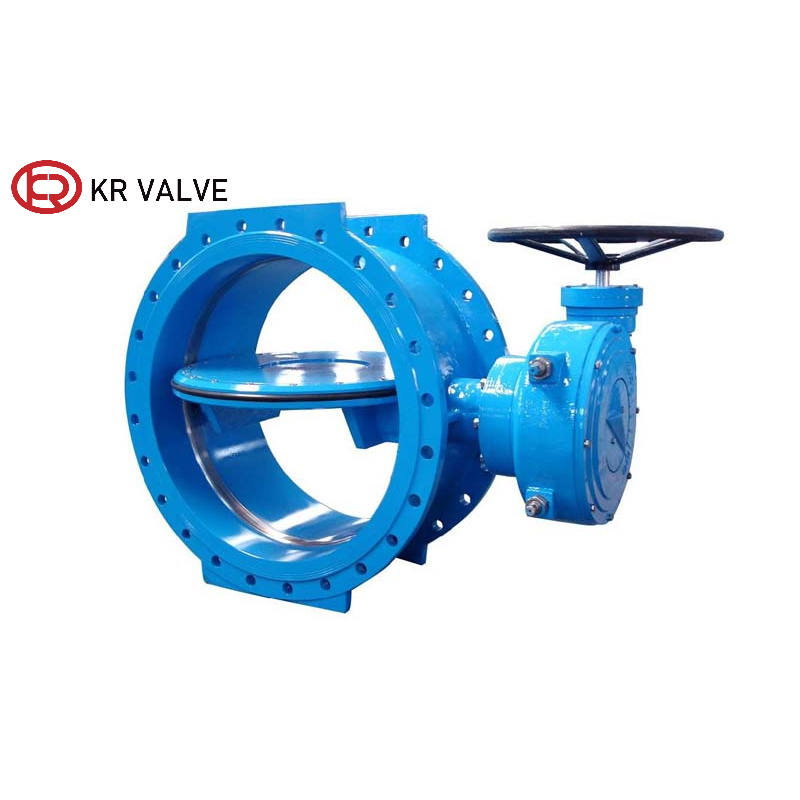
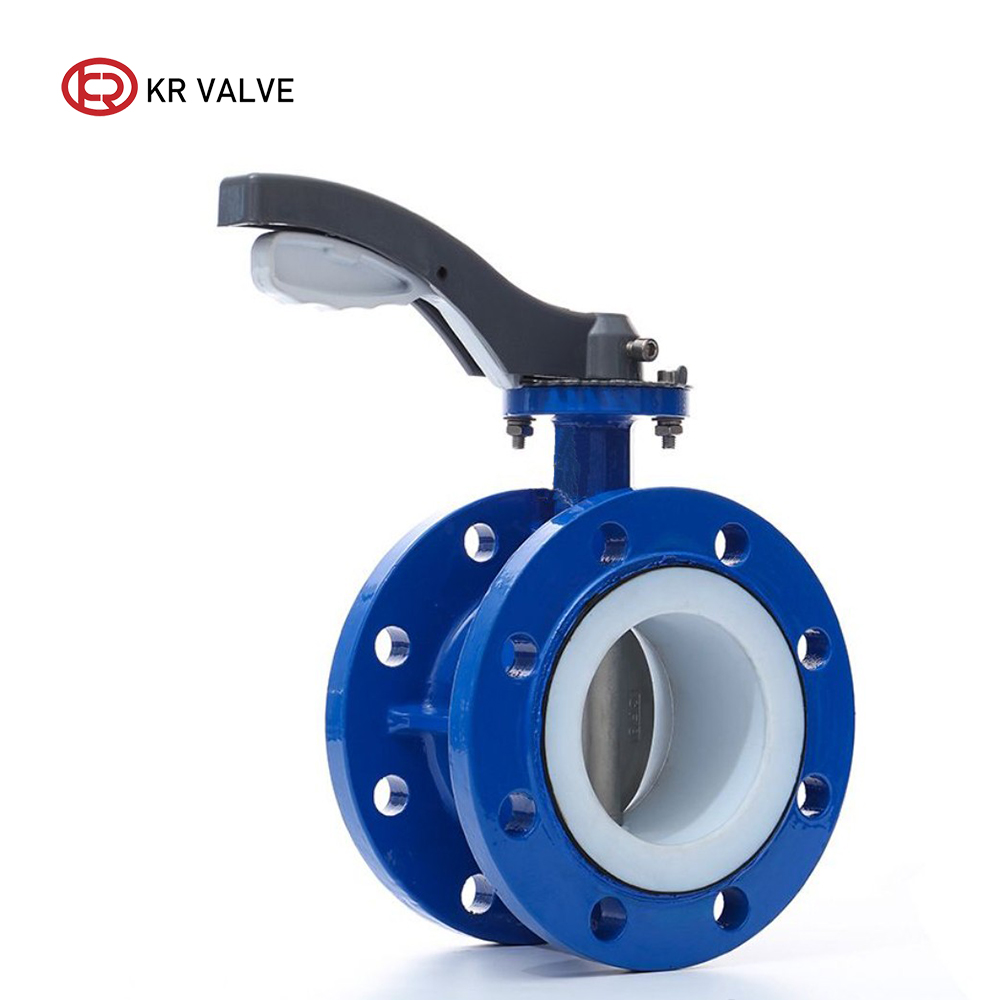
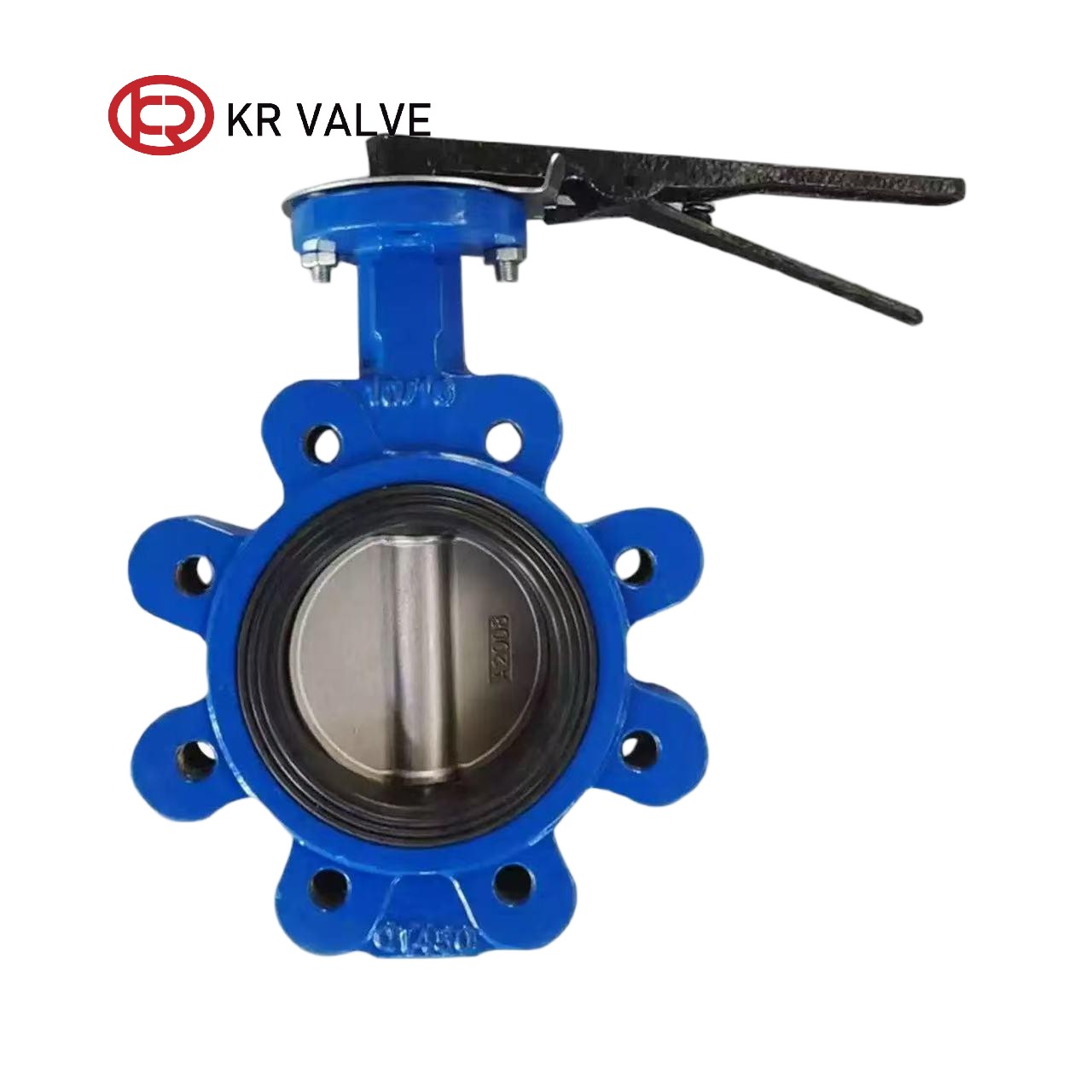
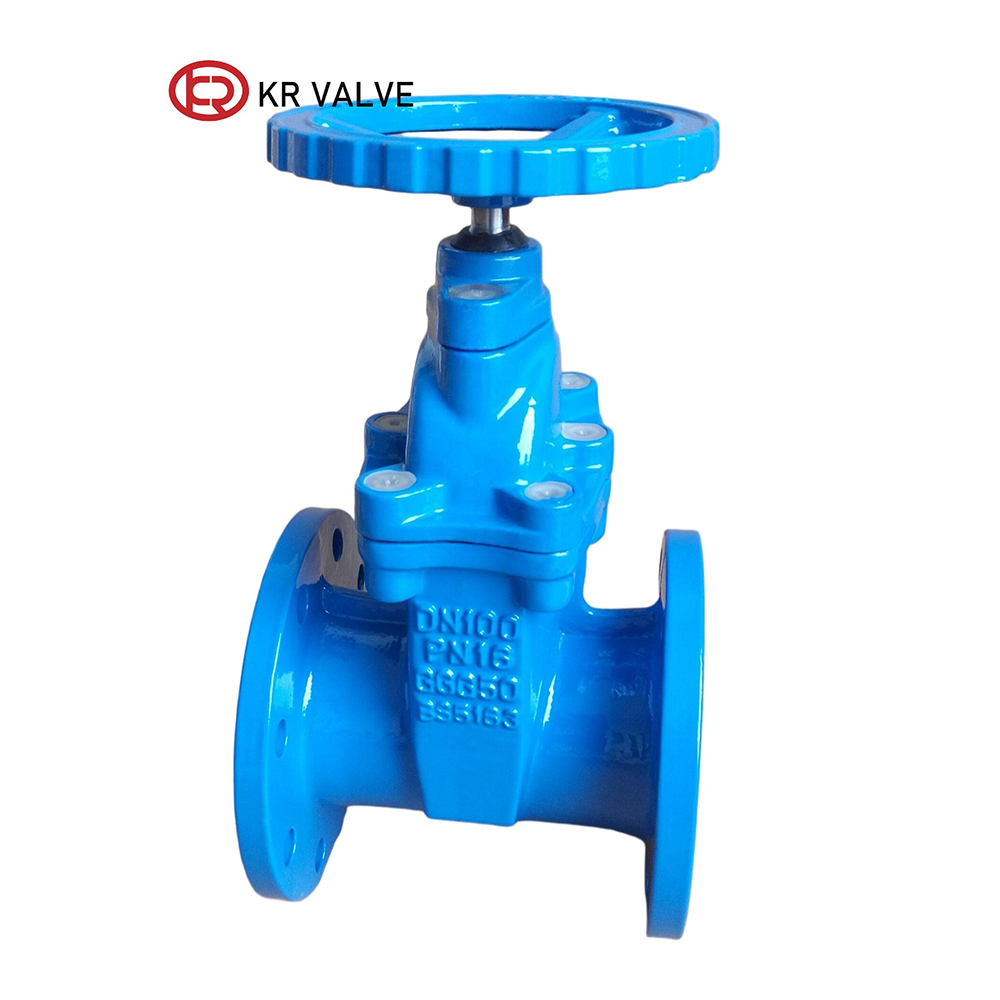
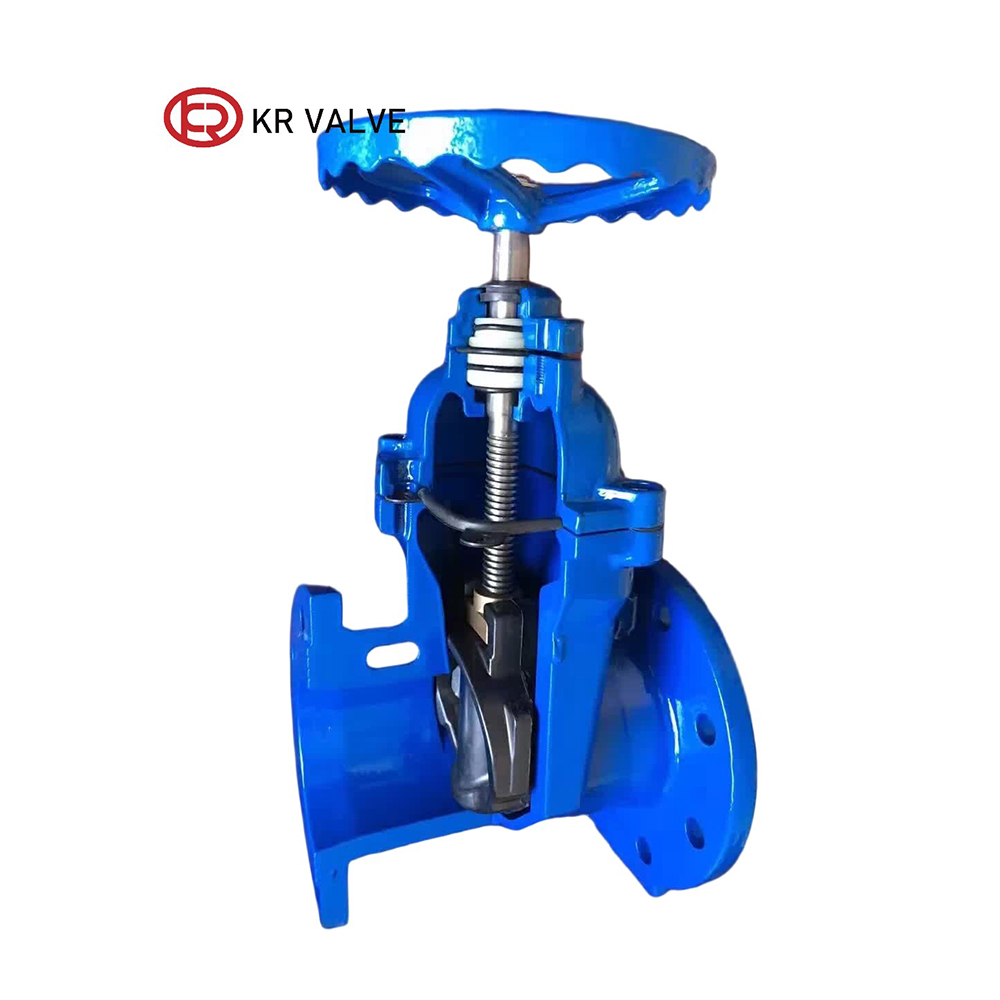
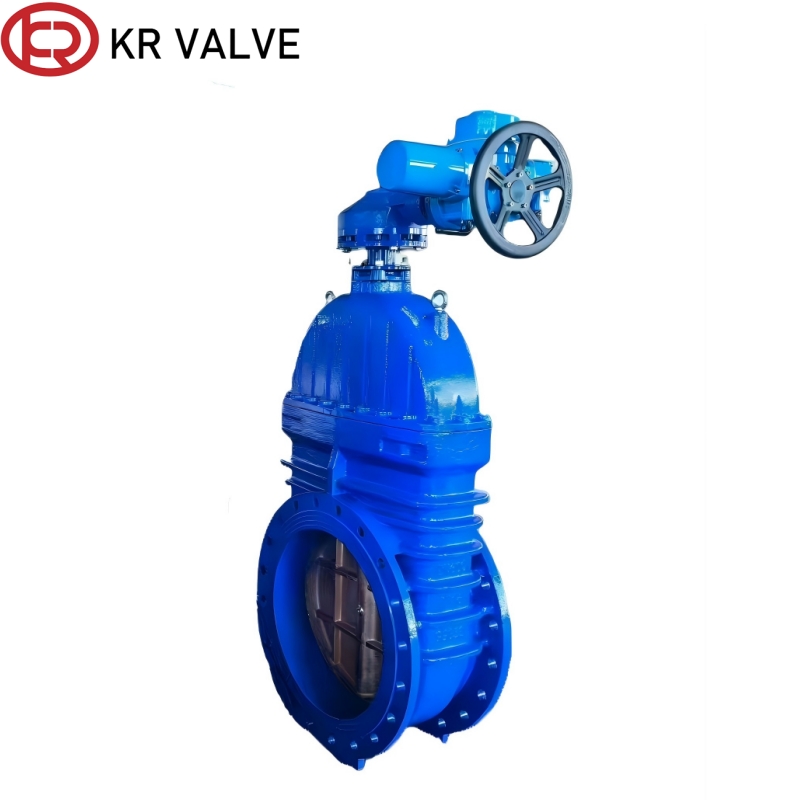
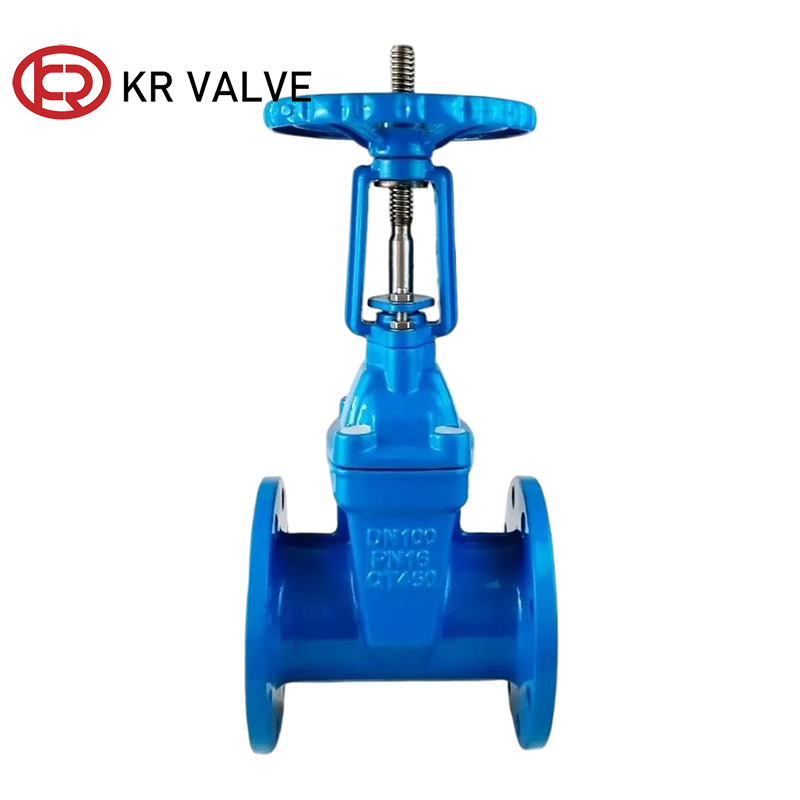
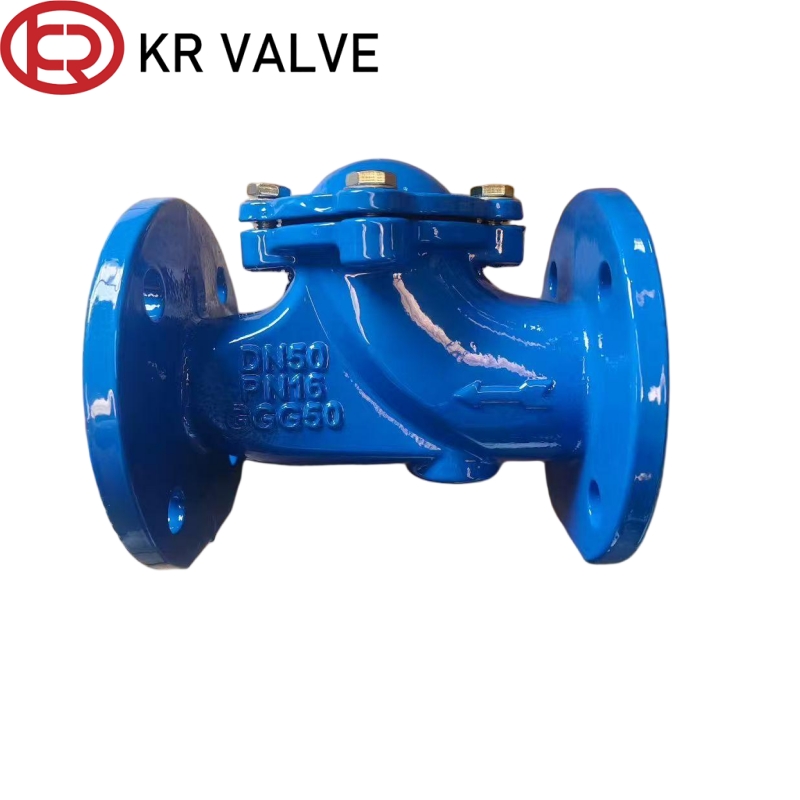
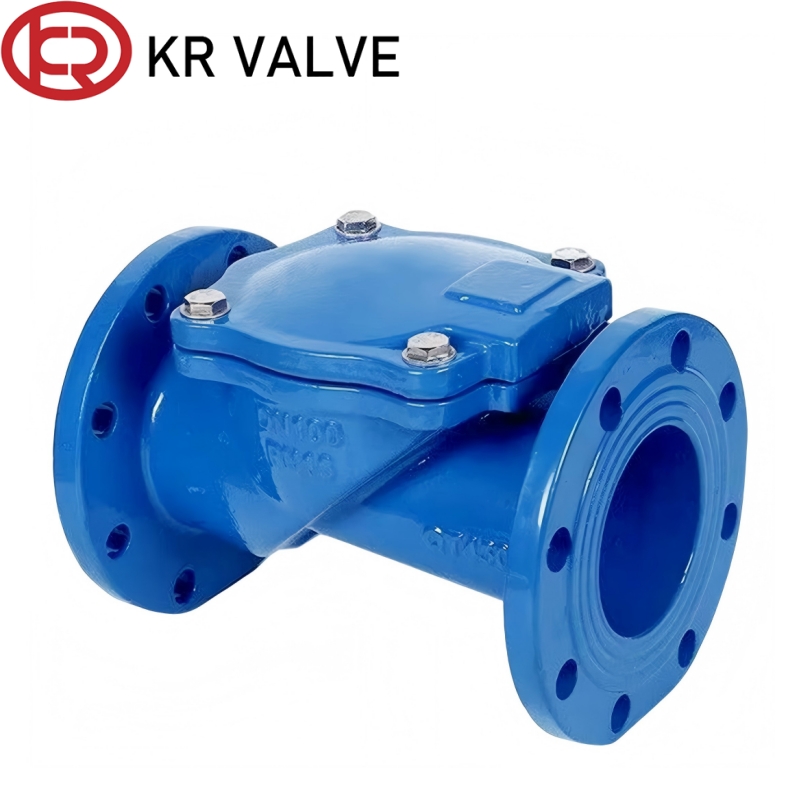
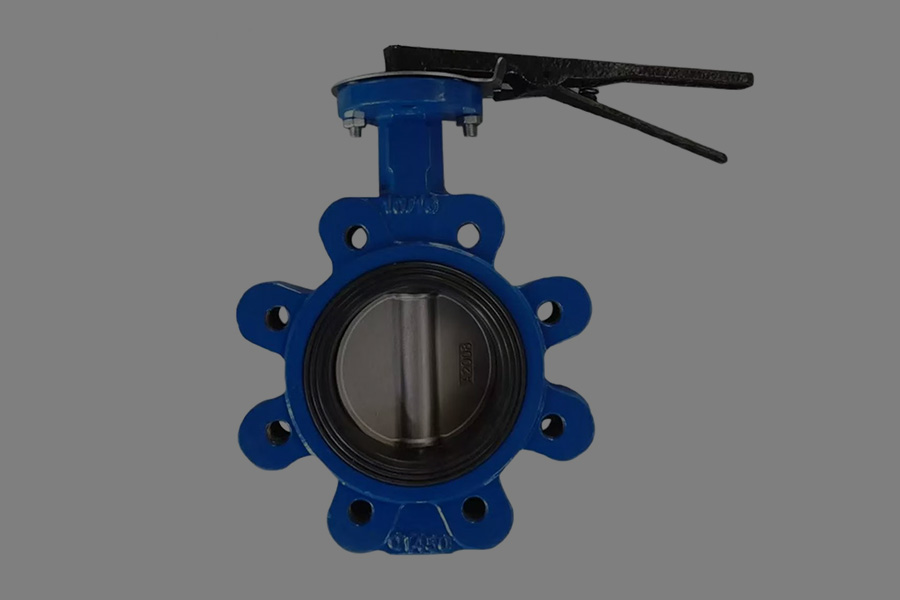
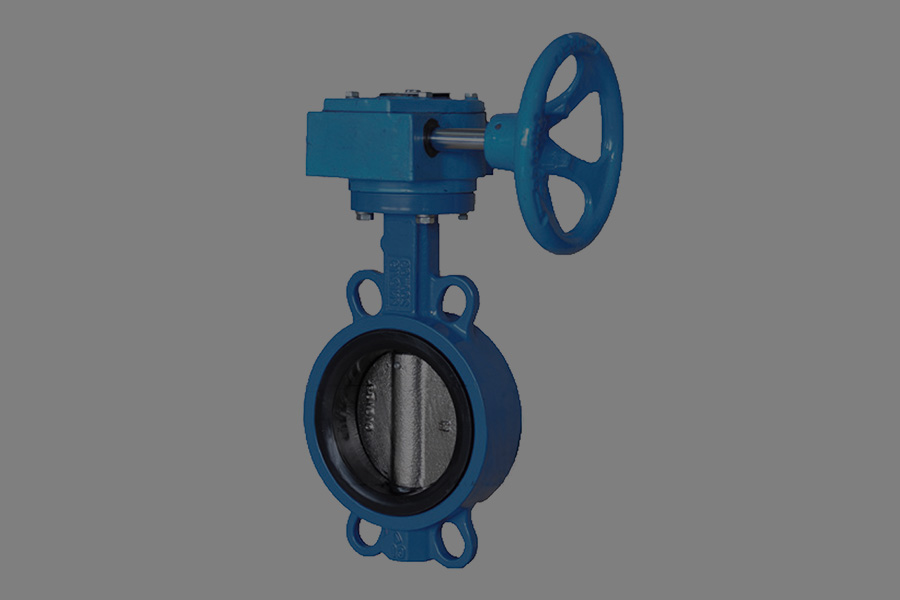
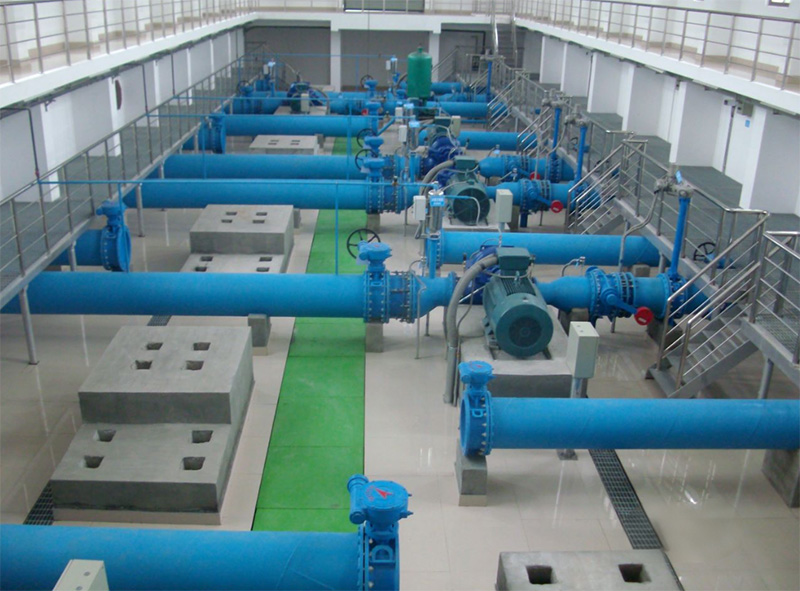
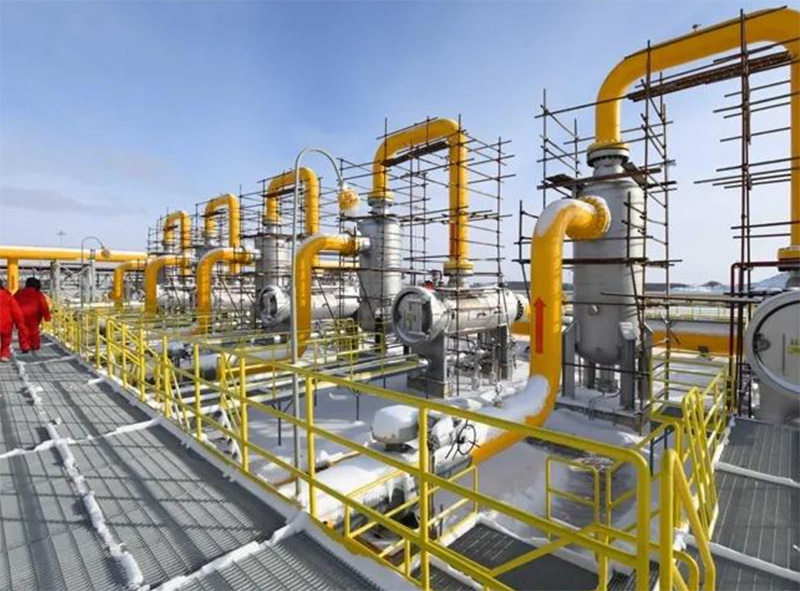
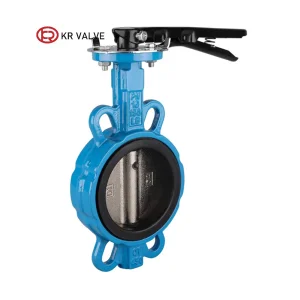
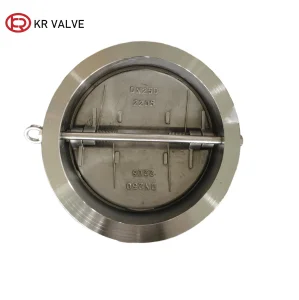
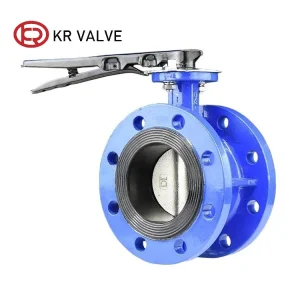
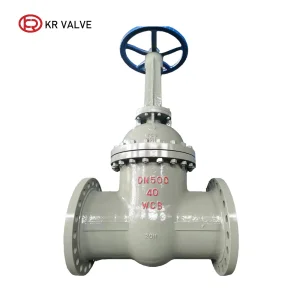
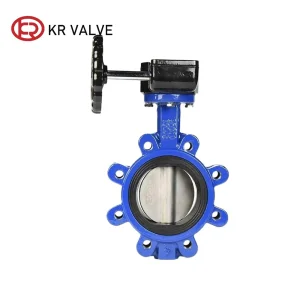
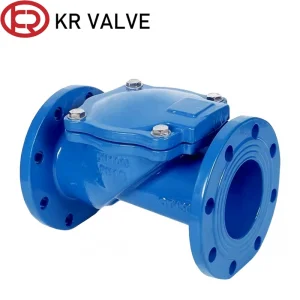
Single port exhaust valves do not operate in isolation; they are strategic components of a holistic fluid network. For instance, in waterworks across Europe, single port exhaust valves are paired with large-diameter PN64 DN500 Gate Sluice Valves and Gear Box Butterfly Valves. During initial pipe commissioning, the exhaust valve remains open, venting high volumes of air until the liquid reaches the chamber, lifting the float to seal the system. Simultaneously, non-return valves like the Ductile Iron Ball Type Non-Return Valve prevent reverse flow when pumping shuts down, while the air valve automatically breaks the vacuum inside the pipe to avoid structural collapse.
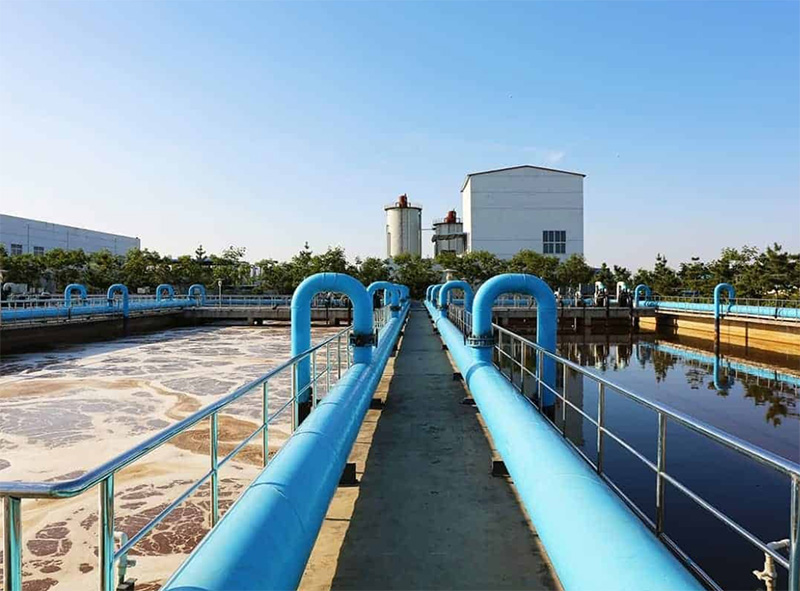
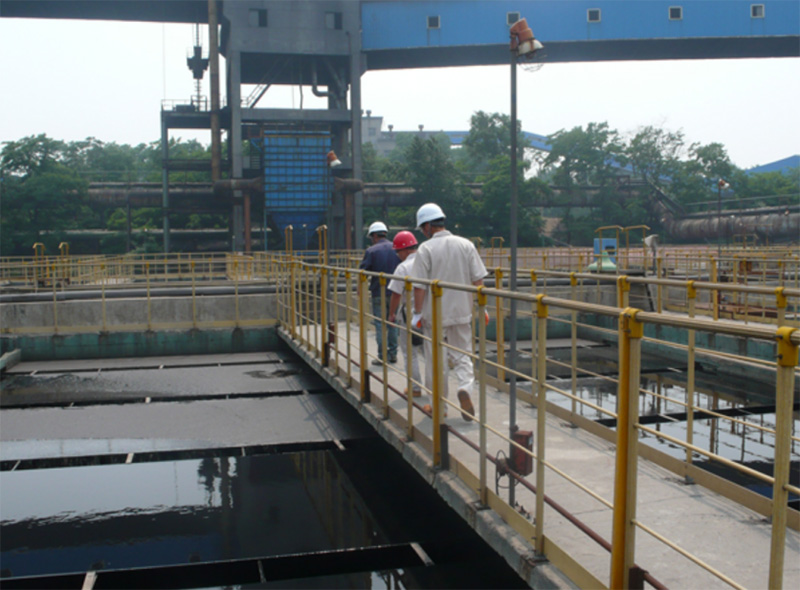
In municipal sewage and chemical applications where clogging is a major issue, specialized air release valves feature extended bodies to isolate the working mechanism from the particulate-laden or corrosive fluid. This design prevents solids from lodging in the narrow orifice, ensuring the valve maintains its zero-leakage threshold throughout its service life.
5. About KR Valve: Sourcing Excellence & Production Capabilities
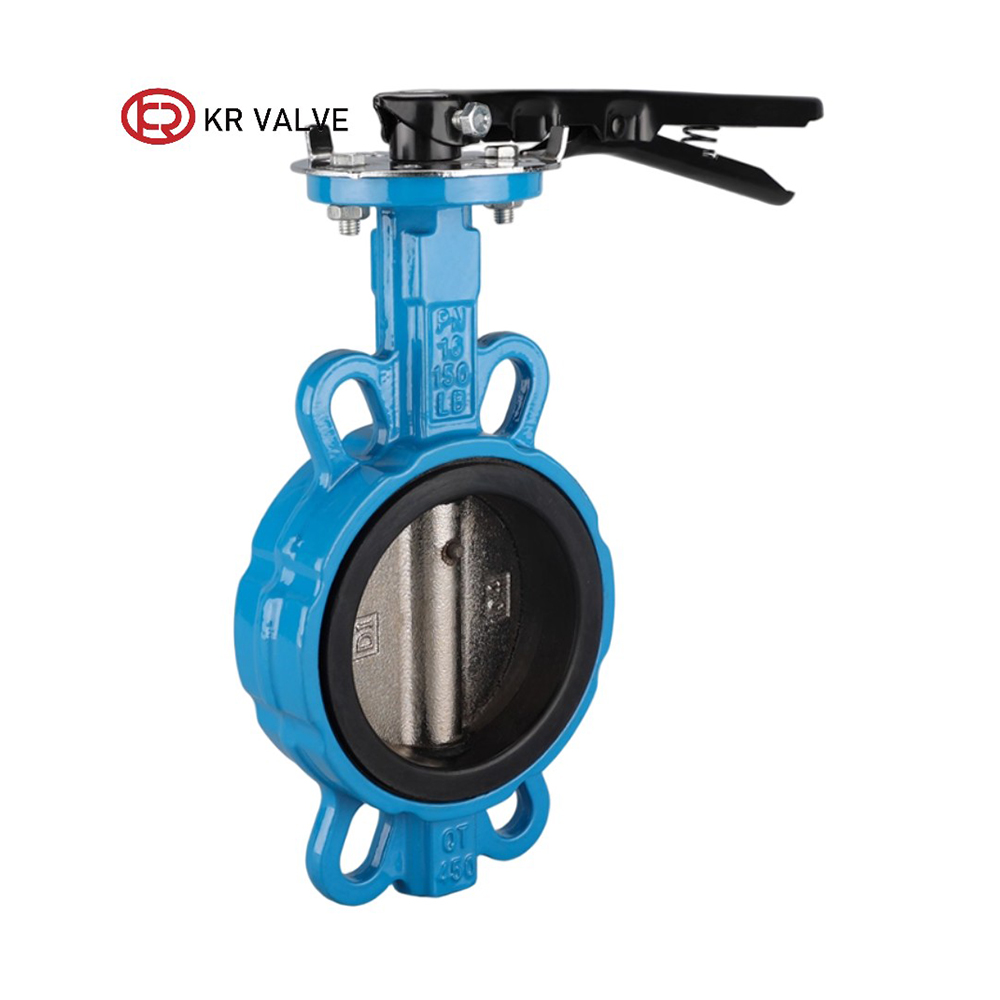
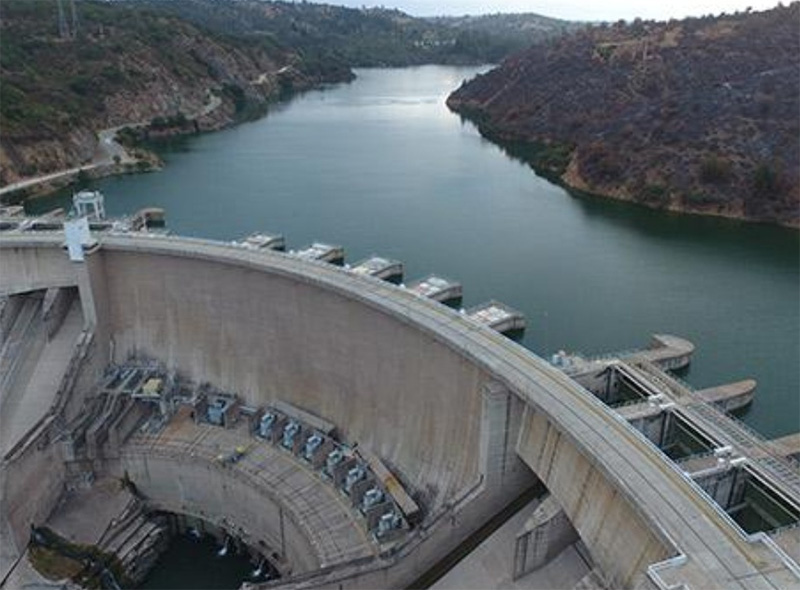
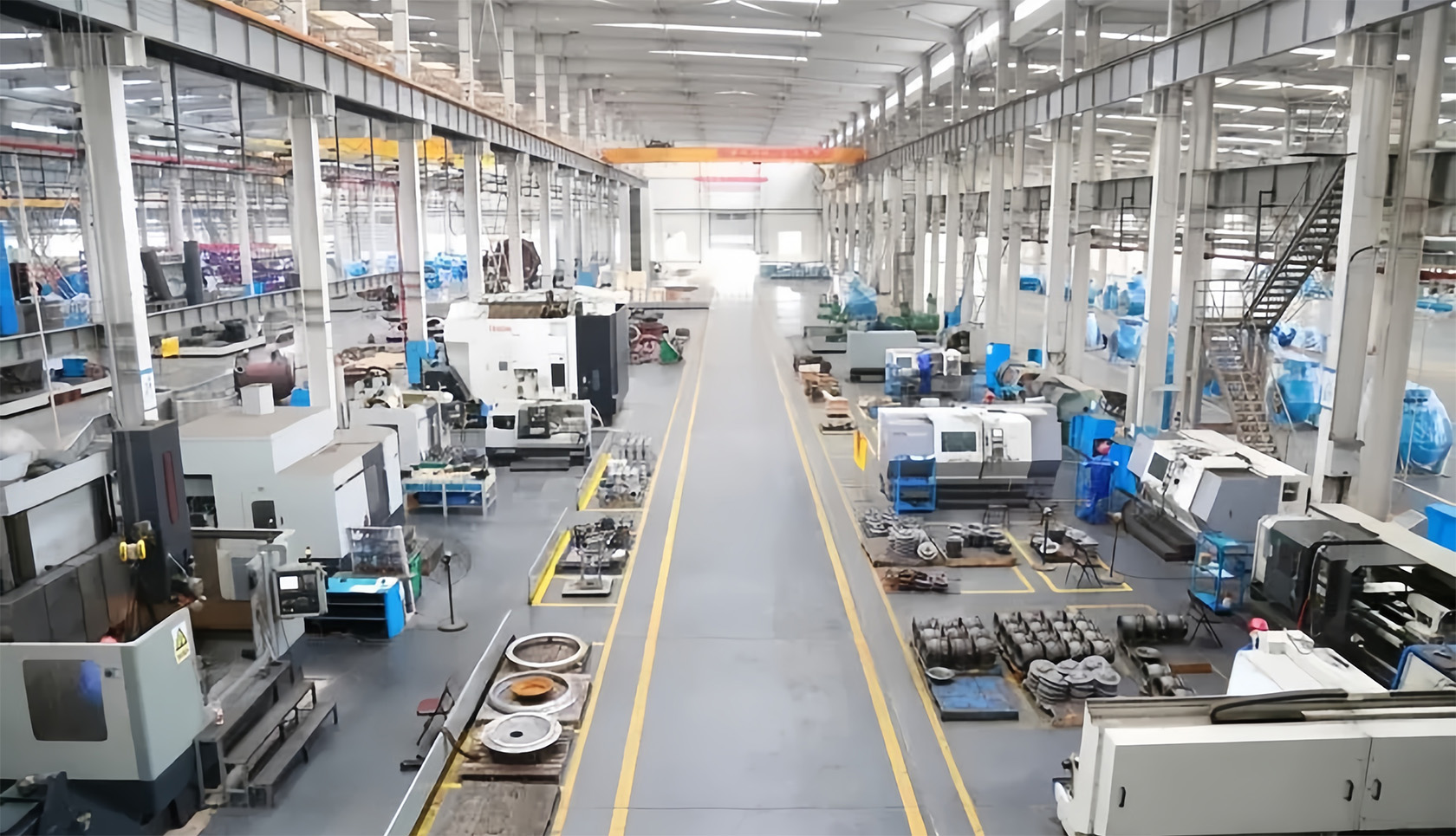
KR Valve Group has accumulated more than 20 years of experience in producing standard and non-standard valves of various types. We supply a wide selection of over 500 valve products, including butterfly valves, gate valves, check valves, water control valves, as well as all their matching and accessory products. These products have applications in various industries such as water treatment, dam construction, commercial buildings, energy and heating, chemical engineering, etc. We have won high repeat purchase rates from customers with excellent product variety and quality.
Beyond product excellence, we are dedicated to creating a mutually beneficial partnership with every customer. We believe that reliable service is as crucial as superior products, and we strive to continuously optimize the customer experience to achieve long-term win-win cooperation. Today, KR VALVE’s products have been exported to over 50 countries and regions in Europe, Asia, Africa, and Oceania, providing project construction and brand marketing services to thousands of customers.
6. The Core Pillars of KR Valve Manufacturing Quality
To deliver zero-leakage fluid control products to our global partners, KR Valve integrates a comprehensive quality-first methodology across three key manufacturing phases:
- Design: Our dedicated R&D department drives product design and continuous innovation. Technicians design and develop products that meet strict customer and market requirements, supported by a laboratory that provides extensive modern testing capabilities to elevate product performance. We currently manage 20 series and over 500 varieties of products.
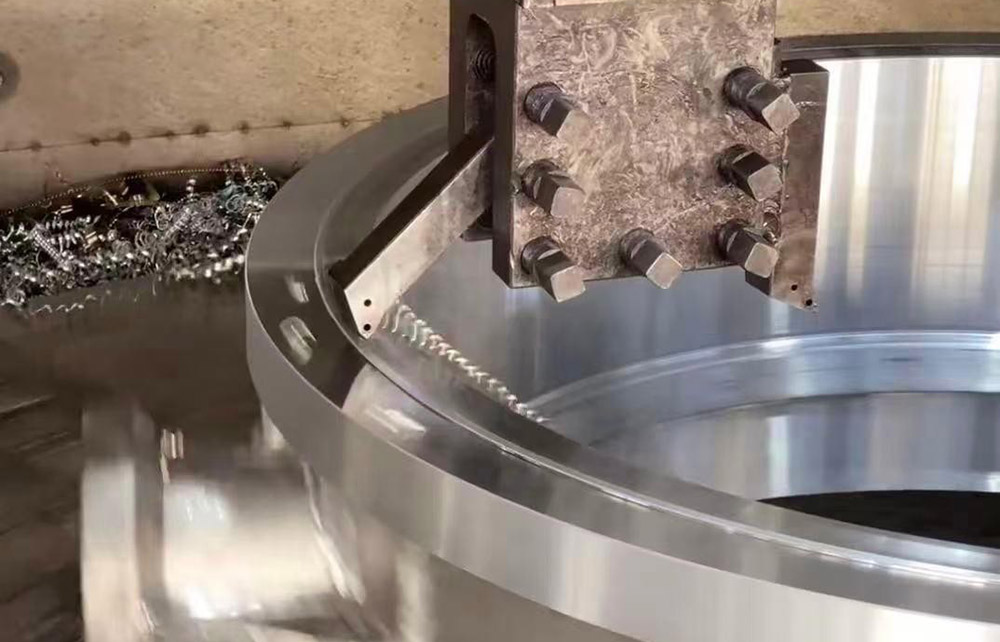
- Production: The production department formulates and executes plans to ensure timely delivery according to customer requirements. Products are manufactured under strict supervision in accordance with the ISO-9001 quality management system. We operate over 30 production machines and update our inventory monthly to meet and exceed customer expectations for delivery.
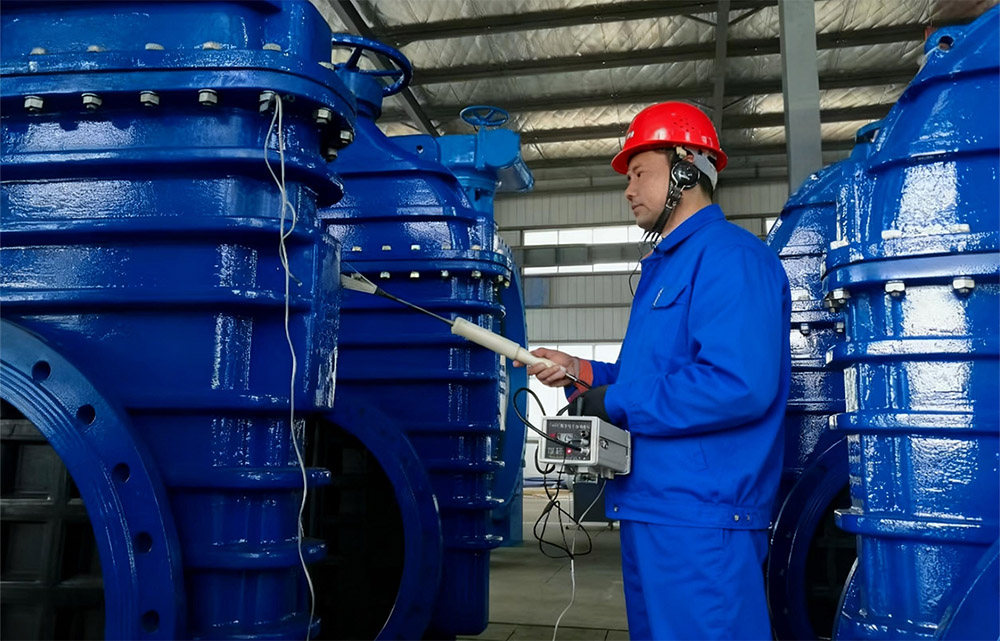
- Inspection: The inspection department ensures 100% inspection quality of products. Zero leakage is our principle. According to international quality inspection standards, we conduct a series of inspections on appearance, size, pressure, and leakage, issuing compliant inspection reports with every batch.
7. Strategic Service Commitments & Value Generation
Sourcing directly from KR Valve provides engineering firms and distributors with key competitive advantages:
- Brand & OEM: We offer our independent brand "KR" and provide comprehensive OEM services for global clients, establishing long-term relationships with many famous valve brands.
- Factory Capacity: Our facilities are equipped with 15 machining centers and assembly lines operated by highly experienced technicians.
- Price & Quality Control: By controlling every step of the production process—from raw materials to final packaging—we ensure highly competitive factory-direct pricing without compromising on quality.
- Service Consultation: We provide professional, end-to-end pre-sales and after-sales service, including valve sizing, material selection, and 24-hour fast response times.