Direct supply from industrial valve manufacturing units with guaranteed zero-leakage performance, high-grade casting, and certified conformity standards.
Understanding the critical physics of air vent valves, operational efficiencies, and the technical mechanics of preventing surge pressures and vacuum-induced structural failures.
In pressurized fluid transmission pipelines, the control of air flow is paramount to ensuring operational efficiency, safety, and physical integrity. Entrained air enters pipelines through pump intakes, vortex configurations, leaky joints, and mechanical dissolution under variable pressure dynamics. As the fluid travels, dissolved gases transition into free air bubbles, accumulating at geographic high points. This accumulated air alters the hydraulic characteristics of the system, reducing the effective cross-sectional flow area, boosting hydraulic resistance (friction loss), and subsequently forcing pump systems to work harder, consuming excessive energy.
Crucially, air pockets present a grave physical risk. When fluid velocities change due to pump start-ups, power failures, or rapid valve operations, the highly compressible air pocket absorbs energy, acting as a massive pneumatic spring. When these pockets collapse or are forced out through small orifices, they generate extreme localized pressure surges (water hammer) that easily exceed the structural yield points of ductile iron, carbon steel, and PVC conduits, leading to catastrophic pipeline ruptures.
"An unmanaged pipeline is a failing pipeline. Integrating specialized air vent valves at computed strategic points prevents up to 90% of dynamic surge failures and improves hydraulic transmission efficiency by 8% to 15%."
Air vent valves are designed to execute three primary functions depending on the system's current phase: high-capacity air discharge (during pipe filling), high-capacity air intake (during pipe draining), and small-orifice air release (under working pressure). Understanding the differences between these valve types is critical for successful engineering procurement:
Operate under high pressure conditions. Designed with leverage mechanisms that actuate a small orifice (often 1.6mm to 5mm) to bleed out accumulated micro-pockets of air before they merge into destructive large gas volumes.
Operate during low-pressure startup/shutdown cycles. Discharge massive air volumes rapidly to prevent air pockets from blocking the line as it fills, and supply massive atmospheric air volumes during drain-out to prevent vacuum implosions.
Consolidate both kinetic air/vacuum relief and automatic small orifice air release capabilities into one dual-chamber or single concentric housing. This configuration delivers comprehensive protection during all operational stages.
For optimal protection, sizing calculations must factor in localized system parameters, including pipe diameter, maximum pump flow rates, gradient charts (slopes), and potential emergency dewatering speeds. Under-sizing an air/vacuum valve risks pipe buckling under vacuum loads, while over-sizing can trigger fast, uncontrolled closures that yield severe water hammer waves.
| Valve Type | Common Materials | Nominal Diameters (DN) | Pressure Class (PN) | Primary Standards | Key Sealing Options |
|---|---|---|---|---|---|
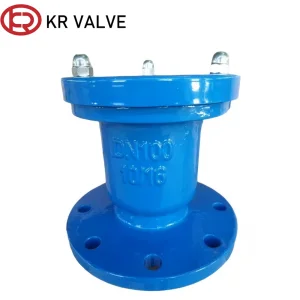
| Single Port Air Valve | Ductile Iron GGG40/50, SS304 | DN15 - DN50 | PN10 / PN16 / PN25 | EN 1074-4, ASME B16.34 | EPDM, NBR, Viton |
| Double Port Air Valve | Ductile Iron GGG50, Carbon Steel | DN50 - DN300 | PN16 / PN25 / PN40 | AWWA C512, BS 5163 | Resilient EPDM, PTFE |
| Combination Air Valve | Cast Iron, Ductile Iron, SS316 | DN50 - DN600 | PN10 / PN16 / PN25 / PN40 | DIN EN 1074, ISO 7259 | EPDM Soft Seal, NBR |
Why international EPC contracting firms and water utility operators source high-performance air vent valves from advanced Chinese production bases.
Modern Chinese valve foundries utilize computer-controlled electric induction furnaces, automated green-sand molding lines, and spectroscopic metal composition verification to cast high-grade ductile iron (GGG40, GGG50/EN-GJS-500-7). Microstructure inspections verify consistent nodular graphite distribution, ensuring exceptional tensile strength, impact toughness, and pressure containment limits that exceed traditional sand-casting methods.
Machining tolerances are maintained via vertical CNC machine centers and automated lathes to guarantee perfect seal alignments. Sealing gaskets are vulcanized under high pressure using advanced EPDM compounds, providing excellent elasticity, chemical resistance, and long-term aging prevention. Every valve undergoes hydrostatic and pneumatic pressure testing matching EN 12266-1 and ISO 5208 requirements to guarantee zero leakage.
Benefiting from fully integrated supply chains, Chinese manufacturers can execute custom modifications rapidly. This includes designing custom flanges (ANSI/ASME, DIN, BS, JIS), tailoring specialized paint requirements (e.g., WRAS-approved fusion bonded epoxy coatings), and designing non-standard face-to-face dimensions. Streamlined logistics corridors ensure fast delivery paths to deep-water ports, reducing project delivery delays.
Analyzing key advancements in telemetry, smart infrastructure integration, corrosion mitigation, and custom fluid dynamics for critical sectors.
The global valve sector is undergoing rapid evolution driven by three key technological shifts:
Maintaining high water quality and minimizing energy loss. Air valves prevent cavitation in booster pump networks, eliminating air pockets that lead to localized microbiological colonization and premature pipe rust.
Operating in aggressive saline and chloride atmospheres. These components utilize high-grade Duplex Stainless Steel, Titanium, or PTFE-lined bodies with synthetic seals to resist galvanic corrosion.
Demanding chemical media processes require high pressure and fire-safe configurations. Custom flange alignments and explosion-proof telemetry boxes ensure seamless operations in complex refinery facilities.
Your engineering partner for high-precision, certified, and custom-designed valve assemblies and industrial fluid control components.
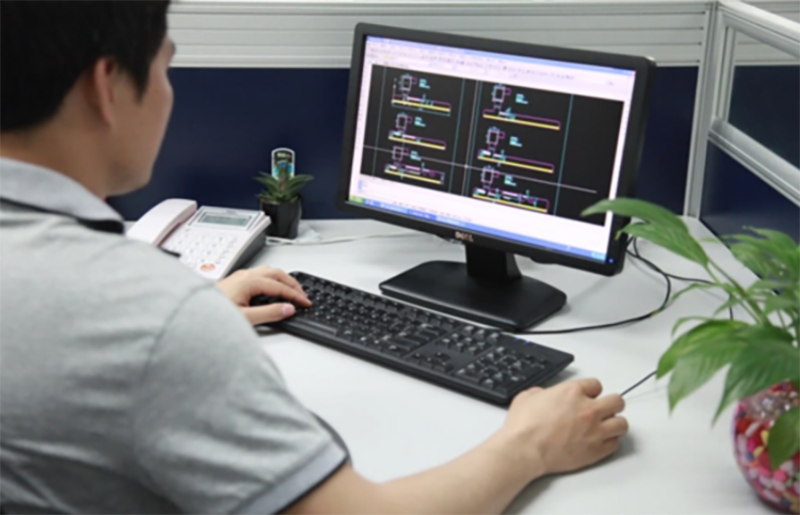
KR Valve Group has over 20 years of experience in producing standard and non-standard valves of various types. Our R&D department ensures product design and continuous innovation. Our technicians continuously design and develop products that meet customer and market requirements. Our laboratory provides extensive modern testing capabilities to elevate product performance. We currently offer 20 series and over 500 varieties of products.
Our production department formulates and executes plans according to schedule to ensure timely delivery matching customer requirements. Products are manufactured under strict supervision in accordance with the ISO-9001 quality management system. We operate over 30 sets of production machinery and update our inventory monthly to meet and exceed customer expectations for delivery.
Our inspection department ensures 100% inspection quality of all products. Zero leakage is our core principle. In accordance with international quality inspection standards, we conduct a series of inspections covering external appearance, dimensional accuracy, hydrostatic shell pressure, and seat tightness, issuing complete inspection compliance reports matching global requirements.
We strictly control the production of each component and assemble it into a perfect finished product. Pre-sales and after-sales consultations are handled by dedicated service engineers, offering installation support, spare parts replenishment, and technical advice, creating long-term mutually beneficial partnerships with customers in over 50 countries.
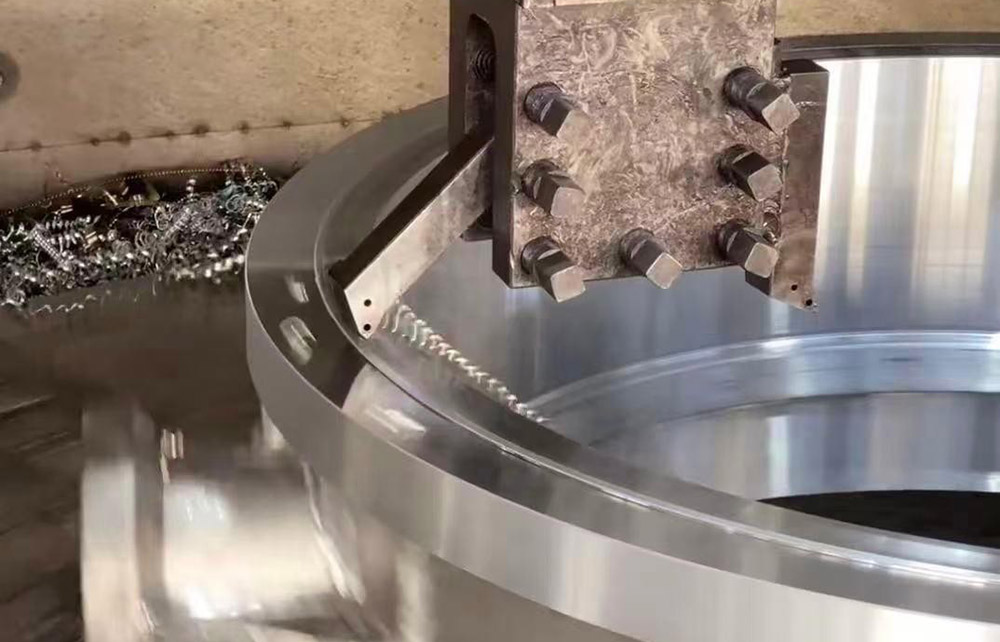
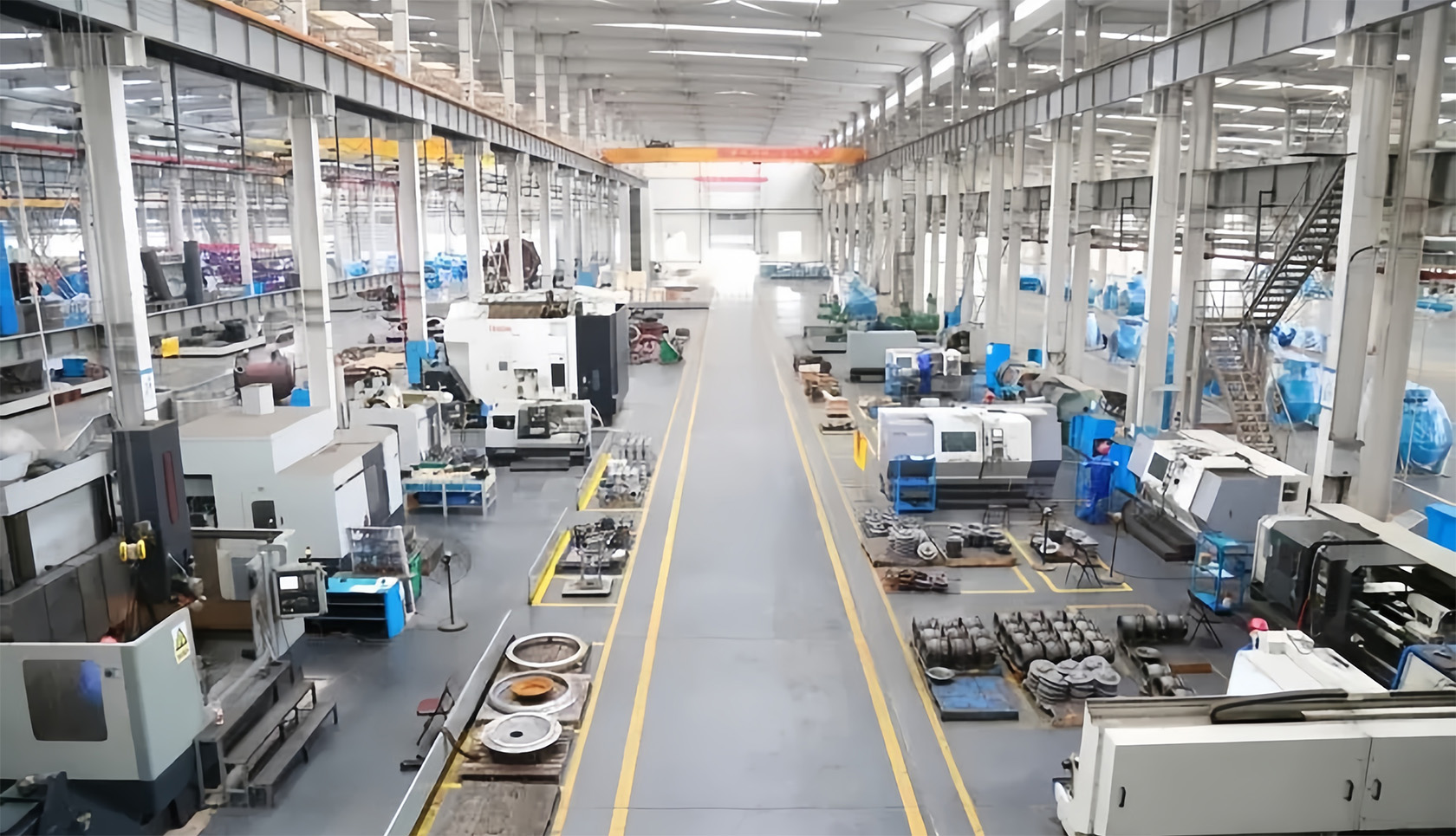
Take an inside look at our modern manufacturing floor, quality control rooms, and heavy casting facilities.

By producing every component in-house, we eliminate intermediaries, passing the savings to our partners with competitive wholesale pricing structures.
Our valve designs comply with leading global standards: CE, WRAS, API, ISO, and DIN, meeting the compliance requirements of municipal systems.
Our dedicated application engineering team responds within 24 hours to assist with sizing calculations, model selections, and troubleshooting.
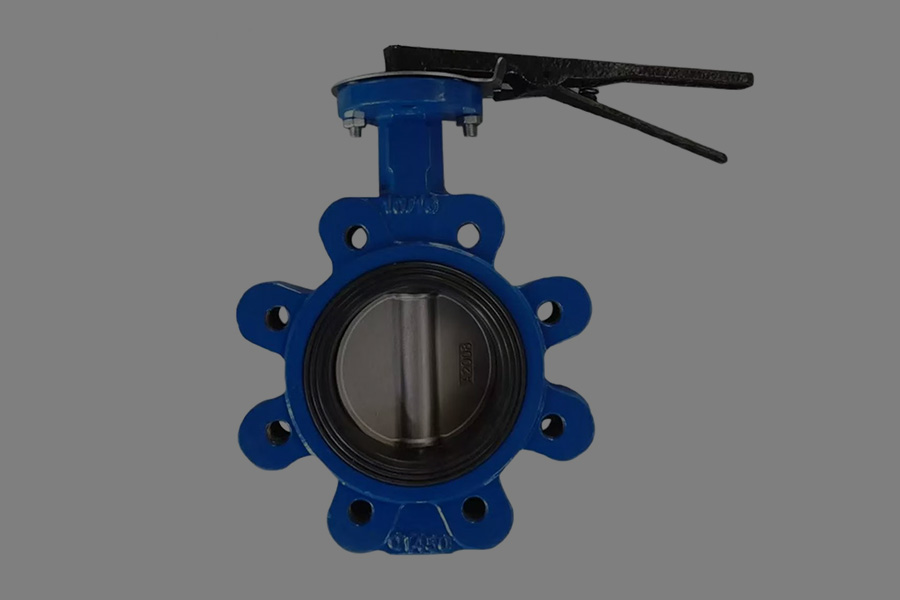
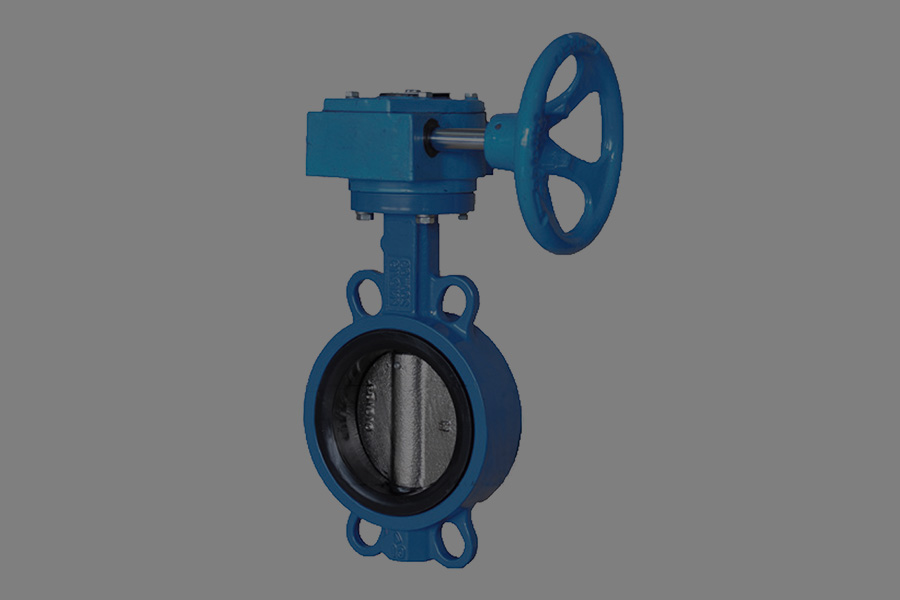
Our industrial valves deliver long-term protection, high-performance flow control, and low maintenance costs in diverse operations across more than 50 countries.
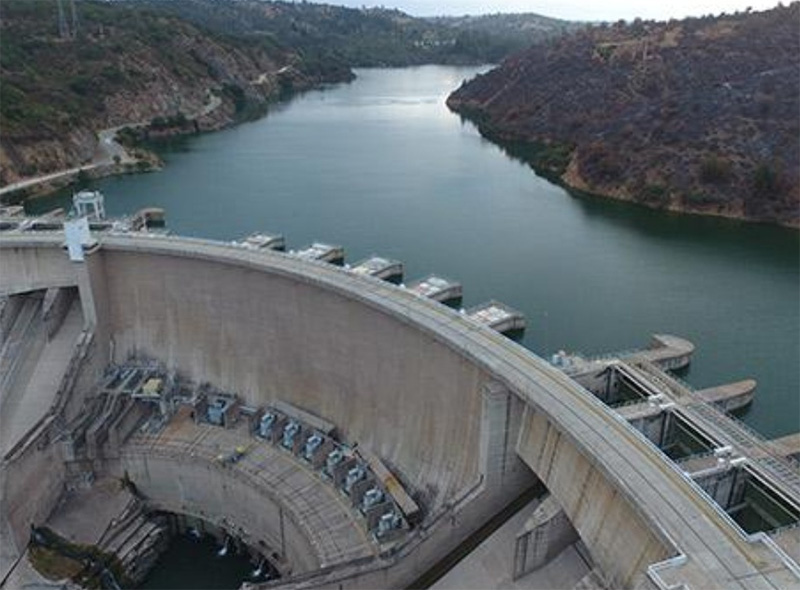
KR supplied a complete package of high-capacity water control valves, ensuring precise reservoir level controls and surge protection under extreme head pressures.
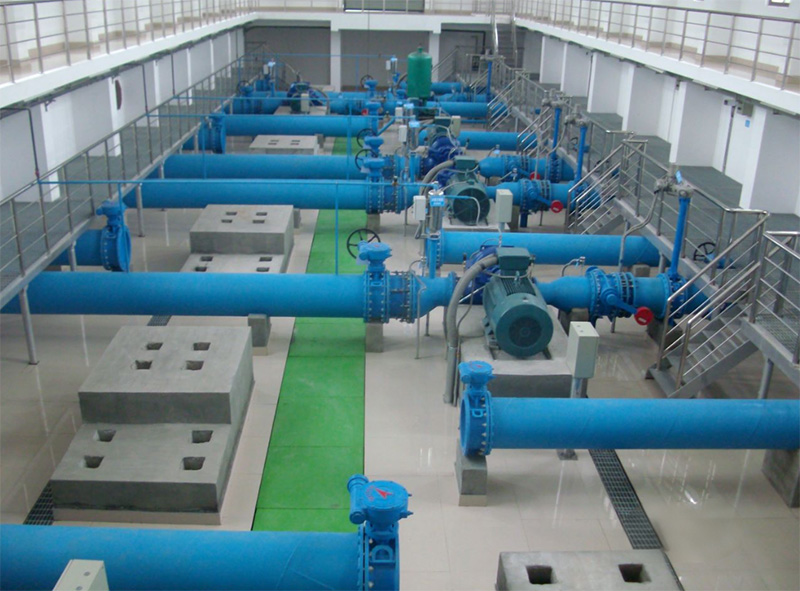
Provided large-diameter resilient seated butterfly and check valves to municipal waterworks, minimizing head loss and energy consumption.
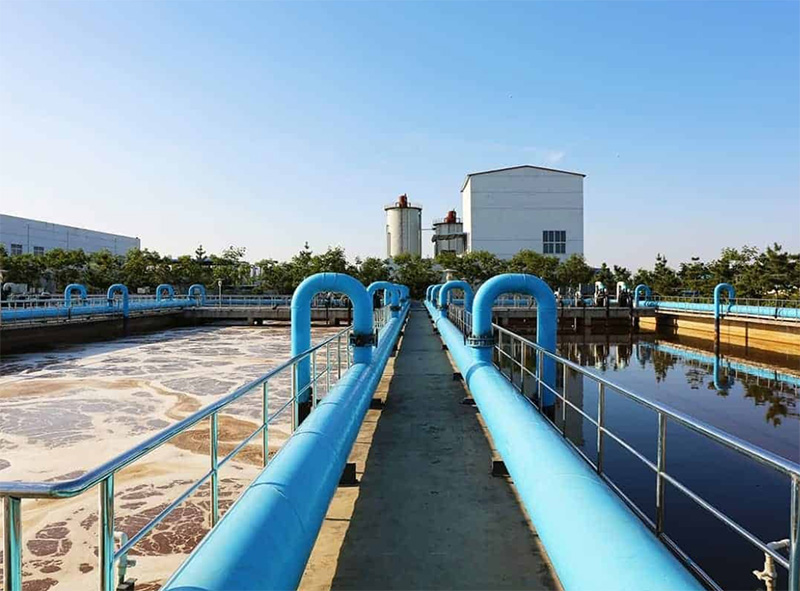
Supplied high-durability butterfly and gate valves engineered with EPDM seals to resist organic sludge and chemical treatments.
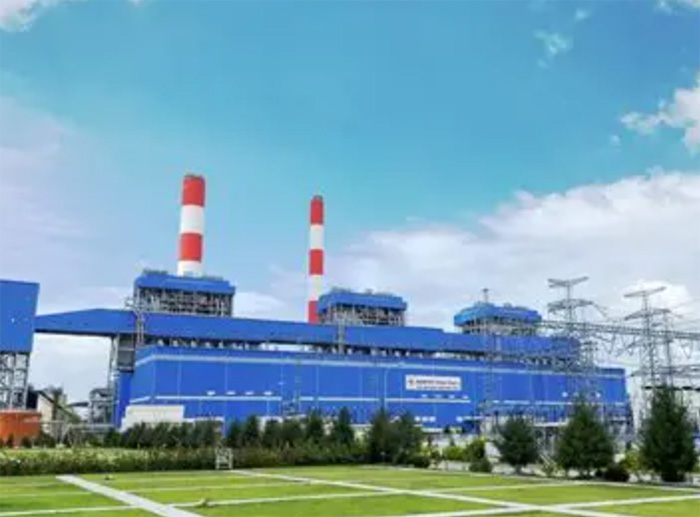
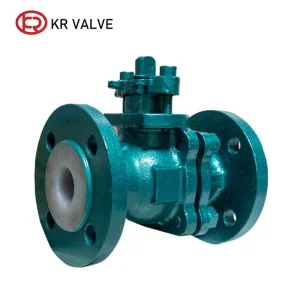
Supplied specialized corrosion-resistant PTFE-lined ball and gate valves, ensuring complete chemical isolate control and zero seat leakage.
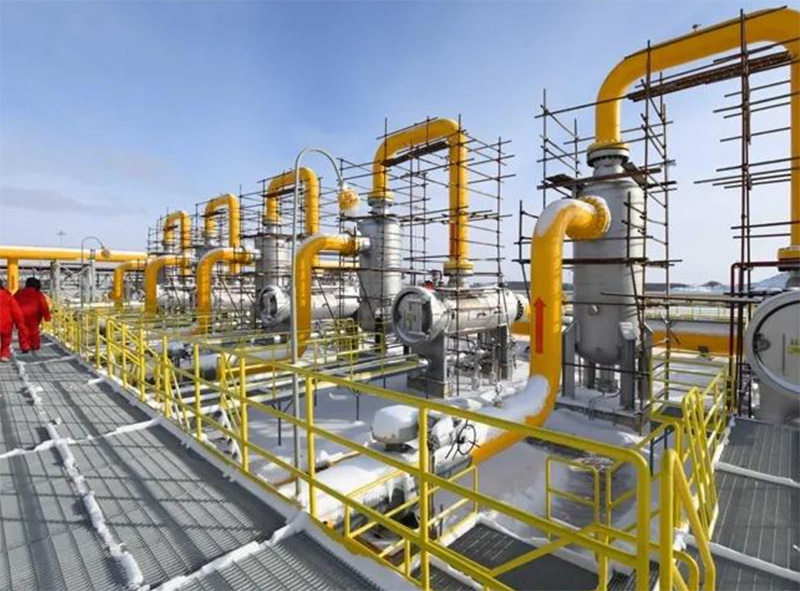
High-pressure steel ball and gate valves engineered to perform in sub-zero ambient temperatures with strict fugitive emissions controls.
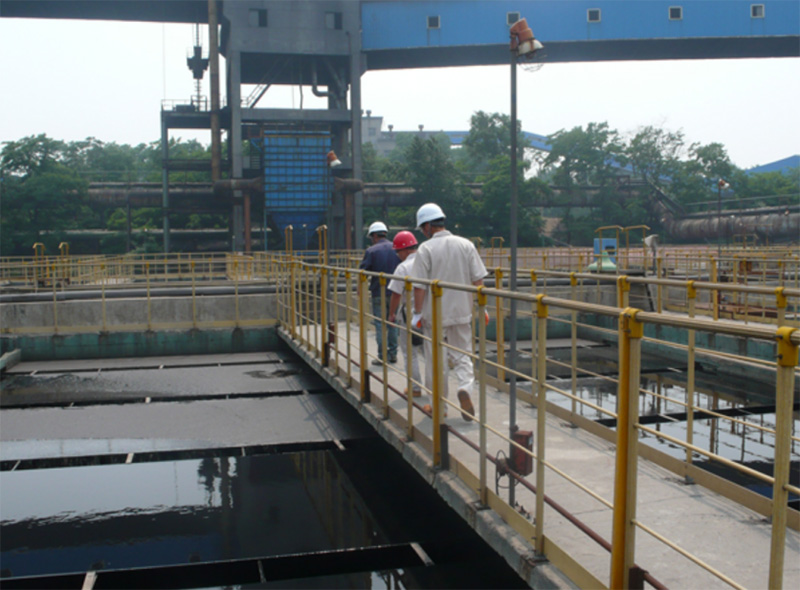
Engineered water control and air relief valves designed to prevent gas pocket blockages in high-solids wastewater transmission pipes.
Get answers to common technical, installation, and procurement questions from our application engineering team.
Explore our complete range of certified industrial gate, butterfly, check, and control valves.
 KR VAVLE