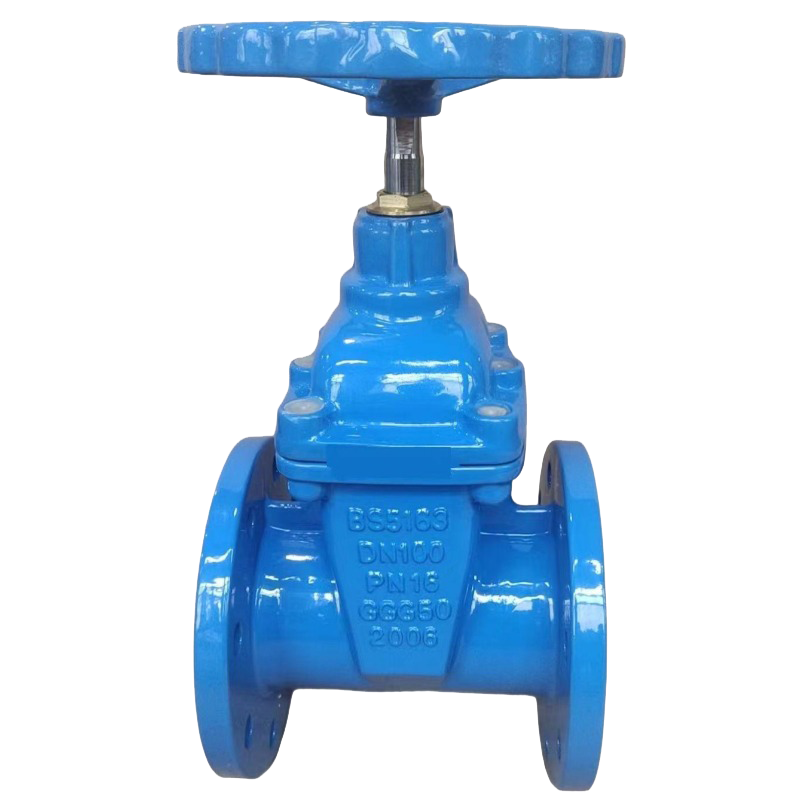
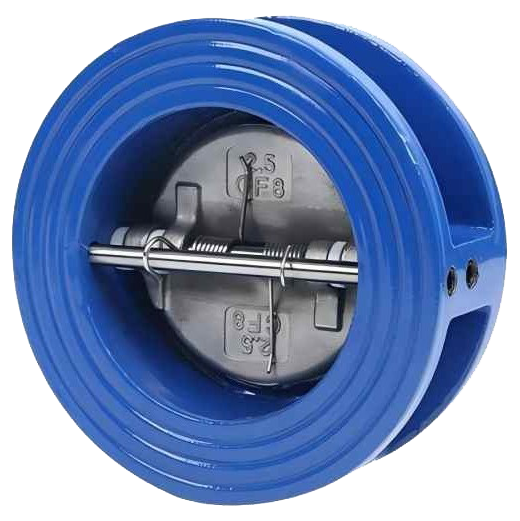
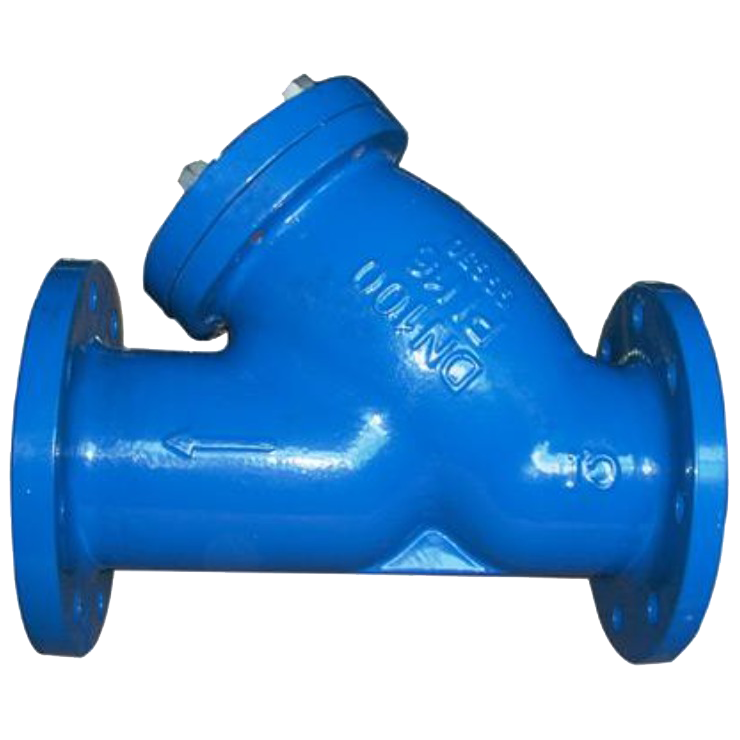
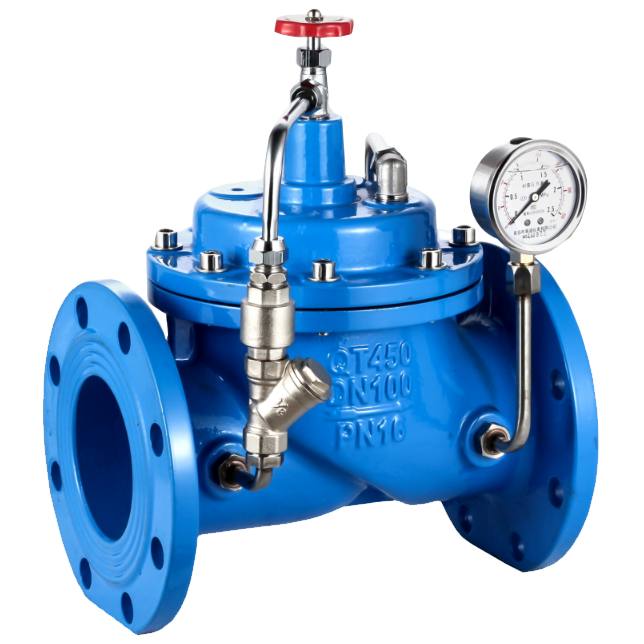
Direct supply from leading casting foundries and CNC manufacturing lines in China. Fully certified flow control valves.
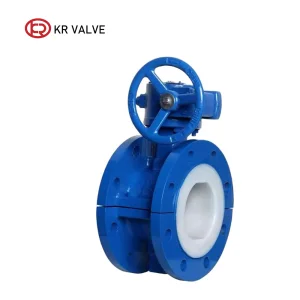
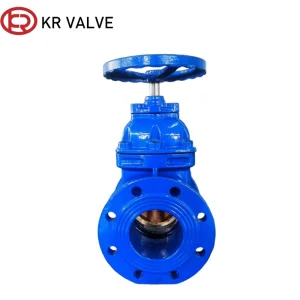
An in-depth analysis of kinetic air valves, ductile iron metallography, and fluid system integrity.
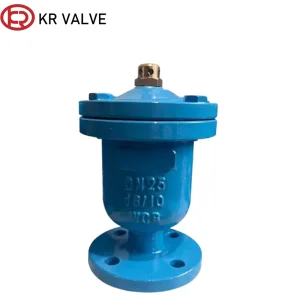
In municipal water pipelines, industrial cooling loops, and long-distance transmission lines, air accumulation is a persistent engineering threat. Pocketed air restricts fluid cross-sections, increases friction loss, generates water hammer transients, and can cause complete pipeline blockages. To combat this, hydraulic engineers rely on robust air release valves.
The selection of GGG40 ductile iron (equivalent to EN-GJS-400-15 or ASTM A536 60-40-18) is critical. GGG40 is distinguished by its spheroidal graphite microstructure, which provides vastly superior mechanical properties compared to traditional GG25 grey cast iron:
Air valves function dynamically across three primary modes of operation:
1. Kinetic High-Volume Air Discharge: During pipeline filling, massive volumes of air must be rapidly exhausted through the large kinetic orifice. As water reaches the valve chamber, the internal float rises, sealing the orifice to prevent fluid escape.
2. Continuous Small-Volume Air Release: Under pressurized working conditions, microscopic air bubbles escape solution and accumulate at the system high points. The automatic orifice mechanism continuously vents these small air pockets without interrupting flow.
3. Vacuum Protection (Air Intake): If sudden drainage, line breaks, or pump shutdowns occur, pressure within the pipeline drops below atmospheric levels. The air valve instantly drops its float, admitting huge volumes of atmospheric air to prevent pipe implosion or vacuum-induced seal failures.
How modern Chinese valve factories combine metallurgical control, rapid prototyping, and cost efficiencies.
Chinese foundries employ real-time spectrometer analysis to monitor carbon, silicon, and magnesium ratios, ensuring consistent GGG40 nodular graphite structures and zero localized inclusions.
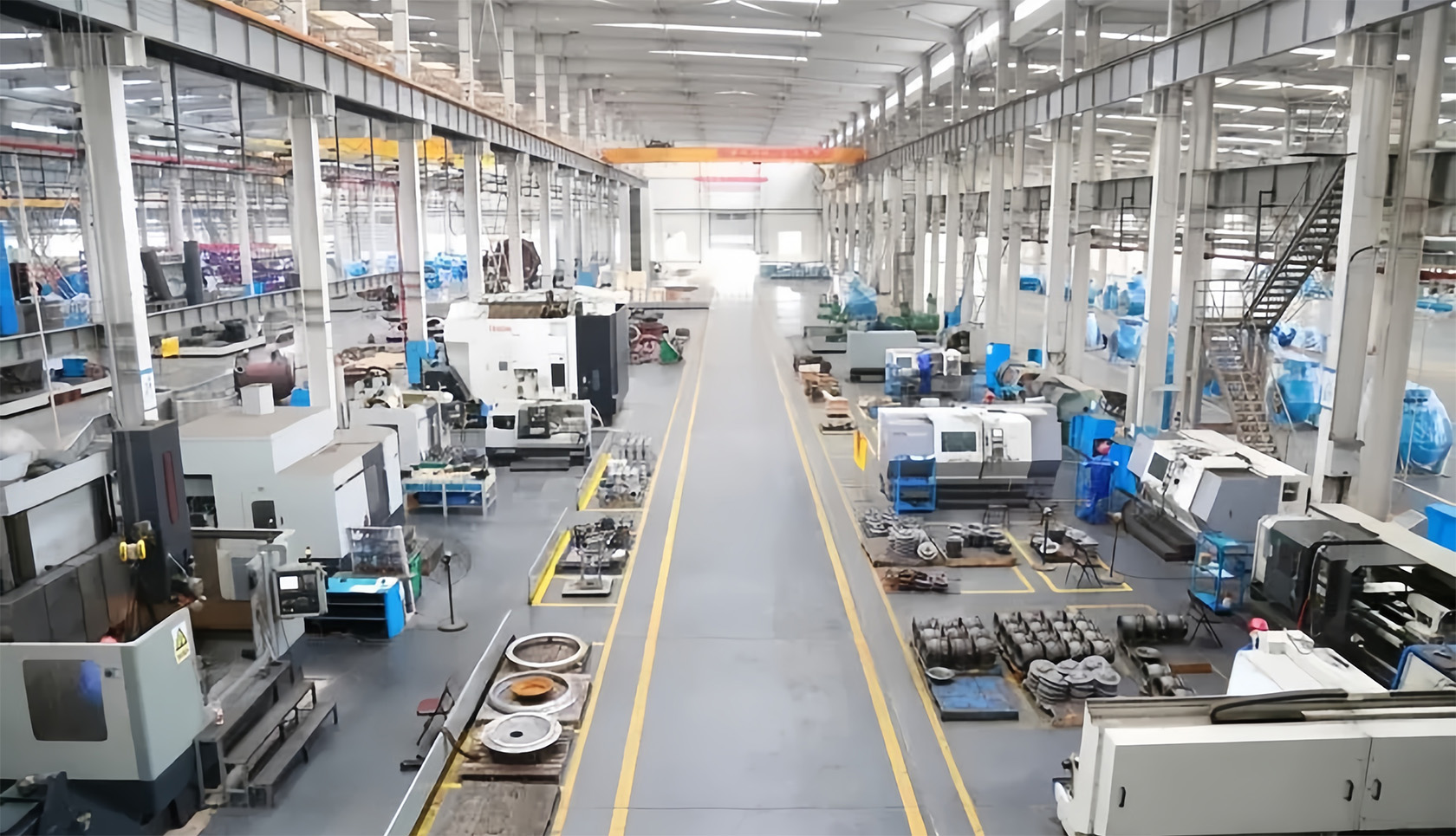
By integrating raw casting, CNC precision machining, and automated electrostatic powder coating lines, Chinese plants minimize material movement and offer highly competitive pricing structures.
Flexible tooling allows Chinese manufacturers to offer customized body dimensions, specialized internal float materials (Stainless Steel 304/316, Hastelloy), and variable flange drilling (EN 1092-2, ANSI B16.42, BS 4504).
Two decades of engineering excellence in global valve design, manufacturing, and quality verification.
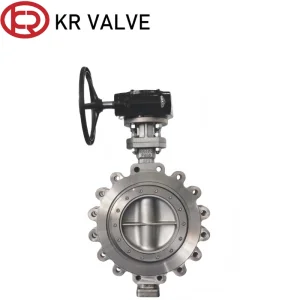
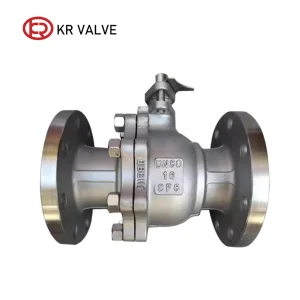
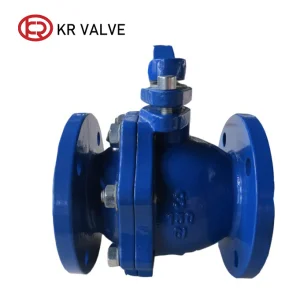
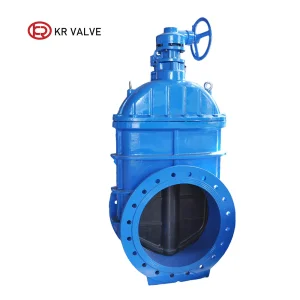
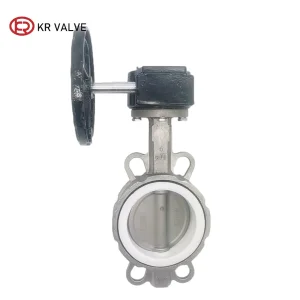
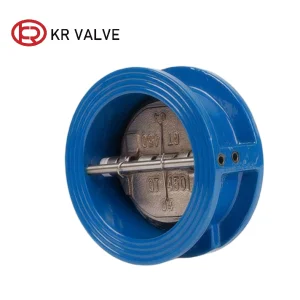
KR Valve has more than 20 years of experience in producing standard and non-standard valves of various types. We supply a wide selection of over 500 valve products, including butterfly valves, gate valves, check valves, water control valves, as well as all their matching and accessory products.
These high-performance flow control products have applications in various critical industries such as water treatment, dam construction, commercial buildings, energy and heating, chemical engineering, etc. We have won high repeat purchase rates from customers with excellent product variety, certified traceability, and unmatched quality standards.
Beyond product excellence, we are dedicated to creating a mutually beneficial partnership with every customer. We believe that reliable service is as crucial as superior products, and we strive to continuously optimize the customer experience to achieve long-term win-win cooperation. Today, KR VALVE’s products have been exported to over 50 countries and regions in Europe, Asia, Africa, and Oceania, providing project construction and brand marketing services to thousands of customers.
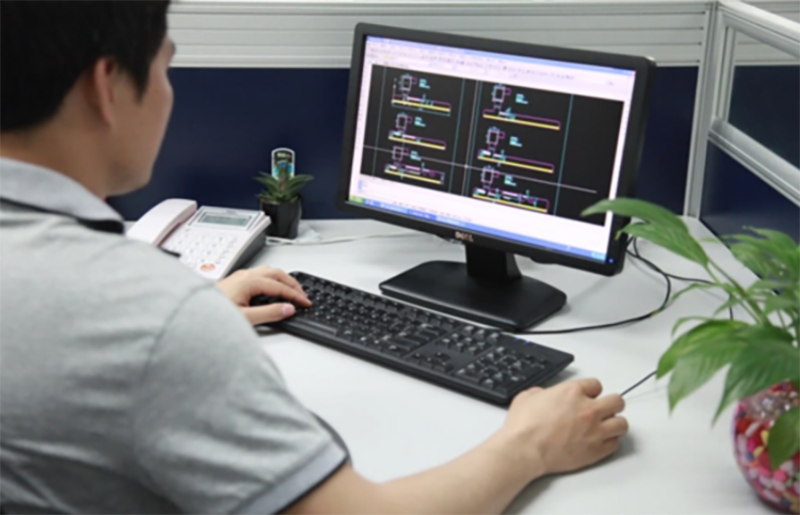
Our dedicated R&D department continuously innovates to meet demanding market requirements. Our laboratory provides advanced testing capabilities to verify hydraulic coefficients and cycle life.
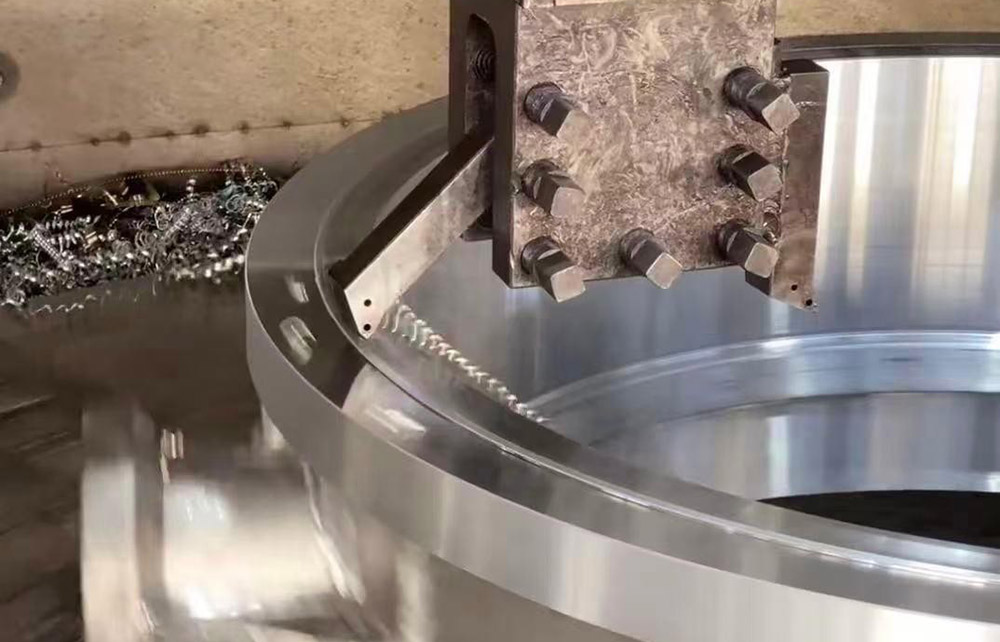
Operating under strict ISO-9001 quality management, we utilize 30+ sets of high-precision CNC machining equipment and adjust inventories monthly to optimize global delivery timelines.
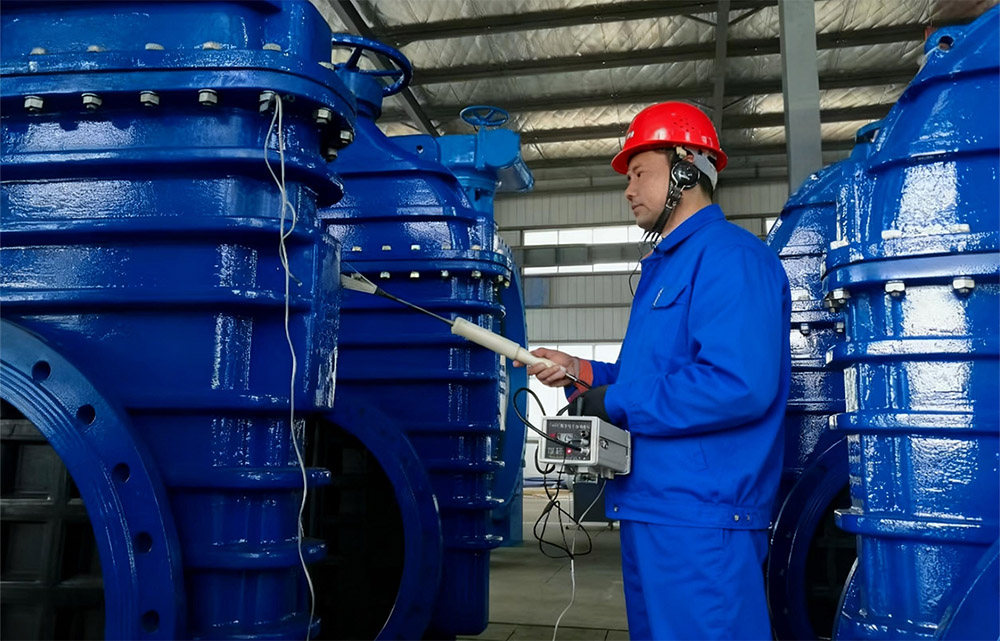
Zero leakage is our fundamental principle. We perform 100% testing on appearance, dimension tolerance, hydrostatic pressure, and seat tightness according to international standards before dispatch.
Valves engineered to perform under extreme climatic conditions, high pressures, and complex piping architectures.
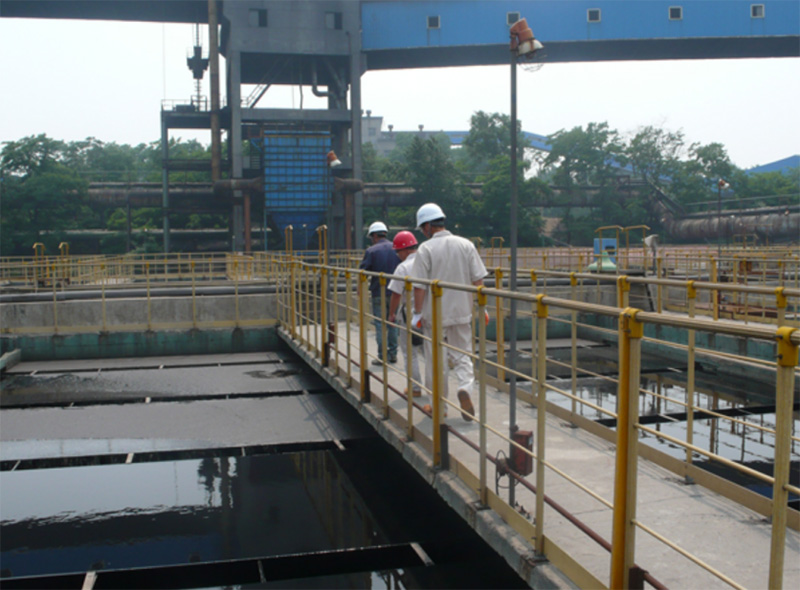
KR supplied a comprehensive suite of water control valves for a municipal sewage treatment facility in Brazil, overcoming corrosive environment challenges and streamlining fluid regulation.
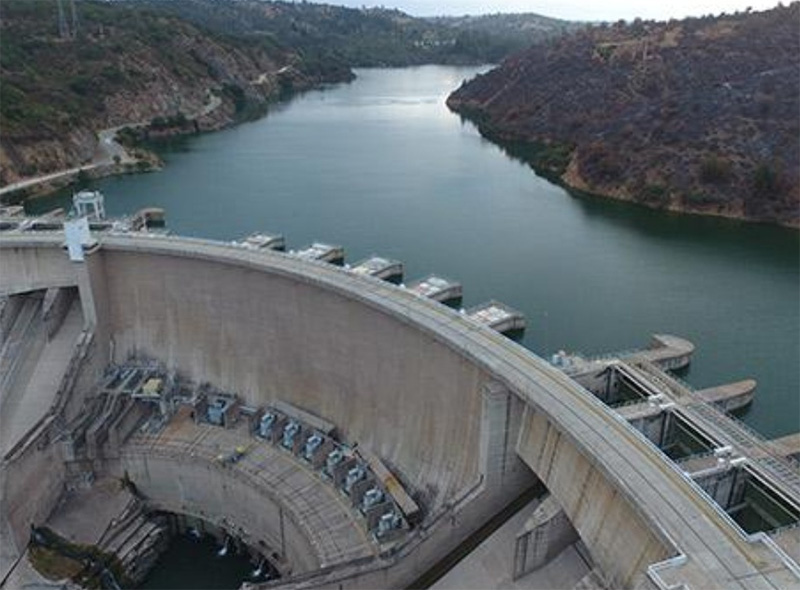
High-pressure water control valves were custom manufactured for a significant hydroelectric dam infrastructure project in Chile, ensuring safe, long-term operational performance under varying loads.
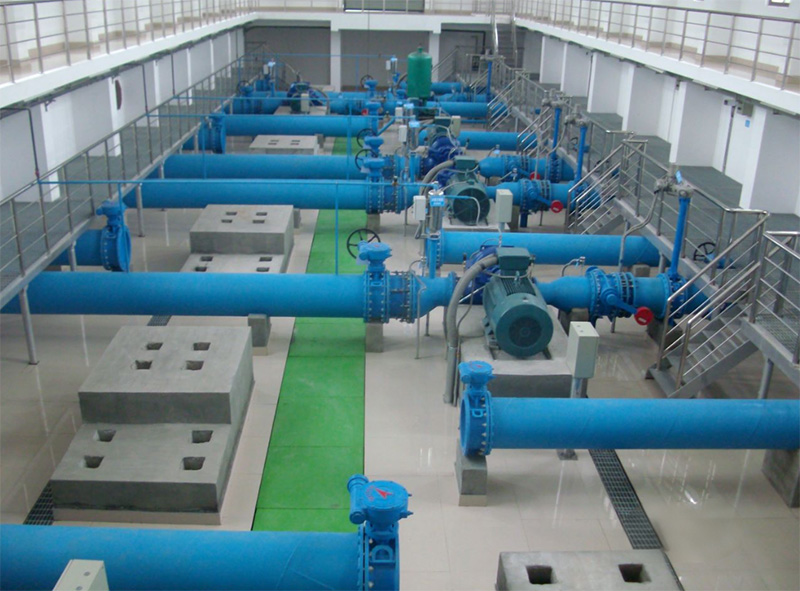
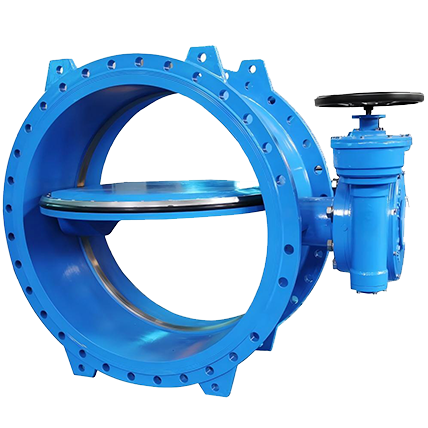
Delivery of large-diameter butterfly valves and non-return check valves designed for Italian water supply networks, focusing on minimizing head loss and energy consumption.
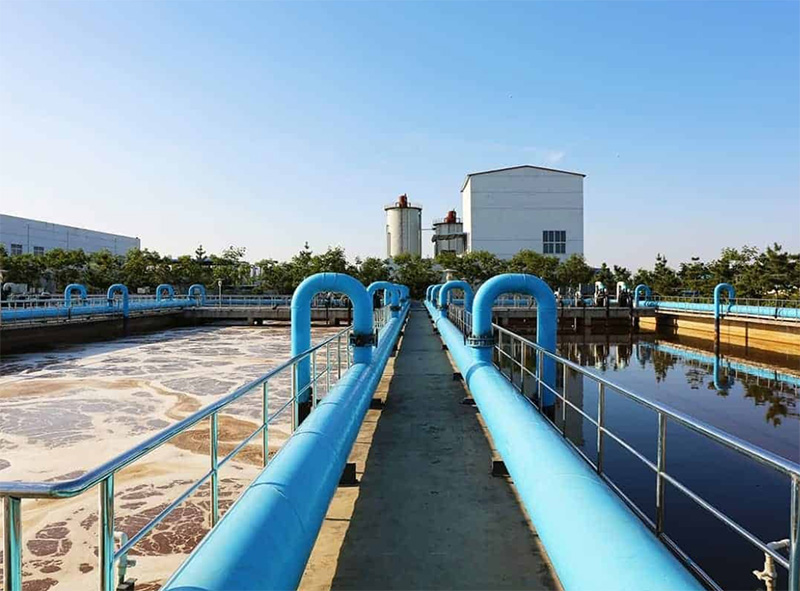
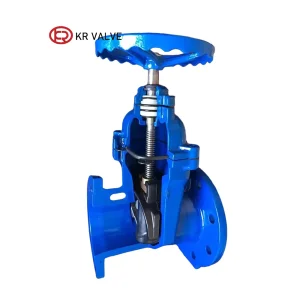
Ductile iron gate valves and butterfly valves were selected to manage high-viscosity sludge media, featuring specialized EPDM and NBR resilient seat seals to resist clogging.
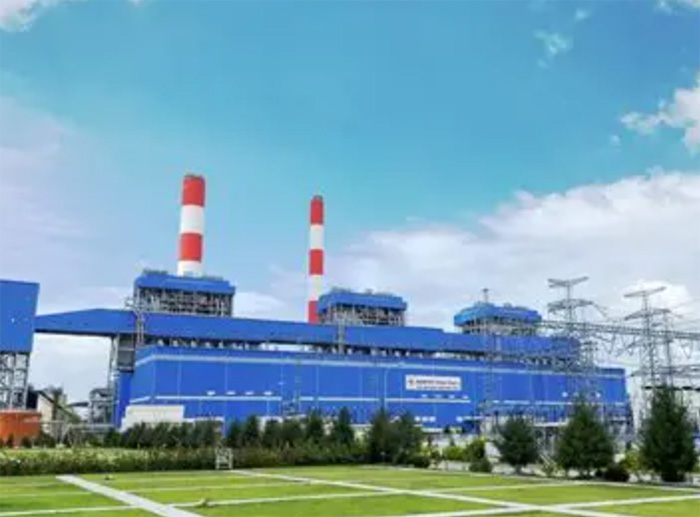
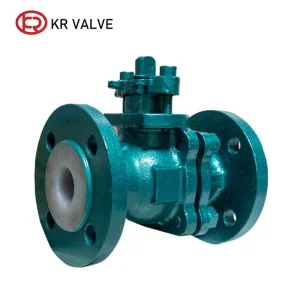
For chemical process lines, KR supplied custom-made fluoropolymer lined valves (PTFE/PFA) that ensure complete isolation from highly acidic and alkaline process flows.
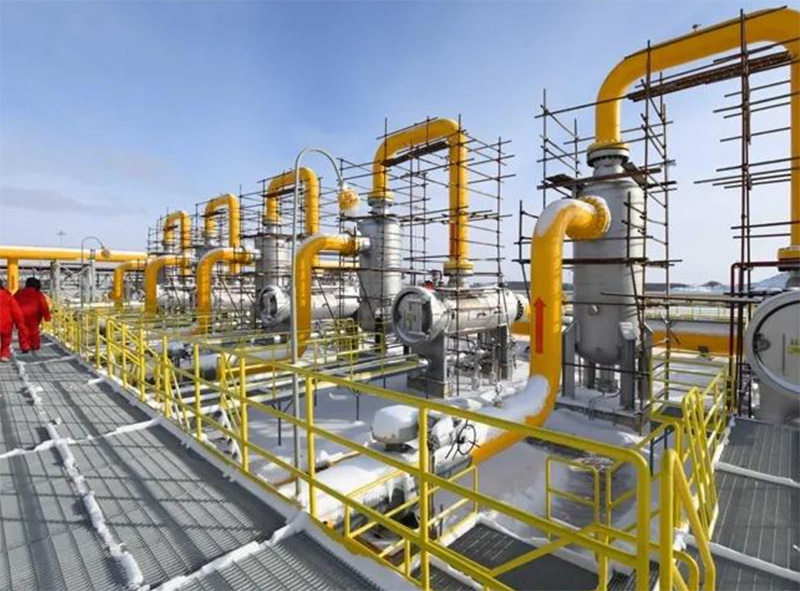
Engineered carbon steel gate and ball valves designed to survive low ambient temperatures, certified for high tightness classes under gas transport conditions.
The transition toward smart water grids and high-reliability transient mitigation.
Modern water authorities are rapidly adopting "Smart Water Grid" paradigms. Air valves, historically mechanical, are increasingly equipped with electronic pressure sensors and vent count indicators. These smart sensors log venting cycles, alerting operators to unexpected surges, vacuum formation, or potential float blockages before they manifest as critical pipe failures.
Corrosion mitigation remains a major concern for buried air valves. Current international standards mandate a minimum thickness of 250 microns of non-toxic, WRAS or NSF/ANSI 61 approved fusion bonded epoxy coating. Applied via electrostatic processes, FBE coating seals the cast iron against soils, chemicals, and internal corrosion, extending service life to upwards of 50 years.
Rapid venting can lead to local pressure spikes as the liquid column impacts the underside of the air valve float. Modern GGG40 air valves utilize anti-slam, surge-preventative throttling disks. These disks automatically restrict venting rates as pressure differentials spike, dampening water column velocity and preventing dangerous hydraulic shocks.
Ensuring end-to-end supply chain reliability, from foundry casting to aftersales support.
We supply under our proprietary registered brand "KR", while simultaneously providing robust OEM solutions for many of the world's leading valve brands.
Our machine shop features 15 advanced machining centers alongside structured assembly lines, managed by highly skilled valve technicians.
With 20 core series and over 500 cataloged variations, we supply international standard products alongside non-standard custom models.
Every cast component undergoes strict metallurgical, wall thickness, and visual inspections before being cleared for final assembly.

By executing foundry operations, machining, testing, and coatings internally, we maintain tight control over production costs.
We provide full-process pre-sales consults, mechanical sizing advice, hydraulic calculations, and reliable global after-sales support.
Watch our production stages, advanced testing bays, and warehouse procedures.
Expert answers addressing the selection, installation, and operation of GGG40 Air Valves.
High-quality engineering components for waterworks, wastewater, gas pipelines, and heavy industries.
Complete your design with high-quality strainers, pressure reducing valves, and gate valves.
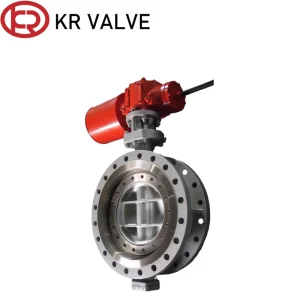
Contact KR Valve today to consult with our engineering team, request custom 3D drawings, or receive competitive OEM pricing.
Request Technical Assistance & Quote KR VAVLE