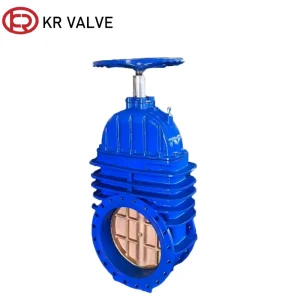
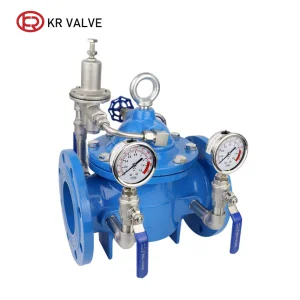
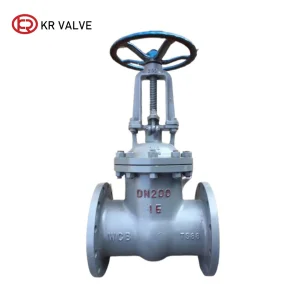
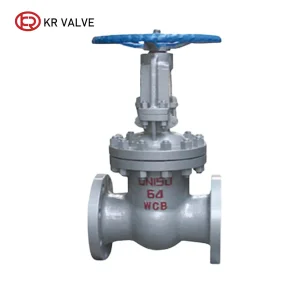
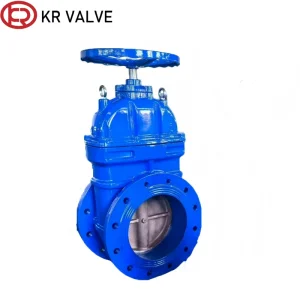
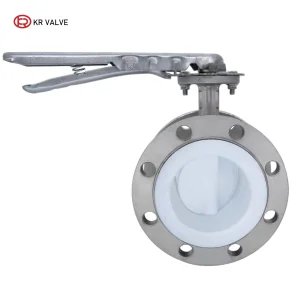
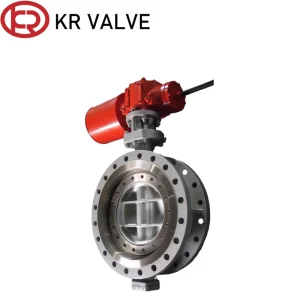
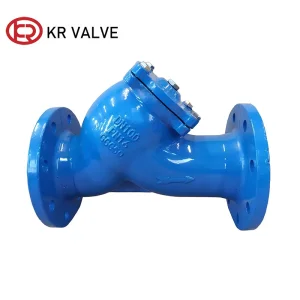
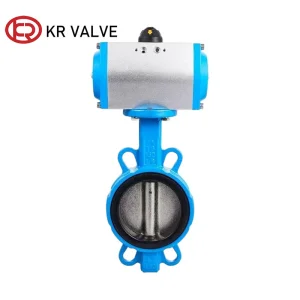
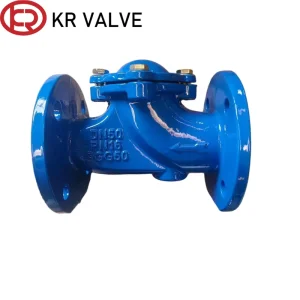
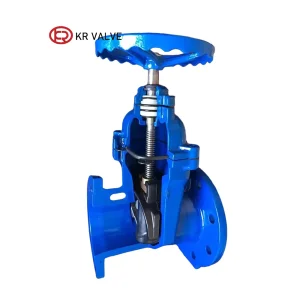
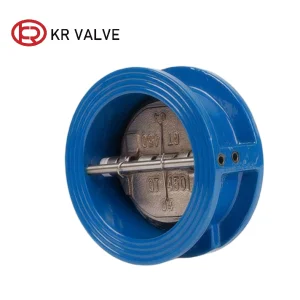
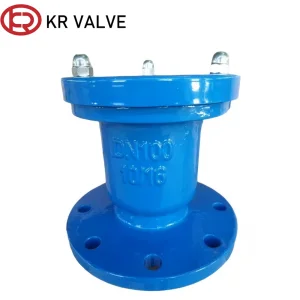
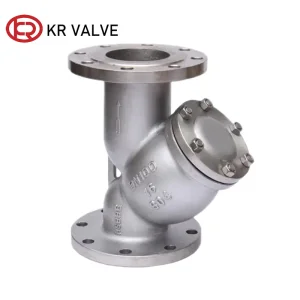
Explore our engineering-ready solutions including high-durability gate valves, check valves, and relief valves engineered to reduce maintenance costs.
Stainless steel slide gates (also commonly termed penstocks or sluice gates) are pivotal flow control components utilized to isolate, redirect, and manage fluid flows in environmental infrastructure projects. Unlike traditional gate valves, slide gates operate within open channels or on wall apertures, managing massive volumetric flows at lower pressure heads. To ensure long-term structural integrity in harsh fluid conditions, engineers rely on corrosion-resistant materials, mainly grade 304 and 316 stainless steels.
As water reclamation, heavy industrial manufacturing, and climate-adaptive civil designs scale globally, the demand for highly customized slide gates has grown. Modern operations require zero-leakage profiles, automated actuator compatibility, and structures capable of resisting high seismic loads, biological fouling, and chemical oxidation. For instance, in wastewater aeration chambers or marine outfalls, micro-biological induced corrosion (MIC) can destroy structural alloys. Specifying premium stainless steel configurations protects capital equipment and extends operational service life past 30 years.
The primary advantage of specifying stainless steel slide gates over cast iron or carbon steel equivalents lies in the chemical composition of the alloys. Chromium, molybdenum, and nickel within the stainless matrix generate a passive chromium oxide layer that self-heals under normal atmospheric conditions. However, not all stainless alloys are equivalent:
Our engineering design team uses Finite Element Analysis (FEA) to simulate water force dynamics against the gate slide, verifying deflection parameters align with AWWA C561 and BS 7775 standards. This minimizes frame distortion, guaranteeing the seating seal keeps a constant line-contact pressure for reliable, drip-tight isolation.
A primary failure mode of slide gates is seal tearing and high operating torque due to drag. To address this, KR Valve integrates ultra-high-molecular-weight polyethylene (UHMWPE) guide rails with resilient elastomeric seals (EPDM, Neoprene, or Viton). UHMWPE exhibits an exceptionally low coefficient of friction, reducing the breakaway torque required by actuators. This saves energy and protects motor gearboxes.
| Seal Material | Operating Temperature | Chemical Compatibility | Typical Application Environment |
|---|---|---|---|
| EPDM (Resilient) | -40°C to 120°C | Excellent for dilute acids, alkalis, ozone | Municipal wastewater treatment, general stormwater | Neoprene | -30°C to 90°C | Highly resistant to oils, greases, abrasion | Industrial grease separators, refining runoffs |
| Viton (FKM) | -20°C to 200°C | Superb for aggressive hydrocarbons, high heat | Petrochemical processing, heavy chemical channels |
| UHMWPE (Seat guides) | -80°C to 80°C | Universal chemical inertness, high wear resistance | Friction reduction, structural sliding tracks |
By using a continuous, flush-bottom frame sealing design, the gate prevents debris accumulation in the invert of the channel, eliminating flow disruption. This ensures self-cleaning operation and mitigates seat erosion from grit slurry.
Enterprise procurement teams navigate complex design demands, shifting supply lines, and strict regional certifications. Here is how we support global supply chain workflows.
Procurement prioritizes low operational maintenance over initial unit cost. Our self-adjusting wedge designs and self-lubricating guides reduce annual upkeep cycles, yielding a lower lifecycle cost over 25+ years.
Every civil channel has structural variances. We provide tailor-made frame mounting configurations (including channel-recessed, wall-mounted flat-back, or pipe-flange connections) matching custom dimensions without onsite rework.
Systems must connect with existing SCADA networks. We build slide gates matching ISO 5211 mounting flanges, allowing drop-in integration with electric actuators (Auma, Rotork) or pneumatic/hydraulic systems.
As industries move toward smart water management, isolation systems must integrate digital capabilities. KR Valve is investing in IoT-enabled smart slide gates. By embedding high-precision load cells and proximity sensors into the frame assembly, our setups deliver real-time data regarding gate positioning, seal wear, and operating thrust directly to operators.
Predictive maintenance algorithms can analyze increased actuation torque, flagging potential channel debris or elastomer deterioration before structural failure occurs. Furthermore, our material research targets super-austenitic stainless steels and composite structures to reduce weight while boosting resistance to aggressive chemicals found in mining tailings and high-temperature petrochemical runoffs.
With green energy regulations scaling globally, optimizing flow gates to operate with low-power actuators helps plants meet carbon reduction targets. Through fluid dynamic modeling, we refine the gate edge profiles to reduce turbulence and cavitation, allowing for smoother flow adjustment and decreased mechanical stress.
A leading global supplier of industrial fluid control valves, specializing in custom designs and quality-controlled engineering solutions.
KR Valve Group has more than 20 years of experience in producing standard and non-standard valves of various types. We supply a wide selection of over 500 valve products, including butterfly valves, gate valves, check valves, water control valves, and matching accessory products. These systems perform critical isolation roles in water treatment, dam construction, commercial building services, energy networks, and chemical processing plants worldwide.
We focus on constructing mutually beneficial, long-term partnerships with our clients. We believe that responsive technical service is as vital as the product itself. We strive to optimize the end-to-end purchasing experience to guarantee project delivery on schedule and in compliance with regional engineering standards.
Today, KR VALVE’s systems are exported to over 50 countries and regions across Europe, Asia, Africa, and Oceania, supporting project construction and brand marketing for thousands of clients.
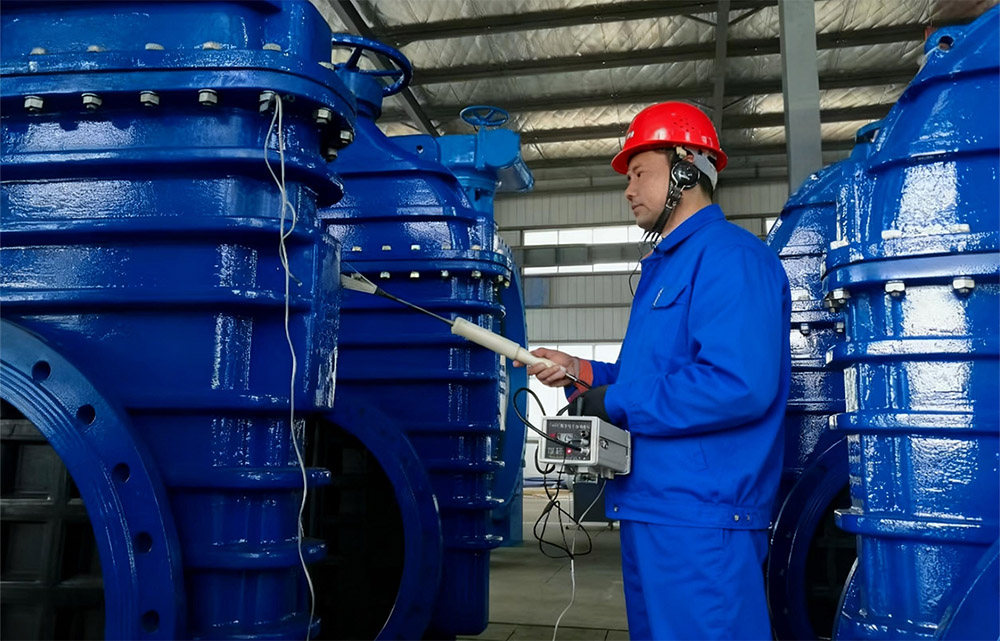
From design draft to final hydrostatic sealing tests, our processes ensure reliable, leak-free operation.
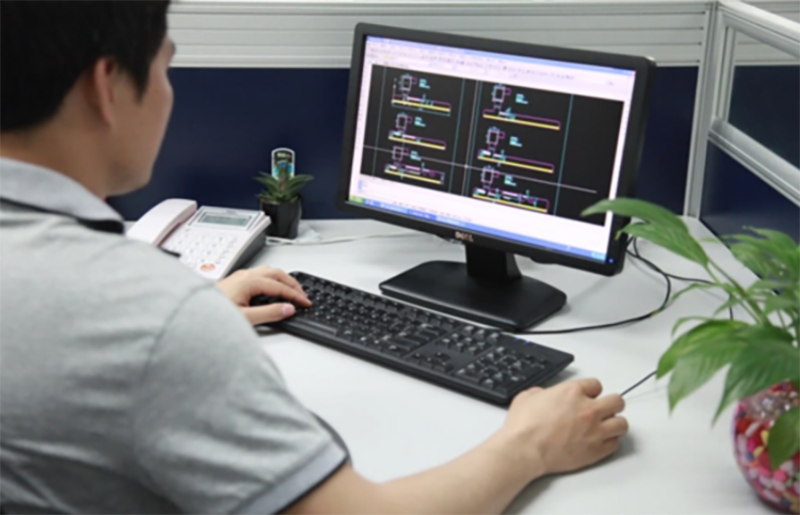
Our engineering department guides continuous product innovation. Technicians utilize advanced CAD and fluid simulation software to design valves that satisfy strict functional specifications. Our testing laboratory checks flow profiles and cycle life, resulting in 20 distinct series of valves optimized for long service lives.
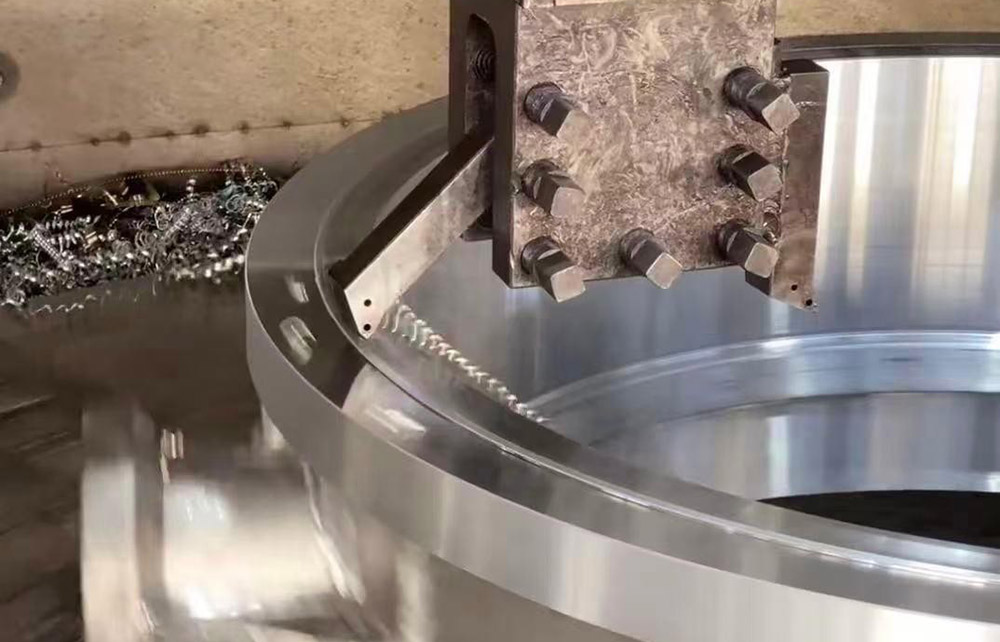
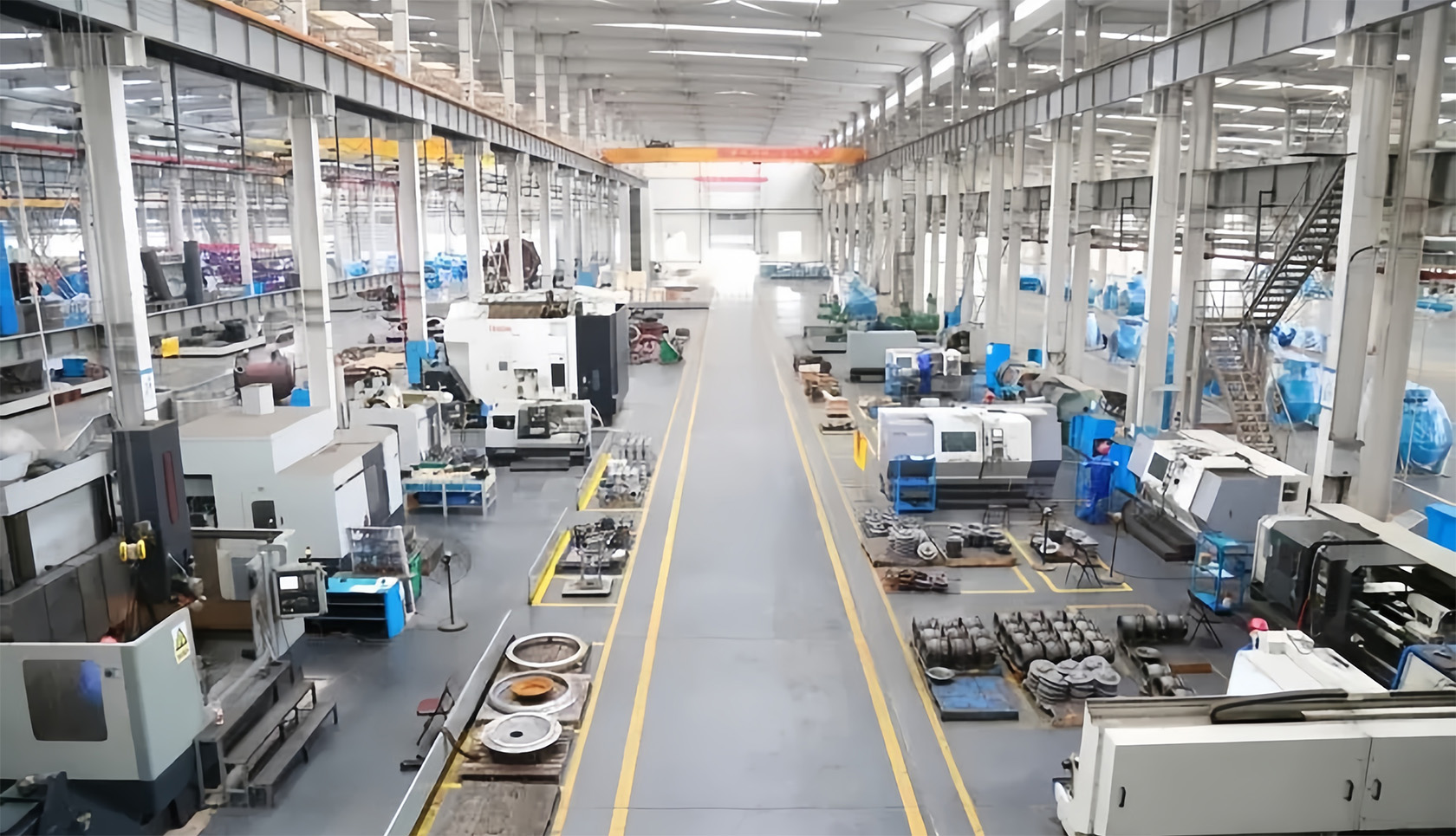
The manufacturing department coordinates production schedules, maintaining strict alignment with client delivery times. Operations comply with ISO 9001 quality management guidelines. Supported by over 30 sets of machining equipment, we update inventory monthly to ensure quick shipping.
Our quality control team performs 100% inspection on every manufactured batch. Guided by standard safety and hydrostatic testing parameters, we test dimensions, body casting integrity, and seal pressure, issuing compliance documentation for all shipments.
Our operational model is built to ensure quality, competitive pricing, and reliable service from order to installation.
We supply products under our own independent brand, "KR", and support OEM setups for engineering partners and valve brands globally.
Our machine shop features 15 advanced machining centers and organized assembly lines, operated by experienced assembly technicians.
Our portfolio includes 20 series and over 500 varieties of valves, covering standard designs and non-standard custom specifications.
We monitor the quality of every component internally, verifying that all sub-assemblies fit correctly before delivery.
By managing all major casting, machining, and assembly phases internally, we maintain competitive pricing for heavy civil projects.
Our engineering support team offers comprehensive pre-sales consultation and after-sales troubleshooting globally.
Take an inside look at our manufacturing facilities and hydrostatic testing protocols.
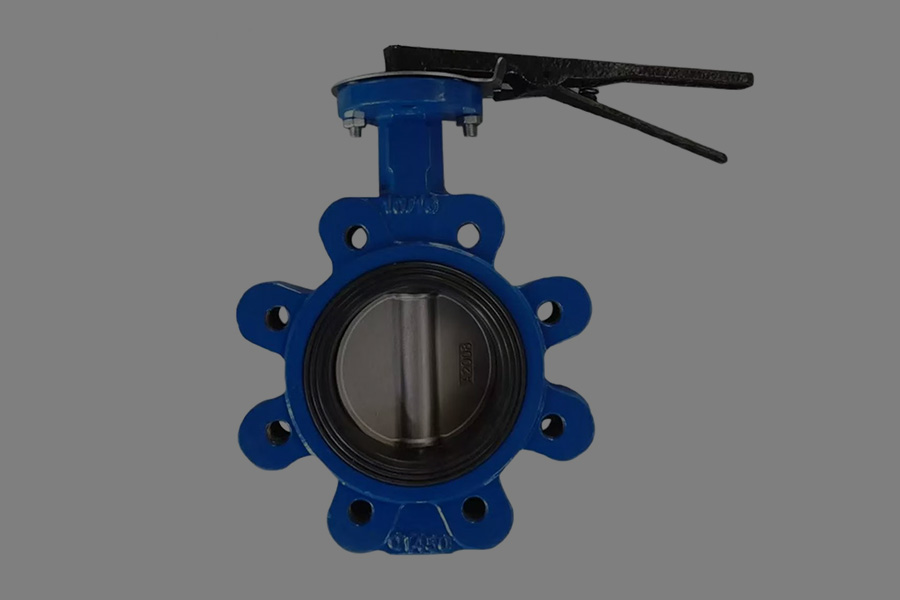
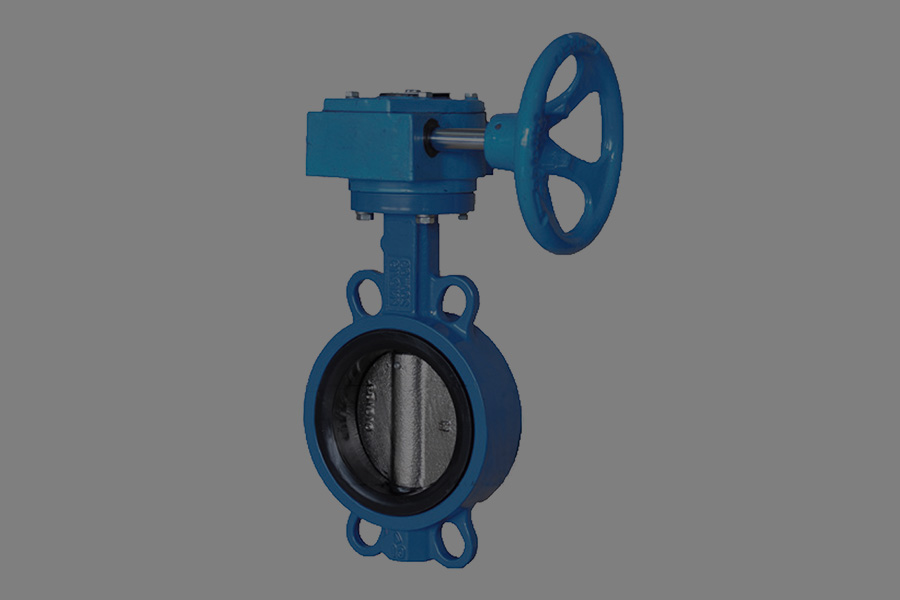
Our solutions isolation systems are installed in municipal, agricultural, and industrial sites across the globe.
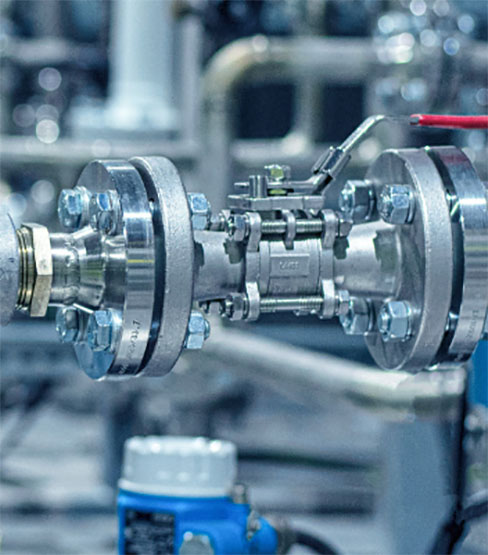
KR supplied tailored water control valves and safety valves for a major reservoir dam project in Chile, ensuring stable municipal supply isolation.
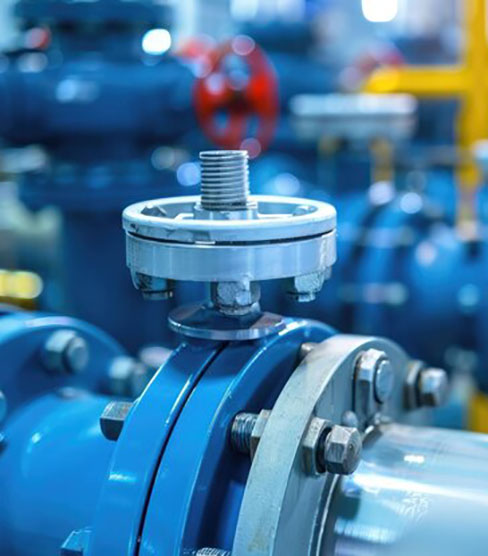
We delivered heavy-duty butterfly valves and check valves to an Italian water treatment plant, lowering structural vibration in pumping stations.
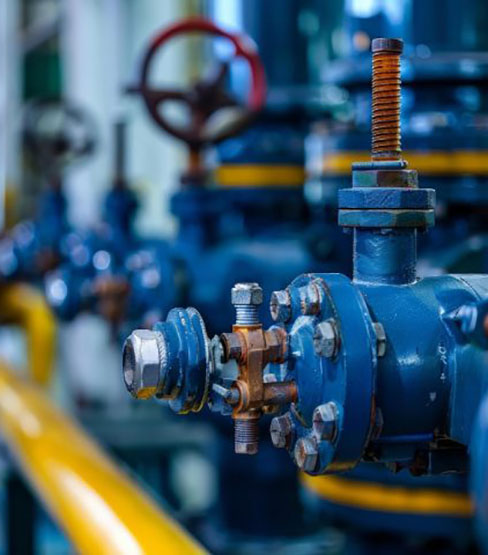
High-performance slide gates and knife gate valves were deployed in Indonesia to isolate corrosive media in a sludge management system.
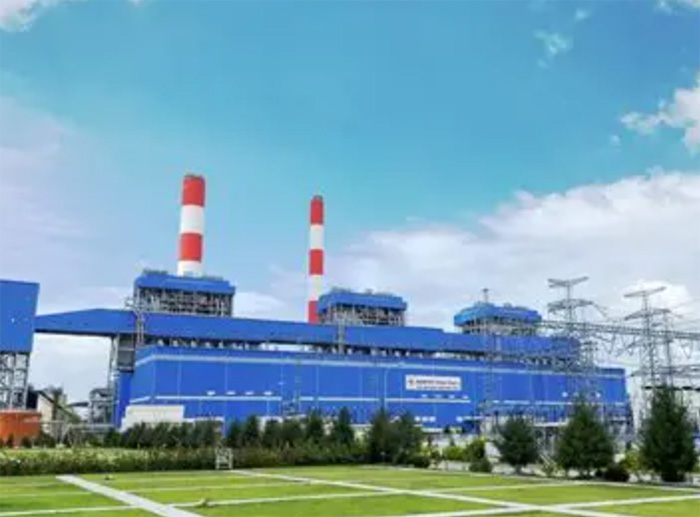
KR provided corrosion-resistant stainless steel valves lined with special polymers to withstand concentrated acid lines in a Vietnamese industrial zone.
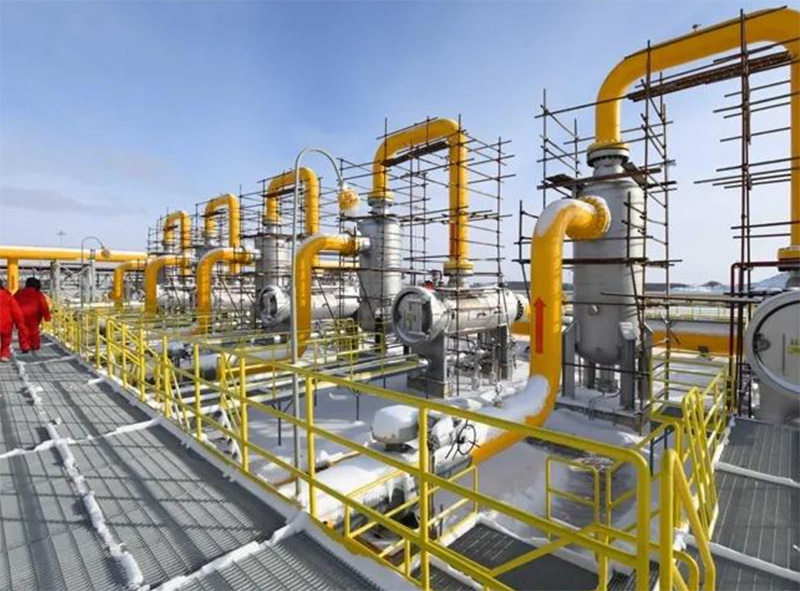
High-pressure gate and ball valves were integrated into storage and distribution hubs in Russia, verified to operate at low ambient temperatures.
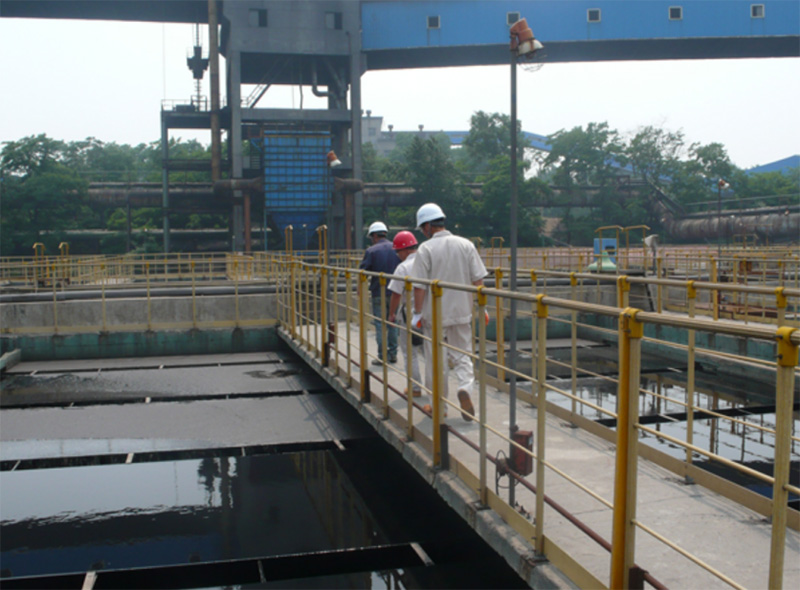
We supplied water control and isolation valves for urban sewage facilities in Brazil, handling high levels of abrasive suspended solids.
Get answers to common design and sourcing questions regarding stainless steel slide gates and penstocks.
Explore our additional check valves, butterfly valves, and pipeline strainers designed to safeguard industrial pumps and piping networks.
 KR VAVLE