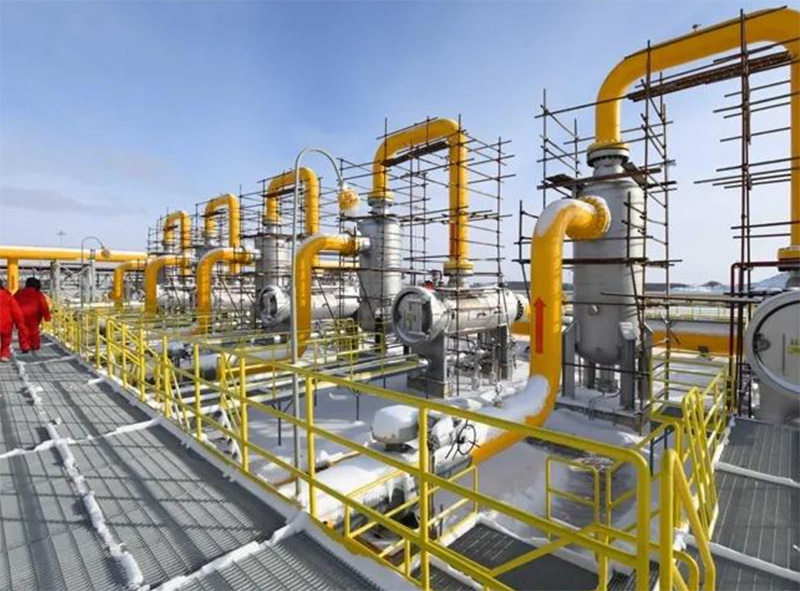
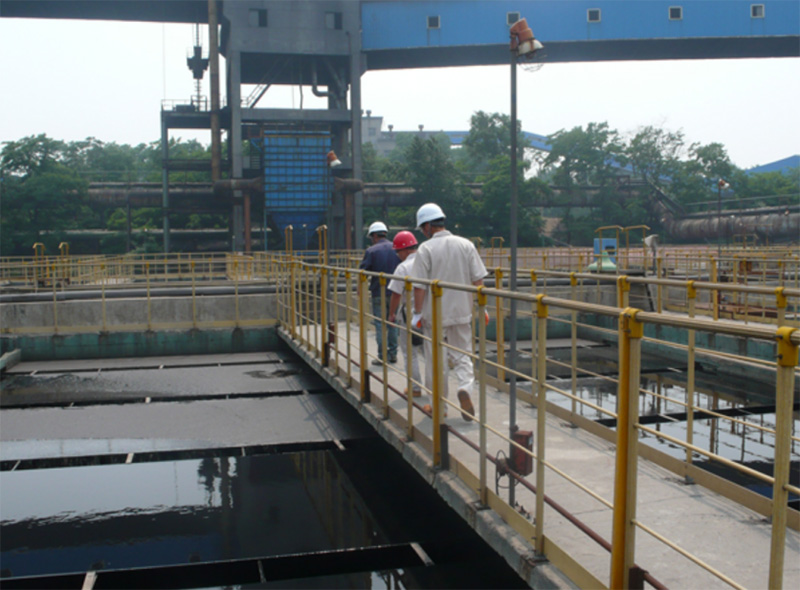
Understanding the design principles, application contexts, and material performance parameters that ensure critical security against backflow and pipeline system destruction.
A Technical Perspective: Check valves (also referred to as non-return valves) play an essential role in mechanical fluid pipelines by allowing medium to flow in only one direction. When fluid runs backwards, the pressure drop drops and gravitational or spring forces push the closing disc closed, isolating pump systems, protecting valuable assets, and avoiding disastrous backflow scenarios.
In modern industrial and infrastructure frameworks, the demand for cast iron check valves continues to rise. Factors such as industrialization in developing markets, upgrading aging drinking water pipelines in developed economies, and stricter global environmental standards are placing check valves under deeper technical scrutiny. Cast iron, particularly Grey Cast Iron (GG25) and Ductile Cast Iron (GGG40/50), serves as the primary material of choice due to its high dampening capacity, cost-efficiency, and resilience to mechanical stresses.
Across Europe, Asia, and North America, water treatment and transport pipelines utilize massive arrays of swing check, ball-type check, and dual-plate wafer check valves. Selecting the proper iron formulation (grey vs. ductile) represents the difference between a pipeline system that suffers early structural failure and one that runs smoothly for several decades. Modern designers specify ductile iron check valves for pipelines experiencing higher kinetic energy pressures, water hammer shockwaves, and thermal expansion forces, while grey cast iron remains a dependable solution for lower-pressure sewage systems and auxiliary utility pipelines.
Explore our premium selection of industrial ball valves, check valves, and high-performance butterfly valves manufactured under rigid ISO-9001 supervision.
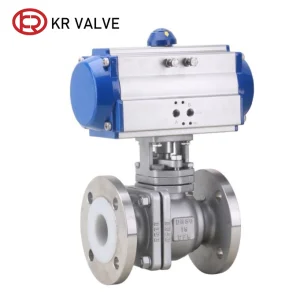
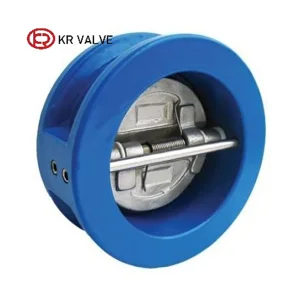
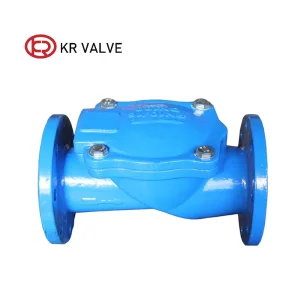
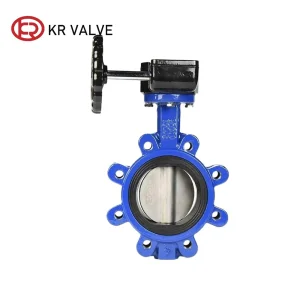
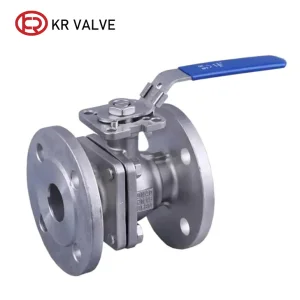
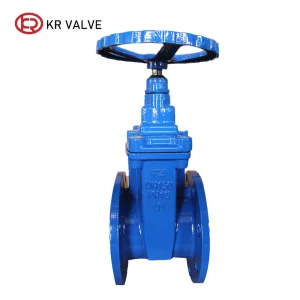
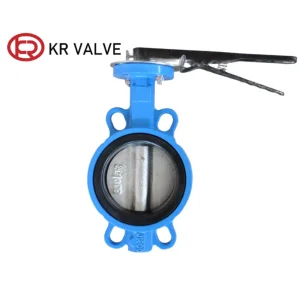
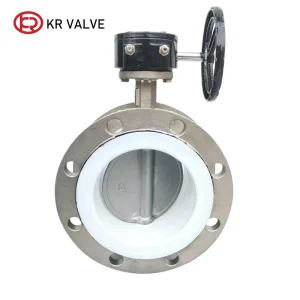
KR Valve has more than 20 years of experience in producing standard and non-standard valves of various types. We supply a wide selection of over 500 valve products, including butterfly valves, gate valves, check valves, water control valves, as well as all their matching and accessory products.
These products have core engineering applications in various industries such as municipal water treatment, dam construction, commercial high-rise buildings, urban energy and heating, chemical engineering, and petrochemical industries. We have won high repeat purchase rates from customers with excellent product variety and quality control structures.
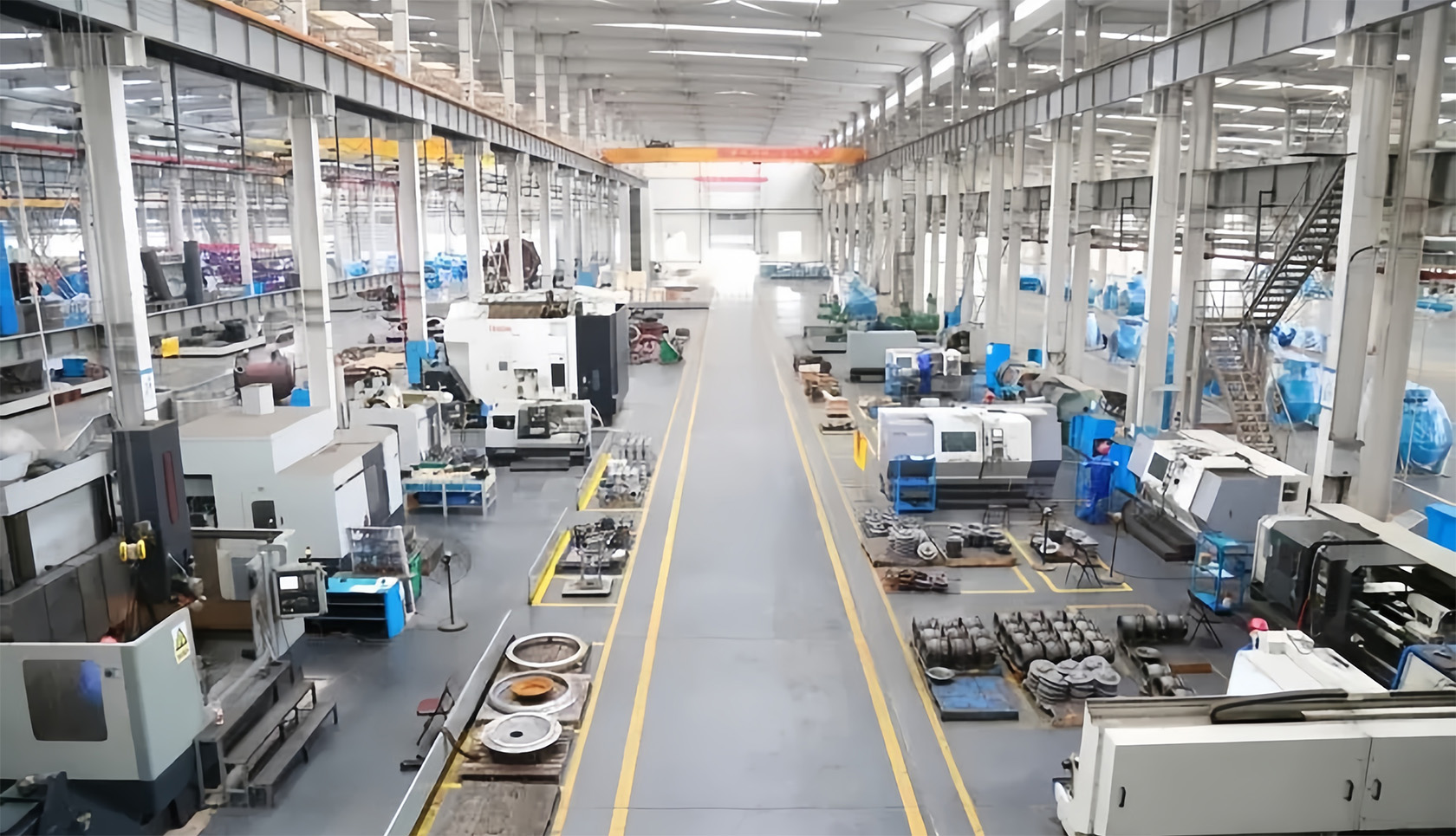
Our three internal operational pillars guarantee that each valve passing through our facility provides flawless performance and maximum field longevity.
Our dedicated R&D department ensures product design meets modern industry specifications. Tech teams use digital design suites to optimize casting geometry, reducing turbulence and pressure drops. Our state-of-the-art laboratory performs intensive testing of modern components under real-world conditions to continuously elevate valve durability and seal compliance.
Our factory manages production plans in close compliance with international standards and strict client deadlines. We maintain over 30 advanced production machines (including horizontal lathes, boring machines, and automatic coating lines). Our inventory is updated monthly to satisfy customer requirements and ensure punctual global delivery.
The inspection department guarantees that every single valve undergoes pressure and seat leakage testing before leaving the assembly floor. Following international protocols (API 598 / EN 12266-1), we run extensive pressure, material density, dimensional, and aesthetic inspections, issuing professional inspection certs with each shipment.
Deep industrial intelligence regarding the future of check valve design, including digital integrations, intelligent monitoring, and high-durability elastomers.
In recent years, the check valve industry has experienced a paradigm shift towards intelligent fluid control networks. The installation of sensor-based diagnostic systems on heavy-duty check valves represents a major technological leap. Below is a comprehensive look at the key technologies and future directions our engineering teams are developing:
Traditional check valves often generate high turbulence, leading to excessive friction loss. By redesigning the internal flow path through Computational Fluid Dynamics (CFD), we shape the body interior to optimize laminar flow patterns. This reduces energy consumption by lowering the overall system pump head requirement.
Smart sensors placed on the valve exterior can trace acoustic emissions generated during closing phases. This allows municipal water systems to identify early signs of seat wear, spring decay, or blockage before critical backflow leakage occurs, changing preventative maintenance programs forever.
With aggressive media handling on the rise, we are pushing the boundaries of standard elastomer seats. By optimizing polymers with PTFE, EPDM, and specialty Viton backings, our check valves achieve maximum wear and chemical resistance, extending operational life inside heavy sewage and sludge networks.
A key decision for system designers is choosing between Grey Cast Iron (GG25) and Ductile Iron (GGG40/50). Grey cast iron contains graphite in flake form, which yields superior dampening capabilities (absorbing pipeline vibrations) and makes it very cost-efficient. However, grey iron exhibits brittle failure modes under sudden pressure spikes.
Ductile iron, on the other hand, features spheroidal graphite structure introduced by magnesium treatments. This modification gives the metal impressive tensile strength and ductility. For systems vulnerable to severe water hammer (the shockwave sent through a pipeline when a pump shuts down suddenly), ductile iron check valves are highly recommended because they absorb these pressure peaks without cracking.
Our commitment to clients extends beyond manufacturing high-quality valves; we provide complete project support from design stages to after-sales service.
We supply products under our own independent brand "KR", which is recognized in international markets for quality and performance. Additionally, we provide comprehensive OEM services for many famous industrial valve brands worldwide.
Our machining floor features 15 advanced CNC machining systems and multiple organized assembly lines. Our operators possess decades of valve manufacturing experience, ensuring clean assembly and tight tolerances.
We manufacture 20 product series and over 500 varieties of valves. We supply standard configurations as well as specialized, non-standard customized solutions tailored to specific operating pressures, media types, and dimensions.
Our quality control program oversees every step of production, from raw cast iron castings and disc machining to final seat assembly. This comprehensive process guarantees that each finished product performs flawlessly in the field.
By controlling the entire production pipeline—from raw castings and precision machining to final testing—we minimize overhead and offer competitive pricing without compromising quality.
Our experienced sales and technical support teams are available 24/7. We assist clients from initial inquiry and selection to long-term post-installation maintenance and troubleshooting.
Our valves are installed in water distribution systems, industrial treatment works, and transport pipelines globally. Below are some of our project references.
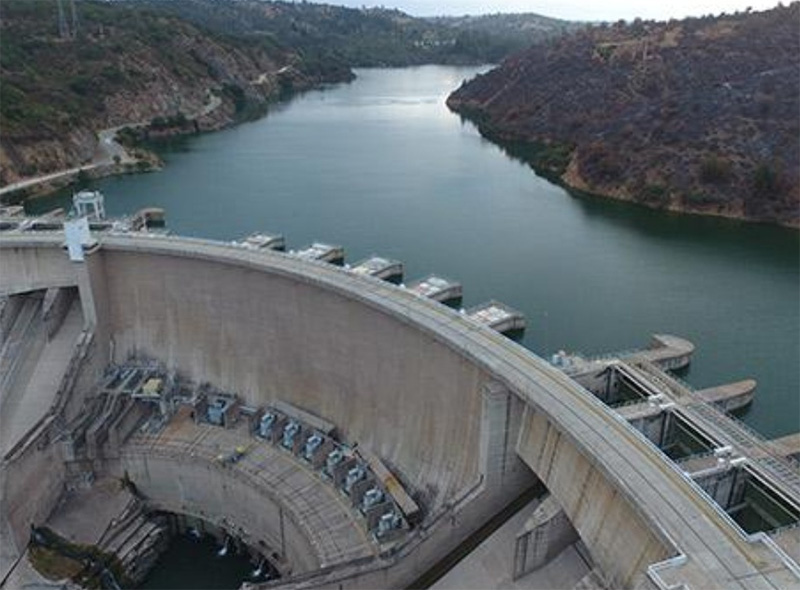
KR supplied a complete system of hydraulic control valves and pressure reducing valves for a large hydroelectric project in Chile, ensuring stable downstream water flow control under high static heads.
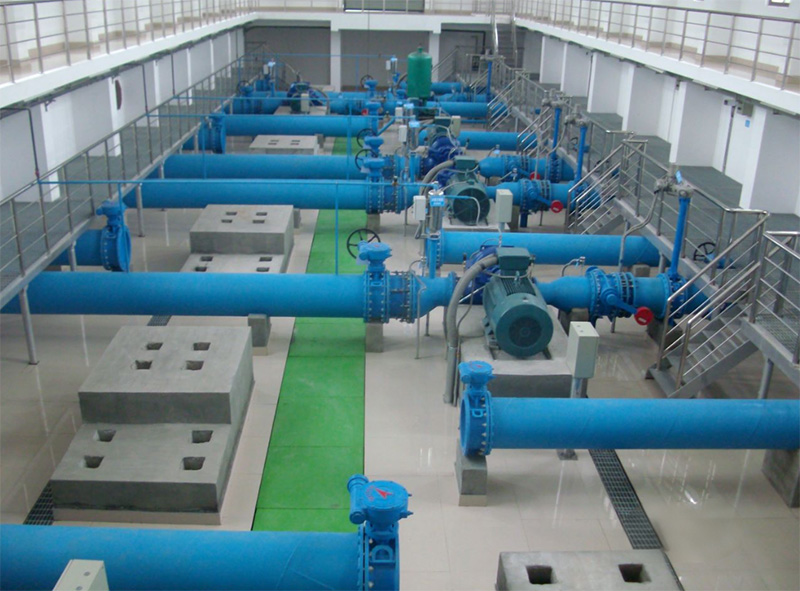
Our factory manufactured and delivered large-diameter double-eccentric butterfly valves and check valves for a municipal waterworks expansion project in Italy, improving regional water grid safety.
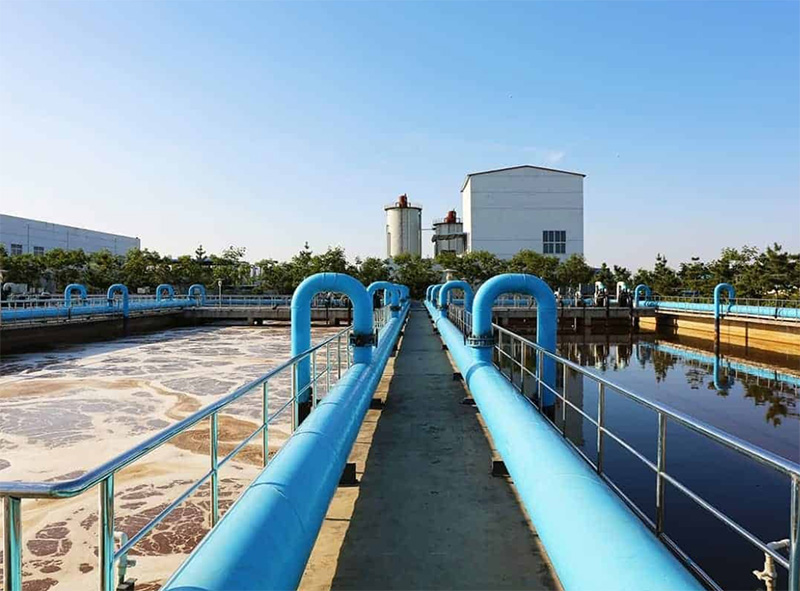
We supplied resilient-seated gate valves and swing check valves for a major sludge treatment plant in Indonesia, providing dependable control for high-viscosity media.
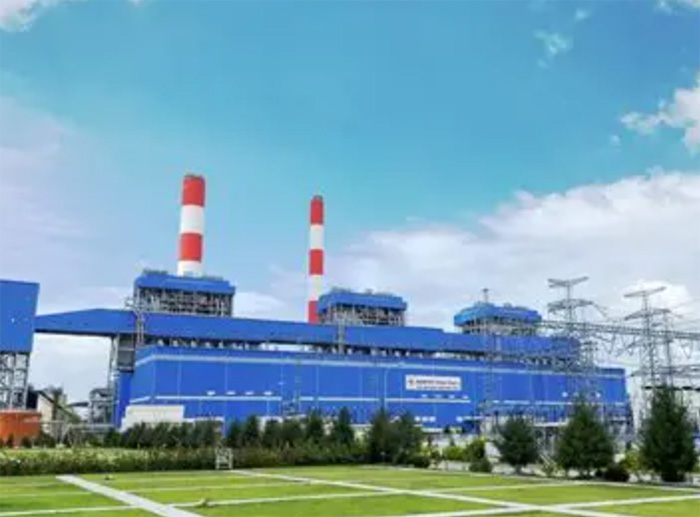
We engineered and delivered specialized, corrosion-resistant, full-PTFE-lined flanged butterfly and check valves to handle aggressive chemical processes at a production plant in Vietnam.
KR supplied high-pressure cast steel ball valves and gate valves to ensure reliable operation in a pipeline network in Russia under low ambient temperatures.
KR supplied a complete line of municipal-grade water control valves for a major sewage treatment plant in Brazil, enhancing wastewater transport reliability and protecting pump networks.
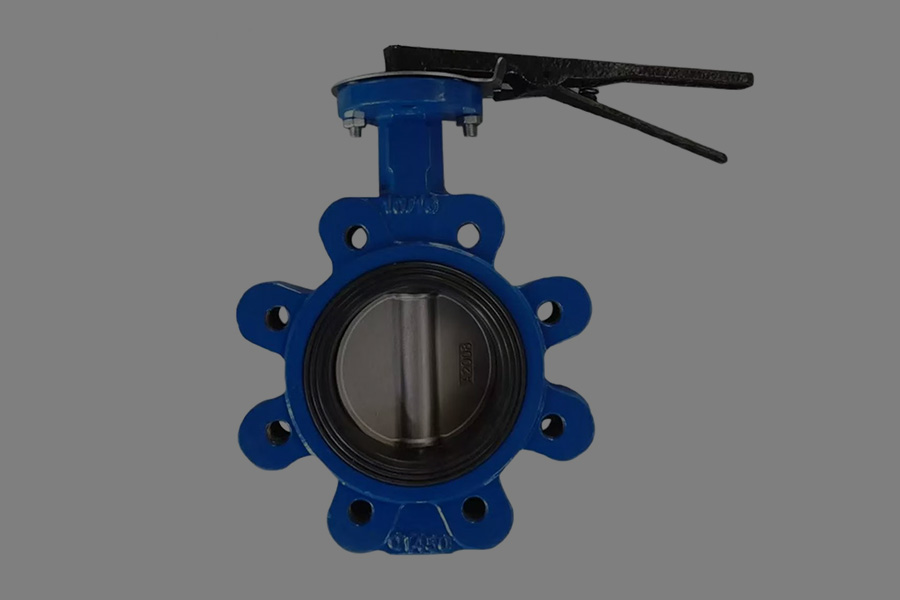
Take a virtual tour of our factory floor, showing our mechanical processing equipment, assembly lines, and high-pressure seat testing systems.
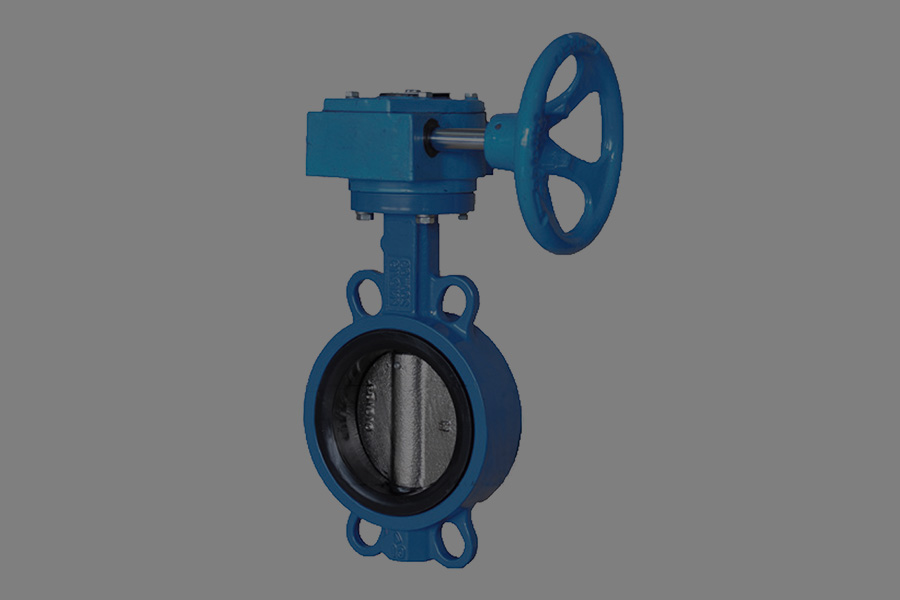
Find professional engineering answers regarding check valve design, selection criteria, maintenance, and operating characteristics.
Swing Check Valves feature a hinged disc that swings open and closed, making them ideal for low-velocity, long-run pipelines. However, they can slam shut, causing water hammer.
Ball Check Valves use a rubber-coated ball that is pushed up by flow and drops back down by gravity. They are excellent for viscous fluids like sludge or wastewater as they are self-cleaning and prevent clogging.
Dual-Plate Wafer Check Valves feature two spring-loaded plates that close quickly as flow reverses. They have a short face-to-face dimension, are highly compact, and significantly reduce water hammer risk, making them perfect for clean water lines with space limits.
Grey Cast Iron (GG25) is best suited for low-pressure (PN6 to PN10), low-temperature, and vibration-heavy environments, such as HVAC circuits and auxiliary cooling lines. Its graphite flake structure provides excellent vibration damping.
Ductile Iron (GGG40/50) should be used for high-pressure systems (PN16 to PN25), high-temperature lines, and pipelines prone to water hammer or external mechanical stress, thanks to its superior tensile strength and impact resistance.
A rubber flap check valve uses an angled seat design (usually a 45-degree angle) that shortens the disc travel distance. The flexible, lightweight rubber-encapsulated flap closes quickly under gravitational and backflow forces before flow velocity reaches zero, preventing water hammer.
EPDM seals are suitable for temperatures from -10°C to +120°C and are ideal for hot water, steam, and dilute acids, but should not be used with petroleum products.
NBR (Nitrile) seals are rated for temperatures from -10°C to +80°C and offer excellent resistance to oils, petroleum fuels, and wastewater, but degrade quickly when exposed to ozone or high temperatures.
In accordance with API 598 and EN 12266-1, we perform hydrostatic shell testing at 1.5 times the nominal pressure rating to verify body integrity, followed by low-pressure air and high-pressure water seat testing at 1.1 times the pressure rating. This ensures zero visible leakage and bubble-tight shutoff.
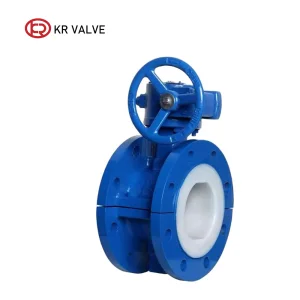
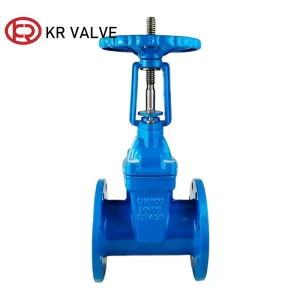
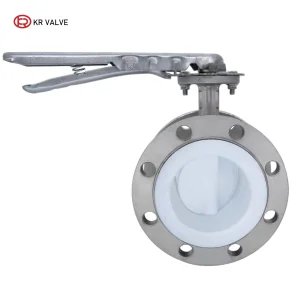
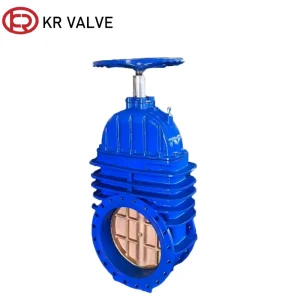
Explore additional selections from our catalog, including electric actuated butterfly valves, metal-seated gate valves, and high-performance non-return valves.
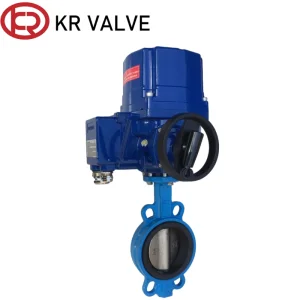
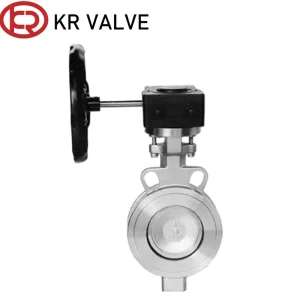
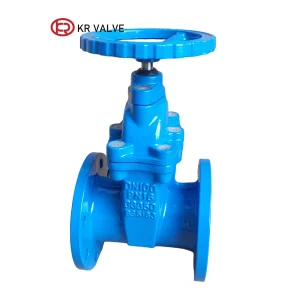
 KR VAVLE