Explore our core manufacturing line of industrial valves, strainers, and customized control systems engineered for demanding global operations.
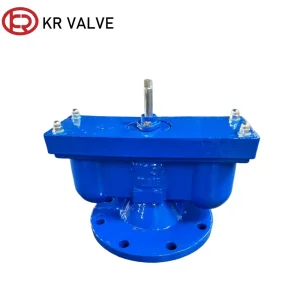
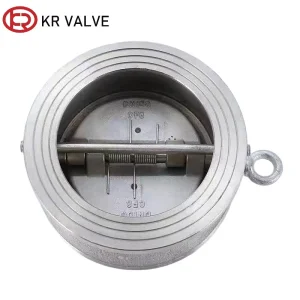
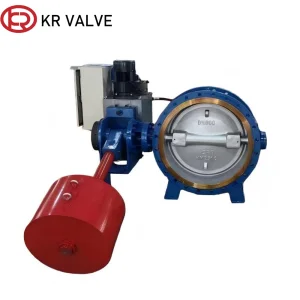
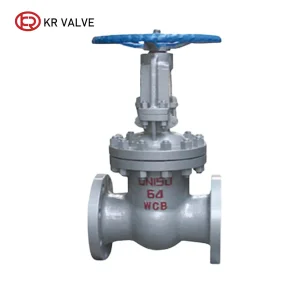
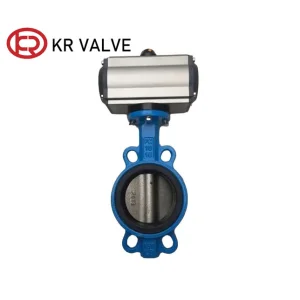
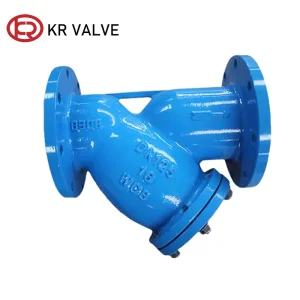
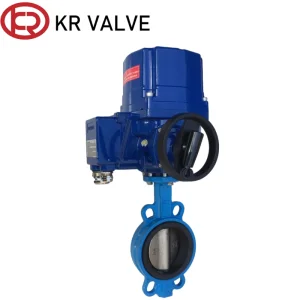
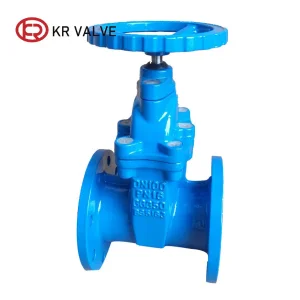
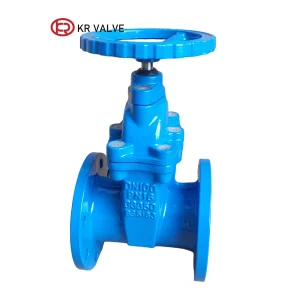
In high-pressure and high-velocity fluid networks, selecting the optimal sealing mechanism is a critical architectural decision. Brass seat gate sluice valves represent the pinnacle of metal-to-metal seating technology, widely recognized for their durability, high temperature resistance, and capability to manage media carrying abrasive particulates.
Unlike resilient-seated gate valves that rely on rubber elastomers (like EPDM or NBR), a brass seat design features precision-machined brass or bronze rings inserted into the body and wedge. When closed, the metal surfaces meet, forming a robust mechanical seal that resists wear from friction, scaling, and high velocities.
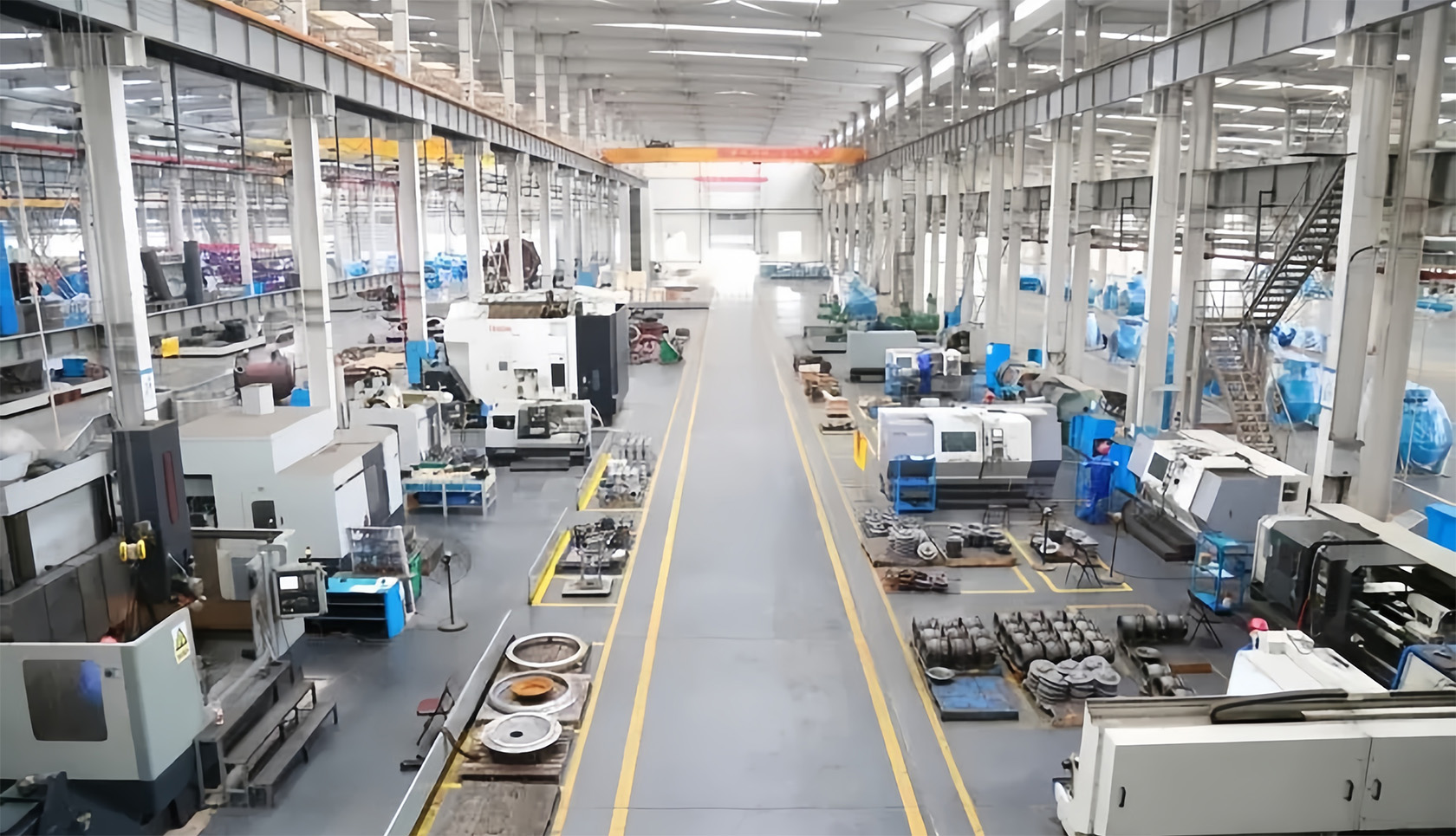
Over two decades of precision manufacturing, serving infrastructure and municipal engineering projects worldwide.
Our dedicated R&D department utilizes advanced finite element analysis (FEA) and Computational Fluid Dynamics (CFD) to optimize flow coefficients (Cv) and minimize turbulence. We maintain a modern laboratory for destructive and non-destructive pressure, torque, and material compliance testing, ensuring over 20 series and 500 distinct valve varieties perform flawlessly.
Operating under strict ISO-9001 quality management guidelines, our manufacturing floor houses over 30 specialized CNC machines, vertical lathes, and automated casting finishing equipment. We synchronize inventory cycles monthly, aligning production capacity to guarantee timely deliveries for large-scale global projects.
Zero leakage is our core operational principle. Each brass seat sluice valve is subjected to hydrostatic shell testing at 1.5 times the nominal working pressure and seat sealing tests at 1.1 times nominal pressure. We adhere strictly to API 598 and EN 12266 standards, issuing comprehensive trace reports with every batch.
Why leading global distribution networks and engineering consortia source their valve configurations from specialized Chinese hubs.
By owning local casting facilities, machining complexes, and testing stations in China's industrial valve hubs, we manage every phase from molten casting to assembly. This containment of the production line guarantees mechanical precision and protects the integrity of raw alloys against adulteration.
Global procurement demands quick lead times for custom dimensions, tailored drilling flanges (ANSI, DIN, BS), and specific valve accessories. Our localized R&D processes translate engineering layouts into working cast iron or cast steel valve prototypes within weeks, reducing time-to-market.
Chinese valve factories have aligned processes with international standards. We design to match standards like BS 5163, DIN F4/F5, AWWA C509/C515, and utilize coatings approved by WRAS, ACS, and NSF/ANSI 61. This helps minimize installation barriers in strict regional markets.
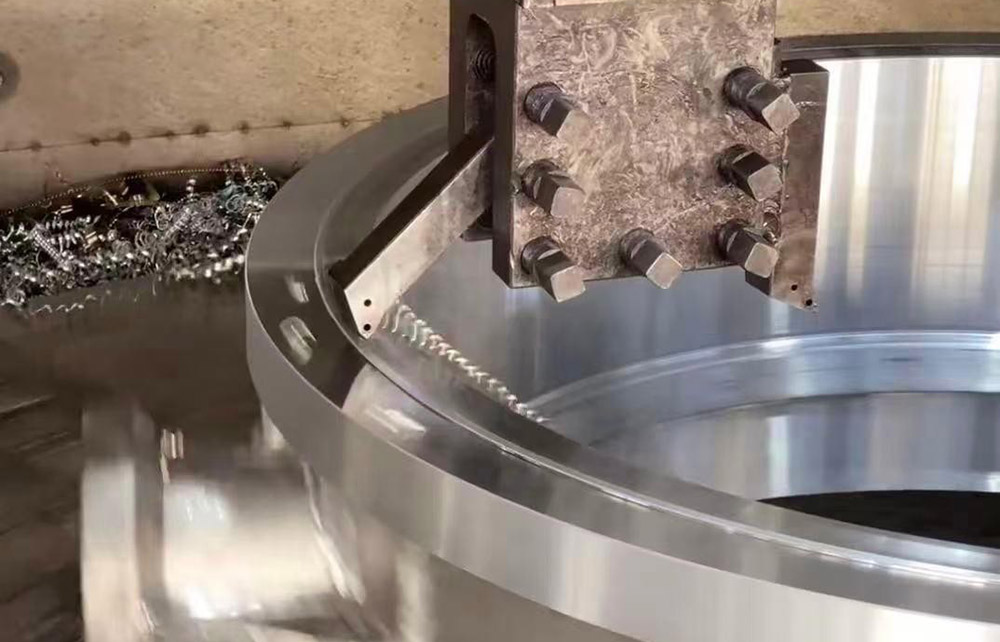
To optimize for different chemical concentrations, pressure spikes, and temperatures, we provide varied metallurgical grades for bodies, stems, wedges, and seat rings. The selection of brass for the sealing face is critical; we utilize specialized, corrosion-resistant brass alloys that resist dezincification under water-rich or chemical conditions.
| Component | Standard Materials | Premium Upgrades |
|---|---|---|
| Valve Body & Bonnet | Ductile Iron (GGG40 / GGG50) | Cast Steel (WCB), Stainless Steel (CF8/CF8M) |
| Wedge / Gate | Ductile Iron + Brass Seat Ring | SS304/SS316 Hard-Faced Seat |
| Body Seat Ring | High-Tensile Brass (HPb59-1) | Aluminium Bronze / SS316 |
| Stem | 2Cr13 Stainless Steel | SS304 / SS316 / Duplex Steel |
| Stem Nut | Cast Brass | Aluminium Bronze |
Bridging geographic divides through rigorous compliance, technical documentation, and customer service frameworks.
For municipal tenders and engineering contractors, product submission requires comprehensive certification. We generate detailed technical submittals, including dimensional drawings, material mill certificates, hydrostatic test logs, and structural design calculations, streamlining the engineering approval process.
Our products are certified for conformance with standards across multiple regions. This includes CE/PED certification for Europe, WRAS approvals for clean water networks in the UK, and ISO 9001 processes throughout the manufacturing line, satisfying quality assurance auditors during project review.
Watch our casting, machining, assembly, and hydrostatic testing processes in action at our valve production facility.
Real-world applications where KR Valve Group configurations support key municipal and industrial infrastructure projects.
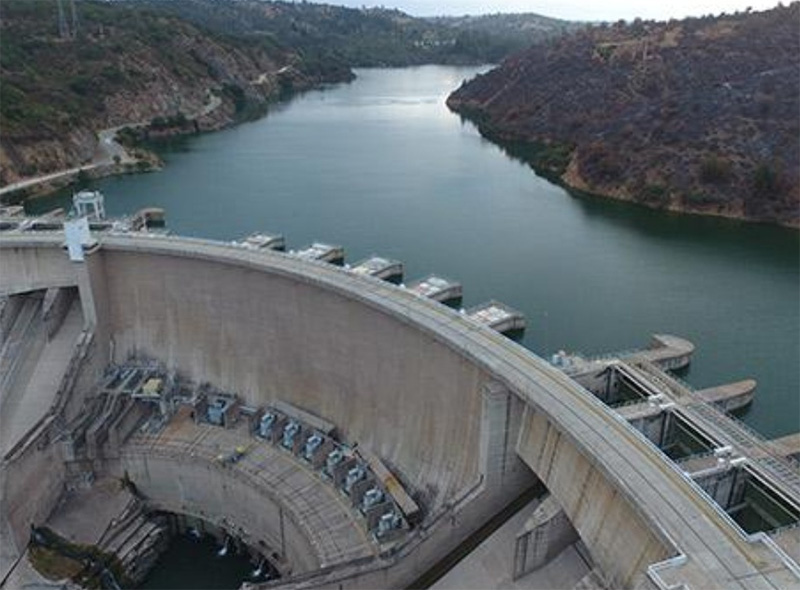
We supplied custom, large-diameter water control and metal-seated gate valves engineered to withstand high head pressures and silt levels, ensuring stable operation for Chilean water management networks.
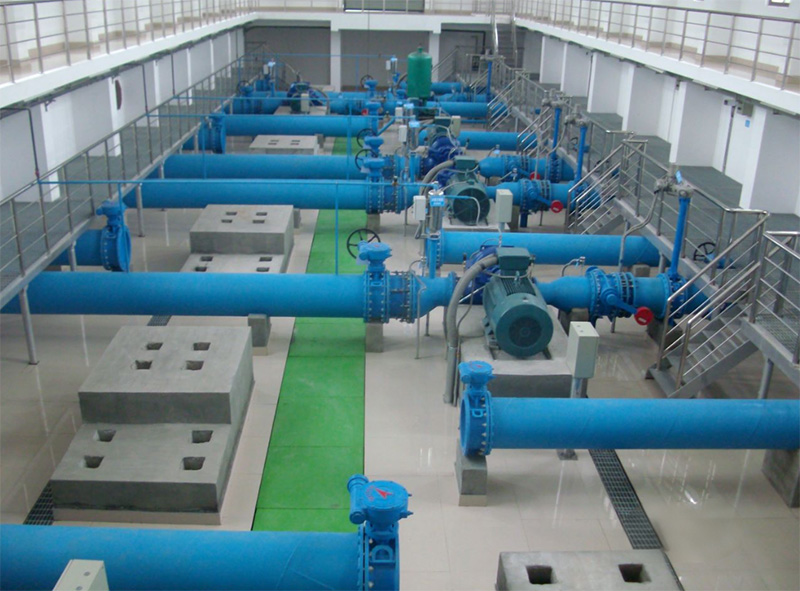
Provided large-diameter resilient and metal-seated butterfly and check valves. The low friction loss characteristics of our valves helped improve efficiency in municipal distribution networks.
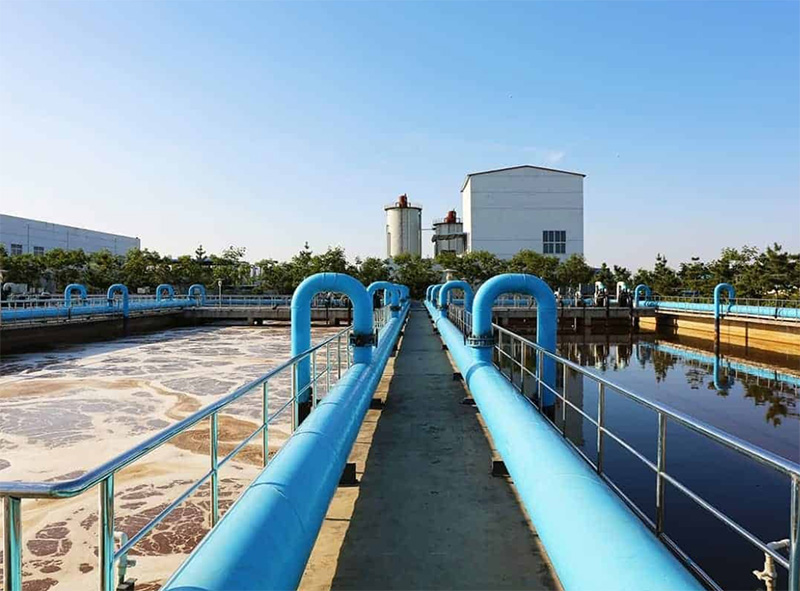
Corrosion-resistant gate valves and knife-gate configurations were deployed to manage high-solid sludge flows, minimizing sealing area erosion and pipeline downtime.
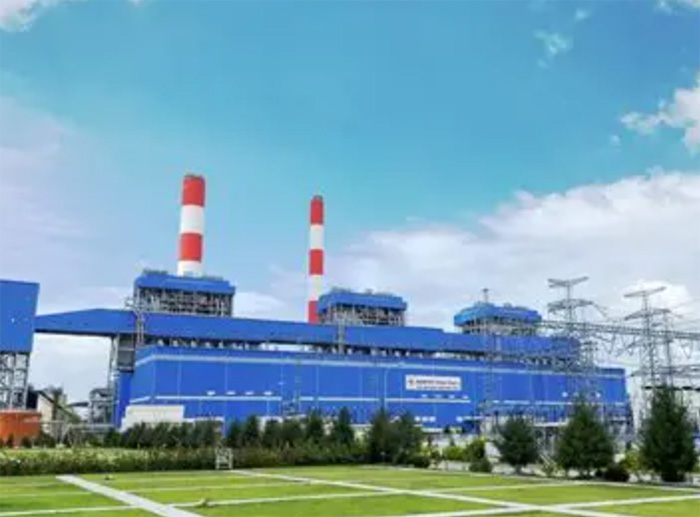
Supplied high-performance stainless steel and PTFE-lined valves to handle acidic process lines, preventing premature failure from chemical corrosion.
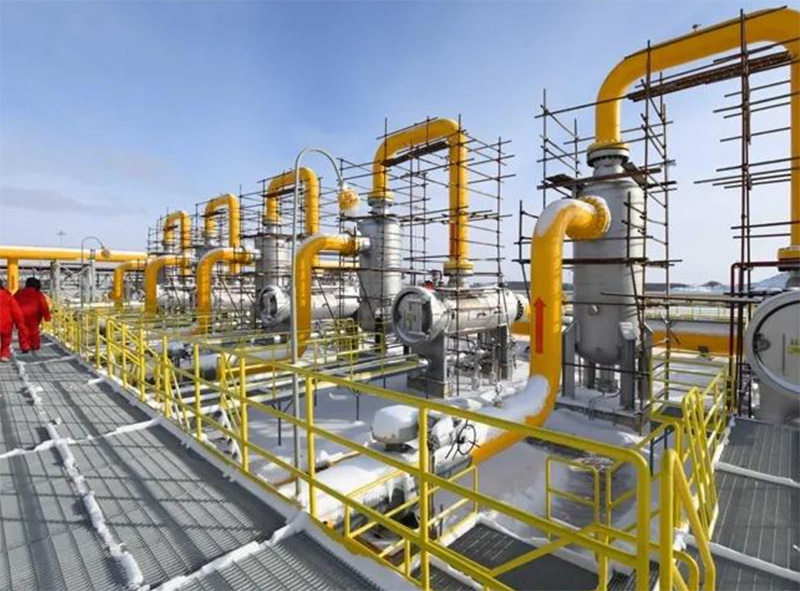
Delivered low-temperature steel ball valves and rising-stem gate valves designed for thermal expansion and seal stability in sub-zero operational environments.
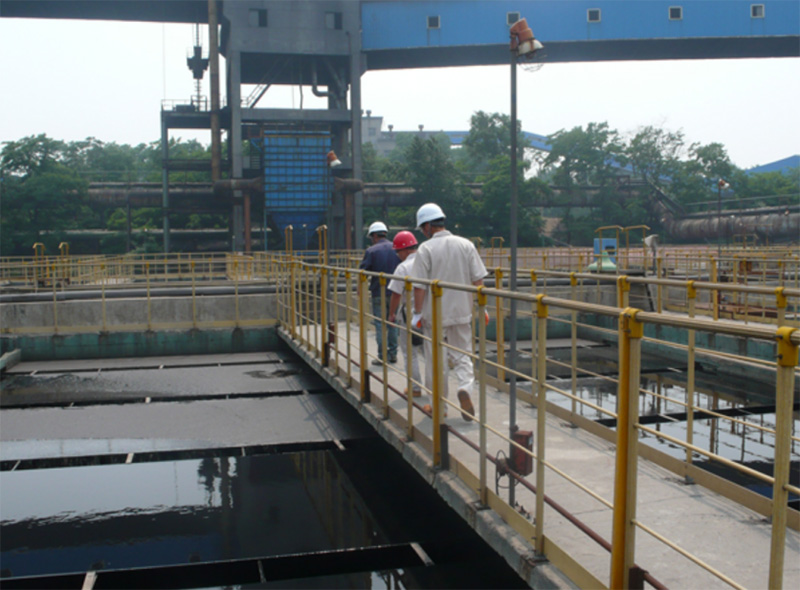
Supplied custom non-return check valves and water control systems, ensuring backflow prevention and managing pressure surges in regional municipal wastewater networks.
The global valve industry is shifting toward smart and sustainable infrastructure. Modern fluid systems demand real-time diagnostics and eco-conscious engineering. Our R&D division has focused on two primary trends:
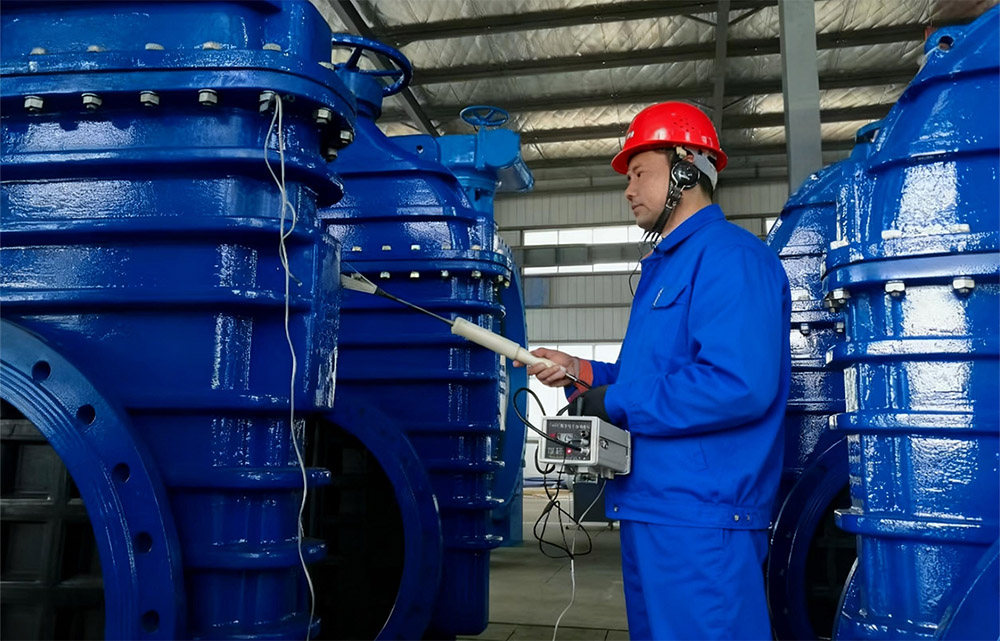
Developing custom valve solutions requires aligned design and manufacturing capabilities. We support procurement teams throughout the design, testing, and production phases:

Technical answers to key engineering and procurement questions about industrial brass seat gate sluice valves.
Specify a brass seat (metal-to-metal) gate valve for systems operating at elevated temperatures (above 120°C), pipelines carrying sand, silt, or debris, and applications where the valve remains closed for extended periods. Metal seats resist deformation and wear from sediment better than elastomer seals, though they may not achieve the absolute zero-leakage performance of soft elastomer seals on gas media.
The primary standards are BS 5163 (for British waterworks), DIN 3202 F4/F5 (European face-to-face dimensions), EN 1171, and ANSI/AWWA C509/C515. Testing procedures typically follow API 598 or EN 12266-1, specifying duration and allowable pressure drops for high-pressure shells and low-pressure seats.
Dezincification is avoided by utilizing alloy formulations containing less than 15% zinc, or incorporating specialized dezincification-resistant (DZR) brass (such as CW602N or C35200) containing minute arsenic or antimony stabilizers. This preserves metallurgical stability when exposed to oxygenated or mildly acidic waters.
Our standard application utilizes electrostatic Fusion-Bonded Epoxy (FBE) powder coating with a minimum dry film thickness (DFT) of 250 microns. The powder used is certified by WRAS, ACS, or NSF, verifying it is non-toxic and suitable for drinking water infrastructure.
Yes, metal-seated sluice valves are well-suited for wastewater systems. During closure, the metal wedge's sharp edge acts as a scraper, clearing grease and solid particulate off the brass body seat ring, maintaining flow control where soft EPDM coatings might tear or puncture.
For standard patterns with minor modifications (flange drilling, custom color), delivery averages 30 to 45 days. For custom designs requiring new casting molds and structural engineering validation, lead times typically range from 60 to 75 days, depending on size and order volume.
Rising stems provide a clear visual indicator of the valve’s open/closed position but require more vertical space, making them common in treatment plant pump rooms. Non-rising stems keep the stem protected within the body, saving space and making them ideal for buried underground installations, municipal pits, or tight ceiling locations.
We manufacture gate sluice valves up to DN1200 (48 inches) with pressure class options including PN10, PN16, PN25, and PN64. Cast carbon steel (WCB) variants can be built to handle ANSI Class 300 or 600 pressure profiles for high-head industrial pump stations.
We verify sealing integrity using computerized hydrostatic and pneumatic testing rigs. For metal-seated valves, we target Rate A leakage criteria (no visible leakage) under EN 12266-1. The wedge and body seats undergo precision grinding and manual lapping to ensure tight surface contact.
Yes, all gate valve lines can be configured with standard ISO 5210 top flanges, allowing for integration with electric actuators (Auma, Rotork) or customized pneumatic cylinder drivetrains for automated control systems.
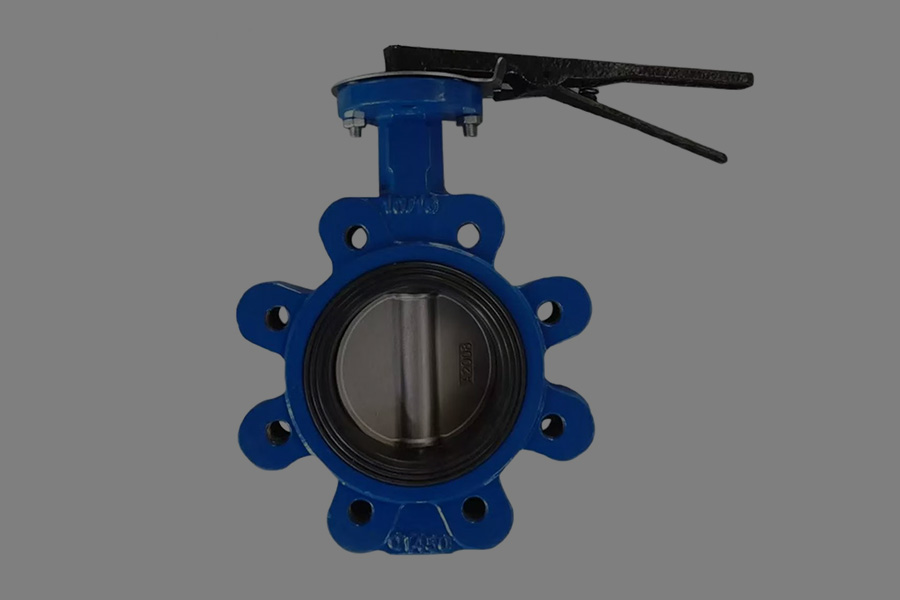
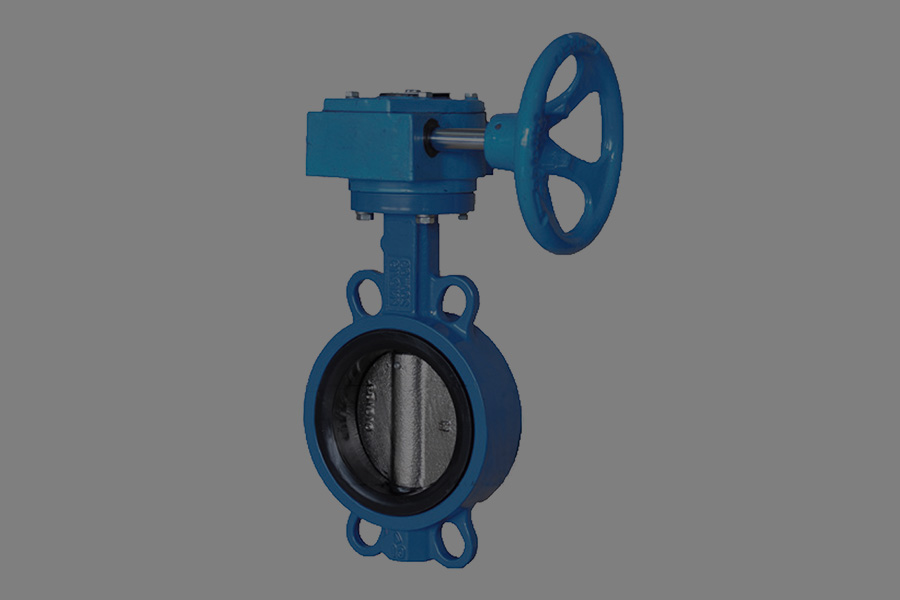
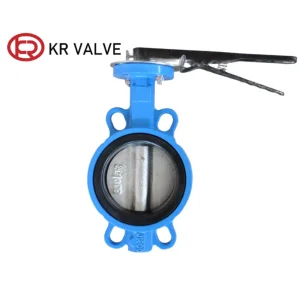
Our second line of industrial components covers high-pressure gate valves, rising stems, Y strainers, and resilient butterfly valves.
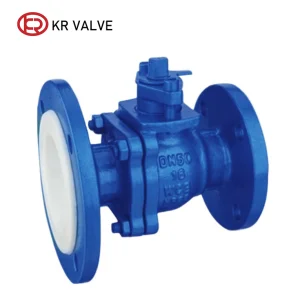
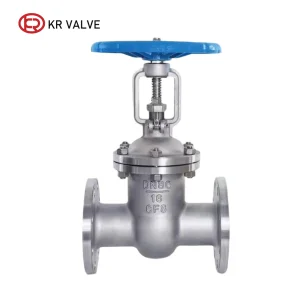
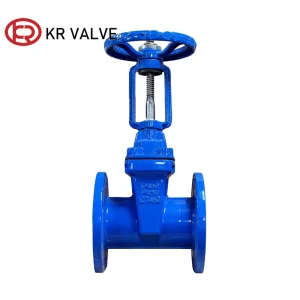
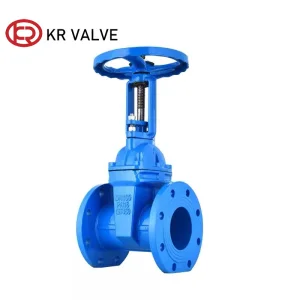
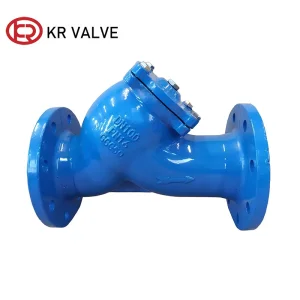
Partner with an experienced OEM/ODM valve manufacturer to secure high-performance, compliant, and cost-effective flow control solutions.
Request Technical Proposal KR VAVLE