The stainless ball valve industry is evolving rapidly. As we approach 2026, understanding upcoming trends is crucial. These valves play an essential role in various industries. Their reliability and durability are unmatched.
New materials and technologies are shaping the future of stainless ball valves. Enhanced coatings and smart technologies are emerging. These innovations can significantly improve performance. However, as with any trend, caution is needed. Overlooking basic maintenance can lead to unexpected failures.
Anticipating these trends can provide a competitive edge. Investing in knowledge about stainless ball valves prepares businesses for the future. Yet, it is vital to balance innovation with proven practices. The path forward is both exciting and demanding.
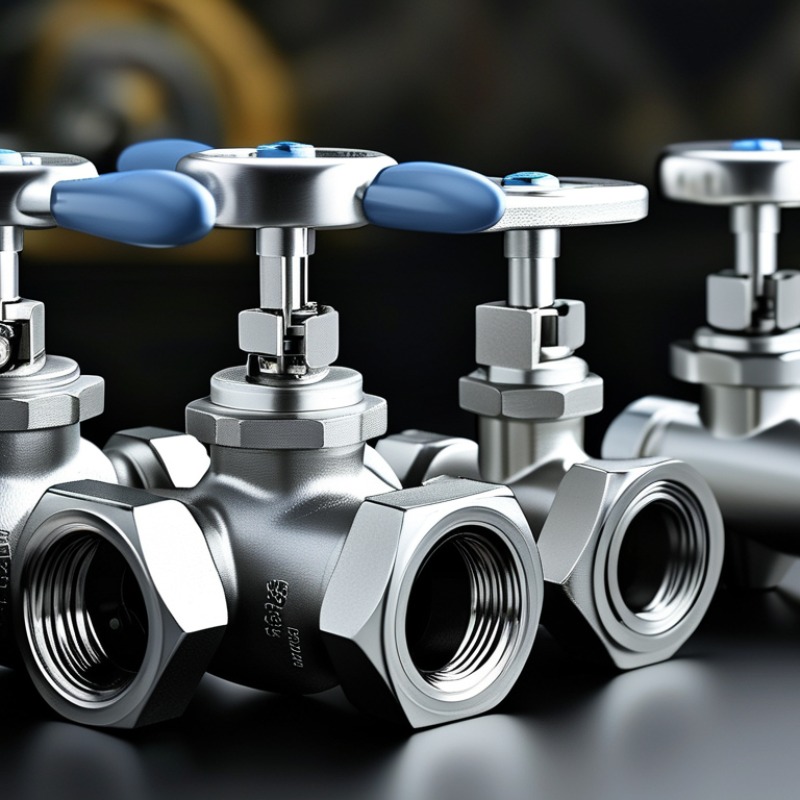
In 2026, the stainless ball valve industry is set to witness significant shifts. Emerging materials will play a crucial role in enhancing valve performance. Manufacturers are exploring advanced composites and alloys. These materials offer improved corrosion resistance and durability.
The quest for lighter yet stronger materials is ongoing. Manufacturers are testing innovations like titanium alloys. These options promise to reduce weight without sacrificing strength. Additionally, sustainable materials are gaining traction. This shift may impact manufacturing processes and environmental practices throughout the industry.
However, challenges remain. The integration of these new materials can be complex. Some manufacturers may face hurdles in production scalability. Quality control will also be paramount. Ensuring consistent performance with emerging materials requires precise engineering. Manufacturers must adapt to stay relevant in this evolving landscape.
| Trend | Description | Emerging Materials | Potential Impact |
|---|---|---|---|
| Smart Valve Technology | Integration of IoT for real-time data monitoring. | Composite materials with integrated sensors. | Increased efficiency and predictive maintenance. |
| Eco-Friendly Manufacturing | Sustainability focus in the production processes. | Recycled stainless steel and bioplastics. | Reduces carbon footprint and enhances market appeal. |
| Advanced Coating Technologies | Development of durable and resistant coatings. | Hybrid ceramic and polymer coatings. | Enhanced lifespan and performance under extreme conditions. |
| Modular Designs | Flexible and customizable valve structures. | Lightweight alloys and structural polymers. | Easier maintenance and cost-effective solutions. |
| Enhanced Sealing Solutions | Focus on improved leak prevention technologies. | Advanced elastomers and graphite-based materials. | Greater reliability and safety in various applications. |
Stainless ball valves are evolving rapidly, driven by technological advancements. Innovations focus on enhancing efficiency, durability, and user experience. These trends aim to reduce energy consumption while maintaining high performance. Companies are investing in smart technology features, like IoT integration, to facilitate real-time monitoring.
One key advancement is the use of advanced materials. These materials improve resistance to corrosion and wear. Such modifications can extend the lifespan of valves significantly. However, manufacturers must ensure that these materials remain cost-effective. It’s crucial to balance quality with budget constraints.
Tip: Regular maintenance can enhance valve efficiency. Checking for leaks and wear can prolong service life.
Another trend is the development of automated systems. Automation minimizes human error, improving overall process reliability. While the initial investment may be substantial, the long-term savings can be significant. Companies need to evaluate their specific needs before making financial commitments.
Tip: Consider conducting a cost-benefit analysis. Weigh the upfront costs against potential operational savings to make informed decisions.
The landscape of manufacturing stainless ball valves is undergoing significant transformation. As industries increasingly prioritize sustainability, production practices are evolving. Companies are exploring eco-friendly materials and energy-efficient processes to minimize their environmental impact. This shift not only reduces waste but also contributes to a more sustainable future.
One notable trend is the use of recycled materials. Manufacturers are now integrating upcycled metals into their production lines. This practice lessens the reliance on virgin resources. However, challenges remain. Sourcing high-quality recycled materials must ensure that safety and performance standards are met.
Furthermore, companies are investing in energy-efficient manufacturing technologies. These methods reduce energy consumption during production stages. While this is a step in the right direction, the ongoing reliance on fossil fuels in some practices raises questions. The industry must continuously seek solutions that align with their sustainability goals. As we approach 2026, reflection on these practices will be crucial for achieving a truly sustainable ball valve production landscape.
As we approach 2026, the stainless ball valve market is evolving rapidly. Engineers and designers are adapting to new standards focused on sustainability and efficiency. This shift is being driven by growing environmental awareness and regulatory pressures. Companies are investing in innovative materials and manufacturing processes that reduce carbon footprints. The push for lightweight yet durable components is changing design paradigms.
Market demand trends are also reshaping functionality. Users are seeking valves that offer enhanced performance under extreme conditions. This includes resistance to corrosion, high temperatures, and pressures. Advanced sealing technologies are becoming critical. These innovations promise better reliability and longevity. However, with these advancements come challenges. Balancing cost and performance remains a constant concern for manufacturers and end-users alike.
The focus on smart technology integration is another area of interest. Digital monitoring systems can provide real-time data on valve performance. While this is beneficial, it raises questions about security and reliability. Companies must ensure robust systems to protect valuable data. As 2026 approaches, the stainless ball valve landscape will continue to adapt to these complex demands. Designers must embrace change while addressing the challenges that arise.
The stainless ball valve market is evolving rapidly, driven by advancements in technology and industry needs. Key sectors, including oil and gas, chemicals, and water treatment, are increasingly adopting these advanced solutions. Reports indicate that the global stainless ball valve market is projected to reach $5 billion by 2026. This growth reflects a significant shift toward efficiency and reliability within these industries.
In the oil and gas sector, stainless ball valves are favored for their resistance to corrosion and high pressures. As facilities push for sustainable practices, these valves provide an effective solution. Similarly, in the chemical industry, robust stainless ball valves minimize the risk of leaks and ensure safer operations. According to industry analysis, about 70% of chemical plants are expected to upgrade their valve systems by 2026, showcasing a trend toward modernization.
Water treatment facilities are also embracing advanced stainless ball valve technologies. Enhanced durability and performance are crucial in this sector. Recent studies highlight that nearly 60% of water treatment operators plan to transition to stainless options. As these industries evolve, the focus on health, safety, and environmental regulations will shape the ongoing adoption of stainless ball valves, highlighting the need for continuous innovation and improvement.
: Technological advancements are enhancing efficiency, durability, and user experience.
By investing in smart technologies like IoT for real-time monitoring.
Advanced materials enhance resistance to corrosion and wear, extending valve longevity.
They must balance quality and cost-effectiveness to meet budget constraints.
It can enhance efficiency by checking for leaks and prolonging service life.
Automation reduces human error, improving overall process reliability and savings.
It helps evaluate upfront costs against potential operational savings before decisions.
Companies are focusing on sustainability by using eco-friendly materials and processes.
Upcycled metals are integrated, reducing reliance on virgin resources but posing sourcing challenges.
The reliance on fossil fuels in manufacturing processes raises critical sustainability questions.
The article "Top Stainless Ball Valve Trends for 2026 Are You Ready?" explores the evolving landscape of stainless ball valve manufacturing, highlighting several key trends expected to shape the industry. Emerging materials are set to enhance the durability and performance of stainless ball valves, making them more suitable for diverse applications. Technological innovations play a critical role in improving the efficiency of these valves, ensuring they meet the heightened demands of modern industrial processes.
Moreover, sustainability practices are increasingly influencing production methods, as manufacturers aim to minimize their environmental impact. The article also addresses market demand trends, which are pushing for designs that not only meet performance criteria but also align with customer preferences. Finally, several key industries are adopting advanced stainless ball valve solutions, reflecting the versatility and critical importance of these components in various sectors. As we approach 2026, the stainless ball valve market is poised for significant transformations driven by these dynamic factors.

KR VAVLE