In today's competitive industrial landscape, selecting the right control valve supplier is crucial. Experts like Dr. Emily Chen, a leading authority in control valve technology, emphasize, "Choosing the right supplier can make or break operational efficiency." This highlights the significant role that control valves play in various applications, from oil and gas to water management.
The control valve industry is vast. It encompasses various manufacturers, each offering different features and technologies. Buyers must consider factors like reliability, performance, and customer support. Quality control valves can enhance system performance while reducing maintenance costs. It's not just about price; it's about value and efficiency.
While there are many top suppliers globally, not all deliver consistently. Some market players may focus too much on profits, sacrificing quality. This creates a need for careful evaluation. Reliable suppliers are those who prioritize innovation and customer feedback. In a world where performance is key, choosing a suitable control valve supplier can be a daunting challenge. It requires meticulous research and an understanding of industry dynamics.
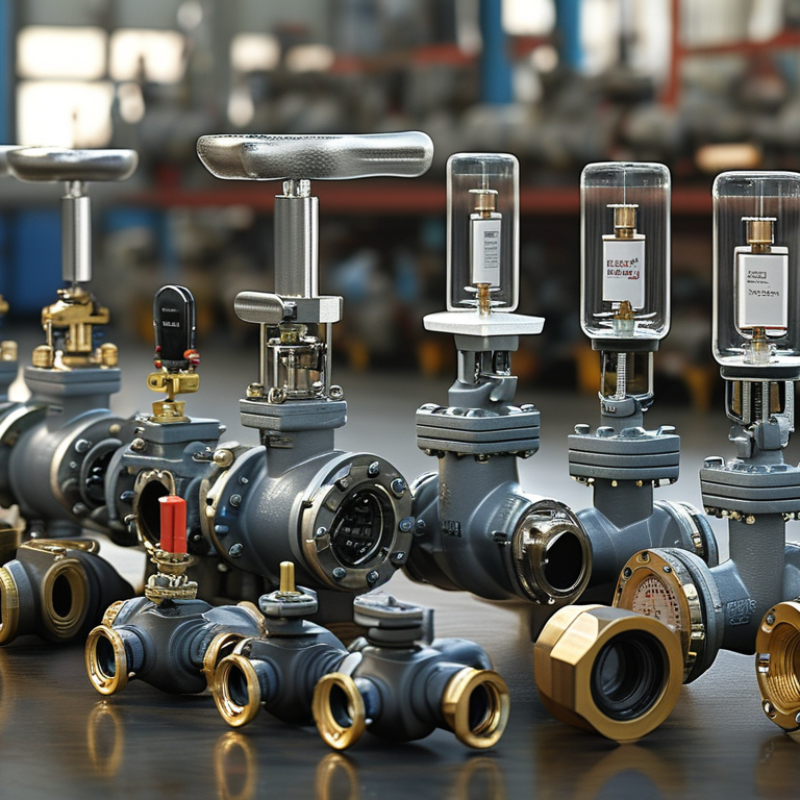
Control valves play a critical role in various industries by regulating fluid flow and pressure. According to a report by Markets and Markets, the global control valve market is expected to reach $16.5 billion by 2025, growing at a CAGR of 6.1%. This reflects the increasing demand for process automation in industries like oil and gas, pharmaceuticals, and water treatment.
In manufacturing, control valves ensure optimal operational efficiency. They adjust flow rates and maintain pressure levels, which can lead to increased energy savings. A study highlighted in the Journal of Process Control estimates that proper control valve management can reduce energy costs by up to 20%. However, not all companies prioritize regular maintenance or upgrades. This oversight can lead to inefficiencies and unexpected failures.
The importance of control valves extends beyond simple functionality. They enhance system safety by preventing pressure surges and ensuring proper operation under varying conditions. Yet, many organizations lack comprehensive training for staff on valve maintenance and troubleshooting. This knowledge gap poses risks. Without adequate training, the reliability of control systems is compromised, potentially leading to costly downtimes. Industry standards suggest continuous education to improve skills and awareness.
| Supplier Type | Industry Focus | Region | Key Features | Estimated Annual Revenue (Million USD) |
|---|---|---|---|---|
| Manufacturer | Oil & Gas | North America | High Durability, Customizable | 250 |
| Distributor | Chemical Processing | Europe | Wide Range of Products, Fast Delivery | 180 |
| Manufacturer | Water Management | Asia | Eco-friendly, Automated Solutions | 200 |
| Supplier | Power Generation | Global | Energy Efficient, Long Life | 150 |
| Distributor | Pharmaceuticals | North America | Precision Control, Compliance | 120 |
: Control valves regulate fluid flow and pressure, ensuring operational efficiency across various sectors.
Proper management can reduce energy costs by up to 20%, highlighting its importance in efficient operations.
Regular maintenance prevents inefficiencies and unexpected failures, which can lead to operational disruptions.
Lack of training can compromise reliability, leading to costly downtimes and increased operational risks.
Check online reviews, seek peer feedback, and assess supplier responsiveness during negotiations.
Detailed documentation, installation guides, and clear return policies foster trust between suppliers and customers.
Quick resolutions from suppliers minimize downtime and enhance productivity, essential for smooth operations.
Proactive communication helps resolve issues faster, leading to a better customer experience and trust.
Yes, continuous education is recommended to improve skills and ensure safe valve operations.
Companies should consider long-term partnerships based on reliability, support, and communication quality.
Control valves play a crucial role in various industrial applications by regulating fluid flow and pressure, thereby ensuring operational efficiency and safety. Selecting a reliable control valve supplier is essential for industries to maintain high standards of performance. Key criteria for choosing a supplier include product quality, technological advancements, and customer service support.
In the current market, leading global manufacturers are continually innovating to meet the evolving demands of the industry, focusing on automation and smart technologies. Additionally, evaluating supplier reliability and customer support services has become increasingly important, as these factors significantly influence long-term partnerships and project success in the realm of control valves. Emerging trends indicate a shift towards more integrated and data-driven solutions, reflecting the growing need for operational agility and efficiency.

 KR VAVLE